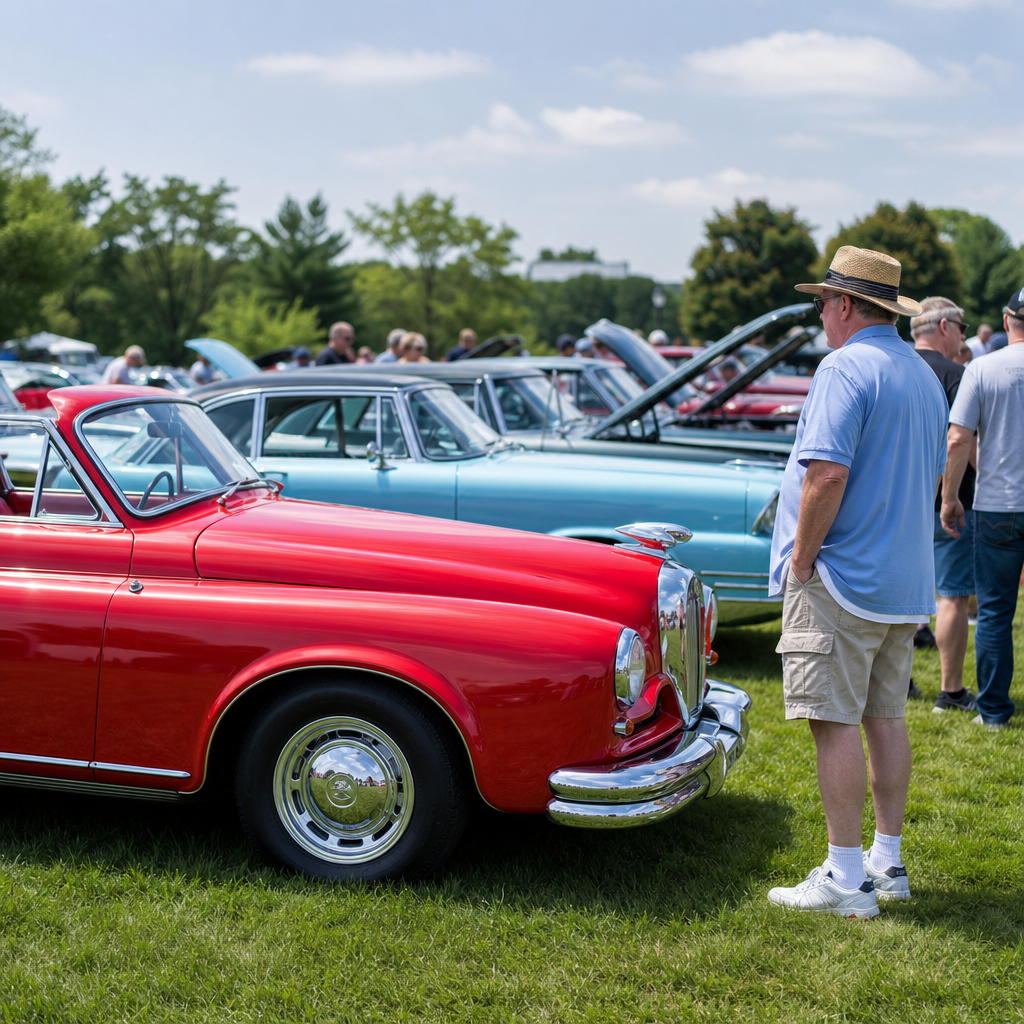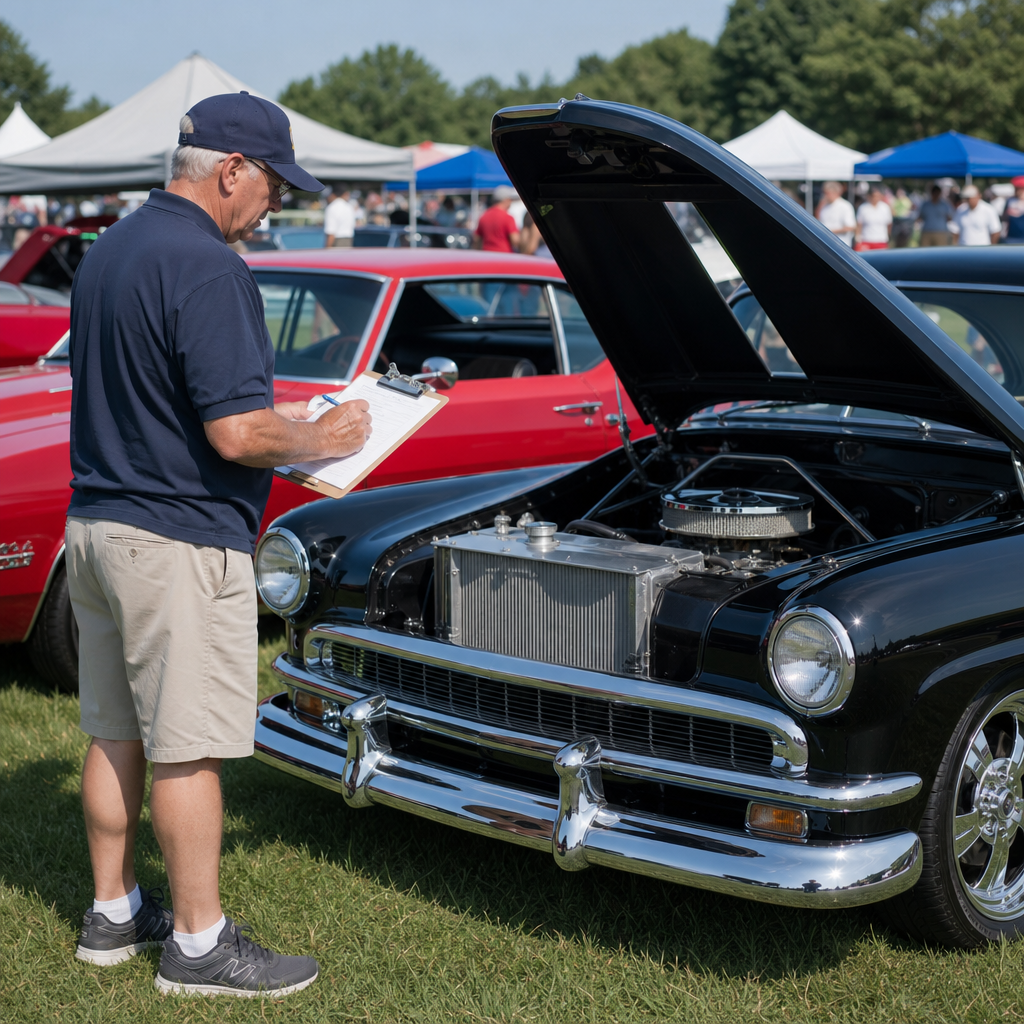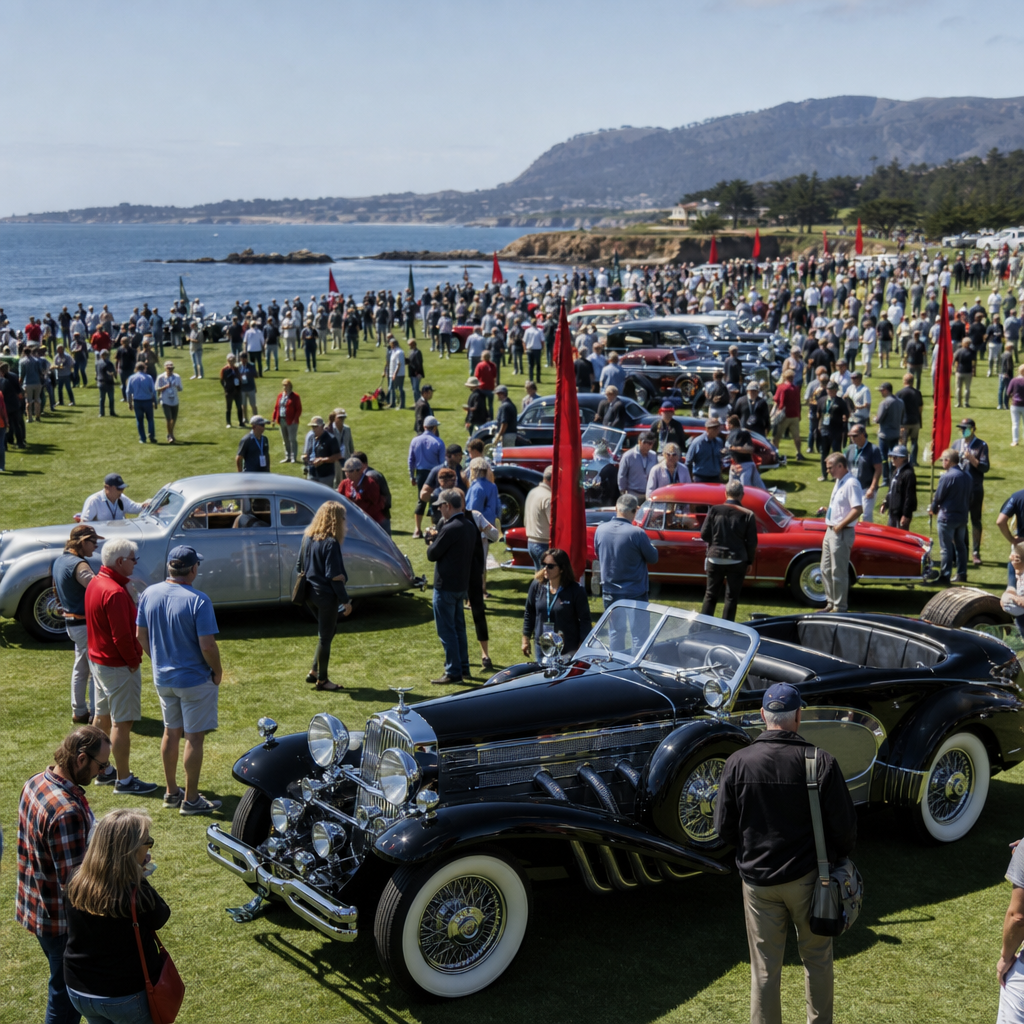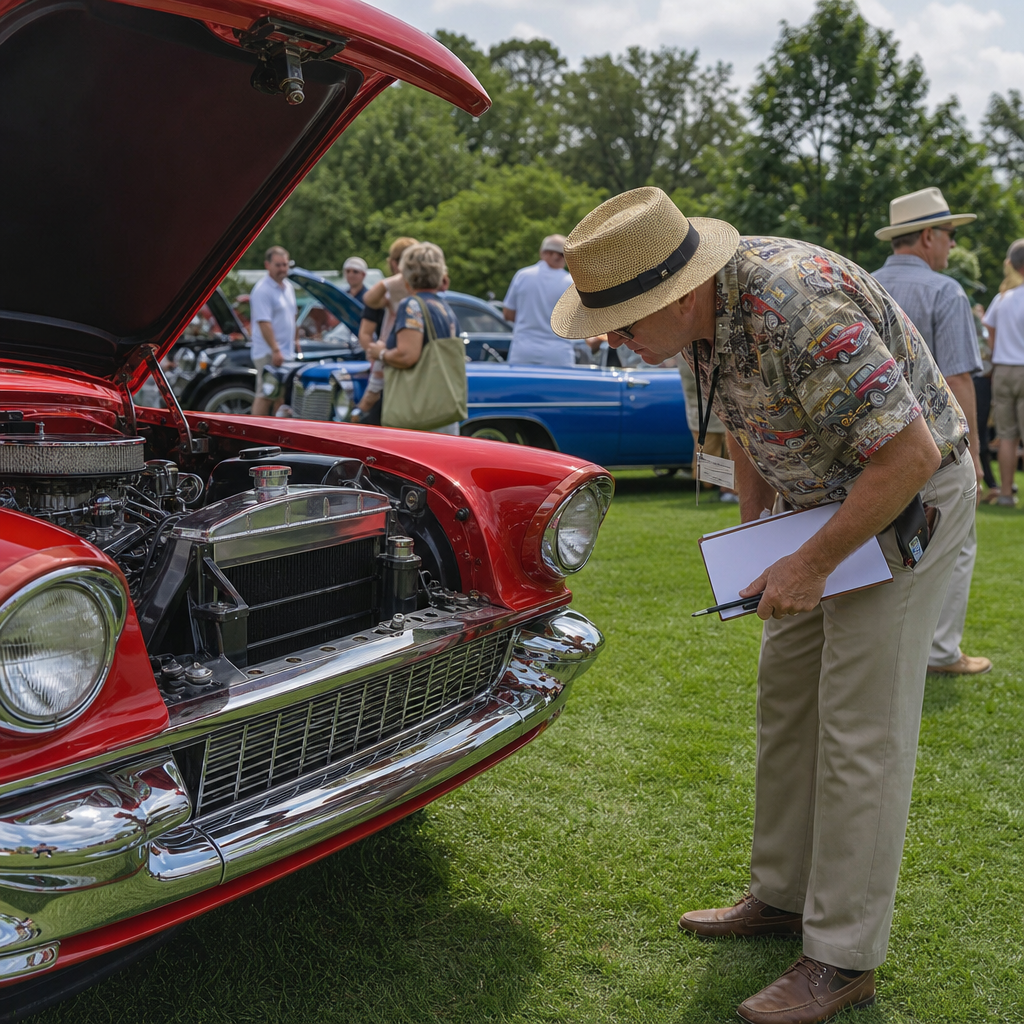
Classic cars hold sentimental value because they carry memory, identity, craftsmanship, and community in a way few modern objects can match. A classic car is usually defined by age, historical significance, design distinction, or cultural impact, but owners and collectors know the real definition is more personal: it is the vehicle that connects a person to a chapter of life, a family story, or a dream first formed decades ago. In the collector world, sentimental value often outweighs market value. I have watched owners spend years sourcing original trim, rebuilding period-correct engines, and preserving hand-written service records, not because the spreadsheet made sense, but because the car represented a father’s first job, a honeymoon road trip, or the machine they promised themselves they would own one day.
That emotional connection is why classic car culture remains resilient even when prices soften or trends shift. Unlike many collectibles, cars are multi-sensory artifacts. You do not just look at a 1967 Ford Mustang fastback, a split-window Corvette, or a Mercedes-Benz W113 Pagoda. You hear the idle, feel the steering weight, smell old vinyl and fuel, and remember where these shapes appeared in your life. Collector stories sit at the center of this experience. They explain why one owner treasures a worn pickup more than a pristine concours convertible, and why family provenance can transform an ordinary sedan into an irreplaceable heirloom. For anyone exploring classic car culture and lifestyle, understanding these stories is essential, because they reveal how nostalgia, authenticity, and personal history turn old machines into lasting emotional anchors.
Memory, Milestones, and Family History
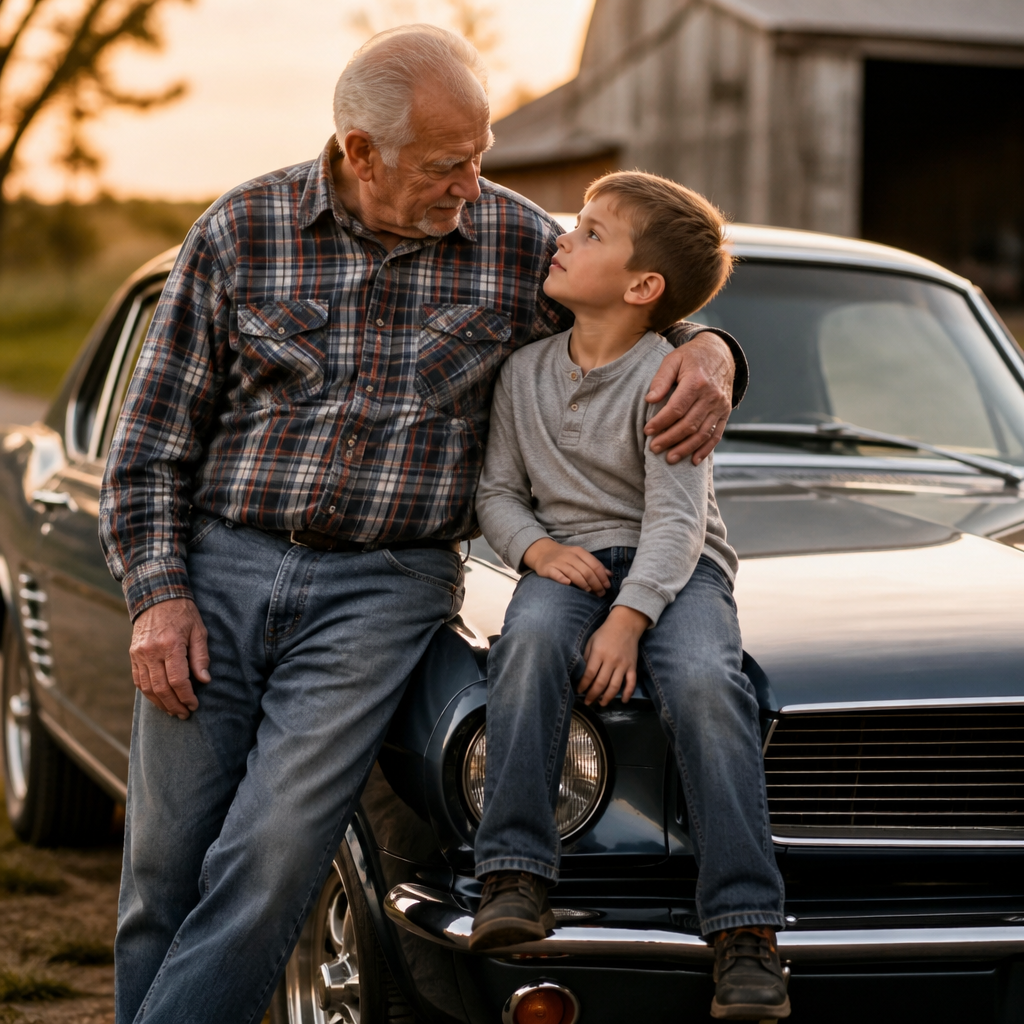
The strongest reason classic cars hold sentimental value is their ability to preserve personal memory. People often attach emotion to specific life stages through vehicles: a first date in a Chevrolet Bel Air, a child brought home from the hospital in a Volvo Amazon, or summers spent riding in the jump seat of a station wagon. When that same model appears decades later, it triggers what psychologists call autobiographical memory, where sensory details unlock vivid recall. In my experience at shows and private sales, owners rarely begin by reciting horsepower figures. They begin with, “My grandfather had one just like this,” or, “I learned to drive in this exact car.”
Family history amplifies this effect. An inherited car carries physical evidence of the people who used it: a worn steering wheel, dealer badges, faded registration cards, even scratches with a story behind them. These details would lower perfection scores at some judged events, yet they often increase emotional worth. A numbers-matching drivetrain matters to collectors because it supports originality, but a stack of family photos with the car can matter more. Provenance is not only about celebrity ownership or factory rarity; it can also mean a documented family chain that turns a vehicle into a record of ordinary life, which is often more meaningful than prestige.
Milestone cars also hold unusual emotional weight. Many collectors pursue the vehicle they could not afford in youth, whether that was a Porsche 911, a Datsun 240Z, or a square-body Chevrolet pickup. Buying it later is not simple consumption. It is the completion of a postponed ambition. The car becomes a marker of perseverance, economic mobility, or personal reinvention. That is why collector stories deserve hub-level attention within classic car culture: they explain the human reasons behind acquisition, restoration, long-term ownership, and eventual transfer to the next generation.
The Craftsmanship That Modern Cars Often Lack
Sentimental value also grows from material character. Many classic cars were built in eras when design language was more visually distinct and mechanical systems were easier to understand without digital mediation. Chrome bumpers, vent windows, bench seats, analog gauges, carburetors, body-on-frame construction, hand-fitted trim, and coachbuilt details gave owners something tangible to interact with. Even mainstream cars once had recognizable personalities. A 1950s American sedan, a 1960s Italian roadster, and a 1970s German coupe each expressed a clear philosophy through shape, sound, and driver feel.
That physicality matters because people bond more deeply with objects they can maintain, modify, and comprehend. On a classic car, a weekend owner can tune ignition timing, adjust a carburetor, replace weatherstripping, polish stainless trim, and immediately feel closer to the machine. The car teaches patience and mechanical literacy. I have seen owners describe valve adjustment or interior reupholstery as a form of remembrance, especially when the skills were learned from a parent or mentor. In that sense, restoration is not just repair. It is an act of continuity.
Modern vehicles excel in safety, emissions control, and reliability, and that should be stated clearly. Anti-lock brakes, airbags, crumple zones, electronic stability control, and fuel injection are genuine progress. Yet those same advancements can make newer cars feel sealed off from owner involvement. Diagnostic software and integrated modules increase complexity and reduce the ritual of tinkering that many collectors treasure. Classic cars become sentimental partly because they invite participation. They reward touch, listening, and observation, which turns ownership into a lived relationship rather than a subscription-like transportation experience.
How Collector Stories Shape Value Beyond Price
In the marketplace, sentimental value and financial value often intersect but do not align perfectly. Auction platforms such as RM Sotheby’s, Barrett-Jackson, and Mecum demonstrate that rarity, condition, originality, and documented history influence prices. Yet within private collections, the story behind a car frequently determines whether it is sold at all. An owner may decline a strong offer because the car was restored with a late sibling, driven at a wedding, or kept exactly as a parent left it. That decision can puzzle investors, but it makes complete sense once sentimental value is recognized as a separate category of worth.
Collector stories also shape how buyers evaluate desirability. A base-trim car with complete ownership records, original window sticker, dealer invoice, maintenance logs, and photo documentation can feel more compelling than a higher-spec example with a fragmented past. Narrative creates confidence and attachment. Buyers want to know where the car lived, who maintained it, whether it appeared in family albums, and how faithfully it reflects its period. This is especially true in classic car culture and lifestyle publishing, where audiences care as much about the ownership journey as the machine itself.
| Source of sentimental value | What it means in practice | Real collector example |
|---|---|---|
| Family provenance | Inherited ownership, shared memories, original paperwork | A 1965 Mustang kept by three generations, preserved with old insurance cards and vacation photos |
| Life milestone | Car tied to marriage, military service, first business success, or retirement | A restorer buys back the pickup he owned when starting his contracting company |
| Hands-on restoration | Emotional bond formed through rebuilding and problem solving | An owner spends five years reviving a Jaguar XJ6 with a mentor who later passes away |
| Cultural identity | Vehicle represents a region, era, or community tradition | A lowrider Impala becomes a symbol of neighborhood history and family pride |
| Unfulfilled youth aspiration | Owning the dream car once out of reach | A collector finally acquires the Porsche poster car from his teenage bedroom wall |
These examples explain why the hub topic of collector stories matters. Stories are not decorative extras added after the mechanical facts. They are often the main reason a classic remains in a garage, receives a careful restoration, or gets handed down instead of sold.
Nostalgia, Identity, and Cultural Belonging
Nostalgia is often misunderstood as simple longing for the past, but in collector communities it functions more like identity preservation. People use classic cars to stay connected to the era that shaped them or to honor an era they admire. A Baby Boomer may cherish a 1957 Chevrolet because it recalls postwar optimism and family road travel. A Gen X collector may pursue a Fox-body Mustang because it represents adolescence, music, and freedom in the 1980s. Younger enthusiasts now elevate Japanese performance cars from the 1990s because those vehicles define their childhood media landscape and early internet car culture.
Sentimental value is therefore both personal and collective. Clubs, rallies, weekend cruises, and marque-specific forums create belonging around shared memory. Organizations such as the Antique Automobile Club of America and marque clubs for Porsche, Jaguar, Mercedes-Benz, or MG do more than host events. They preserve oral history, technical knowledge, and social bonds. Owners compare chassis tags, decode trim plates, share archive photos, and tell stories that keep context alive. When a collector says a car “takes me back,” they often mean it returns them not only to a time, but to a group of people and a recognizable way of life.
Cultural storytelling also explains why some humble vehicles generate intense affection. A Volkswagen Beetle, Land Rover Series truck, or old farm pickup may never deliver supercar performance, yet each can symbolize practicality, resilience, rebellion, or local heritage. In many communities, the sentimental classic is not the most expensive one. It is the one woven into everyday memory. That distinction is crucial for readers navigating collector stories across the broader classic car culture landscape.
Restoration, Preservation, and the Emotional Work of Ownership
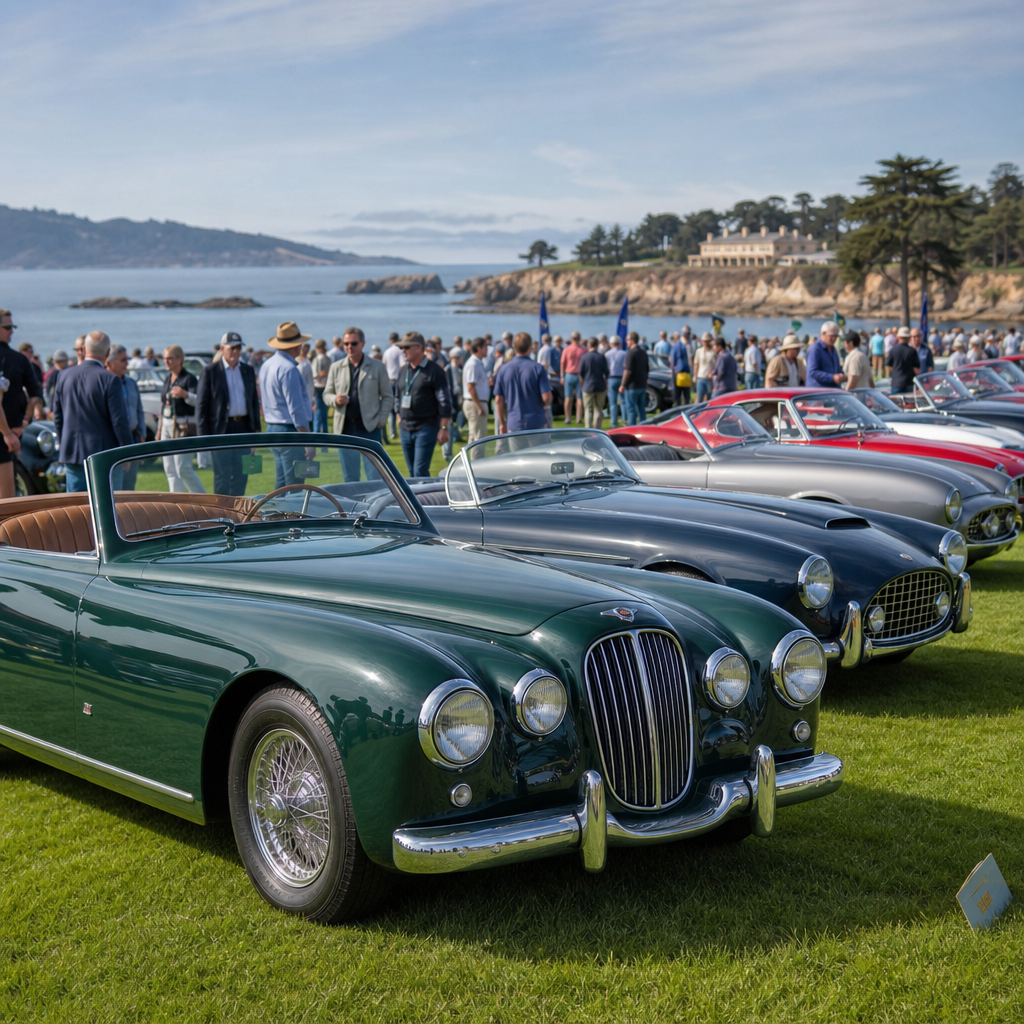
Owning a sentimental classic involves choices, and those choices reveal what the owner values most. Some pursue concours-level restoration, aiming for factory-correct finishes, date-coded components, and standards recognized by groups such as the AACA or marque judging registries. Others intentionally preserve patina because weathered paint, aged upholstery, and minor imperfections prove that the car lived an honest life. Neither approach is automatically superior. The right decision depends on the story the owner wants the car to continue telling.
Preservation can be especially powerful when the vehicle carries family meaning. I have advised owners to document before disassembly, save old parts with labels, photograph assembly marks, and archive letters, titles, and service receipts. Those items become part of the car’s biography. Mechanical refurbishment may be necessary for safety and reliability, but over-restoring can erase the tactile evidence that gave the vehicle emotional force in the first place. Replacing every worn surface may increase shine while reducing authenticity of experience.
There are practical limits, of course. Sentimental value does not cancel rust, unsafe brakes, brittle wiring, or obsolete tires. Responsible ownership means balancing memory with roadworthiness. The best restorations respect both. They keep the story visible while making the vehicle usable. When done well, the result is more than a finished car. It is a mobile archive that can be driven, shared, and remembered in motion rather than kept silent under a cover.
Why These Stories Matter to Future Generations
Collector stories matter because they make old cars relevant to people who did not grow up with them. A younger enthusiast may not care immediately about a carbureted sedan from the 1960s, but they will care when they learn it carried their grandparents across state lines after a wedding, or helped a family build a business, or survived military postings and relocations. Story converts metal into meaning. It provides continuity in a culture where technology changes rapidly and many consumer objects are replaced rather than repaired.
These narratives also encourage better stewardship. Owners who document memories, interview relatives, scan photographs, and organize records leave a richer inheritance than a title alone. Future custodians can understand not just what the car is, but why it mattered. That context supports preservation, strengthens resale transparency, and deepens appreciation within the wider classic car culture and lifestyle audience. For a sub-pillar focused on collector stories, this is the core lesson: emotional value is not accidental. It is created, maintained, and passed forward through storytelling, careful ownership, and shared experience.
Classic cars hold sentimental value because they combine memory, craft, identity, and human connection in one durable object. They remind owners of people they loved, goals they chased, roads they traveled, and communities they belonged to. Their worth cannot be measured only by auction results, rarity charts, or restoration invoices, although those factors matter in the market. The deeper value comes from the way a particular car preserves life events and keeps them accessible through sound, touch, and ritual. That is why collector stories sit at the heart of classic car culture and lifestyle rather than at the margins.
For readers exploring this hub, the most useful takeaway is simple: always ask about the story before judging the car. Learn who owned it, where it lived, what it meant, how it was used, and why it was kept. Those answers reveal whether a vehicle is merely old or truly significant. They also guide smart decisions about restoration, preservation, documentation, and future ownership. If you own a classic, record its memories now, save its paperwork, and speak with the people connected to it. If you are shopping for one, seek provenance as carefully as condition. The story is often the part you cannot replace.
Frequently Asked Questions
1. Why do classic cars hold such strong sentimental value for owners and collectors?
Classic cars often mean far more than their specifications, rarity, or auction price. They become emotionally important because they are tied to lived experience. For many owners, a classic car recalls a parent who taught them to drive, a first road trip, a high school dream car, or a period in life that felt exciting, hopeful, and full of possibility. Unlike many modern possessions, a classic car is not just used and replaced. It is remembered, maintained, and revisited, which gives it the power to carry personal history forward over time.
There is also a deeper psychological element at work. Cars are closely connected to identity, independence, and milestones. A person may remember the exact look, smell, and sound of a vehicle from childhood or early adulthood, and those sensory details can trigger vivid memories decades later. In that way, a classic car becomes a kind of rolling archive of emotion. It represents not only what the car is, but who the owner was, who their family was, and what that moment in life meant. That is why sentimental value in the classic car world often outweighs simple market value.
2. What actually makes a car “classic,” and does sentimental value matter as much as age or rarity?
A classic car is often identified by a mix of age, historical relevance, design character, engineering significance, and cultural recognition. Some cars become classics because they introduced important innovations, defined an era of styling, or gained a reputation through racing, film, or popular culture. Others earn classic status because they are scarce, beautifully built, or representative of a particular moment in automotive history. In formal collector circles, age and originality may carry significant weight, but those standards do not tell the whole story.
For many enthusiasts, the more meaningful definition is personal rather than purely technical. A car does not have to be the rarest model or the most valuable marque to be considered a true classic in someone’s life. A modest coupe, pickup, or sedan can hold extraordinary significance if it connects an owner to family traditions, a hometown, a life achievement, or a long-held dream. Sentimental value matters because it explains why people keep cars that may never top price guides yet remain priceless to the person who owns them. In practice, that emotional connection is often what motivates restoration, preservation, and long-term care.
3. How do memories and family stories become attached to a classic car?
Memories become attached to classic cars because cars are present during meaningful life events in a way few objects are. They carry people to weddings, vacations, jobs, dates, reunions, and everyday routines that later become treasured memories. Over time, the vehicle stops being just transportation and becomes part of the family narrative. A grandfather’s truck, a mother’s convertible, or the coupe someone saved up for in their twenties can come to symbolize resilience, love, sacrifice, freedom, or ambition.
Family stories also deepen sentimental value through repetition and inheritance. Children grow up hearing why a certain car was bought, how it was restored, or what sacrifices were made to keep it on the road. The car becomes a physical link between generations, allowing stories to be seen, touched, heard, and experienced instead of merely told. When an heir turns the same key or rides in the same seat, the connection feels immediate and real. That continuity is powerful. It transforms the car into an emotional heirloom, one that preserves memory not in a photo album or box, but in a machine that still moves through the world.
4. Why do craftsmanship, design, and driving experience add to the sentimental appeal of classic cars?
Classic cars often come from eras when styling was bolder, materials felt more substantial, and mechanical character was more visible to the driver. Chrome, analog gauges, hand-finished details, distinctive body lines, and memorable engine sounds all create an experience that feels tangible and human. Owners do not simply operate these cars; they interact with them. The steering feel, the smell of the interior, the sound of the door closing, and the rhythm of shifting gears all create sensory impressions that stay with people for years. These details make the vehicle memorable in a way that more standardized modern cars sometimes do not.
Craftsmanship also contributes to respect and attachment. People tend to value what appears to have been built with care, personality, and design ambition. A classic car often reflects the values and aesthetics of its era, which gives it emotional depth as an object of history and artistry. When owners restore or maintain such a vehicle, they are not just preserving machinery; they are preserving a design language, a method of building, and a driving experience that feels increasingly rare. That sense of stewardship strengthens the emotional bond and makes the car feel worthy of affection, memory, and long-term devotion.
5. How does the classic car community strengthen sentimental value over time?
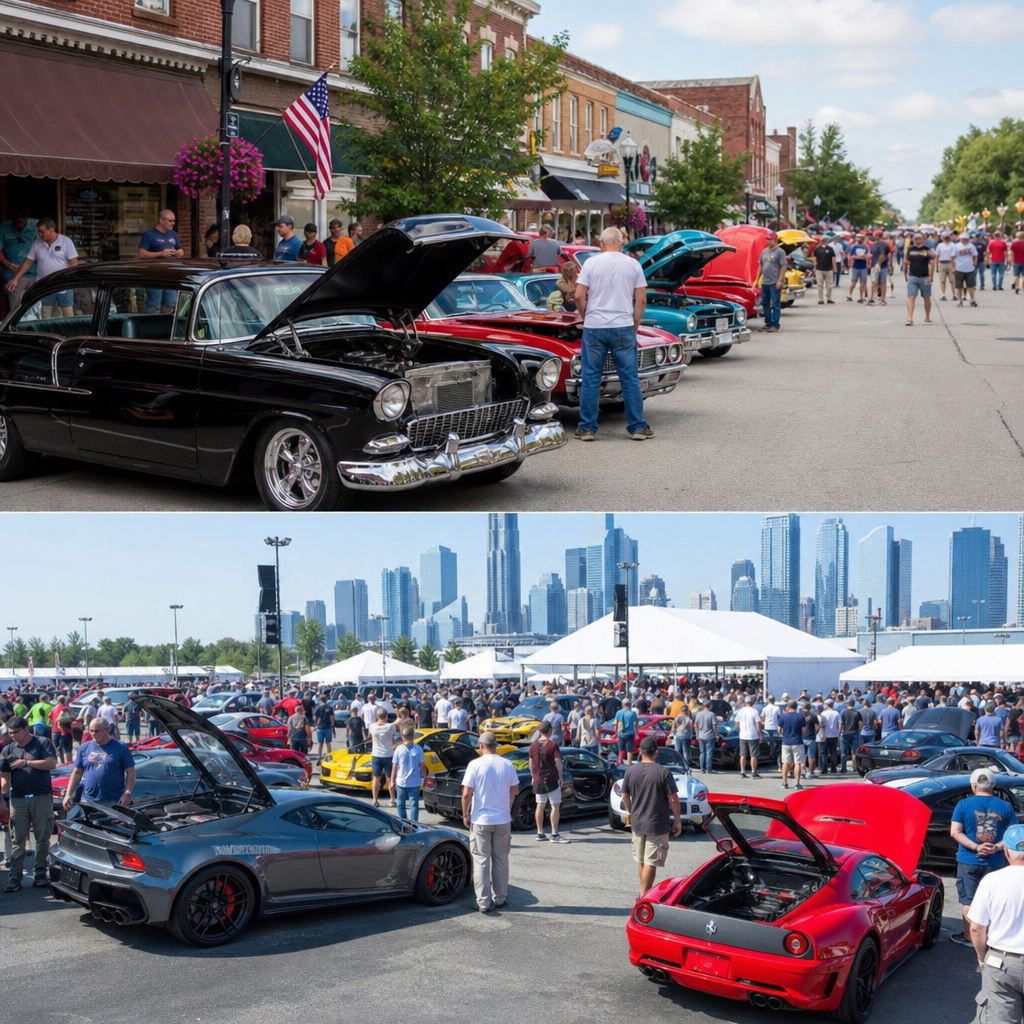
The classic car community adds another layer of meaning by turning private nostalgia into shared experience. Car shows, cruise nights, club events, garage gatherings, and online forums allow owners to tell the stories behind their vehicles and hear similar stories from others. A car that already means something personally begins to mean something socially as well. It becomes a conversation starter, a source of recognition, and a bridge between generations and backgrounds. People who might otherwise have little in common can connect immediately over restoration challenges, model history, or memories of seeing the same car in their youth.
This community reinforcement helps sentimental value grow rather than fade. Every event, compliment, photograph, and shared memory adds context to the owner’s relationship with the car. In many cases, owners do not just preserve the vehicle for themselves; they preserve it for family, for fellow enthusiasts, and for the cultural memory of a particular era. The car becomes part of a wider story about craftsmanship, lifestyle, and identity. That is one reason classic cars endure emotionally: they are not isolated possessions. They live inside communities of memory, admiration, and storytelling, which keeps their sentimental value alive across decades.