Classic car shows are one of the easiest ways to step into classic car culture because they bring vehicles, owners, restorers, judges, vendors, and fans into one place where newcomers can learn by simply walking, looking, and asking good questions. In practical terms, a classic car show is an organized event where older vehicles are displayed for public viewing, informal community gathering, or formal judging based on originality, condition, craftsmanship, or historical significance. Some shows are local weekend meetups in a shopping center lot, while others are nationally recognized concours events with strict entry standards, class structures, and preservation rules. If you are new to the hobby, understanding how these events work matters because the show field is where values, restoration trends, maintenance practices, and enthusiast networks become visible in real life rather than abstract online discussion.
I have attended everything from small cruise-ins with twenty cars to judged events with marque specialists carrying flashlights and clipboards, and the same lesson always holds: beginners enjoy the experience more when they know what they are seeing. Terms like concours, survivor, restomod, matching numbers, period correct, and driver-quality are not just enthusiast jargon. They describe different philosophies of ownership and preparation, and those differences shape what cars appear, how they are presented, and what conversations happen around them. A concours car may be restored to factory-delivery standards down to hose clamps and chalk marks, while a survivor car may wear original paint, aged upholstery, and decades of careful patina. A restomod may combine vintage styling with modern brakes, fuel injection, overdrive transmissions, or air conditioning for road use.
Car shows matter because they preserve automotive history, support local clubs, educate younger enthusiasts, and strengthen the market for parts, restoration services, and specialized craftsmanship. They also make the hobby more accessible. A first-time visitor can compare body styles side by side, hear how a flathead V8 differs from a small-block Chevrolet, see why chrome quality affects restoration cost, and learn which events are best for photography, family attendance, buying, or serious judging. As a hub for car shows and events, this guide explains the main event types, what to expect before you go, how to behave on the field, how judging works, and how to turn one visit into lasting involvement in the classic car community.
Understanding the Main Types of Classic Car Shows
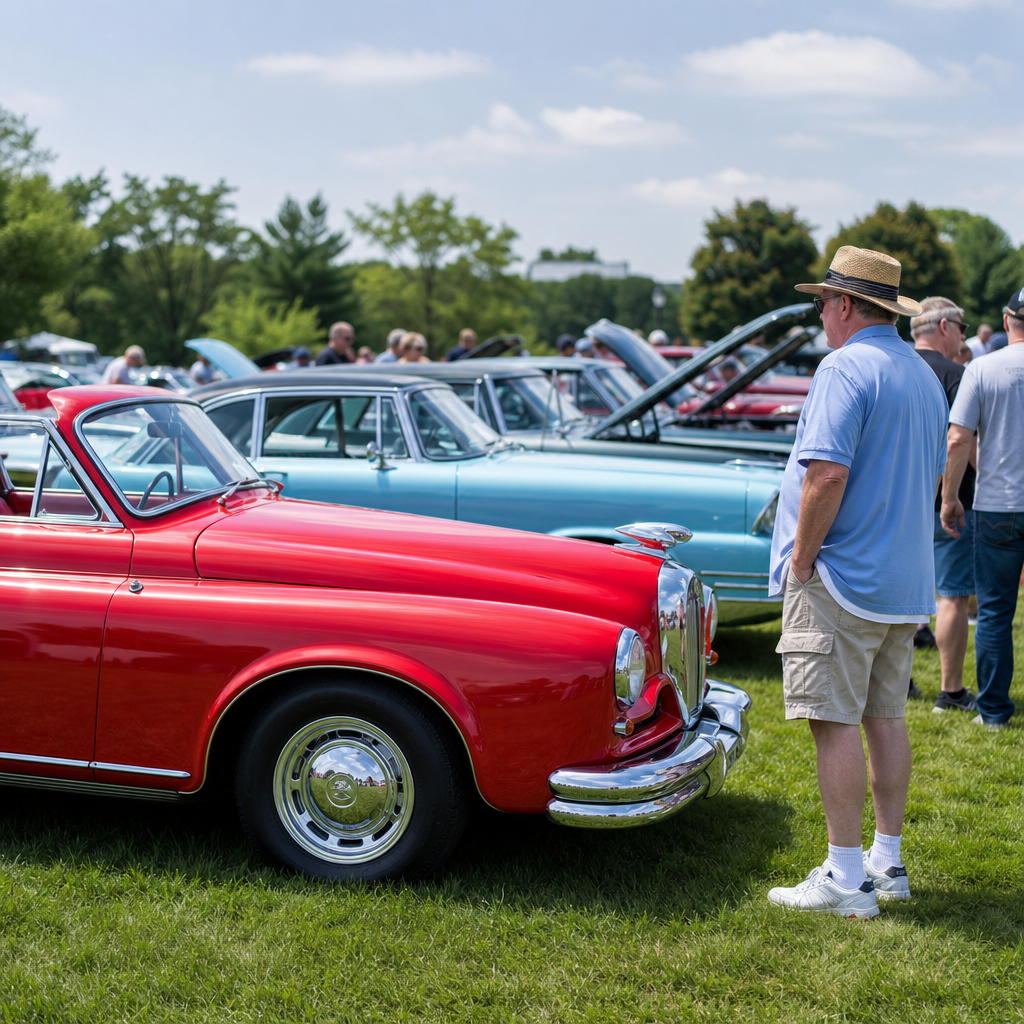
Not every classic car event serves the same purpose, and knowing the format helps beginners choose the right first experience. The most casual option is the cruise-in, usually held weekly or monthly at restaurants, shopping centers, or community spaces. These gatherings emphasize socializing over scoring. Owners arrive and leave freely, music may play, and spectators can often chat casually with drivers standing beside their cars. Cruise-ins are ideal for beginners because the atmosphere is relaxed and cars are often driven regularly, which leads to practical maintenance conversations instead of strictly presentation-focused talk.
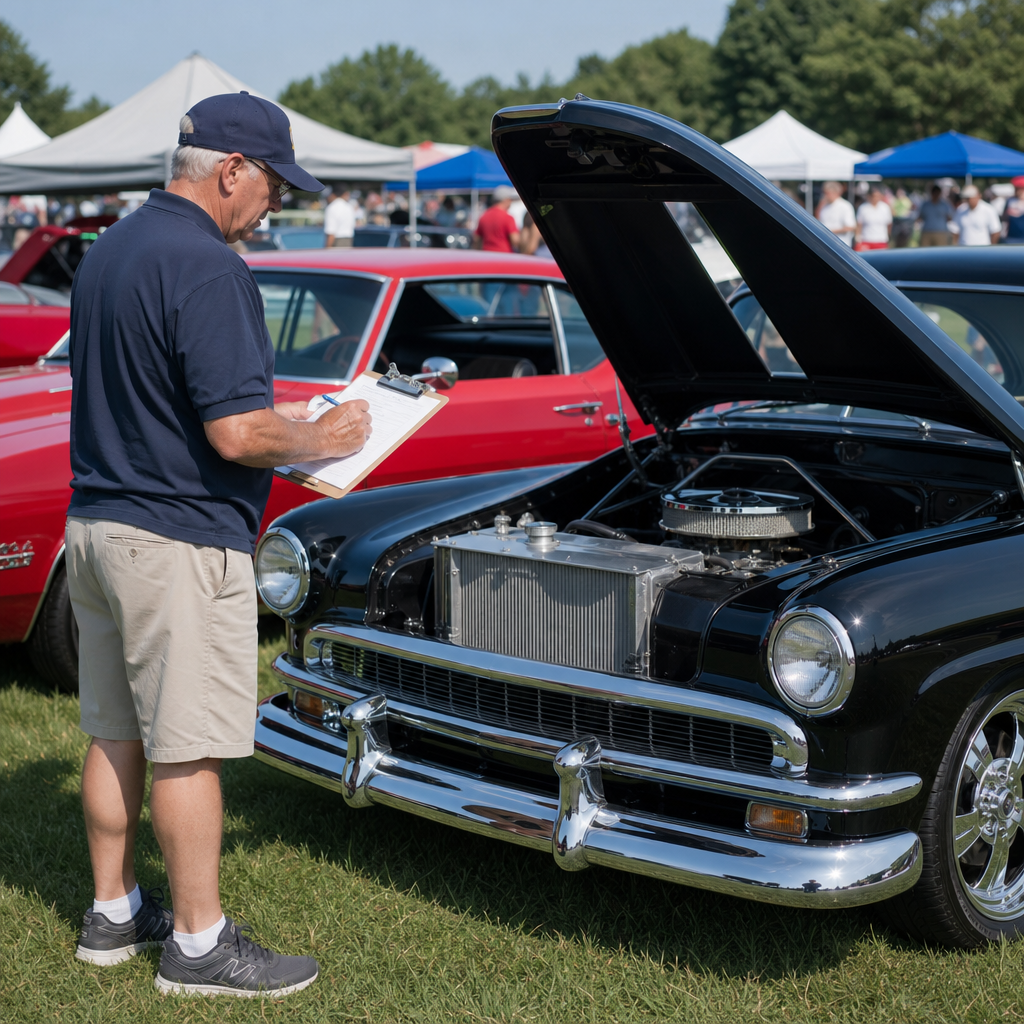
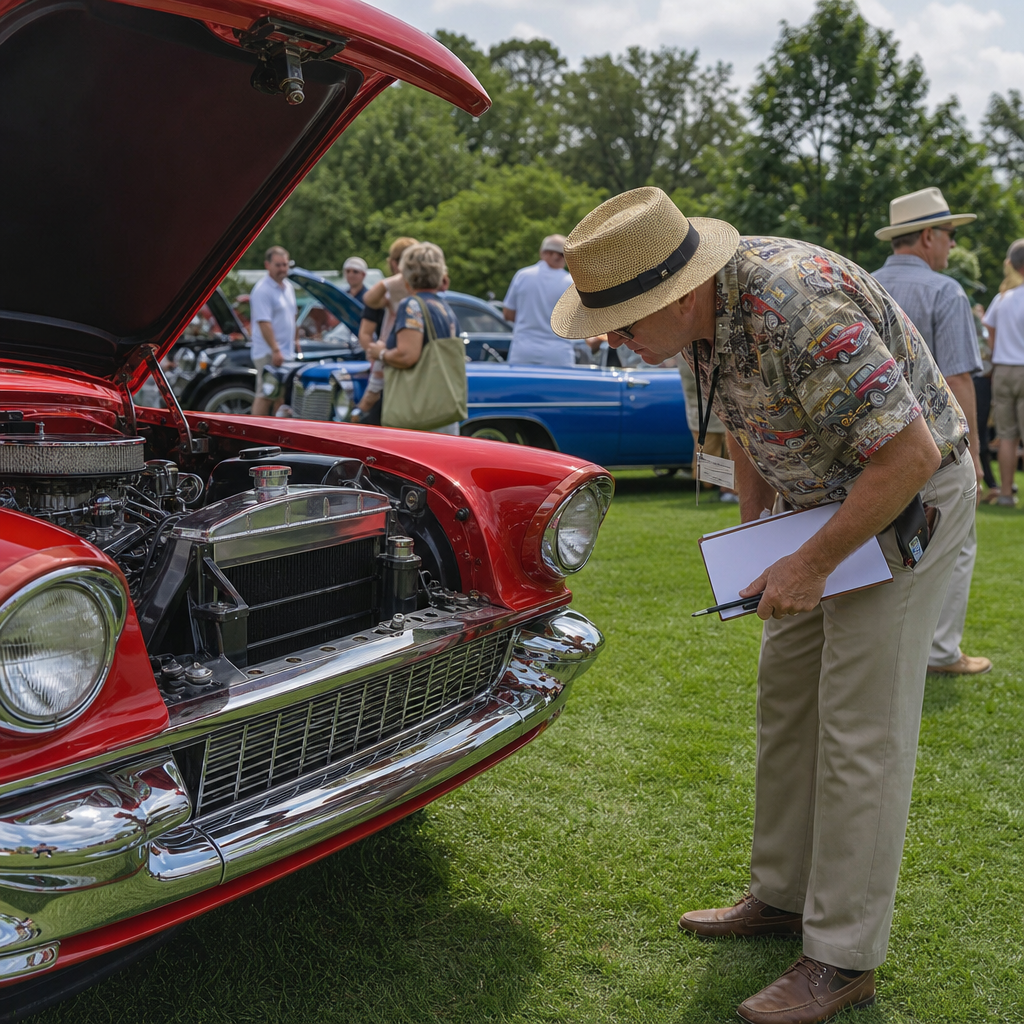
Next are traditional judged car shows, often organized by local clubs, charities, or regional associations. These events divide vehicles into classes by era, body style, marque, or modification level. Awards may include best in class, best paint, best interior, participant’s choice, or best engine bay. Judging standards vary widely. Some local shows reward cleanliness and presentation more than factory accuracy, while others apply detailed criteria that consider authenticity, fit and finish, documentation, and condition. If you want to understand what owners mean by show prep, this is where you will see polishing kits, tire dressing, display boards, and meticulous detailing habits in action.
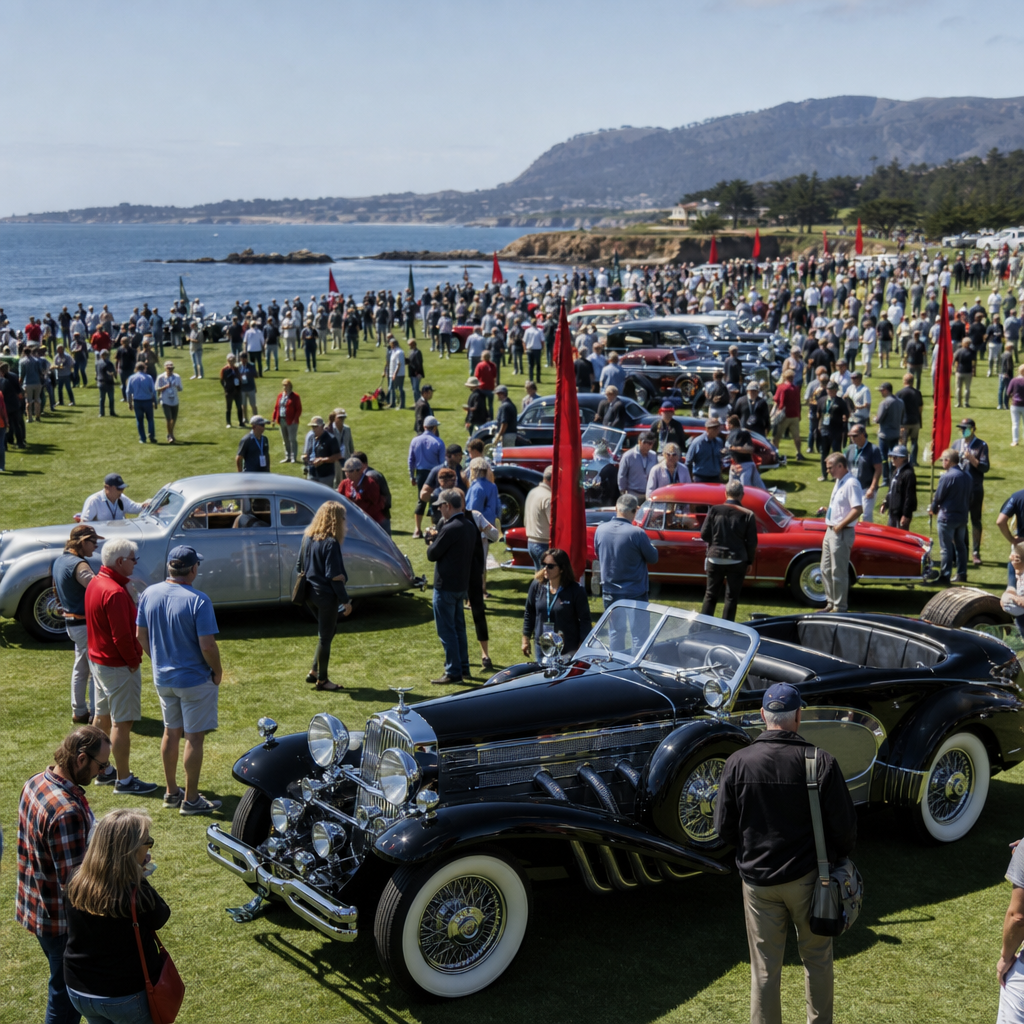
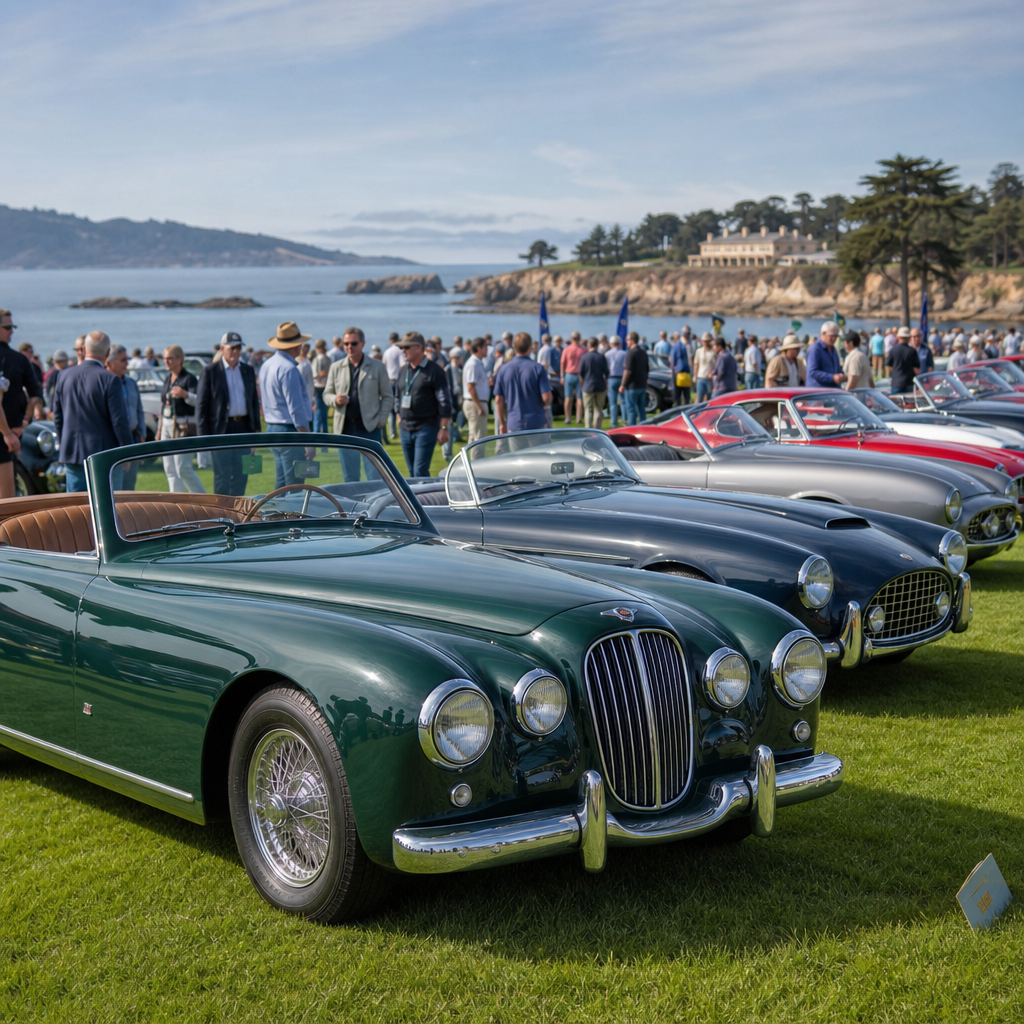
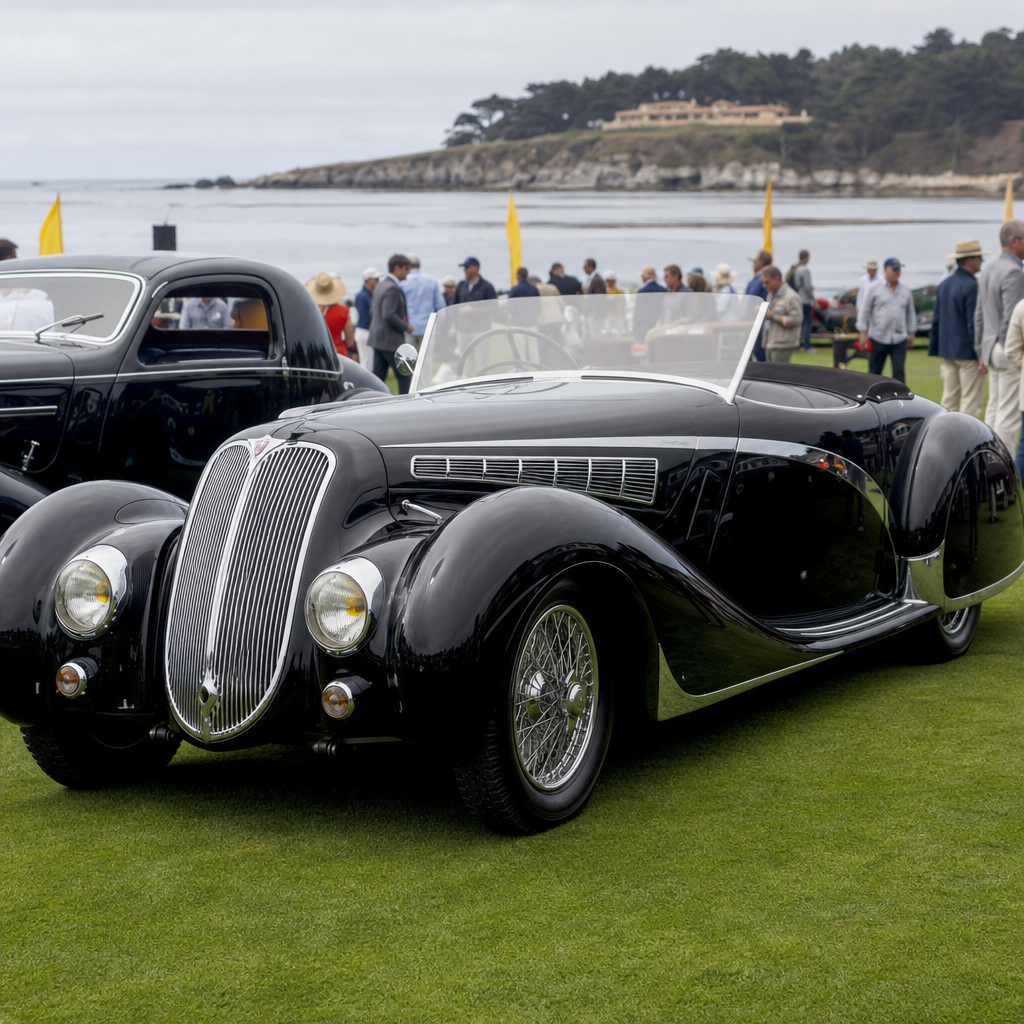
At the top end are concours d’elegance events. These are highly curated shows where rarity, provenance, restoration quality, and historical correctness are central. Pebble Beach is the most famous example in the United States, but many regions have respected concours gatherings. Expect stricter admission, elevated ticket prices, and exceptionally important cars, including coachbuilt prewar models, limited-production sports cars, and expertly preserved originals. These events are educational because signage, catalogs, and class placement usually provide rich historical context. They can also be humbling: one missing trim piece or incorrect finish can separate a good restoration from an award winner.
There are also marque-specific events and themed gatherings. A Porsche-only show, British car day, antique truck meet, or muscle car nationals event attracts owners with deep expertise in one category. Beginners who already love a particular brand often learn fastest in these settings because owners speak in precise, experience-based detail about production changes, common weak points, and model-year differences. Swap meets and auction events overlap with the show world as well. At Carlisle, Hershey, and similar venues, the field is only part of the attraction; parts trading, literature, automobilia, and market observation are equally important.
How to Choose the Right Event as a Beginner
The best first classic car show is usually not the biggest one. Start with an event that matches your goal. If you want a friendly introduction, choose a local cruise-in or community show with low admission cost and easy parking. If you want to compare restoration standards, attend a judged regional event. If your interest is historical research, go to a concours or museum-backed gathering where class descriptions and vehicle documentation are strong. If you are shopping for a project or trying to understand parts availability, prioritize shows linked to swap meets or club vendors.
Before committing, check the event website or social pages for practical details: admission fees, start times, whether cars arrive early, rules on touching vehicles, photography policies, weather plans, food options, and whether the event is spectator-focused or owner-focused. Morning attendance is usually best. Cars are cleaner, owners are finishing setup, and heat or crowds are lighter. I have found that arriving within the first hour gives beginners the best chance to see hood-up presentations, talk with owners before judging starts, and understand the event layout without rushing.
Also consider the season and venue. Summer shows may be plentiful, but open asphalt lots become exhausting by midday. Shaded fairgrounds, park settings, and indoor exhibition halls are easier for families and photographers. Multi-day events reward deeper engagement because you can spend one day learning the show field and another attending seminars, swap areas, or club displays. If the event lists featured classes, celebrity judges, restoration workshops, or anniversary displays such as “60 Years of the Ford Mustang,” those details often signal a stronger educational value for first-time attendees.
What to Bring and How to Prepare
Preparation makes a long day at a car show more enjoyable. Wear comfortable shoes, light layers, and sun protection. Bring water, a phone charger or battery pack, and a small notebook or notes app if you plan to remember model details, vendor names, or restoration ideas. A compact camera can be useful, but most beginners do fine with a phone as long as they stay aware of reflections, ropes, and foot traffic. If you are attending to research a future purchase, create a simple checklist ahead of time: body styles you like, engine families you want to hear running, trim details to compare, and questions about maintenance, insurance, or storage.
Do not overlook etiquette tools. A microfiber cloth in your pocket is not for touching someone else’s paint; it is for cleaning your glasses, lens, or hands after eating. A business card is helpful if you want to follow up with an owner, shop, or club. Cash still matters at smaller events for parking, food, raffles, and literature tables. If rain is possible, pack accordingly. Some owners leave early at the first sign of weather, especially if their cars have bias-ply tires, leaky weatherstripping, or fresh restorations they want to protect.
| Goal | Best Event Type | What You Will Learn Fastest |
|---|---|---|
| Meet friendly owners | Local cruise-in | Maintenance habits, driving stories, club contacts |
| Understand judging | Regional judged show | Presentation standards, class structure, authenticity basics |
| Study rare cars | Concours event | Provenance, restoration accuracy, historical significance |
| Find parts or projects | Swap meet show | Parts pricing, vendor networks, model support |
| Focus on one brand | Marque-specific event | Year-to-year changes, common faults, specialist knowledge |
Field Etiquette: How to Respect Cars and Owners
The fastest way to mark yourself as a beginner in a bad sense is to ignore field etiquette. Never touch a vehicle unless the owner clearly invites you. Paint, trim, pinstripes, and convertible tops can be damaged by belts, bags, watches, and even sunscreen on hands. Do not lean over fenders for photos or place children on bumpers for snapshots. Keep food and drinks away from cars, and avoid stepping over display ropes or signs. If an engine bay is open, admire it without reaching inside. Many restored cars use delicate finishes, reproduction decals, and polished surfaces that scratch more easily than they appear.
Respect owners’ time and cues. Most enthusiasts enjoy thoughtful questions, especially if you ask what the car is, how long they have owned it, what restoration work was hardest, or whether it is driven regularly. Avoid opening with “What’s it worth?” unless the owner has already signaled interest in market discussion. Value is complicated and depends on provenance, quality, documentation, originality, and timing. Likewise, avoid arguing that a modified car “should have been kept original” or that a survivor “needs paint.” Different ownership philosophies coexist in healthy car culture.
Photography etiquette matters too. Take wider shots when crowds are heavy, wait your turn for detail photos, and do not block judges or owners moving cars. If you want to publish or use images commercially, ask permission, especially when license plates, informational boards, or people are prominent. In my experience, courtesy opens doors. Owners often start by answering one question and end by showing restoration photos, factory paperwork, or telling you where the best events in the region are held.
How Judging, Classes, and Awards Usually Work
Beginners often assume every show awards the “best car,” but judging systems are more structured. Most events place vehicles into classes based on age, manufacturer, body style, or modification category. For example, stock 1950s American cars may be separated from modified 1950s customs, and import sports cars may be grouped by decade or marque. This matters because cars are judged against relevant peers rather than against the whole field. A carefully restored six-cylinder sedan can legitimately win its class even if a more expensive big-block convertible draws a larger crowd.
Judging standards fall into three broad models. Participant voting, often called people’s choice, rewards popularity and presentation. Points judging uses published criteria for exterior, interior, engine compartment, chassis, authenticity, and cleanliness. Concours judging adds higher scrutiny, often considering provenance, finishes, materials, factory-correct hardware, and documented historical configuration. Organizations such as the Antique Automobile Club of America and marque registries have long shaped expectations around authenticity and class rules, though each event can adapt them.
Awards can be motivating, but they should not be your only lens. I have seen excellent driver cars overlooked because they arrived dusty from a hundred-mile trip, and I have seen heavily polished cars score well at casual shows despite minor authenticity errors. That does not make judging meaningless; it means you should read the event’s criteria before treating trophies as absolute proof of quality. For beginners, the useful takeaway is this: judging teaches you what a specific community values, whether that is originality, finish quality, documentation, drivability, or craftsmanship.
Using Car Shows to Learn, Network, and Join the Hobby
The greatest value of attending classic car shows is not entertainment alone. It is accelerated learning. In one afternoon, you can compare original interiors with reproduction kits, hear owners explain why drum brakes require adjustment, and discover which models have strong parts support from suppliers such as Ames, YearOne, Moss Motors, or National Parts Depot. You can also learn what ownership really costs. Owners are often candid about paintwork pricing, chrome replating delays, carburetor tuning quirks, insurance requirements, and the challenge of finding correct fasteners or date-coded components.
Shows are also the best place to find your next step in the hobby. Join a local club, subscribe to a marque newsletter, follow event calendars, and ask which meetups welcome newcomers. If you own a classic already, even a modest driver, entering a small local show is one of the fastest ways to build confidence and contacts. If you do not own one yet, use shows as field research. Sit with your impressions after each event. Which cars looked usable on real roads? Which owners seemed happiest? Which models had the strongest support community? Those answers are often more valuable than online rankings or auction headlines.
As a hub for classic car shows and events, this topic opens the entire culture. One event can lead you to road tours, museum nights, concours volunteering, restoration seminars, auction previews, and long-term friendships built around shared mechanical history. Start with a beginner-friendly show, arrive early, ask respectful questions, and pay attention to how different cars are preserved, driven, and judged. The more deliberately you attend, the more clearly the hobby makes sense. Pick a local event on the calendar this month and go learn from the field in person.
Frequently Asked Questions
What should I expect at my first classic car show?
At your first classic car show, expect a mix of education, entertainment, and community. Most events bring together a wide range of older vehicles, from carefully preserved originals to fully restored classics, custom builds, muscle cars, antique trucks, and specialty models with local or historical significance. Some shows are casual cruise-ins where owners park, chat, and enjoy the atmosphere, while others are more structured events with registration areas, judging classes, awards, vendor booths, swap meets, food stands, and scheduled announcements. As a beginner, you do not need expert knowledge to enjoy the experience. In fact, classic car shows are one of the best entry points into the hobby because you can learn simply by observing how cars are presented, listening to owners talk about their vehicles, and asking respectful questions.
You should also expect a social environment where people enjoy sharing stories. Many owners are proud of the research, maintenance, and restoration work behind their cars, so conversations often go beyond the vehicle itself and into family history, restoration challenges, sourcing rare parts, or memories connected to a specific make and model. Depending on the event, there may be judges evaluating vehicles based on originality, condition, craftsmanship, historical accuracy, or overall presentation. Even if you are not entering a car, watching how different vehicles are displayed can teach you a great deal about what enthusiasts value. Comfortable shoes, water, sun protection, and a flexible mindset go a long way, since larger shows can involve a lot of walking and a lot to take in.
How do I talk to classic car owners and ask questions without being intrusive?
The best approach is to be respectful, curious, and observant. Before speaking to an owner, take a moment to look at the car, read any display card, and notice whether the person seems available for conversation. A simple opener such as “This is beautiful—how long have you owned it?” or “I’m new to classic cars; what should I notice about this model?” is usually well received. These types of questions invite the owner to share their knowledge without feeling like they are being tested. In classic car culture, genuine curiosity is appreciated, especially when it comes from someone who wants to learn rather than show off.
There are also a few etiquette basics that matter. Never touch a car unless the owner clearly invites you to do so. Avoid leaning on vehicles, setting drinks near them, or interrupting owners who are in the middle of judging, detailing, or another conversation. If an engine bay, interior, or trunk is closed, do not assume it should be opened for you. Ask first. Owners often enjoy discussing restoration decisions, rarity, factory options, maintenance routines, and the story of how they found the vehicle. Good follow-up questions include asking what was hardest to restore, whether the car is original or modified, how parts were sourced, or what makes that year or trim special. These conversations are where beginners often learn the most, because they reveal the practical side of ownership that you cannot get from just looking at paint and chrome.
What is the difference between a casual car show and a judged classic car event?
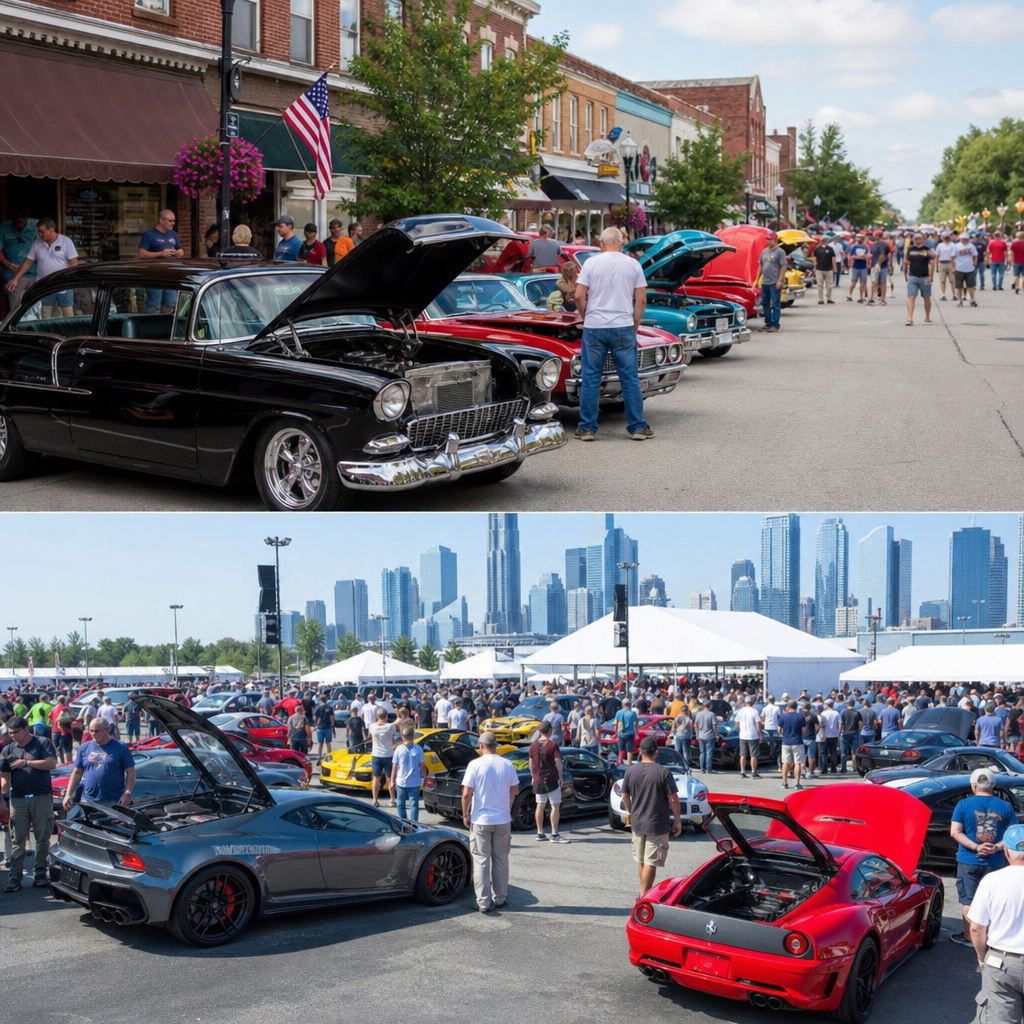
A casual car show is usually designed more for enjoyment, community, and display than formal competition. These events may be held in downtown areas, fairgrounds, club gatherings, dealership lots, or local community spaces, and the atmosphere is often relaxed. People walk around, take photos, talk to owners, and enjoy the variety of vehicles without a heavy emphasis on scoring standards. You may still see trophies such as “People’s Choice” or sponsor awards, but the focus is usually on participation and shared enthusiasm. For beginners, these events are especially approachable because they tend to be less intimidating and more conversational.
A judged classic car event is more structured and often follows specific criteria. Vehicles may be classified by era, manufacturer, body style, restoration level, or authenticity. Judges may look closely at paint quality, engine cleanliness, originality, interior accuracy, undercarriage condition, factory-correct details, documentation, and craftsmanship. In some events, modified or custom vehicles compete in separate categories from unrestored survivors or factory-correct restorations. Understanding this difference is helpful because it explains why some owners are focused on preserving every original detail while others are proud of tasteful upgrades and personalization. Neither approach is automatically better; they simply reflect different goals within the hobby. For a beginner, seeing both styles side by side can clarify how broad and diverse classic car culture really is.
How can I get the most out of attending a classic car show as a beginner?
Start by approaching the event as a learning experience rather than trying to absorb everything at once. Pick a few goals for the day, such as learning the difference between restored and preserved cars, understanding how judging works, or comparing different eras of vehicles. Walk the show slowly and pay attention to details like badges, trim, interiors, wheel choices, engine compartments, and informational signs. If there are vendor areas or swap meets, spend time there as well, because they reveal the parts, tools, literature, and services that support the hobby behind the scenes. You will often learn as much from the support ecosystem as from the cars themselves.
It also helps to take notes or photos for reference, especially if you are interested in a certain brand, body style, or project idea. Listening to how owners describe condition, authenticity, restoration history, and drivability can sharpen your understanding of terminology very quickly. If the event includes seminars, judging demonstrations, club booths, or museum-style displays, make those a priority because they provide structure for beginners. Most importantly, ask thoughtful questions and compare answers from multiple owners. That is one of the fastest ways to learn that there is often more than one correct perspective in the classic car world. Over time, repeated attendance will help you recognize patterns in design, value, restoration quality, and the different philosophies enthusiasts bring to collecting and preserving older vehicles.
Do I need to own a classic car to attend shows or become part of the community?
No, you do not need to own a classic car to attend shows, learn about the hobby, or begin building connections within the community. In fact, many people spend years attending events before buying a vehicle, and that can be a very smart approach. Going to shows first allows you to see different types of classics in person, understand the realities of maintenance and restoration, and discover what kind of ownership experience actually appeals to you. You may find that you prefer original survivor cars over full restorations, domestic muscle over European touring cars, or 1980s and 1990s vehicles over prewar antiques. Those insights are much easier to develop by walking shows and talking to owners than by browsing photos online.
Classic car communities usually include more than owners alone. Restorers, mechanics, historians, photographers, judges, club members, parts vendors, and fans all contribute to the culture. If you want to become more involved, you can join a local car club, follow regional event calendars, volunteer at shows, visit cruise nights, subscribe to marque-specific groups, or participate in online communities connected to local events. Showing up regularly and engaging respectfully matters more than arriving with a vehicle. Over time, that involvement can lead to mentorship, buying advice, restoration referrals, and a clearer sense of where you fit in the hobby. For many beginners, attending shows without the pressure of ownership is actually the best first step because it builds knowledge and confidence before any major purchase or project decision.