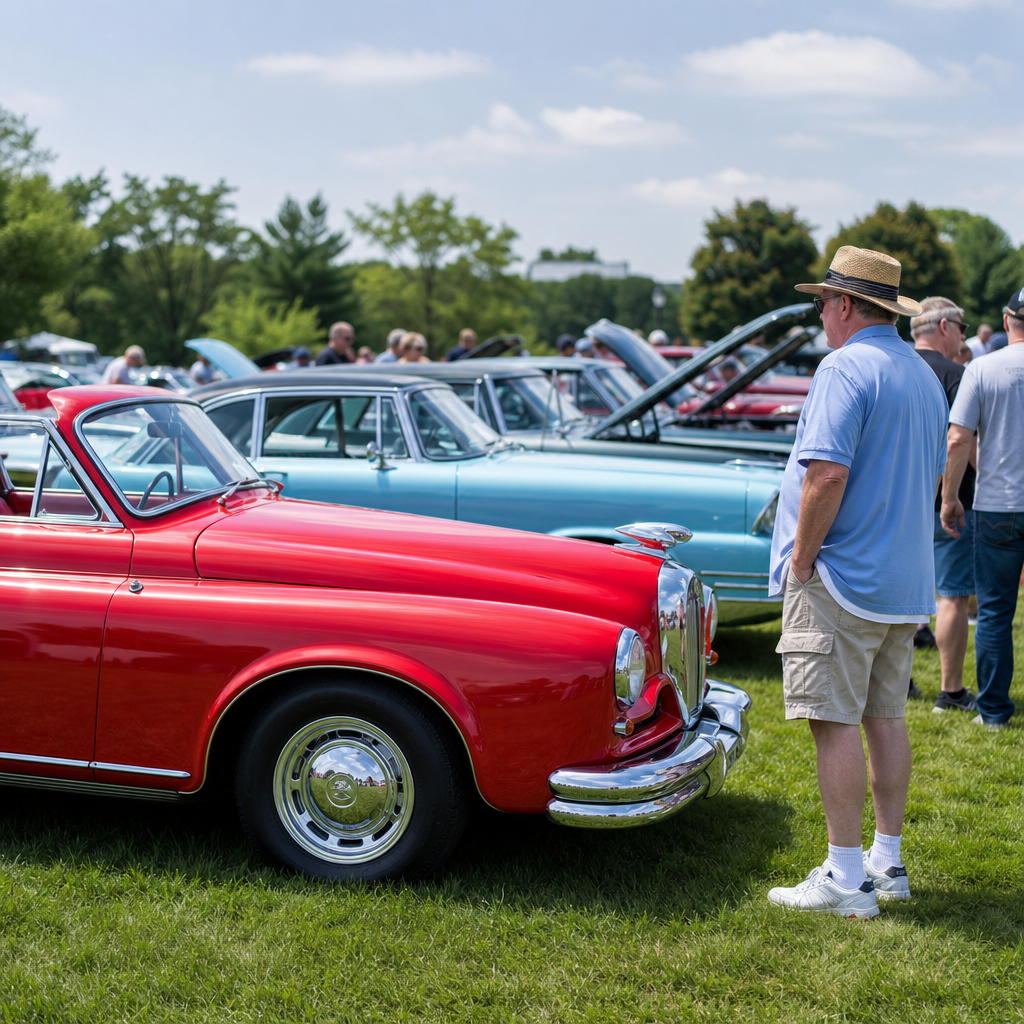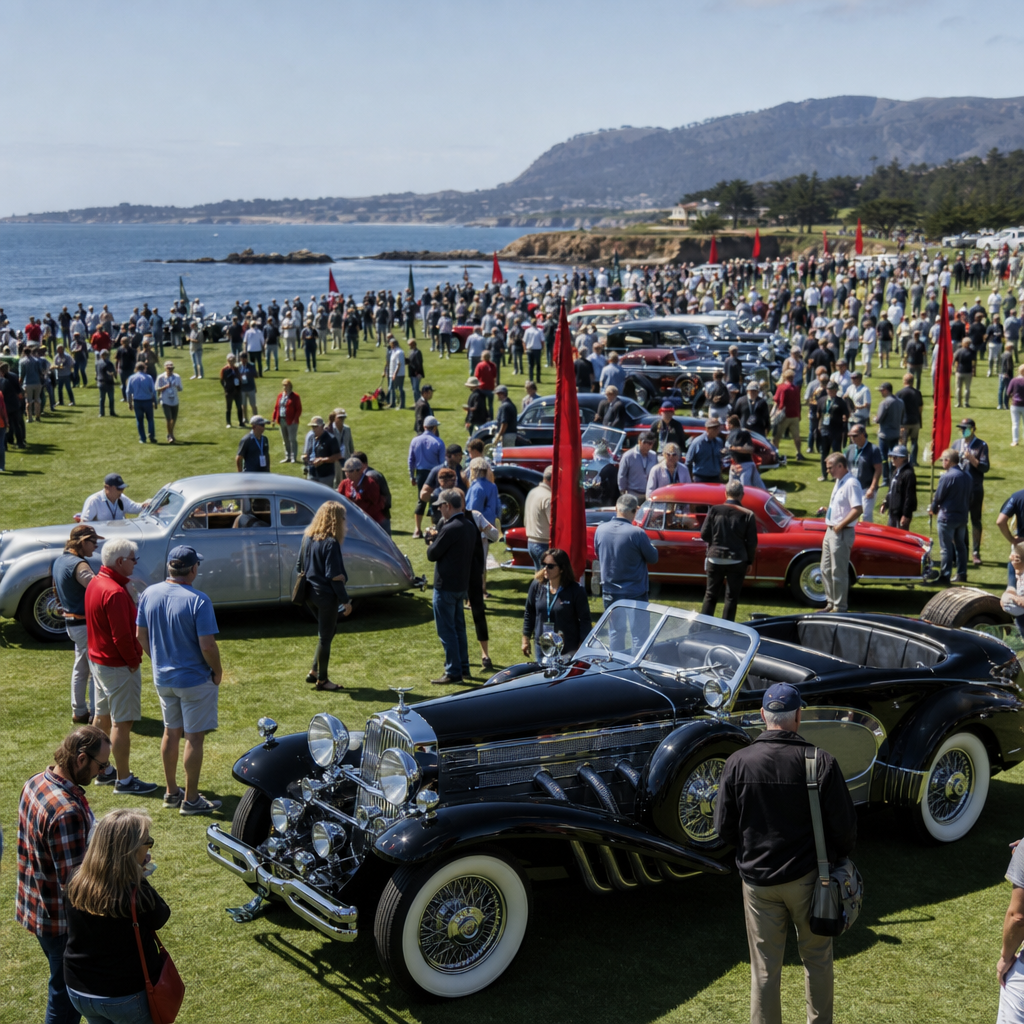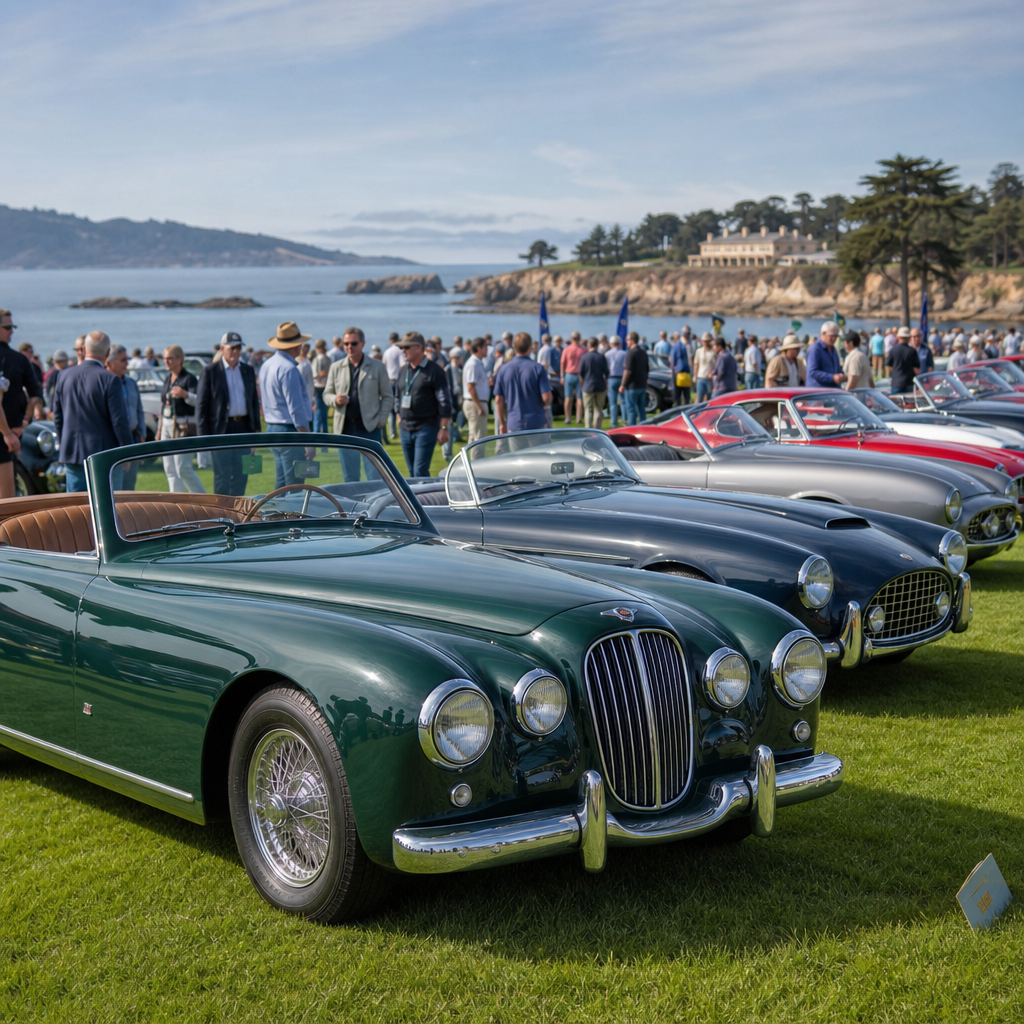
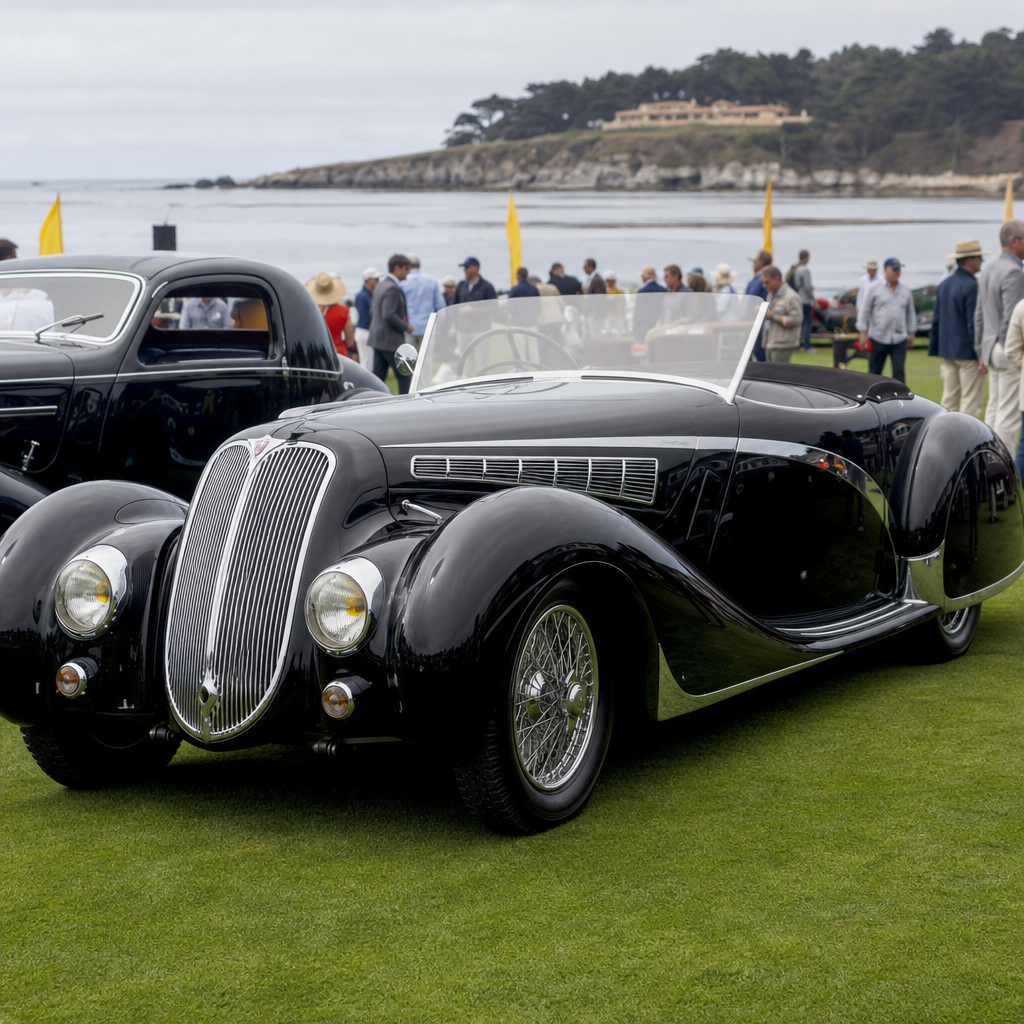
The Pebble Beach Concours d’Elegance is the most influential classic car event in the United States and, for many collectors, restorers, designers, and enthusiasts, the single most important week on the automotive calendar. Held each August on the eighteenth fairway of Pebble Beach Golf Links in California, the concours combines a judged exhibition of historically significant automobiles with auctions, rallies, luxury brand showcases, and industry announcements that shape the wider classic car market. If you want to understand modern car shows and events at the highest level, Pebble Beach is the benchmark.
A concours d’elegance, in practical terms, is a juried display of exceptional vehicles evaluated for authenticity, condition, provenance, craftsmanship, and historical importance. Unlike a local cruise-in or a cars-and-coffee meet, a concours is formal, selective, and rooted in preservation standards. Pebble Beach sits at the top of that hierarchy. It attracts prewar coachbuilt cars, postwar sports racers, concept cars, preservation-class survivors, and newly restored icons that often represent years of research and six- or seven-figure restoration budgets. Winning at Pebble Beach can raise a car’s profile globally and permanently change its place in collector history.
This matters well beyond one weekend in Monterey County. In my experience covering major collector events and working with owners preparing cars for judged display, Pebble Beach functions as a hub for the entire classic car culture and lifestyle ecosystem. Restoration shops use it to demonstrate workmanship. Auction houses use it to reach qualified buyers. Manufacturers unveil heritage programs and concept vehicles. Media outlets build editorial calendars around it. Enthusiasts use it to learn what originality looks like, what top-tier presentation requires, and where values and tastes are moving across the market.
For readers exploring car shows and events more broadly, Pebble Beach also provides the vocabulary and context needed to evaluate every other format. Once you understand classes, provenance files, preservation judging, coachbuilders, marque specialists, and the difference between restoration and conservation, local and regional events become easier to navigate. This hub article explains how the Concours works, who attends, what happens during Monterey Car Week, how cars are judged, what it costs, how to plan a visit, and why the event matters as the reference point for classic car culture.
What Pebble Beach Is and How Monterey Car Week Fits Around It
The Pebble Beach Concours d’Elegance is the centerpiece of Monterey Car Week, a dense schedule of automotive events spread across the Monterey Peninsula. Car Week typically includes manufacturer showcases, driving tours, concours at other venues, seminars, club gatherings, and major auctions hosted by firms such as RM Sotheby’s, Gooding Christie’s, Bonhams, and Broad Arrow. While people often say they are “going to Pebble Beach,” they usually mean the broader week, with the Sunday concours as the headline event.
The distinction matters because first-time visitors often underestimate the scale. The Concours itself is a one-day judged show, but the surrounding activity starts days earlier and draws everyone from first-time spectators to museum curators. The Rolex Monterey Motorsports Reunion at WeatherTech Raceway Laguna Seca, for example, delivers historic racing rather than static display. The Pebble Beach Tour d’Elegance, run before the concours, tests eligible cars on public roads and can influence judging when competitors are closely matched. The Quail, A Motorsports Gathering, serves a different audience again, emphasizing curation, hospitality, and rare machinery in a garden-party setting.
If you are building a broader understanding of car shows and events, this is the model to study: a flagship concours surrounded by specialized formats that appeal to different segments of the hobby. One event rewards authenticity and presentation. Another celebrates usability through driving. Another reflects current market appetite through auction results. Taken together, Monterey Car Week shows how classic car culture operates as a network, not a single show field.
How Cars Qualify, Prepare, and Compete
Pebble Beach is not an open-registration event. Cars are invited after a selective application process that weighs rarity, provenance, historical significance, and suitability for specific classes. Organizers build each year’s field around featured marques, anniversaries, coachbuilders, or themes. A car may be valuable and still not be chosen if it does not fit the year’s class structure or if stronger examples already fill the category. That curatorial discipline is one reason the event retains authority.
Preparation for Pebble Beach is exacting. Owners assemble documentation that can include chassis records, factory build sheets, ownership history, period photographs, restoration invoices, and correspondence with marque experts. Presentation on the lawn is only the visible layer. Behind every successful entry is months or years of mechanical sorting, detailing, archival research, and judging rehearsal. I have seen entrants spend as much time validating fastener finishes, upholstery grain, and plating chemistry as they do polishing bodywork, because serious judging turns on correctness, not just shine.
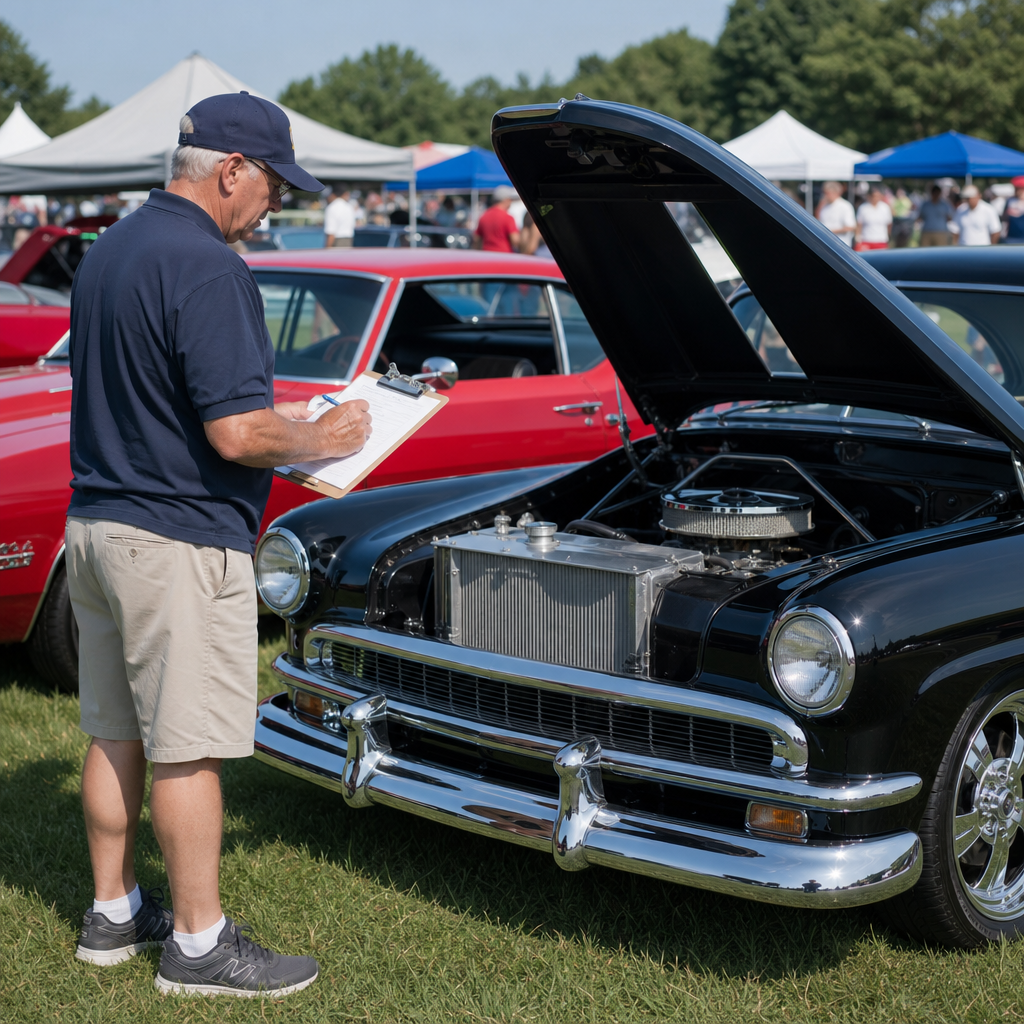
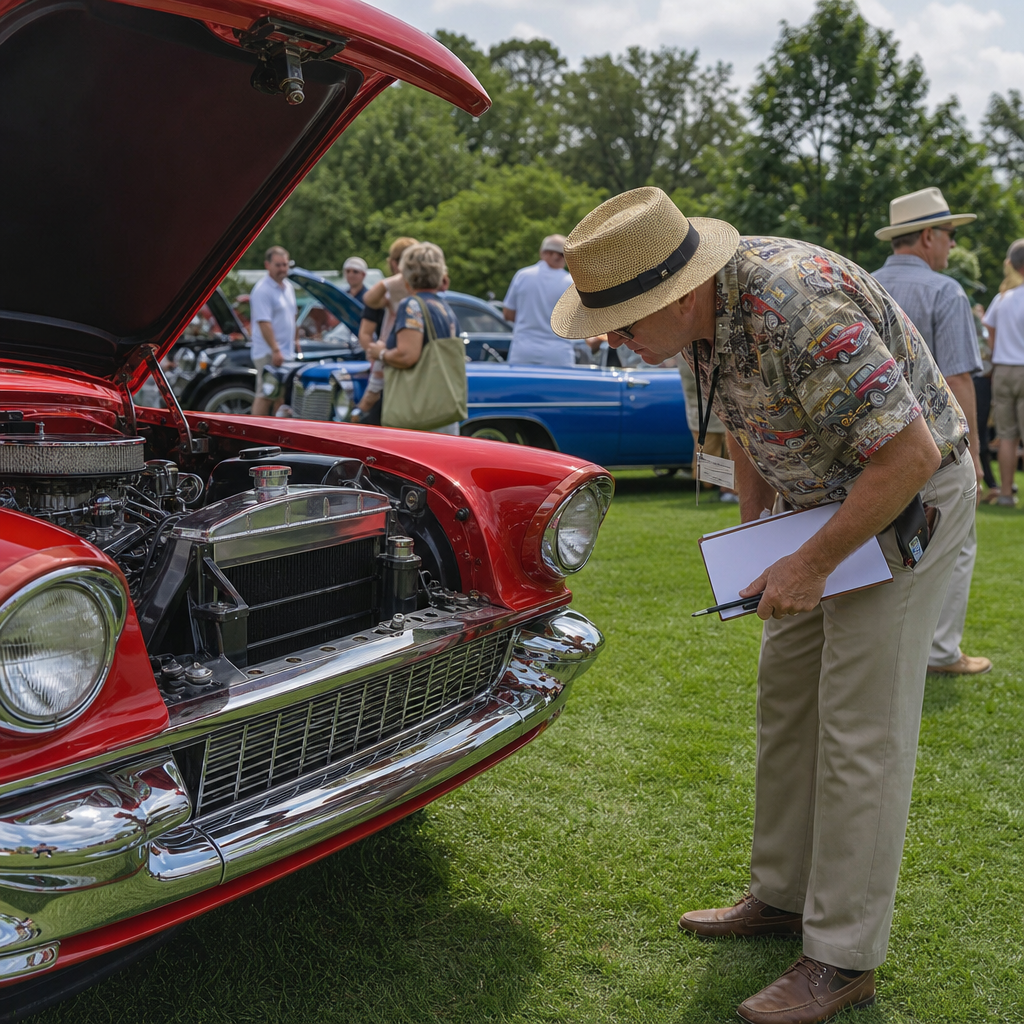
Cars generally compete within classes that group similar vehicles by era, type, coachbuilder, or historical role. Judges examine authenticity, condition, elegance, and technical merit. A perfectly restored car can lose points for inaccurate materials, non-period accessories, or undocumented changes. Conversely, a preservation car with honest wear may score strongly when originality is unusually intact. Best of Show is chosen from class winners, and that result can become a defining credential for a car, owner, and restoration team.
| Element | What It Means at Pebble Beach | Why It Matters |
|---|---|---|
| Eligibility | Invitation based on rarity, history, and fit for annual classes | Keeps the field curated and historically meaningful |
| Documentation | Provenance records, restoration files, factory data, expert verification | Supports authenticity and resolves specification questions |
| Judging | Evaluation of authenticity, condition, and presentation by specialists | Rewards correctness over cosmetic flash alone |
| Tour Participation | Road use before the show for eligible cars | Demonstrates functionality and can break close ties |
| Class Awards | Recognition within a category before overall honors | Reflects how concours competition is structured |
What Judges Look For: Authenticity, Provenance, and Preservation
The clearest answer to “how are cars judged at Pebble Beach?” is this: judges look for the most historically correct, well-presented, and significant example in each class. Authenticity means the car matches documented period specification as closely as possible. That includes body style, engine type, trim, finishes, instruments, hardware, and accessories. Provenance means the history is known and credible, especially when tied to famous owners, races, or coachbuilders. Preservation recognizes originality that has survived with minimal intervention.
This is where Pebble Beach teaches lessons that apply across all classic car events. Many owners assume newer paint and perfect chrome automatically win. In reality, over-restoration can hurt a car if it creates a finish that is glossier, smoother, or more lavish than what the factory or coachbuilder originally delivered. The best restorers know how to reproduce period methods, from correct leather textures to proper cadmium, nickel, or black-oxide finishes. Marque specialists for Bugatti, Duesenberg, Ferrari, Mercedes-Benz, and Delahaye can identify subtle deviations immediately.
Preservation classes have changed the conversation in important ways. A highly original car with factory upholstery, known ownership, and visible age can carry more historical weight than a fully redone example. That shift has influenced the wider market. Buyers now pay stronger premiums for documented originality, and major concours events increasingly reward conservation as a legitimate standard. For enthusiasts attending any car show, this is a useful lens: ask not only whether a car is beautiful, but whether it is truthful to its history.
Why the Event Matters to Collectors, Brands, and the Market
Pebble Beach matters because it concentrates influence. Collectors attend to benchmark quality, meet specialists, and watch where institutional attention is moving. Auction houses schedule their premier Monterey sales to coincide with the week because serious bidders are already present. Luxury brands sponsor displays, reveal limited-run models, and activate heritage divisions because the audience includes ultra-high-net-worth buyers who care about craftsmanship, design, and brand legacy. Museums, concours organizers, and journalists use the field to spot emerging stories and standards.
The market effect is real, though not always simple. A Pebble Beach class win or Best of Show does not guarantee a specific price increase, but it materially strengthens a car’s reputation and documentation trail. In auction cataloging, concours provenance is a recognized value signal. It suggests the car has been scrutinized by experts and maintained to a high standard. At the same time, the event can elevate lesser-known coachbuilders or categories. If a featured class spotlights, say, postwar Italian sports racing barchettas or French streamliners, demand often follows as collectors rediscover those segments.
Manufacturers also use Pebble Beach as a stage for positioning. Mercedes-Benz, BMW, Cadillac, Bugatti, and other marques have unveiled concepts or heritage initiatives there because the venue blends prestige with historical context. That combination is rare. A modern halo car presented alongside icons from the brand’s archive gains credibility through association. For the broader car shows and events landscape, this demonstrates how elite concours gatherings are no longer only about the past; they are now platforms where history, branding, design, and commerce meet.
How to Attend, What It Costs, and How to Plan the Experience
Attending Pebble Beach requires more planning than most automotive events. Tickets for the Sunday Concours are typically priced at a premium relative to regional shows, and lodging on the Monterey Peninsula becomes scarce and expensive during Car Week. Parking, traffic, shuttle timing, and weather all affect the experience. Morning marine fog can give way to strong sun, so comfortable footwear, layers, water, and a realistic schedule matter more than first-time visitors expect. If your goal is serious viewing, arrive early; the field is calmer before peak crowd density.
The smart way to plan is to decide whether you want a one-day concours visit or a multi-day Car Week itinerary. A one-day plan works for casual enthusiasts focused on the lawn display. A multi-day trip better serves photographers, collectors, and readers using the week as a survey of the hobby. Pairing the Concours with an auction preview, the Tour d’Elegance route, and at least one adjacent event provides a fuller understanding of how the ecosystem works. If budget is a concern, prioritize public-access moments such as tour stops and auction previews, which can offer remarkable access without the full cost of premium hospitality.
For families or newcomers, the best approach is to set expectations. Pebble Beach is elegant, but it is also educational. Children may not connect immediately with provenance or coachwork, yet they often respond to scale, color, and design stories when those are explained simply. Ask why one car has separate fenders, why another has a boattail rear deck, or why a preservation car is celebrated despite worn leather. That turns the event from a luxury spectacle into a living history lesson, which is exactly what the best car shows and events should be.
What Pebble Beach Teaches About Car Shows and Events as a Whole
As a hub for the car shows and events category, Pebble Beach offers a framework for understanding the entire scene. It shows the difference between spectator events and judged competition, between community gatherings and curated exhibitions, and between entertainment value and historical significance. It also proves that classic car culture is not one-dimensional. The same week can include scholarship, motorsport, design, social ritual, luxury retail, and serious market activity without losing coherence.
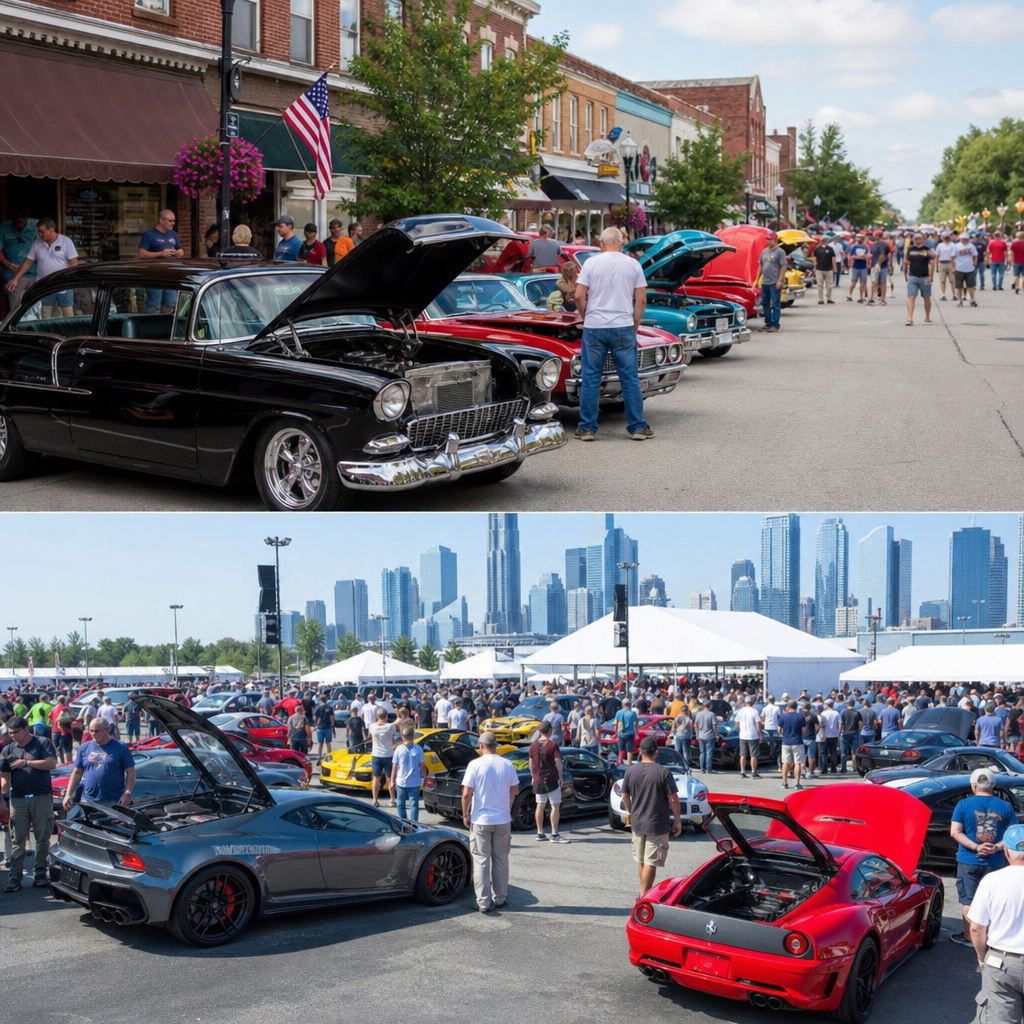
That framework helps when exploring related event types. Concours shows emphasize authenticity and curation. Historic races prioritize mechanical fitness and period competition context. Auctions reveal liquidity, buyer confidence, and shifting tastes. Club meets build community and marque knowledge. Cars-and-coffee gatherings encourage accessibility and regular participation. None of these formats replaces the others. Instead, they serve different functions within the same lifestyle. Pebble Beach stands above them not because it makes them irrelevant, but because it clarifies how each one contributes to the hobby.
The most useful takeaway is that attendance changes how you see classic cars. After you have examined panel fit on a Figoni et Falaschi Delahaye, compared restoration philosophies on a Ferrari 250 series car, or watched judges inspect a Duesenberg’s details, ordinary event viewing becomes sharper and more informed. You notice authenticity cues, ask better questions, and appreciate the labor behind presentation. That is why Pebble Beach Concours d’Elegance remains essential knowledge for anyone serious about classic car culture and lifestyle. Use this hub as your starting point, then explore auctions, historic racing, local shows, and marque gatherings with a more educated eye.
Frequently Asked Questions
What is the Pebble Beach Concours d’Elegance, and why is it so important?
The Pebble Beach Concours d’Elegance is a world-renowned classic car exhibition held each August on the eighteenth fairway of Pebble Beach Golf Links in California. At its core, it is a judged event that brings together some of the most historically significant, beautifully restored, and exceptionally rare automobiles in existence. Unlike a typical car show, the concours emphasizes authenticity, provenance, craftsmanship, design, and historical relevance. Vehicles are evaluated not only for appearance, but also for how accurately they represent their original specifications and place in automotive history.
Its importance goes far beyond the lawn display itself. Pebble Beach has become the focal point of an entire week of automotive activity, including major collector car auctions, driving tours, luxury manufacturer showcases, panel discussions, concept reveals, and exclusive social events. For collectors, restorers, designers, curators, and enthusiasts, it is one of the most influential gatherings in the automotive world. Trends in the collector market often become visible here, important sales are made, and leading brands use the week to reinforce their heritage and unveil future direction. In practical terms, Pebble Beach is where the past, present, and future of the automobile all meet in one place.
When and where does the event take place, and what can visitors expect during the week?
The Pebble Beach Concours d’Elegance takes place each August in Pebble Beach, California, with the main concours held on the eighteenth fairway of Pebble Beach Golf Links. While Sunday is the centerpiece of the week, the surrounding days are packed with related events across the Monterey Peninsula, which is why many people refer to the broader experience as Monterey Car Week. Visitors who attend for only one day will still see an extraordinary display of vehicles, but those who stay for several days gain access to a much wider automotive ecosystem.
Throughout the week, attendees can expect vintage racing at nearby tracks, prestigious auctions featuring blue-chip collector cars, rallies and tours, club gatherings, luxury hospitality experiences, and displays from both heritage and modern automakers. The atmosphere ranges from formal and curated on concours day to energetic and commercial at auctions and manufacturer events. It is common to see prewar classics, postwar grand tourers, significant race cars, coachbuilt one-offs, and landmark concept vehicles all within a short distance of one another. For first-time visitors, the scale of activity can be surprising, so planning ahead is essential. Hotels book early, traffic can be significant, and ticketed events often sell out well in advance.
How are cars selected and judged at the Pebble Beach Concours d’Elegance?
Selection for the Pebble Beach Concours d’Elegance is highly competitive. Not every collector can simply register and display a car; entrants are typically invited based on a vehicle’s rarity, historical significance, quality of restoration or preservation, and suitability for a specific class. Organizers often build classes around anniversaries, marques, coachbuilders, racing milestones, or unusual themes, which means eligibility can vary from year to year. As a result, many of the cars shown at Pebble Beach are seldom seen in public and may have been prepared for years before appearing on the field.
Judging is famously rigorous and rooted in authenticity. Experts assess vehicles according to standards that can include correctness of components, accuracy of restoration, condition, fit and finish, mechanical presentation, and documented history. Preservation is also respected, and in some cases an unrestored car with remarkable originality can be just as compelling as a fully restored one. Awards are given within classes, but the most recognized honor is Best of Show, which is reserved for the vehicle that most completely embodies elegance, historical importance, and excellence. Winning at Pebble Beach can dramatically elevate a car’s reputation and, in many cases, its market value. Just as importantly, participation itself is a mark of distinction within the collector car world.
Do you need to be a serious collector to enjoy Pebble Beach, or is it worth attending as a general enthusiast?
You do not need to own a collector car or work in the industry to enjoy the Pebble Beach Concours d’Elegance. In fact, one of the event’s strengths is that it rewards many different levels of interest. A seasoned collector may attend to study restoration standards, meet specialists, and follow market activity, while a casual enthusiast may simply come to admire stunning automobiles in an unforgettable setting. The event is exceptionally visual and accessible in that sense: even if you are not familiar with every coachbuilder, chassis number, or concours class, the craftsmanship and beauty on display are easy to appreciate.
That said, visitors who prepare a little in advance usually get more out of the experience. Reviewing the featured classes, reading about notable entries, and understanding the basic schedule can make the day much more meaningful. Many attendees also combine the concours with other Monterey Car Week events to see everything from vintage race cars to modern hypercars and rare auction consignments. Whether your interest is design, engineering, motorsport history, restoration, or luxury culture, Pebble Beach offers a remarkably broad perspective. It is as much about storytelling and heritage as it is about polished metal and trophies, which is why it appeals to both experts and newcomers.
What are the best tips for attending the Pebble Beach Concours d’Elegance for the first time?
For first-time attendees, the best strategy is to treat Pebble Beach as a major destination event rather than a casual day trip. Book accommodations as early as possible, purchase tickets in advance, and map out which events matter most to you. Monterey Car Week is busy, and lodging across the peninsula can become scarce and expensive quickly. If your main priority is the concours itself, arrive early on Sunday to avoid the heaviest traffic and to enjoy the field before it becomes too crowded. Comfortable shoes, layered clothing, sun protection, and a clear plan for parking or shuttle access can make a significant difference in your experience.
It also helps to balance structure with flexibility. Start with the official concours program so you can identify featured classes, notable marques, and award timelines, but leave room to explore. Some of the most memorable moments come from unexpectedly discovering a rare coachbuilt car, overhearing an owner discuss a restoration, or seeing a historically important automobile up close for the first time. If you plan to attend auctions or manufacturer showcases during the week, check schedules carefully because many events overlap. Finally, take time to appreciate the setting. Pebble Beach is not just important because of the cars on the lawn; it is important because of the concentration of expertise, history, and influence gathered there. Going in with realistic expectations and a bit of planning will help you experience why so many people consider it the high point of the classic car calendar.