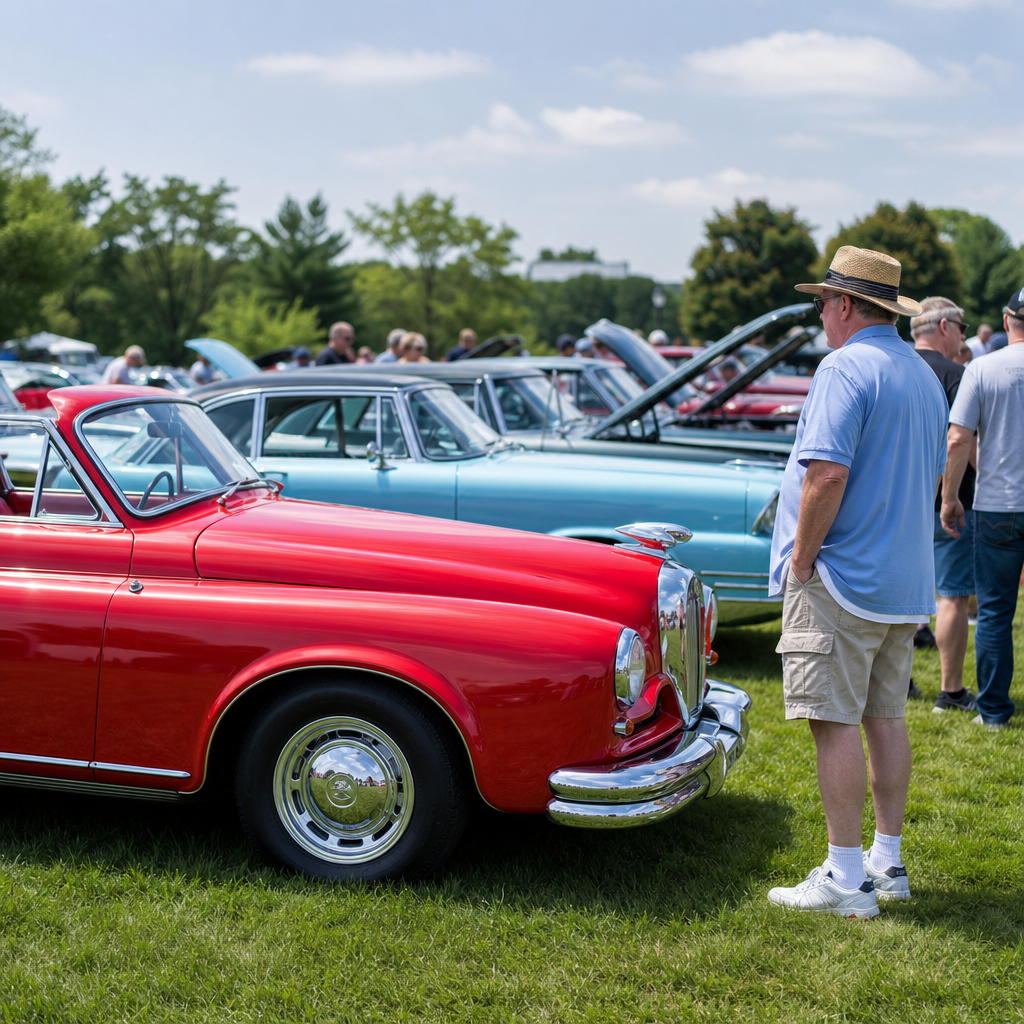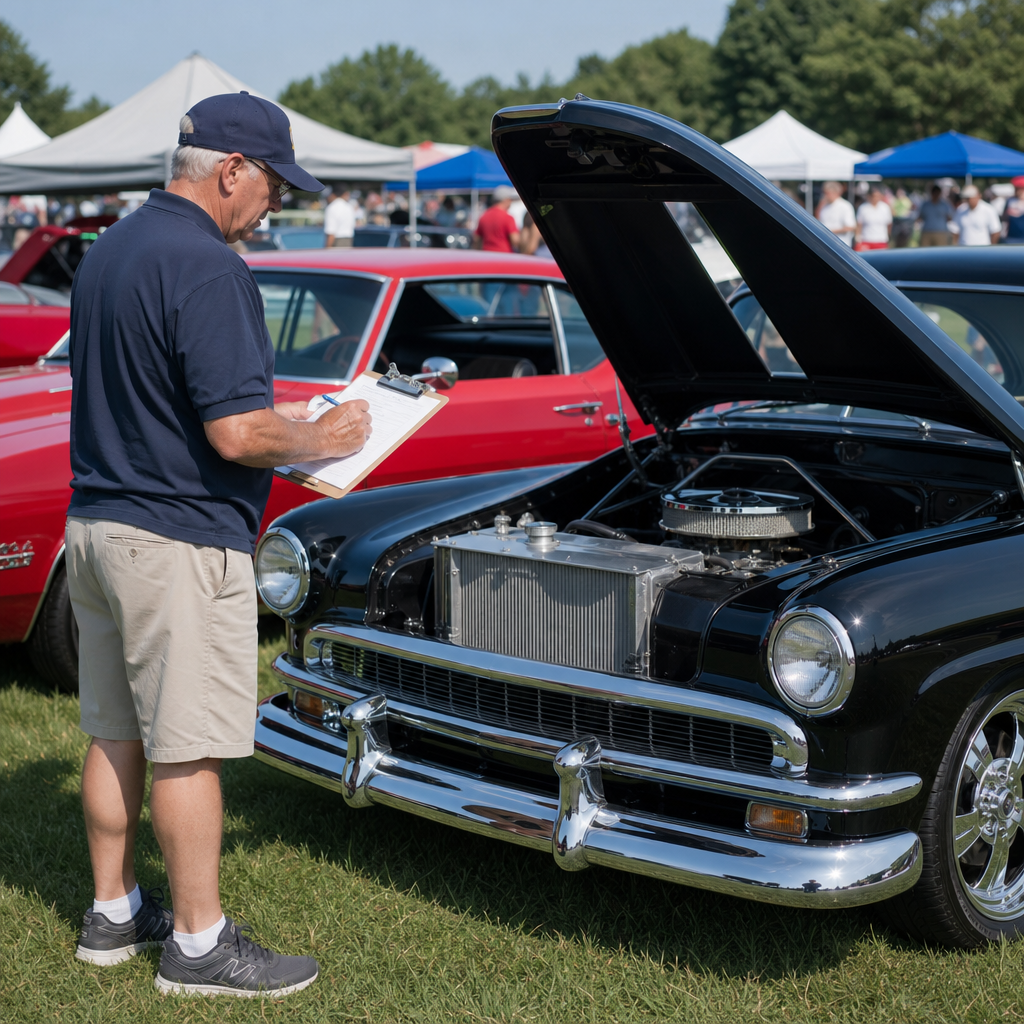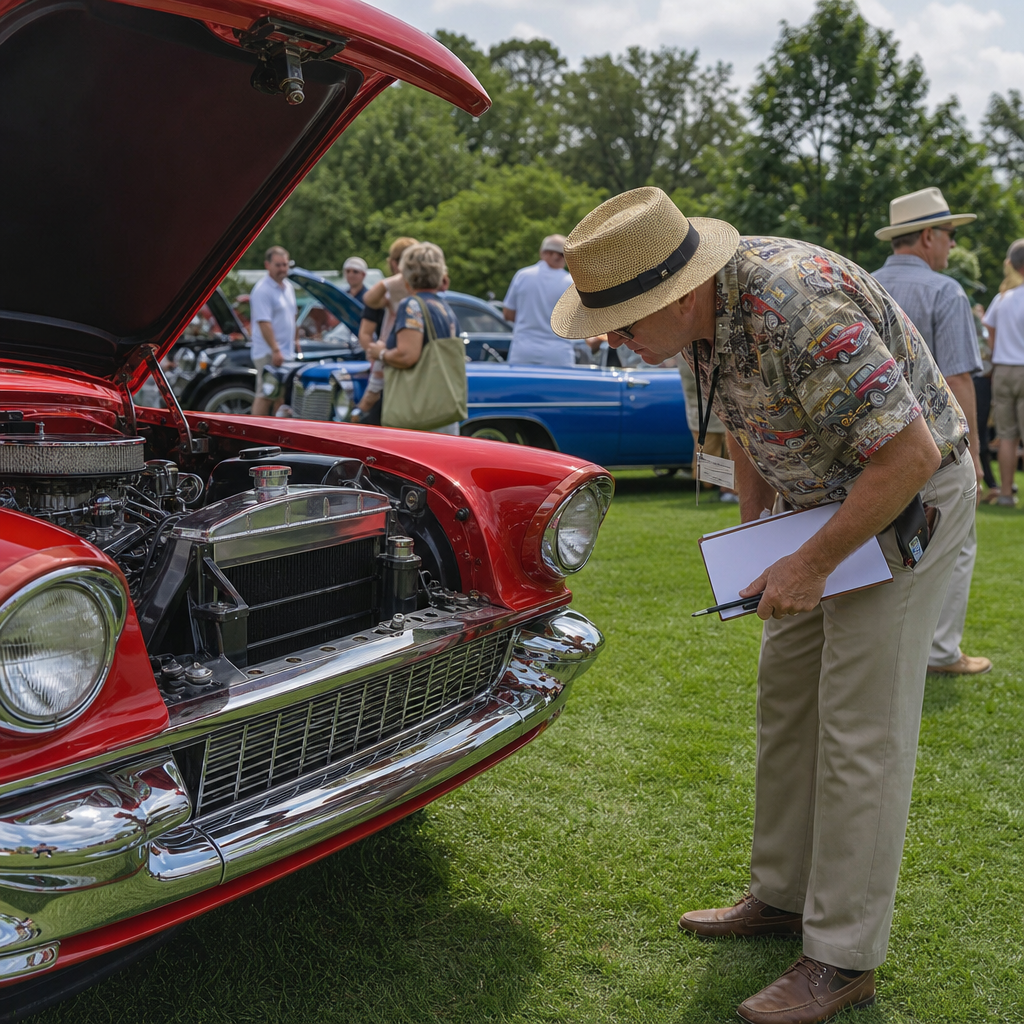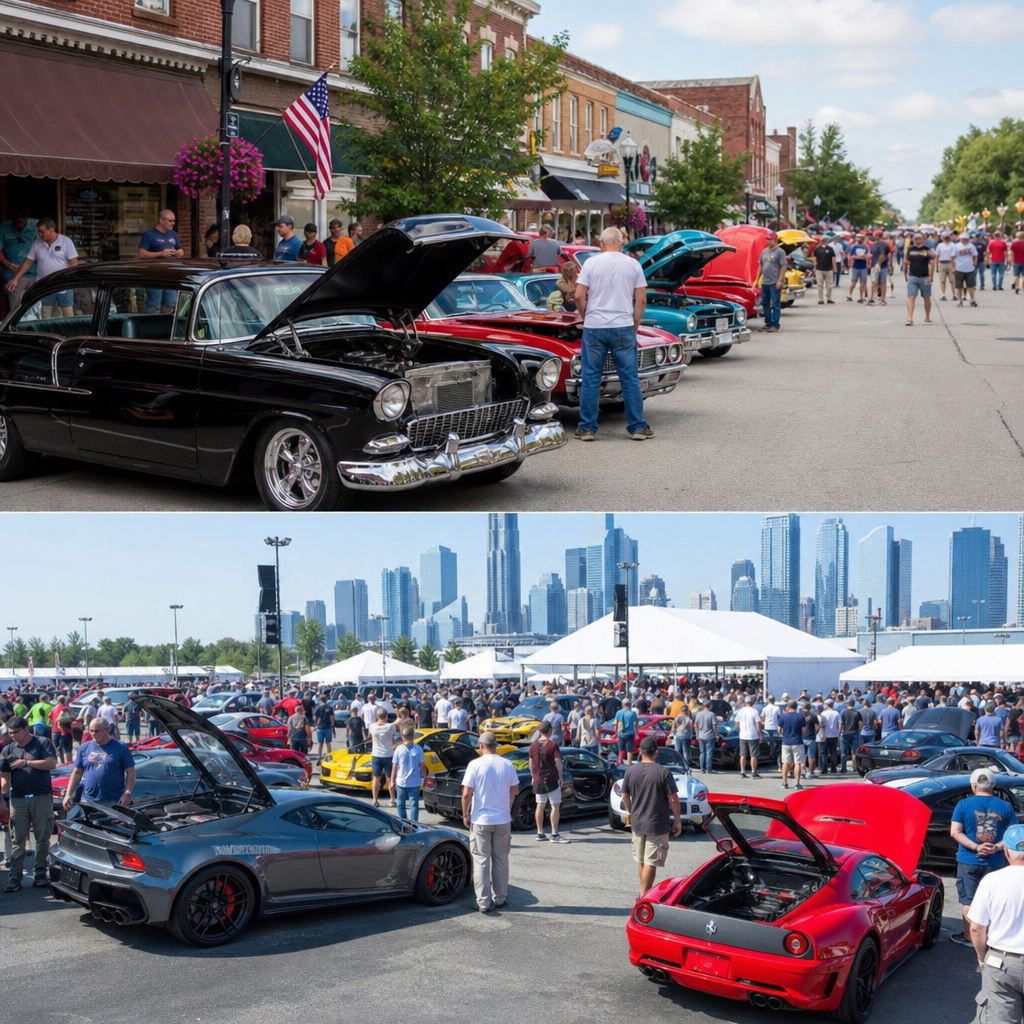
Classic car shows are the public stages where automotive history comes alive, gathering rare machines, expert judges, restorers, collectors, clubs, auction houses, and fans in one place. Within classic car culture, a car show is more than a display of polished sheet metal. It is an event format that can include concours judging, owner-driven tours, swap meets, race demonstrations, marque reunions, museum-quality exhibitions, and major vehicle auctions. The biggest classic car shows in the world matter because they shape market values, restoration standards, preservation trends, and enthusiast travel plans across the entire collector community.
After years of attending these events, planning coverage around them, and speaking with restorers and owners on show fields from California to England, I have found that the best way to understand the classic car event calendar is to separate prestige from scale. Some shows are “big” because they attract the rarest and most expensive cars ever built. Others are big because hundreds of thousands of spectators attend, thousands of cars appear, and entire towns become temporary capitals of classic motoring. Both types define the global scene. For readers exploring classic car culture and lifestyle, this hub explains the leading events, what makes each one important, and how to decide which shows deserve a place on your calendar.
Several terms help frame the topic. A concours d’elegance is a judged exhibition focused on originality, authenticity, condition, and historical significance. A festival-style show usually mixes displayed vehicles with driving events, vendor areas, club displays, and public entertainment. A swap meet centers on parts, automobilia, and restoration sourcing. An auction week combines show-quality presentation with active buying and selling. These categories often overlap. Monterey Car Week, for example, is not one event but a cluster of auctions, concours displays, launches, rallies, and social gatherings anchored by a few flagship shows.
This article serves as a hub for the “Car Shows & Events” side of classic car culture. If you are asking which classic car shows are the biggest, which ones are the most prestigious, where you can actually see legendary vehicles, or which events are best for first-time visitors, the answers start here. The strongest shows preserve history while making it accessible. They also reveal how broad the hobby has become, from prewar coachbuilt Alfa Romeos and Duesenbergs to postwar Ferraris, air-cooled Porsches, muscle cars, Japanese classics, and historically significant trucks. Understanding the top-tier events gives you a map of the entire collector world.
Pebble Beach and Monterey Car Week set the benchmark for prestige
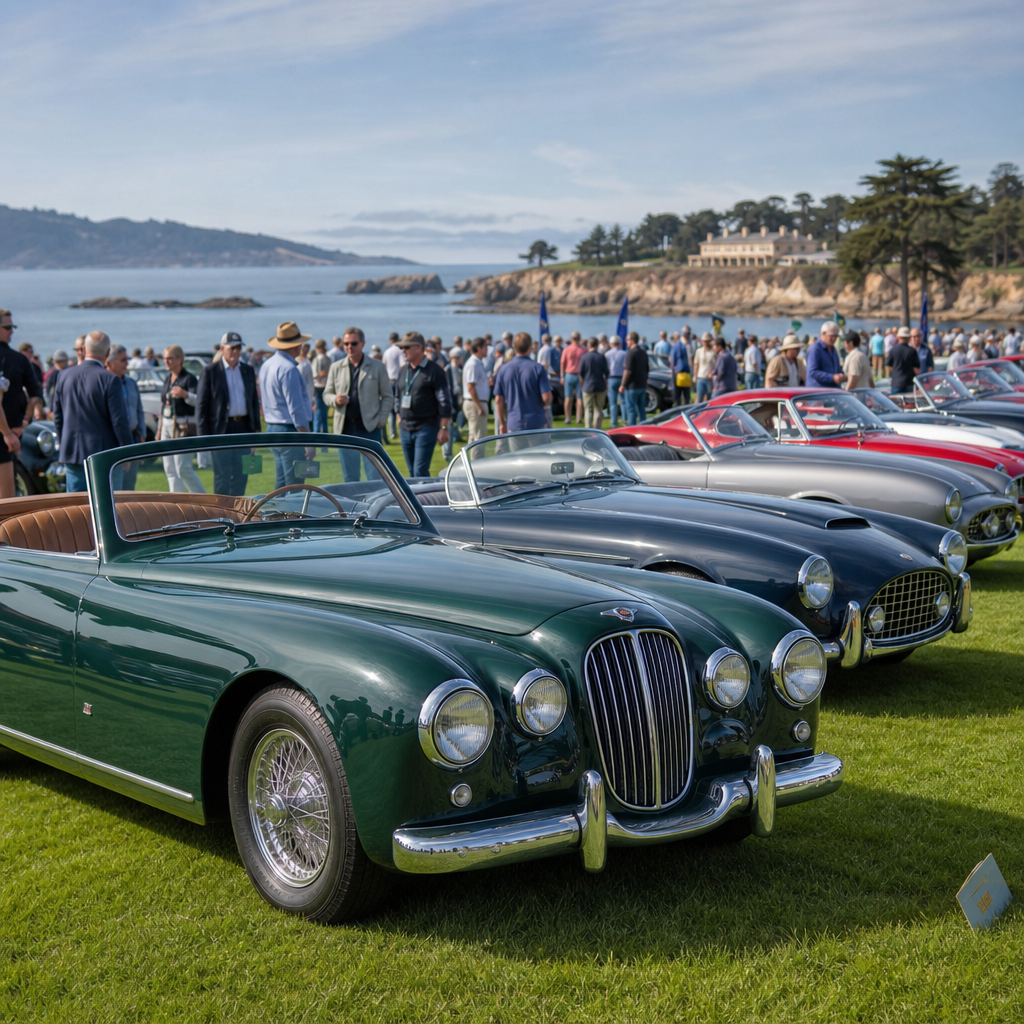
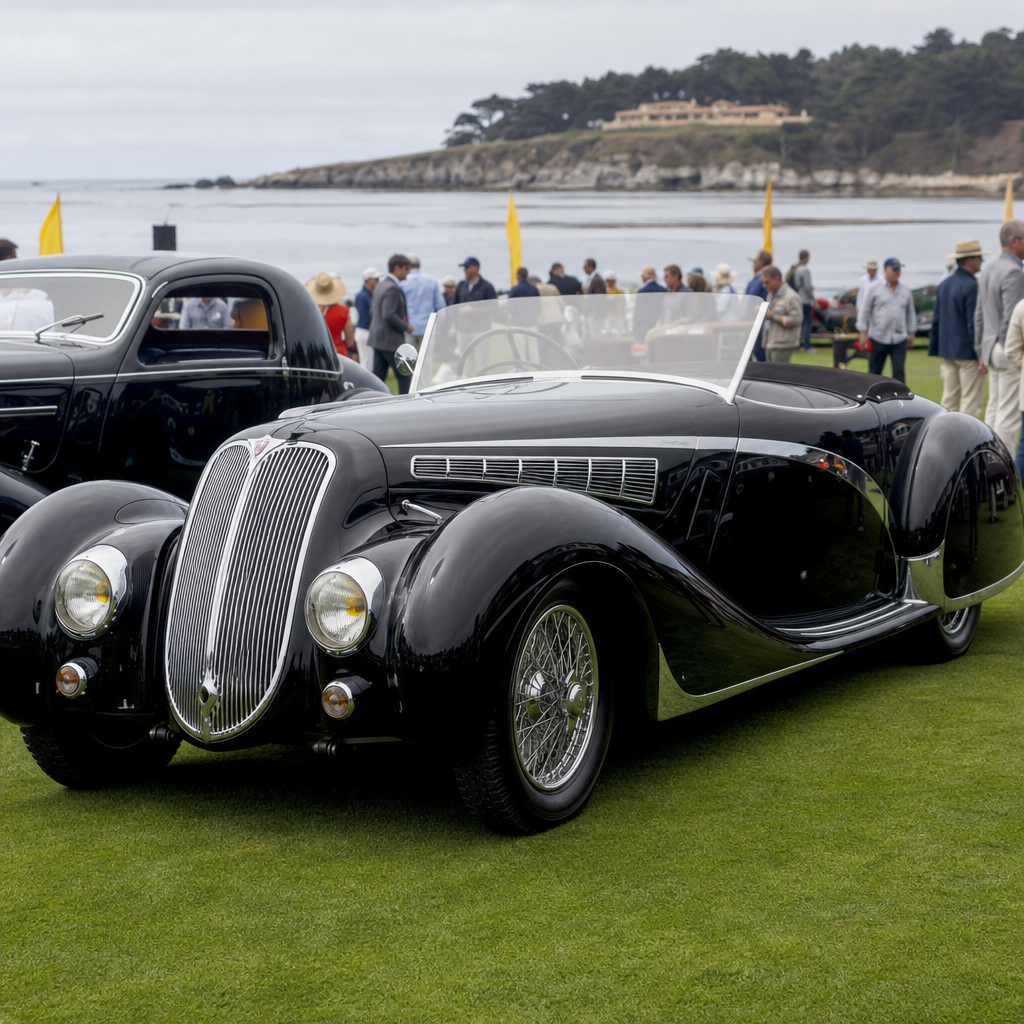
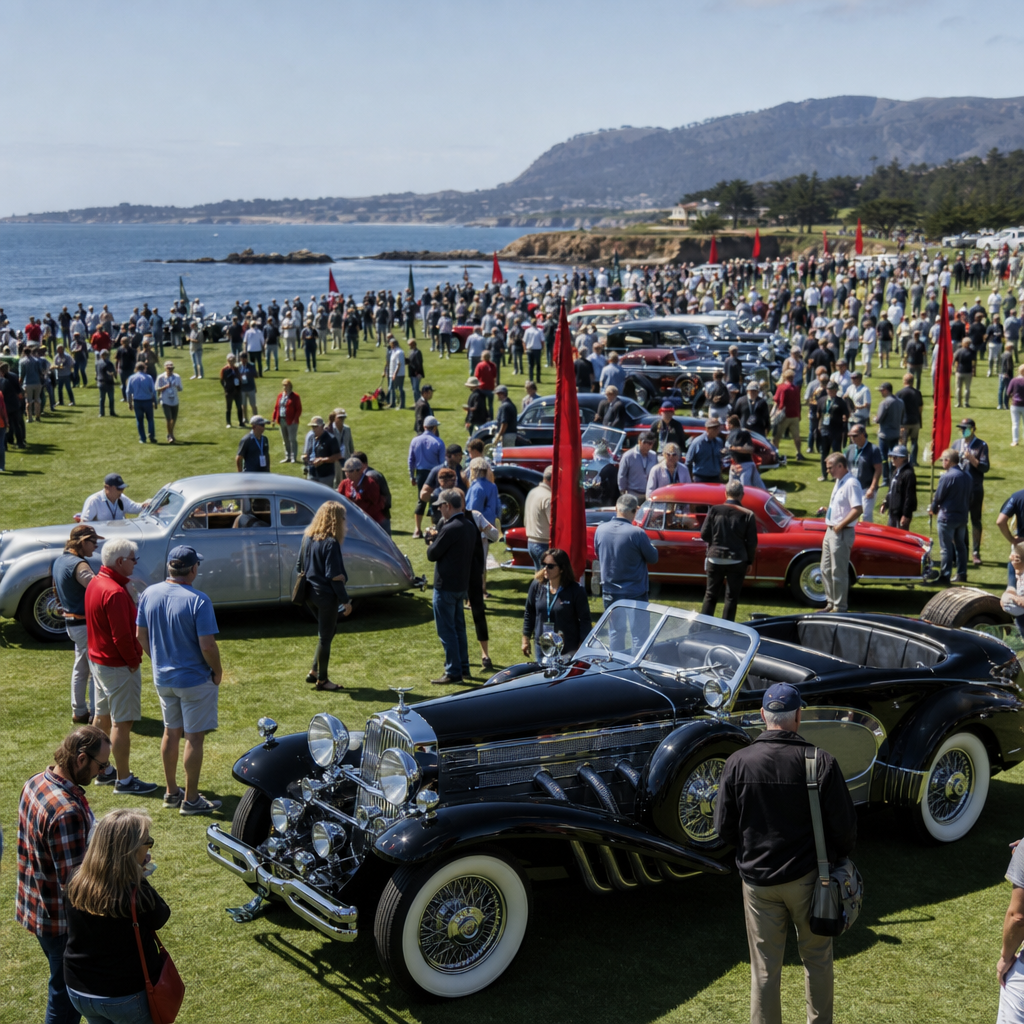
When enthusiasts ask about the most important classic car show in the world, Pebble Beach Concours d’Elegance is usually the first name raised, and with good reason. Held on the Pebble Beach Golf Links in California since 1950, it has become the benchmark for concours prestige. Best of Show winners often represent the highest level of restoration and historical documentation anywhere in the hobby. Classes are curated with unusual rigor, and the field regularly includes one-off coachbuilt cars, preservation-class survivors, significant racing machines, and milestone production models. If a collector wants a car recognized at the very top of the market, Pebble Beach remains one of the most powerful stages.
Yet the real scale comes from Monterey Car Week as a whole. Around the concours, the Monterey Peninsula hosts RM Sotheby’s, Gooding Christie’s, Bonhams, Mecum, The Quail, Rolex Monterey Motorsports Reunion at WeatherTech Raceway Laguna Seca, and numerous marque gatherings. In practical terms, this means one trip gives visitors access to auction cars, race cars, judged classics, and enthusiast parking lots that are often better than smaller shows. I have seen first-time visitors spend an entire day just moving between auction previews because the concentration of rare vehicles is that dense. For market watchers, Monterey is where values, tastes, and collecting trends become visible in real time.
Pebble Beach also matters because it influences restoration practice. Judges reward correct finishes, period materials, proper documentation, and historically accurate presentation. Shops preparing a car for Pebble Beach often conduct months of archival research, source exact hardware, and verify coachbuilder details against factory records. That level of scrutiny raises standards beyond one event. Even owners who never plan to enter a concours benefit indirectly, because restoration methods spread outward through specialist workshops, clubs, and publications. For a hub article on car shows and events, Pebble Beach stands at the top of the prestige pyramid.
Goodwood proves that classic cars are best experienced in motion
If Pebble Beach celebrates immaculate presentation, Goodwood in West Sussex celebrates movement, sound, and atmosphere. The Goodwood Revival is one of the world’s great historic motoring events because it recreates the spirit of motor racing’s mid-century era. Visitors dress in period clothing, the circuit runs wheel-to-wheel competition with priceless machinery, and the paddock environment feels unusually close to the action. You are not just seeing old cars parked on grass; you are hearing unsilenced engines, smelling fuel and oil, and watching expert drivers manage machines that were never designed for modern safety expectations.
The Goodwood Festival of Speed expands that formula with a broader mix of historic racers, road cars, concept cars, motorcycles, and manufacturer exhibits. Although it includes newer machinery, its hillclimb and curated displays make it one of the biggest gatherings of significant automobiles anywhere. What makes Goodwood globally important is that it reaches beyond collectors. Manufacturers, racing teams, restoration firms, and media all treat it as a major industry event. Historic racing machinery that might appear static at another show often runs hard at Goodwood, which gives spectators a far more truthful understanding of automotive heritage.
From an enthusiast’s perspective, Goodwood answers a common question: is the best classic car event a concours or a driving festival? In my experience, many first-time attendees discover they prefer seeing cars used as intended. A Jaguar D-type idling in a paddock, a Ford GT40 climbing the hill, or a grid of prewar Grand Prix cars preparing to race can create a stronger emotional impact than any static exhibit. That is why Goodwood belongs on every serious list of the biggest classic car shows in the world, even though its format is broader than a conventional show field.
Europe’s major concours events showcase heritage at the highest level
Europe remains central to classic car history, and its flagship concours events reflect that depth. Concorso d’Eleganza Villa d’Este on Lake Como is among the most exclusive and visually striking gatherings in the world. Organized with support from BMW Group Classic, it is known for carefully selected entries, elegant surroundings, and classes that highlight design as much as mechanical significance. The event is smaller than some mass-attendance festivals, but in terms of influence, rarity, and photography reach, it ranks near the top. A concept car debut can share the spotlight with a prewar Hispano-Suiza or a postwar Ferrari coachbuilt by Touring.
Salon Privé in the United Kingdom has also matured into a major concours and luxury automotive event, blending classic presentation with high-end contemporary brands. Meanwhile, Techno-Classica Essen, though different in format, has long been one of the most important classic car fairs in Europe. It functions as a marketplace, club meeting point, dealer showcase, and restoration sourcing venue. For enthusiasts trying to understand where Europe’s collector ecosystem connects, these events offer different but complementary experiences: one emphasizes curation and elegance, another blends showmanship with luxury, and another reflects the trade side of the hobby.
What unites these European events is their deep relationship to marque heritage. Clubs for Mercedes-Benz, Porsche, Alfa Romeo, Citroen, Bentley, and countless others often participate with factory-backed archives, registries, and historians. That matters because classic car authenticity depends on records. A show that brings together factory heritage departments, registrars, and specialist restorers becomes a place where owners can verify chassis histories, compare details, and refine restoration plans. In that sense, top European shows are not just spectacles. They are working centers of preservation.
Massive public events bring classic car culture to the widest audience
Not every major show is defined by concours lawns and seven-figure cars. Some of the biggest classic car events in the world are huge public festivals built around participation. The SEMA Show in Las Vegas is trade-only and broader than classics, but its influence on aftermarket trends reaches the classic scene through restomod parts, fabrication techniques, coatings, wheels, lighting, and interior technology. For public-facing scale, events like the Carlisle Chrysler Nationals, Spring and Fall Carlisle, and the NSRA Street Rod Nationals in the United States demonstrate how large domestic gatherings can become when they combine show cars, swap meets, and direct access to parts suppliers.
Germany’s Bremen Classic Motorshow, France’s Retromobile in Paris, and the NEC Classic Motor Show in Birmingham also attract large audiences by serving both enthusiasts and the trade. Retromobile in particular has become a landmark winter event, mixing museum-grade displays, dealer stock, auction lots, clubs, and automobilia. I recommend it to readers who want the density of an important classic event without the sprawl of a multi-town festival. You can see landmark cars, talk with specialists, and observe market trends within a compact venue.
| Event | Location | Best known for | Ideal visitor |
|---|---|---|---|
| Pebble Beach Concours d’Elegance | California, USA | Top-tier concours judging and rare coachbuilt cars | Collectors, historians, concours enthusiasts |
| Goodwood Revival | West Sussex, UK | Period racing atmosphere and historic competition | Fans who want cars in motion |
| Concorso d’Eleganza Villa d’Este | Lake Como, Italy | Exclusive design-focused concours | Visitors seeking rarity and elegance |
| Retromobile | Paris, France | Indoor fair, clubs, auctions, and dealer presence | Buyers, restorers, winter travelers |
| Carlisle events | Pennsylvania, USA | Scale, swap meets, and enthusiast participation | Hands-on hobbyists and parts hunters |
These larger public events answer a different question than elite concours shows: where can ordinary enthusiasts participate directly? At Carlisle, for example, the value is not only in seeing restored Mopars or vintage trucks. It is in talking with owners, finding trim pieces, comparing paint codes, and learning which suppliers deliver acceptable reproduction parts. That practical side of the hobby is essential. A classic car culture hub would be incomplete without recognizing shows where people actually keep cars on the road.
Auctions, club gatherings, and specialty shows shape the calendar
The biggest classic car shows in the world do not stand alone. They connect to auctions, club meets, and niche events that define the annual calendar. Scottsdale in January, led by Barrett-Jackson alongside RM Sotheby’s, Bonhams, and others, is one of the clearest examples. While not purely a classic car show, Scottsdale is a major collector-car gathering where market sentiment becomes visible early in the year. American muscle, restomods, pickups, and blue-chip European classics all appear, and the televised auction environment brings new audiences into the hobby.
Specialty events are just as important because they build expertise around particular categories. Amelia, now The Amelia, in Florida combines concours quality with accessible programming and strong class themes. Hershey, officially the AACA Eastern Fall Meet, is legendary for its swap meet scale and brass-era strength. Porsche Rennsport Reunion, though marque-specific, is one of the world’s great automotive gatherings because it concentrates historically significant competition and road-going Porsches in extraordinary numbers. Japanese classics have their own growing ecosystem through events such as Nostalgic 2Days in Japan and model-specific gatherings worldwide.
For readers deciding how to navigate this subtopic, the lesson is simple: choose by purpose. If your goal is inspiration, attend a top concours. If your goal is sensory experience, choose Goodwood or historic racing weekends. If your goal is buying, monitor auction weeks. If your goal is restoration progress, prioritize swap meets and club-heavy events. The classic car event landscape is broad enough that no single show can do everything well. The smartest enthusiasts build an annual schedule that matches their projects, budget, and preferred eras.
How to choose the right classic car show and get more from it
The right event depends on what you want to learn or accomplish. For photography and landmark cars, Pebble Beach, Villa d’Este, and The Amelia are hard to beat. For families and broad entertainment, Goodwood and major public festivals usually deliver more action. For sourcing parts, Carlisle and Hershey are far more useful than elite concours lawns. For market intelligence, Monterey and Scottsdale are unmatched because auction previews let you inspect dozens of significant cars in one trip. I often tell first-time travelers to avoid trying to “do everything” at Monterey or Goodwood. Pick anchor events, book transport early, and leave time for unplanned discoveries.
Preparation matters. Study the class list, map, and schedule before arrival. Wear shoes for long distances, bring water, and carry a notebook or use your phone for chassis numbers, vendor names, and restoration ideas. If you own a classic, register for associated tours or club corrals when possible, because the parking areas and owner meetups often provide the most candid conversations. The biggest benefit of attending major classic car shows is not only what you see. It is the quality of the information you gather from owners, judges, trimmers, paint specialists, auction staff, and marque historians.
Classic car shows remain the beating heart of classic car culture and lifestyle because they combine history, community, commerce, and craftsmanship in a way no digital platform can fully replace. The world’s biggest events each serve a distinct role: Pebble Beach defines concours excellence, Goodwood proves heritage should move, Villa d’Este elevates design, Retromobile and Carlisle support the practical hobby, and auction-centered weeks reveal the market’s direction. Use this guide as your hub for the car shows and events landscape, then choose one flagship event to experience in person. Seeing the right show once will sharpen your understanding of the entire classic car world.
Frequently Asked Questions
What makes a classic car show one of the biggest in the world?
The biggest classic car shows are not defined by a single number. In practice, size can mean several things at once: the number of vehicles displayed, the scale of the venue, the international reach of the event, the prestige of the judging, the value of cars offered at auction, and the depth of the overall program. Some events are considered “big” because they gather hundreds or even thousands of historic vehicles across multiple classes, while others earn that status because they attract the rarest and most important cars ever built, along with the world’s top collectors, restorers, historians, and manufacturers.
Another major factor is influence. The most important classic car shows often shape market trends, restoration standards, and collector interest for years afterward. A world-class concours can elevate the profile of a marque, confirm the historical significance of a coachbuilder, or set a benchmark for authenticity in restoration. Likewise, a large event with auctions, tours, club gatherings, and educational exhibits becomes more than a static display—it becomes a central meeting point for the entire hobby. That is why names such as Pebble Beach Concours d’Elegance, Retromobile, Techno-Classica Essen, Salon Privé, and the Goodwood Revival are regularly discussed among the biggest and most influential classic car events in the world.
Which classic car shows are usually considered the most famous globally?
Several events consistently appear on any list of the world’s biggest classic car shows, although they differ in format and personality. The Pebble Beach Concours d’Elegance in California is arguably the most prestigious, known for exceptional rarity, elite judging standards, and historically important cars presented on one of the most famous lawns in automotive culture. In France, Retromobile is widely recognized as one of Europe’s premier classic car events, combining museum-level displays, dealers, restorers, clubs, and major auction activity under one roof. In Germany, Techno-Classica Essen built its reputation as one of the largest indoor gatherings for classic vehicles, parts, clubs, and historic automotive trade.
The Goodwood Revival in the United Kingdom is another global landmark, though it stands apart by recreating the atmosphere of mid-20th-century motorsport and lifestyle rather than functioning as a traditional concours-only event. Amelia Island Concours d’Elegance, now known as The Amelia, has also become a cornerstone event in the United States, highly respected for both scholarship and presentation. Villa d’Este on Lake Como in Italy is smaller in raw scale than some giant exhibition events, but it is world-famous for elegance, exclusivity, and automotive significance. What connects all of these shows is their ability to draw international participants, showcase extraordinary vehicles, and serve multiple parts of the classic car world at once—from preservation and restoration to collecting, scholarship, and high-end sales.
Are the biggest classic car shows only for wealthy collectors, or can regular enthusiasts enjoy them too?
They are absolutely for regular enthusiasts too, even when some of the headline cars are worth millions. It is true that the top tier of the classic car show world often includes rare pre-war coachbuilt cars, historically important race cars, and blue-chip collector vehicles owned by major collectors or institutions. However, the experience of attending these events is usually far broader and more welcoming than many first-time visitors expect. Large shows often include public display areas, owners’ clubs, vendor stands, automobilia, restoration demonstrations, talks, parade laps, driving events, and family-friendly exhibits that make them accessible to enthusiasts at every level.
In many cases, the variety is part of the appeal. A visitor might spend one hour studying a concours-winning Bugatti or Ferrari and the next hour exploring club rows filled with more familiar classics from MG, Ford, Mercedes-Benz, Porsche, Jaguar, Alfa Romeo, or Chevrolet. Some of the biggest events also include swap meets and trade halls where hobbyists can buy parts, books, tools, artwork, and memorabilia. Even the auction side can be enjoyable without buying anything, because it offers a close look at market values, provenance, restoration quality, and current collector trends. So while elite cars and high-profile owners may grab attention, the best classic car shows still deliver a rich, educational, and genuinely exciting experience for ordinary fans.
What happens at a major classic car show besides cars sitting on display?
A great classic car show is much more dynamic than a lineup of polished vehicles. Many of the biggest events are built around multiple experiences happening at the same time. Concours judging is often one of the main attractions, with expert judges evaluating cars on criteria such as historical accuracy, condition, authenticity, restoration quality, and presentation. But beyond that, many shows include live driving tours, hill climbs, demonstration laps, historic races, parade events, model-specific reunions, and manufacturer heritage showcases. These activities help people see classic cars as living machines rather than museum pieces alone.
Auctions are another major feature at many leading events, especially in places where collector car sales are closely tied to show week. High-profile auction houses bring in rare vehicles, and the results can influence the global market. Restoration specialists, coachbuilders, parts suppliers, and craftsmen also play a significant role, often displaying the behind-the-scenes work that keeps historic cars on the road. Some events include lectures from historians, designers, restorers, and former racing drivers, giving visitors deeper insight into automotive history. In short, the biggest classic car shows operate like temporary capitals of the old-car world: part exhibition, part marketplace, part competition, part social gathering, and part living history lesson.
How should someone choose which major classic car show to attend?
The best choice depends on what kind of experience you want. If your priority is seeing the rarest and most historically important cars judged at the highest level, a concours-focused event such as Pebble Beach or Villa d’Este may be the best fit. If you prefer a broad, large-scale indoor event with dealers, clubs, parts, restorers, and a huge cross-section of the hobby, shows like Retromobile or Techno-Classica-style events are especially rewarding. If you love seeing historic racing cars in motion and want a more immersive period atmosphere, the Goodwood Revival offers something few events can match. Each major show has its own identity, and understanding that identity is the key to choosing well.
It also helps to think practically. Consider location, ticket access, accommodation demand, event schedule, weather, and whether auctions or special exhibits are included during the days you plan to attend. Some shows are ideal for serious photography, some are better for networking within the hobby, and others are perfect for first-time visitors because they offer a broader mix of activities. If possible, review the previous year’s entry lists, featured classes, and supporting events before booking. That will give you a realistic sense of whether the show leans toward elite concours presentation, public festival atmosphere, historic motorsport, or collector-market activity. The biggest classic car shows in the world all celebrate automotive heritage, but the right one for you depends on whether you want elegance, education, action, shopping, scholarship, or all of the above in one trip.