Car shows bring together machines, stories, craftsmanship, and community, but the experience changes dramatically depending on whether you attend a local event or a national one. In classic car culture, “local car shows” usually mean community-based gatherings run by clubs, charities, downtown business groups, or regional promoters, while “national car shows” are large-scale events that draw entrants, judges, vendors, media, and spectators from multiple states or across the country. Both formats fall under the broader category of car shows and events, yet they serve different goals for owners, restorers, collectors, and fans.
The difference matters because choosing the right event affects cost, logistics, competition level, networking opportunities, and even how you prepare your vehicle. I have worked registration tables at small-town cruise-ins, judged survivor classes at regional meets, and helped owners prep cars for nationally sanctioned events, and the same car can feel perfectly placed at one show and completely outmatched at another. A first-time exhibitor with a nicely maintained driver-quality Chevelle may thrive at a county fairground show, while a concours-restored Split-Window Corvette belongs in a very different arena.
This hub article explains how local and national car shows differ, what each type offers, and how to decide where your time and budget are best spent. It also provides a practical overview of the wider car shows and events landscape, including judging formats, classes, costs, vendor culture, travel planning, spectator expectations, and the role these events play in classic car culture and lifestyle. If you are building your calendar for the season, buying your first project, or planning to show a finished restoration, understanding these distinctions will help you enjoy the hobby more and make better event choices.
What Defines a Local Car Show and a National Car Show?
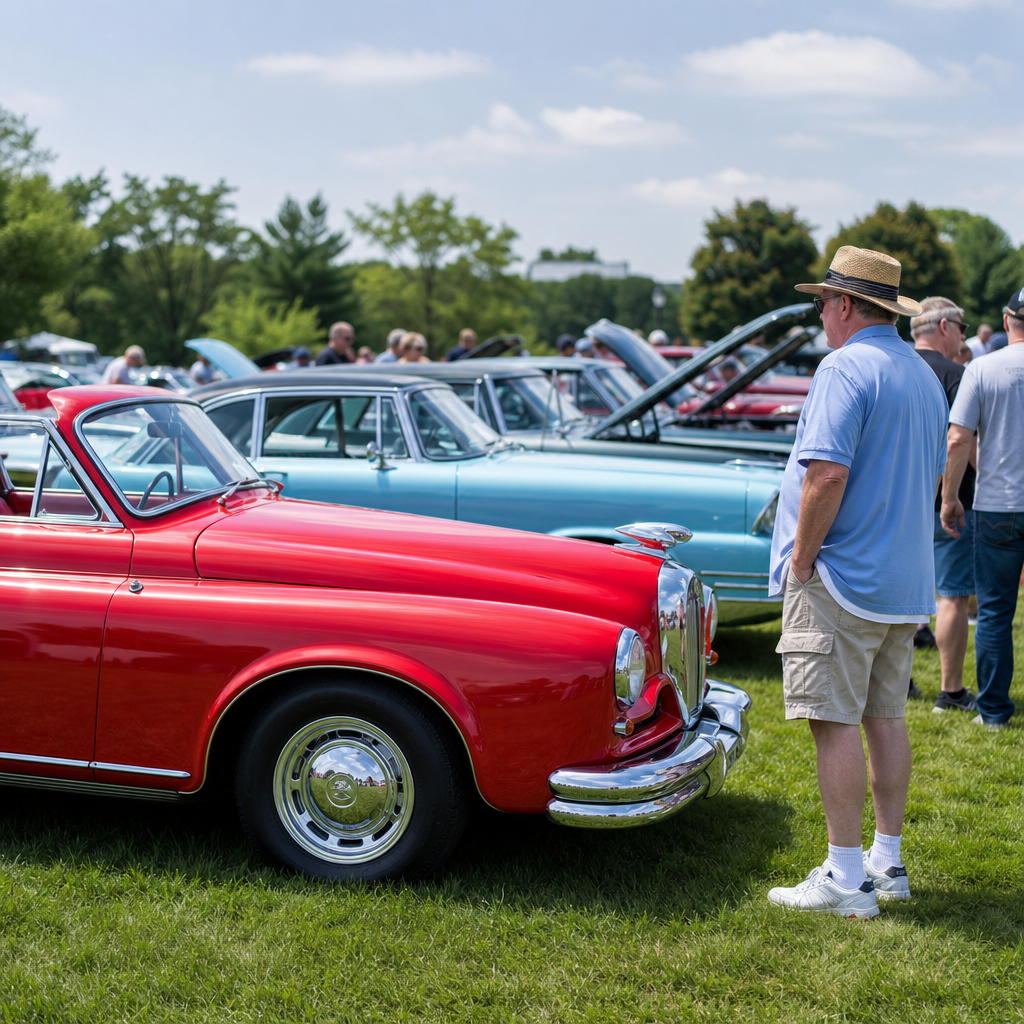
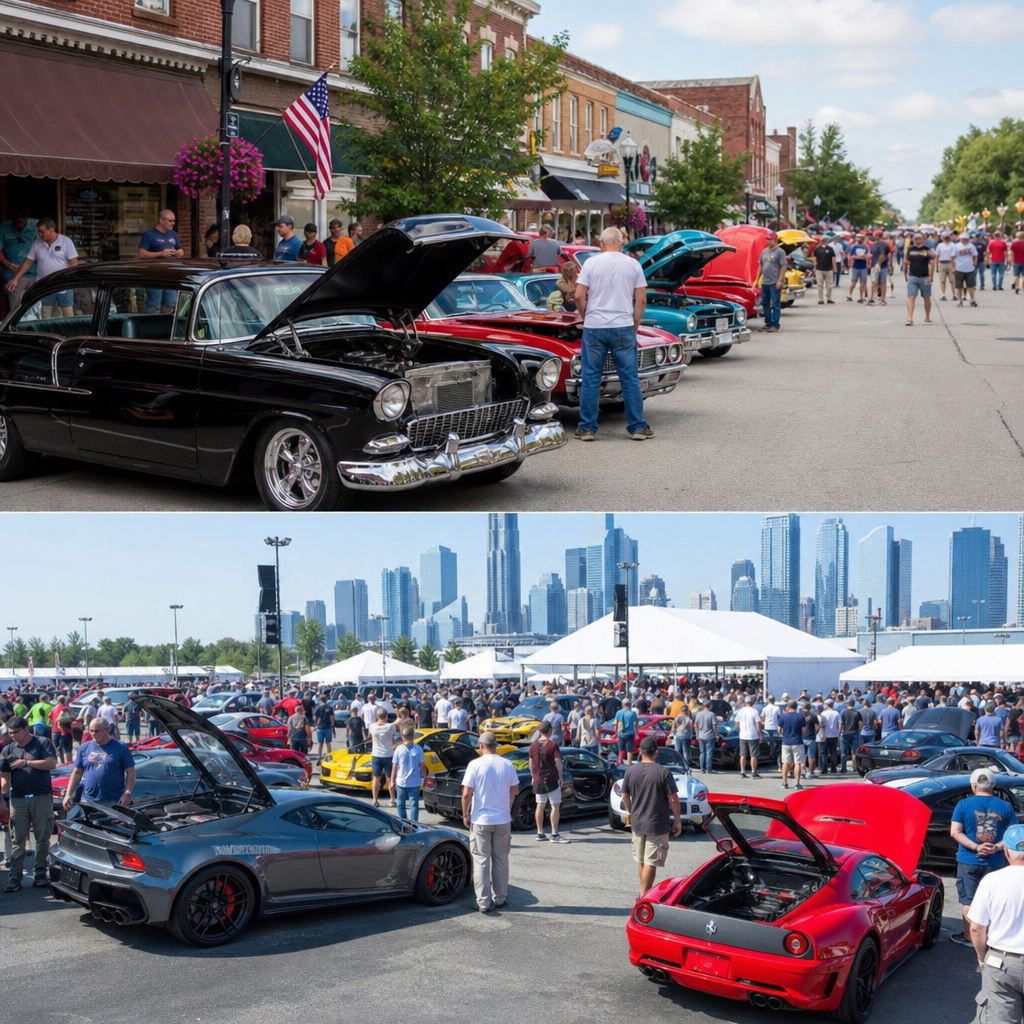
A local car show is defined primarily by geographic reach, scale, and intent. Most local events draw participants from a city, county, or surrounding region. They are often hosted by a Lions Club, a marque-specific car club, a high school booster group, a museum, or a small promoter renting space at a park, main street district, or community college. Attendance may range from thirty cars at a Saturday morning gathering to several hundred vehicles at a well-established annual fundraiser. Judging is usually informal or simplified, and the event’s main value is accessibility.
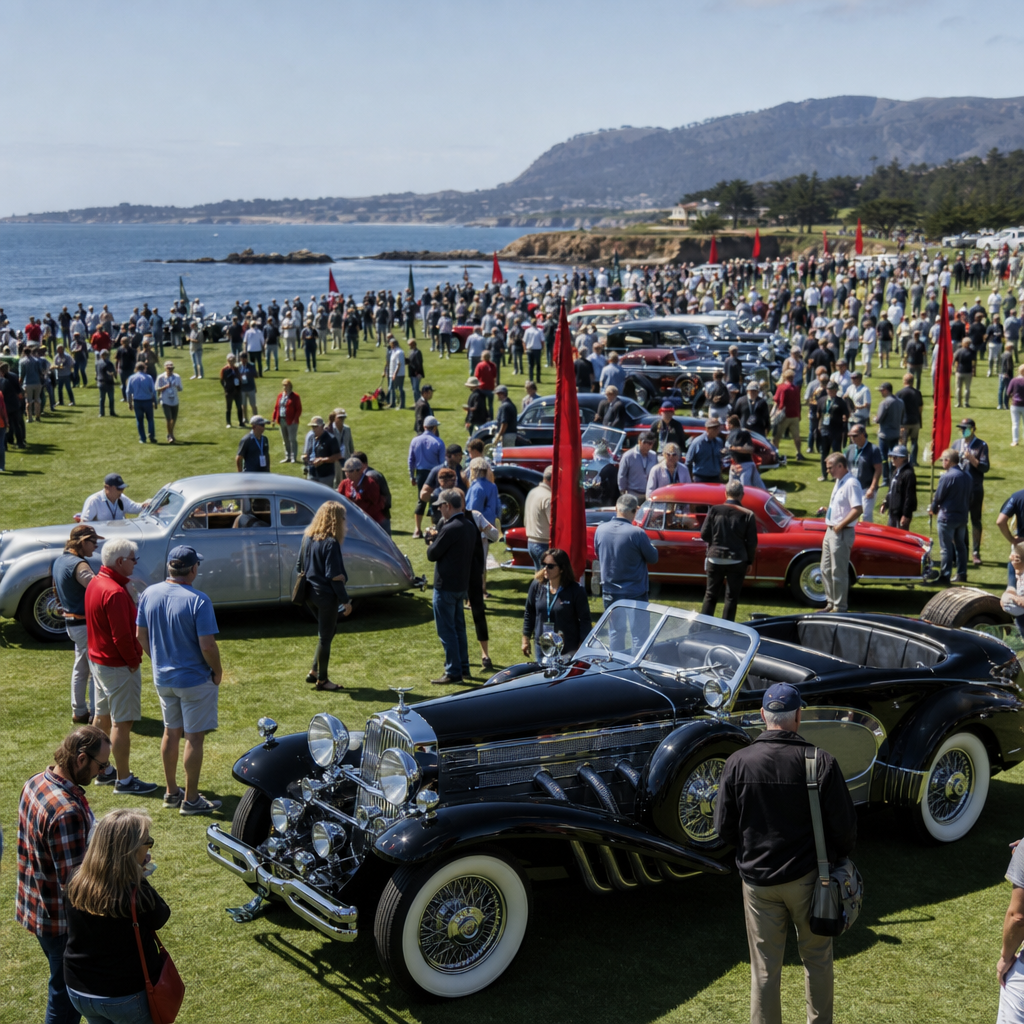
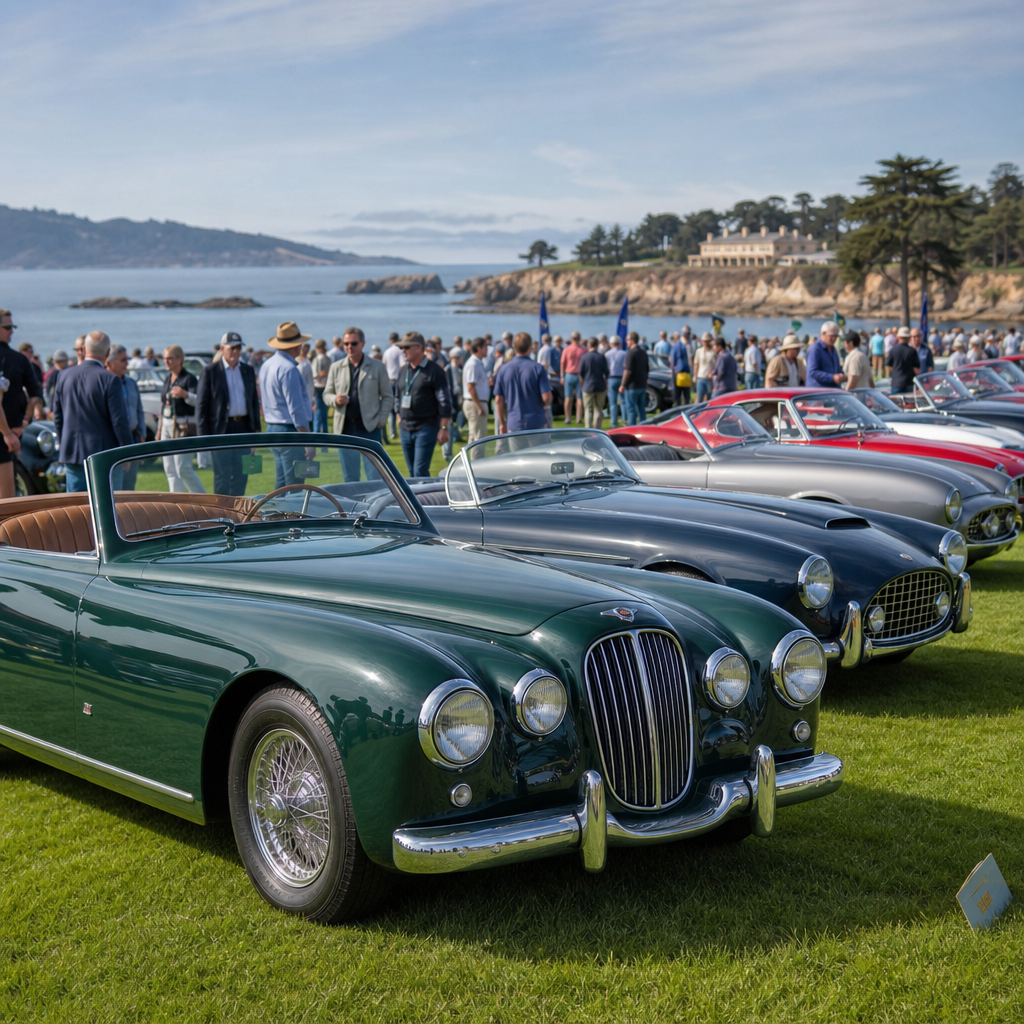
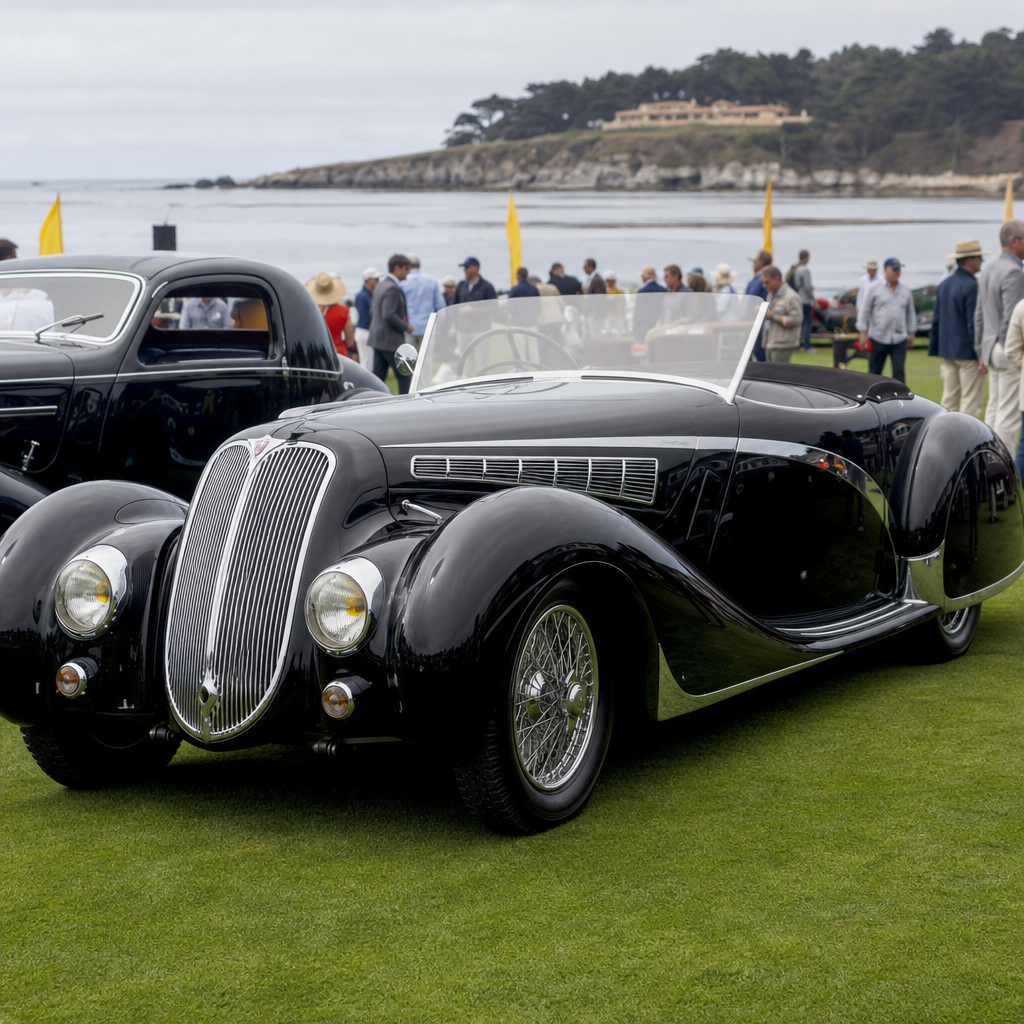
A national car show operates at a different level. These events are destination experiences with structured registration systems, published class rules, advance marketing, national sponsors, and broader media coverage. They may be organized by recognized groups such as the Antique Automobile Club of America, the Mustang Club of America, the National Street Rod Association, Goodguys, or concours organizations tied to major venues. A national event often includes multiple days of programming, seminars, swap meets, celebrity builders, manufacturer displays, and formal judging protocols. Entrants typically trailer vehicles longer distances, book hotels months ahead, and prepare to compete against much deeper fields.
The cleanest way to think about the distinction is this: local shows prioritize participation and community, while national shows prioritize scale, prestige, and specialization. There are exceptions, of course. Some regional events have national reputations, and some national-branded events still feel welcoming and casual. Still, scale changes almost everything, from how cars are classified to how owners spend money on presentation, transport, insurance, and detailing. That is why understanding event type is essential before you register.
Atmosphere, Community, and the Social Experience
The biggest difference most people notice first is atmosphere. Local car shows are conversational. Owners stand by their cars, fold-out chairs appear before 9 a.m., and spectators ask direct questions about engine swaps, paint codes, or where to source trim clips. At a church fundraiser or downtown cruise night, people often know each other already, and newcomers are usually welcomed quickly. These events are where mentorship happens naturally. I have watched a teenager with a primered C10 get introduced to three retired body men in one morning and leave with a notebook full of contacts.
National car shows feel broader and more layered. The social value is still real, but interactions are less intimate because the event is larger, schedules are tighter, and participants may be focused on judging windows, staging times, or vendor appointments. Networking often becomes more strategic. Restorers meet parts suppliers, owners compare provenance documents, and collectors study market trends by walking rows of highly finished vehicles. Instead of chatting with ten familiar faces, you may meet a judge from another state, a shop owner who specializes in Rochester fuel injection, or a historian who can verify factory-correct markings on a Hemi car.
Neither atmosphere is better in absolute terms. If your ideal day involves relaxed conversation, community fundraising, and seeing a broad mix of drivers, a local event usually delivers more fun per dollar. If you want exposure to elite builds, rare models, high-level restoration standards, and a larger network, national events are unmatched. The key is matching the event environment to your purpose. Many experienced enthusiasts keep both on their calendar because each serves a different social role within classic car culture.
Judging, Vehicle Classes, and Competition Standards
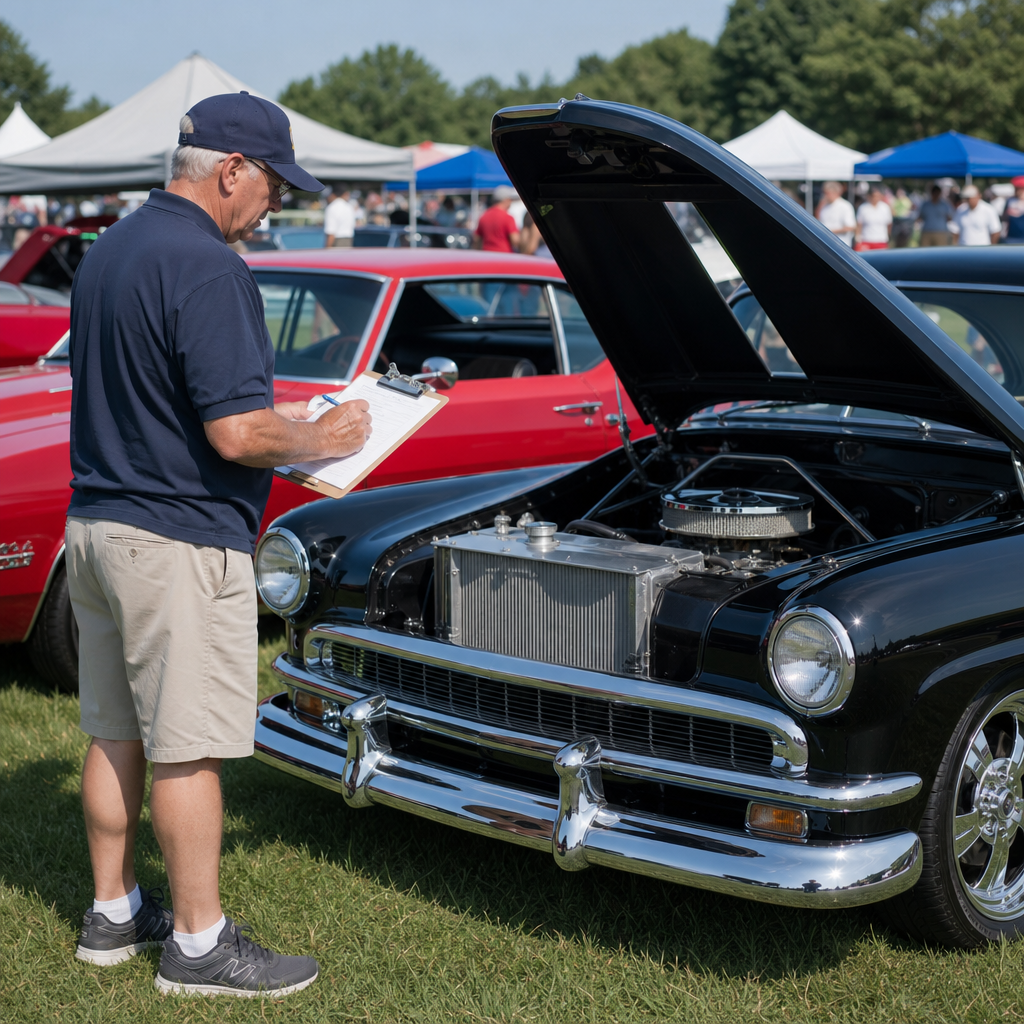
Judging is where the gap between local and national car shows becomes most obvious. Local events commonly use participant voting, sponsor picks, or simplified point systems. Awards may include Top 25, Best Paint, Best Engine, Mayor’s Choice, or Kids’ Choice. These formats keep the day moving and make the event approachable for owners of driver-quality cars, mild customs, and unfinished-but-presentable projects. Cleanliness, visual impact, and crowd appeal often matter more than factory-correct hose clamps or date-coded glass.
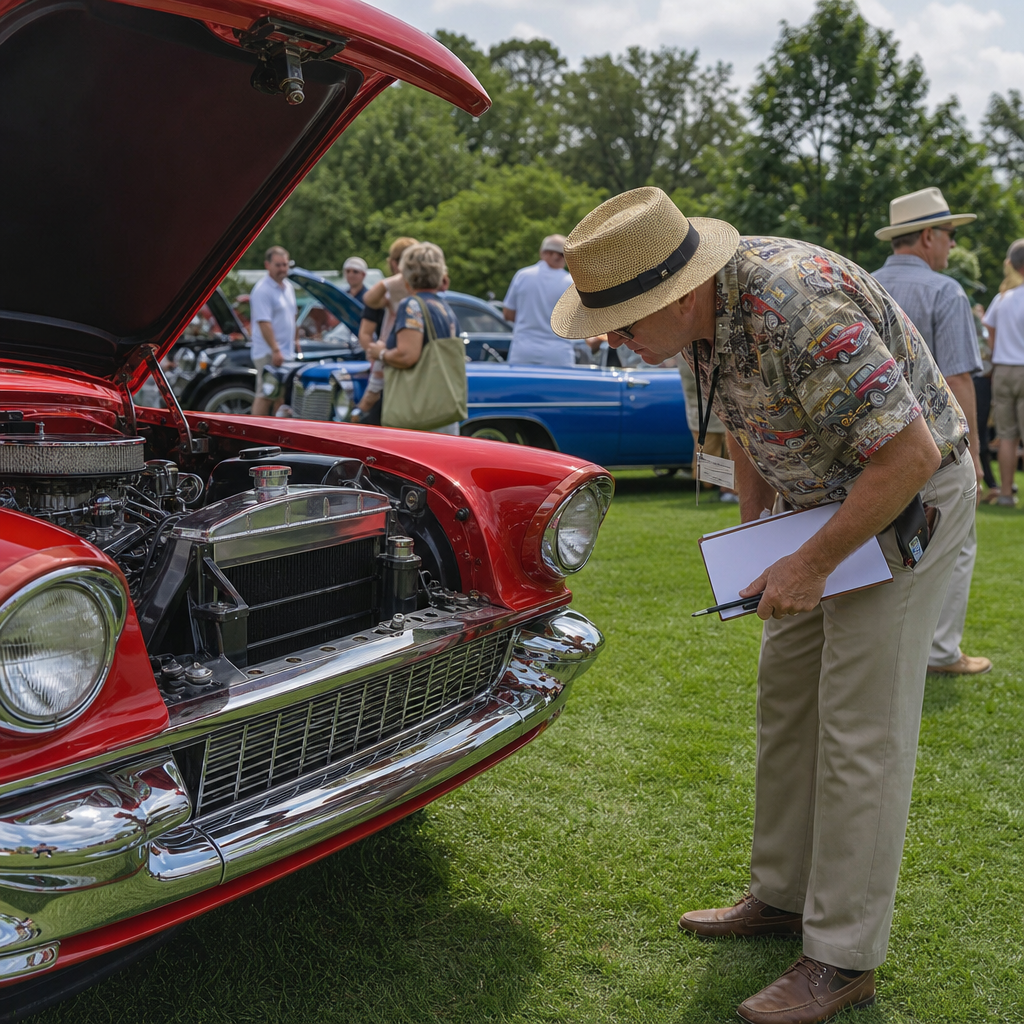
National events usually apply formal classifications and stricter scoring standards. Cars may be divided by year, make, body style, restoration status, originality, preservation, custom work, or usage category. Concours-level judging can assess paint depth, panel fit, undercarriage finish, fastener type, upholstery material, casting numbers, and documentation. Marque clubs frequently publish judging manuals and standards, and consistency matters because awards affect reputation and, in some cases, vehicle value. A nationally judged Bloomington Gold Corvette or AACA Senior winner carries recognition beyond a single weekend.
That stricter standard is not just about perfection; it is about comparability. At a small local show, a beautifully restored 1967 Pontiac GTO may compete against a modern Hellcat, a rat rod, and a lifted square-body truck for broad popularity-based trophies. At a national Pontiac or muscle-car event, that same GTO is evaluated against cars with similar specifications and historical expectations. Owners who want objective feedback, milestone awards, or benchmark-level validation tend to pursue national judging. Owners who simply want to share their cars without stress often prefer local formats.
| Category | Local Car Shows | National Car Shows |
|---|---|---|
| Travel distance | Usually within the same city or region | Often interstate or cross-country |
| Entry cost | Low, commonly $20 to $40 | Higher, with registration, lodging, and transport costs |
| Judging style | People’s choice or simple awards | Structured class judging and published standards |
| Vehicle mix | Broad and informal | Deeper specialization and higher average finish level |
| Networking | Community and club oriented | Industry, collectors, judges, and national clubs |
| Planning required | Minimal | Extensive scheduling and logistics |
Cost, Travel, and Time Commitment
Budget is often the deciding factor. A local car show can be one of the most affordable ways to participate in the hobby. Entry fees commonly fall between $20 and $40, fuel costs are manageable, and you can usually drive in, show the car, and return home the same day. If the event is ten miles away, you do not need a trailer, hotel, or elaborate support kit. For owners of older cars that run well but are not fully sorted for long-distance travel, local events provide low-risk seat time and visibility.
National events demand a larger financial and logistical commitment. Registration may still seem reasonable on paper, but the total cost expands fast when you add enclosed transport or tow rig fuel, hotel nights, meals, detailing supplies, event merchandise, and possible insurance adjustments. If you are chasing judged awards, you may also invest in paint correction, undercarriage cleaning, archival documentation, or hard-to-find correct parts. I have seen owners spend more preparing for one major national event than they spent attending an entire season of local shows.
Time matters as much as money. Local shows are easy to fit around work and family schedules. National events often require vacation days, early booking, and contingency planning for weather, mechanical issues, and trailer breakdowns. That does not make them impractical; it means they should be treated like serious hobby travel. Many owners offset the burden by turning national shows into annual trips, combining event attendance with scenic drives, museum visits, auctions, or visits to restoration shops. When approached that way, the higher cost can deliver greater overall value.
Vehicle Preparation, Presentation, and Show Strategy
Preparation standards rise with event scale. For local shows, basic readiness usually means a clean exterior, tidy interior, safe operation, and enough reliability to arrive without drama. A car does not need to be flawless to be appreciated. In fact, local crowds often love honest drivers because they represent how most enthusiasts actually participate. Stone chips, period accessories, and a few tasteful modifications rarely hurt a car’s reception if the owner can explain its story and use.
At national shows, preparation becomes a disciplined process. Owners often create checklists covering mechanical inspection, fluid control, battery condition, tire age, glass clarity, trim alignment, engine-bay detailing, and documentation packets. If the event includes judged classes, provenance records, restoration photos, build sheets, protect-o-plates, window stickers, and ownership history can become as important as chrome polish. Presentation strategy also changes. You may need the right display board, class paperwork, touch-up supplies, microfiber towels, and a plan for weather protection without compromising appearance.
Show strategy should match the event’s purpose. A preservation-class original car should not be over-restored just to impress casual spectators, and a pro-touring build should not be entered in an originality-focused class. One lesson many owners learn the hard way is that the “best” car is not always the one that wins; the car that best fits the class criteria usually does. That is true at every level, but the consequences are larger at national events. Good preparation is not only cosmetic. It is about reading the rules, understanding expectations, and presenting the car honestly.
Vendors, Media, and Opportunities Beyond the Show Field
Car shows and events are not only about parked vehicles. They are also marketplaces, learning environments, and cultural gatherings. Local shows may feature a few parts sellers, a pinstriper, a local detailer, a food truck lineup, or a charity raffle. Those smaller vendor areas can still be valuable because they connect owners with nearby services they will actually use. A local upholstery shop or machine shop found at a community event may become a long-term resource for your project.
National shows expand those opportunities dramatically. Large events often include swap meets, auction previews, restoration product demonstrations, insurance providers, wheel and tire companies, appraisal services, transport brokers, and publishers covering the hobby. Media presence matters because coverage can elevate a car, a builder, or even a regional style. If you are launching a shop, validating a build portfolio, or searching for rare parts, national shows provide concentration that local events cannot. A single weekend can produce supplier relationships, future invitations, and market intelligence that would otherwise take months to gather.
For spectators, that broader ecosystem is often the hidden benefit. Someone who attends a national event without showing a car can still learn how judging works, compare restoration approaches, meet club representatives, and inspect products before buying them. That is one reason these events are valuable hub experiences within classic car culture and lifestyle: they connect the visible side of the hobby to the practical systems that sustain it, from parts sourcing to education to community leadership.
How to Choose the Right Event for Your Goals
The best event depends on what you want from the hobby right now. Choose local car shows if you are new to exhibiting, own a driver-quality car, want casual feedback, prefer low costs, or enjoy building relationships close to home. Local events are also ideal for family participation. Children can engage without the intensity of major venue crowds, and owners can relax enough to actually talk about their cars. If your goal is to drive more, meet nearby enthusiasts, and support community causes, local is the clear starting point.
Choose national car shows if you want benchmark judging, access to top-tier cars, stronger industry networking, or broader recognition for a serious restoration or historically significant vehicle. National events also make sense when you are researching a model at a high level. Seeing ten excellent examples of the same generation in one place teaches more than scrolling listings online. For buyers, restorers, and collectors, that comparison is incredibly useful because details become visible side by side.
The smartest long-term approach is usually a mix. Use local events to enjoy the car, test reliability, refine presentation, and stay connected to your regional scene. Use selective national events to challenge yourself, verify standards, and deepen your knowledge. Build your calendar intentionally rather than reflexively. Review entry rules, class structures, refund policies, weather seasonality, and venue surfaces. Talk to prior attendees. If you treat each event as a fit decision instead of a status decision, you will spend less, learn more, and enjoy the hobby longer.
Local and national car shows both matter because they support different parts of the classic car experience. Local events keep the hobby approachable, social, and rooted in community. National events set standards, gather expertise, and showcase the highest levels of preservation, restoration, and customization. One is not a lesser version of the other; they are complementary formats with different strengths, costs, and expectations.
For most enthusiasts, the real benefit comes from understanding where your car, budget, and goals align. A neighborhood cruise-in can deliver more genuine enjoyment than a high-pressure judged field if your priority is driving and conversation. A national meet can be worth every mile if your objective is recognition, research, or access to elite cars and specialized vendors. The right choice depends on purpose, not prestige.
As you plan your season, use this page as your starting hub for car shows and events within classic car culture and lifestyle. Compare formats, study rules, and choose one local event and one bigger destination event to experience both sides firsthand. That combination will teach you more than any brochure, and it will help you build a more rewarding life in the hobby.
Frequently Asked Questions
What is the main difference between a local car show and a national car show?
The biggest difference comes down to scale, reach, and overall experience. A local car show is typically community-centered, with participants and spectators coming from the surrounding town, city, or region. These events are often organized by local car clubs, nonprofits, chambers of commerce, or small event promoters, and they tend to feel more relaxed and personal. You are more likely to see familiar faces, have longer conversations with vehicle owners, and enjoy an atmosphere that emphasizes community, fundraising, and regional pride.
National car shows, on the other hand, operate on a much larger stage. They usually attract vehicles, vendors, judges, sponsors, and media from several states or even nationwide. Because of that, the event often feels more structured, more competitive, and more polished from a production standpoint. There may be formal judging standards, multiple vehicle classes, celebrity appearances, major aftermarket brands, and broad media coverage. In short, local shows are often about accessibility and community connection, while national shows are more about prestige, scale, competition, and industry visibility.
Are the cars at national shows usually higher quality than the cars at local shows?
Not necessarily, but the average level of preparation is often higher at national events. Local shows can feature incredible vehicles, including expertly restored classics, rare survivors, and highly personalized customs. In many cases, some of the most interesting cars at local events are not nationally famous but have deep personal histories and exceptional craftsmanship. A local show may include everything from daily-driven classics to unfinished projects to award-winning restorations, which creates a broad and approachable mix.
At a national show, however, the standard is often more demanding because owners may be competing for recognized titles, national points, brand exposure, or serious collector attention. Vehicles are often transported in enclosed trailers, detailed extensively, and presented with a high level of documentation. That does not mean every national-level car is automatically “better,” but it does mean the field is usually more curated and more competitive. Local shows celebrate variety and participation, while national shows often reward precision, presentation, rarity, and consistency at a much higher level.
Which type of car show is better for first-time attendees or casual enthusiasts?
For most first-time attendees, local car shows are the easier and more welcoming entry point. They are usually less expensive, less crowded, and less intimidating. Parking is often simpler, admission costs may be lower or even free, and the environment tends to encourage conversation. If you are new to classic cars, a local event gives you the chance to ask questions, learn from owners, and get a feel for the hobby without the pressure or sensory overload that can come with a major national event.
That said, national shows can be incredibly exciting for casual enthusiasts who want to see a huge variety of vehicles in one place. If your goal is to experience the full spectacle of car culture—large vendor areas, elite builds, industry displays, seminars, celebrity guests, and top-tier judging—a national event can be unforgettable. The better option depends on what you want. If you value access, conversation, and a comfortable introduction, local is often best. If you want scale, energy, and a broader look at the hobby, a national show may be worth the trip.
How do judging, awards, and competition differ between local and national car shows?
Local car show judging is often simpler and more flexible. Some community events use participant voting, sponsor picks, or casual categories such as Best Paint, People’s Choice, Best Truck, or Best Classic. The emphasis is frequently on fun, inclusion, and recognition rather than strict technical scoring. That format helps encourage participation from owners at all levels, including hobbyists who simply want to share their vehicle and enjoy the day. In some cases, local shows are less about winning and more about supporting a cause, meeting fellow enthusiasts, and celebrating automotive passion.
National car shows usually approach judging with much more structure. There may be formal standards for authenticity, cleanliness, restoration accuracy, fit and finish, engineering, presentation, and documentation. Judges are often experienced specialists, and classes can be broken down in very specific ways to reflect era, make, model, modification level, or intended use. Awards at this level may carry real prestige and can influence a vehicle’s reputation, market visibility, or future invitations. In practical terms, local competition tends to feel friendly and accessible, while national competition is more rigorous, more strategic, and often more consequential for serious owners and builders.
Should owners start with local car shows before entering national events?
In most cases, yes. Starting locally is a smart way for owners to gain experience, understand event expectations, and refine how they present their vehicle. Local shows allow you to work out practical details such as registration, display setup, cleaning routines, transport planning, and how to talk about your car with judges or spectators. They also provide helpful feedback in a lower-pressure setting. Even experienced restorers often value local events because they build community connections and let them enjoy the hobby in a more relaxed format.
Moving into national events usually makes sense when an owner wants a greater challenge, broader exposure, or higher-level recognition. By that point, the car is often prepared to a more exacting standard, and the owner understands what judges, audiences, and organizers expect. National participation may also require a larger budget, more travel planning, stronger documentation, and a willingness to compete against some of the best vehicles in the country. Local shows are often the foundation, while national shows are the next step for owners seeking reach, prestige, and a more intense competitive environment.