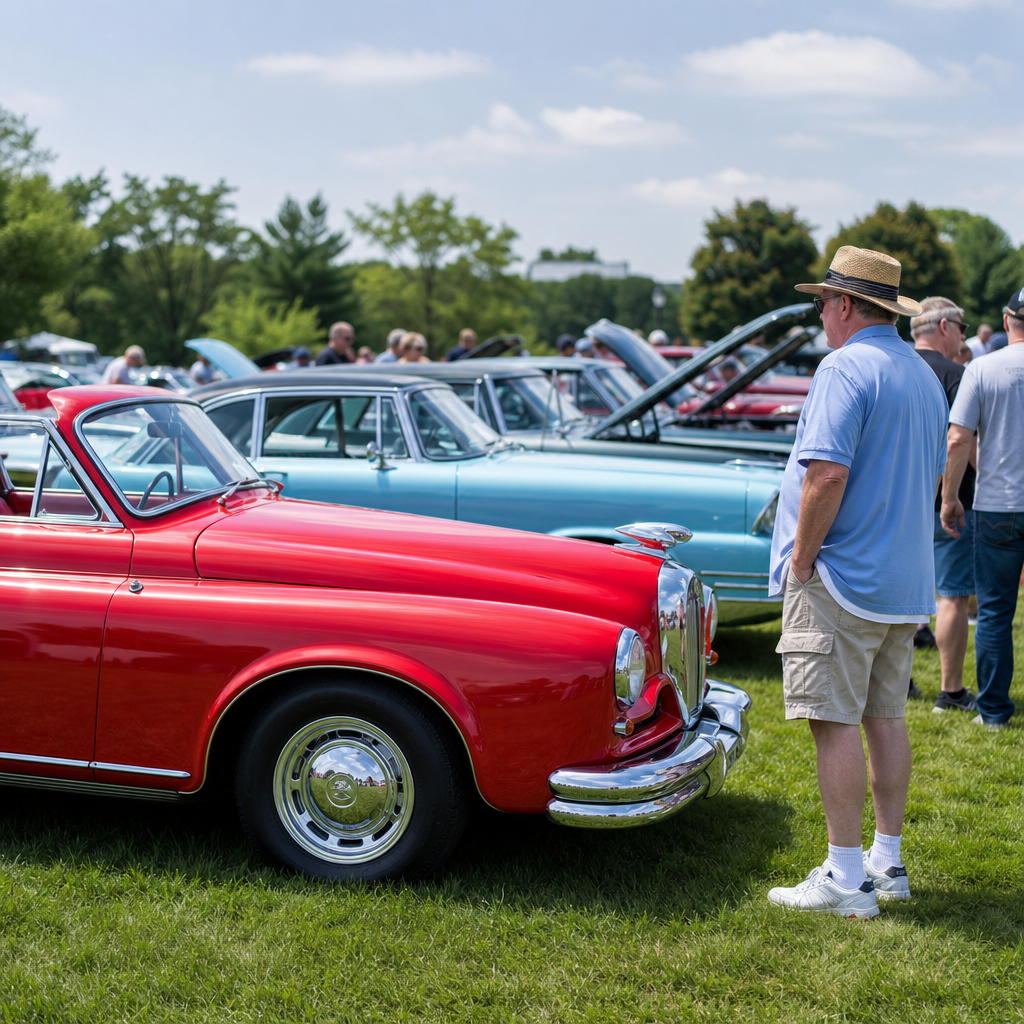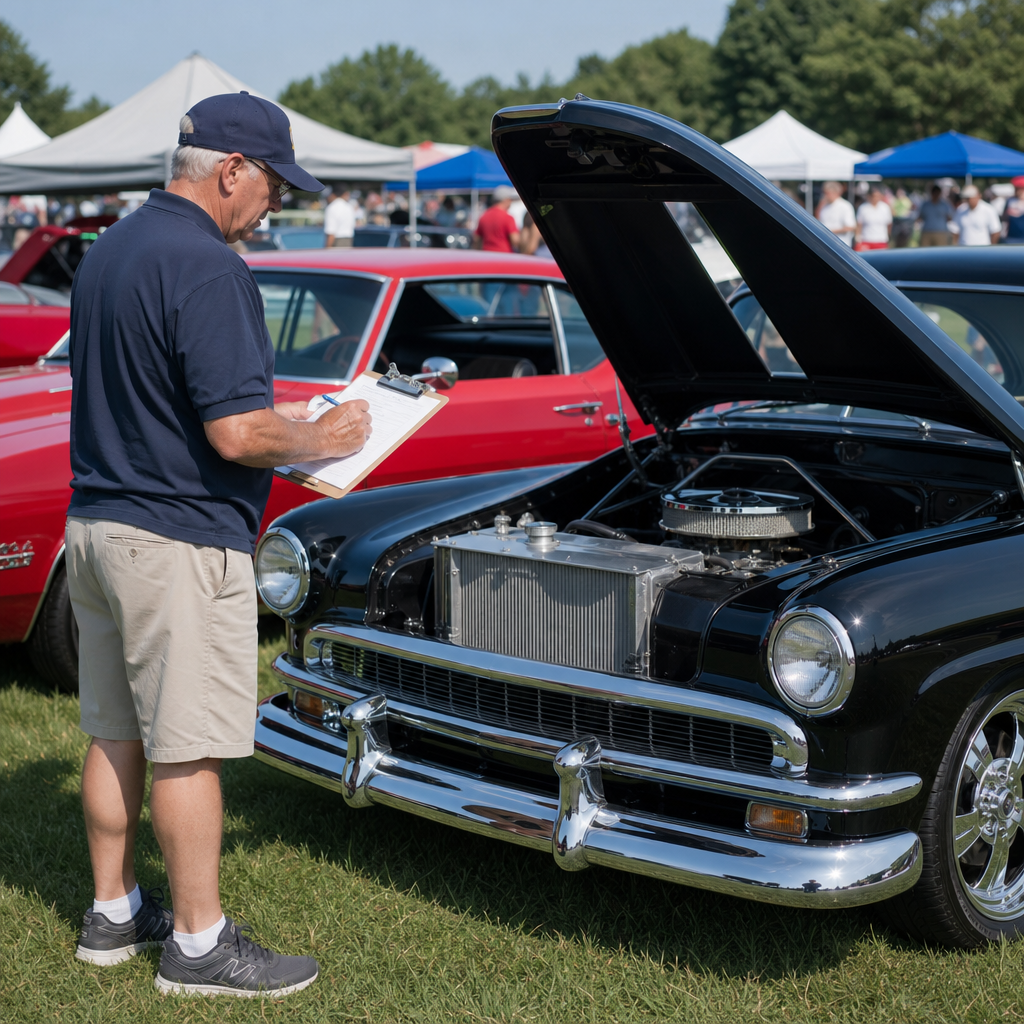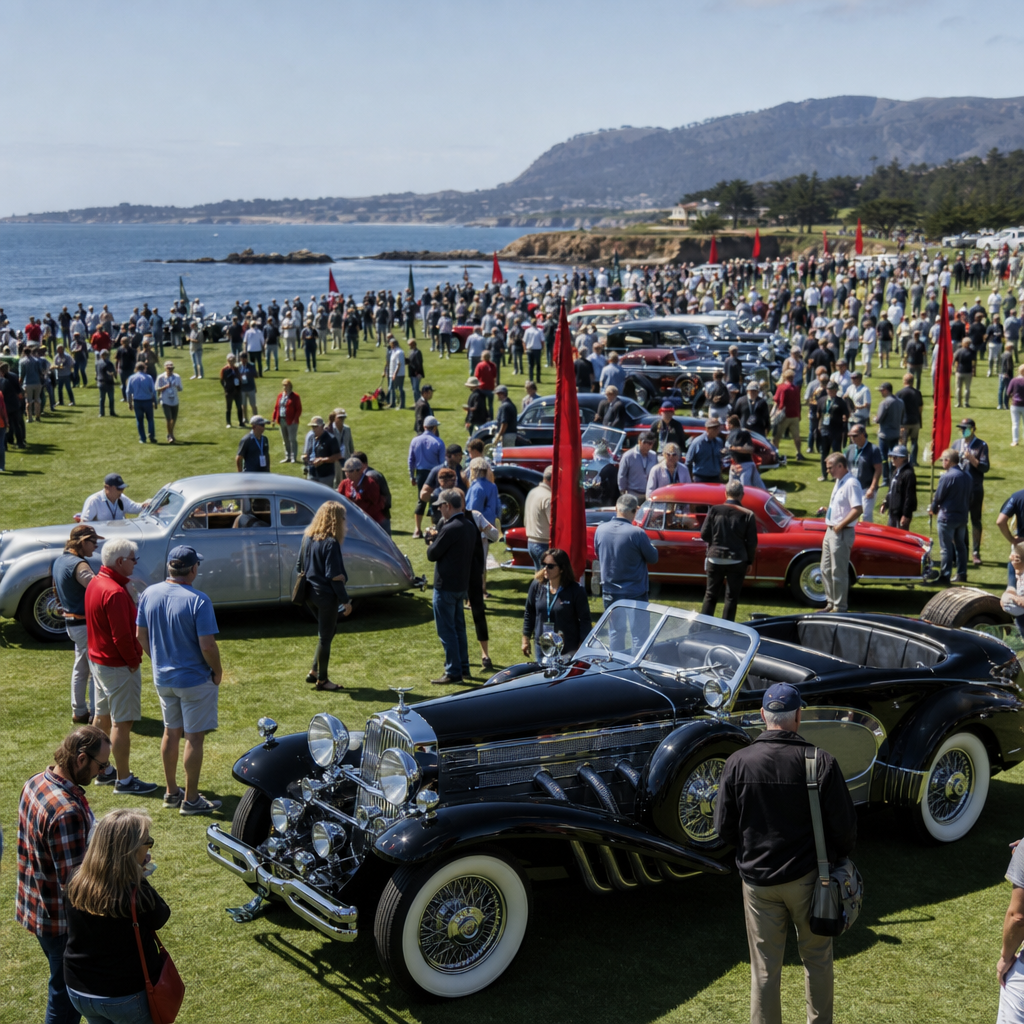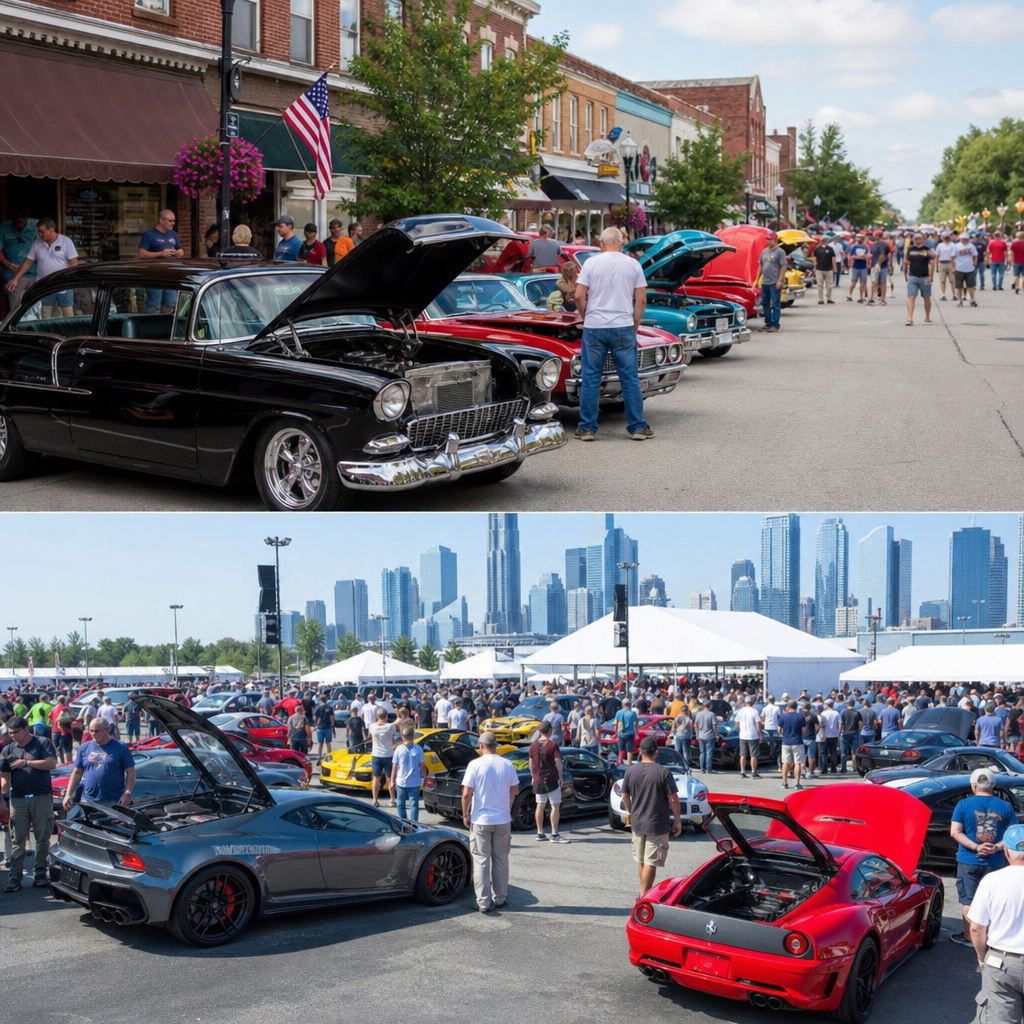
Classic car shows look glamorous from the rope line, but judging is usually methodical, standards-based, and surprisingly educational. When people ask what judges look for at classic car shows, they are really asking how experts separate a merely attractive vehicle from one that best represents its era, condition, authenticity, and craftsmanship. In the classic car culture and lifestyle world, this matters because car shows and events are not just social gatherings; they shape market values, restoration decisions, insurance appraisals, and even which preservation practices become respected norms. I have spent years around local cruise-ins, marque club meets, regional concours lawns, and national-level judged events, and the same core principle applies everywhere: judges reward vehicles that fit the rules of the event and tell a coherent, well-documented story.
A classic car show is any organized display and evaluation of older vehicles, but not all shows judge the same way. A casual community show may rely on participant voting, while a marque-specific meet may use detailed point sheets, and a concours d’elegance may divide vehicles by provenance, coachwork, and historical significance. Terms matter here. Authenticity means correctness to original factory specifications or period-appropriate presentation. Originality refers to surviving factory-installed components, finishes, and materials. Restoration quality concerns workmanship, fit, finish, and technical execution. Preservation recognizes vehicles kept in largely unrestored condition. Documentation includes build sheets, ownership history, restoration records, and certifications from recognized clubs or registries. Understanding these distinctions helps owners prepare intelligently instead of polishing blindly.
This hub page covers the car shows and events landscape from the judge’s perspective: authenticity, cleanliness, mechanical condition, presentation, paperwork, class rules, and common mistakes. It also explains how standards differ between concours events, club judging, survivor classes, modified classes, and public-choice shows. If you plan to enter a vehicle, buy one already wearing show trophies, or simply want to understand why one Mustang, Corvette, Jaguar, or Mercedes scores above another, the judging logic is worth learning. It makes the hobby more transparent, protects owners from expensive restoration errors, and helps enthusiasts appreciate that the best cars are not always the shiniest ones.
How judging systems vary by show type
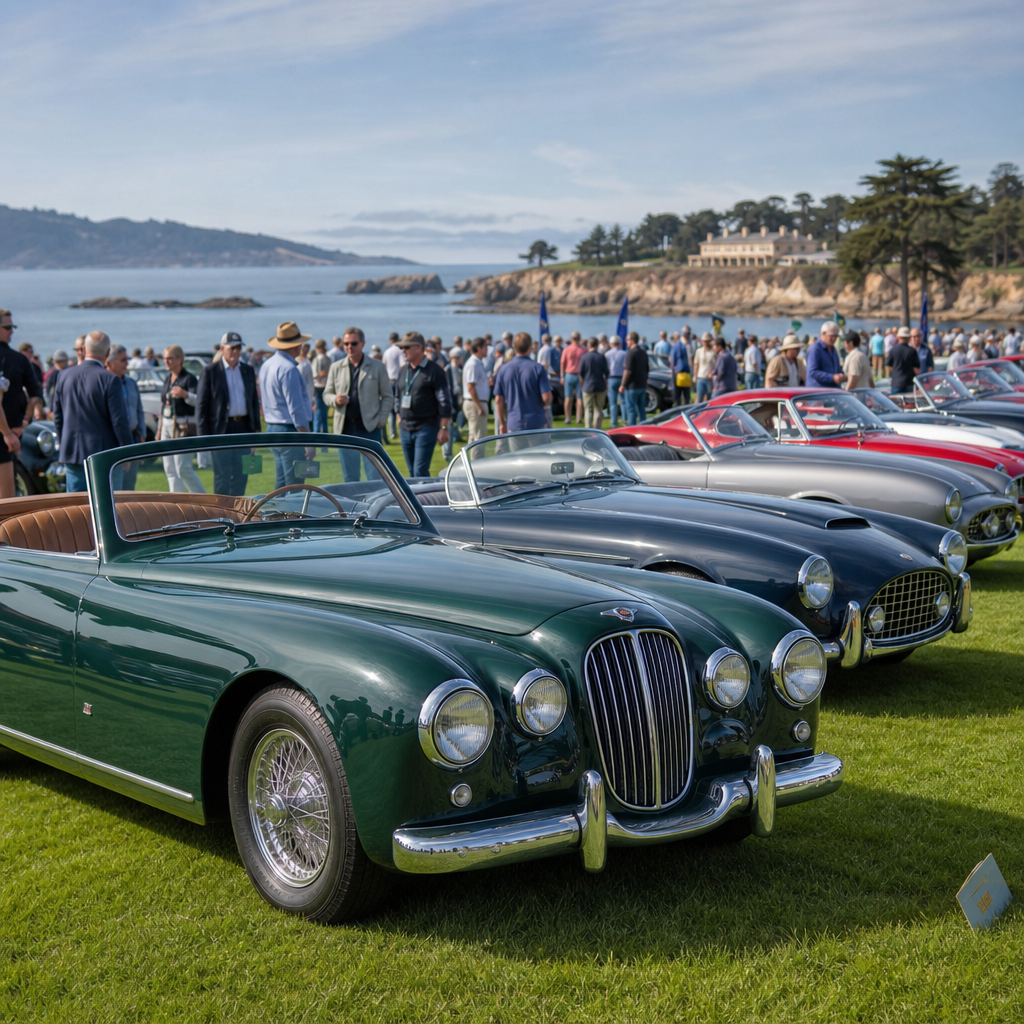
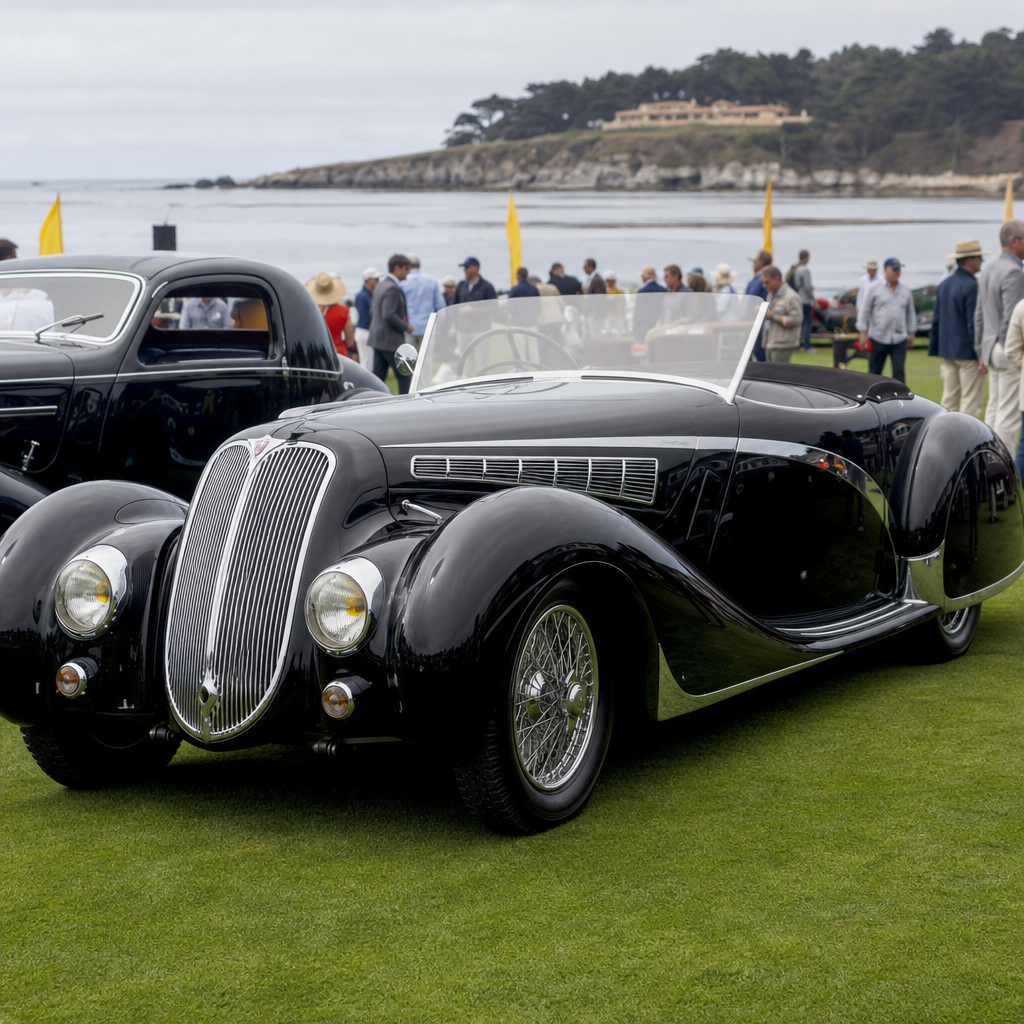
The first thing judges look for is whether the car fits the class and rules under which it is entered. This sounds basic, yet it affects scoring more than owners expect. At a local cars and coffee show, a clean and charismatic driver may win because spectators connect with it. At an Antique Automobile Club of America event, a car is judged against a standard of factory correctness and condition. At a Bloomington Gold or NCRS event, Corvettes are evaluated with exacting attention to casting numbers, finishes, hardware, and assembly-line details. At a Pebble Beach-level concours, rarity, provenance, restoration accuracy, and elegance all matter. A flawless restomod can dominate a modified class and be completely uncompetitive in an originality-driven stock class.
Good judges do not score from personal taste alone. They apply a rubric. That rubric may emphasize exterior, interior, engine compartment, chassis, and documentation, each with a points allocation. Some shows use deduction-based systems, meaning every visible flaw costs points. Others use comparative judging, where the best example in a class wins even if every car has shortcomings. I always advise entrants to study the rulebook before buying parts, booking paintwork, or even choosing tire brands, because the same radial tire upgrade that improves drivability can cost points in a factory-stock category. Class placement is strategy, not paperwork.
Authenticity and originality: the foundation of serious judging
If there is one answer to what judges look for at classic car shows, it is authenticity. Judges ask whether the vehicle accurately represents how it was built, sold, or campaigned in period. That means checking paint colors against factory charts, upholstery grain against original trim codes, and engine, transmission, and axle combinations against model-year specifications. On American muscle cars, judges may verify date-coded glass, carburetor tags, alternator finishes, hose clamps, and chalk marks. On British and European classics, details like cadmium plating, correct weave carpeting, tool rolls, and period hose routing can make the difference between first and third place.
Originality carries special weight because it is finite. A car wearing factory paint, interior, and driveline tells a more direct historical story than a fully restored example, even if it shows age. That is why survivor and preservation classes have expanded in recent years. A preserved 1967 Porsche 911 with thin original paint, documented mileage, and matching numbers may score better in its class than a freshly restored car finished too glossy or fitted with reproduction hardware. Judges know reproduction parts have improved dramatically, but they also know assembly-line methods produced quirks that over-restoration erases. Perfect panel gaps on a 1950s mass-produced sedan can actually look less authentic than slightly uneven factory-correct ones.
Condition, workmanship, and cleanliness
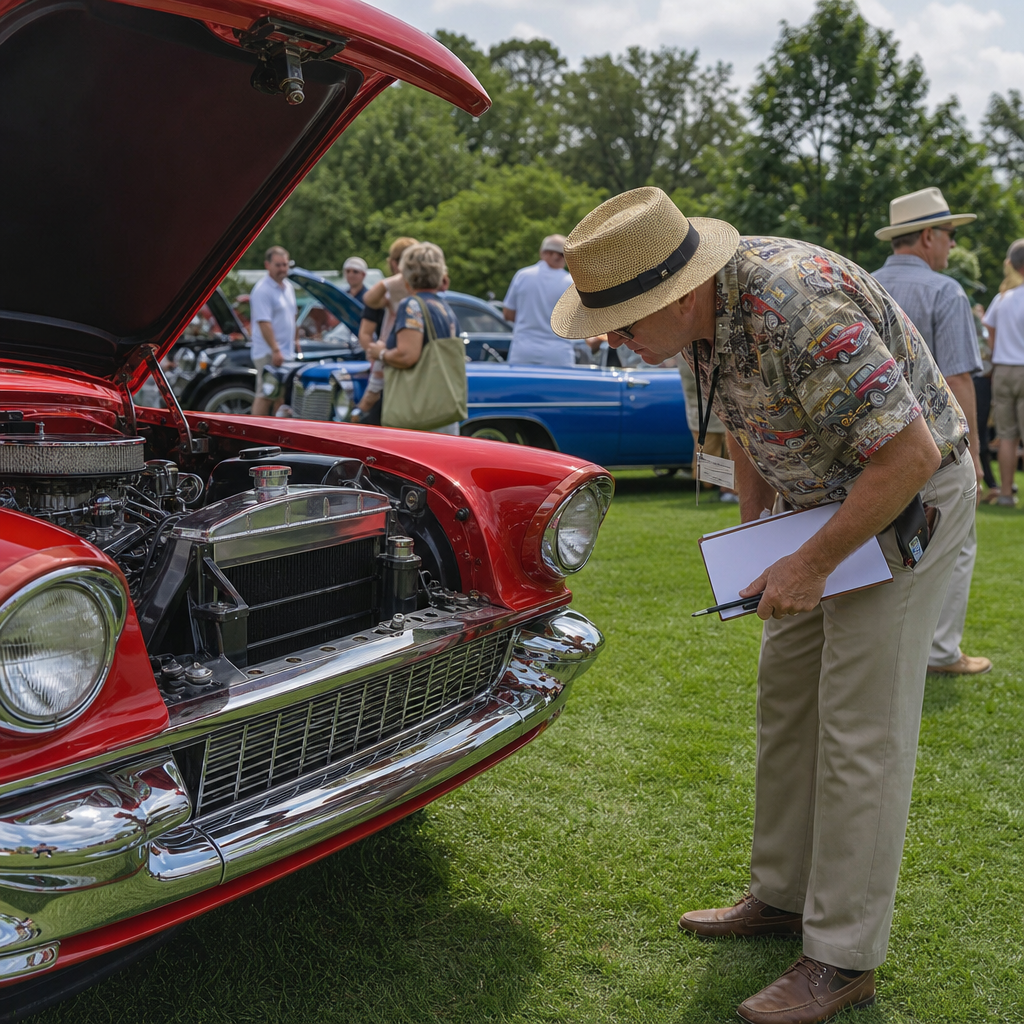
After authenticity, judges examine condition. This goes far beyond shine. Paint is checked for orange peel, sanding marks, solvent pop, overspray, tape lines, swirl marks, and consistency across panels. Brightwork is judged for pitting, waviness, correct polish level, and fit against adjoining trim. Glass should be clean, appropriately dated when required, and free of scratches or cloudy delamination. Weatherstripping should sit evenly. Wheels and hubcaps must match the class rules and the car’s build period. Tires should be the correct size, style, and sidewall treatment. A beautifully restored engine bay loses ground quickly if the trunk is dusty, the wheel wells show road grime, or the spare and jack are incorrect.
Workmanship is where experienced judges separate expensive restorations from excellent ones. I have seen six-figure builds lose points because interior stitching wandered, chrome screw heads were clocked randomly, or underhood wiring was wrapped with the wrong material. Fit and finish must be consistent across the whole vehicle. Door alignment, hood closure, seat fit, convertible top tension, and trunk mat placement all contribute to the impression of quality. Cleanliness matters because dirt obscures detail and suggests rushed preparation. Judges routinely look under edges, inside fuel doors, behind wheels, and around pedal pads. A car does not need to be over-detailed with greasy dressings; it needs to be clean, correct, and thoughtfully presented.
Mechanical integrity and operational readiness
Many owners assume static presentation is enough, but judges often care whether the car operates as intended. Mechanical integrity includes proper starting behavior, smooth idle, absence of fluid leaks, correct charging system function, and safe operation of lights, horn, wipers, gauges, and accessories. At some events, judges do not road test vehicles, yet they still observe exhaust quality, engine noise, brake pedal feel, and whether doors, hood, and trunk latch properly. A spotless engine compartment paired with a hard-starting carbureted V8 or a transmission that slams into gear sends a clear signal that appearance came before mechanical sorting.
Safety also influences judging, formally or informally. Loose battery hold-downs, cracked fuel lines, exposed wiring, mismatched lug nuts, and dry-rotted tires can cost points or lead to disqualification. In touring events and driving concours, functionality carries even more weight. A 1930s Packard that starts reliably, cools properly in parade traffic, and uses its controls as designed demonstrates restoration depth. The same is true for a 1960s Alfa Romeo with synchronized carbs, correct ignition timing, and a tidy underside free from active leaks. Judges understand many old cars mark territory slightly, but active drips, smoke, or obvious improvised repairs are judged harshly for good reason.
Documentation, provenance, and class-specific expectations
Paperwork can elevate a car from attractive to compelling. Build sheets, window stickers, service books, restoration photographs, ownership history, and certificates from organizations such as the NCRS, Jaguar Heritage Trust, Porsche Certificate of Authenticity program, or Mercedes-Benz Classic archives help judges verify claims. Provenance matters especially for limited-production cars, race cars, coachbuilt bodies, and celebrity-owned examples. If a seller says a big-block Chevelle is numbers matching or a Ferrari has documented competition history, judges will want evidence. Good documentation does not excuse flaws, but it supports authenticity and can settle questions about unusual options, color combinations, or production changes.
Different classes also reward different virtues, so preparation must match the category. The table below reflects the broad priorities I see most often at North American and European classic car events.
| Show class | What judges prioritize | Typical pitfalls |
|---|---|---|
| Factory stock | Correct finishes, date-coded parts, original specifications, factory options | Incorrect fasteners, modern tires, over-restoration, reproduction trim |
| Preservation or survivor | Original materials, honest patina, documentation, limited sympathetic repairs | Unnecessary repainting, replacement upholstery, aggressive detailing |
| Modified or restomod | Engineering quality, design cohesion, fabrication, drivability, safety | Mixed styling cues, poor wiring, cheap interior materials, unfinished details |
| Concours | Historical accuracy, provenance, restoration depth, elegance, completeness | Weak history file, incorrect accessories, inconsistent finishes, presentation gaps |
| People’s choice | Visual impact, story, popularity, curb appeal | Ignoring signage, poor cleanliness, inaccessible presentation |
Presentation, owner knowledge, and common judging mistakes
Presentation influences judging more than many entrants admit. Judges notice whether the car is staged neatly, whether display materials are accurate and restrained, and whether the owner can answer basic questions without inventing history. A concise placard listing year, model, engine, restoration approach, and significant provenance helps judges and spectators quickly understand what they are seeing. At top events, I prefer a documentation binder with copies, not originals, arranged in chronological order. That allows judges to verify claims efficiently while the owner remains available, calm, and factual. Overly promotional displays, mirror overload, or novelty props usually distract from the car unless the class specifically encourages period scene-setting.
The biggest mistakes are remarkably consistent. Owners enter the wrong class, assume shiny paint beats correctness, neglect undercarriage cleaning, fit modern replacement parts visible to judges, or argue with score sheets instead of learning from them. Another common problem is incomplete restoration logic: a beautifully refinished exterior paired with worn seat belts, incorrect decals, or a trunk missing its liner and tools. Judges reward completeness. They also notice when modifications are hidden poorly, such as electronic ignition disguised under an inaccurate cap or aftermarket air conditioning installed with obviously modern vents. None of this means owners should fear judging. It means success comes from understanding the event, preparing honestly, and presenting a car whose condition, history, and class all align.
For anyone building a long-term plan around classic car shows and events, the central lesson is simple: judges look for alignment between the car, its history, and the standards of the class. Authenticity, condition, workmanship, mechanical soundness, documentation, and presentation are the pillars that consistently drive results. The exact weighting changes from a neighborhood concours to an AACA meet, an NCRS chapter event, or a modified-only indoor show, but the logic stays steady. The best-scoring vehicles are not random trophy magnets; they are carefully researched, thoroughly prepared, and entered where their strengths actually matter.
That is why understanding judging criteria benefits more than competitors. Buyers can better evaluate seller claims, restorers can avoid expensive wrong turns, and enthusiasts can appreciate why one unrestored survivor may outrank a glossier repaint. Car shows and events are the public classroom of the hobby. They reveal how originality differs from restoration, how provenance supports value, and how details as small as hose clamps, trim grain, or wheel finish contribute to historical credibility. Learn the rules, study winning cars in your category, and use this hub as your starting point for deeper articles on concours preparation, survivor classes, modified judging, and show-day detailing.
If you plan to enter a classic car this season, begin with the rulebook, document what you have, and prepare the vehicle to match its story. That approach wins respect first and trophies second, which is exactly how lasting success in the hobby is built.
Frequently Asked Questions
What do judges look for first at a classic car show?
Judges usually begin with overall presentation, but that does not mean they are simply reacting to shine or crowd appeal. Their first impression often includes how well the car represents its class, era, and intended standard of restoration or preservation. They look at stance, cleanliness, fit and finish, paint quality, trim alignment, glass condition, and whether the vehicle appears complete and properly prepared. A car that looks coherent and correct from a few feet away immediately signals careful ownership, while one with obvious inconsistencies can raise questions before a deeper inspection even begins.
From there, judges typically move into a more methodical evaluation. Depending on the event, they may assess exterior, interior, engine bay, undercarriage, trunk, authenticity, and mechanical detail using a point-based system. They are not only rewarding beauty; they are looking for evidence that the car has been restored, maintained, or preserved to a standard appropriate for its history. In other words, the first thing judges notice is the total package: condition, correctness, craftsmanship, and how convincingly the car reflects what it is supposed to be.
How important is originality and authenticity in classic car judging?
Originality and authenticity are often among the most important factors in classic car judging, especially in marque-specific shows and high-level concours events. Judges want to know whether the vehicle accurately reflects how it was built, delivered, or period-correctly maintained. That includes paint colors, upholstery materials, badging, wheels, engine components, hoses, clamps, fasteners, finishes, and even small details like decals or stitching patterns. A beautifully restored car can still lose points if it includes parts, colors, or materials that were never correct for that model or year.
That said, authenticity is not always the same thing as untouched originality. Some shows reward highly original survivor cars, while others recognize expertly restored vehicles that return the car to factory-correct condition. Judges usually take the class rules into account. In a preservation class, evidence of age may be acceptable or even desirable if it confirms originality. In a restoration class, the focus may be on how accurately the car has been brought back to its proper specifications. Because of this, owners who understand the documentation behind their vehicle often do better. Build sheets, factory records, historical photos, and restoration records can help support claims about what is correct and why it belongs on the car.
Do judges care more about condition or restoration quality?
In most cases, judges care about both, but they are evaluating different things. Condition refers to the present state of the vehicle: paint, chrome, upholstery, engine compartment, glass, rubber, and mechanical appearance. Restoration quality refers to how well any work was performed. A car may be clean and visually striking, but if body gaps are uneven, trim is installed incorrectly, overspray is visible, wiring is sloppy, or interior materials are not correct, judges will notice. Likewise, a car with excellent craftsmanship can still lose points if the finish has flaws, the brightwork is pitted, or wear is inconsistent with the category entered.
The strongest show cars combine exceptional condition with disciplined restoration standards. Judges often reward precision: straight panels, uniform finishes, correct textures, tidy engine bays, proper hardware, and consistent detailing throughout the vehicle. They also look for restraint. Over-restoration can be a problem if surfaces are glossier, smoother, or more elaborate than they would have been when new. For example, an engine bay polished beyond factory standards may impress spectators, but judges may see it as historically inaccurate. The goal is not simply to make the car look expensive; it is to make it look right.
How much do cleanliness and detailing affect judging results?
Cleanliness and detailing matter a great deal because they directly influence both first impressions and point scoring. Judges inspect areas many spectators never see closely, including wheel wells, door jambs, trunk compartments, engine bays, weatherstripping, glass edges, and the undersides of panels. Dust on a dashboard, residue in crevices, fingerprints on chrome, water spots on paint, or grime around hinges can all suggest incomplete preparation. Even if the vehicle is fundamentally excellent, poor detailing can distract from its quality and cost valuable points.
Good detailing, however, is not just about making everything glossy. Judges want the car to be clean in a way that supports authenticity. Certain finishes should be satin rather than polished, some metal parts should show natural plating rather than mirror shine, and factory textures should not be erased by excessive refinishing. Proper detailing highlights the craftsmanship of the car without distorting its historical character. Owners who understand this balance tend to perform well because they present a car that is both immaculate and believable. In competitive fields, that distinction can separate a class winner from a car that merely photographs well.
Can modifications hurt a car’s score at a classic car show?
Yes, modifications can hurt a car’s score, but the impact depends entirely on the type of show and the class in which the car is entered. In factory-correct, concours, or originality-focused judging, modifications often lead to deductions because they move the car away from its authentic specification. Common examples include aftermarket wheels, non-original paint colors, updated upholstery patterns, modern stereos, custom engine dress-up parts, electronic conversions that are visible, or performance upgrades that were not available for the car’s period and model. Even if these changes improve drivability or appeal to enthusiasts, judges in originality classes may see them as deviations from standard.
On the other hand, some events have modified, restomod, street machine, or custom classes where creativity, execution, and engineering are judged differently. In those settings, modifications may be welcomed, provided they are well designed and professionally finished. The key is entering the vehicle in the correct category and understanding the judging criteria in advance. A modified car is not automatically less impressive than a stock one, but it must be evaluated against the right benchmark. Owners who match their car to the proper class and can explain its build choices clearly usually have a much better experience with judges and stronger results overall.