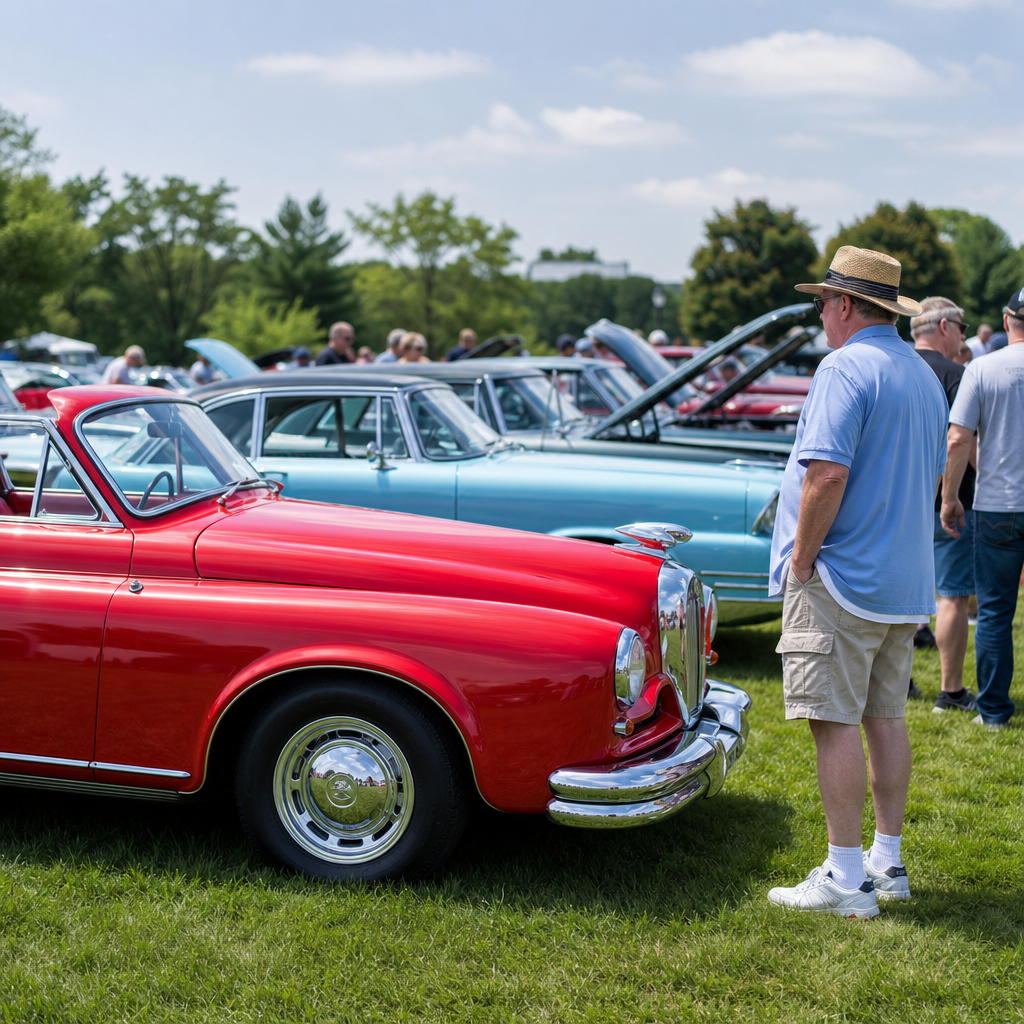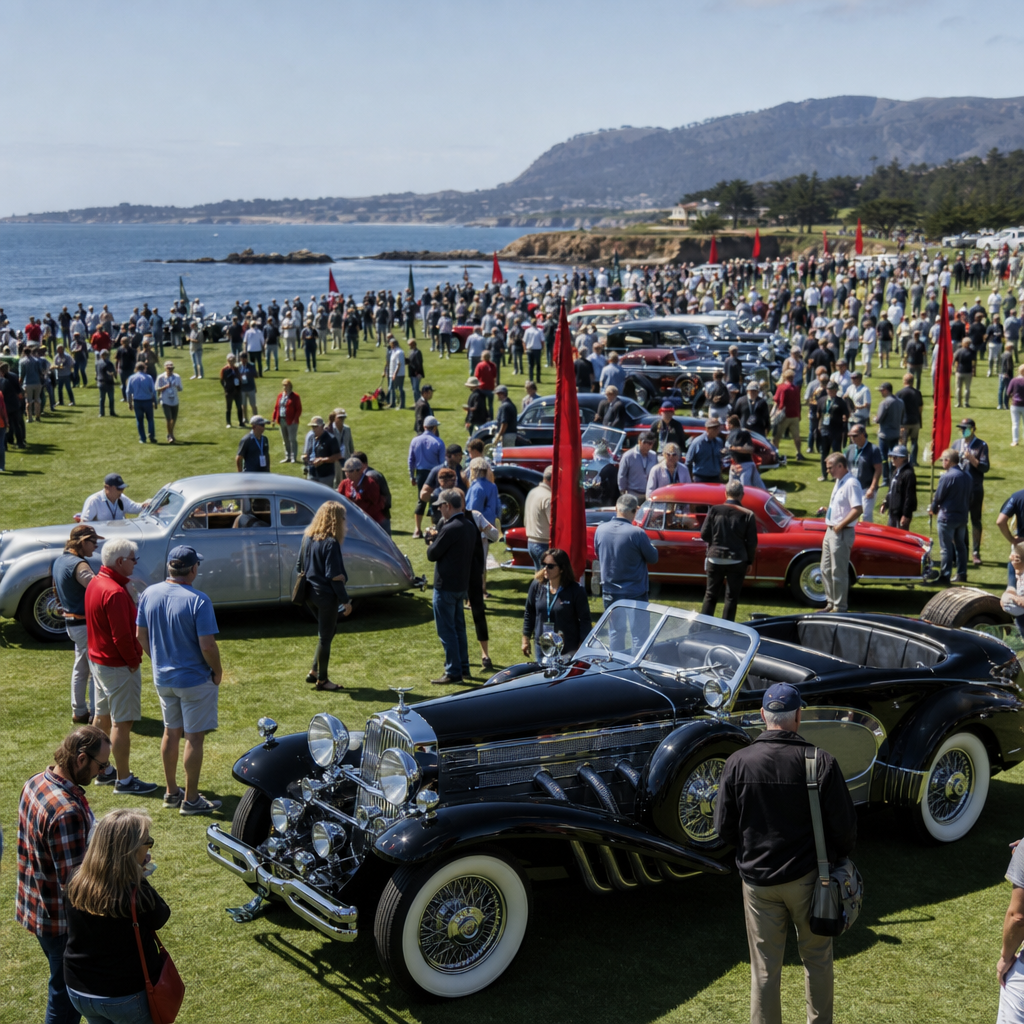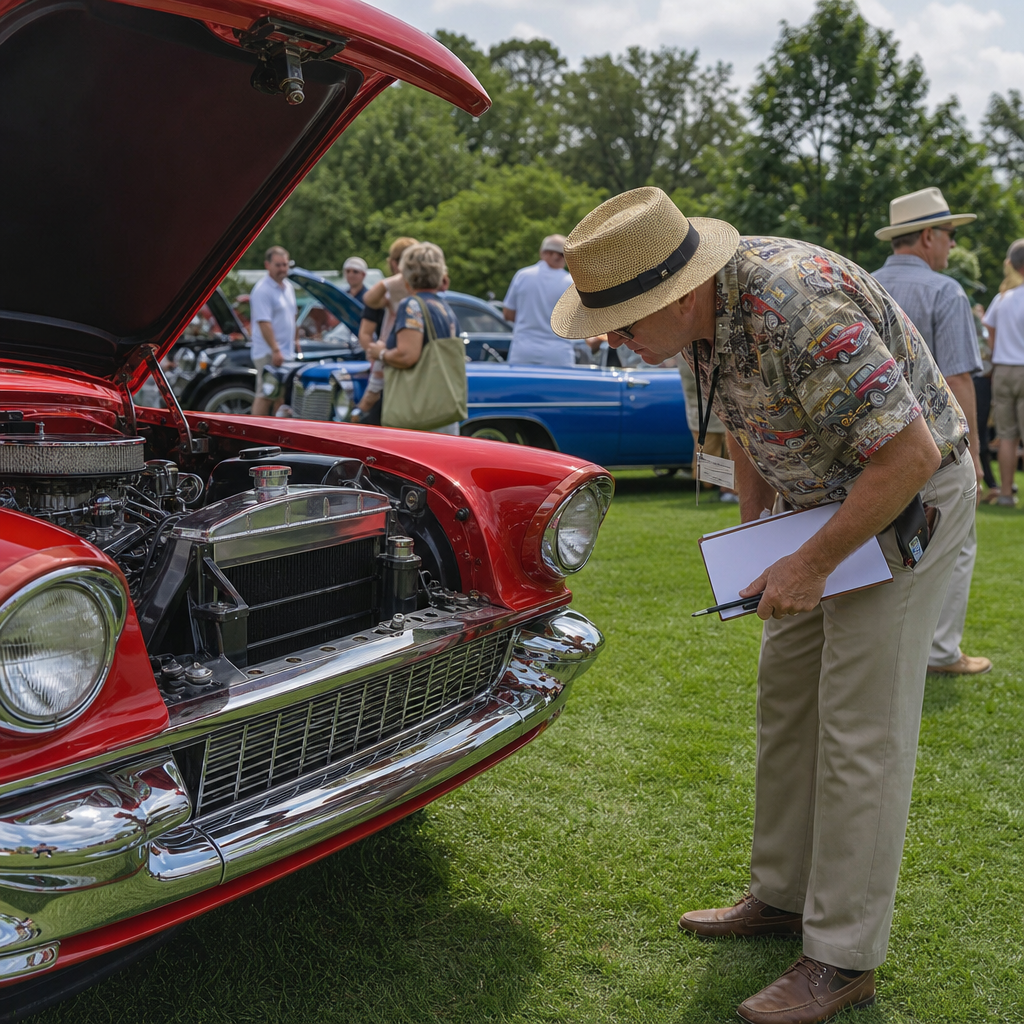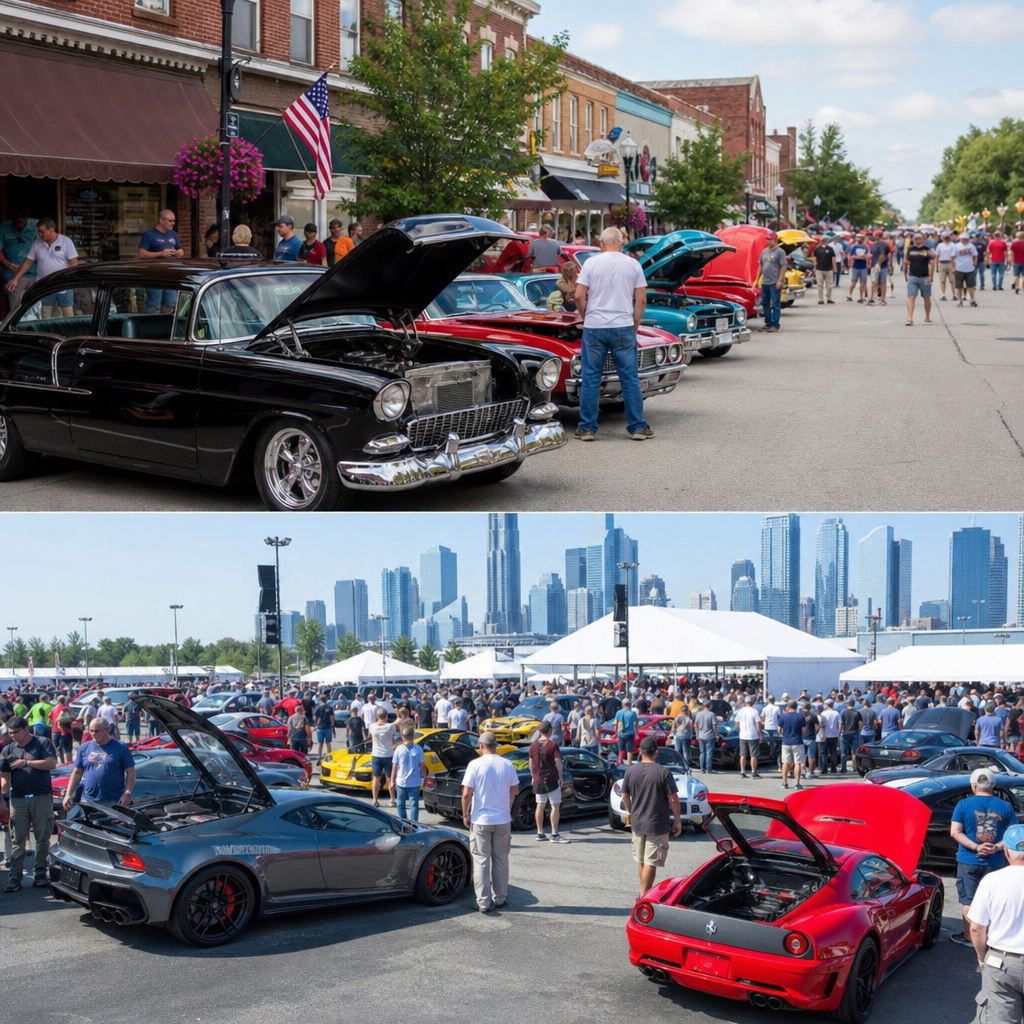
Entering a vehicle in a classic car show looks simple from the spectator side, but owners quickly learn that successful participation depends on preparation, positioning, and an understanding of how shows actually work. In classic car culture, a car show is any organized event where vehicles are displayed for judging, public viewing, fundraising, club promotion, or marque celebration. “Classic car” can mean different things depending on the organizer, insurer, or registry, yet most events use age, historical significance, originality, or enthusiast value to decide eligibility. If you want to know how to enter your car in a classic car show, the real answer starts before the application form: you need the right event, the right paperwork, and a car presented in a way that matches the show’s standards.
I have helped owners prepare everything from unrestored survivors to fully judged concours cars, and the biggest mistake first-timers make is assuming all shows evaluate entries the same way. They do not. A local cruise-in may accept almost any older vehicle with an entry fee and a safe parking spot. A marque-specific judged show may require advance approval, photos, and proof that your restoration choices match factory specifications. Charity events, downtown summer shows, museum lawn gatherings, and national club meets all sit under the larger “car shows and events” umbrella, but each serves a different purpose and attracts a different audience. Knowing that difference saves time, money, and disappointment.
This matters because showing a classic car is about more than trophies. The right event helps you meet restorers, parts specialists, insurers, appraisers, detailers, historians, and future buyers. It also creates a documented public history for your vehicle. Good show participation builds credibility, especially if you later seek a valuation, auction consignment, magazine feature, or club judging certification. For many owners, shows are also how they learn what is correct on their car, what needs improvement, and which modifications will be accepted in touring or driver classes. If this article functions as your hub for car shows and events, think of it as the roadmap from first entry to long-term participation.
The process can be broken into a few essential questions. Is your car eligible? Which type of show fits your car and your goals? What condition does the vehicle need to be in? What documents and equipment should you bring? How do judging, classes, and etiquette work? Answer those clearly, and entering becomes manageable. Ignore them, and even a beautiful car can have a frustrating day. The sections below cover the full cycle of classic car show participation, from event selection and registration to transport, display, judging, networking, and follow-up, with practical guidance drawn from how successful entrants actually operate.
Choose the Right Show for Your Car and Your Goal
The first step in entering a classic car show is matching the event to your vehicle and your reason for attending. Owners usually have one of four goals: public enjoyment, judging feedback, awards, or networking. A relaxed community show is ideal if you want to meet local enthusiasts and get comfortable displaying the car. A concours or national club event is better if originality, authenticity, and score sheets matter to you. A themed event, such as a muscle car gathering, British car day, or prewar meet, works best when your vehicle fits a clearly defined niche. Entering the wrong event can leave an owner discouraged when the issue is not the car, but the mismatch.
Read the event description carefully. Organizers usually state whether the show is judged, participant judged, invitational, or display only. Judged means trained or designated judges score vehicles against criteria. Participant judged means fellow entrants vote, which often rewards presentation, popularity, and engagement as much as technical accuracy. Invitational events curate the field and may require photographs, restoration history, or club membership. Display-only events are simpler and often ideal for new participants, survivors with patina, or vehicles still being sorted mechanically. This classification affects everything from arrival time to detailing intensity.
Look at the classes before you register. Many owners lose confidence because they enter a modified car in a stock class or bring a driver-quality survivor to a field packed with fresh frame-off restorations. Event listings often separate entries by era, body style, domestic versus import, truck versus passenger car, and stock versus modified. More serious organizations may divide by model year bands and even factory engine options. If your car has aftermarket wheels, a non-original paint color, an engine swap, or custom upholstery, disclose it honestly and ask which class applies. Organizers appreciate clarity, and you avoid awkward reclassification on show day.
Distance and logistics matter too. A local event lets you test the car and your routine with low risk. Regional and national events require stronger reliability planning, trailer decisions, hotel reservations, and weather contingencies. I usually advise first-time entrants to do one informal local show, one judged regional show, and then decide whether national competition is worth pursuing. That progression builds confidence and reveals how much effort you actually enjoy putting into display preparation.
Understand Eligibility, Registration, and Fees
Once you identify a suitable event, confirm eligibility in writing. Most classic car show registration forms ask for the year, make, model, VIN or partial VIN, owner information, club affiliation, insurance details, and class selection. Some shows also require recent photographs, especially if space is limited or if the event is curated. Never assume a vehicle qualifies because it is old. Some events define “classic” as 25 years or older; others reserve the field for pre-1975, prewar, orphan makes, or specific marques. Truck classes, replica exclusions, and hot rod cutoffs are common.
Fees vary widely. A small town show might charge $20 to $35, while a national judged meet can exceed $100 when you add banquet tickets, club dues, and optional activities. Read the cancellation policy before you pay. Weather cancellations, nonrefundable processing fees, and substitution rules differ. Many owners miss early-bird deadlines and pay more than necessary. Register early not only to save money, but also to secure preferred parking, class placement, and printed program inclusion.
Keep a simple event file for each show. Include the registration confirmation, map, gate instructions, contact numbers, hotel booking, insurance card, and any special rules about fire extinguishers, battery cutoff switches, drip pans, or fuel levels. If the show is judged, print the standards if available. Organizations such as the Antique Automobile Club of America and marque-specific clubs often publish detailed manuals. Studying those documents in advance is one of the easiest competitive advantages available to a new exhibitor.
| Show Type | Best For | Typical Requirements | Main Risk |
|---|---|---|---|
| Local cruise-in | Beginners and drivers | Basic registration, fee, safe operation | Loose class definitions |
| Participant-judged show | Owners who enjoy crowd engagement | Clean presentation, readable display card | Popularity can outweigh accuracy |
| Club judged meet | Owners seeking structured feedback | Advance entry, class compliance, authenticity focus | Strict standards expose small errors |
| Invitational concours | High-level restorations and rare cars | Photos, history, acceptance review, premium prep | Limited access and high expectations |
Prepare the Car to Match the Event Standard
Preparation should match the event, not your anxiety. For a local show, safety and cleanliness are usually enough. For judged competition, preparation becomes systematic. Start with mechanical reliability. A spotless undercarriage means little if the car overheats in the staging lane. Check coolant, oil, transmission fluid, brake fluid, battery hold-downs, belts, hoses, tire age, tire pressures, lights, horn, and charging output. If the car has been sitting, inspect wheel cylinders, fuel lines, and the master cylinder before any highway trip. Fire risk and fluid leaks are common reasons for avoidable embarrassment at shows.
Then address cosmetic presentation. Wash, clay-bar if appropriate, polish paint according to its finish type, clean glass inside and out, dress weatherstripping lightly, and remove lint from upholstery and carpeting. Engine bay detailing should be accurate, not greasy and over-dressed. Judges notice incorrect finishes, modern hardware, mismatched hose clamps, and sloppy wiring. On survivor cars, over-restoration can actually hurt credibility. Preserve patina where the class rewards originality. On restored cars, consistency matters more than isolated brilliance. A beautifully polished valve cover beside chipped inner fenders signals incomplete preparation.
Do not forget the details spectators and judges see first: wheel wells, tire sidewalls, door jambs, trunk gutters, and the underside of the hood. Bring basic supplies for touch-ups after arrival, including microfiber towels, quick detailer safe for your finish, glass cleaner, cotton swabs, and a small vacuum. If pollen, road spray, or dust hits the car on the way in, you need ten controlled minutes of correction, not a panic clean.
Gather Documentation and Build a Strong Display
Documentation separates a casual entrant from a credible exhibitor. At minimum, bring registration, proof of insurance, and emergency contact information. For judged or historically significant cars, assemble a binder with ownership history, restoration photos, factory literature, build sheets, window stickers, dealer invoices, broadcast sheets, trim tag decoding, and receipts for major work. You do not need to display every document publicly, but having them available helps answer questions and resolve class concerns. It also adds substance when judges or knowledgeable spectators ask why the car is finished a certain way.
A simple display board or stand-up placard improves the experience for everyone. Include the year, make, model, engine, transmission, production significance, restoration notes, and one or two human details, such as how long you have owned it or where it was found. Keep it factual and easy to read. Good display cards reduce repetitive questions and give judges context without overselling. If the car has unusual provenance, such as a one-family history, period racing background, or rare factory option package, state it clearly and support it if asked.
For this hub within classic car culture and lifestyle, it is worth noting that shows often connect directly to other event formats. The same display materials you use at a judged lawn show can support attendance at cruise nights, marque reunions, concours seminars, charity rallies, and museum exhibitions. Owners who create a reusable show kit save time and present a more polished image throughout the season.
Show-Day Strategy, Judging, and Etiquette
Arrive early. This is the simplest rule in car shows and events, and it solves half of common problems. Early arrival gives you cooler engine temperatures, better unloading or staging conditions, and time to wipe the car down before spectators crowd the field. Follow marshal instructions exactly. Do not idle where directed not to idle, and do not reposition the car after placement unless authorized. Organizers plan spacing for safety, photography, and class consistency.
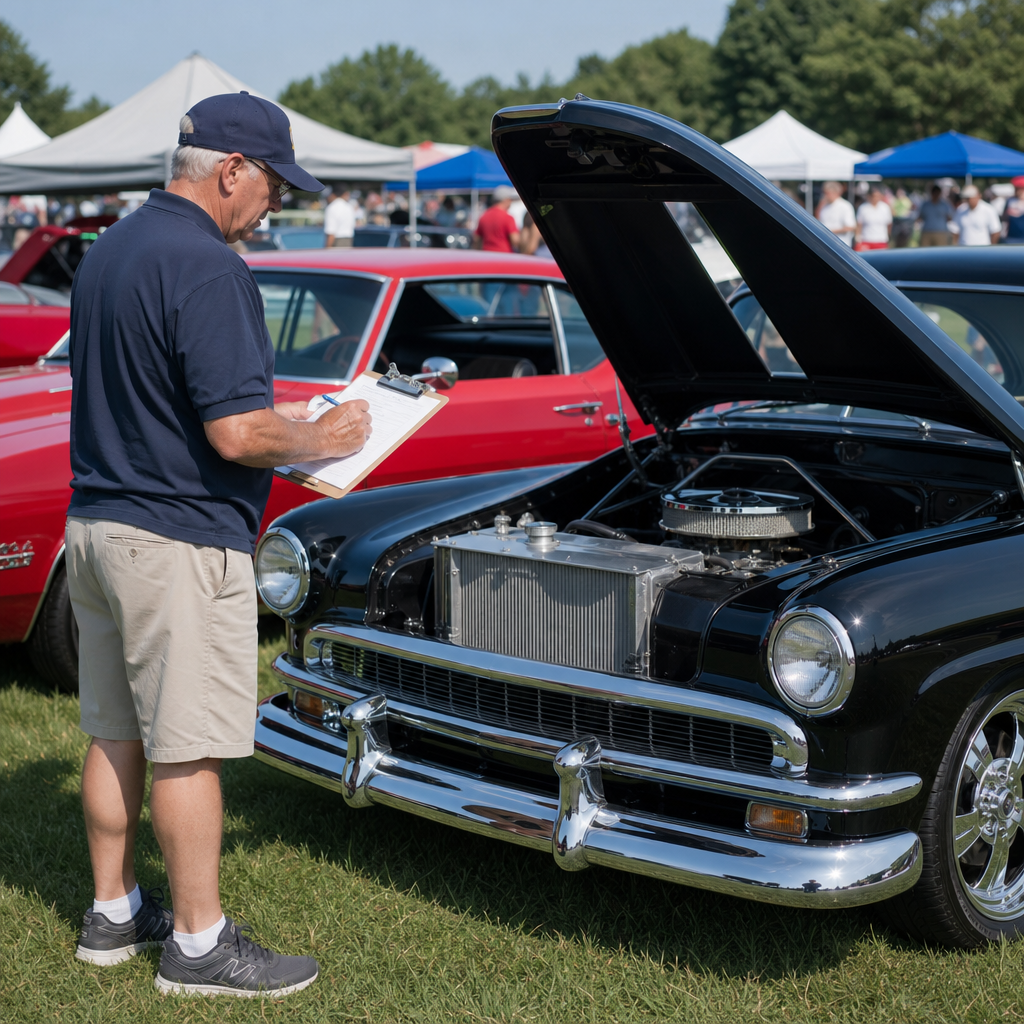
If the show is judged, ask how the process works. Some judges expect the hood, trunk, and doors open; others want them closed until they arrive. Some allow owner interaction; others prohibit it. Clarify whether score sheets will be available afterward. During judging, answer questions briefly and directly. Never argue, hover, or give a guided sales pitch. Skilled judges can tell when an owner is helping and when an owner is lobbying. The best approach is to provide accurate information, then step back.
Etiquette matters beyond judging. Do not touch another person’s car without permission. Keep chairs, coolers, and parts boxes tidy and out of walkways. If your car leaks, use a drip pan. If your alarm is sensitive, disable it. Avoid blasting music unless the event invites it. Spectators remember approachable owners, and participant-judged shows especially reward friendliness. I have seen technically stronger cars lose to well-presented vehicles because their owners were engaged, respectful, and easier for voters to connect with.
Weather readiness is another practical skill. Bring water, sunscreen, a hat, and a canopy only if the event allows one. Have soft covers or towels ready for sudden rain, but never trap grit under a cover on fresh paint. If heat is severe, monitor fuel percolation, vapor lock risk, and battery strain from repeated starts. If wind is high, secure display materials. Showmanship is really logistics performed calmly in public.
After the Show: Learn, Network, and Plan the Next Event
The event is not over when awards are handed out. The smartest owners use the end of a classic car show as the start of their next improvement cycle. If you received a score sheet, review it objectively. Separate subjective comments from recurring issues. If multiple judges note incorrect finishes, poor fitment, or missing documentation, that is useful data. If you did not place, ask whether the organizers can share general feedback. Most will help if you are respectful and specific.
Network before you leave. Exchange contacts with owners of similar cars, restoration shops, and club officers. Many of the best leads for trim repair, plating, upholstery grain matching, date-coded components, and transport services come from conversations on the field, not search results. Take photos of your car in position as a record of presentation, stance, and display setup. Those images help with future applications, especially for invitational events.
Finally, maintain momentum. Clean the car after transport home, note any mechanical issues from the trip, restock your show kit, and update your event file. Over time, entering becomes a repeatable system rather than a stressful one-off task. That is the real benefit of understanding car shows and events as a hub topic: every show teaches you how to choose better events, present the car more effectively, and enjoy the hobby with less friction.
If you want to enter your car in a classic car show successfully, focus on fit, preparation, documentation, and conduct. Choose an event that suits your car’s condition and your goals. Register early, read the rules, prepare the vehicle for the standard actually being used, and arrive with the paperwork and supplies to support a smooth day. Treat judging as information, spectators as future connections, and each event as part of your car’s story. Start with one well-chosen local show, apply what you learn, and build from there. That approach turns show entry from guesswork into a rewarding part of classic car ownership.
Frequently Asked Questions
What qualifies as a classic car for a car show entry?
There is no single universal definition of a “classic car,” which is why this is one of the first things owners should verify before submitting an application. Some organizers use age-based guidelines, such as 20, 25, or 30 years old, while others focus more on historical significance, originality, rarity, body style, or whether the vehicle represents a specific era, manufacturer, or collector category. Certain events welcome antiques, muscle cars, hot rods, restored trucks, exotics, and survivor vehicles under one umbrella, while others are limited to a narrow class such as prewar cars, British roadsters, air-cooled models, or marque-specific entries.
The safest approach is to read the show’s official rules closely rather than relying on assumptions. Look for details about model-year cutoffs, modification policies, replica restrictions, eligibility classes, and whether the event is judged or display-only. A heavily modified vehicle may be accepted at one show and rejected at another that emphasizes factory-correct restoration. Likewise, a newer specialty vehicle might qualify for an enthusiast or featured class even if it does not meet a traditional age threshold. If the language is vague, contact the event organizer directly and ask how your specific vehicle would be classified. That simple step can save time, prevent registration issues, and help you enter the correct class from the beginning.
How do I register my car for a classic car show?
Registration usually starts with identifying the right type of event for your car and your goals. Some shows are open to all makes and models, some are invitation-only, and others are hosted by clubs, charities, museums, dealerships, or concours-level organizations. Once you find a suitable event, review the registration page carefully for deadlines, entry fees, class descriptions, vehicle requirements, and load-in instructions. Many shows offer early online registration, which is often cheaper and more organized than day-of-show entry. Popular events can fill up quickly, especially if they limit the number of cars in each class.
Most applications ask for owner information, vehicle year, make, model, color, VIN or partial VIN, license plate details, insurance confirmation, and a short history of the car. Higher-end or judged events may also request photos of the exterior, interior, engine bay, and trunk, particularly if vehicles are screened before acceptance. Be accurate and complete when filling out the form. If your car has a notable restoration history, awards, documentation, or unusual provenance, include that where appropriate. After submitting, save your confirmation email, payment receipt, and any entry instructions. You should also verify whether you need to bring proof of insurance, a fire extinguisher, wheel chocks, display boards, or a battery disconnect. Treat registration like part of the presentation process: the more organized you are in advance, the smoother the actual show day will be.
How should I prepare my car before the show?
Preparation goes far beyond a quick wash. A show-ready car should be clean, mechanically sound, and presented in a way that matches the expectations of the event. Start with basic mechanical checks several days before the show so you have time to address problems. Inspect fluid levels, battery condition, tire pressure, belts, hoses, lights, brakes, and cooling performance. A car that arrives overheated, leaks oil onto the show field, or needs a jump-start makes a poor impression and can even be turned away. If the event involves driving a long distance, bring a small emergency kit with tools, fluids, towels, and spare parts appropriate to the vehicle.
Cosmetic preparation should be equally methodical. Wash the exterior thoroughly, clean the wheels and tires, polish paint and chrome as needed, and remove dust from trim, emblems, vents, and glass edges. Clean the interior carefully, including carpets, seat tracks, pedals, dash surfaces, and the inside of windows. Open areas judges often notice, such as the engine bay, trunk, door jambs, and under the hood insulation, should not be overlooked. If your car is unrestored or preserved rather than fully restored, do not over-detail it in a way that undermines its authenticity; present it honestly and neatly. It also helps to prepare a display sheet with the vehicle’s year, make, model, restoration details, factory options, ownership story, and any noteworthy historical background. A well-prepared car tells spectators and judges that the owner understands both the vehicle and the culture surrounding it.
What do judges look for at a classic car show?
Judging standards vary widely depending on the event, which is why owners should never assume all shows evaluate cars the same way. At many judged shows, points are awarded based on cleanliness, condition, authenticity, workmanship, fit and finish, mechanical presentation, interior quality, engine compartment detail, and overall visual impact. Some events prioritize factory-correct originality, meaning the ideal car appears as it would have when delivered new, down to finishes, hardware, badging, and equipment. Others are more flexible and score modified or custom vehicles according to execution, creativity, and quality rather than strict originality.
Owners should also understand that judging is often about consistency and presentation as much as expense. A modest car that is clean, correctly presented, and entered in the proper class can outperform a more valuable vehicle with visible flaws, incorrect components, or poor preparation. Judges frequently notice small details: dirty weatherstripping, mismatched fasteners, clouded glass, worn pedals, grease buildup, loose trim, and incomplete documentation. If the show allows owner interaction, be ready to answer questions clearly and honestly without overselling the car. Bring any restoration photos, build records, ownership history, or factory documents that support authenticity claims. Above all, focus on presenting the car according to the rules of that specific event. Understanding the judging criteria in advance is one of the smartest ways to improve your results.
What should I do on the day of the car show to make the best impression?
Arrive early, follow the entry instructions precisely, and give yourself enough time to position the car properly before the public arrives. Many events have specific load-in windows, parking assignments, and rules about when cars can move once the show begins. Being late can lead to rushed setup, poor placement, or disqualification from judging. After parking, do a final wipe-down to remove road dust, fingerprints, and water spots. Straighten the wheels if that suits the display, center any information board, and arrange any props or accessories carefully without cluttering the space. If the show permits it, opening the hood or trunk can invite more engagement, but only if those areas are as presentable as the exterior.
Your own presentation matters too. Be approachable, informed, and respectful to judges, organizers, and fellow participants. Spectators often enjoy hearing the story behind a car, so be ready to explain what makes yours special, how long you have owned it, what work has been done, and whether it is original, restored, or modified. At the same time, avoid hovering over judges or interfering with the process. Bring practical items such as microfiber cloths, glass cleaner, water, sunscreen, folding chairs, and weather protection, since car show days can be long. Most importantly, remember that success is not measured only by trophies. A strong showing also means making connections, learning from other owners, and representing your vehicle well within the classic car community.