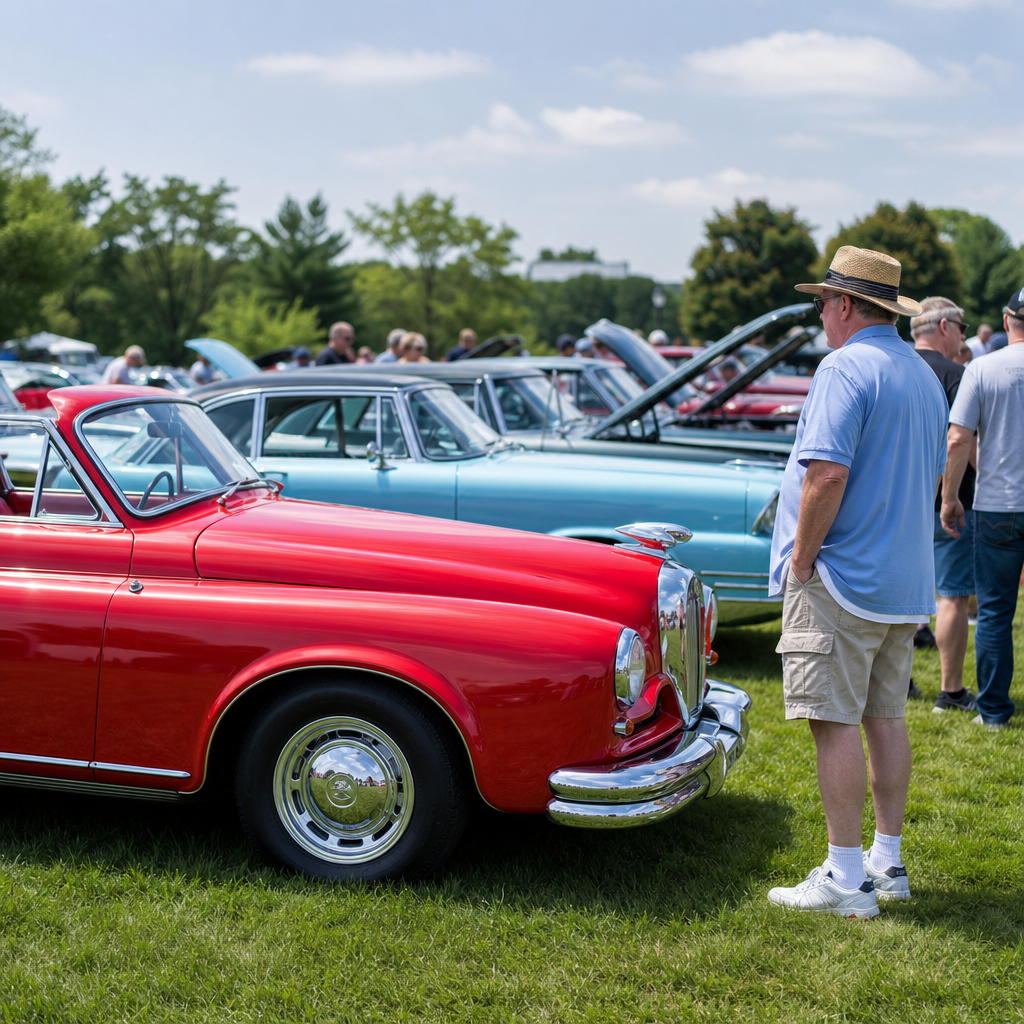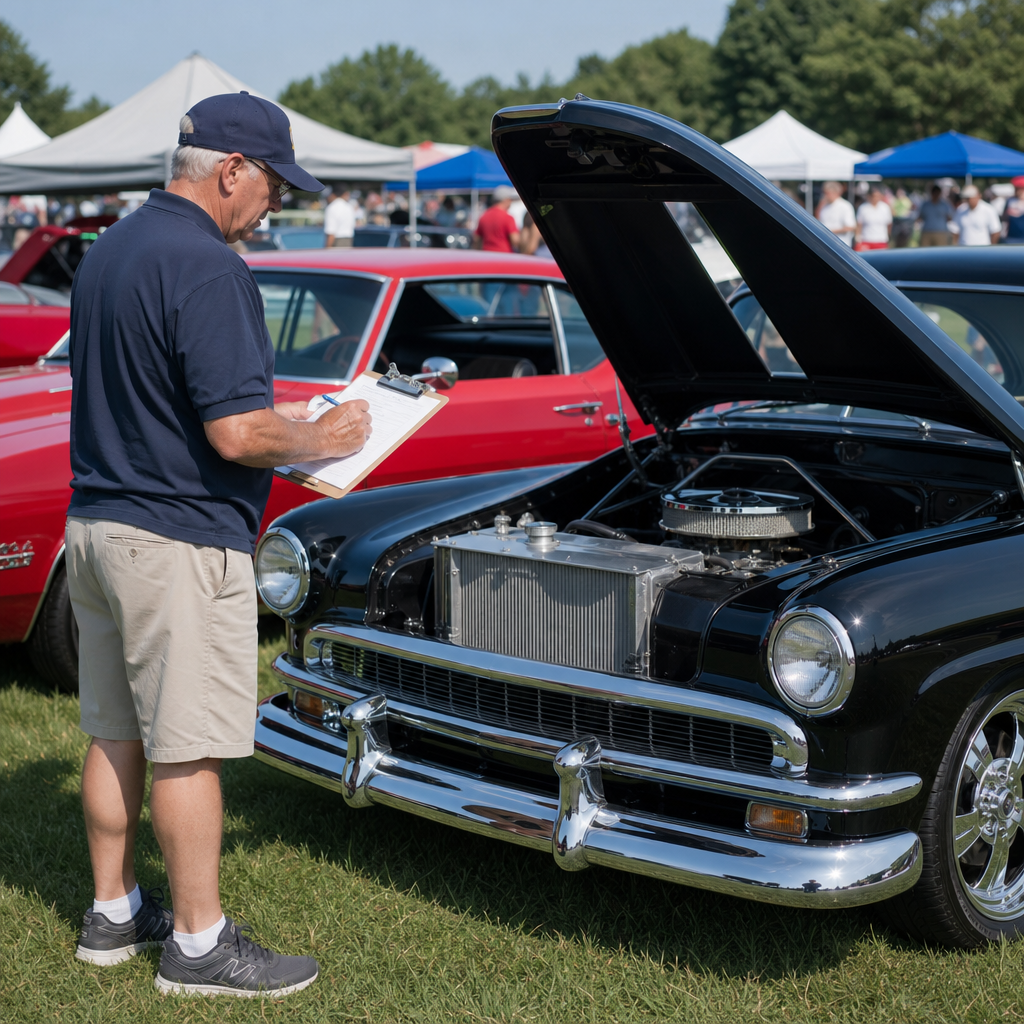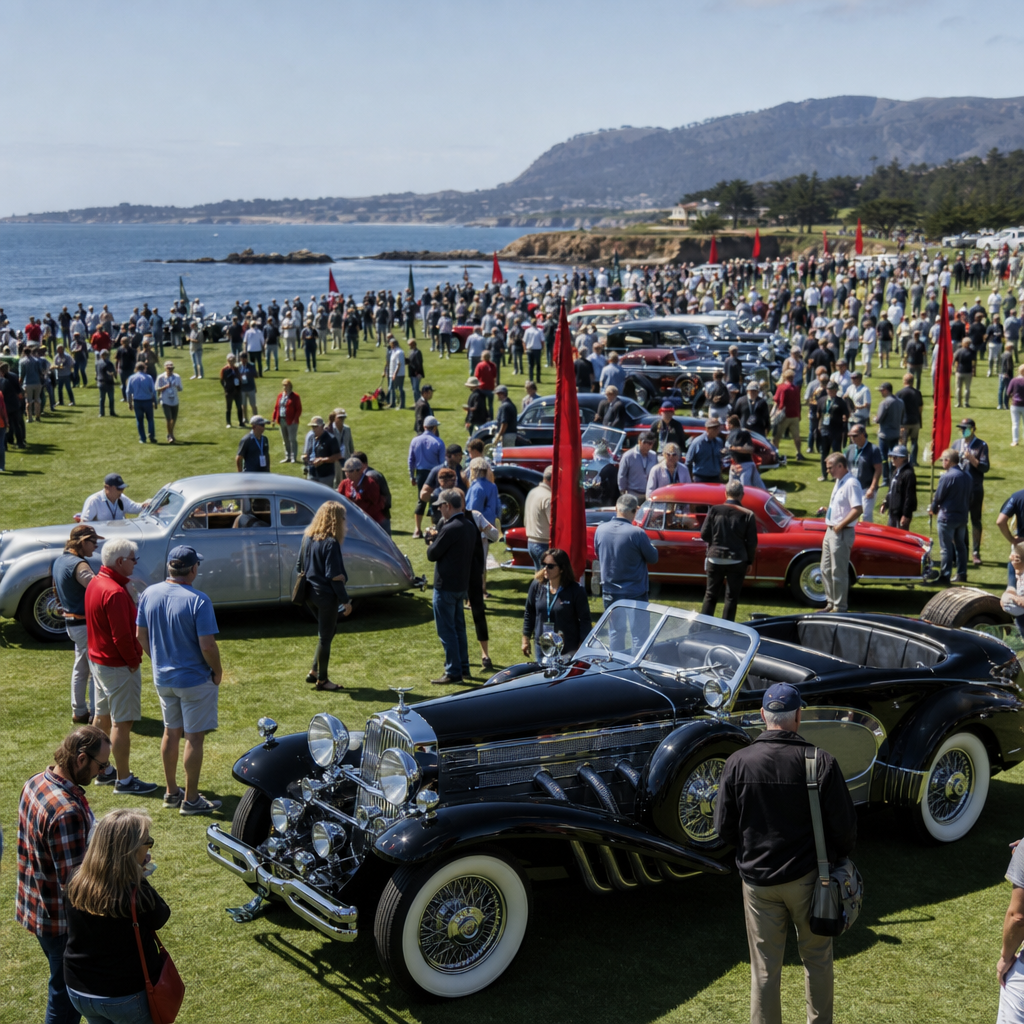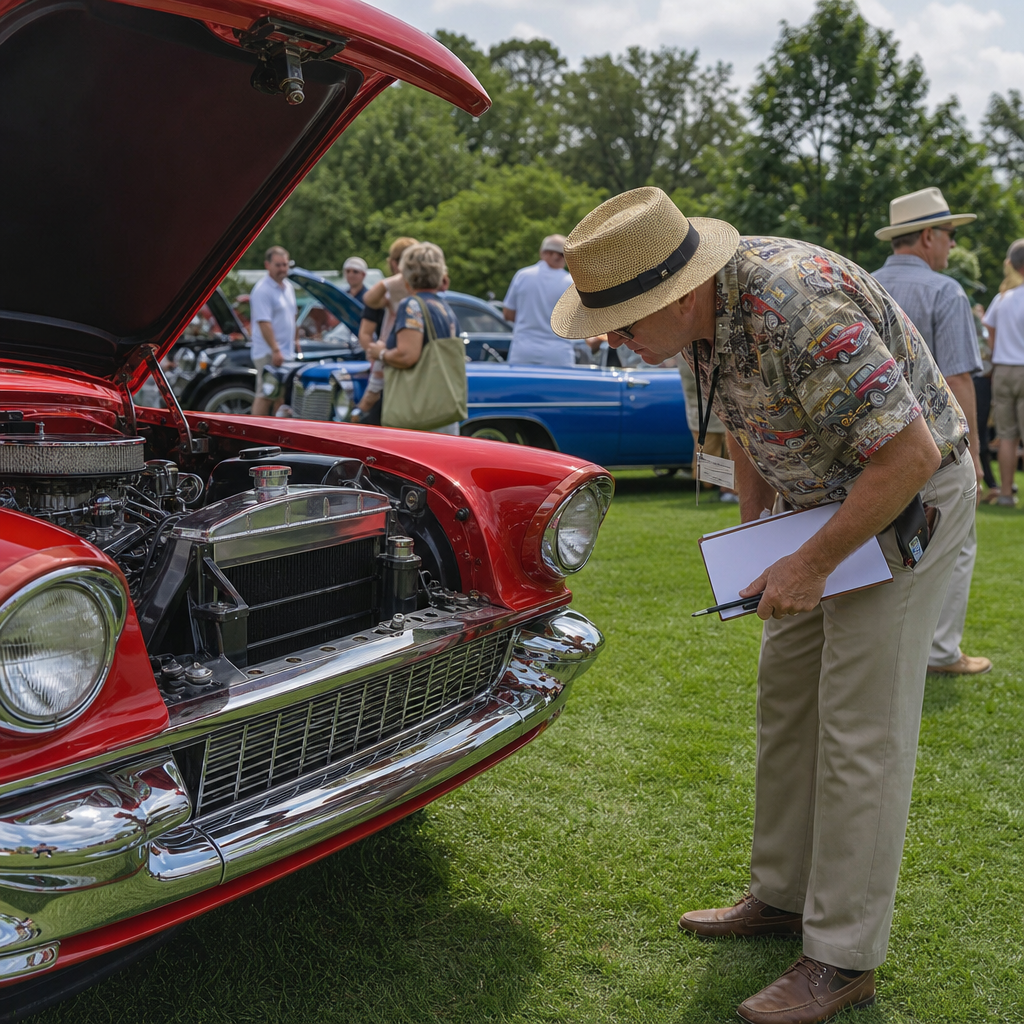
Barrett-Jackson events are often described as collector car auctions, but that label misses what actually happens on the ground. After attending these weekends, walking the auction block, touring the staging lanes, and watching first-time bidders sit beside veteran restorers, I have seen that Barrett-Jackson is really a live crossroads for classic car culture, automotive education, entertainment, and lifestyle spending. For anyone exploring car shows and events, it serves as one of the clearest examples of how a modern automotive gathering can function as far more than a sales venue.
In practical terms, Barrett-Jackson is a branded series of high-profile automotive events best known for auctioning collectible vehicles, automobilia, and related assets. Yet the full experience includes concours-level cars, manufacturer displays, sponsor activations, ride-and-drives, charity moments, celebrity appearances, food and hospitality programs, and a strong media presence. A car show, by contrast, usually centers on display and judging. An auction centers on bidding and transfer of ownership. Barrett-Jackson combines both, then adds the festival atmosphere of a major live event.
This matters because classic car culture is no longer sustained by private garages and local cruise nights alone. The hobby now depends on places where buyers, sellers, enthusiasts, brands, restorers, insurers, transporters, and younger fans can meet in person. Large events create trust, shape market values, and introduce people to segments they may never encounter otherwise, from prewar American classics to modern supercars and custom trucks. If you want to understand how car shows and events influence the broader collector vehicle world, Barrett-Jackson is a useful hub topic because it sits at the intersection of commerce, community, and spectacle.
It also answers a common question directly: are Barrett-Jackson events only for wealthy bidders? No. Many attendees never raise a paddle. They come to study trends, inspect restoration quality, compare vehicles across eras, meet builders, enjoy the social environment, and watch market psychology unfold in real time. That wider appeal explains why these events have become important not just to buyers and consignors, but to anyone interested in the lifestyle side of classic cars.
What Makes Barrett-Jackson Different From a Typical Car Show
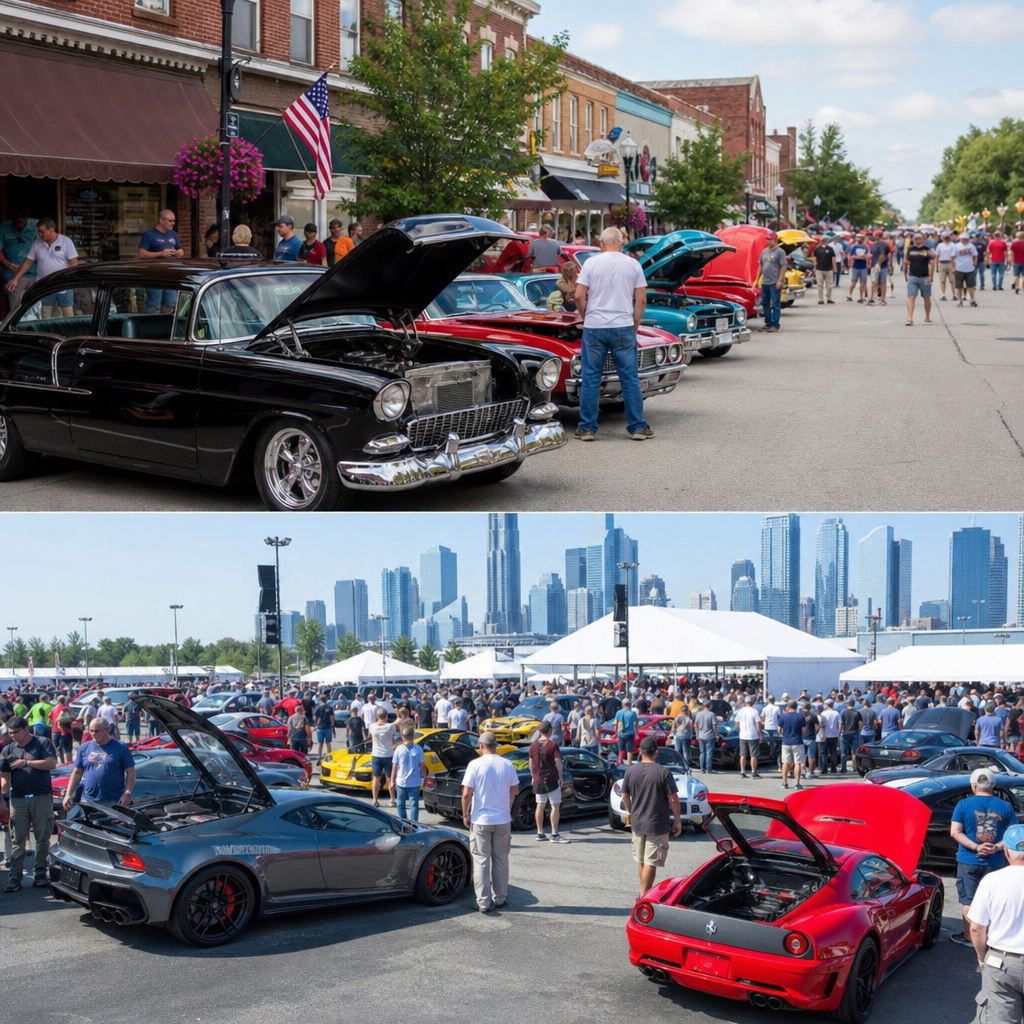
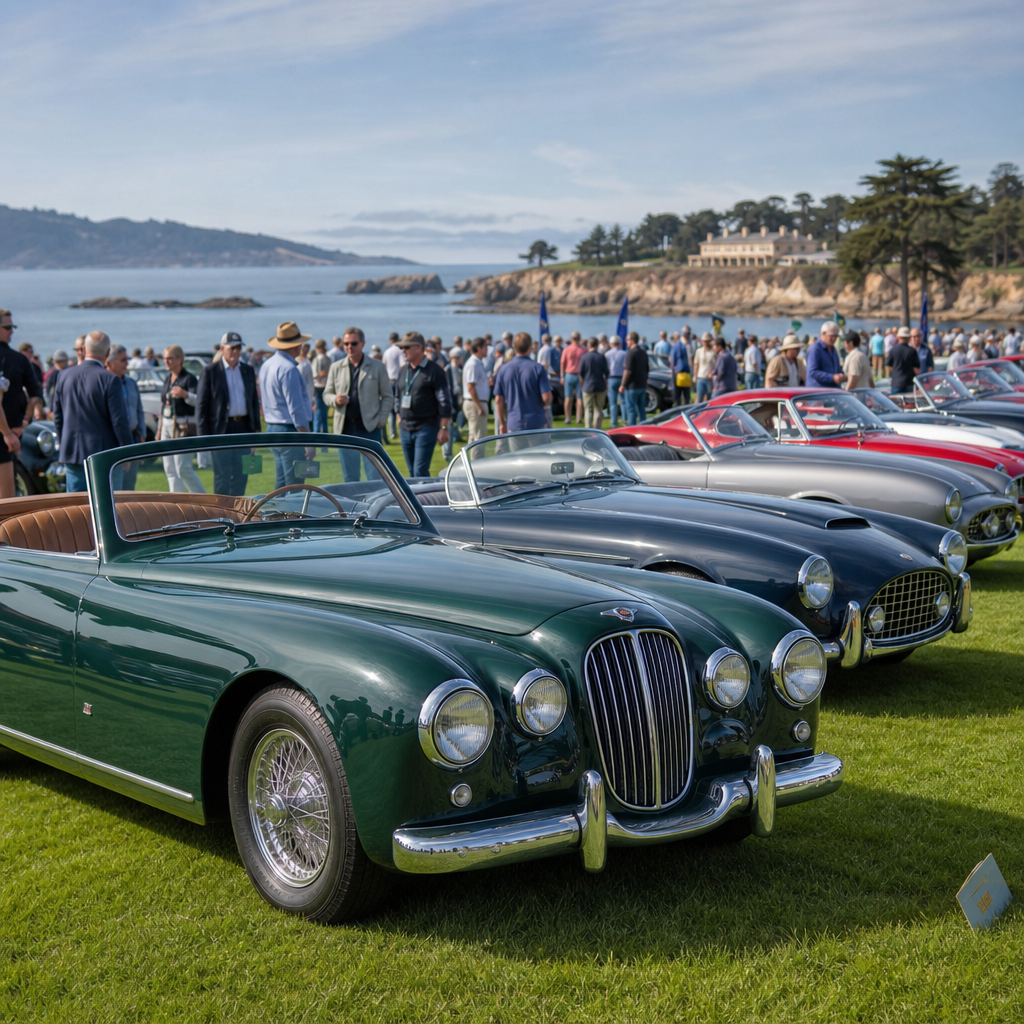
A traditional car show usually asks owners to register, park, present their vehicles, and compete within judged or informal classes. The emphasis is static display. Barrett-Jackson adds urgency and narrative because nearly every major vehicle crossing the block has a story tied to provenance, restoration, rarity, or celebrity ownership. The auctioneer’s cadence, the staging sequence, and the movement of vehicles from preview area to block create momentum that a static field show cannot match.
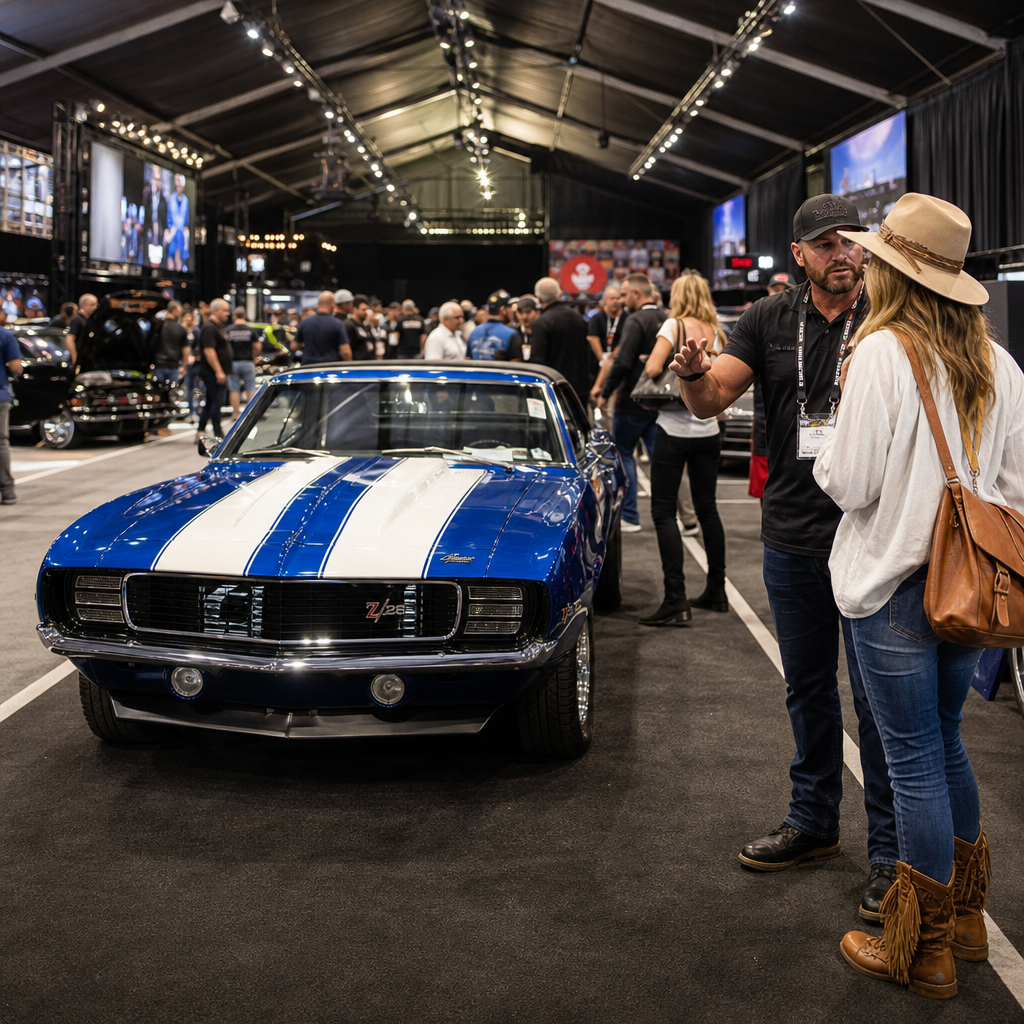
Another defining difference is transparency. At a local show, you might admire a 1969 Camaro without learning what similar examples are actually trading for. At Barrett-Jackson, bidders, viewers, and sellers can see market value established live. That does not mean every hammer price becomes a universal benchmark, because condition, documentation, reserve status, and venue matter, but it gives participants a direct view into demand. I have watched attendees change their understanding of a segment in a single afternoon after seeing three comparable vehicles sell with meaningful differences based on originality and paperwork.
The event format also encourages cross-pollination between niches. Someone who comes to inspect first-generation Broncos may leave with a new interest in resto-mod C10 pickups, period-correct muscle cars, or European sports cars. Because inventory is curated at scale, attendees can compare styles, build quality, and buyer interest across categories in one visit. That density of exposure is one reason these events influence enthusiast tastes far beyond the auction tent.
The Event Experience Beyond the Auction Block
The easiest mistake is to think the block is the entire show. In reality, the event footprint usually includes exhibitor areas, sponsor displays, featured vehicle zones, food courts, hospitality suites, live broadcast infrastructure, and interactive experiences. Automakers and aftermarket brands use the setting to reach an audience that is already engaged, knowledgeable, and motivated. For enthusiasts, that turns a day of watching bids into a broader immersion in car culture.
Ride-and-drive programs are especially important because they connect collector car enthusiasm to current automotive technology. At some events, attendees can sample new performance models or electric vehicles, then walk back inside to watch a Hemi Mopar or big-block Corvette cross the block. That juxtaposition matters. It reminds visitors that classic car culture is not frozen in time; it constantly absorbs new engineering, new tastes, and new generations of fans.
Family appeal is stronger than outsiders assume. Even people with no intention of buying a car respond to the theater of a charity sale, the sound of a vintage V8 entering the lane, or the visual impact of rows of polished metal under event lighting. In that sense, Barrett-Jackson functions like a cultural exhibition as much as a marketplace. It gives the public a concentrated way to experience design history, regional taste, and the emotional pull of machines that would otherwise remain scattered in private collections.
Who Attends and Why It Matters to the Hobby
The audience at Barrett-Jackson is wider than the stereotype. Yes, there are serious collectors, consignors, brokers, and bidders with deep budgets. There are also first-time attendees, club members, restoration students, photographers, content creators, families, and local enthusiasts who simply want to spend a day around important cars. That mix matters because healthy collector communities need both transaction volume and cultural participation.
From my experience, the most valuable conversations often happen away from the block. An owner explains why date-coded components changed the value of his Chevelle. A transporter describes seasonal shipping trends. An insurer outlines agreed-value coverage. A restorer points out where reproduction trim fits poorly compared with original parts. These exchanges are the practical education layer of major events. They help newcomers avoid expensive mistakes and give experienced hobbyists fresh perspective.
Events like these also serve as recruiting grounds for the future of the hobby. Younger attendees may arrive through social media interest in customs, trucks, or supercars, then discover brass-era cars, concours restoration standards, or automobilia collecting. That broadens the base. Without large public events, many niche segments would struggle to reach people outside established clubs and specialist publications.
| Attendee Type | Primary Goal | What They Gain |
|---|---|---|
| Collector | Buy, sell, or track market movement | Price discovery, networking, inventory access |
| Enthusiast | See significant vehicles in person | Education, inspiration, community |
| Restorer or builder | Study quality and trends | Client leads, benchmark standards, parts insight |
| Brand or sponsor | Reach a targeted audience | Product exposure, live feedback, content creation |
| Family or casual visitor | Enjoy a major live event | Entertainment, access, memorable experiences |
How Barrett-Jackson Shapes Market Trends and Buyer Behavior
Large collector events influence the hobby because they compress attention. When thousands of people, multiple media outlets, and major consignments converge in one place, preferences become visible quickly. A surge in demand for square-body trucks, air-cooled Porsches, or well-executed resto-mod builds does not begin at one event, but events like Barrett-Jackson make the shift obvious. The audience can see not only what sells, but what stalls, what draws emotional bidding, and what earns lukewarm interest despite strong specifications.
This creates a feedback loop. Sellers study prior results and prepare consignments accordingly. Builders tailor projects to demonstrated demand. Buyers refine budgets after seeing where value clusters. For example, I have seen bidders pay meaningful premiums for documented originality even when flashier modified cars attracted more crowd attention. That distinction matters for anyone entering the market. Public excitement and long-term value do not always align.
Media coverage amplifies these signals. Televised segments, social clips, and post-sale reports extend the influence of the event long after the last lot closes. That is why Barrett-Jackson belongs in any serious discussion of car shows and events. It is not just reflecting the market; it helps organize and broadcast the market’s priorities.
Education, Networking, and Business Opportunities
For professionals, Barrett-Jackson is part classroom and part trade floor. Restoration shops use it to meet clients, observe judging-level details, and monitor what finishes, drivetrains, and presentation styles are gaining traction. Dealers and brokers read buyer confidence by watching bidder participation, not just final numbers. Financial service providers, insurers, and logistics companies use the event to connect with owners whose needs go far beyond a single purchase.
Enthusiasts benefit from the same ecosystem. If you want to learn how to inspect a collector car, major events provide unmatched comparison opportunities. You can study panel fit, undercarriage detailing, paint texture, trim alignment, wheel choices, and documentation quality across dozens of examples in one day. That hands-on exposure teaches more than online listings alone ever could. It trains your eye.
Networking is equally important. Many long-term hobby relationships start in lines, preview areas, and hospitality spaces rather than formal meetings. Clubs find members, shops find customers, and younger professionals find mentors. In an era when so much car content is consumed digitally, physical events still perform a unique role: they turn abstract interest into durable community ties and real business connections.
Planning a Visit: Tickets, Bidding, and What to Expect
If you are considering a visit, start by deciding whether you want to attend as a spectator, bidder, consignor, or media participant. Spectator tickets provide access to the core experience and are enough for most first-time visitors. A bidder registration involves additional requirements and should be approached seriously, because the excitement of live auction energy can push people beyond their intended limits if they arrive without a firm budget and research plan.
Wear comfortable shoes, arrive early, and allocate time for both the auction arena and the surrounding displays. The preview areas often deliver the most educational value because you can inspect vehicles before they cross the block. Bring a notebook or use your phone to record lot numbers, condition observations, and final results. Over time, that personal data becomes useful for understanding market movement in the segments you care about.
It also helps to know what the event cannot do. A sale price from a televised prime-time slot is not a universal appraisal. Venue energy, timing, bidder competition, and presentation all affect outcomes. Use results as informed signals, not simplistic absolutes. That balanced view will make you a better buyer, seller, and observer.
Barrett-Jackson as a Hub for Classic Car Lifestyle Content
Within the broader world of classic car culture and lifestyle, Barrett-Jackson works as a hub because it naturally connects to every major event-related subtopic. It opens the door to articles about how auction bidding works, how to prepare a car for consignment, what separates a concours from a cruise-in, how celebrity cars affect pricing, why charity sales matter, and what first-time event attendees should pack and plan for. It also links naturally to restoration, detailing, transport, insurance, storage, and collector financing.
That breadth reflects the reality of the hobby. Car shows and events are not isolated weekends; they are meeting points for ownership decisions, maintenance standards, social identity, and market education. Barrett-Jackson illustrates this especially well because it compresses so many layers of the lifestyle into one event format. You can watch a seven-figure car sell, compare craftsmanship on driver-quality builds, meet a parts supplier, and discover a new enthusiast niche before lunch.
For readers building a deeper understanding of classic car culture, that is the key takeaway. Barrett-Jackson events are more than just auctions because they gather the full ecosystem of the hobby in one visible place. They educate, entertain, influence prices, create business opportunities, and welcome people who simply want to experience automotive history at scale. If you want a starting point for exploring car shows and events, use Barrett-Jackson as your anchor, then follow the paths it opens into auctions, shows, clubs, restoration, and collecting with a more informed eye.
Frequently Asked Questions
What makes Barrett-Jackson events different from a typical collector car auction?
Barrett-Jackson events stand apart because the auction is only one part of a much larger experience. While the live sale of collectible vehicles is the most visible feature, the event itself operates more like an immersive automotive festival. Attendees can move between the auction arena, staging areas, manufacturer displays, sponsor activations, exhibitor booths, educational presentations, and lifestyle shopping spaces, all within the same weekend. That broader format attracts a wider audience than a traditional auction house would, including serious collectors, first-time buyers, restorers, enthusiasts, families, and people who simply enjoy automotive culture.
What truly changes the atmosphere is the level of access. Visitors are not just reading about cars on placards or seeing them parked behind ropes. They can watch vehicles cross the block in real time, observe bidder behavior, study trends in what sells well, and often get surprisingly close to the machinery before it is offered. The staging lanes also reveal the operational side of the event, where cars, staff, consignors, and bidders all intersect. That energy turns Barrett-Jackson into a live marketplace, a rolling car show, and an educational environment at the same time.
In practical terms, that means even people who never place a bid can still come away with a strong sense of the collector car world. They see how value is created, how presentation matters, how originality compares with restoration quality, and how enthusiast demand shapes pricing. For many attendees, Barrett-Jackson is less about one hammer price and more about seeing the entire classic car ecosystem in action.
Can you enjoy Barrett-Jackson if you are not planning to buy a car?
Absolutely. In fact, a large percentage of attendees go specifically for the experience rather than to purchase a vehicle. Barrett-Jackson is highly appealing to spectators because it offers a rare opportunity to see an enormous variety of cars in one place, from blue-chip collector vehicles and vintage American muscle to custom builds, modern exotics, trucks, resto-mods, and automotive memorabilia. For anyone who enjoys car shows and events, it delivers far more movement and variety than a static display field.
There is also real entertainment value throughout the weekend. The auction block itself is fast-paced and theatrical, with commentators, crowd reactions, bidder strategy, and the tension of live sales making it engaging even for non-buyers. Outside the block, attendees often spend hours exploring vendor exhibits, product demonstrations, branded experiences, and featured displays from automakers and aftermarket companies. It is common for visitors to treat the event as a full-day or multi-day outing rather than a quick stop.
Beyond entertainment, non-bidders can learn a great deal simply by observing. Watching which cars generate excitement, how documentation affects confidence, and what presentation details stand out gives people a much clearer understanding of the collector market. Many enthusiasts attend before ever considering a purchase because Barrett-Jackson helps them build knowledge, compare styles, and refine what they might want in the future. Even if you leave without spending on a vehicle, the event can still be deeply worthwhile as a hands-on introduction to the hobby and culture.
What can first-time attendees expect when walking the auction block and staging lanes?
First-time attendees should expect a sensory-heavy experience that is much more dynamic than a standard car show. The auction block is loud, fast, and full of momentum. Cars roll up under bright lights, announcers keep the pace moving, bidders react in real time, and every sale carries its own rhythm depending on the vehicle, the room, and the level of demand. Even if you have watched televised coverage before, being there in person feels different because you can absorb the tension, timing, and crowd response as each lot unfolds.
The staging lanes offer a different but equally important perspective. This is where visitors can see cars waiting to cross the block, often in a more informal setting that makes details easier to study. You may notice how vehicles are prepared, how teams coordinate movement, and how prospective buyers take last looks before bidding begins. For enthusiasts, this area can be one of the most revealing parts of the event because it shows the machinery up close while also exposing the logistics behind the polished auction presentation.
New attendees should also expect a mix of people that reflects the diversity of the collector car world. You will see seasoned restorers, lifelong collectors, first-time bidders, casual fans, industry professionals, and curious newcomers sharing the same space. That blend is part of what makes Barrett-Jackson so useful as a learning environment. It is not uncommon to overhear conversations about drivetrain originality, restoration standards, market preferences, and provenance, all while standing next to a car that is about to sell. For someone trying to understand the hobby beyond magazine photos or online listings, that level of real-world exposure is extremely valuable.
Is Barrett-Jackson a good place to learn about classic cars, restoration, and market trends?
Yes, and that is one of the most overlooked reasons people attend. Barrett-Jackson functions as a live classroom for anyone interested in classic cars, collector vehicle values, restoration quality, and the broader enthusiast market. Because so many vehicle types pass through the event, attendees can compare originality versus customization, concours-level restoration versus driver-quality presentation, and different eras of collector interest in one place. Instead of relying only on articles or auction summaries, visitors can examine patterns with their own eyes and hear how people in the space respond to specific vehicles.
The auction setting is especially useful for understanding market behavior. When a car draws strong bidding, you can often identify why: rarity, documentation, visual appeal, performance pedigree, restoration standard, or simply current buyer enthusiasm. Likewise, when a vehicle underperforms expectations, that can also be informative. Barrett-Jackson gives attendees a front-row seat to the fact that value is not just about age or horsepower. It is about story, condition, timing, taste, and buyer confidence.
For people interested in restoration, the event can sharpen their eye quickly. Seeing many examples of the same model range or vehicle category allows for direct comparison of finishes, panel fit, engine bay presentation, interior correctness, and modifications. Even casual enthusiasts begin to understand the difference between a car that photographs well and one that truly stands out in person. That makes Barrett-Jackson more than an entertainment event; it is one of the clearest real-world environments for learning how collector car culture, craftsmanship, and commerce connect.
Why is Barrett-Jackson often described as a lifestyle and cultural event, not just an automotive sale?
Barrett-Jackson earns that description because it brings together much more than vehicles changing hands. The event reflects how deeply cars intersect with identity, taste, spending habits, nostalgia, and entertainment. People attend not only to bid, but to socialize, network, browse premium products, explore automotive brands, and participate in a high-energy environment built around enthusiasm for car culture. That combination makes the weekend feel closer to a major live experience than a narrow sales transaction.
The lifestyle element shows up in the way the event is structured. There are often hospitality spaces, merchandise, sponsor displays, aftermarket exhibits, memorabilia opportunities, and experiences aimed at both hardcore enthusiasts and general visitors. For some attendees, Barrett-Jackson is as much about discovering products, trends, and brands associated with the collector lifestyle as it is about any specific car on the block. It can influence how people think about restoration plans, garage upgrades, future purchases, and even the social side of the hobby.
Culturally, Barrett-Jackson also matters because it places multiple generations and segments of the automotive world in direct contact. Longtime collectors sit near newcomers. Restorers, dealers, fans, and first-time attendees all interpret the same cars through different lenses. That shared space helps explain why the event has such wide appeal. It is not simply a place where cars are sold; it is a public stage where automotive passion, expertise, aspiration, and spending all meet. That is why calling it “just an auction” misses the bigger picture of what the event represents.