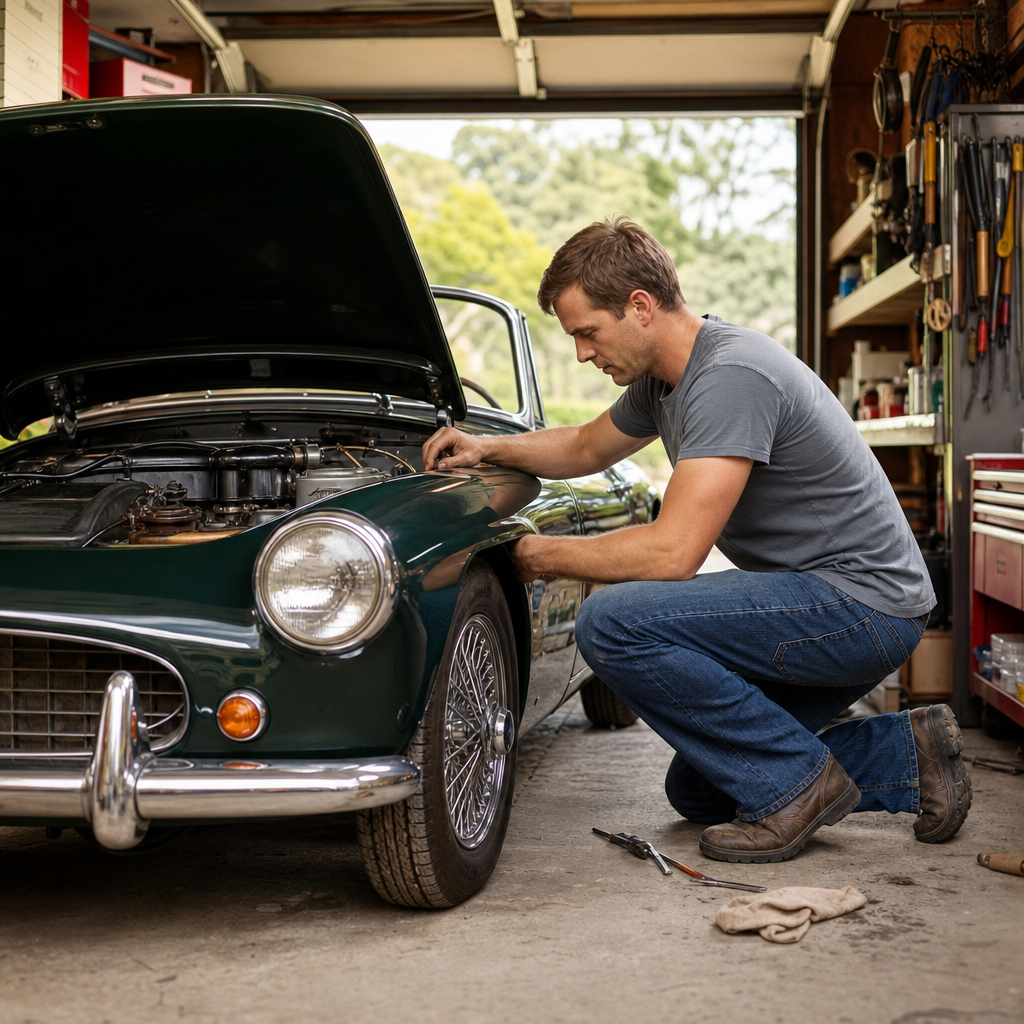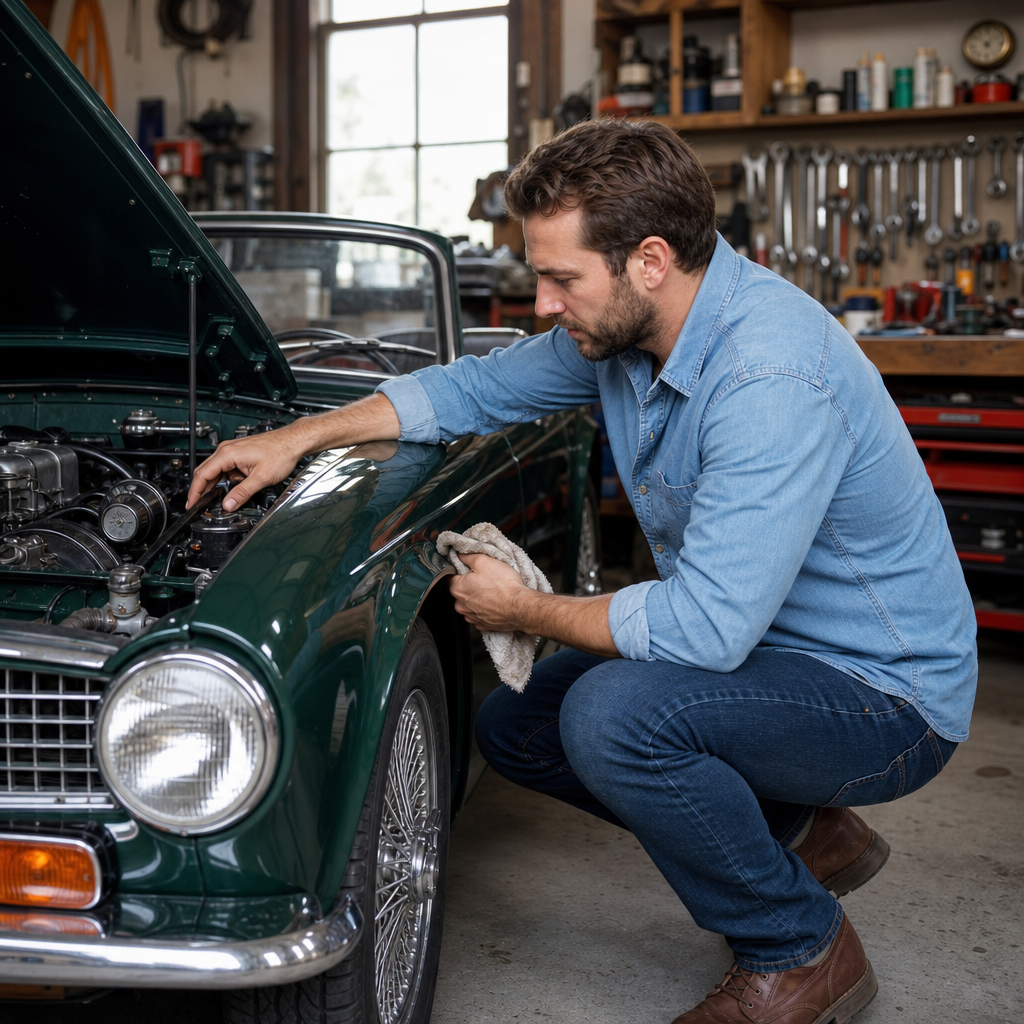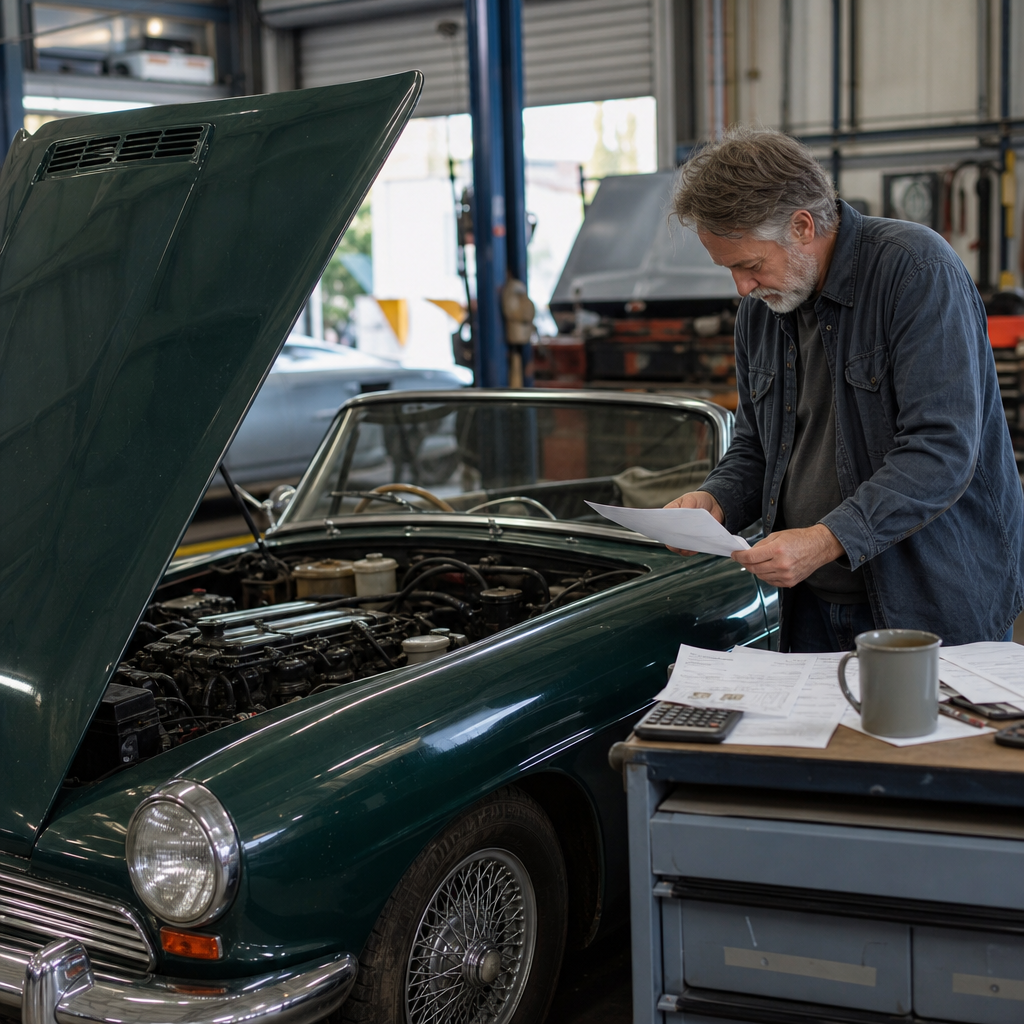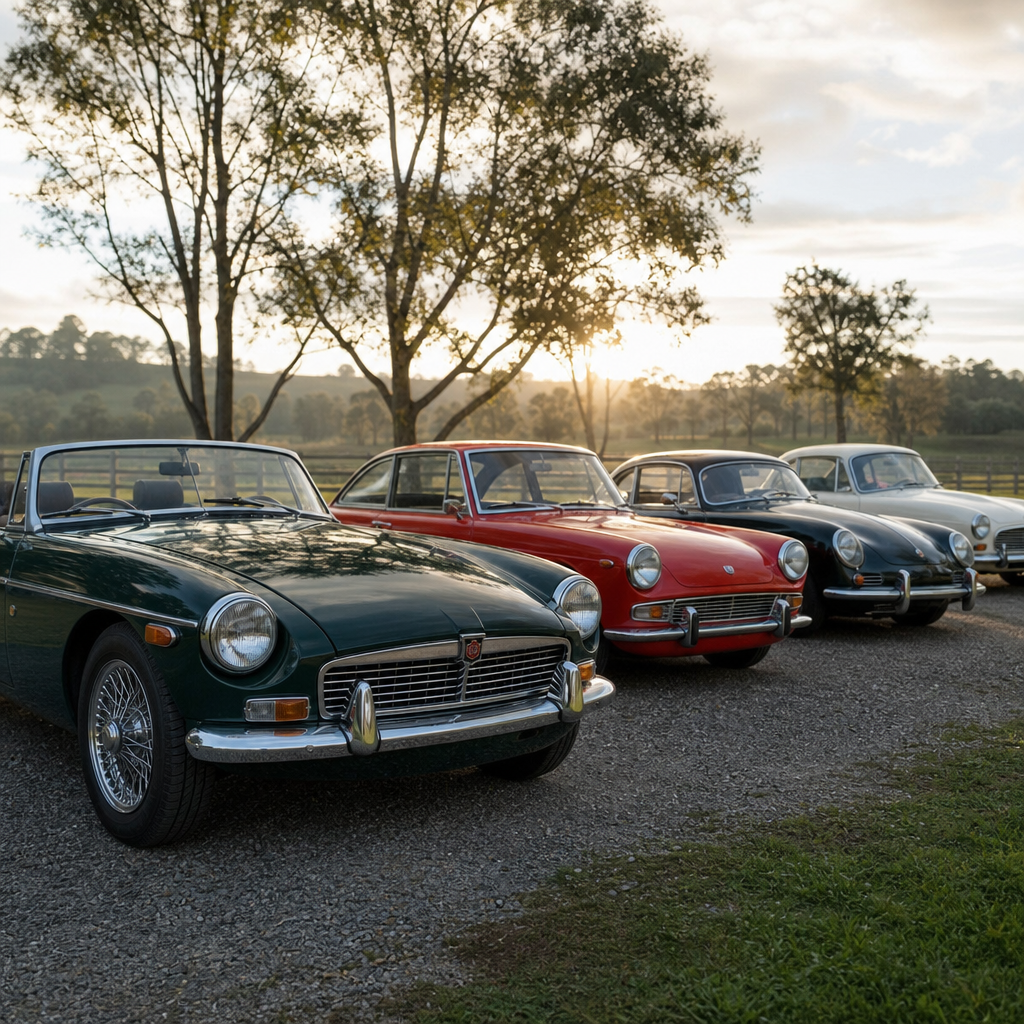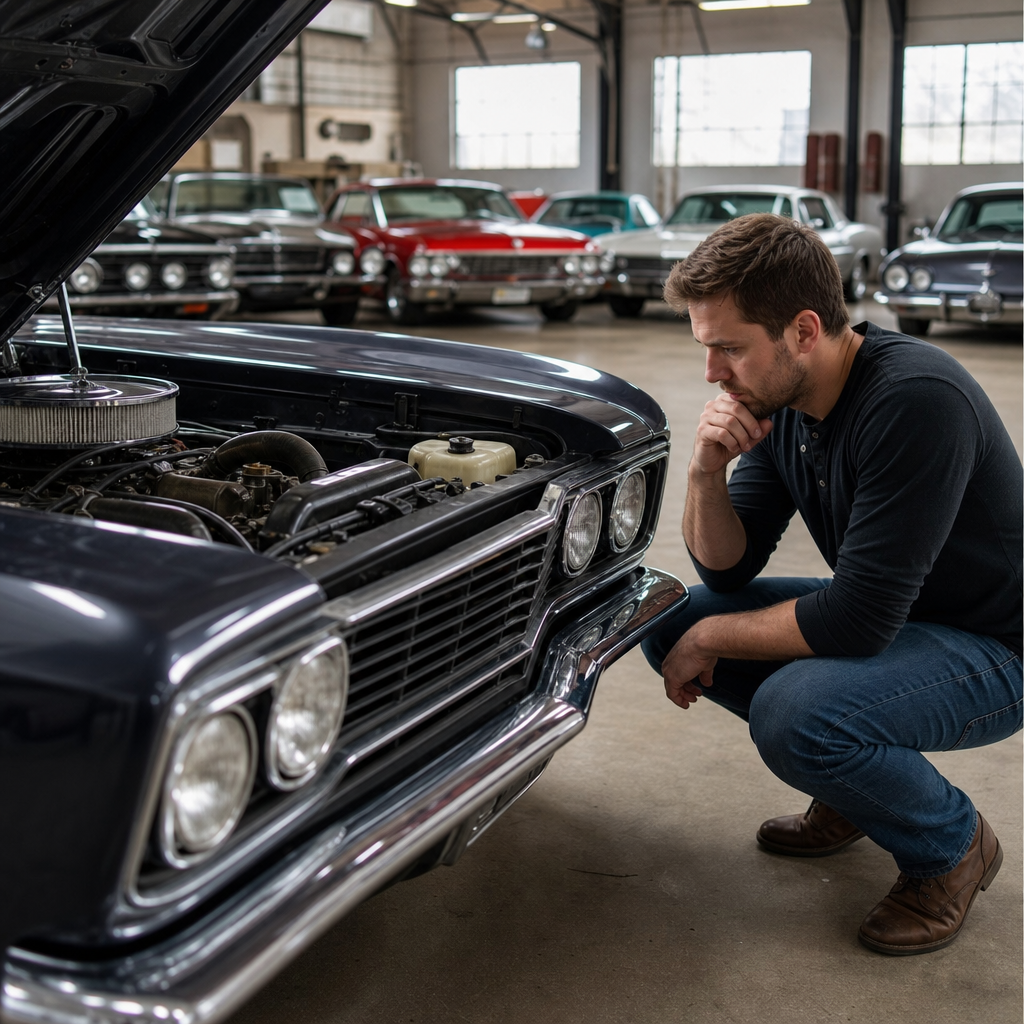
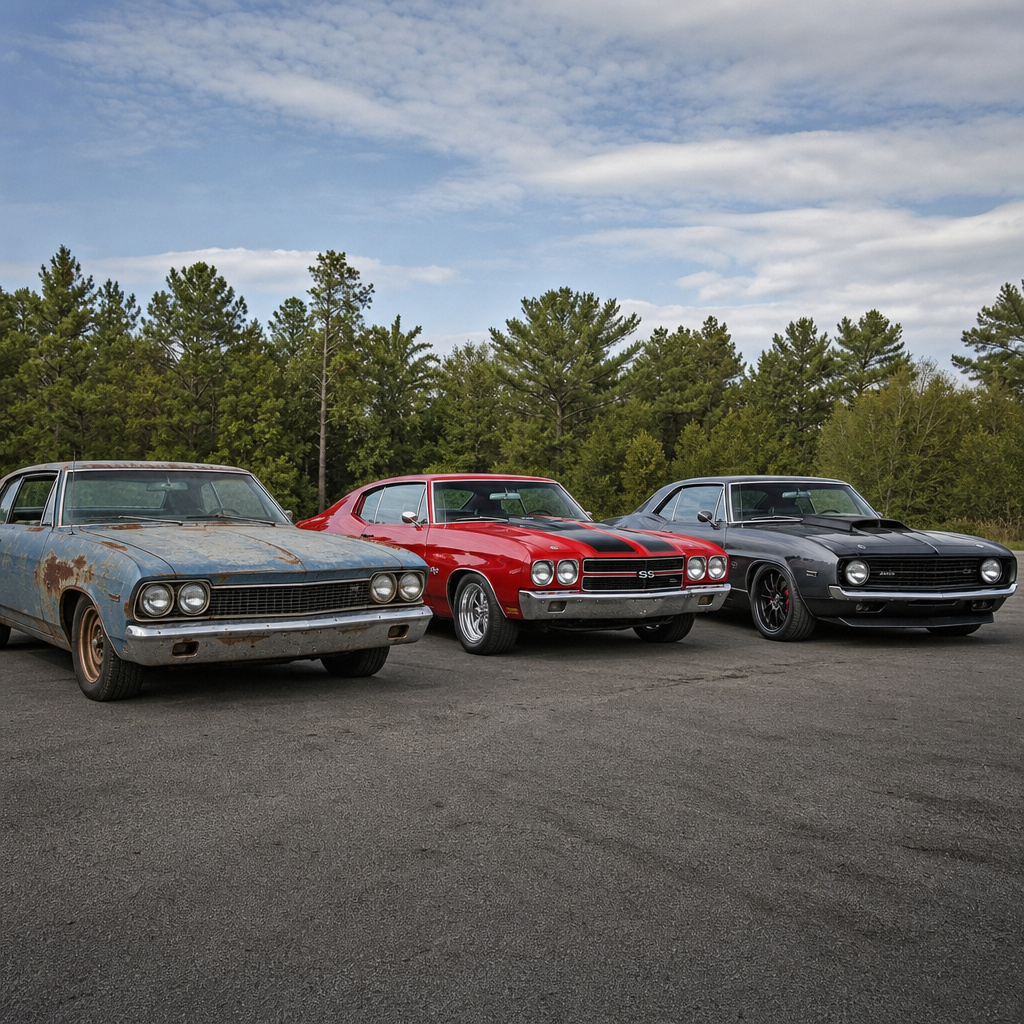
A classic car is more than an old vehicle; it is a machine whose age, historical relevance, design character, and collector interest give it lasting cultural and market value. In practical terms, enthusiasts, insurers, auction houses, and state agencies often use different thresholds, which is why the question “what is a classic car?” never has a single universal answer. I have worked with owners registering weekend drivers, evaluating auction listings, and documenting unrestored originals, and the same lesson always comes up first: classification matters because it affects insurance, valuation, restoration choices, and even whether a car should be driven, preserved, or modified.
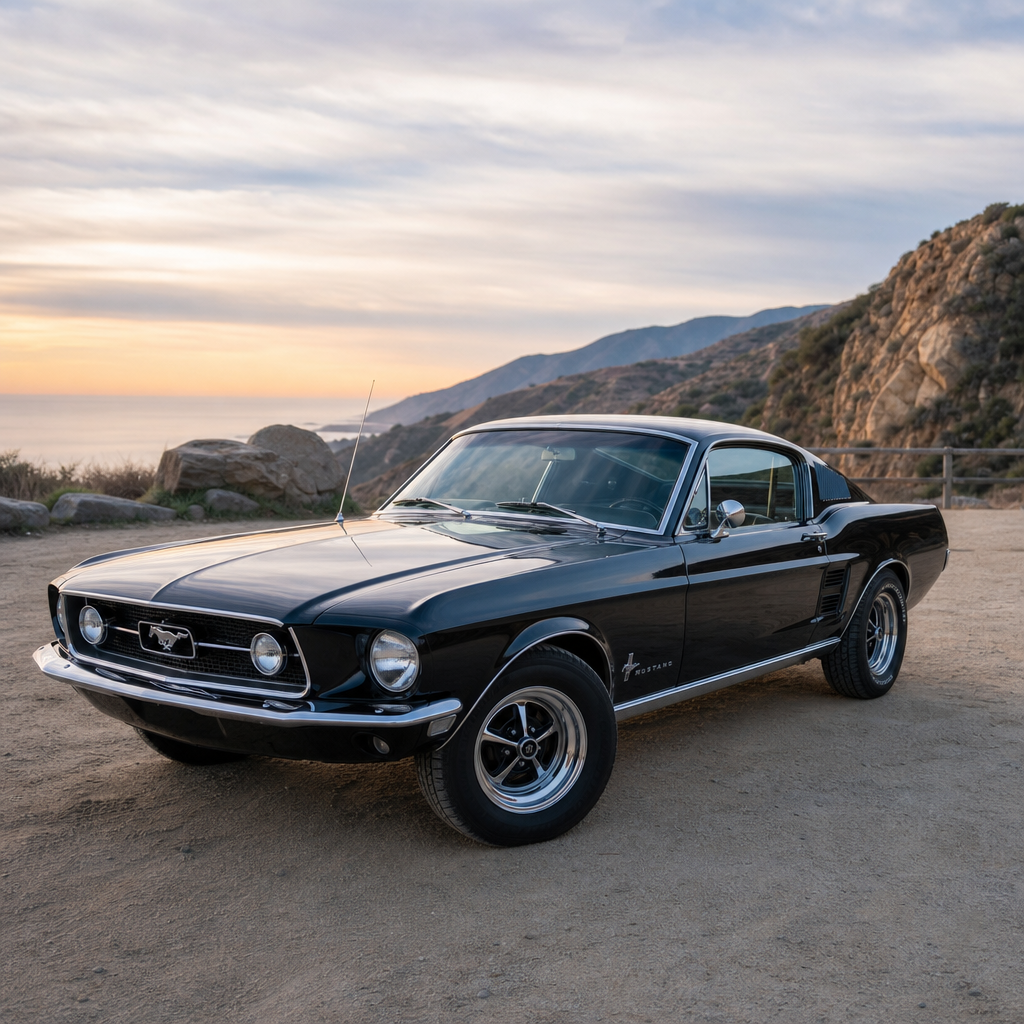
The title categories most people encounter are survivor, restored, and modified. Those labels describe condition and originality, not just age. A 1967 Ford Mustang fastback can be a survivor if it still wears most of its factory finishes and components, restored if it has been returned to near-original condition, or modified if it has been upgraded with modern brakes, fuel injection, or suspension parts. Understanding these distinctions helps buyers compare cars fairly, sellers describe vehicles accurately, and new enthusiasts avoid paying restored-car money for a modified example with nonoriginal parts.
Age is still the starting point. Many clubs and insurers use 20 to 25 years as a baseline for “classic,” while “antique” often means 45 years or older and “historic” may depend on registration law. Yet age alone does not make a car collectible. Production significance, engineering innovation, rarity, motorsport pedigree, design influence, and enthusiast demand all shape whether a vehicle earns classic status. A 1997 Acura NSX, 1989 BMW M3, or 1994 Toyota Supra can be treated as classics in today’s market because they represent milestone vehicles with strong followings and well-documented importance.
This article serves as a hub for classic car basics by answering the core question comprehensively and then organizing the major categories you will see in the hobby. If you are buying your first classic, sorting a family estate, or deciding how to care for an inherited car, these definitions provide a practical framework. Once you can tell a survivor from a restoration and a respectful period-style modification from a heavily altered build, you can make better decisions about authenticity, maintenance, use, and value.
What Is a Classic Car? The Core Definition
A classic car is typically a vehicle old enough to have outlived normal depreciation and become valued for its historical, aesthetic, mechanical, or cultural significance. The Classic Car Club of America uses a narrower definition focused on “Full Classics” from specific eras and marques, while many insurers such as Hagerty apply broader market-based categories. State departments of motor vehicles may classify the same car differently for registration purposes. The important point is that “classic” is a contextual term, and the right definition depends on whether you are discussing law, insurance, judging, or the collector market.
In the collector market, a car becomes classic when buyers care about originality, provenance, and period-correct details. Provenance means documented ownership history, factory options, service records, restoration receipts, and matching-numbers confirmation where relevant. Matching numbers generally refers to the original engine, transmission, and major components corresponding to factory records. On a 1970 Chevrolet Chevelle SS 454, for example, those details can move the value substantially because they verify authenticity. On a driver-grade British roadster, historical completeness may matter less than condition and usability, but it still shapes how the car is categorized.
The phrase also covers different use cases. A 1965 Porsche 911 preserved in largely original paint belongs in a different conversation than a 1972 Chevrolet C10 restomod with an LS V8 and six-speed transmission. Both may be called classic cars because of age and market relevance, yet they appeal to different buyers and are judged by different standards. That is why category labels are essential. They tell you whether originality, craftsmanship, drivability, or historical preservation should be the main lens for evaluation.
Survivor Cars: Originality Preserved
A survivor car is an original vehicle that has avoided complete restoration and retains a substantial portion of its factory-installed or period-used materials. In judging language, survivor status usually depends on original paint, interior, drivetrain, trim, glass, finishes, and assembly details remaining intact to a significant degree. Organizations such as Bloomington Gold and the Survivor Car movement popularized the idea that untouched authenticity has its own value. In my experience, genuinely preserved cars teach more about manufacturing history than many restorations because they show how the factory actually built them.
Survivors are prized because they carry evidence. Factory overspray, inspection marks, chalk notations, seam sealer patterns, date-coded hoses, and age-consistent wear tell a story that replacement parts cannot. Consider an unrestored 1963 Corvette split-window coupe with original lacquer paint and factory-type interior wear. Even with chips, fading, and patina, it may command serious attention because it offers a reference point for restorers and judges. The same is true for low-mileage muscle cars, air-cooled Porsches, and preserved Mercedes-Benz sedans with complete documentation.
That does not mean every old, dusty car is a survivor. The vehicle must be largely authentic and not simply neglected. Repainted body panels, replacement upholstery, engine swaps, and modern audio systems can move a car out of survivor territory. Sensible maintenance is acceptable. Hoses, tires, brake components, batteries, and fluids are consumables, and safety-related replacement does not destroy authenticity when documented honestly. Buyers should ask what is original, what has been serviced, and what evidence supports those claims.
Restored Cars: Returned to Original Specification
A restored car has been repaired, refinished, rebuilt, or reassembled to return it as closely as possible to its factory-delivered configuration. Restoration ranges from sympathetic refurbishment to concours-level, nut-and-bolt work. High-end restorations usually involve paint stripped to bare metal, drivetrain rebuilding, replating hardware, interior retrimming with correct grain materials, and sourcing date-correct components. The benchmark is not simply shiny paint; it is fidelity to original specification, including finishes, fasteners, decals, and equipment.
Quality matters enormously. A correct restoration on a 1957 Chevrolet Bel Air uses proper trim, colors, upholstery patterns, and engine bay details, while a cosmetic restoration may only look good from ten feet away. I have seen cars with excellent panel gaps and poor underbody correctness, and others with immaculate drivetrains but incorrect interior fabrics that immediately reduce judging credibility. Reputable restorers document the process with photographs, receipts, casting numbers, and reference materials such as factory assembly manuals, build sheets, and marque expert guidance.
Restoration also introduces tradeoffs. A freshly restored car may present better than a survivor, but it no longer preserves every original manufacturing clue. Over-restoration is common, especially when underbodies are made glossier than factory production ever allowed. That can win casual admiration while losing points with serious judges. Buyers should determine whether they want a show car, a reliable driver, or a historically accurate example. Those goals are related, but they are not identical, and the cost differences are significant.
Modified Cars: Updated Beyond Factory Form
A modified classic is a vehicle altered from original factory specification for performance, comfort, safety, style, or personal expression. Modifications can be mild, reversible, and period-correct, or extensive and transformative. Examples include disc brake conversions, aftermarket wheels, electronic ignition, upgraded cooling systems, custom paint, engine swaps, modern air conditioning, and fully redesigned suspension geometry. The broad category includes hot rods, pro-touring builds, customs, restomods, and race-inspired street cars.
Modification is not automatically negative. Many owners improve drivability because they actually use their cars. A 1966 Mustang with front disc brakes, a dual-circuit master cylinder, and modern radial tires is often safer and easier to enjoy in modern traffic. A fuel-injected restomod Camaro may start instantly, run cooler, and cruise comfortably on the highway. Those changes can make a classic more accessible to newcomers who want the style of a vintage car without all the compromises of original drum brakes, carburetor tuning, and vague steering.
The tradeoff is originality. Once a car loses its factory drivetrain, stock interior, or original body configuration, it appeals to a different segment of the market. Some modified cars sell for more than restored originals because the build quality is exceptional, but that premium depends on execution, brand reputation, and buyer taste. A professionally engineered Singer-style 911 reimagining is not judged like a stock long-hood Porsche. Before modifying a car, owners should consider rarity, reversibility, and whether they are improving a common example or permanently altering a historically important one.
How the Categories Compare in the Real World
The easiest way to distinguish survivor, restored, and modified cars is to compare originality, work performed, and buyer expectations. The table below summarizes the practical differences enthusiasts use when evaluating a vehicle.
| Category | Originality Level | Typical Features | Main Buyer Priority |
|---|---|---|---|
| Survivor | High | Original paint, interior, drivetrain details, documented age-consistent wear | Authenticity and preservation |
| Restored | Medium to high | Rebuilt systems, refinished surfaces, factory-correct parts and finishes | Correctness and presentation |
| Modified | Low to variable | Upgraded brakes, suspension, engine, electronics, styling changes | Performance, comfort, individuality |
These categories can overlap at the edges. A survivor may have light sympathetic repairs. A restored car may include discreet upgrades like an electronic voltage regulator hidden in an original-looking housing. A modified car may still retain a matching-numbers block and stock bodywork. That is why transparent descriptions matter. The best listings state exactly what has been preserved, rebuilt, replaced, or changed, rather than relying on vague phrases such as “all original” or “better than new.”
Factors That Determine Whether a Car Is Truly Classic
Beyond category, several factors determine whether a vehicle is widely recognized as a classic. Age is one, but desirability depends on significance and support. Engineering firsts matter: the Citroën DS for hydropneumatic suspension, the Jaguar E-Type for design and performance, the Mazda MX-5 Miata for reviving the affordable roadster formula. Rarity matters too, but rarity alone is not enough. A forgotten economy car built in low numbers does not automatically attract collectors if parts support, cultural memory, and enthusiast demand are weak.
Condition, documentation, and parts availability also shape status in practical terms. Insurance companies offering agreed-value policies want photos, storage information, mileage expectations, and proof that the vehicle is not a daily commuter. Auction houses highlight ownership history, restoration quality, factory options, and originality because those details affect confidence. Clubs and forums are equally important. A car with strong enthusiast support, available reproduction parts, and active technical communities is easier to own and preserve, which helps sustain its place in the classic market.
Market behavior confirms the point. Air-cooled Porsche 911s, first-generation Broncos, and analog BMW M cars have become modern classics not simply because they are old, but because they represent distinctive eras of engineering and continue to attract informed buyers. Meanwhile, some once-common sedans are only now receiving attention as survivors because clean, unmodified examples have disappeared. Scarcity often emerges through attrition, and that is one reason today’s ordinary cars can become tomorrow’s classics.
How to Identify a Car Correctly Before You Buy or Restore
Correct identification starts with documentation and a physical inspection. Check the VIN, body tags, engine stampings, transmission codes, axle tags, and build sheets if available. Verify production year, factory trim level, drivetrain, and original color combination. For American muscle cars, marque-specific registries and decoding guides are essential because clones and tribute builds are common. On European cars, service booklets, Kardex or certificate records, and chassis databases can help establish authenticity. Without this groundwork, it is easy to misclassify a car and overpay.
Then inspect the car with the category in mind. For a survivor, look for consistent aging, original spot welds, factory glass etching, date-coded components, and unrestored finishes. For a restored car, inspect workmanship: panel alignment, paint depth, underbody consistency, wiring quality, hardware correctness, and evidence of rust repair. For a modified car, evaluate engineering rather than just parts cost. A well-designed brake upgrade with proportioning considered is better than random bolt-ons. Receipts, photographs, compression numbers, and independent inspections by marque specialists are worth the money.
If you are unsure what category a car fits, ask a simple question: what is this car trying to be? A preserved reference piece, an accurate factory-style restoration, or a personalized driver? The answer should align with the evidence on the vehicle. When description and evidence conflict, trust the evidence. That approach protects buyers, guides restoration planning, and keeps expectations realistic.
Why These Definitions Matter for Ownership, Value, and Enjoyment
Classic car categories shape every major ownership decision. Insurance coverage depends on declared use and agreed value. Registration may depend on age and local historic-vehicle rules. Maintenance strategy changes by category too. A survivor may need conservation-minded cleaning and minimal intervention, while a restored car may justify exacting cosmetic upkeep and climate-controlled storage. A modified car may require custom tuning, aftermarket supplier support, and different resale marketing. Calling all old cars “classic” misses the practical reality that these vehicles are owned, insured, repaired, and valued in very different ways.
They also influence enjoyment. Some owners want the tactile honesty of an original car, flaws included. Others want a factory-correct showpiece. Many simply want vintage looks with modern reliability. None of those goals is wrong, but each points to a different category. Knowing the difference helps you buy the right car the first time, preserve significant examples responsibly, and explain a vehicle accurately when selling it. If you are building your knowledge in classic car basics, start by classifying every car you study as survivor, restored, or modified, then follow that framework into valuation, registration, maintenance, and buying guides across this topic hub.
Frequently Asked Questions
What is the difference between a survivor, a restored classic car, and a modified classic car?
A survivor is a classic car that still retains most of the materials, finishes, and components it left the factory with, including paint, interior, trim, driveline, and even small details such as hardware, badging, and glass. The defining idea is originality, not perfection. A true survivor may show age, wear, patina, and minor repairs accumulated over decades, but it has avoided a full cosmetic or mechanical reworking that would erase its historical authenticity. Collectors value survivors because they provide a direct reference point for how a particular model actually looked and felt when new.
A restored classic car has been returned, to one degree or another, to an earlier condition through repair, refurbishment, or complete rebuilding. That can range from a careful driver-quality restoration to a frame-off restoration where the car is disassembled and refinished in great detail. Restored cars typically appeal to buyers who want a cleaner, more polished presentation and improved reliability. However, not all restorations are equal. The quality of workmanship, correctness of parts, and faithfulness to factory specifications all play major roles in determining value and credibility.
A modified classic car has been intentionally changed from factory specification. Those changes may be subtle, such as upgraded brakes, electronic ignition, and modern radial tires, or extensive, such as engine swaps, custom suspension, altered interiors, body kits, or pro-touring conversions. Modified cars can be excellent drivers and often reflect the owner’s taste or performance goals, but they generally move away from strict originality. Whether that increases or decreases value depends on the model, the quality of the work, and the preferences of the market segment considering the car.
How can you tell if a classic car is truly a survivor and not just an older car that has been partially redone?
Identifying a true survivor requires looking past surface appearance and studying consistency across the entire vehicle. Original paint usually shows age in a natural, uneven way, with authentic thinness at edges, minor checking, small chips, and weathering that corresponds with the car’s use and storage history. Factory interiors often reveal wear patterns on seat bolsters, steering wheels, pedals, and carpets that make sense for the stated mileage and age. Engine bays on survivor cars rarely look over-detailed; instead, they tend to show honest aging, factory finishes, original clamps, decals, and production markings that restorations often miss or replace.
Documentation matters as much as physical evidence. Service records, original sales paperwork, registrations, old photographs, and long-term ownership history can support survivor claims. It also helps to compare the car against factory literature, marque guides, and known original examples. On many classics, experts look for model-specific indicators such as assembly stamps, date-coded components, original upholstery patterns, factory seam sealer, and production-correct fasteners. If large areas have been repainted, interiors replaced, or major systems upgraded, the car may still be a very authentic and desirable original-type car, but it may no longer fit the stricter definition of a survivor.
In practice, survivor status is often a matter of degree. Some organizations and judging bodies allow careful maintenance repairs, replacement of consumables, and limited preservation work without disqualifying a car from survivor-oriented classes. The key is whether the car still communicates its original factory-built character more than the hand of a later restorer. That distinction is why an experienced inspection is so important before marketing a vehicle as a survivor in an auction listing or private sale.
Is a restored classic car always worth more than a survivor or modified example?
No. Value in the classic car world depends on rarity, provenance, demand, authenticity, workmanship, and intended use, not simply on whether a car has been restored. In some segments of the market, especially for historically important or hard-to-find models, highly original survivor cars can bring a premium because they are increasingly scarce and serve as benchmark examples. Buyers and judges often appreciate original finishes, factory materials, and untouched details that cannot be fully recreated once a car has been restored.
Restored cars can be worth more when the restoration is high quality, properly documented, and faithful to the car’s original configuration. A freshly restored vehicle often attracts buyers who want strong presentation, show potential, and a car they can use with fewer immediate cosmetic or mechanical concerns. But restoration costs do not automatically translate into market value. It is common for owners to spend more on restoration than the car can realistically sell for, especially with less rare models or when work quality is inconsistent.
Modified cars vary even more in value. Some modifications broaden appeal by improving safety, drivability, and reliability without permanently changing the car’s core identity. Others narrow the pool of buyers because the build reflects one owner’s very specific preferences. A professionally engineered restomod based on a desirable platform can command strong money, while a heavily altered car with poor documentation or questionable workmanship may sell for less than a well-kept original. The best way to estimate value is to compare similar examples in recent sales rather than assume one category is automatically superior.
Which category is best for driving, showing, insuring, or investing in a classic car?
The best category depends on what you want from ownership. If your priority is historical authenticity and preserving a tangible piece of automotive history, a survivor is often the most rewarding choice. Survivor cars tend to be especially appealing for preservation classes, educational display, and buyers who value originality over perfection. That said, some owners are hesitant to drive highly original cars extensively because replacing worn but original materials can reduce the very quality that makes the car special.
For a balance of presentation and usability, a restored car is often the most practical option. A properly restored classic can be shown at local or national events, driven on weekends, and maintained more comfortably than a fragile unrestored original. Insurance companies also tend to respond well when the car’s condition, appraised value, and restoration records are clearly documented. From an ownership standpoint, restored cars are often easier to enjoy regularly because many age-related issues have already been addressed.
If driving enjoyment is the top goal, modified cars can be excellent choices. Sensible upgrades such as improved cooling, better brakes, overdrive transmissions, and modern suspension tuning can make an older car safer and more comfortable in modern traffic. For investors, however, the answer is less straightforward. Originality often supports long-term desirability, but market trends shift by category and generation. The strongest strategy is to buy the best example for your purpose, verify its documentation, and focus on condition, quality, and honesty of representation rather than chasing a label alone.
Do these categories affect registration, insurance, auctions, and collector interest?
Yes, and often in meaningful ways. Registration rules vary by state or country, and some agencies classify older vehicles by age, usage limits, or historical status rather than by whether the car is a survivor, restored, or modified. Even so, modifications can affect emissions compliance, safety inspection requirements, or eligibility for antique and historic plates in some jurisdictions. Owners should always confirm how local regulations apply before purchasing a heavily altered classic or changing an original car.
Insurance is another area where category matters. Agreed-value policies rely on accurate descriptions of condition, originality, and market standing. A survivor may need strong documentation to justify why worn but original finishes add value rather than reduce it. A restored car benefits from restoration receipts, photographs, and appraisals. A modified car often requires detailed disclosure of upgrades and build costs, since custom parts and labor can significantly influence replacement value. If a car is misrepresented to the insurer, problems can arise at claim time.
At auction and in private sales, these categories strongly influence buyer expectations. A survivor listing invites scrutiny of originality. A restored car is judged on craftsmanship and correctness. A modified car is evaluated on engineering, taste, drivability, and whether changes are reversible or permanent. Collector interest also follows these lines. Some buyers want untouched history, others want concours-level restoration, and many simply want a classic they can enjoy on the road with modernized performance. Clear categorization, backed by records and honest presentation, helps buyers understand what they are purchasing and helps sellers position the car accurately in the market.