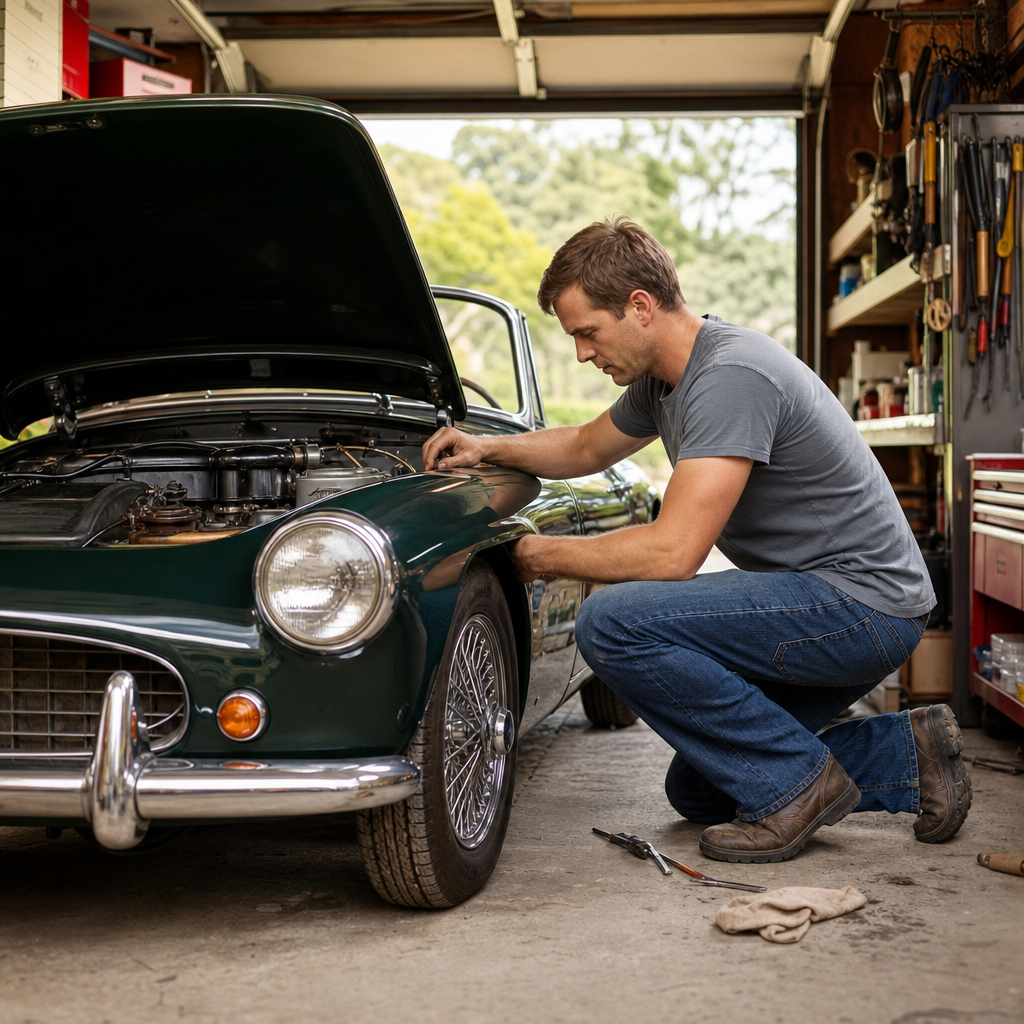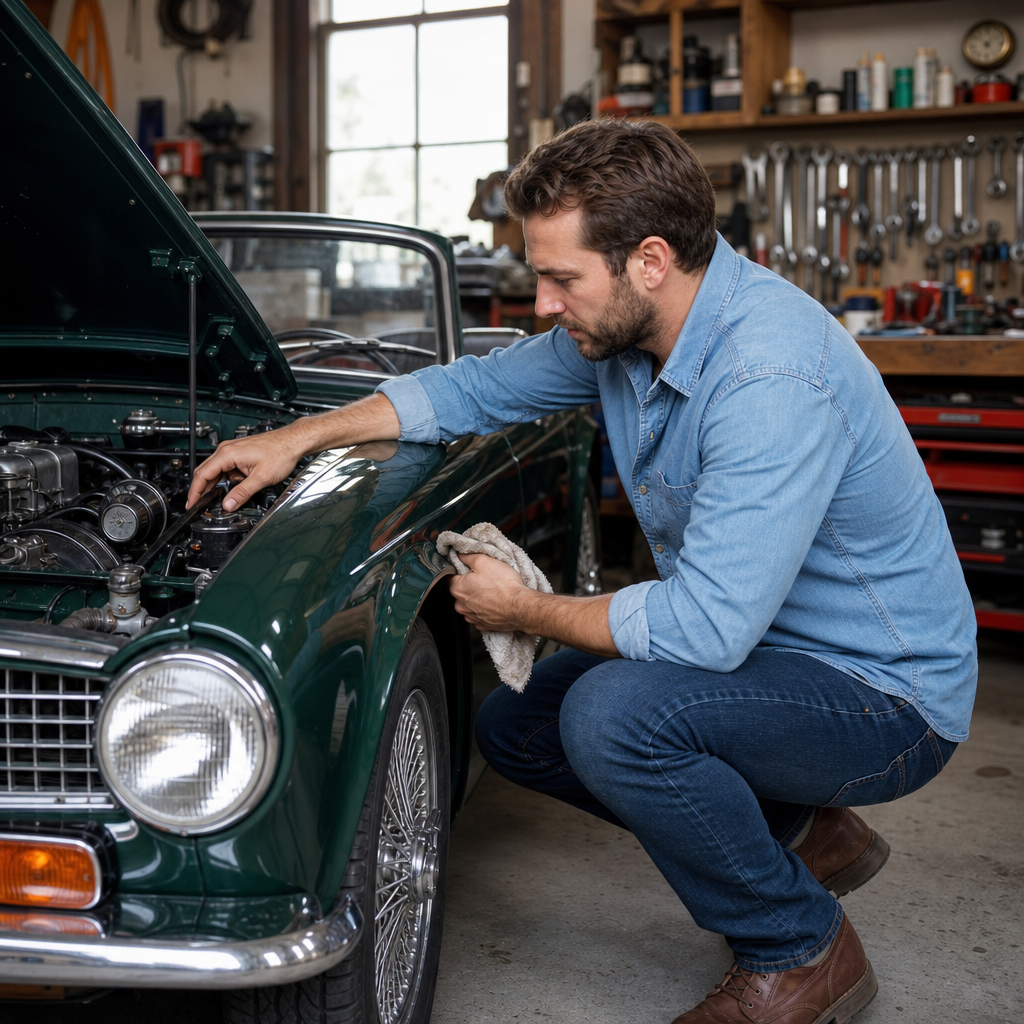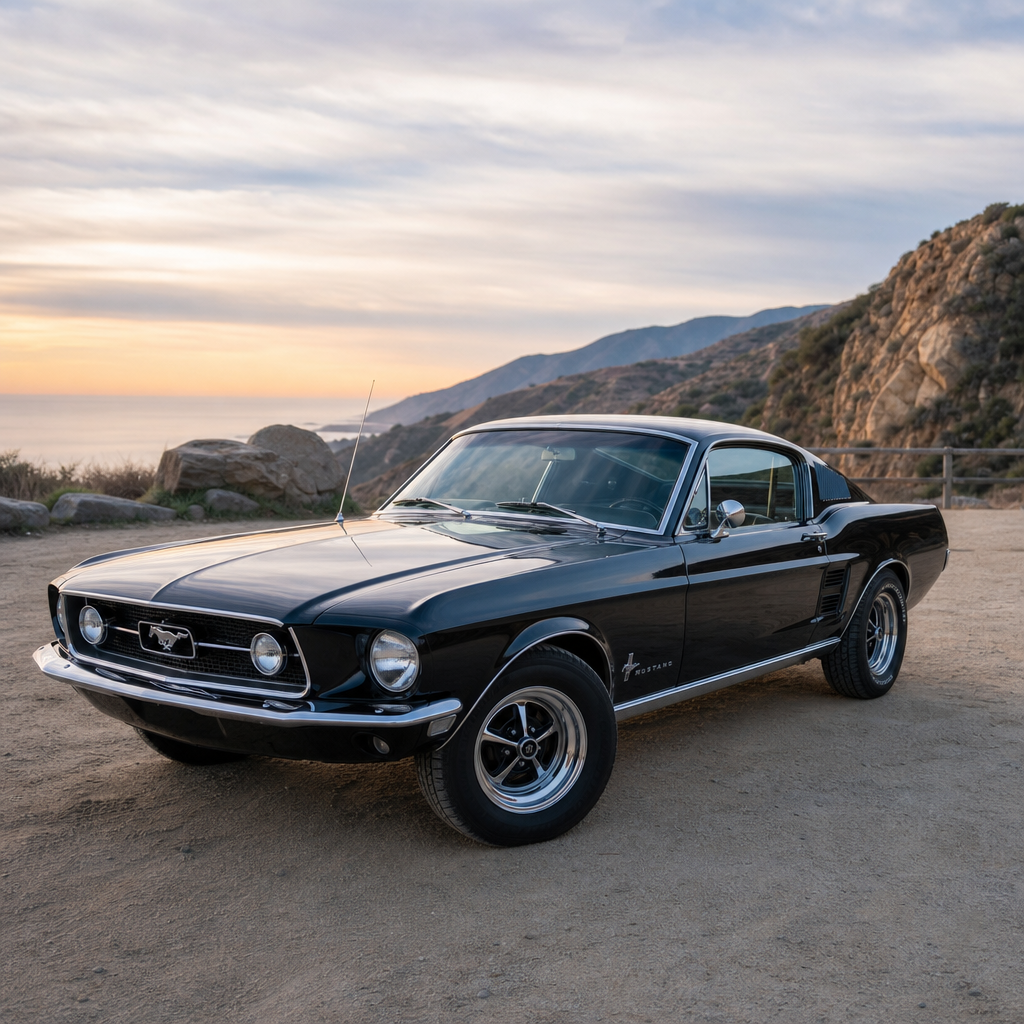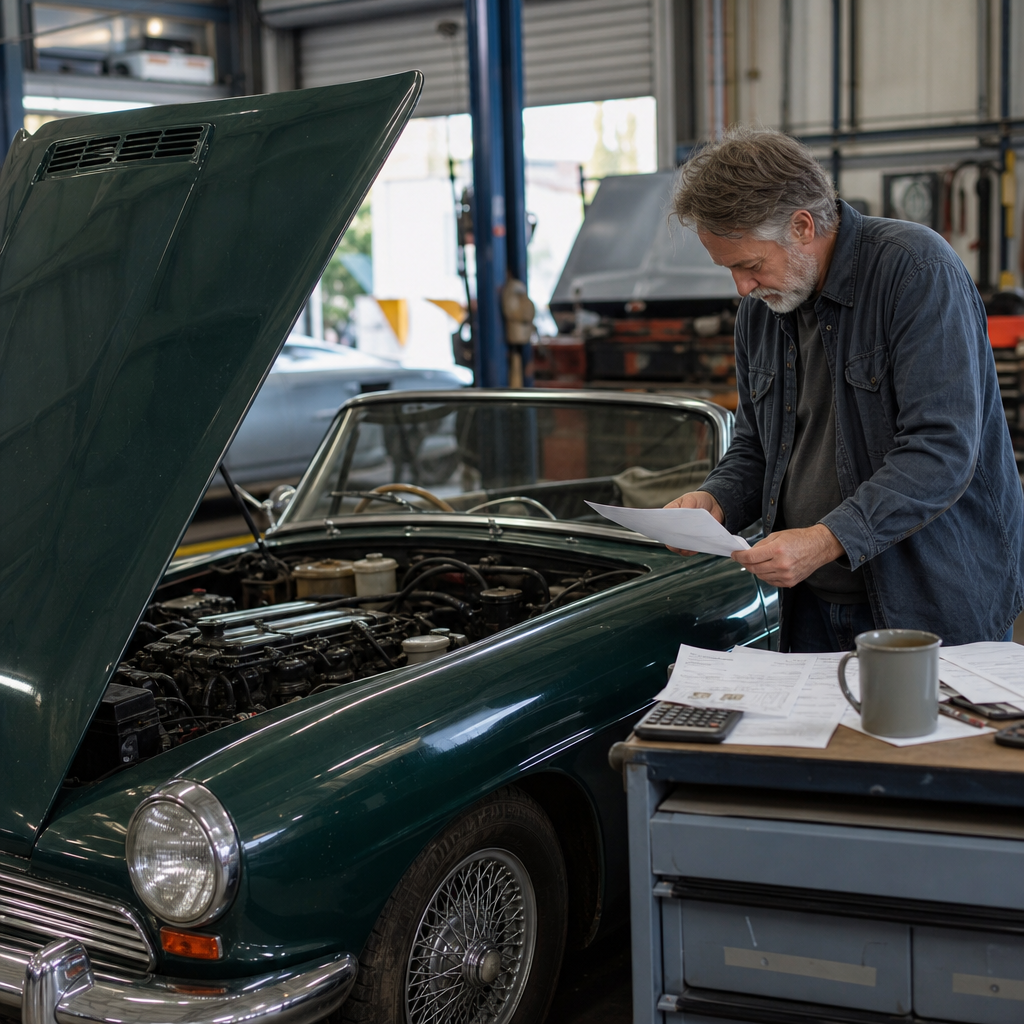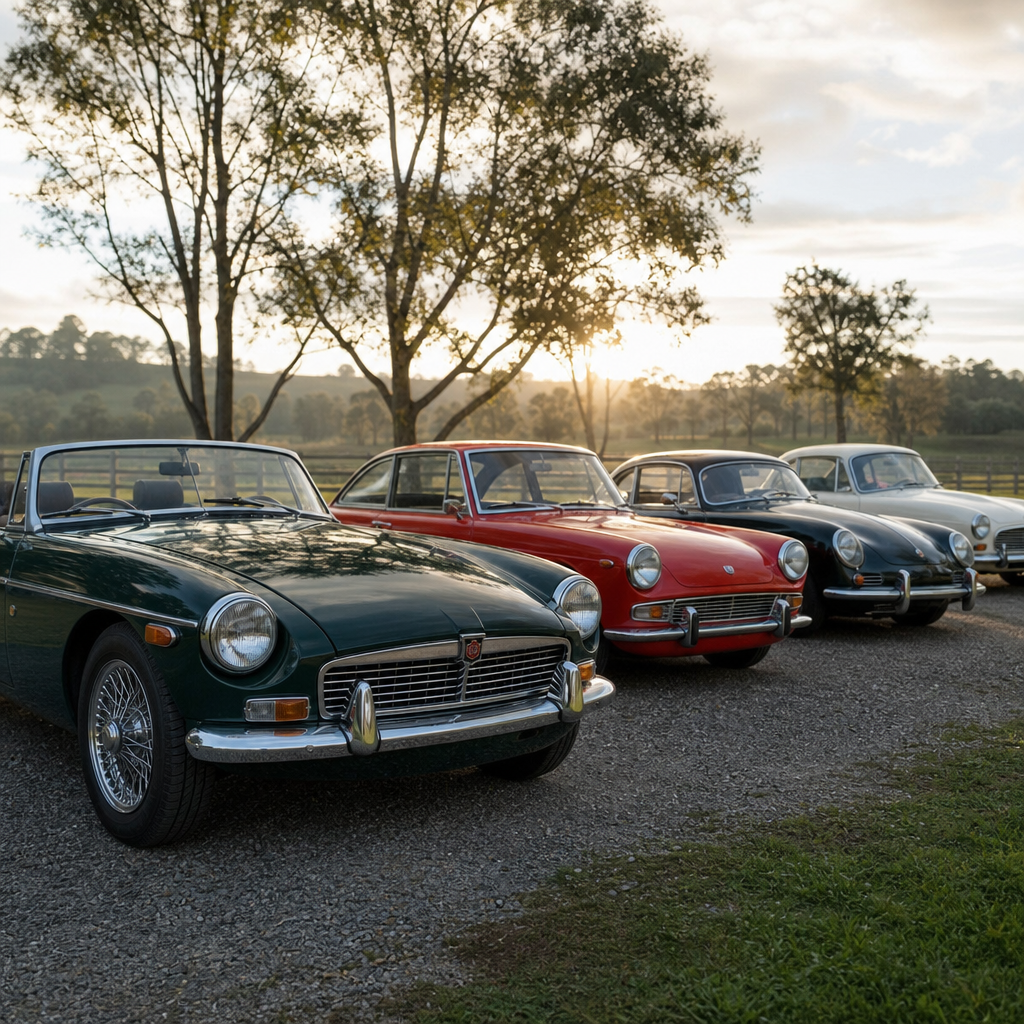
Buying your first classic car is exciting, but the smartest purchase starts long before you hand over money or arrange transport. A classic car is generally understood as an older vehicle valued for historical interest, design, rarity, or cultural significance rather than everyday utility alone. In practice, that can mean anything from a 1960s British roadster to a 1990s Japanese coupe, depending on local registration rules, insurance categories, and collector demand. For a beginner, the challenge is not simply finding a car you like. It is learning how to judge condition, originality, paperwork, parts support, and true ownership cost without getting distracted by shiny paint or a famous badge.
I have helped first-time buyers inspect cars at auctions, private garages, and estate sales, and the same pattern repeats: beginners focus on cosmetic appeal while experienced owners focus on structure, documentation, and supportability. That difference matters because classic cars are rarely cheap once restoration, transport, storage, and mechanical sorting are included. A seemingly affordable car can become a money pit if it has rust in structural areas, a mismatched title, or hard-to-source trim. By contrast, a more expensive but well-documented, mechanically sound example often costs less over the first three years of ownership.
This beginner guide is the hub for understanding what to look for when buying your first classic car. It covers the key questions every new buyer asks: Which car is right for my budget? How much originality matters? What signs reveal hidden rust or poor repairs? What paperwork should be present? How do you evaluate market value realistically? The goal is simple: help you buy a classic car you can enjoy, maintain, and eventually sell without regret. If you approach the process methodically, your first classic car can be a satisfying entry into the hobby rather than an expensive lesson.
Start With the Right Car for Your Budget, Skills, and Intended Use
The best first classic car is not necessarily your dream car. It is the model that fits your budget, your storage situation, your mechanical confidence, and the way you actually plan to use it. Before looking at listings, define your total budget, not just the purchase price. Include sales tax, registration, enclosed or open transport, insurance, an initial service, tires if aged out, brake work, fluids, battery, and a contingency fund. I usually tell first-time buyers to reserve at least 20 percent of the purchase budget for immediate post-purchase needs, because even good cars reveal deferred maintenance once driven regularly.
Intended use should guide model selection. If you want weekend drives and local shows, a simple carbureted coupe with strong parts support may be ideal. If you want highway touring, overdrive gearing, better cooling, and disc brakes matter more than concours originality. If you want to learn basic wrenching, choose a car with a large owner community and widely available service manuals. First classics often work best when they are mechanically straightforward and supported by clubs, forums, and reproduction suppliers. Cars such as the MGB, first-generation Ford Mustang, air-cooled Volkswagen Beetle, Mercedes-Benz W123, and 1968–1982 Chevrolet Corvette have broad knowledge bases and strong aftermarket support compared with more obscure marques.
Also think carefully about body style and trim level. Convertibles are appealing, but tops, seals, and body rigidity add complexity and cost. Rare high-performance variants command higher prices and often bring higher parts costs too. A standard coupe or sedan in excellent condition is usually a better first purchase than a rare halo model needing restoration. Beginners should prioritize condition and support over rarity. Rare parts can turn a manageable project into a stalled one, especially when trim, glass, or interior pieces are specific to one year or package.
Inspect the Body and Structure Before Anything Else
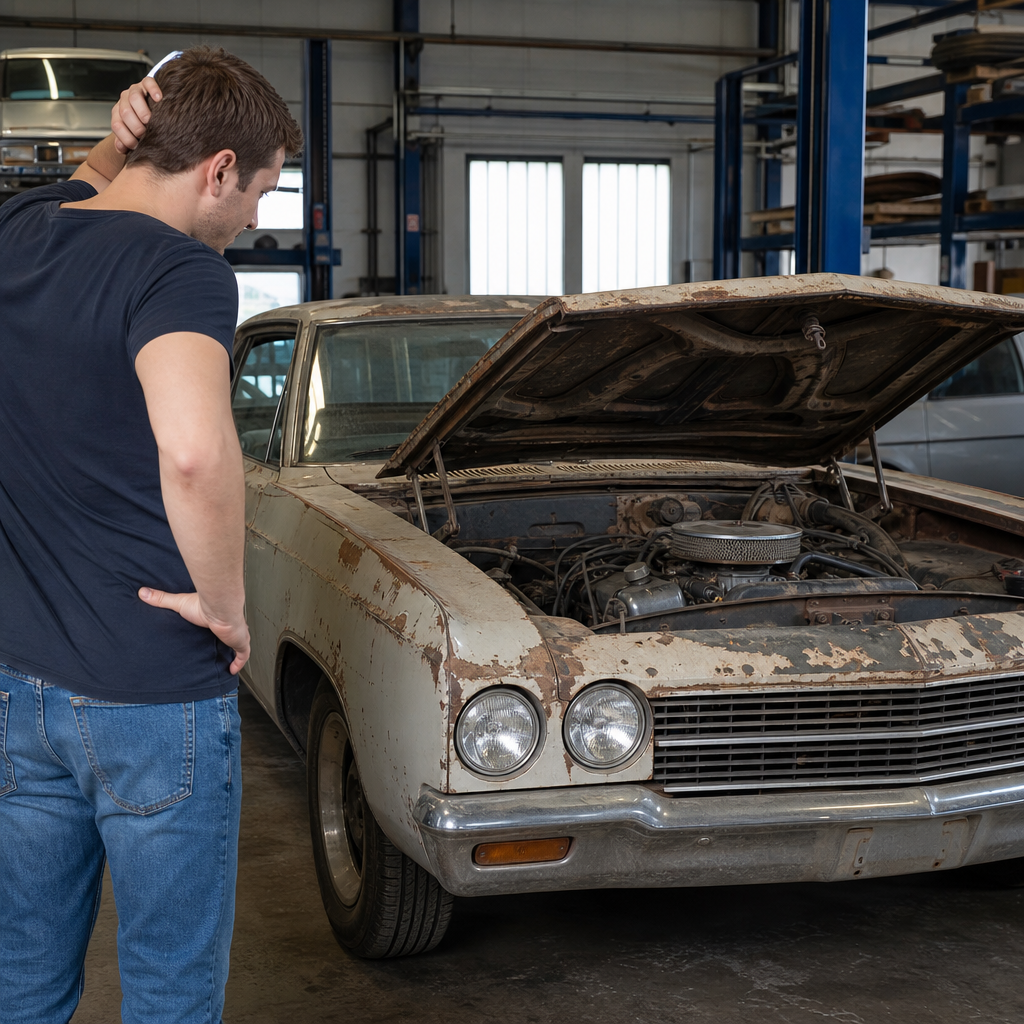
Rust is the number one issue to understand when buying a classic car, because structural corrosion is expensive to repair correctly and easy to hide temporarily. Paint can look presentable while floor pans, rocker panels, frame rails, suspension pickup points, and trunk seams are deteriorating underneath. Start by learning the known rust areas for your target model. British roadsters often rust in sills and floors. Unibody American cars can corrode around torque boxes, cowl panels, and rear rails. Older Mercedes models often bubble around jack points, wheel arches, and bulkhead areas. Model-specific buyers guides and club forums are invaluable here because each platform has predictable failure points.
During an inspection, bring a flashlight, a magnet wrapped in cloth, and if possible a paint depth gauge. Look for bubbling paint, overspray on weatherstripping, inconsistent panel gaps, fresh undercoating, and welds that do not match factory patterns. A cloth-covered magnet can help identify excessive filler in steel panels. A paint meter can reveal repaints and localized repairs, though aluminum and fiberglass bodies require different methods. On a lift, inspect the underside for patch panels, crushed jacking points, corrosion near spring mounts, and evidence of accident repair. Surface rust on suspension pieces is common and manageable. Perforation, scaling on structural members, and poorly executed weld repairs are much more serious.
Accident history deserves equal attention. Misaligned doors, uneven hood gaps, rippled inner fenders, and non-factory seam sealer often point to previous collision damage. On body-on-frame cars, inspect frame straightness and crossmember condition. On unibody cars, look closely at front aprons, radiator supports, rear valances, and trunk floors. A car with an older professional repair and thorough documentation can still be a good buy. A car with vague explanations, fresh paint, and inaccessible underside photos should trigger caution. Always remember a tired engine is usually easier to fix than a rotten shell.
Evaluate Mechanical Condition With a Cold Start and Road Test
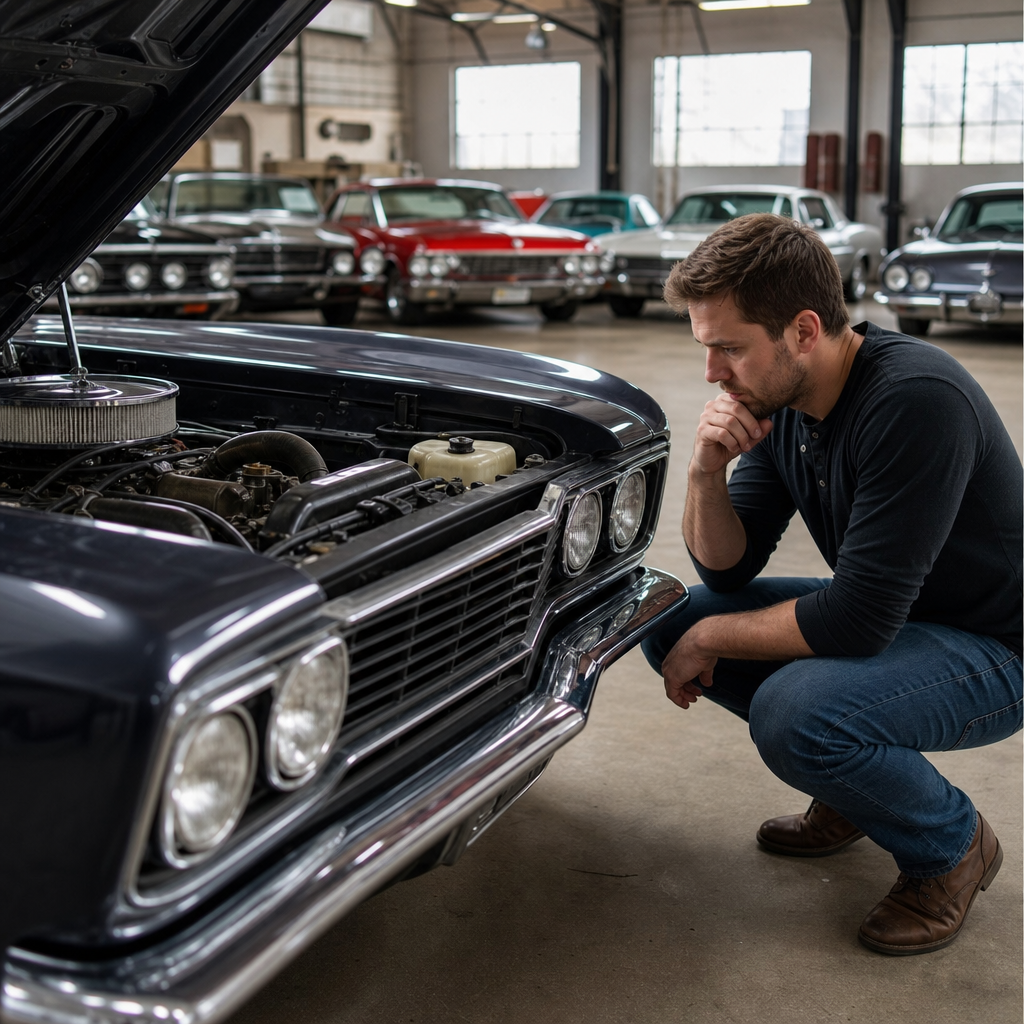
Mechanical condition determines whether you can enjoy the car immediately or spend months sorting it. Always inspect the car cold if possible. Sellers sometimes warm an engine before your arrival to mask hard starting, smoke, noisy lifters, or poor choke operation. A healthy classic should start without drama based on its design, settle into a stable idle, and show normal oil pressure and charging behavior. Listen for knocks, timing chain rattle, exhaust leaks, and valve train noise. Look for blue smoke from oil burning, white smoke from coolant intrusion, and black smoke indicating an overly rich mixture. On carbureted cars, a fuel smell may be normal at startup, but persistent flooding, stalling, or hesitation indicates tuning or wear issues.
The road test tells you far more than a static inspection. The engine should pull cleanly through the rev range, the transmission should engage smoothly, and the brakes should stop the car straight without pulling or excessive pedal travel. Steering play, driveline vibration, wheel bearing noise, differential whine, and overheating under load are all meaningful clues. Many classics have slower steering and softer brakes than modern cars, so judge them against period expectations, not current standards. Still, wandering at speed, severe brake fade, or repeated overheating are not quirks; they are faults.
Use a structured checklist during the test drive and inspection:
| Area | What to Check | Why It Matters |
|---|---|---|
| Engine | Cold start, oil pressure, smoke, leaks, idle quality, compression history | Rebuilds are costly; symptoms often reveal internal wear |
| Cooling | Temperature stability, radiator condition, fan operation, hose age | Overheating is common in classics and can damage engines quickly |
| Transmission | Shift quality, clutch take-up, slipping, synchro wear, fluid leaks | Gearbox and clutch work can be expensive and model-specific |
| Brakes | Pedal feel, pull, noises, hose condition, parking brake function | Safety and immediate drivability depend on brake health |
| Suspension | Bushings, shocks, sagging springs, steering play, tire wear patterns | Poor suspension masks the car’s true behavior and adds hidden cost |
| Electrical | Lights, gauges, charging system, starter speed, wiring quality | Electrical sorting can be tedious, especially after amateur modifications |
If the seller refuses a meaningful road test, refuses a pre-purchase inspection, or cannot explain obvious faults, walk away unless the price clearly reflects a project car. For higher-value purchases, pay for a specialist inspection. Compression and leak-down testing, borescope images, and lift photos often save buyers from expensive mistakes.
Check Originality, Modifications, and Parts Availability
Many beginners ask whether originality is always best. The real answer is that originality matters most when it affects value, authenticity, and ease of ownership. Matching-numbers examples, factory colors, correct trim, and original drivetrains usually bring stronger prices in established collector markets. However, sympathetic upgrades can make a first classic easier and safer to own. Electronic ignition, improved cooling fans, dual-circuit master cylinders, radial tires, and discreet alternator upgrades are common improvements that do not necessarily hurt value on driver-grade cars. What matters is quality, reversibility, and honest disclosure.
Be cautious with heavily modified cars unless you understand exactly how the work was done. Engine swaps, custom wiring, lowered suspension, aftermarket fuel systems, and nonstandard brake conversions can create troubleshooting headaches if installed poorly. I have seen buyers inherit unfinished projects with no wiring diagrams, mixed hardware, and fabricated mounts that made routine service difficult. A stock or lightly upgraded car with known components is usually the safer first purchase than a radical build assembled by multiple owners over many years.
Parts availability should be researched before you commit. Mechanical parts for popular classics are often easier to source than cosmetic items. For example, you may be able to buy a full brake kit for a common American pony car overnight, while locating one correct grille emblem or seat trim panel can take months. Ask suppliers about sheet metal, glass, weatherstripping, interior kits, and electrical components. Check whether major vendors such as Moss Motors, JDMSupply-style specialists, Mercedes Classic Center, SNG Barratt, or model-specific reproductions exist for your target car. A beautiful car with poor trim support may become frustrating when small pieces fail or go missing.
Verify Paperwork, Provenance, and Market Value Before You Buy
Documentation protects you twice: at purchase and at resale. At a minimum, verify that the vehicle identification number matches the title, chassis stampings, and any factory plates appropriate to the model. Understand where those numbers should be located because classic cars vary widely. Inconsistent fonts, disturbed rivets, or plates that do not align with known factory practice deserve scrutiny. If the car is imported, confirm customs paperwork, registration eligibility, and emissions or safety exemptions in your state or country. Titling issues can be far harder to solve than mechanical ones.
Service records, restoration photos, ownership history, original manuals, build sheets, and heritage certificates all add confidence. They help prove mileage claims, document engine rebuilds, and explain deviations from factory specification. Auction descriptions are not enough. Ask for invoices showing who performed major work, when it was done, and which parts were used. A ten-year-old restoration may still be excellent, but only if stored and maintained correctly afterward. Provenance also matters differently depending on the car. Celebrity ownership may add interest but not necessarily reliability. Long-term enthusiast ownership with organized records is often more valuable to a first-time buyer.
Finally, establish fair market value using multiple sources. Compare private sales, dealer listings, auction results, and price guides from Hagerty or similar market trackers. Adjust for condition honestly. A #2 condition car with strong documentation is not priced like a tired driver needing paint and interior work. Beware of sellers anchoring value to exceptional auction results for rare, concours-level examples. Condition, originality, color, transmission choice, and documentation all move the number. If you treat valuation as evidence-based rather than emotional, you will negotiate more effectively and avoid overpaying for a car that needs immediate work.
Your first classic car should reward you with enjoyment, education, and confidence, not overwhelm you with avoidable surprises. The smartest beginners start with a realistic budget, choose a model with strong parts and community support, and inspect structure before cosmetics. They road test carefully, verify paperwork, and judge originality in the context of intended use. Most important, they understand that a well-bought driver is usually better than a cheap project or a shiny car hiding rust, accident damage, or poor repairs. That mindset alone eliminates many of the most common buying mistakes.
As the hub for beginner guides within classic car basics and education, this page gives you the framework for every next step: researching specific models, creating an inspection checklist, comparing ownership costs, understanding insurance, and planning maintenance. Use it as your starting point whenever a listing catches your eye. If you slow down, ask better questions, and insist on evidence, you will buy a classic car with a much higher chance of becoming part of your life instead of becoming a burden in your garage.
Make your shortlist, study the common rust and mechanical issues for each model, and book a specialist pre-purchase inspection before committing. That single disciplined process is the best investment a first-time classic car buyer can make.
Frequently Asked Questions
What should I check first when buying my first classic car?
The first thing to check is whether the car matches your intended use, budget, and skill level. Many first-time buyers focus on styling, rarity, or nostalgia, but the smarter starting point is condition, documentation, and ownership costs. Begin by confirming the car’s identity through the VIN or chassis number, engine number where relevant, title status, and registration paperwork. Make sure those details match the seller’s description and any historical records. After that, inspect the car’s structural condition carefully, because rust, poor repairs, and accident damage are often far more expensive to fix than mechanical issues. Floors, sills, frame rails, suspension mounting points, trunk floors, wheel arches, and lower body panels deserve close attention. Cosmetic flaws can be misleading, so a shiny paint job should never be taken as proof of a healthy car.
You should also evaluate how complete and original the vehicle is, especially if originality affects value in that model. Missing trim, incorrect interior parts, non-original wheels, and altered wiring may seem minor at first, but sourcing proper replacements can be expensive and time-consuming. Listen to how the engine starts, idles, and responds under load if a test drive is possible. Check for smoke, leaks, overheating, poor braking, vague steering, and gearbox issues. Finally, review service records, restoration invoices, and ownership history. A well-documented, honest car with a few manageable flaws is usually a much better first purchase than a cheaper example with hidden corrosion, missing paperwork, and uncertain mechanical history.
Is it better to buy a restored classic car or a project car as a beginner?
For most beginners, a solid, running, well-sorted classic car is the better choice than a project. Project cars often appear affordable at the point of purchase, but they can quickly become far more expensive than buying a finished or partially restored example. The reason is simple: restoration work almost always costs more, takes longer, and reveals more hidden problems than expected. Rust repair, paintwork, interior retrimming, engine rebuilding, and parts sourcing can each become major expenses on their own. If you are new to classic ownership, you may not yet have the specialist contacts, workshop space, tools, or model-specific knowledge needed to manage that process efficiently.
A restored car is not automatically the safest option, however. You still need to verify the quality of the work. Some restorations are cosmetic only, with fresh paint covering filler, corrosion, or poor panel alignment. Ask for photographs of the work in progress, invoices from reputable specialists, and details about what was actually rebuilt or replaced. A lightly restored or well-maintained original car is often ideal for a first-time buyer because it allows you to enjoy driving and learning the car without immediately taking on a major rebuild. In general, unless you specifically want a long-term hobby project and understand the financial commitment involved, buying the best-condition example you can reasonably afford is the most reliable strategy.
How important are service history, documentation, and originality?
They are extremely important, both for protecting your purchase and for understanding the car’s true value. Documentation helps confirm that the car is what the seller says it is and can reveal how it has been maintained over time. At minimum, you want to see ownership records, registration documents, title information, chassis or VIN verification, and any available maintenance or restoration receipts. A thick history file is often a very good sign, because it shows long-term care and gives insight into recurring issues, previous repairs, mileage claims, and specialist work. It can also make future resale much easier, since the next buyer will want the same confidence you do.
Originality matters differently depending on the make, model, and buyer priorities. Some classic cars are valued highly for factory-correct paint colors, matching-numbers drivetrains, correct carburetors, trim pieces, and period interior materials. Others are commonly modified and can still be desirable if the upgrades improve usability, reliability, or safety. The key is to know which category your target car falls into. If a model is prized by collectors for authenticity, non-original parts and undocumented modifications may reduce value significantly. If it is more of an enthusiast driver’s car, tasteful upgrades such as electronic ignition, improved cooling, or disc brake conversions may be acceptable or even beneficial. The important thing is transparency. Honest documentation and a clear understanding of what is original, restored, rebuilt, or modified will help you buy with confidence.
What hidden costs should first-time classic car buyers expect?
The purchase price is only the beginning. First-time buyers should budget for insurance, transport, registration, taxes, storage, maintenance, and immediate catch-up repairs. Even a classic car that seems ready to drive often needs baseline servicing after purchase, including fluid changes, belts, hoses, filters, ignition components, brake inspection, tires, and battery replacement. Tires are a particularly common hidden cost because older classics may wear tires that look acceptable but are unsafe due to age. Fuel system cleaning, suspension bushings, wheel bearings, cooling system repairs, and electrical troubleshooting are also common expenses, especially on cars that have sat unused for long periods.
You should also consider the cost and availability of parts. Some classics have excellent aftermarket and club support, while others require rare, expensive, or used components sourced internationally. Labor rates for marque specialists can be substantial, and not every general repair shop is comfortable working on carbureted engines, drum brakes, older electrics, or obscure imported models. Storage matters too. A dry, secure garage can preserve the car and reduce deterioration, while poor storage can accelerate rust and interior damage. Finally, if you are buying from another region or country, factor in inspection fees, shipping, customs charges where applicable, and local compliance requirements. A realistic ownership budget should include a contingency fund, because classic cars nearly always have surprises.
Should I get a pre-purchase inspection before buying a classic car?
Yes, absolutely. A pre-purchase inspection is one of the smartest investments a first-time buyer can make. Ideally, it should be carried out by a mechanic or specialist who knows that specific make or model, not just older cars in general. Classic vehicles have predictable weak points, and a marque expert can spot signs of rust repair, non-original components, poor restoration work, engine issues, transmission wear, and incorrect assembly that a generalist may miss. The inspection should cover structure, bodywork, paint consistency, mechanical systems, brakes, steering, suspension, tires, electrical functions, and signs of fluid leaks or overheating. If the car is represented as rare, numbers-matching, or recently restored, the inspection should also verify those claims as far as possible.
A proper inspection gives you three advantages. First, it helps you avoid a bad purchase by revealing expensive hidden problems before money changes hands. Second, it provides leverage in negotiation if the car is fundamentally sound but needs work. Third, it helps set realistic expectations about immediate and future costs. If an in-person inspection is difficult because the car is far away, arrange for a reputable local specialist or inspection service and ask for detailed photos, compression readings if appropriate, and a road test report. While no inspection can eliminate every risk, skipping one on a classic car is rarely worth it. The fee for expert advice is usually small compared with the cost of correcting a poor buying decision.