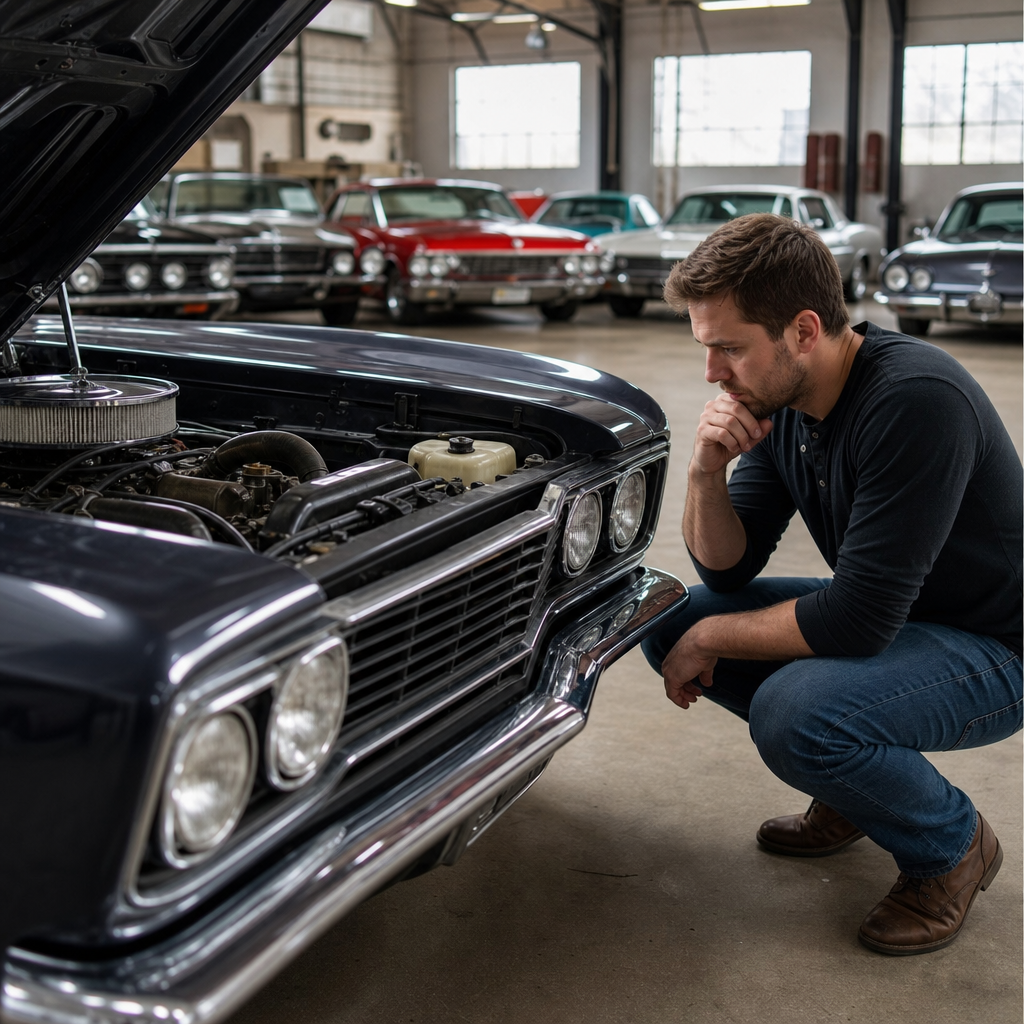
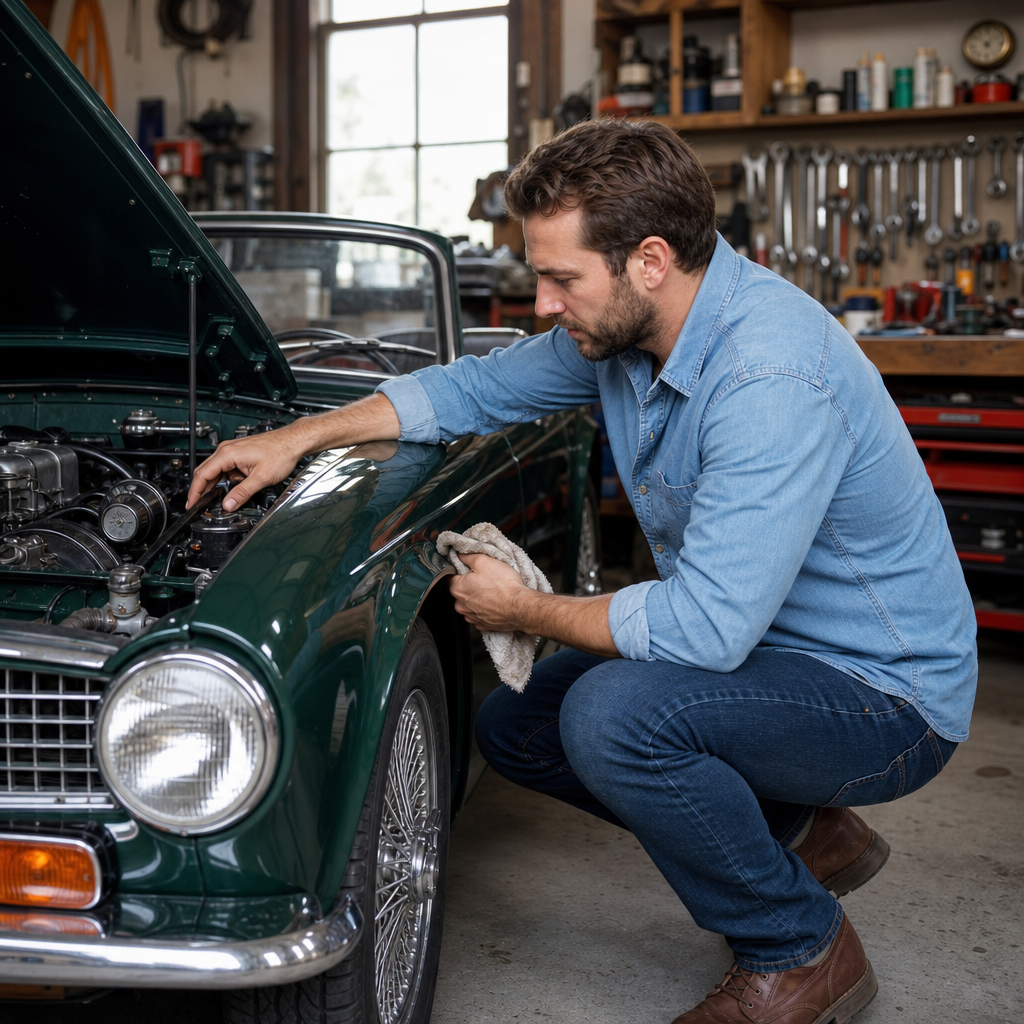
Getting started with classic cars is easier when you treat the hobby as a step-by-step learning process instead of an impulse purchase. In practical terms, a classic car is usually an older vehicle valued for design, engineering, rarity, cultural importance, or driving character rather than modern convenience alone. Definitions vary by insurer, state motor vehicle agency, and auction house: some use 20 years, some 25, and many collectors reserve the term for vehicles from specific eras such as prewar, postwar, muscle car, malaise era, or analog sports car periods. For beginners, the exact cutoff matters less than understanding ownership realities: parts availability, maintenance needs, documentation quality, and storage requirements determine whether the experience is rewarding or frustrating.
This topic matters because the entry barrier looks lower than it really is. I have seen first-time buyers spend their full budget on the car itself, then get blindsided by transport, registration, tires, brake hydraulics, fuel system cleaning, and insurance restrictions. A $12,000 coupe can quickly become a $17,000 commitment if it has been sitting. The good news is that classic car ownership does not require expert mechanical skills or six-figure money. It does require planning, disciplined inspection, and a willingness to buy the best-supported car you can afford.
As a hub for beginner guides, this article explains how to choose a starting point, set a realistic budget, research models, inspect a car, understand paperwork, plan storage, and build confidence after purchase. It also answers the questions new enthusiasts ask most: What classic car should I buy first? How much maintenance is normal? Should I restore or preserve? Where do I find reliable information? If you follow the sequence below, you will avoid the mistakes that trap most new owners and start with a car you can enjoy instead of one that consumes your time and money.
Define Your Goal Before You Shop
The first step in getting started with classic cars is deciding what you want the car to do. That sounds obvious, but it is the foundation of every good buying decision. A weekend cruiser, local show car, back-road driver, family project, and investment-minded purchase are different use cases. If you want a reliable car for frequent Sunday drives, prioritize mechanical simplicity, parts support, and strong owner-club knowledge. If you care most about concours originality, the standards tighten: correct finishes, date-coded parts, and documented provenance start to matter much more.
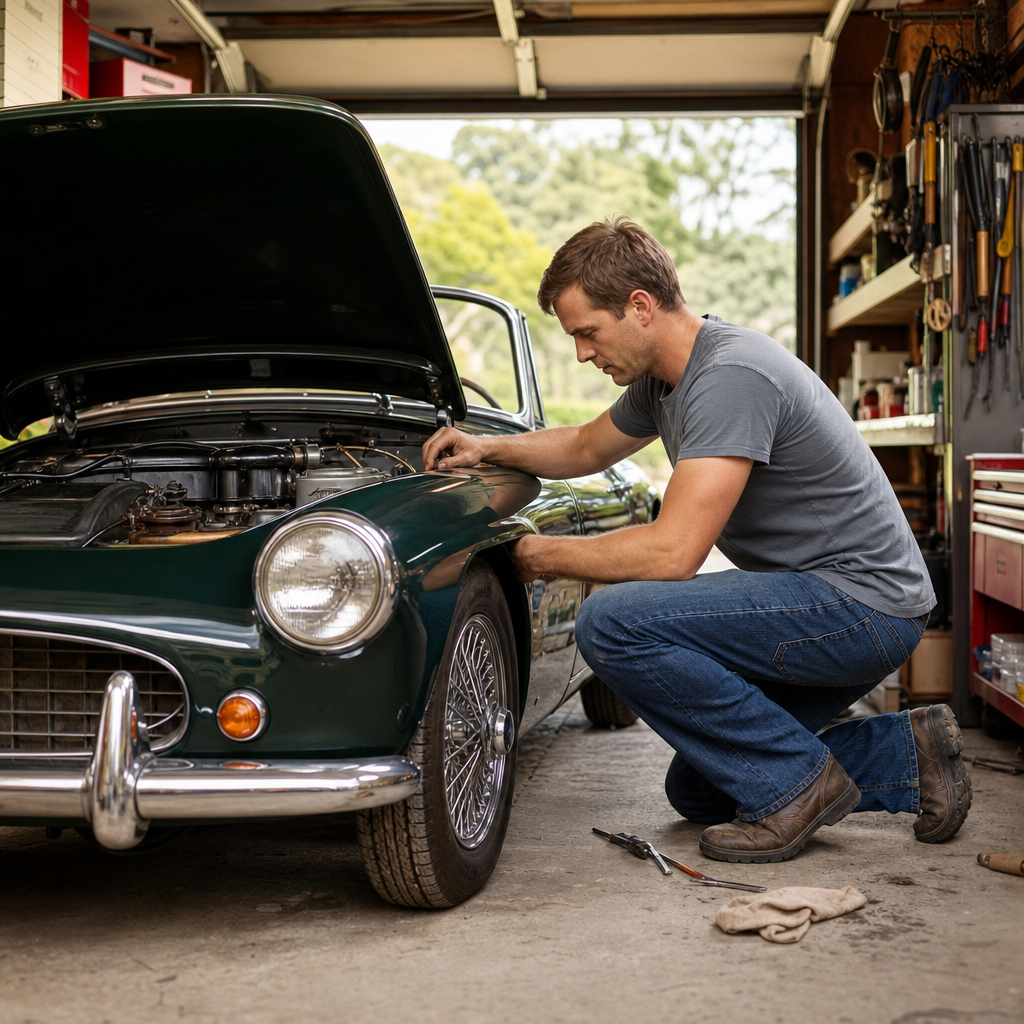
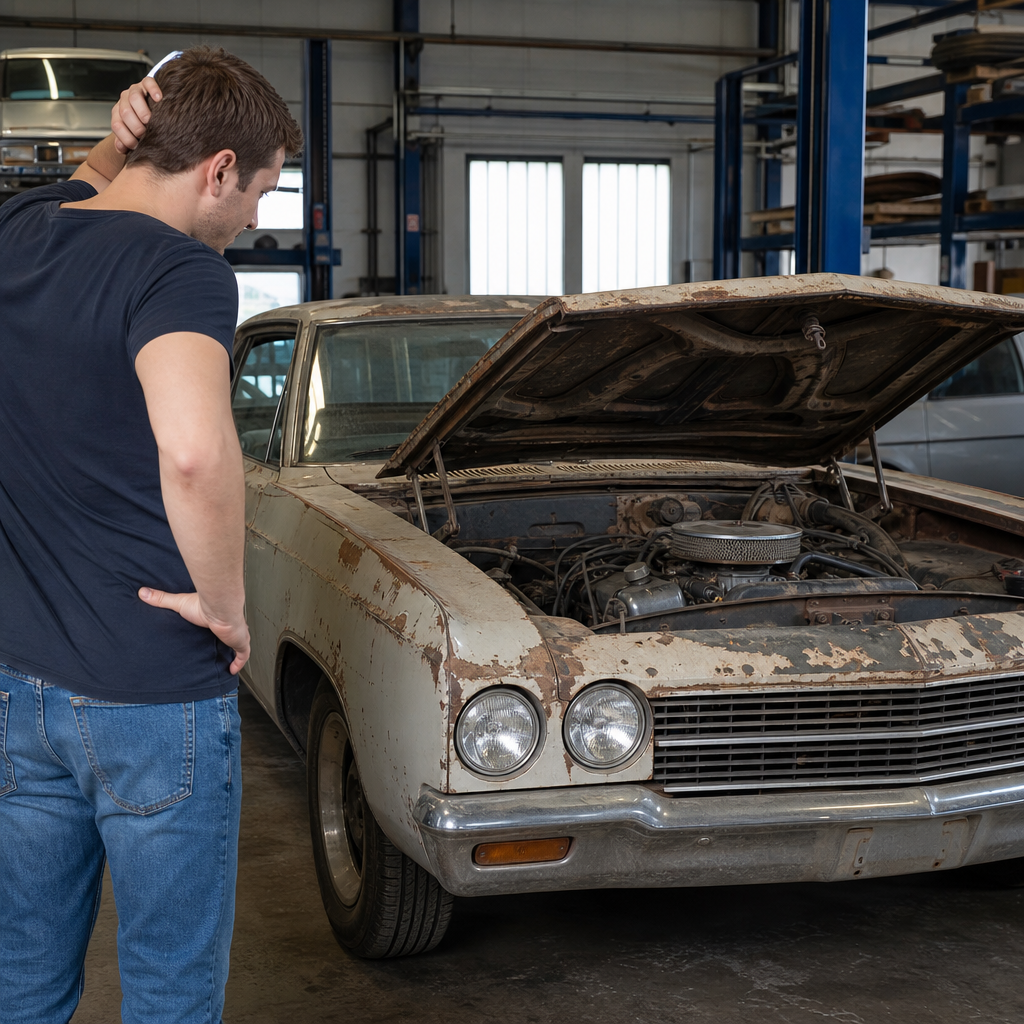
Beginners usually do best with a “driver-quality” car. That means a vehicle with presentable paint, complete trim, safe brakes and tires, and a mechanically sorted engine, transmission, and cooling system, even if it has cosmetic flaws. In my experience, a scruffy but healthy driver teaches more and costs less than a half-disassembled restoration project. A rough project can be appealing because the purchase price looks low, but bodywork, trim restoration, and missing parts routinely exceed the value of the finished car. Start with a car you can use right away. Seat time builds judgment faster than garage dreaming.
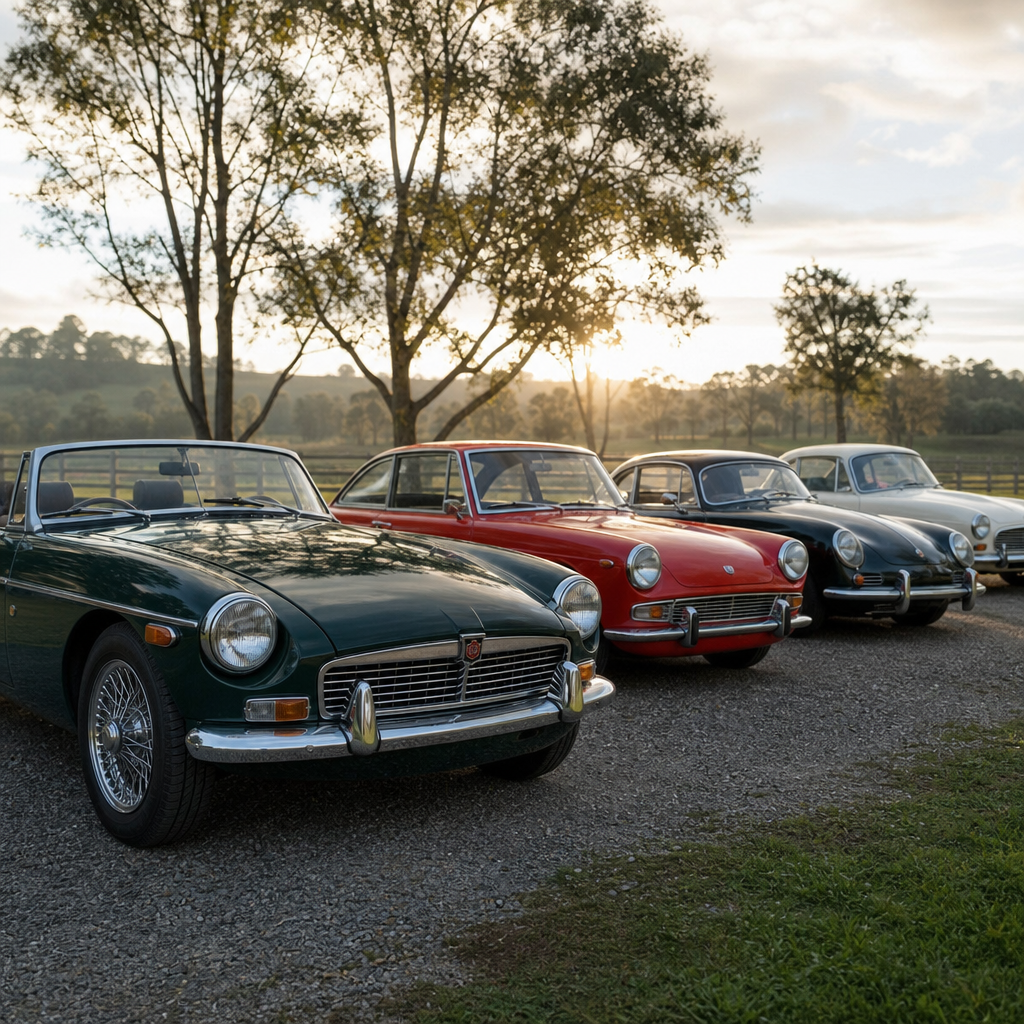
Your goal also affects body style and era. A 1960s full-size sedan offers space and simpler engineering, but it needs more storage room and often more fuel. A 1970s or 1980s coupe may be easier to park and can offer better parts interchange. British roadsters deliver charm and an active club scene, but some require patience with electrical systems. Air-cooled German cars, American muscle, Japanese classics, and vintage trucks each have different ownership patterns. Write down your intended use, preferred years, passenger needs, garage dimensions, and comfort with hands-on maintenance before you read a single listing.
Build a Budget That Includes Ownership, Not Just Purchase Price
A realistic classic car budget has at least five parts: purchase price, immediate repairs, transportation, registration and insurance, and annual maintenance. Many first-time buyers only focus on the asking price. That is how cheap cars become expensive lessons. I advise setting aside 15 to 30 percent of the purchase budget for immediate needs unless the car has recent, documented service from a specialist. Common first-month expenses include battery replacement, fluid changes, belts, hoses, ignition tune-up parts, wheel cylinder or caliper service, fuel lines, and tires older than six years.
Storage is another overlooked cost. Indoor storage protects paint, weather seals, chrome, upholstery, and wiring from moisture damage and ultraviolet exposure. If you do not have a garage, priced monthly storage may change which car makes sense. Fuel grade matters too. Some high-compression engines need premium fuel; some older valve seats benefit from careful use patterns, though many engines tolerate modern fuels well once tuned correctly. Add a basic toolkit, trickle charger, fire extinguisher, service manual, and roadside assistance plan. These are not accessories. They are part of responsible ownership.
Insurance can be cheaper than many beginners expect, but only if the vehicle qualifies for collector coverage. Companies such as Hagerty, Grundy, and American Collectors often require secure storage, limited mileage, and another daily-use vehicle. In exchange, agreed value coverage is often better suited to classic cars than standard actual cash value policies. Agreed value means you and the insurer set the insured amount in advance, which reduces disputes if the car is totaled. Read usage restrictions carefully. If you plan frequent commuting, a standard policy may be necessary, and that changes the economics.
Choose Beginner-Friendly Models with Strong Support
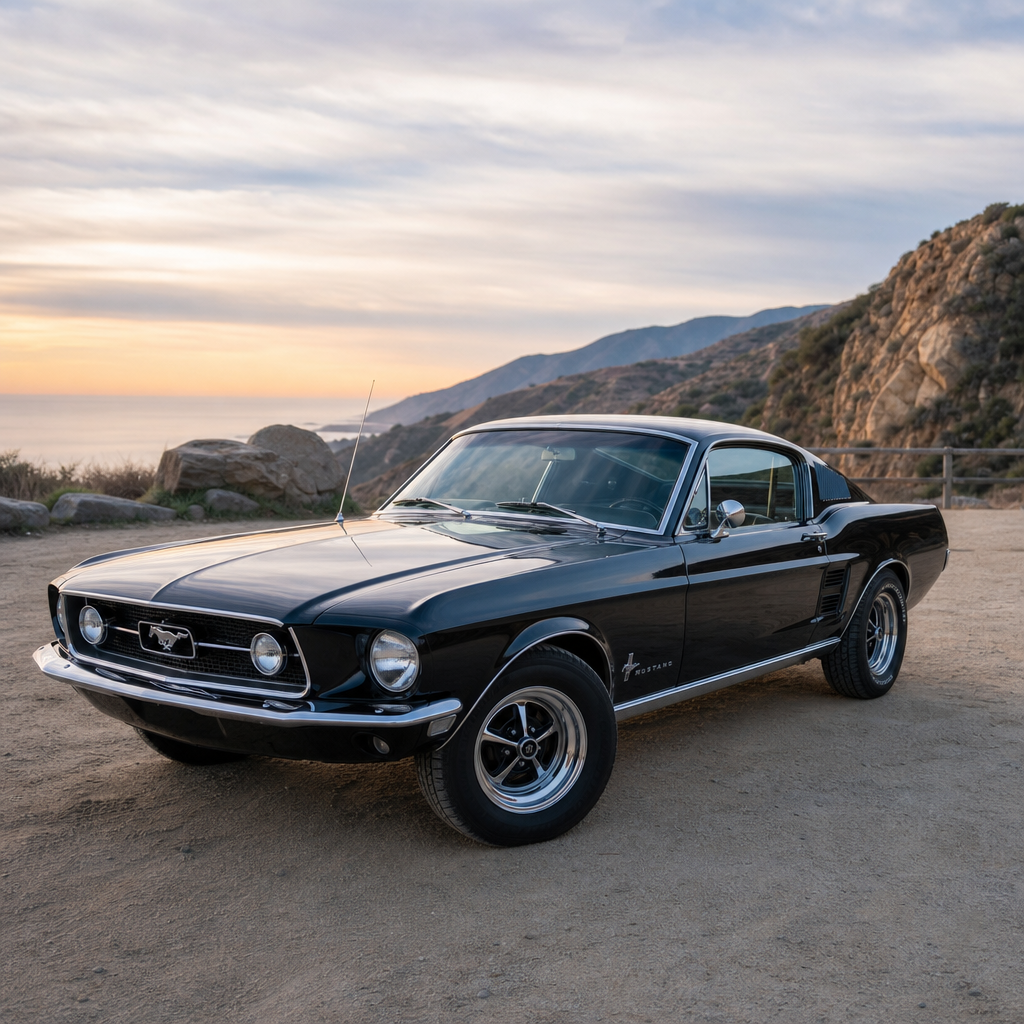
The best first classic car is usually not the rarest, fastest, or trendiest. It is the one with strong parts availability, active communities, straightforward mechanical systems, and broad documentation. In plain terms, you want a car that many people already know how to keep running. Ford Mustang coupes from the mid-1960s, Chevrolet Nova and Camaro models with common drivetrains, MG MGBs, first-generation Mazda Miatas now entering classic territory, Volvo 240s, Mercedes-Benz W123 sedans, and air-cooled Volkswagen Beetles are popular starting points for a reason. Reproduction parts exist, workshop knowledge is easy to find, and specialty suppliers are established.
Support networks save money. A widely owned model often has dedicated forums, club technical archives, parts diagrams, restoration guides, and specialists who know recurring faults. That means better pre-purchase advice and fewer dead ends after the sale. By contrast, orphan brands, low-production trims, or one-year-only configurations can create delays and price spikes. A missing trim piece on a common car might cost $40. The equivalent part for a rare model might take six months to find and cost ten times as much. Beginners should not confuse rarity with suitability.
| Beginner priority | What to look for | Why it matters |
|---|---|---|
| Parts availability | Multiple suppliers, reproduction catalogs, used parts network | Reduces downtime and controls repair costs |
| Mechanical simplicity | Carbureted or basic fuel injection, common engines, conventional brakes | Makes diagnosis easier for new owners and general repair shops |
| Community support | Active owners club, forum archives, model-specific books | Provides troubleshooting help and buying guidance |
| Documentation | Factory manual, parts book, service records, VIN references | Helps confirm originality and service history |
| Body and trim supply | Available glass, seals, chrome, sheet metal, interior kits | Cosmetic restoration becomes possible at sane cost |
When comparing cars, always favor condition and support over badge appeal. A well-kept six-cylinder coupe with records is a smarter first buy than a neglected V8 flagship with rust and missing paperwork. This hub connects naturally to deeper beginner guides on affordable starter classics, manual versus automatic choices, classic truck basics, and the safest models for novice owners. Use those supporting topics to narrow your short list before you shop in person.
Research Listings, Market Values, and Ownership History
Once you know the type of car you want, study the market before contacting sellers. Compare asking prices across Bring a Trailer, Hemmings, Facebook Marketplace, Craigslist, marque forums, and local club classifieds, but do not assume asking price equals market value. Sale results matter more than wishful listings. Hagerty Price Guide and auction archives help establish ranges for concours, excellent, good, and fair condition. Learn the difference. A car with older paint, minor seepage, and worn upholstery may still be a good driver, but it should not be priced like a freshly sorted example.
History is equally important. Ask how long the seller has owned the car, where it lived, who serviced it, and what has been replaced recently. Dry-climate history can reduce rust risk, but “rust-free” claims still need verification. Request photos of floor pans, rocker panels, trunk floors, frame rails, and lower fenders. If the seller cannot provide underside photos, assume nothing. Review maintenance receipts for consistency. A stack of invoices from recognized specialists is far more reassuring than a verbal claim that “everything was done.” Documentation should show dates, mileage or odometer readings, and specific work performed.
Also verify identification details early. Decode the VIN, body tag, engine stamping if applicable, and trim codes. Matching-numbers status is overemphasized for some beginner cars, but identity accuracy always matters. The title name should match the seller, and the VIN on the title should match the car exactly. State rules on older vehicles vary widely; some titles are branded, some cars transfer on registrations in certain states, and imported vehicles may require customs forms. Clearing these issues before travel saves time and protects you from buying a car that is difficult to register legally.
Inspect the Car Systematically or Hire a Specialist
A classic car inspection should be methodical, never emotional. Rust, poor repairs, and hidden collision damage are usually more expensive than engine work. Start with the body structure. Check panel gaps, door fit, bubbling paint, magnet resistance where filler may be present, and signs of undercoating applied to hide corrosion. Look underneath with a light. Inspect frame rails, floor pans, spring mounts, suspension pickup points, and trunk seams. Fresh paint alone proves nothing. In fact, shiny paint can disguise costly problems, while honest older paint often reveals the car more truthfully.
Then assess mechanical condition. Cold-start behavior tells you a lot. The engine should start without excessive smoke, loud knocking, or prolonged cranking beyond what the model normally requires. Watch oil pressure, charging system output, coolant temperature stability, and exhaust color. During the test drive, check clutch engagement, transmission synchros, brake pull, steering play, wheel bearing noise, and differential whine. A carbureted car may need slight warm-up, but it should not stall repeatedly or overheat in ordinary traffic. If the seller insists the car cannot be driven, price it as a project.
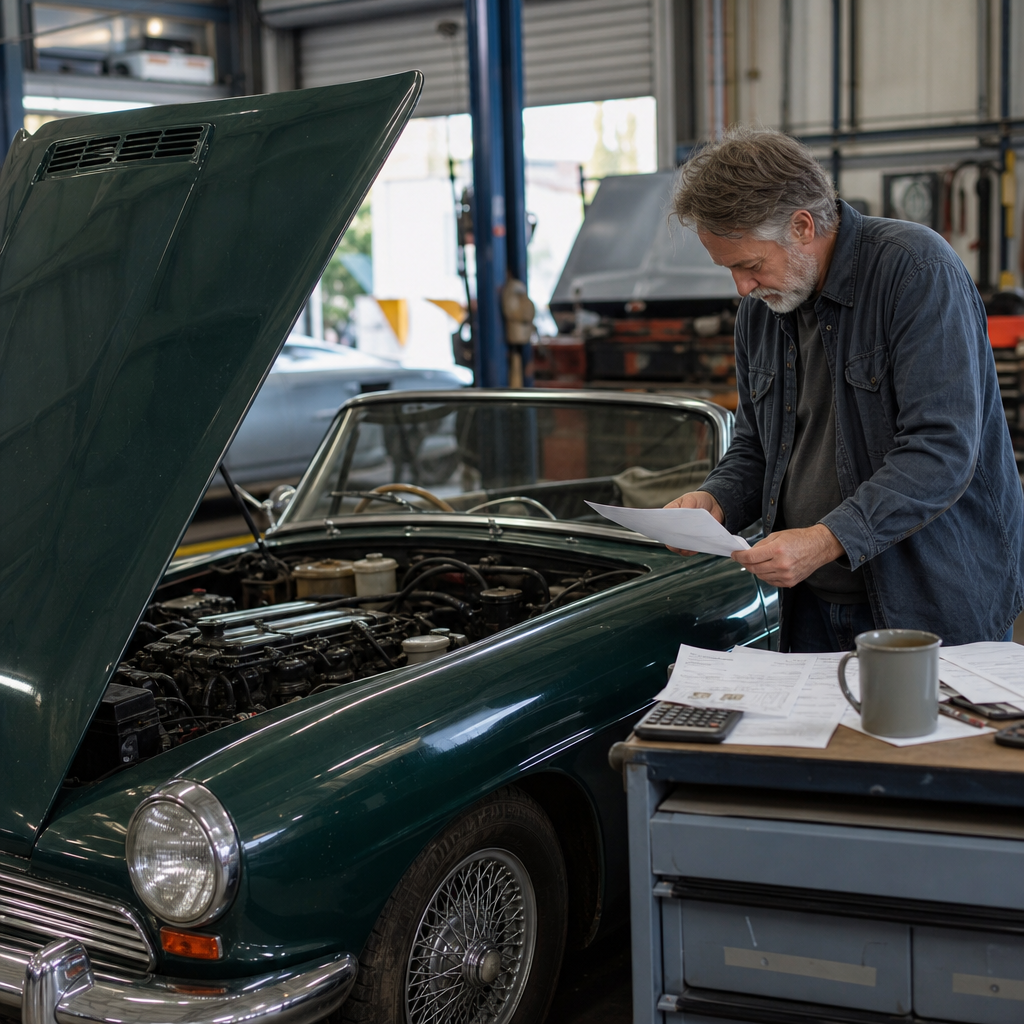
Professional pre-purchase inspections are worth the money, especially if you are buying remotely. A marque specialist can identify non-original components, poor-quality restorations, and safety issues you might miss. Compression and leak-down tests can be useful, but body and chassis integrity usually matter first. I have passed on cars with healthy engines because hidden rust made them economically irrational. Mechanical components are often bolt-on problems. Structural corrosion is a surgery bill. A detailed inspection report also gives you leverage in negotiation and a clear list of immediate tasks if you proceed.
Buy Smart, Bring the Car Home Safely, and Learn Gradually
When you are ready to buy, negotiate with evidence, not enthusiasm. Use inspection findings, comparable sales, missing records, and transport costs to support your offer. Be polite and direct. Serious sellers respond well to buyers who ask organized questions and move quickly once terms are clear. Use a bill of sale, confirm title procedures, and never wire funds without verifying identity and documents. If the car is far away, enclosed transport is best for valuable or fragile vehicles, while open transport is common and usually acceptable for driver-grade classics. Photograph the car before pickup.
After the car arrives, resist the urge to change everything at once. Begin with baseline service: engine oil and filter, coolant, brake fluid, transmission and differential fluids if history is uncertain, grease points where applicable, fuel hose inspection, and tire date checks. Replace age-sensitive items before performance upgrades. Then drive the car locally and keep notes. You will learn more from short, repeated trips than from one ambitious road journey. Listen for hot-start problems, vapor lock tendencies, charging issues, and brake fade. Small observations prevent roadside failures.
Finally, treat classic car ownership as education. Join a local club, buy the factory service manual, and build a relationship with one trusted specialist shop even if you do some work yourself. Keep a maintenance log with dates, part numbers, and settings. That record increases reliability and future resale confidence. As this beginner hub expands, move next into focused guides on inspection checklists, title and VIN basics, storage setup, maintenance schedules, and first-year ownership costs. Start with a supported car, verify condition carefully, and learn the machine one system at a time. That is how beginners become capable, confident classic car owners.
Frequently Asked Questions
What counts as a classic car when you are just getting started?
A classic car is generally an older vehicle that people value for its design, engineering, history, rarity, cultural impact, or distinctive driving experience rather than for modern features alone. That said, there is no single universal definition. Insurance companies often use age-based thresholds such as 20 or 25 years old, while some state motor vehicle agencies have their own registration rules for “classic,” “antique,” or “historic” vehicles. Auction houses and collectors may be even more selective, reserving the term for specific eras, body styles, or historically significant models.
For a beginner, the most useful way to think about a classic car is not just by age, but by purpose. If a vehicle is old enough to require specialized care, has enthusiast support, and is bought primarily for enjoyment, collecting, learning, and occasional driving, it likely fits the spirit of the hobby. This is important because your first steps depend on how the car will be treated. A 1990s enthusiast car, a 1970s cruiser, and a prewar collector vehicle can all be “classic” in different ways, but they involve very different costs, parts availability, maintenance demands, and storage needs.
The smartest starting point is to research how your state defines registration categories and how insurers classify eligibility for collector-car policies. That helps you understand mileage limits, usage restrictions, agreed-value coverage, and inspection requirements before you buy anything. In other words, instead of chasing a label, focus on whether the car matches your budget, skill level, and goals. That approach makes getting started with classic cars far less confusing and much more practical.
What is the best first step before buying your first classic car?
The best first step is to define your goal clearly. Many beginners make the mistake of shopping by appearance alone, but a classic car purchase goes much better when you know exactly what you want the car to do. Ask yourself whether you want a weekend driver, a local show car, a long-term restoration project, or a relatively simple entry point into the hobby. Your answer will shape everything else, including price range, vehicle era, parts sourcing, storage requirements, and how much mechanical knowledge you need.
Once your goal is set, build a realistic total budget rather than focusing only on the purchase price. Classic-car ownership includes insurance, registration, transport, tools, inspections, maintenance, tires, fluids, battery replacement, upholstery repairs, paint correction, and unexpected mechanical issues. Even a car described as “sorted” or “turn-key” will usually need something. A beginner-friendly rule is to leave room in the budget for immediate post-purchase work, because old cars nearly always reveal needs after a few weeks of actual ownership.
After that, narrow your search to a few specific models and start learning their common trouble spots. Join owner forums, read buying guides, watch model-specific walkarounds, and pay attention to which cars have strong parts support. That final point matters a lot. A beautiful but obscure car can become frustrating fast if trim pieces, brake components, or weather seals are difficult to find. A more common model with a strong enthusiast network is often a much better first classic because it lets you learn the hobby step by step instead of fighting scarcity from day one.
How much should a beginner budget for a classic car?
A beginner should budget for the full cost of ownership, not just the asking price on a listing. The purchase price is only the entry fee. In practice, your real budget should include the vehicle itself, a pre-purchase inspection, title and registration costs, insurance, safe storage, transportation if the car is far away, and a reserve fund for immediate repairs. Many first-time buyers are surprised by how quickly “small” items add up. Belts, hoses, brake service, fuel system cleaning, battery replacement, tires, and suspension bushings can turn a seemingly affordable car into a more expensive project than expected.
A practical strategy is to separate your budget into three parts. First is acquisition cost: what you are willing to pay for the car. Second is catch-up maintenance: what it will likely need in the first year to be safe and dependable. Third is contingency money: cash reserved for surprises, because old cars have a way of revealing hidden issues after regular use. If you spend every dollar on the purchase itself, you leave no room to stabilize the car and enjoy it properly.
For many beginners, it is often wiser to buy the best-maintained example of a modest model rather than the cheapest example of a dream car. A more expensive but documented, running, and sorted car is usually less costly in the long run than a bargain that needs paint, interior work, engine troubleshooting, and missing trim. The right budget is therefore less about a specific number and more about discipline. Buy below your maximum, keep money in reserve, and assume the first year will involve learning costs. That mindset gives you a much better start in the classic-car hobby.
Should you buy a project car or a running, well-maintained classic as your first car?
For most beginners, a running, well-maintained classic is the better choice. Project cars can be rewarding, but they often require more time, money, tools, space, and patience than first-time buyers expect. The appeal is obvious: project cars may have lower upfront prices and offer the satisfaction of bringing something back to life. The challenge is that incomplete or neglected cars can hide expensive problems in the engine, transmission, wiring, bodywork, floors, frame, suspension, and interior. Those issues are not always visible in photos or even during a quick in-person inspection.
A car that starts, drives, stops properly, and has service records gives you something far more valuable than a lower purchase price: a clear learning platform. You get to understand how the car behaves when it is functioning reasonably well. You can perform smaller maintenance jobs, build confidence, learn where parts come from, meet local enthusiasts, and discover whether you truly enjoy hands-on ownership before taking on major restoration work. That progression is exactly what makes the hobby manageable for beginners.
If you are strongly drawn to a project car, be realistic about your abilities and resources. Do you have garage space, storage for removed parts, a tool budget, time for troubleshooting, and access to machine shops or specialist mechanics? Can you tolerate the car being off the road for months or longer? If the answer is no, a driver-quality car is the safer path. In classic cars, “project” often means unknown cost and unknown timeline. Starting with a usable car helps you stay enthusiastic, gain experience, and avoid the common mistake of buying more work than you can reasonably finish.
What should you inspect before buying a classic car?
Before buying a classic car, inspect the body, frame or unibody, mechanical systems, paperwork, and overall originality or modification history. Rust should be at the top of the list because structural corrosion is often more expensive and complicated to repair than mechanical issues. Check common rust areas such as floor pans, rocker panels, wheel arches, trunk floors, lower fenders, door bottoms, frame rails, and windshield or rear-window channels. Fresh undercoating, poorly matched paint, bubbling finishes, or uneven panel gaps can be signs that previous repairs are hiding problems rather than solving them properly.
Mechanically, look at cold-start behavior, idle quality, smoke from the exhaust, fluid leaks, brake feel, steering play, suspension noises, charging performance, cooling system condition, and transmission operation. If possible, inspect the car when the engine is truly cold, because some problems are easier to hide once a vehicle has already been warmed up. During a test drive, pay attention to how it tracks on the road, whether it overheats, whether the brakes pull, and whether gauges work consistently. Also inspect the electrical system carefully. On older cars, wiring can become brittle, hacked, or unreliable after decades of repairs and accessories.
Documentation matters almost as much as the physical inspection. Verify the VIN or chassis number, title status, maintenance records, receipts, ownership history, and any claims about originality, matching numbers, restorations, or major upgrades. A pre-purchase inspection by a mechanic who knows that specific type of classic is one of the best investments you can make. General mechanics may miss model-specific issues, while marque specialists know where hidden rust forms, which engines crack, which transmissions are weak, and which replacement parts are problematic. A careful inspection does not just help you avoid a bad car; it helps you buy the right first classic with confidence.