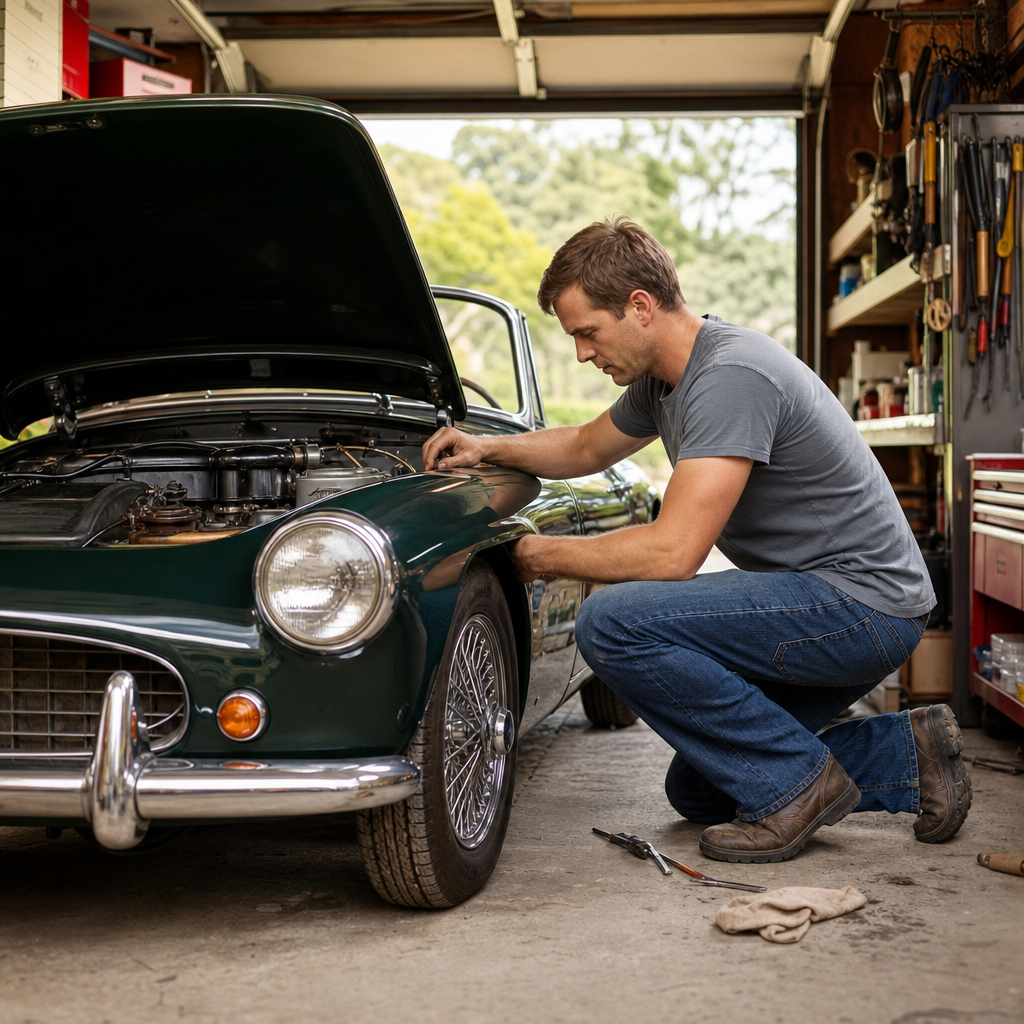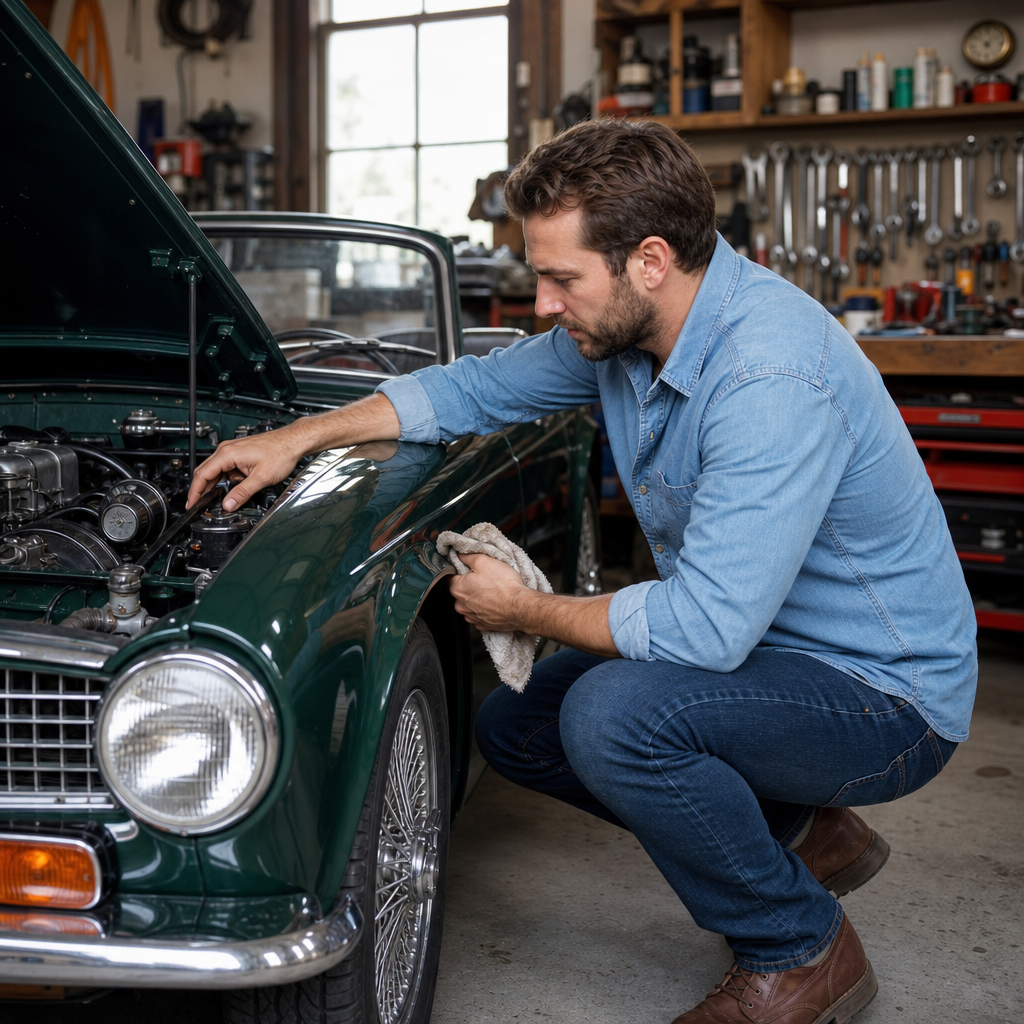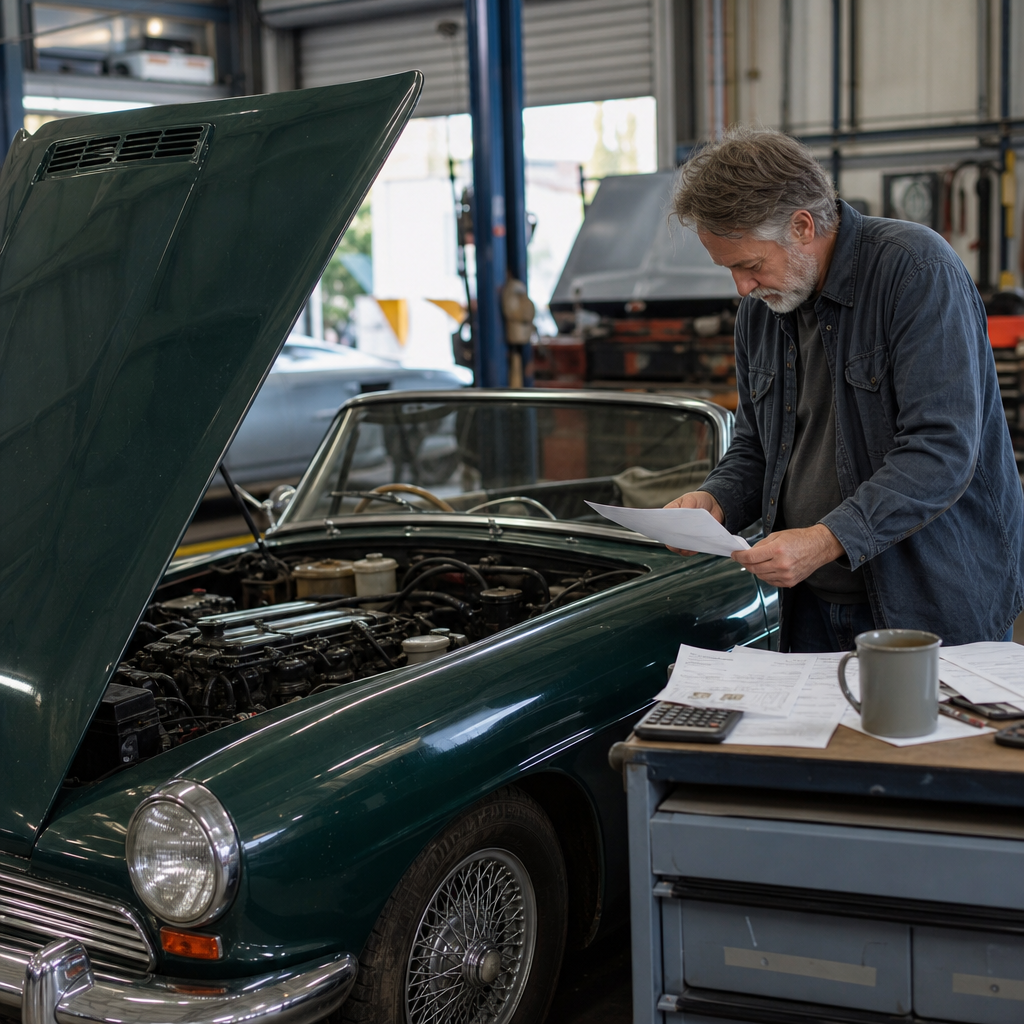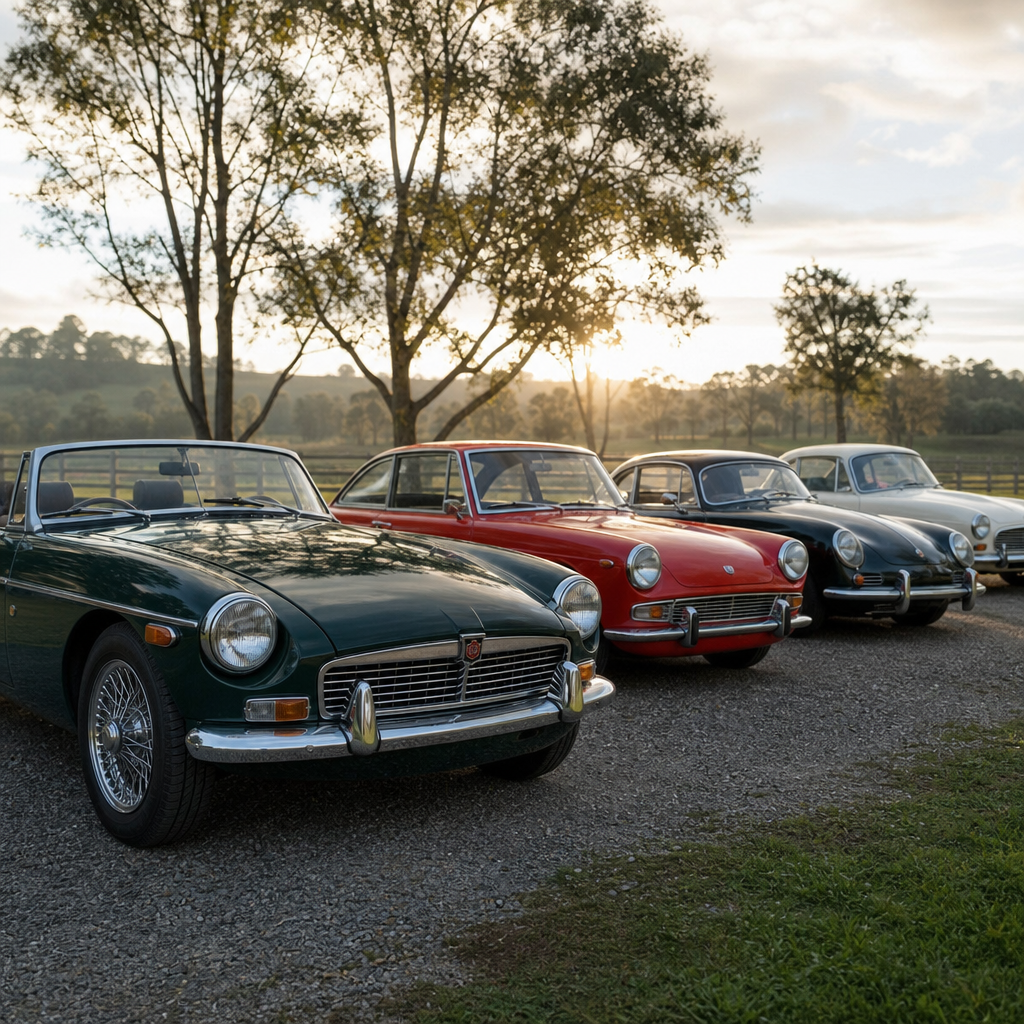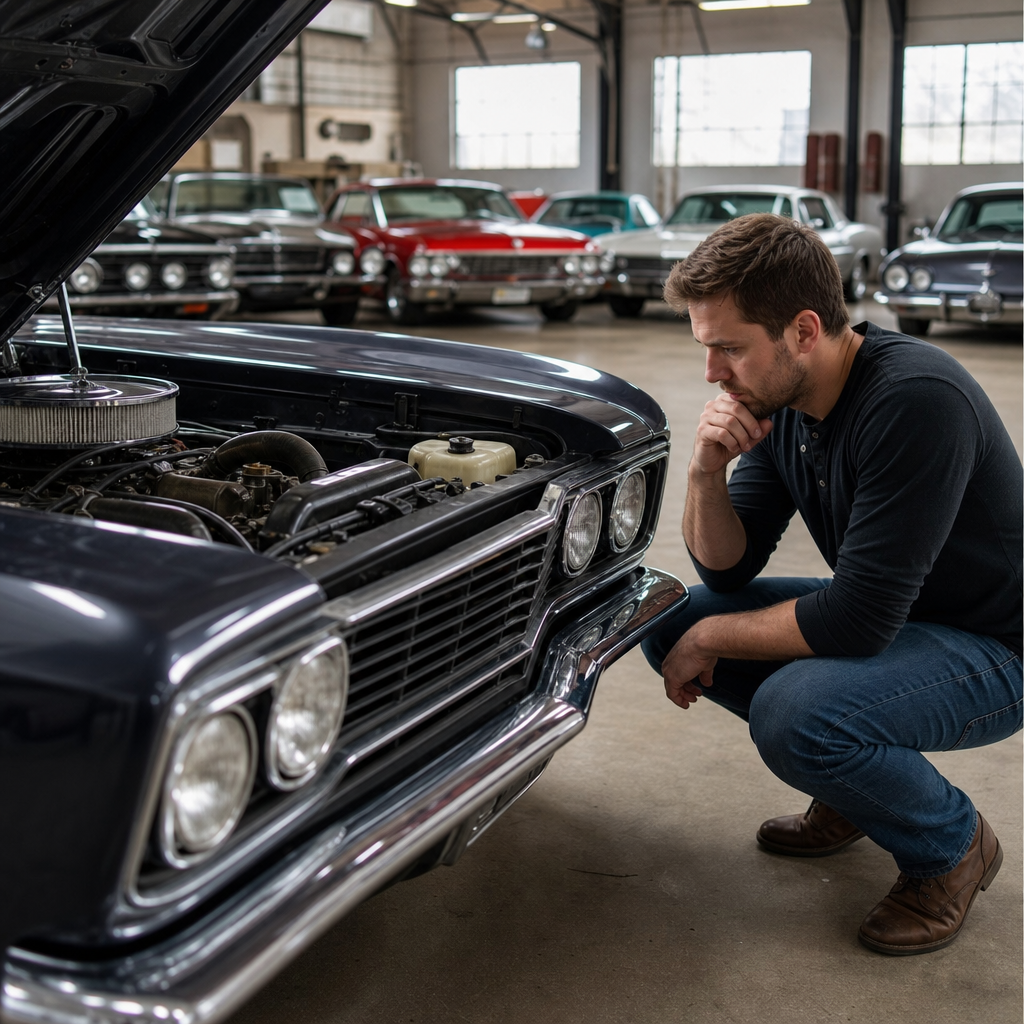
Owning a classic car can be deeply rewarding, financially unpredictable, mechanically demanding, and emotionally satisfying all at once. In practical terms, a classic car is usually a vehicle old enough to carry historical, design, or enthusiast value beyond normal transportation, though the exact cutoff varies by insurer, state registry, and collector market. Some organizations use twenty-five years as a threshold, while many buyers reserve the term for vehicles from a distinct era such as the 1950s through the 1990s. Whether owning one is worth it depends on your goals: weekend enjoyment, preservation, hands-on learning, community, or investment. I have worked with first-time buyers who expected easy appreciation and ended up overwhelmed by rust repair, and I have seen modestly priced classics create years of memorable use because the owner bought wisely. That contrast is why this question matters. For beginners exploring classic car basics and education, this guide serves as the hub: it explains costs, benefits, ownership realities, common mistakes, and the decision framework that helps you choose well before you start browsing listings.
What makes a classic car appealing to beginners
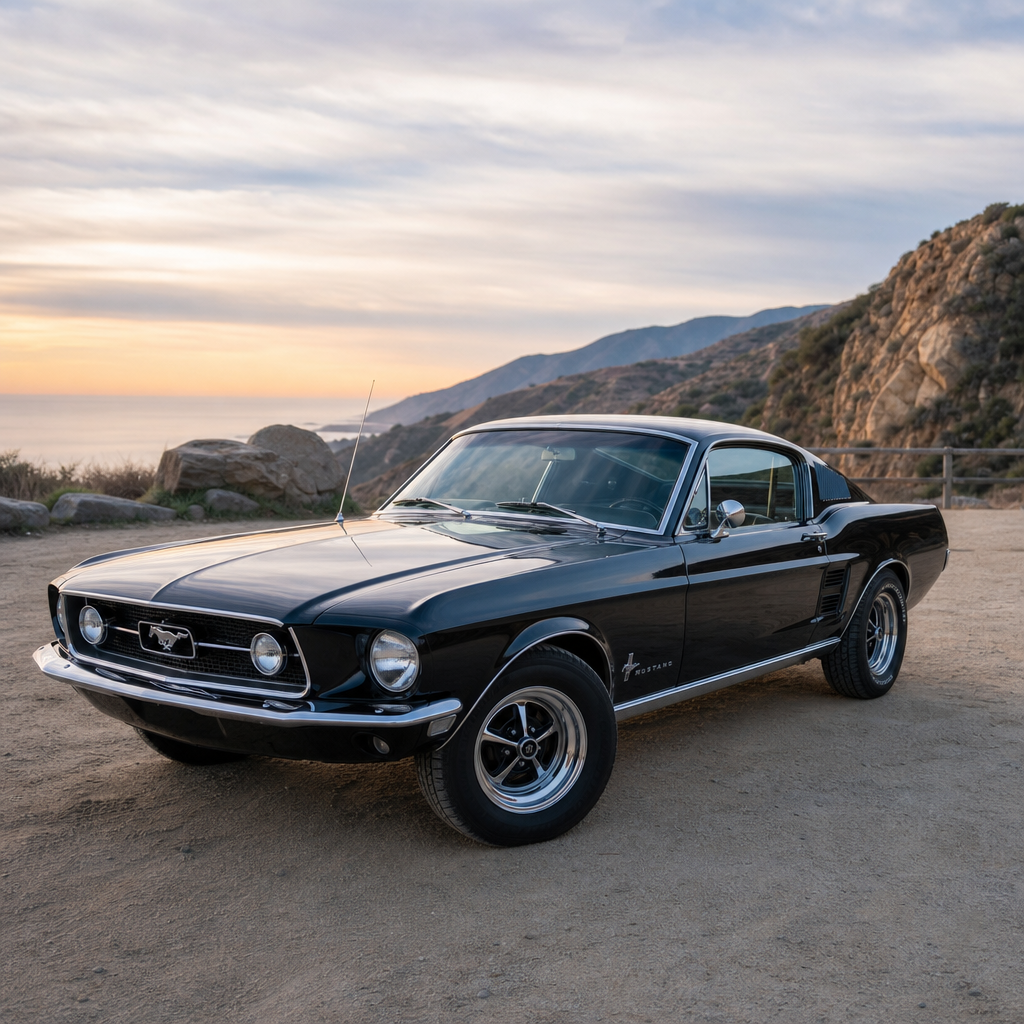
The strongest argument for owning a classic car is that the experience feels different from modern motoring in every meaningful way. Steering is more communicative, visibility is often better, cabin design has character, and every drive feels intentional. You are not simply moving from one place to another; you are engaging with a machine that reflects a specific period of engineering and culture. A 1967 Ford Mustang, a 1972 Chevrolet C10, a 1989 BMW E30, and a 1994 Mazda Miata all deliver very different ownership experiences, yet each offers a sense of identity modern appliances rarely match. For beginners, that emotional return matters because enthusiasm often carries you through the early learning curve.
Classic cars also create a direct connection to automotive history. Carburetors, points ignitions, body-on-frame construction, naturally aspirated engines, analog gauges, and simpler electrical systems make it easier to understand how vehicles work. When I help newcomers inspect a candidate car, I can usually explain major components on the spot without plugging in a scan tool or navigating buried software menus. That simplicity makes beginner guides especially valuable here: you can learn maintenance, read a workshop manual, and develop practical mechanical confidence faster than you might with a newer vehicle.
Another major benefit is community. Local cars and coffee meets, marque clubs, online forums, and regional auctions give owners access to advice, parts sources, and restoration knowledge. If you buy a popular model such as a first-generation Camaro, air-cooled Volkswagen Beetle, or C3 Corvette, you inherit a support network that can save money and prevent mistakes. In the best cases, ownership becomes social rather than solitary. For many first-time owners, that sense of belonging is as valuable as the car itself.
The real costs of classic car ownership
The biggest reason classic car ownership is not worth it for everyone is cost, and beginners often underestimate the total. Purchase price is only the starting point. A car that seems affordable can quickly become expensive once you add transport, insurance, taxes, inspection, registration, immediate maintenance, proper storage, tools, and specialist labor. If you buy a driver-quality 1970s coupe for $12,000, needing tires, suspension bushings, fuel system cleaning, and brake hydraulics, your real entry cost may become $16,000 to $20,000 within months. That is normal, not unusual.
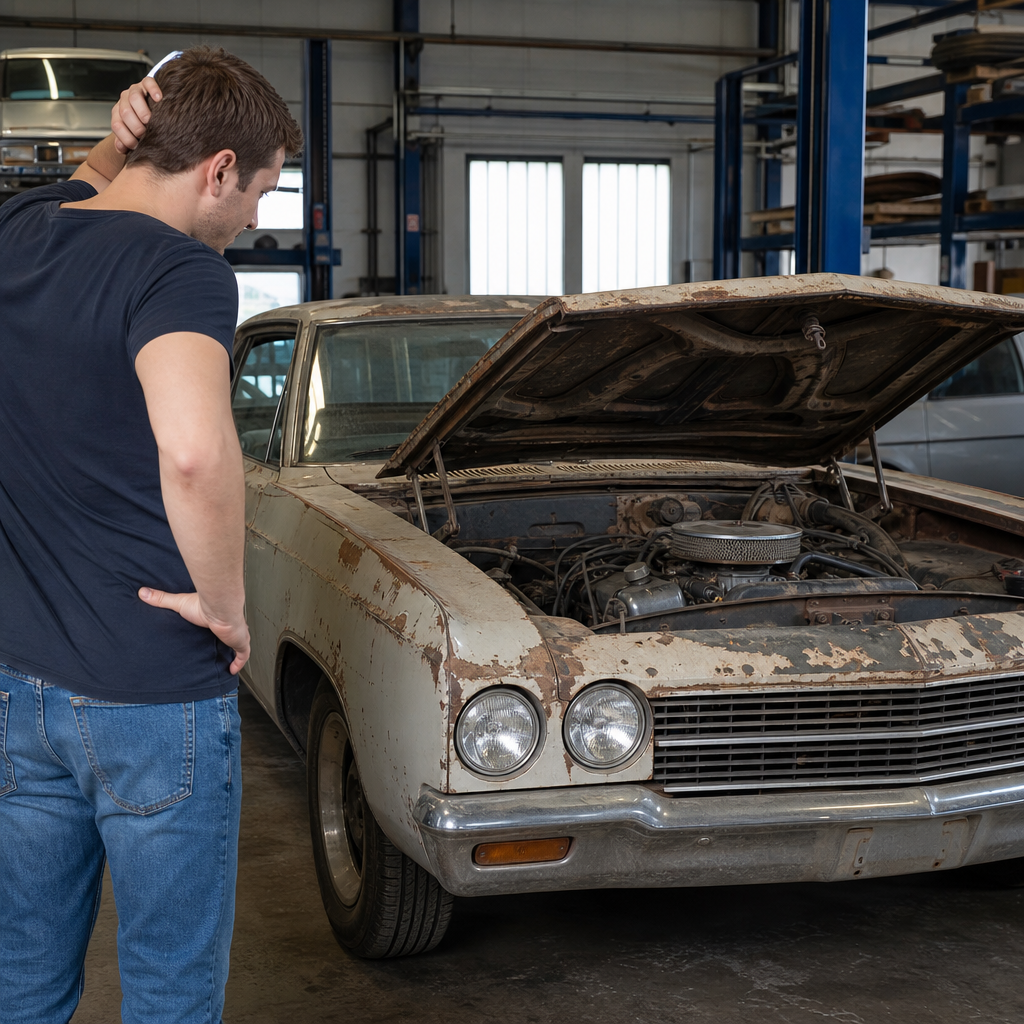
Restoration economics are even harsher. Paint and bodywork absorb money faster than almost any other category because rust repair is labor-intensive and hidden corrosion is common. An apparently cheap project car can require floor pans, trunk repairs, lower fender patching, and full repainting that exceeds the market value of the finished vehicle. Mechanical work is easier to budget, but machine shop labor, wiring repairs, and trim replacement still add up quickly. This is why experienced collectors say to buy the best car you can afford. Paying more upfront for a solid, sorted example is usually cheaper than rescuing a bargain.
Insurance can be favorable if you qualify for agreed-value collector coverage through companies such as Hagerty, Grundy, or American Collectors, but these policies usually come with usage restrictions and storage expectations. Fuel economy is typically poor, safety is dated, and many classics need frequent preventive maintenance. Consumables also vary widely. A small-block Chevrolet water pump is inexpensive and widely available; trim for a low-production European coupe may require months of searching and a premium price.
| Ownership factor | Often favorable | Often challenging |
|---|---|---|
| Purchase price | Entry points exist for 1980s and 1990s models | Desirable muscle cars and halo models are expensive |
| Maintenance | Simple systems can be learned by beginners | Deferred maintenance is common and cumulative |
| Parts availability | Strong for popular domestic models | Difficult for rare trims, interiors, and obscure imports |
| Insurance | Agreed-value policies can be cost-effective | Mileage, garaging, and use restrictions may apply |
| Value retention | Good examples of desirable cars hold interest | Restoration costs often exceed resale value |
| Driving enjoyment | High engagement and character | Heat, noise, and limited safety can reduce usability |
Maintenance, reliability, and the beginner learning curve
If you are asking whether owning a classic car is worth it, you are really asking whether you can tolerate old-car unpredictability. Reliability in a classic depends less on brand reputation and more on current condition, quality of past repairs, and how often the car is driven. A properly sorted Mercedes-Benz W123 or Volvo 240 can be remarkably dependable. A neglected example of either can strand you repeatedly. Rubber degrades, fuel turns stale, grounds corrode, brake seals dry out, and cooling systems fail from age even when mileage is low. Time is often the enemy more than use.
Beginners should expect regular inspection and preventive maintenance, not just repairs after breakdowns. You will check fluid leaks, battery health, charging output, belts, hoses, tire age codes, bushings, and brake feel far more often than with a newer car. If the vehicle has a carburetor, tuning for weather, idle quality, and hot starts may become part of ownership. If it has drum brakes or manual steering, you need to understand how those systems change the driving experience. This is manageable, but it requires a mindset shift. The car rewards attention.
My practical rule for first-time owners is simple: choose a model with strong parts support, documented maintenance history, and a large owner community. That is why beginner guides commonly point toward cars such as the MGB, Fox-body Mustang, air-cooled Beetle, Jeep CJ, C4 Corvette, or NA Miata. None is perfect, but each has predictable issues, plentiful documentation, and enough market volume to keep ownership from becoming a scavenger hunt. Start there, and you learn faster with less risk.
Driving enjoyment, lifestyle fit, and safety tradeoffs
A classic car is worth owning only if it fits your actual life. If you want a calm weekend hobby, occasional events, and the pleasure of preserving something tangible, ownership can be highly satisfying. If you need one vehicle to commute daily in all weather, haul children, sit in traffic with modern crash protection, and start every time after months of neglect, a classic is a poor tool. Even the best examples have compromises in noise isolation, climate control, braking distances, lighting, and occupant protection. Anti-lock brakes, airbags, side-impact structures, stability control, and engineered crumple zones are largely absent in older cars.
That does not mean classics cannot be driven regularly. Many owners successfully use vintage pickups, old German sedans, or 1980s sports cars for seasonal commuting. The key is honest expectations. A 1965 coupe with lap belts and bias toward oversteer should not be evaluated like a 2024 crossover. You drive more defensively, leave more stopping distance, avoid severe weather, and prioritize maintenance. Many owners add subtle upgrades such as radial tires, electronic ignition, improved headlights, dual-circuit master cylinders, or front disc brake conversions to improve safety and usability without destroying character.
Storage also affects lifestyle fit more than beginners expect. Outdoor storage accelerates paint wear, interior damage, electrical problems, and rust. A dry garage, battery maintainer, breathable cover, and fuel stabilization routine dramatically improve the ownership experience. If you lack secure storage, costs and deterioration rise quickly. In my experience, storage quality predicts long-term satisfaction almost as much as the condition of the car you buy.
Can a classic car be a good investment
Sometimes, but it is risky to buy a classic car primarily as an investment. Certain blue-chip models have delivered strong appreciation over long periods, especially limited-production sports cars, homologation specials, landmark muscle cars, and vehicles with exceptional provenance. Yet the broader market is uneven. Condition, originality, color, drivetrain, documentation, and timing all matter. Auction headlines often distort reality because they highlight top-tier sales rather than ordinary transactions. The median owner does not buy perfectly, hold through the ideal cycle, and sell with low transaction costs.
Market data from firms such as Hagerty shows that enthusiasm shifts across generations. In recent years, many 1980s and 1990s vehicles gained momentum because buyers pursued the cars they grew up admiring. That can support values, but nostalgia is not a guarantee. Modified cars may attract attention online yet trade below well-preserved originals. Partial restorations can be hard to value. Rare does not automatically mean desirable, and expensive restoration receipts do not create resale value on their own.
The better way to think about value is cost containment. Buy a model with established demand, avoid terminal rust, verify matching documentation where it matters, and do not over-improve a mid-market car. If the car holds most of its value while you enjoy it, that is a strong outcome. If it appreciates, treat that as a bonus. Owners who win financially usually combine patience, knowledge, disciplined buying, and maintenance records that make the next buyer confident.
How beginners should choose the right classic car
The smartest beginner purchase is not the dream car in abstract terms; it is the car you can realistically afford, store, maintain, and enjoy. Start with budget, then split it into purchase price and first-year reserve. I usually tell beginners to keep at least fifteen to twenty percent of their total budget untouched for surprises. Next, decide on your use case: local shows, weekend back-road driving, learning mechanics, family cruising, or long-distance touring. That single decision narrows the field quickly.
Then research model-specific issues before shopping. Every classic has patterns. First-generation Mustangs rust in known places. Jaguar XJ models can be affordable to buy yet costly to sort. Porsche 944s reward maintenance history. Square-body GM trucks have excellent parts support but vary enormously in prior modifications and rust exposure. Use factory service manuals, buyer guides, enthusiast forums, parts catalogs, and valuation tools. During inspection, prioritize body integrity, paperwork, and signs of sustained care over cosmetic shine. Fresh undercoating, mismatched VIN tags, smoky startup behavior, poor panel alignment, and electrical shortcuts deserve skepticism.
A pre-purchase inspection by a specialist is one of the best values in the hobby. For a few hundred dollars, you may avoid thousands in hidden repair costs. Compression testing, leak checks, lift inspection, and authenticity verification can reveal whether the car is a keeper or a trap. For a hub within classic car basics and education, that is the central beginner lesson: the right buying process matters more than the badge on the hood.
Final verdict: when owning a classic car is worth it
Owning a classic car is worth it when you value the experience more than convenience and approach the purchase with discipline. The pros are real: character, history, community, hands-on learning, and the kind of driving involvement modern cars rarely deliver. The cons are just as real: unpredictable costs, safety limitations, storage needs, and a steady demand for maintenance. Beginners usually succeed when they buy a solid, well-supported model, keep a repair reserve, use the car within its limits, and learn before they spend.
If your goal is guaranteed profit or effortless daily transportation, a classic car will probably disappoint you. If your goal is to preserve a piece of automotive history, develop practical knowledge, and enjoy a machine with personality, ownership can be immensely satisfying. The best first classic is not the rarest or flashiest one. It is the one that matches your budget, skills, parts access, and lifestyle.
Use this guide as your starting point for the broader beginner journey. Build a shortlist, research common faults, compare insurance and storage options, and book a pre-purchase inspection before making an offer. Done carefully, classic car ownership can be more than worth it; it can become one of the most rewarding hobbies you take on.
Frequently Asked Questions
What counts as a classic car, and does the definition really matter?
Yes, the definition matters more than many first-time buyers expect. In general, a classic car is an older vehicle with historical, stylistic, mechanical, or collector value that goes beyond basic transportation. That sounds simple, but in practice the cutoff is not universal. Some insurers and state registration programs use twenty-five years as a benchmark, while many enthusiasts apply the term more selectively to vehicles from a distinct design era or to models with proven collector appeal. In other words, age alone does not automatically make a car “classic” in the eyes of the market.
This distinction matters because it affects insurance eligibility, registration rules, financing, emissions requirements, parts availability, and resale potential. A twenty-eight-year-old mass-produced sedan may technically qualify under one policy, but it may not be especially desirable or appreciating in value. By contrast, a well-kept sports coupe, luxury cruiser, or culturally important model from the same period may carry much stronger enthusiast demand. If you are considering ownership, it is wise to look at how insurers classify the vehicle, how your state handles antique or collector plates, and how buyers in the collector market actually value that specific model. Understanding the definition helps you make a more realistic decision about whether you are buying a true collectible, a nostalgic hobby car, or simply an old vehicle that may require expensive care.
Is owning a classic car financially worth it, or is it usually more expensive than people expect?
For most owners, classic car ownership is more financially complex than either the dream or the warning suggests. It can be worth it, but rarely in the straightforward way people imagine. A classic car can hold value better than many modern vehicles, and certain rare, historically important, or highly desirable models may appreciate over time. That creates the impression that buying a classic is a smart financial play. Sometimes it is. More often, however, the purchase price is only the beginning of the story.
The real costs usually include inspection, transport, storage, specialized insurance, routine maintenance, age-related repairs, restoration work, and the inevitable surprises that come with older mechanical systems. Even a car that looks excellent can hide rust, tired seals, worn wiring, old fuel system components, or poorly done past repairs. Parts for some models are affordable and easy to source, while parts for others are rare, expensive, or require fabrication. Labor can also be significantly higher if the vehicle needs a specialist who understands carburetors, vintage electrical systems, bodywork techniques, or model-specific quirks.
It is also important to separate value from liquidity. A classic car may be “worth” a certain amount on paper, but that does not mean it will sell quickly at that price. Market demand fluctuates, tastes change, and originality, documentation, and condition have an enormous effect on resale. If your goal is pure investment, classic cars are unpredictable compared with more conventional assets. If your goal is enjoyment with the possibility of preserving value, the equation becomes more favorable. In short, owning a classic car can be financially worthwhile if you buy carefully, budget realistically, and choose a model with a strong support network, but it is usually not a cheap hobby and should not be approached as guaranteed profit.
What are the biggest practical drawbacks of owning a classic car as a regular driver?
The biggest drawback is that a classic car asks more from its owner in almost every category: time, patience, maintenance, and compromise. Older vehicles were built in a different era, and many do not offer the reliability, comfort, fuel efficiency, safety systems, or easy serviceability that modern drivers take for granted. Depending on the age and model, you may be dealing with manual steering, weaker brakes, no airbags, no traction control, limited climate control, dim lighting, and fewer protections in a collision. That does not mean they are unusable. It means they are less forgiving and often less convenient.
Mechanical unpredictability is another practical issue. Even well-maintained classics can develop problems from sitting, seasonal use, aging rubber components, outdated fuel compatibility, or simple wear. A modern car may tolerate neglect for a while; a classic often will not. Cold starts, vapor lock, overheating, charging issues, brake fade, and fluid leaks are all more familiar realities in the vintage car world. If you plan to drive a classic regularly, you need to be comfortable with preventive maintenance and occasional troubleshooting, or be prepared to pay someone who is.
Then there is the lifestyle side. Secure storage is important, especially if the vehicle is vulnerable to weather, rust, or theft. Some insurance policies limit annual mileage or require garage storage. Long highway trips may be more tiring, and city driving can expose weaknesses in cooling, clutch wear, and stop-and-go drivability. Parking it in crowded lots may cause anxiety, and finding a qualified repair shop can be difficult in some areas. For many people, these drawbacks are manageable because the experience is so enjoyable. But if you want effortless transportation every day, a classic car is rarely the most practical answer.
What are the real benefits that make classic car ownership so appealing?
The biggest benefit is that classic car ownership delivers a kind of satisfaction modern transportation often does not. A classic car tends to feel more mechanical, more character-rich, and more memorable. The sounds, smells, styling, and driving inputs create a stronger sense of occasion, whether you are taking a short weekend drive, attending a local car show, or simply opening the garage and seeing a design from another era. For many owners, that emotional return is the entire point. The car is not just transportation. It is a hobby, a craft, and often a personal expression of taste and identity.
There is also a strong community benefit. Classic cars connect people. Owners often find themselves joining clubs, attending meets, learning from long-time enthusiasts, and building friendships through restoration and maintenance. That social side can be surprisingly valuable, especially for people who enjoy hands-on projects or sharing stories about automotive history. In many cases, the ownership experience is richer because of the people around the car, not just the car itself.
Another advantage is that classics can encourage a more engaged relationship with driving and maintenance. Owners often learn basic mechanical skills, understand their vehicle more deeply, and appreciate craftsmanship in a way that modern sealed, software-heavy cars do not encourage. Some models also offer relatively stable values, especially if bought in good condition with strong documentation and broad enthusiast support. While appreciation should never be assumed, the possibility of retaining value better than an ordinary daily driver can make the ownership experience easier to justify. Ultimately, the appeal comes from a blend of nostalgia, design, involvement, heritage, and pride of ownership that modern vehicles often struggle to match.
How can someone decide if owning a classic car is actually worth it for their lifestyle and budget?
The best way to decide is to be honest about your purpose, your budget, and your tolerance for inconvenience. Start by asking what you want from the car. If you want a reliable commuter that starts every time, handles modern traffic effortlessly, and requires minimal attention, a classic may disappoint you. If you want a weekend hobby, a family nostalgia piece, a conversation starter, or a project that gives you a deeper connection to driving, then ownership may be very rewarding. The value comes from matching the car to the role you realistically expect it to play.
Next, set a total ownership budget rather than focusing only on the purchase price. Include a pre-purchase inspection, immediate maintenance, insurance, registration, garage or storage costs, tools, and a repair reserve. Buying the cheapest example of a desirable model often ends up costing more than buying a better-maintained car with records. It is also smart to research the availability of parts, common failure points, owner forums, and nearby mechanics who know the model. A classic with strong aftermarket support and a large enthusiast community is usually easier and less stressful to own than a rare orphan with limited parts sources.
You should also think about your own mechanical interest and time commitment. You do not need to be an expert technician to enjoy a classic car, but it helps to either enjoy learning basic maintenance or have access to trustworthy specialist support. Test drives, club events, and conversations with current owners can also be revealing. They will tell you what brochures and auction listings do not: how the car actually behaves in heat, traffic, long storage periods, and routine ownership. In the end, owning a classic car is worth it for people who value the experience enough to accept the tradeoffs. If the joy, history, and personality outweigh the cost and effort for you, it can be one of the most satisfying forms of car ownership available.