Owning a classic car costs far more than the purchase price, and beginners who understand the full budget early make better decisions, avoid stalled projects, and enjoy the hobby longer. In practical terms, a classic car is usually a vehicle old enough to carry historical, collector, or enthusiast value, though the exact age threshold varies by insurer, state registration rules, and club definitions. Some insurers use 20 or 25 years as a baseline, while many enthusiasts reserve the term for vehicles from a distinct design or mechanical era. Cost of ownership includes acquisition, transport, registration, insurance, storage, maintenance, repairs, restoration, fuel, tires, and the time required to manage all of it. I have helped first-time buyers price everything from drivable 1960s American coupes to 1980s European sports cars, and the same pattern repeats: the cheapest car to buy is rarely the cheapest car to own. That matters because classic car ownership is equal parts transportation, preservation, and discretionary spending. A well-bought car can deliver years of reliable weekend use with predictable bills. A poorly planned purchase can consume thousands in deferred repairs before the first enjoyable drive. This guide serves as a hub for beginner guides within classic car basics and education by explaining the major cost categories, what drives those costs up or down, and how to set a realistic first-year and long-term budget.
Purchase Price: The Entry Cost Is Only the Beginning
The first number beginners see is the listing price, but experienced buyers treat that as one line in a much larger ownership model. Entry-level classics can start around $5,000 to $15,000 for less fashionable domestic sedans, personal luxury cars, or older British roadsters needing regular attention. Solid driver-quality examples of popular models often sit between $15,000 and $40,000. Desirable muscle cars, air-cooled sports cars, and highly original survivors can climb well beyond that. Condition drives price more than almost anything else. Industry shorthand often sorts cars into project, driver, very good, and concours levels, and the jump between each tier can be significant. In most cases, buying the best car you can afford saves money because rust repair, upholstery work, and paint correction are expensive to reverse later.
Originality also affects value. Numbers-matching drivetrains, factory colors, documented options, and complete service records usually command premiums. A modified car may be cheaper to buy, but it can cost more to insure correctly, may be harder to resell, and can hide workmanship issues. Provenance matters too. A binder of receipts, ownership history, factory documents, and club judging sheets reduces uncertainty. For beginners, uncertainty is costly. A pre-purchase inspection by a marque specialist typically costs a few hundred dollars, but it can uncover compression problems, hidden rust, poor panel alignment, brake neglect, cooling issues, or unsafe wiring. That small upfront expense often prevents a four-figure surprise.
First-Year Costs: What Most New Owners Underestimate
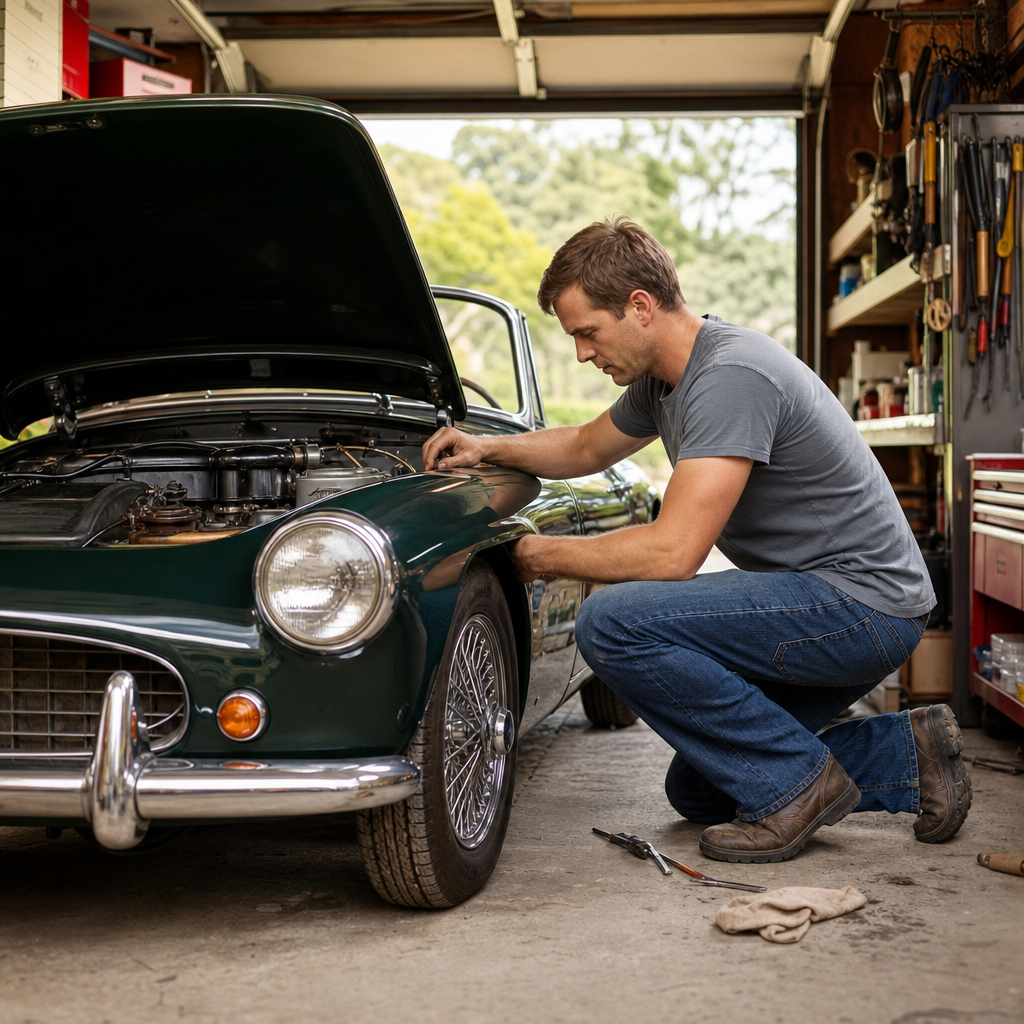
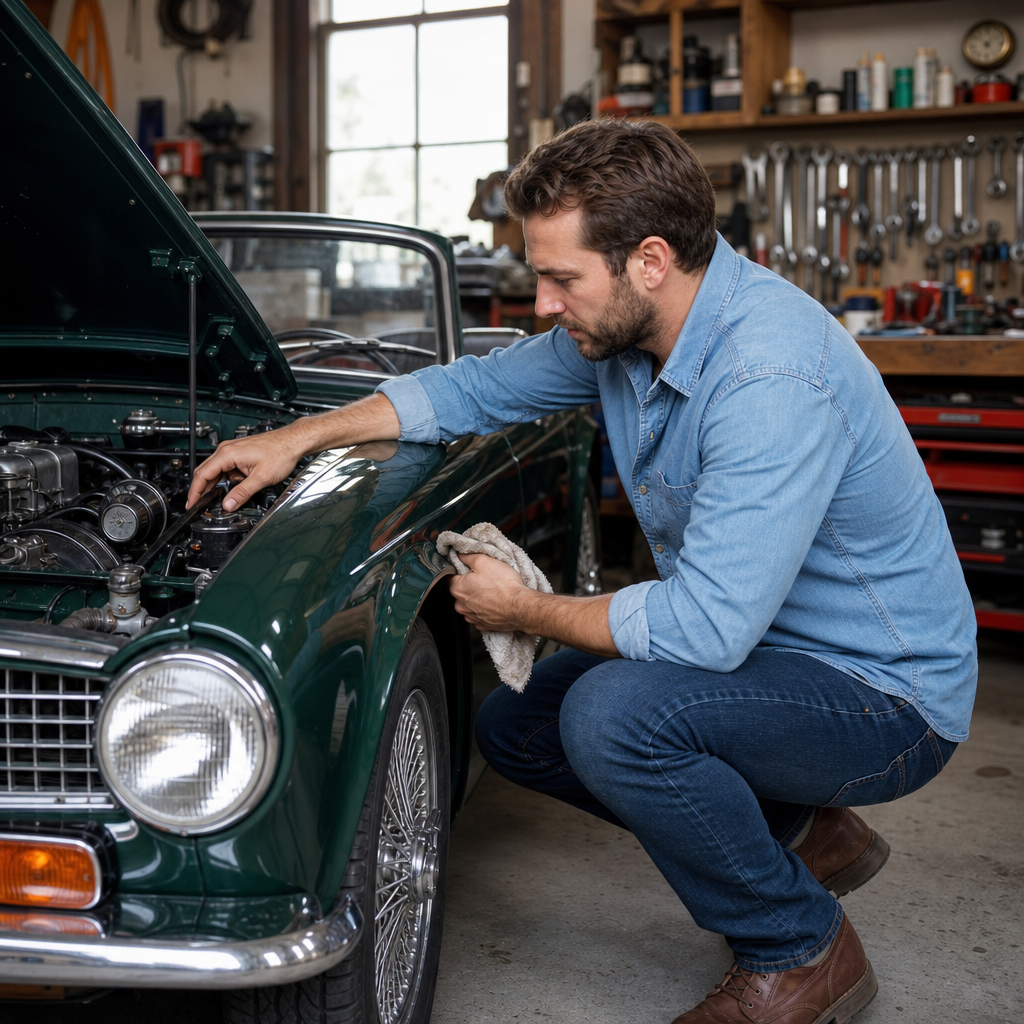
The first year is usually the most expensive because new owners catch up on deferred maintenance and replace age-sensitive parts regardless of mileage. Even a car advertised as turn-key often needs fluids, belts, hoses, filters, ignition tune-up items, battery service, and a thorough safety inspection. If the car has been sitting, expect fuel system cleaning, brake hydraulic work, and tire replacement. Old tires can look usable but become unsafe with age; date codes matter more than tread depth on collector cars that see limited miles. Shipping is another overlooked item. Open transport may cost hundreds within a region, while enclosed transport for a high-value vehicle can run well above that depending on distance and timing.
Taxes, title fees, registration, and emissions compliance can add another layer. Some states offer historic registration with mileage or use restrictions; others require periodic safety checks. Tools also count. Owners who plan to do basic maintenance should budget for a quality floor jack, jack stands, torque wrench, battery tender, multimeter, fire extinguisher, and service manual. If the car lacks shoulder belts, modern radial tires, or upgraded lighting, many beginners also choose reversible safety improvements. None of these costs are glamorous, but they shape the difference between a car that inspires confidence and one that becomes an expensive garage ornament.
Maintenance, Repairs, and Restoration: The Real Long-Term Budget
Classic car maintenance is driven less by mileage than by age, materials, and storage history. Rubber dries out, seals shrink, carburetors gum up, wiring insulation becomes brittle, and cooling systems corrode internally. Annual maintenance on a healthy driver can range from a few hundred dollars if you perform basic tasks yourself to several thousand if the car needs specialist labor. Labor rates vary widely, but restoration and vintage European specialists often charge rates comparable to modern dealership service, and sometimes more because diagnosis takes longer and parts fit can be inconsistent. A simple brake refresh may involve drums or calipers, wheel cylinders, hoses, master cylinder, hardware, and machining or replacement of wear surfaces.
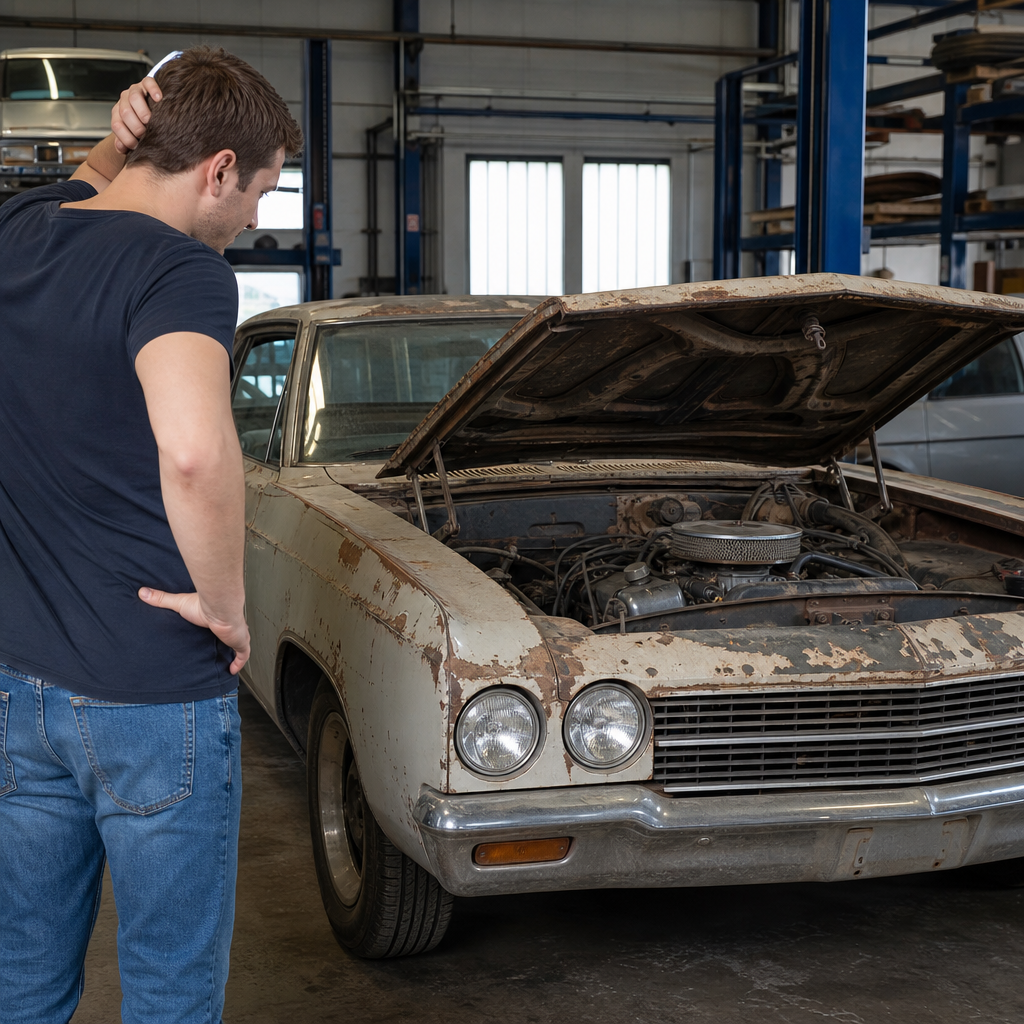
Restoration is where budgets explode. Paint and bodywork are especially expensive because rust repair is labor intensive and impossible to shortcut without consequences. Surface rust is manageable; structural rust in floors, rockers, frame rails, or suspension pickup points changes the economics of the whole car. Interior work can be deceptively costly as well. Seat foam, trim panels, carpets, weatherstripping, dash restoration, and correct hardware add up fast. Engine rebuilds vary by design. A simple small-block V8 is usually cheaper than rebuilding a fuel-injected, overhead-cam, limited-production engine with scarce machine shop knowledge. Parts availability is the deciding factor in many ownership stories. Cars with strong aftermarket support, active clubs, and reproduced parts are dramatically easier to own than obscure models where a missing trim piece can halt progress for months.
Insurance, Storage, and Security Costs
Insurance for a classic car is not the same as standard daily-driver coverage. Many owners use agreed value policies, which insure the car for a defined amount rather than depreciated actual cash value. That is crucial because collector vehicles do not follow normal depreciation curves. Premiums can be surprisingly reasonable when the car is garaged, driven limited miles, and backed by a clean record, but restrictions matter. Some policies exclude commuting, require another primary vehicle, or limit drivers by age and experience. Hagerty, American Collectors, and Grundy are well-known names in this market, and each evaluates usage, storage, and vehicle type differently. The lesson for beginners is simple: compare policy wording, not just premiums.
Storage is another major ownership cost. A secure garage is ideal because indoor storage reduces UV damage, corrosion, theft risk, and deterioration of rubber and interior materials. If you rent storage, monthly costs can materially change your annual budget. Climate control is especially valuable for cars with leather, wood trim, or delicate electronics. Security upgrades such as battery disconnects, kill switches, steering locks, trackers, and modern alarm systems are sensible for desirable models. If the car lives in shared or urban storage, budget for those protections. The cost is minor compared with the difficulty of recovering a stolen classic or repairing vandalism on irreplaceable trim and glass.
Typical Ownership Scenarios for Beginners
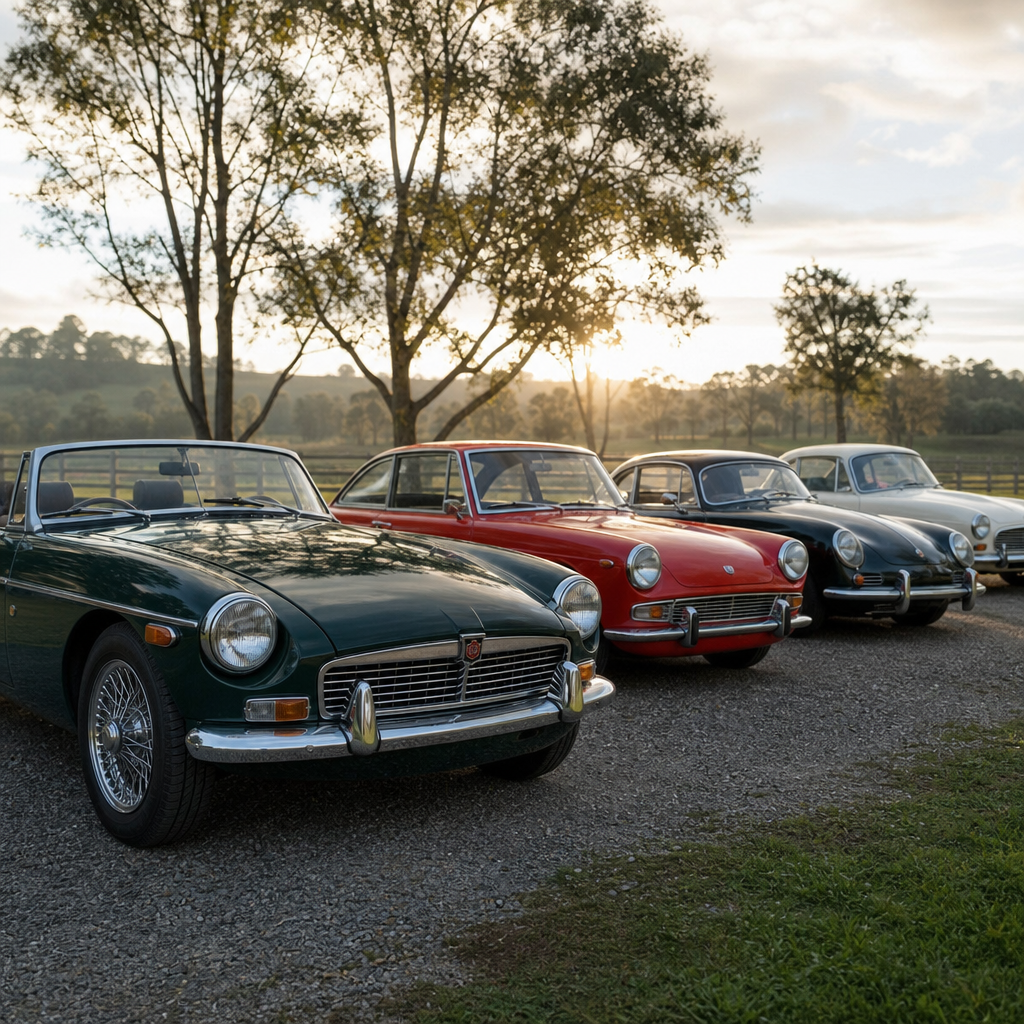
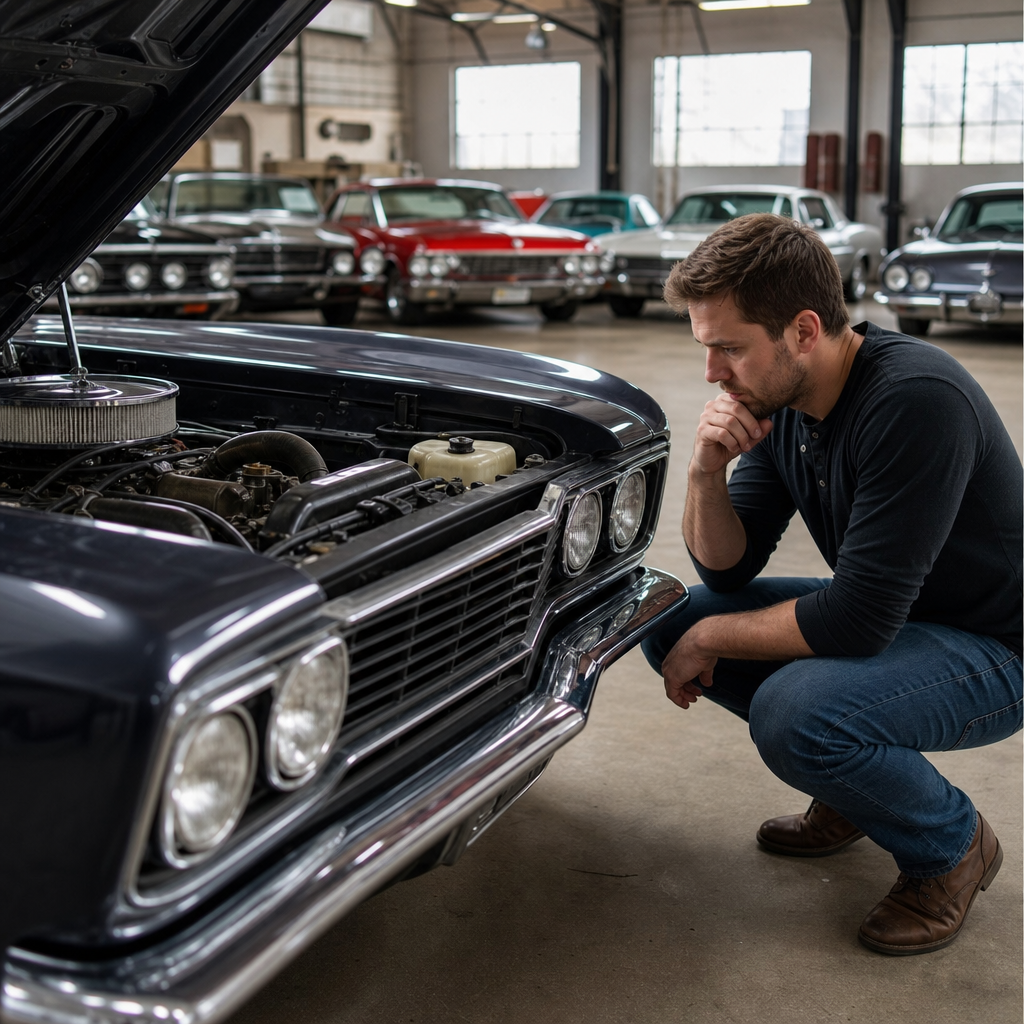
Most beginners fit into one of three patterns: buy a finished driver, buy a usable project, or buy a dream car that stretches the budget. The finished driver is usually the smartest route. You pay more up front, but you start with a safer, better-sorted car and can learn gradually. A usable project can work if the model has excellent parts support and the car is complete, rust-limited, and honestly represented. The budget-stretch dream car is the most dangerous because it leaves no reserve for inevitable catch-up work. I have seen buyers spend every dollar acquiring a car, then park it for a year because they cannot fund brakes, cooling repairs, and tires.
| Ownership path | Typical buy-in | First-year risk | Who it suits |
|---|---|---|---|
| Finished driver | Higher upfront | Lower surprise cost | Beginners who want to drive immediately |
| Usable project | Moderate upfront | Medium to high | Hands-on owners with time and workspace |
| Full restoration candidate | Low upfront | Very high | Experienced enthusiasts, rarely first-time buyers |
A practical beginner budget often includes a 10 to 20 percent reserve beyond purchase price for immediate needs. On a $20,000 driver, that means holding back at least $2,000 to $4,000. On a $10,000 project, the reserve should be larger in percentage terms because lower-priced cars usually carry more unknowns. This is why “affordable classic car” and “cheap classic car” are not interchangeable phrases. Affordable means the total ownership picture works. Cheap often means the car has already transferred its hidden costs to the next owner.
Factors That Make One Classic Cheap to Own and Another Expensive
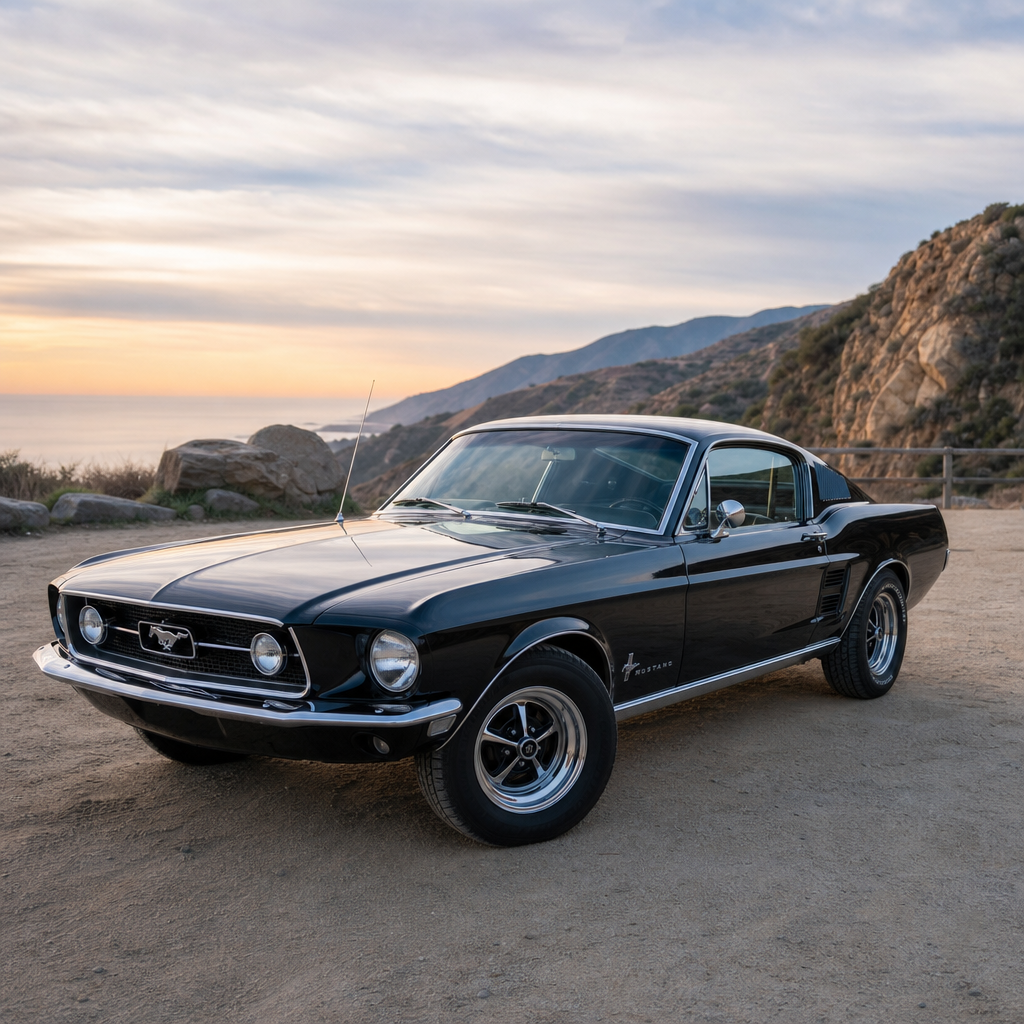
Beginners often ask why one classic costs a few hundred dollars a year to keep happy while another seems to consume money constantly. The answer usually comes down to five variables: parts supply, mechanical simplicity, rust vulnerability, specialist labor demand, and owner behavior. A first-generation Mustang, MGB, or Chevrolet C10 benefits from deep aftermarket support. You can buy tune-up parts, trim, weatherstripping, and even body panels from multiple sources. Compare that with a low-production Italian coupe or an obscure 1970s luxury car where model-specific switches, glass, or injection components are scarce. Scarcity creates delay, and delay increases labor.
Mechanical simplicity matters because simple systems are easier to diagnose and less costly to rebuild. Carbureted engines, leaf-spring suspensions, and common manual gearboxes may sound old-fashioned, but they are often transparent to work on. Complexity is not automatically bad, but it raises the expertise threshold. Rust vulnerability matters because hidden corrosion in unibody structures can exceed the value of the car. Owner behavior is the final variable. Cars that are exercised regularly, stored properly, and serviced preventively usually cost less over time than cars that sit for long periods and receive reactive repairs only after failure. In my experience, the cheapest ownership pattern is steady use, careful storage, and fixing small issues before they cascade.
How to Build a Realistic Classic Car Budget
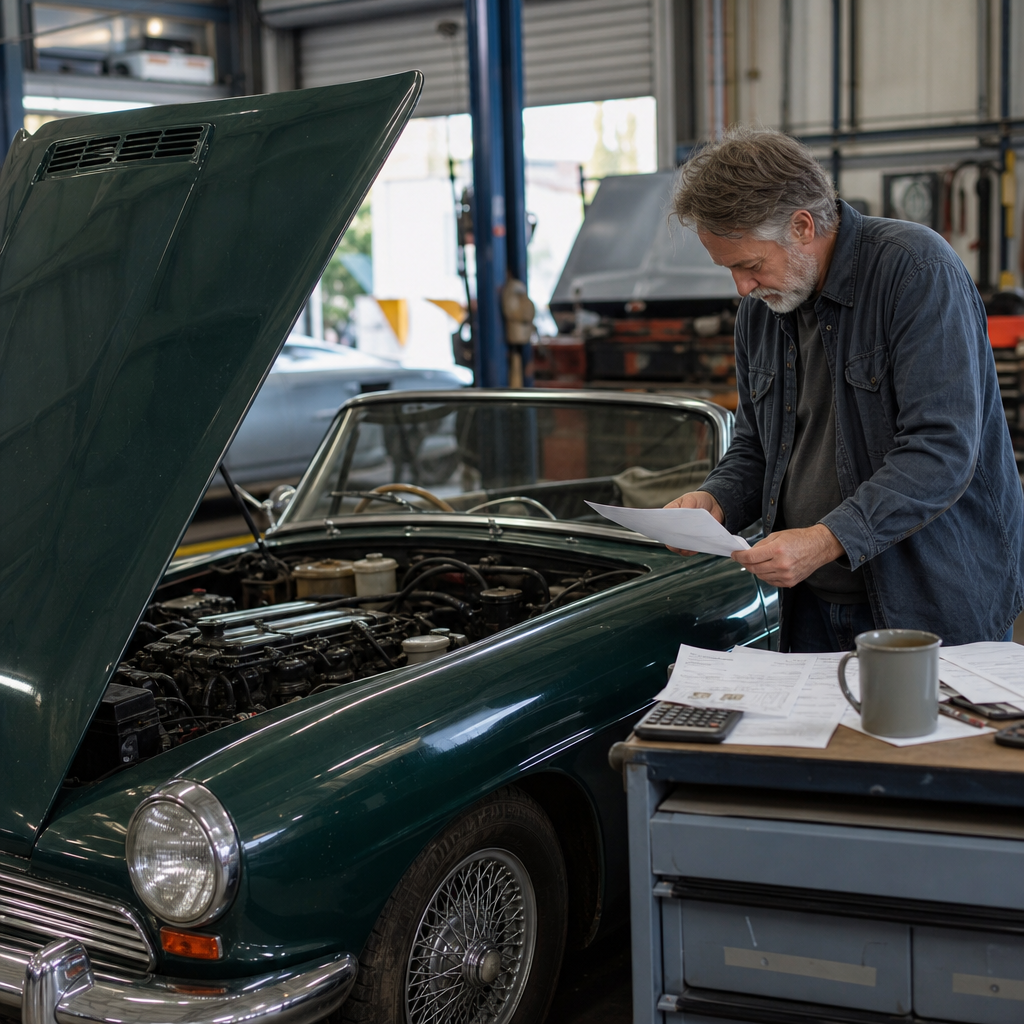
A realistic budget starts with intended use. Weekend cruiser, local show car, touring car, and investment-grade collectible each create different cost patterns. For a beginner guide, the smartest plan is a local or regional driver-quality car with broad parts support and strong club knowledge. Build your budget in layers. Layer one is acquisition: purchase price, inspection, taxes, and transport. Layer two is safety and baseline service: brakes, tires, fluids, steering, cooling, battery, and electrical reliability. Layer three is annual ownership: insurance, registration, storage, seasonal service, and fuel. Layer four is contingency: the reserve for hidden faults. If that total feels uncomfortable, the car is too expensive, regardless of asking price.
Use real sources when estimating. Price parts from known suppliers, get insurance quotes before buying, and call at least one local specialist shop about labor rates and common repairs for your target model. Join owner forums and marque clubs to see which failures repeat. Ask what parts are hard to source, what rust areas to inspect, and what upgrades improve reliability without hurting value. This hub article should point beginners toward deeper guides on inspections, insurance, storage, maintenance schedules, and model selection, because cost control starts with informed buying. The main benefit is confidence: when you understand where the money goes, you can choose a classic that fits your finances, skills, and expectations.
Classic car ownership is affordable for many beginners only when it is budgeted as a complete system rather than an emotional purchase. The key takeaway is straightforward: acquisition cost is just the front door. The true cost to own a classic car includes first-year catch-up work, annual maintenance, insurance, storage, security, and a cash reserve for surprises. Buy the most complete, rust-free, well-documented example you can reasonably afford, because bodywork and missing parts usually cost more than beginners expect. Favor models with strong parts support, active clubs, and known specialist shops. Get a pre-purchase inspection, compare agreed value insurance carefully, and decide how much work you can realistically do yourself.
For a first classic, the best value is usually a driver-quality car you can enjoy immediately while learning its needs over time. That approach limits downtime, spreads expenses, and keeps the hobby fun. If you are building out your understanding of classic car basics and education, use this hub as the starting point for deeper beginner guides on inspections, maintenance planning, storage strategy, and choosing the right model. Set your budget, leave room for the unexpected, and shop patiently. The right classic is not the cheapest one you can buy; it is the one you can afford to keep.
Frequently Asked Questions
What costs should I expect beyond the purchase price of a classic car?
The purchase price is only the starting point. In most cases, the real cost of owning a classic car includes insurance, registration, storage, maintenance, repairs, tires, battery replacement, detailing, fuel, and the occasional unexpected failure that comes with aging mechanical systems. Even a car that looks clean and runs well at the time of sale can need immediate baseline service such as fluid changes, brake work, hoses, belts, ignition components, carburetor tuning, or electrical troubleshooting. Older vehicles also tend to require parts sourcing, which can increase both labor time and overall expense.
New owners are often surprised by storage costs. A classic car generally lasts longer and holds value better when it is kept in a dry, secure garage. If you do not already have that space, renting one can become a major recurring expense. You should also account for tools, shop manuals, specialty cleaning products, trickle chargers, car covers, and transport costs if the vehicle needs to be shipped to a specialist or moved to a show. The smartest way to budget is to treat ownership as a combination of fixed annual costs and a repair reserve, rather than focusing only on the sale price.
How much should a beginner budget each year to own a classic car?
There is no universal number, because annual ownership costs depend heavily on the car’s condition, rarity, how often you drive it, and whether you do your own work. That said, beginners should think in ranges instead of hoping for a best-case scenario. A well-sorted, driver-quality classic that is stored properly and used moderately may still require a meaningful annual budget for insurance, registration, routine maintenance, and small repairs. A more temperamental car, a rare model, or a vehicle that has been sitting for years can easily consume several times that amount in the first year alone.
A practical approach is to divide your budget into three categories: expected costs, preventive maintenance, and surprise repairs. Expected costs include insurance, registration, storage, and fuel. Preventive maintenance covers fluids, brakes, tires, tune-ups, battery care, and seasonal inspection items. Surprise repairs are the category that catches most first-time buyers off guard, because older wiring, cooling systems, fuel systems, seals, and suspension parts can fail without much warning. If you are buying a project car, your budget should be much larger and more flexible, because project timelines almost always stretch and parts, labor, and restoration decisions can escalate quickly.
Is classic car insurance cheaper than regular car insurance?
It can be, but only if you qualify and understand the limitations. Many classic car insurance policies offer lower premiums than standard auto insurance because the vehicle is usually driven less, stored more carefully, and treated as a collector vehicle rather than daily transportation. These policies often use agreed value coverage, which means you and the insurer decide the car’s insured value in advance. That can be a major advantage compared with standard policies that may pay based on depreciated market value.
However, lower premiums do not mean fewer rules. Classic car insurers commonly require secure storage, a clean driving record, limited annual mileage, and proof that you have another vehicle for everyday use. Some companies use a minimum age threshold such as 20 or 25 years, while others look more closely at collector status and vehicle use. It is also important to read the policy details carefully. Mileage caps, usage restrictions, spare parts coverage, roadside assistance options, and valuation terms can vary significantly. In other words, classic car insurance can be cost-effective, but only if the vehicle and your driving habits fit the policy structure.
Why do restoration and repair costs get so high on classic cars?
Restoration and repair costs rise quickly because classic cars are old, parts availability is inconsistent, and labor can be highly specialized. What looks like a simple repair on the surface can uncover rust, worn hardware, outdated modifications, poor previous repairs, or hard-to-find components. Body and paint work are especially expensive because proper rust repair, panel alignment, metal fabrication, and quality finishing take time and skill. Mechanical work can also become costly when engines, transmissions, carburetors, cooling systems, and brake components all need attention at once.
Another major factor is scope creep. Many owners begin with a small plan such as “make it roadworthy,” but once the car is apart, it becomes tempting or necessary to rebuild more systems. Interior work, chrome, weatherstripping, glass, suspension, wiring, and trim restoration can add up much faster than expected. Labor rates matter too. A general repair shop may not be the best fit for vintage vehicles, while marque specialists often charge more because of their expertise. For that reason, a pre-purchase inspection is one of the best money-saving steps a buyer can take. It helps identify whether the car is a usable driver, a cosmetic project, or a full restoration candidate before you commit.
How can I keep classic car ownership affordable and avoid buying a money pit?
The best way to keep ownership affordable is to buy the right car from the start. In most situations, a well-maintained, running, driving classic with solid documentation is cheaper to own than a bargain-priced project car. Beginners often save money by choosing a model with strong parts support, broad enthusiast knowledge, and a large owner community. Popular classics may cost more upfront, but they are usually easier to repair, insure, and maintain than obscure models with limited replacement parts and fewer qualified specialists.
Before buying, pay for a thorough pre-purchase inspection, verify title status, look closely for rust, and review maintenance records. Ask whether the vehicle has been sitting for long periods, whether major systems have been rebuilt, and whether any modifications were done professionally. After purchase, avoid the trap of trying to fix everything at once. Prioritize safety and reliability first: brakes, tires, steering, suspension, fuel lines, cooling, and electrical integrity. Build a maintenance reserve, store the car correctly, drive it enough to keep systems healthy, and learn basic preventive care. Owners who budget realistically and buy with discipline usually enjoy the hobby much longer than those who spend all their money on the initial purchase and leave nothing for the realities of ownership.