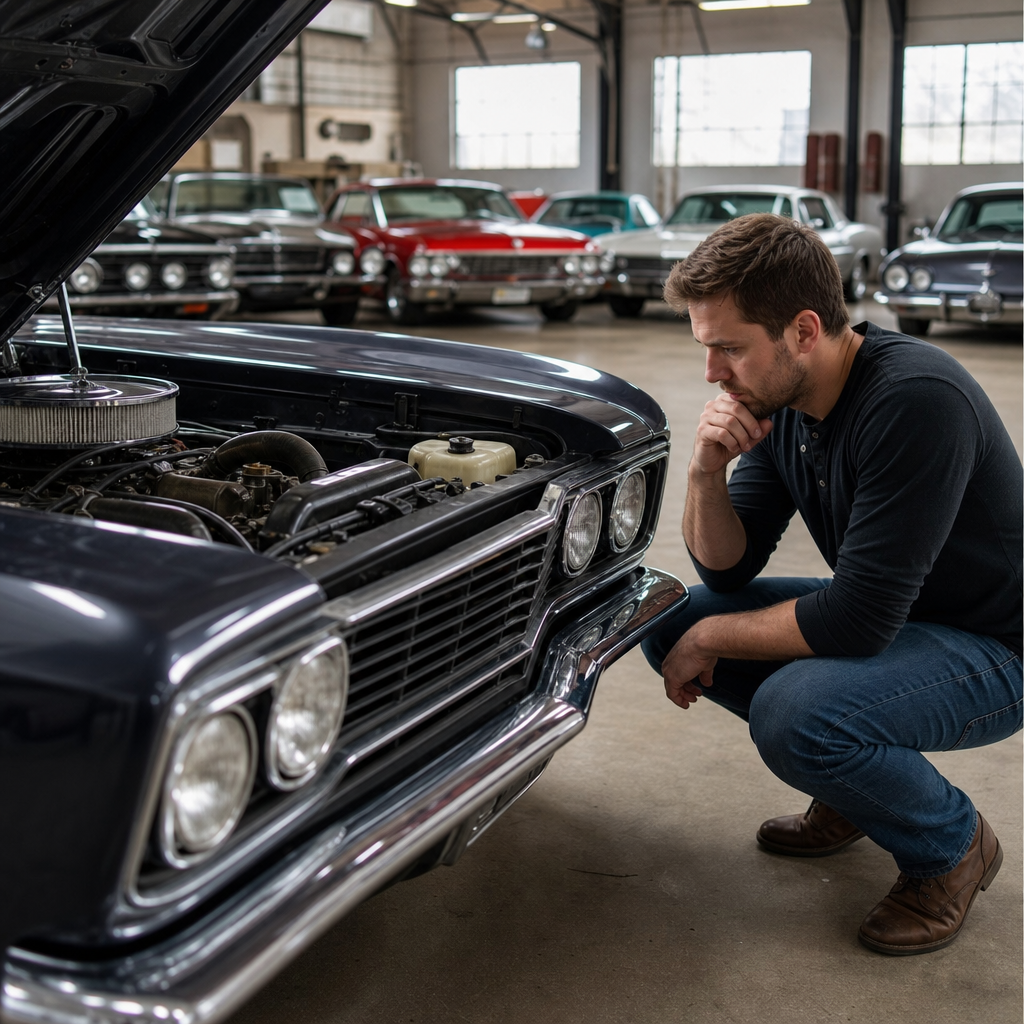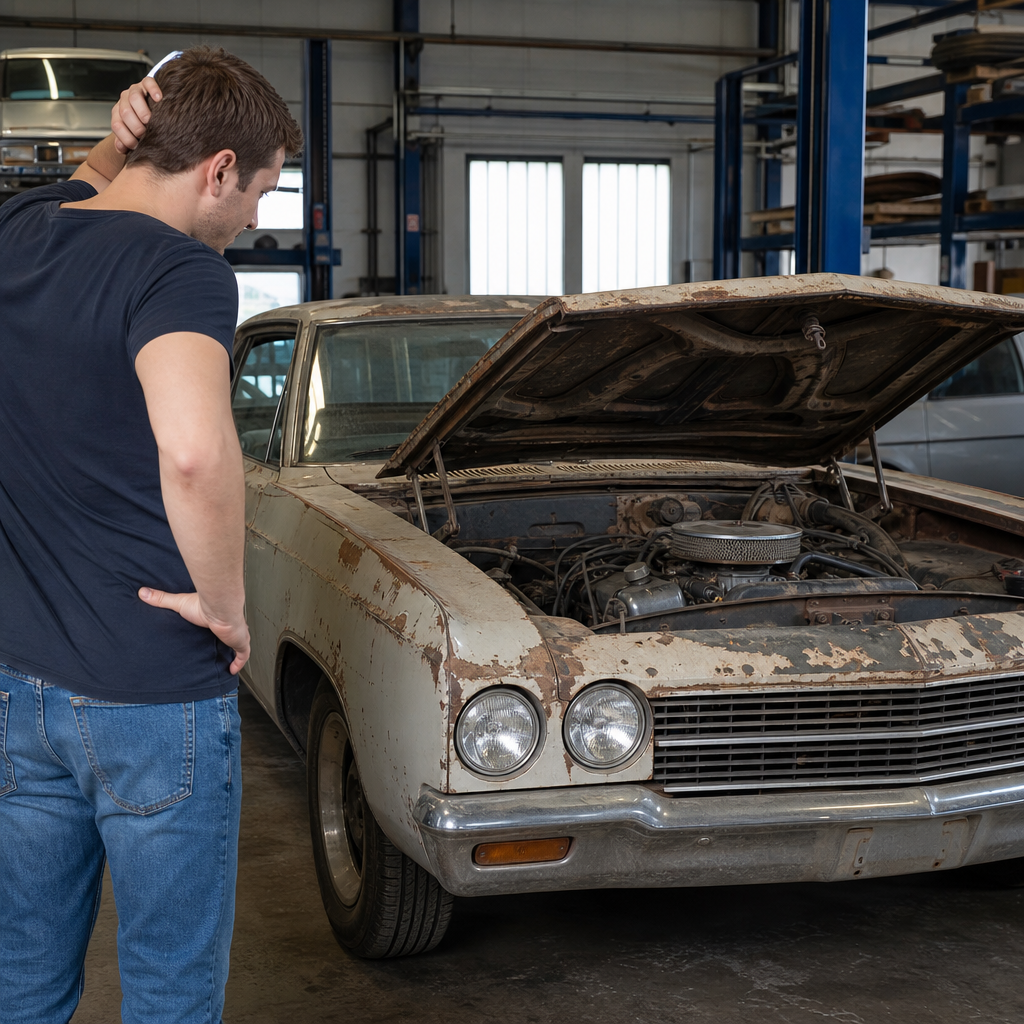
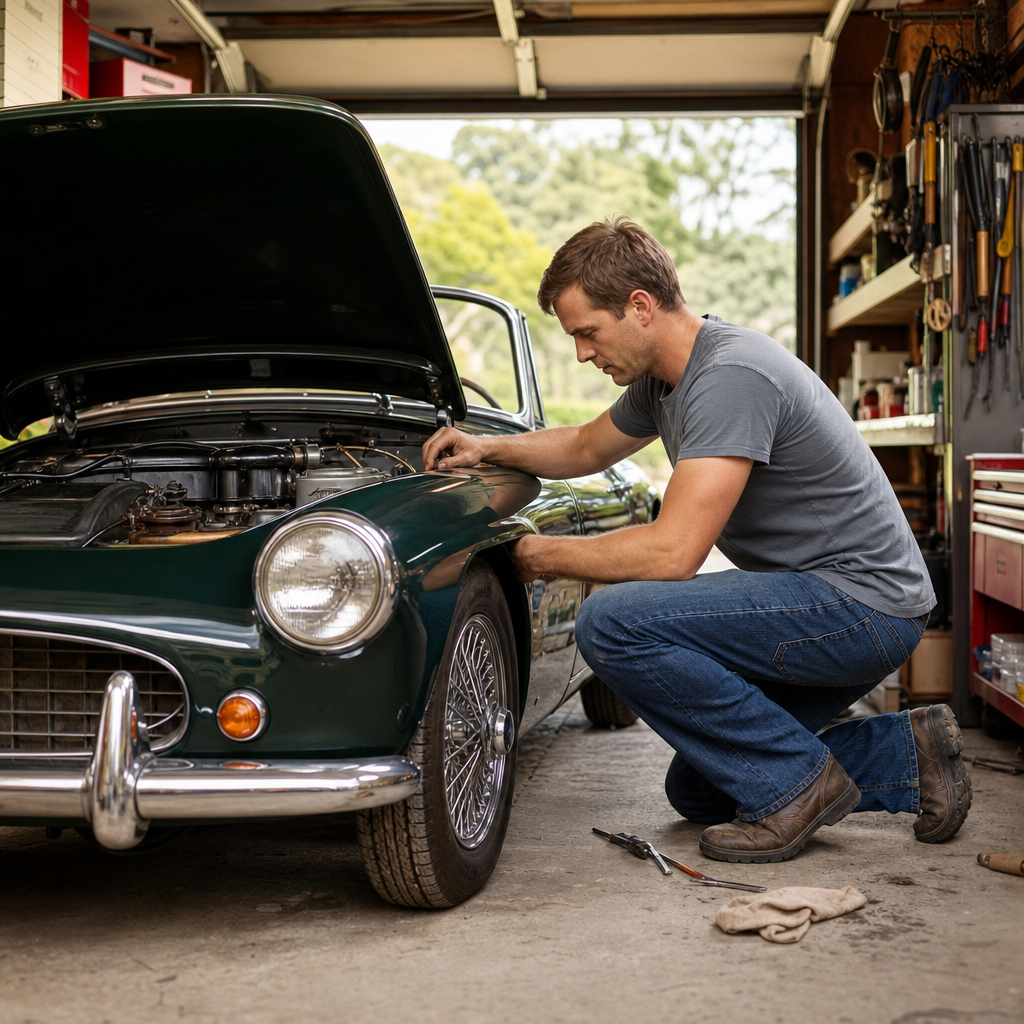
Classic car ownership is the experience of buying, maintaining, insuring, driving, and preserving an older vehicle that carries historical, cultural, or enthusiast value beyond basic transportation. For beginners, the phrase “classic car” usually refers to cars old enough to attract collector interest, though insurers, states, and clubs often define the term differently. Some policies use twenty or twenty-five years as a threshold, while registration programs may apply stricter rules. In practice, condition, originality, rarity, and desirability matter as much as age.
This beginner’s guide to classic car ownership matters because the first purchase often shapes everything that follows. I have seen new owners jump at a shiny car with fresh paint, then discover rust under filler, missing trim that costs thousands to replace, or paperwork problems that delay registration for months. I have also seen modest, honest drivers provide years of reliable enjoyment because the buyer understood parts availability, model history, maintenance needs, and realistic running costs before making an offer.
Owning a classic is different from owning a modern daily driver. A collector car rewards patience, mechanical sympathy, and planning. It may need warm-up time, more frequent fluid checks, specialist tires, carburetor tuning, or brake adjustments. Safety expectations differ too. Many older cars lack airbags, anti-lock brakes, crumple zones, and modern seatbelt systems. That does not make them unusable, but it does mean a beginner should choose carefully, inspect thoroughly, and drive with respect for the car’s design limits and the realities of current traffic.
As a hub for beginner guides, this article explains the full ownership journey: how to choose the right first classic, budget accurately, inspect a candidate car, understand titles and insurance, prepare storage, learn maintenance basics, and avoid the mistakes that cost new owners the most money. It also points you toward the logic behind deeper subtopics, from pre-purchase inspections to seasonal storage and authenticity checks. If you start with the right expectations, classic car ownership can be deeply practical, not just romantic.
How to Choose the Right First Classic Car
The best first classic car is not necessarily your dream poster car. It is the car that matches your budget, skill level, local parts support, storage situation, and intended use. When I help beginners narrow their search, I start with three questions: Do you want to drive it weekly, take it to shows, or learn mechanical restoration? Those answers determine whether you should prioritize originality, reliability, ease of service, or future value.
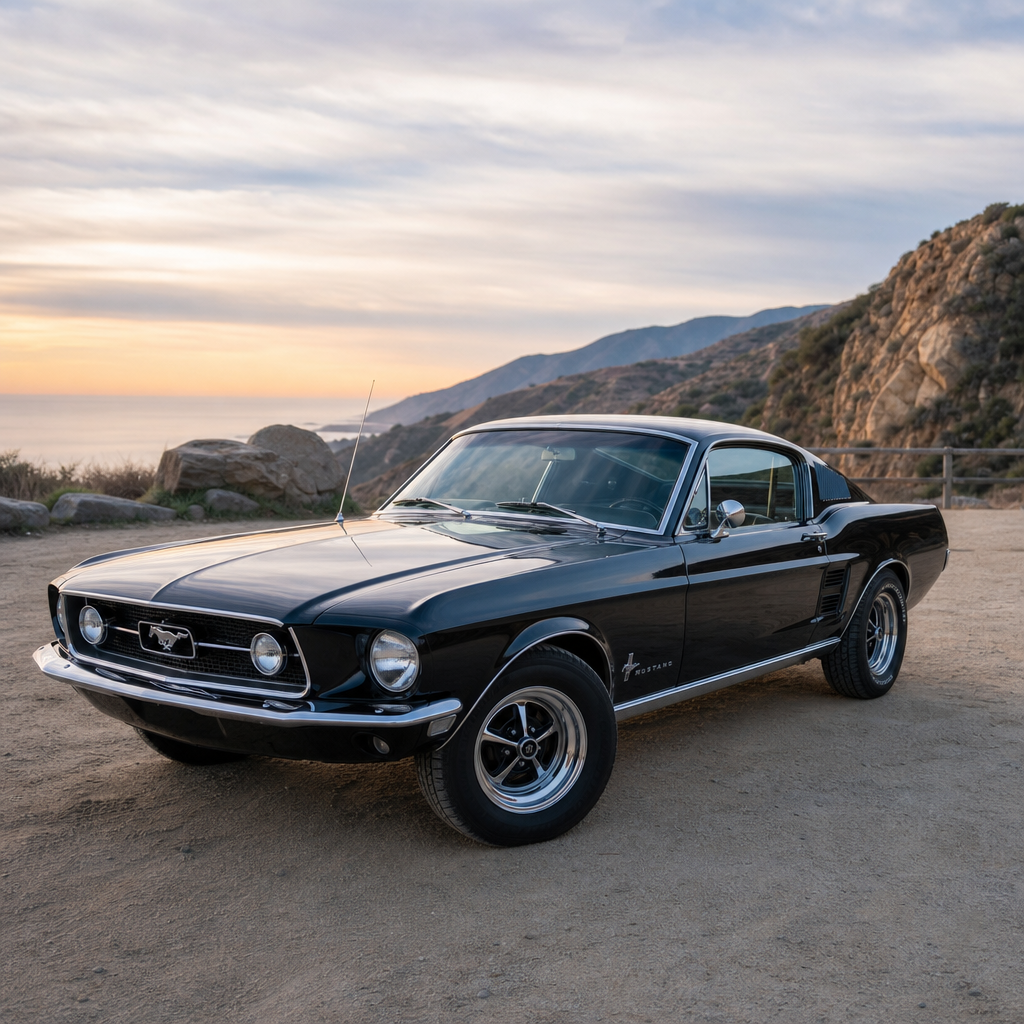
Beginner-friendly classics tend to share a few traits. They have strong club support, widely available replacement parts, straightforward mechanical systems, and broad documentation. Examples often include the 1964.5–1973 Ford Mustang, 1955–1957 Chevrolet Bel Air, MGB roadster, Volkswagen Beetle, air-cooled Porsche 911 in certain years, and Mercedes-Benz W123. Not all are cheap, but they are understandable. There are forums, factory manuals, reproduction parts catalogs, and specialists who know them intimately. That support network is often more important than badge prestige.
Condition usually matters more than rarity. A common car in excellent mechanical and structural condition is almost always a better first purchase than a rare car needing major restoration. Rust repair, trim hunting, and incomplete projects overwhelm beginners quickly. Buy the best example you can afford, especially if you are not equipped for welding, bodywork, or electrical troubleshooting. A complete, honest driver lets you learn ownership gradually. A disassembled project can stall for years and drain enthusiasm.
You should also distinguish between “survivor,” “restored,” “restomod,” and “driver-quality” cars. A survivor retains much of its original finish and components. A restored car has been returned to factory-like condition. A restomod combines classic style with upgraded engines, brakes, suspension, or electronics. A driver-quality car may show wear but remains usable and presentable. None is automatically best. For beginners, driver-quality or carefully sorted restomod examples are often the easiest to enjoy regularly because they blend character with practicality.
Budgeting Beyond the Purchase Price
The purchase price is only the entry ticket. Real classic car ownership costs include transport, taxes, title fees, insurance, storage, maintenance, repairs, specialist labor, tools, and inevitable surprises. A useful beginner rule is to reserve at least fifteen to twenty percent of the purchase price for immediate post-sale needs. Even a well-kept classic often needs fresh fluids, belts, hoses, ignition tune-up parts, battery service, tires checked for age, and brake inspection once it reaches your garage.
Insurance can be affordable if the car is stored securely, driven limited miles, and insured through a collector program from providers such as Hagerty, Grundy, or American Collectors Insurance. However, agreed value coverage requires accurate documentation. If you underinsure the car, a total loss payout may not reflect market reality. If you modify the car, tell the insurer. Hidden upgrades, engine swaps, or custom interiors can create coverage disputes after a claim.
Storage is another major budget line. A dry, enclosed garage is ideal because moisture destroys metal, upholstery, rubber, and electrical connectors. If you must rent storage, factor in monthly costs and accessibility. Cheap outdoor storage usually becomes expensive later through corrosion, UV damage, and interior deterioration. Consumables matter too. Bias-ply or period-correct tires, lead substitute debates for older engines, zinc content concerns for flat-tappet cams, and carburetor synchronization are details that can affect costs and reliability.
| Expense Category | What Beginners Often Miss | Typical Impact |
|---|---|---|
| Purchase | Shipping, taxes, registration, inspection fees | Adds hundreds or thousands immediately |
| Safety | Old tires, weak brakes, cracked fuel lines | Must be fixed before regular driving |
| Mechanical | Cooling system, ignition parts, battery, fluids | Common first-month maintenance items |
| Cosmetic | Missing trim, faded chrome, torn upholstery | Often more expensive than expected |
| Storage | Dehumidification, battery tender, cover, pest control | Protects long-term value and usability |
| Insurance | Agreed value documentation and mileage limits | Affects claim payouts and policy validity |
The smart approach is to create a first-year ownership budget before shopping. Include an emergency reserve. If buying the car leaves you unable to correct basic defects, the car will likely sit. A classic that does not run, move, or stop confidently becomes more expensive every month it is deferred. Financial realism is one of the strongest beginner advantages because it prevents emotional overbuying.
How to Inspect a Classic Car Before You Buy
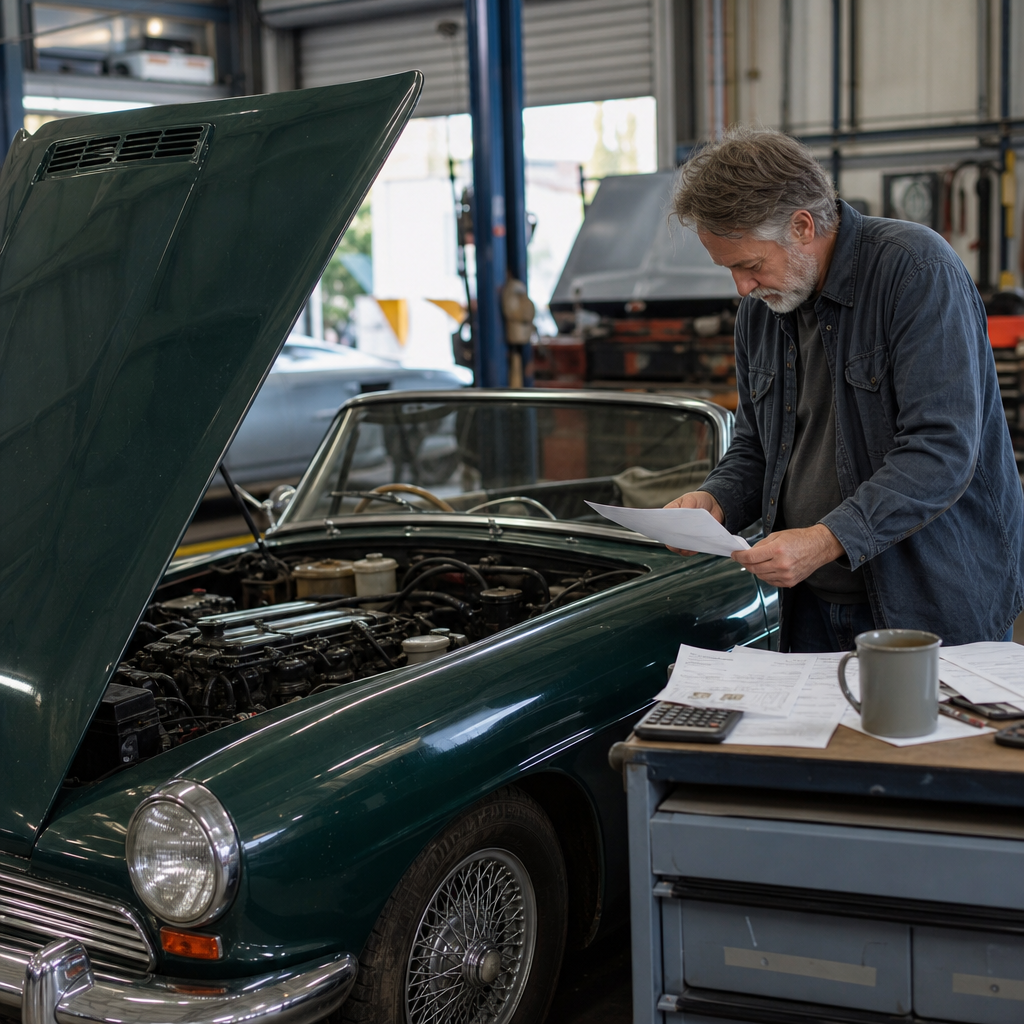
A pre-purchase inspection is the most valuable money a beginner can spend. If possible, hire a marque specialist rather than a general mechanic. Specialist knowledge matters because problem areas are model-specific. On some classics, cowl rust is the killer issue. On others, it is hidden frame corrosion, unibody damage, worn timing chain guides, vacuum leaks, or hard-to-source injection components. A specialist knows where original spot welds should appear, how factory stampings should look, and which modifications reduce value or reliability.
Rust is the first thing to evaluate because structural metalwork is expensive and often concealed. Inspect floors, rocker panels, trunk wells, frame rails, shock towers, lower fenders, windshield surrounds, and battery trays. Bring a flashlight and magnet, and look for bubbling paint, undercoating applied suspiciously thick, uneven panel gaps, and overspray on seals. Fresh paint can hide old problems. Receipts and photos of restoration work are useful, but they do not replace physical inspection.
Mechanical checks should cover cold starting, oil pressure behavior, idle quality, smoke, cooling system operation, transmission shifts, clutch engagement, steering play, suspension noises, charging voltage, and brake feel. During a test drive, note whether the car tracks straight, overheats in traffic, hesitates under load, or smells strongly of fuel. These observations tell you how sorted the car actually is. A seller’s confidence should include allowing a proper cold start and road test, not just a brief lap around a parking lot.
Documentation deserves equal attention. Confirm the VIN, chassis number, engine stamping if relevant, title status, registration, and receipts. Matching numbers are important for some buyers and less so for others, but misrepresented identity is a serious red flag. Check whether the car carries salvage history or liens. If the car is from another state or country, verify import papers and compliance requirements. Incomplete paperwork can turn a bargain into an administrative dead end.
Titles, Insurance, Registration, and Legal Basics
Legal details are less glamorous than paint and chrome, but they determine whether you can enjoy the car with confidence. Title procedures vary by state, especially for older vehicles, barn finds, inherited cars, and vehicles coming from title-exempt jurisdictions. Some states register older cars using the engine number or a state-issued VIN. Before buying, confirm exactly what your motor vehicle agency requires. Do not rely on the seller’s assumptions, especially when the phrase “easy paperwork” appears in a listing.
Collector insurance usually differs from standard auto insurance in three key ways: it often uses agreed value, expects secure storage, and imposes usage restrictions. Agreed value means you and the insurer establish the payout amount in advance, which is far better than depreciated actual cash value for most classics. But read the mileage terms, commuting exclusions, and driver eligibility requirements carefully. If the household daily drivers are not properly documented, some policies can be denied or rated differently.
Registration classes may include antique, historic, or collector plates. These can lower fees and simplify inspections, but they often limit use to exhibitions, maintenance drives, club events, and occasional pleasure driving. If you plan to commute, choose a registration and insurance structure that allows it. Also check emissions exemptions. Some pre-OBD vehicles are exempt by age, while others depend on county rules or model year cutoffs. Knowing these boundaries early helps you choose a usable car rather than a legal headache.
Maintenance, Storage, and Driving Habits for New Owners
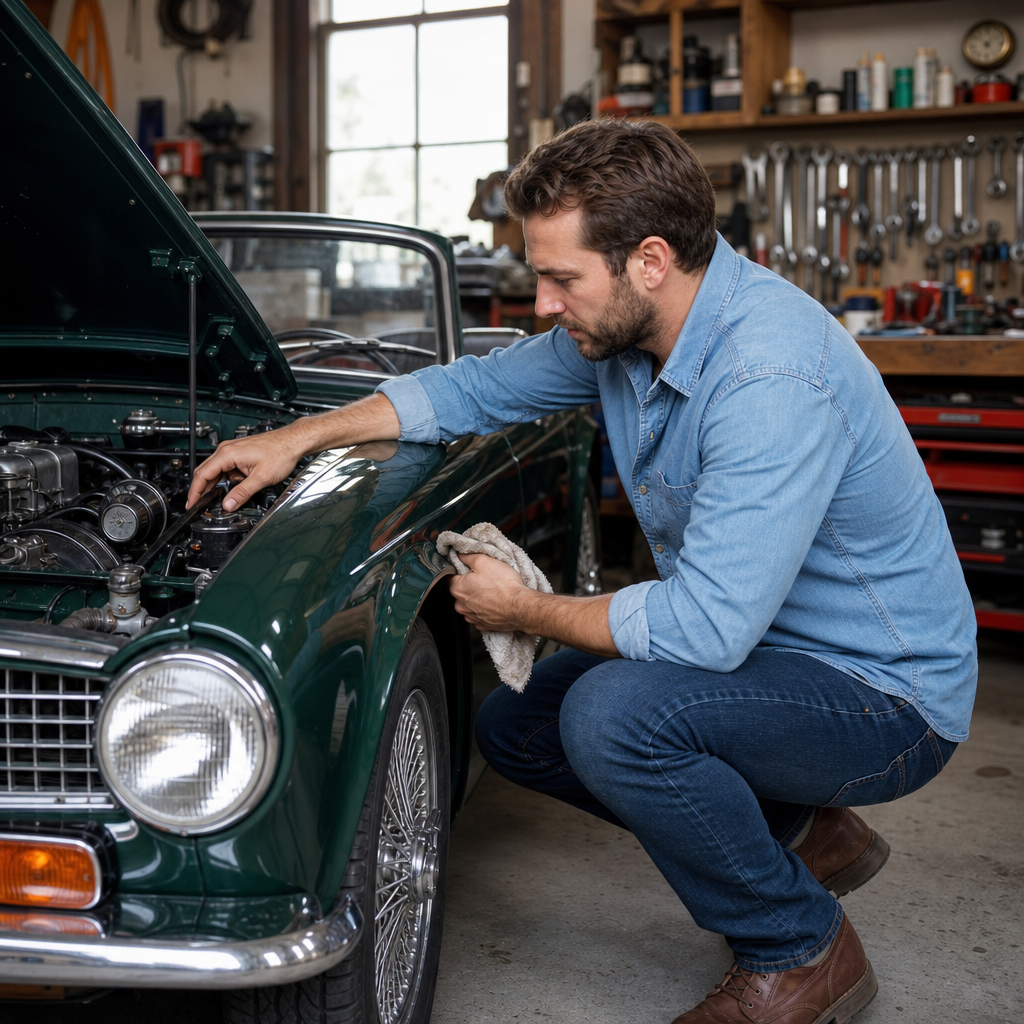
Classic cars stay healthiest when driven regularly and maintained on schedule. Long periods of sitting cause fuel varnish, dry seals, flat-spotted tires, stuck brakes, and battery deterioration. I advise beginners to establish a baseline service immediately after purchase unless records are exceptionally complete. Change engine oil, inspect coolant, replace suspect rubber hoses, check brake hydraulics, verify ignition timing, lubricate chassis points if applicable, and inspect the fuel system for leaks. This baseline creates a known starting point.
Storage should control moisture, temperature swings, and pests. A breathable car cover in a clean garage is helpful, but a cover over a dirty car can trap abrasive dust. Use a battery tender, maintain proper tire pressure, and place rodent deterrents near the vehicle if your area has mice. For longer storage, treat fuel with a stabilizer and decide whether your model benefits more from periodic start-ups or simply being stored correctly and left undisturbed. Starting a car briefly without fully heating it often creates condensation and does more harm than good.
Driving habits matter because classic components were engineered for a different era. Warm the engine gently, leave greater stopping distance, and monitor gauges instead of assuming warning lights will save you. Drum brakes, recirculating-ball steering, leaf springs, and carbureted engines all have distinct behaviors. Learn them. Keep a small trunk kit with basic tools, spare belts, fluids, a flashlight, and contact details for flatbed towing. Prepared owners turn minor roadside issues into manageable inconveniences rather than trip-ending disasters.
Common Beginner Mistakes and How to Avoid Them
The biggest mistake is buying on looks alone. Shiny paint, aftermarket wheels, and a detailed engine bay can distract from weak compression, unsafe wiring, hidden corrosion, or missing documentation. The second mistake is underestimating how difficult some parts are to source. Trim, glass, original carburetors, date-coded wheels, and interior hardware can be harder and costlier to replace than engines or transmissions. Research the parts ecosystem before you fall in love.
Another common error is changing too much too soon. New owners often disassemble a functioning car for cosmetic upgrades, then lose track of hardware, labels, and original setup. Drive the car first. Build a plan based on actual shortcomings. Prioritize safety, reliability, and reversibility. Keep every original part you remove, because provenance and future resale often depend on them. Document work with photos and receipts. Good records increase confidence for insurers, mechanics, and eventual buyers.
Finally, avoid isolation. Join a model-specific club, attend local cars and coffee events, and talk to owners who have solved the exact problems you will face. The best classic car education still happens in garages, club forums, and specialty shops where practical knowledge is shared freely. Community shortens the learning curve dramatically.
Beginner’s Guide to Classic Car Ownership starts with one truth: success comes from choosing wisely, inspecting carefully, budgeting honestly, and learning continuously. The right first classic is supported by parts, documentation, and a community that can help you keep it on the road. Buy condition over fantasy, verify paperwork before money changes hands, and assume every newly purchased classic needs a full baseline service, even when the seller says it is turnkey.
If you remember the essential principles, the rest becomes manageable. Match the car to your intended use. Protect it with agreed value insurance and proper storage. Respect the engineering limits of an older vehicle and develop maintenance habits that prevent small issues from becoming major repairs. Most beginner frustrations come from rushing: rushing the purchase, rushing modifications, or rushing into a project that exceeds available time, skill, and budget.
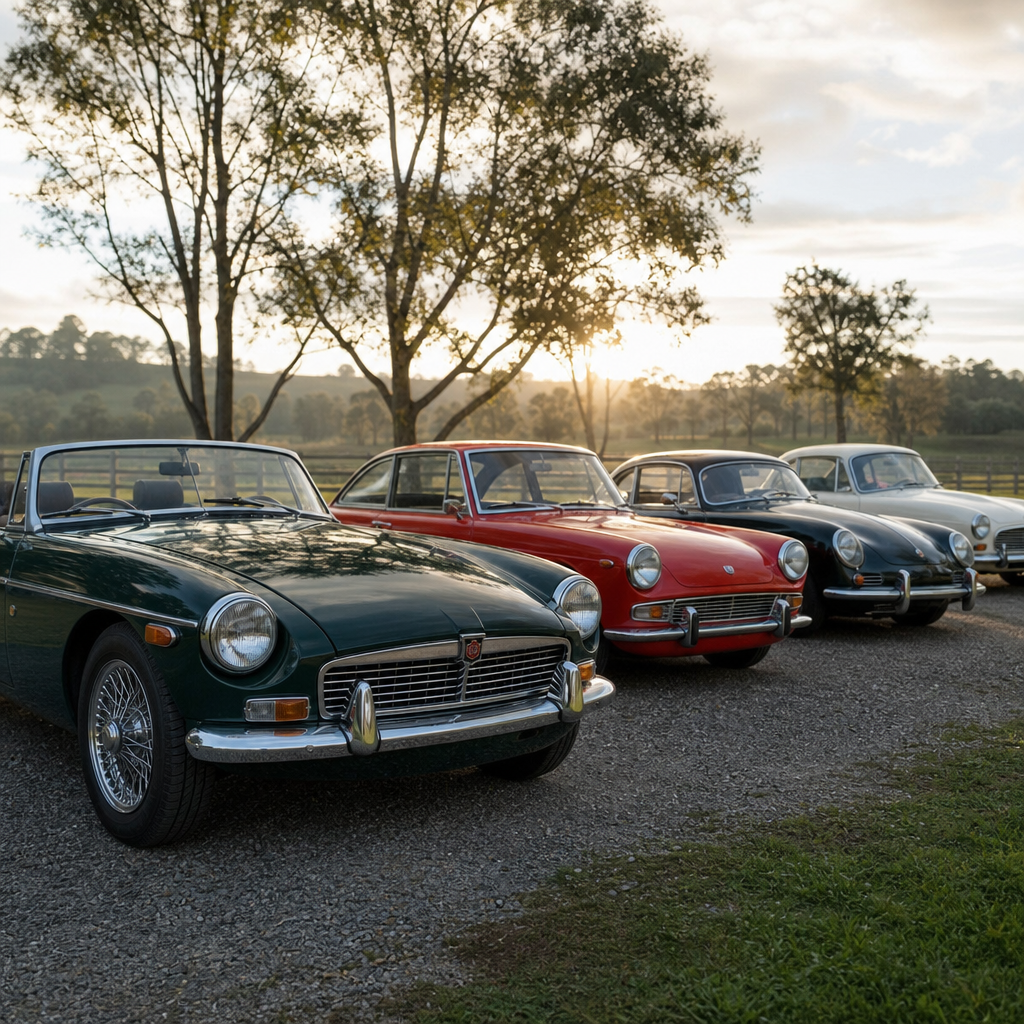
Classic car ownership rewards methodical people. It teaches observation, patience, and mechanical understanding in a way few modern vehicles can. It also creates a stronger connection to automotive history, whether you own a British roadster, an American muscle car, a postwar sedan, or a European coupe. As the hub for beginner guides in Classic Car Basics and Education, this page gives you the framework to move confidently into deeper topics like inspections, storage, maintenance schedules, valuation, and restoration planning.
Your next step is simple: choose one model you genuinely like, research its common problem areas, pricing, and parts support, then inspect real examples in person before you buy. That discipline is the fastest path to enjoying your first classic instead of recovering from your first mistake.
Frequently Asked Questions
What counts as a classic car for a beginner owner?
A classic car is generally an older vehicle valued for more than everyday transportation, but there is no single universal definition. For beginners, this is important because the meaning of “classic” changes depending on who is using the term. Insurance companies may consider a vehicle classic at twenty or twenty-five years old, while state registration programs, emissions rules, and collector car clubs may set different age thresholds or add requirements related to originality, limited use, or historical interest. In practice, a car becomes “classic” not just because of age, but because it has enthusiast appeal, collectible value, or significance in automotive history.
For a new owner, the safest approach is to look at three things: your state’s registration rules, your insurance company’s eligibility guidelines, and the market’s view of the vehicle. A 1990s or early 2000s car may qualify for collector insurance in some cases, but that does not automatically mean it qualifies for antique plates or special use exemptions. Likewise, an older car that has been heavily modified may be loved by enthusiasts but treated differently by insurers or judging organizations. Understanding these distinctions early helps you avoid surprises with coverage, registration, and intended use.
How do I choose the right classic car as my first purchase?
The best first classic car is usually one that is mechanically simple, well-supported with available parts, and affordable to maintain rather than the most exotic or rare model you can find. Many beginners make the mistake of shopping with emotion alone, focusing on styling or nostalgia without considering ownership realities. A smarter strategy is to choose a car with a strong owner community, clear documentation, and a reputation for reliable drivetrains. Popular classics often make better beginner cars because parts are easier to source, repairs are better documented, and experienced owners can help you troubleshoot problems.
You should also be honest about how you want to use the car. If your goal is weekend cruising, local shows, and occasional hobby driving, a comfortable and well-maintained driver-quality example is often better than a project car or a concours-level investment piece. A project can look cheaper upfront, but restoration costs add up quickly in paint, bodywork, interior trim, chrome, and labor. For most first-time buyers, paying more for a solid, running, complete car is usually less expensive than trying to rebuild a bargain purchase from the ground up.
Before buying, inspect the vehicle carefully or hire a classic-car-savvy inspector. Rust, accident damage, poor wiring, missing trim, and questionable title history can become far bigger problems than worn upholstery or faded paint. Review service records, verify VIN and identification tags, and ask about recent maintenance, storage conditions, and modifications. A good first classic should match your budget not only at purchase, but throughout ownership, including insurance, storage, repairs, and routine upkeep.
What kind of maintenance does a classic car need compared with a modern car?
Classic cars typically require more frequent hands-on attention than modern vehicles because they were built with older materials, simpler engineering, and fewer self-monitoring systems. Even a well-kept classic may need regular checks of fluids, belts, hoses, ignition components, cooling system health, battery condition, tire age, and brake performance. Unlike a modern car that can often go long stretches with minimal intervention, a classic rewards owners who inspect it often and catch small issues before they become larger mechanical failures.
Age itself is a major factor. Rubber dries out, seals shrink, fuel systems gum up, wiring becomes brittle, and corrosion can develop even if the car is not driven much. A vehicle that sits too long can develop as many problems as one that is heavily used. That is why beginner owners should create a maintenance baseline immediately after purchase. This often includes changing engine oil and coolant, inspecting brake lines and fuel lines, evaluating the charging system, replacing old tires if they are aged out, and making sure the car starts, idles, shifts, stops, and runs at proper temperature.
It also helps to learn the difference between “operational” and “sorted.” A classic that runs and drives is not necessarily ready for dependable use. Many experienced owners spend the first months of ownership addressing deferred maintenance to establish reliability. Keeping a logbook, using quality parts, and finding a mechanic familiar with older vehicles can make ownership much smoother. If you enjoy learning basic mechanical skills, classic ownership can be especially rewarding, but even beginners who prefer professional service should expect a more involved maintenance routine than with a daily modern car.
How does insurance work for classic cars, and is it different from regular auto insurance?
Yes, classic car insurance is often different from standard auto insurance, and understanding that difference is one of the most important parts of beginner ownership. Many collector policies are designed for vehicles used on a limited basis, such as hobby driving, club events, exhibitions, and occasional pleasure trips rather than daily commuting. These policies may also require that you have another regular-use vehicle, secure indoor storage, and a clean driving record. Because the insurer expects lower annual mileage and careful ownership habits, premiums can sometimes be surprisingly reasonable.
One key feature of classic car insurance is agreed value coverage. Instead of treating the vehicle like an old used car that depreciates, the insurer and owner agree on a value for the car when the policy is issued. If the vehicle is stolen or totaled, the payout is based on that agreed amount, subject to policy terms, rather than an ordinary market depreciation formula. This can be far better for a collectible vehicle, but it also means you should document the car thoroughly with photos, appraisals if needed, receipts, and records of restoration or maintenance work.
Beginners should read all usage restrictions carefully. Some policies limit annual mileage, prohibit regular commuting, or place conditions on who can drive the car. Others may be flexible if the vehicle is a “future classic” or used sparingly. The best approach is to compare specialist insurers, ask direct questions about driving use, storage, modifications, and spare parts coverage, and never assume a standard policy will protect a classic adequately. Good insurance is not just about meeting legal requirements; it is about protecting the actual collector value of the vehicle.
What are the biggest beginner mistakes in classic car ownership, and how can I avoid them?
One of the biggest mistakes is underestimating total ownership cost. The purchase price is only the beginning. Storage, specialized insurance, transportation, registration, tools, maintenance, repairs, and cosmetic improvements can quickly add up. Beginners also often buy the wrong car for their skills or budget, taking on a project that needs major bodywork or a rare model with scarce parts. It is usually wiser to buy the best example you can reasonably afford rather than the cheapest entry point into a model you love.
Another common mistake is skipping due diligence. New owners sometimes buy based on appearance, seller enthusiasm, or online photos without confirming rust condition, title status, matching numbers if that matters to them, or mechanical soundness. A pre-purchase inspection by someone familiar with classic vehicles can save thousands of dollars and a great deal of frustration. It is also important not to assume recent paint means a solid body, or that a running engine means a healthy car overall. Rust, wiring issues, cooling problems, and poor repairs are often far more serious than cosmetic flaws.
Finally, many beginners treat a classic either too casually or too fearfully. Some drive them without properly sorting safety-critical items such as brakes, steering, tires, and fuel lines. Others are so worried about preserving value that they never enjoy the car at all. The best ownership mindset is balanced: preserve the vehicle thoughtfully, maintain it proactively, document what you do, store it well, and use it in a way consistent with its condition and insurance terms. A classic car is both a machine and a piece of enthusiast history, and the most successful owners learn to protect it while still enjoying the experience that made them want one in the first place.