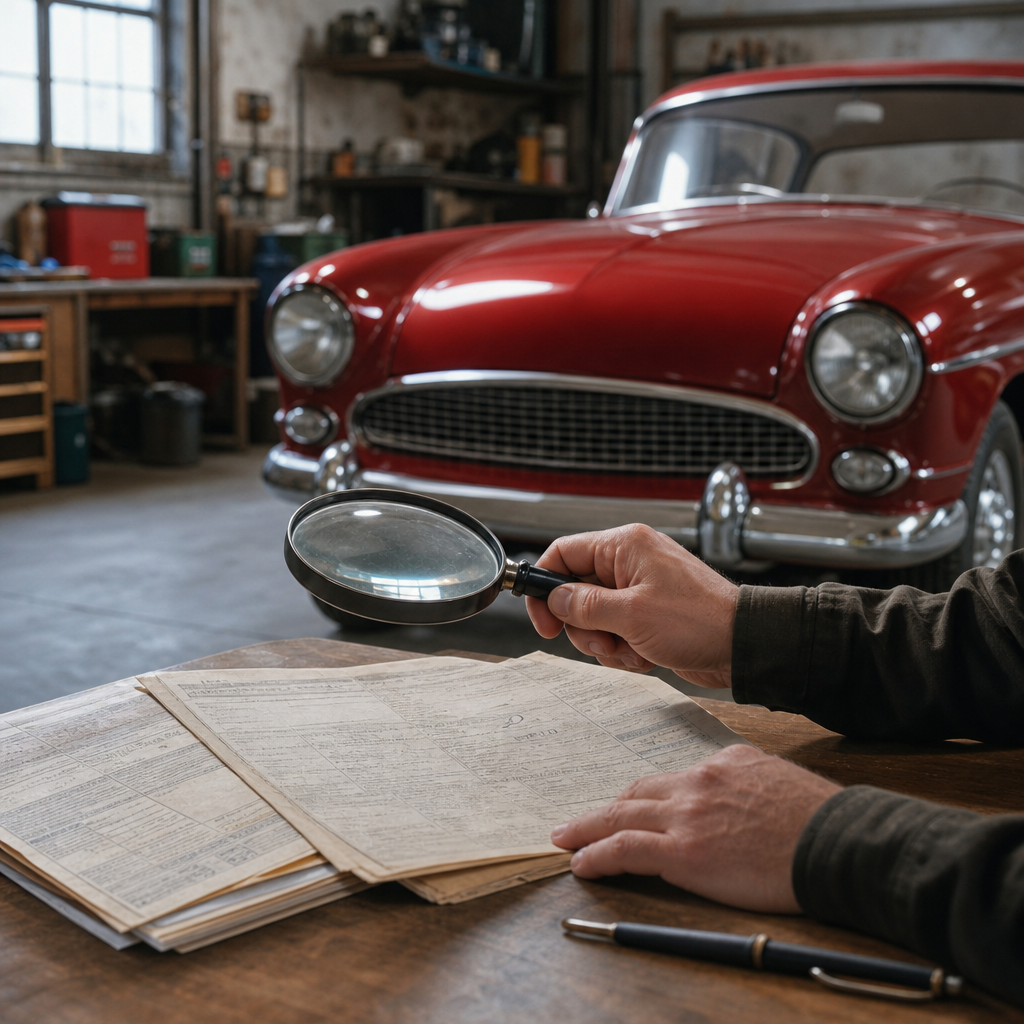

Buying a classic car starts with one decision that shapes every step after it: should you buy from a dealer or through a private sale? In the classic-car market, that choice affects price, risk, paperwork, authenticity, negotiation leverage, and even how enjoyable the ownership experience becomes. A dealer is a licensed business that acquires, markets, and sells vehicles, often with some level of inspection, title handling, transport coordination, or financing support. A private sale is a transaction between individuals, usually with fewer formal protections but often more direct history and potentially better pricing. For anyone researching where to buy classic cars, understanding this difference is not optional; it is the foundation for making a smart purchase.
I have helped buyers source everything from driver-quality British roadsters to six-figure muscle cars, and the pattern is consistent: the right buying channel depends on the buyer’s goals, budget, and tolerance for uncertainty. A first-time buyer looking for a usable 1967 Mustang coupe may value hand-holding and title support. A seasoned collector chasing a numbers-matching 1970 Porsche 911T may prefer direct contact with the owner who has preserved decades of records. Neither route is automatically better. The better route is the one that aligns with the car, the market, and the buyer’s skill set.
This hub article explains where to buy classic cars by comparing dealer inventory and private sale opportunities in practical terms. It also touches on auctions, consignments, online marketplaces, and specialist brokers because buyers rarely search in just one place. The goal is to show what each source does well, where problems usually appear, and how to evaluate listings with enough rigor that you avoid expensive mistakes. If you want a concise answer, here it is: buy from a reputable dealer when you need structure, convenience, and support; buy privately when you have strong due diligence skills and want the most direct path to value and history.
What Buying From a Classic Car Dealer Really Means
Buying from a classic car dealer usually gives you a more controlled process. A serious dealer has a business reputation to protect, knows how to market condition honestly enough to avoid disputes, and typically handles title transfers, bill of sale details, lien checks, and shipping logistics more smoothly than a private seller. Many also have relationships with inspection shops, appraisers, transporters, and lenders that understand collector vehicles. If you are buying out of state, this infrastructure matters. In practice, good dealers reduce friction more than they eliminate risk.
There are several kinds of dealers. Some are high-end boutiques specializing in blue-chip classics such as air-cooled 911s, Mercedes-Benz Pagodas, or Shelby Mustangs. Others are volume resellers with broad inventory that ranges from unfinished projects to restored cruisers. Some operate on consignment, meaning the car belongs to a client and the dealer is brokering the sale. That distinction matters because consignment dealers may know less about the car than an owner-dealer who purchased and reconditioned it. Ask directly whether the car is owned by the dealership, held on consignment, or listed for a third party.
The biggest advantage of a dealer is efficiency. A dealership listing often includes better photography, underbody images, VIN tags, trim-tag details, and a summary of recent work. Good dealers can also provide walkaround videos, cold-start footage, compression test results, and copies of restoration receipts. On a 1969 Camaro SS, for example, a dealer that can quickly produce cowl-tag photos, engine casting numbers, and paint-meter readings is saving you time and reducing guesswork. That does not mean the car is perfect. It means the process is more organized.
The biggest disadvantage is price. Dealers need margin. They pay acquisition costs, marketing expenses, floorplan or capital costs, detailing, transport, labor, and overhead. As a result, dealer pricing often sits above equivalent private-sale pricing. In some segments, the spread is small; in hot markets, it can be substantial. A dealer may ask $58,000 for a sorted Jaguar E-Type 2+2 that a private seller would let go for $49,000 because the dealer has corrected safety issues, documented the car, and is selling convenience as much as sheet metal. That premium can be worth paying, but you should recognize what you are buying.
How Private Sales Work and Why Buyers Pursue Them
A private sale is usually the purest form of classic-car buying: one owner, one car, one set of stories, records, and motivations. For buyers who care about provenance, private sales can be unmatched. You may meet the person who restored the car, hear exactly why quarter panels were replaced, and review service binders going back twenty years. That level of continuity is rare in dealer inventory, especially when cars have recently changed hands. If authenticity and long-term stewardship matter, private sales deserve serious attention.
Price is the other major attraction. Without dealer overhead, private sellers can price more aggressively and still come out ahead. A knowledgeable seller may understand market comps from Hagerty Price Guide, collector auction results, and marque forums, but many private owners price based on emotion, outdated values, or a desire for a quick sale. That creates opportunities. I have seen excellent Alfa Romeo Spider and C3 Corvette driver cars bought privately for 10 to 20 percent less than equivalent dealer offerings, even after factoring in inspection and transport costs.
Private sales also let you read the owner. When someone can explain the difference between original and replacement stampings, produce photos of restoration work, and calmly discuss flaws without defensiveness, confidence rises. When answers are vague, records are “lost,” and the car is suspiciously warm before startup, caution is warranted. In private transactions, the seller is part of the evidence. Their knowledge, honesty, and consistency tell you almost as much as the car.
The downside is that private sales offer less process support and fewer remedies if something goes wrong. Most classics are sold as-is, whether through a dealer or private seller, but private deals often involve less formal documentation and more room for misunderstanding. Title problems, estate-sale complications, missing VIN plates, unpaid liens, and misrepresented engine swaps appear most often here. A private sale can be the best place to buy a classic car, but only if you are prepared to verify every material claim yourself.
Dealer vs Private Sale: The Practical Comparison
The smartest way to compare dealer vs private sale is by the factors that actually affect ownership: cost, transparency, legal support, selection, and post-sale confidence. Buyers often overfocus on asking price and underweight transaction quality. A cheaper car with hidden rust, weak compression, or a tangled title is not cheaper. It is simply discounted upfront and expensive later.
| Factor | Dealer | Private Sale |
|---|---|---|
| Price | Usually higher due to margin and reconditioning | Usually lower, especially with motivated sellers |
| Paperwork | Typically more organized; title and transfer support common | Varies widely; buyer must verify title, liens, and IDs carefully |
| Vehicle History | Can be limited on consignment cars or recent acquisitions | Often strongest when buying from a long-term owner |
| Selection | Broader inventory and easier cross-shopping | More scattered; best cars may be found through clubs and referrals |
| Negotiation | Structured; less emotional, sometimes less flexible | Can yield better value, but seller sentiment can complicate talks |
| Risk Level | Lower process risk, not necessarily lower vehicle risk | Higher process risk unless due diligence is strong |
If you are a first-time classic buyer, dealer inventory is often safer because the process is easier to manage. If you already know how to decode tags, identify rust-prone areas, review restoration records, and arrange a pre-purchase inspection, private sales often deliver better value. The key insight is simple: dealers reduce transaction friction, while private sales can improve price and historical clarity. Your decision should be based on which of those advantages matters more for the specific car you want.
Other Places to Buy Classic Cars: Auctions, Brokers, Consignment, and Online Marketplaces
Anyone researching where to buy classic cars should look beyond the dealer-versus-private binary. Major auctions such as Mecum, Barrett-Jackson, Bonhams, RM Sotheby’s, and Gooding offer access to rare inventory and transparent market signals, but buyer’s premiums can add 10 percent or more, and inspection windows are limited. Online auction platforms like Bring a Trailer and Cars & Bids have changed the market by concentrating enthusiasts, documentation, and public commentary in one place. A strong Bring a Trailer listing with cold-start videos, underside photos, and seller answers can be more informative than a weak dealership listing. Still, online bidding creates momentum, and emotional buying is common.
Consignment dealers sit between dealer and private sale. The presentation may look polished, but the underlying knowledge may still reside with the owner. Ask who can answer technical questions, who set the reserve, and whether the dealer has physically inspected the car beyond intake photos. Specialist brokers are another option, especially for hard-to-find cars. A good broker can source off-market inventory through club networks, restoration shops, and marque specialists. The fee can be worthwhile when chasing a specific spec, such as a factory-color 356 coupe or a documented big-block Chevelle.
Online marketplaces including Hemmings, ClassicCars.com, Facebook Marketplace, and marque forums remain essential. Hemmings still attracts serious collector listings. Forums often surface enthusiast-owned cars with strong documentation. Facebook Marketplace has volume and speed, but quality control is inconsistent and scams are common. The practical approach is to treat each channel as a lead source, not a trust signal. The platform does not validate the car. Your inspection process does.
How to Evaluate Any Listing Before You Commit
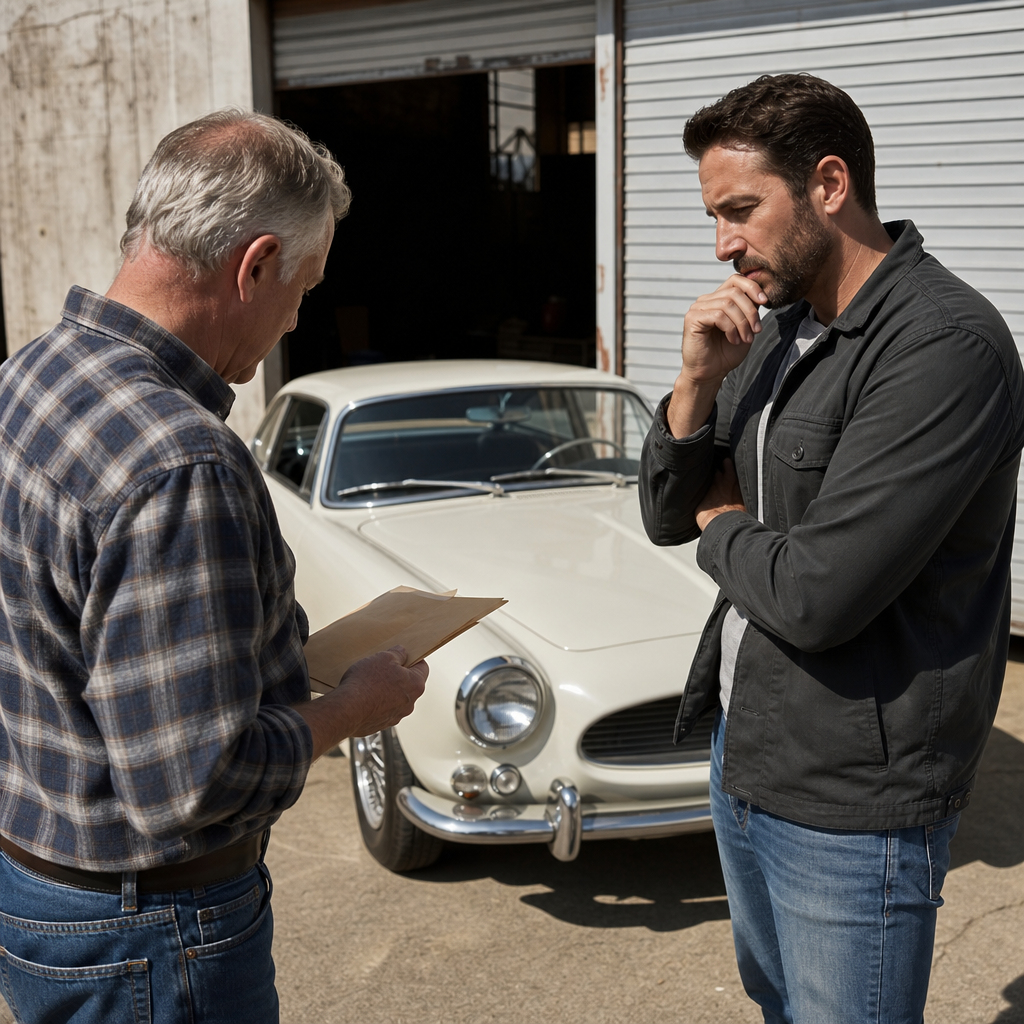
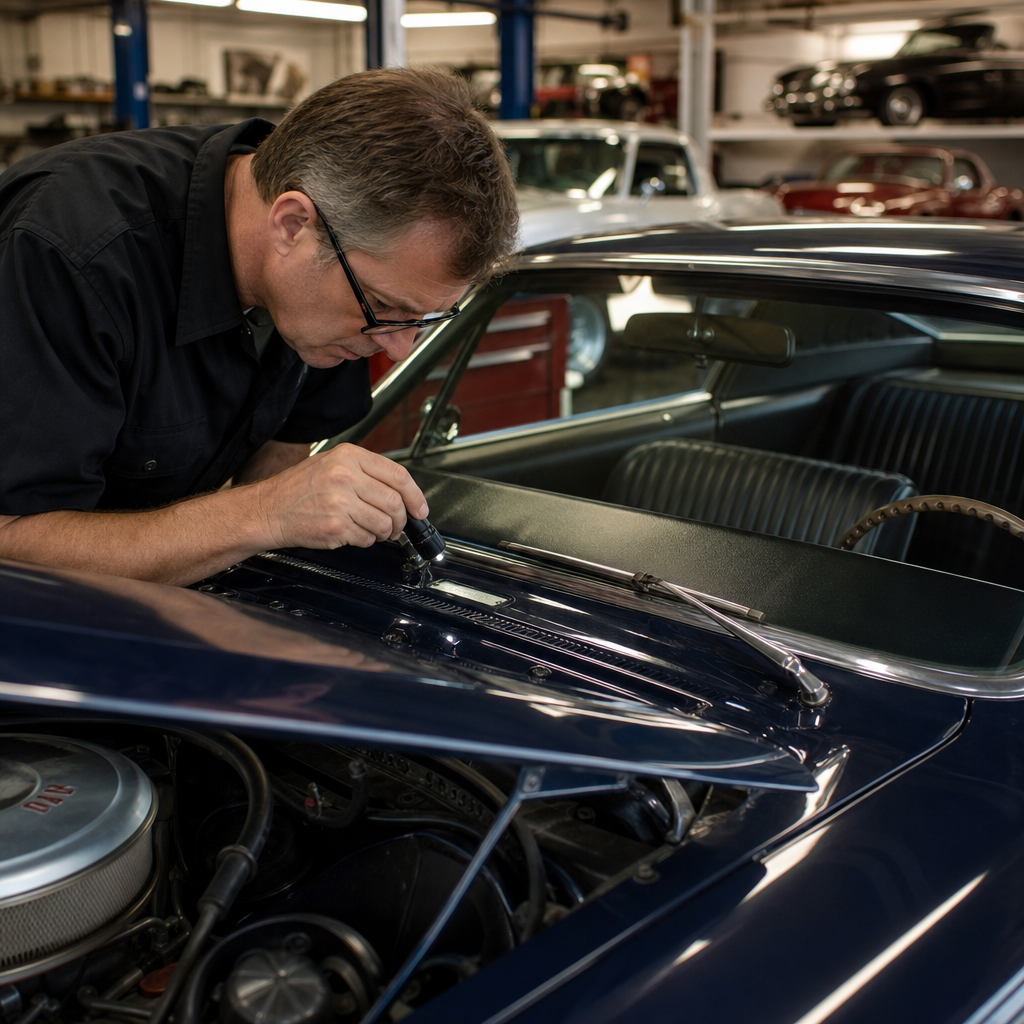
No matter where you buy, start with identity, condition, documentation, and market position. Identity means VIN, chassis number, engine number, body tag, and any marque-specific identifiers. Confirm that these numbers match the title and align with known factory ranges. On muscle cars, build sheets, protect-o-plates, and trim tags can materially affect value. On European classics, Kardex, heritage certificates, or factory records may matter. If the seller cannot provide clear photos of these items, pause.
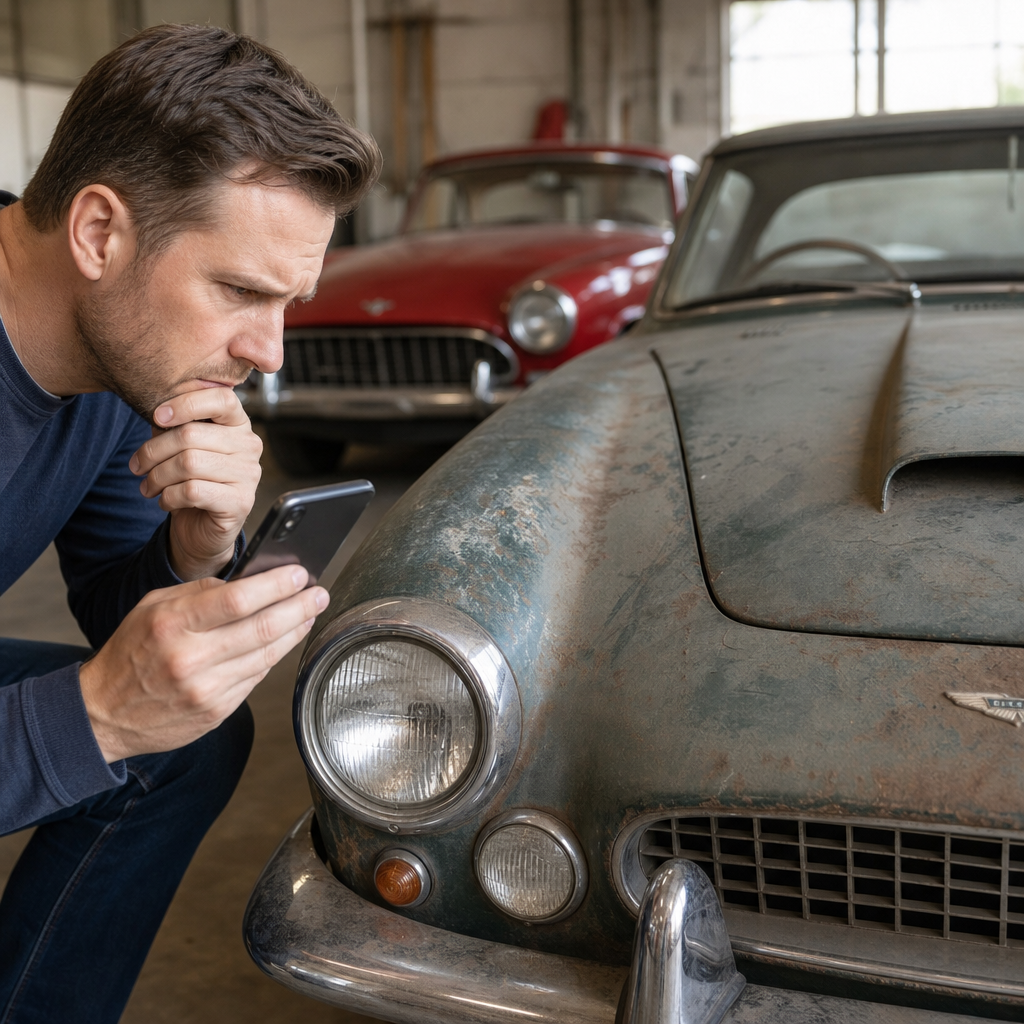
Condition should be evaluated in layers. Cosmetics are the least important layer because paint and upholstery distract buyers from structure. The costly questions are underneath: rust in floors, frame rails, rockers, cowl, suspension pickup points, battery boxes, or torsion tube areas; evidence of collision repair; engine health; gearbox behavior; brake function; and electrical integrity. A pre-purchase inspection by a marque specialist is essential. For a few hundred dollars, you can avoid a five-figure mistake. I never advise skipping a PPI on a classic car unless the buyer is personally inspecting at expert level.
Documentation matters because it converts claims into evidence. Ask for restoration invoices, ownership history, service records, photos of metalwork before paint, and any appraisal or judging sheets. Market position means comparing the asking price with recent sales of similar cars in similar condition. Use multiple references, not one optimistic comp. A freshly restored car may still be worth less than the restoration cost if the model lacks strong demand. Buyers who understand this avoid overpaying for “money spent” rather than market value.
Choosing the Best Buying Channel for Your Situation
The best place to buy a classic car depends on your priorities. If you want a turnkey driver, clear paperwork, financing options, and straightforward shipping, buy from an established dealer with a strong reputation and transparent disclosures. If you want the best chance of meeting a careful long-term owner, learning the car’s full story, and buying below dealer retail, focus on private sales through clubs, forums, local events, and referrals. If you are hunting a rare specification or need national reach, add auctions, online platforms, and brokers to your search.
In real-world terms, beginners should usually pay more attention to seller quality than channel identity. A meticulous private seller with complete records can be safer than a flashy dealer selling a newly acquired consignment car with minimal history. Likewise, a respected specialist dealer can be safer than an uninformed private seller who genuinely believes a mediocre restoration is concours quality. The right question is not simply where to buy classic cars. It is where to buy this specific classic car with the highest confidence and lowest total risk.
The strongest strategy is to search broadly, inspect rigorously, and decide narrowly. Compare dealer and private listings for the same model. Study auction archives. Join model-specific communities. Build a shortlist based on documentation, structural condition, and seller credibility rather than shiny paint or urgent language. If you do that, you will buy better and regret less. Start by defining your target car, your budget, and your acceptable risk level, then choose the buying channel that matches all three.
Frequently Asked Questions
Is it better to buy a classic car from a dealer or a private seller?
The better option depends on what matters most to you: convenience and structure, or price and direct access to the car’s history. Buying from a dealer usually offers a more organized process. Dealers often handle title work, coordinate transport, provide detailed listings, and may perform at least a basic inspection before offering the car for sale. That can reduce friction, especially for first-time classic-car buyers or for people purchasing from out of state. A dealer may also have a reputation to protect, which can encourage more consistent communication and cleaner presentation.
A private sale, however, can offer advantages that are hard to duplicate. You are often speaking directly with the person who owned, maintained, drove, and stored the car. That firsthand knowledge can be invaluable when evaluating originality, restoration quality, quirks, and long-term care. Private sellers may also be more flexible on price because there is no business overhead or retail markup built into the transaction. If you are comfortable inspecting cars carefully, verifying paperwork, and managing the buying process yourself, a private sale can be a smart route. In short, dealers tend to offer ease and process control, while private sellers may offer more context and better pricing.
Are classic cars usually more expensive at a dealership?
In many cases, yes. Dealer pricing is often higher because a dealer is not simply passing along a car at the same level as a private owner. The asking price may reflect acquisition costs, detailing, photography, advertising, storage, staffing, title processing, market research, and the dealer’s profit margin. Some dealers also spend money correcting obvious issues, documenting the car, or making it sale-ready in a way that a private seller may not. As a result, you are often paying for convenience, presentation, and a more structured transaction.
That said, a higher price does not automatically mean poor value. If a dealer has already identified title issues, gathered service records, arranged a pre-sale inspection, or made the vehicle easier to finance or ship, that can save time and reduce risk. By contrast, a cheaper private-sale car can become more expensive quickly if hidden rust, poor restoration work, missing VIN tags, or incomplete paperwork emerge after purchase. The key is to compare total value, not just the sticker price. Ask what has been done to the car, what documentation is included, whether the numbers and tags have been verified, and whether an independent pre-purchase inspection is allowed. The cheapest entry point is not always the cheapest ownership experience.
Which option is safer when it comes to paperwork, title issues, and authenticity?
Dealers often provide a safer and more predictable process for paperwork, particularly if the car is crossing state lines or has unusual registration history. A reputable dealer is generally more familiar with title transfer rules, lien releases, bill-of-sale requirements, VIN verification, emissions or exemption issues, and how to handle older vehicles that may have state-specific documentation quirks. That experience can be extremely helpful in the classic-car market, where older cars may have gaps in records, prior restorations, or registration histories that require careful review.
However, authenticity is not guaranteed just because a car is sold by a dealer. In fact, regardless of where you buy, you should independently verify key details. Match the VIN, chassis, engine, trim tags, and body numbers where applicable. Review restoration receipts, historical registrations, ownership records, and any factory documentation available. A private seller may actually offer stronger authenticity insight if they have owned the car for years and can explain exactly what was changed, repaired, or restored. The safest path is not to assume one channel is automatically trustworthy, but to treat documentation as essential. Whether you buy from a dealer or a private party, insist on clear title status, confirm the seller has legal authority to sell the vehicle, and use a marque specialist or inspector if the model has significant value or authenticity-sensitive details.
Can you negotiate more with a private seller than with a dealer?
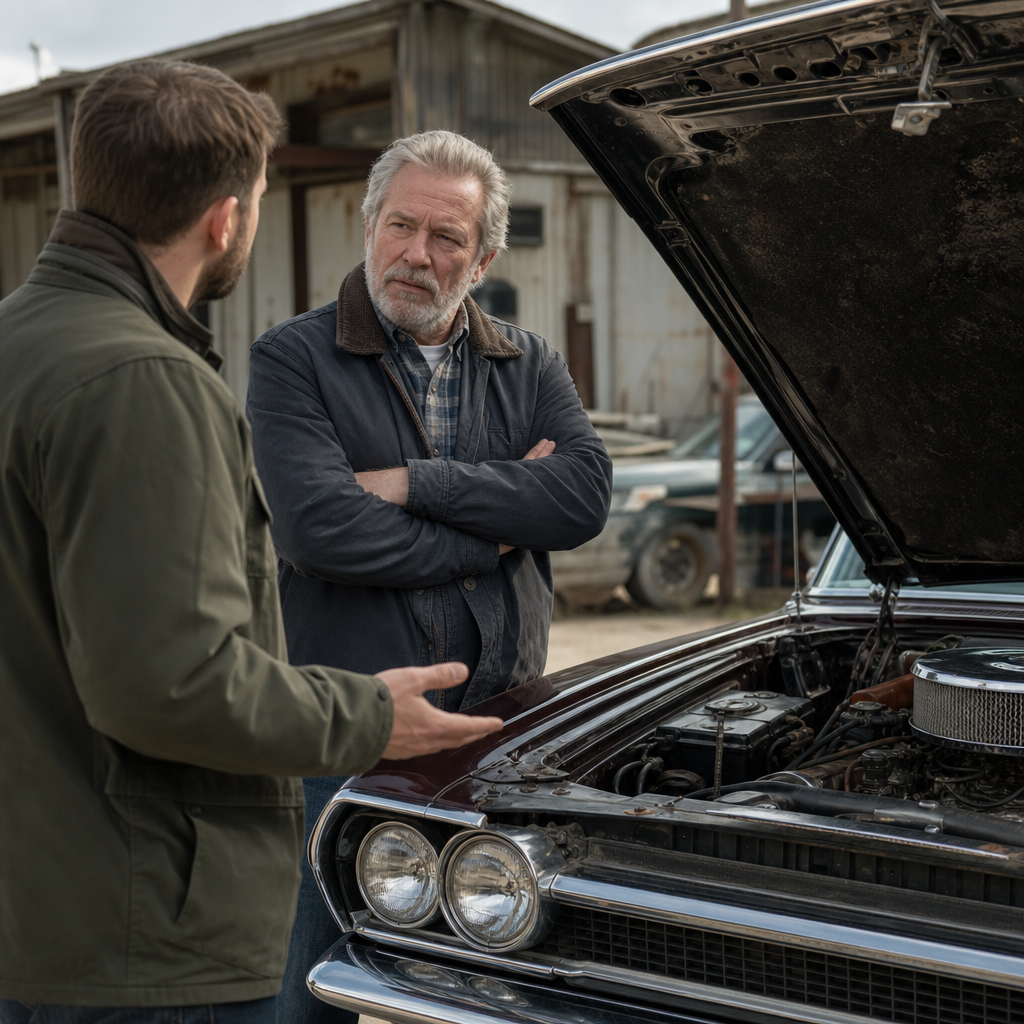
Often, yes, but the situation depends on the seller’s motivations and how accurately the car is priced. Private sellers may have more room to negotiate because they are not managing the car as retail inventory and may simply want a straightforward sale. They may respond well to respectful, fact-based negotiation, especially if you point to documented needs such as worn tires, aging paint, incomplete records, non-original components, overdue maintenance, or rust repair that will require immediate attention. A private seller may also be emotionally attached to the car, which can either help or hurt negotiation depending on how you approach the conversation.
Dealers can negotiate too, but they are usually more disciplined about pricing and margins. A dealer who knows the market well may be less flexible on headline price but more willing to adjust terms in other ways, such as helping with enclosed shipping, including extra parts, facilitating a pre-purchase inspection, or addressing a small issue before delivery. In either case, the strongest negotiation tool is preparation. Know recent comparable sales, understand how originality affects value, and be ready to distinguish between cosmetic flaws and structural concerns. On a classic car, details matter. A buyer who can speak clearly about documentation, authenticity, rust, drivability, and restoration quality is in a much better position than someone negotiating purely on instinct.
What should I check before buying a classic car from either source?
No matter where the car is listed, start with the fundamentals: identity, condition, documentation, and seller transparency. Verify the VIN and any relevant body, engine, or trim tags. Confirm the title is in the seller’s name or that the seller has clear legal authority to complete the transaction. Ask for service records, restoration receipts, ownership history, photos from before and during restoration work, and any original manuals, warranty booklets, or factory documentation. On the mechanical side, inspect for cold-start behavior, oil pressure, fluid leaks, smoke, charging-system function, brake feel, steering play, transmission operation, cooling performance, and suspension noise. On the body and chassis, check for rust in common problem areas, signs of accident repair, uneven panel gaps, overspray, undercoating used to hide corrosion, and inconsistencies between claimed originality and what you can actually see.
Just as important, evaluate the seller’s attitude. A good dealer or private seller should answer questions directly, allow an independent pre-purchase inspection, and provide documentation without becoming evasive. If the story changes, the title situation is vague, the photos avoid key areas, or there is pressure to send money quickly, slow the process down. In the classic-car market, patience protects buyers. The best purchase is not simply the car that looks good online or sounds great on the phone. It is the car whose condition, history, and paperwork all line up in a way that makes sense. A careful inspection and document review can save you from expensive surprises, whether the vehicle is sitting in a polished showroom or a private garage.