Buying a vintage vehicle can be one of the most rewarding experiences in the hobby, but classic car buying scams are common enough that every serious buyer needs a disciplined process before sending a deposit or signing a title. In the classic market, values are driven by originality, rarity, documentation, restoration quality, and provenance, which creates opportunity for both honest specialists and skilled fraudsters. I have inspected advertised collector cars that looked excellent in photos yet hid fresh undercoating over rust, replacement VIN plates, or paperwork that did not match the chassis. That gap between presentation and reality is exactly where scams thrive.
A classic car is generally understood as an older collectible vehicle, often more than twenty years old, though insurers, auction houses, and registration agencies use different thresholds. A scam, in this context, is any deliberate attempt to misrepresent a vehicle, its condition, identity, title status, ownership, or market value in order to extract money from a buyer. Some schemes are crude, such as fake listings that use stolen photos. Others are sophisticated, including cloned identification numbers, forged build sheets, rollback odometers, counterfeit trim tags, and escrow websites designed to look legitimate. Because many deals happen across state lines and depend on online communication, scammers can create urgency while keeping buyers physically distant from the car.
This matters because mistakes in the collector market are expensive and hard to reverse. Unlike buying a new commuter car, buyers are often evaluating one-off combinations of options, restoration choices, and historical claims. Parts availability, matching-numbers status, and body integrity can move value by tens of thousands of dollars. Title defects can make registration impossible. Hidden corrosion can turn a weekend driver into a multi-year metal reconstruction project. The good news is that most classic car buying scams follow recognizable patterns. Once you know what to verify, what documents to request, and when to walk away, you can reduce your risk dramatically and buy with confidence.
Fake listings, copied photos, and pressure tactics
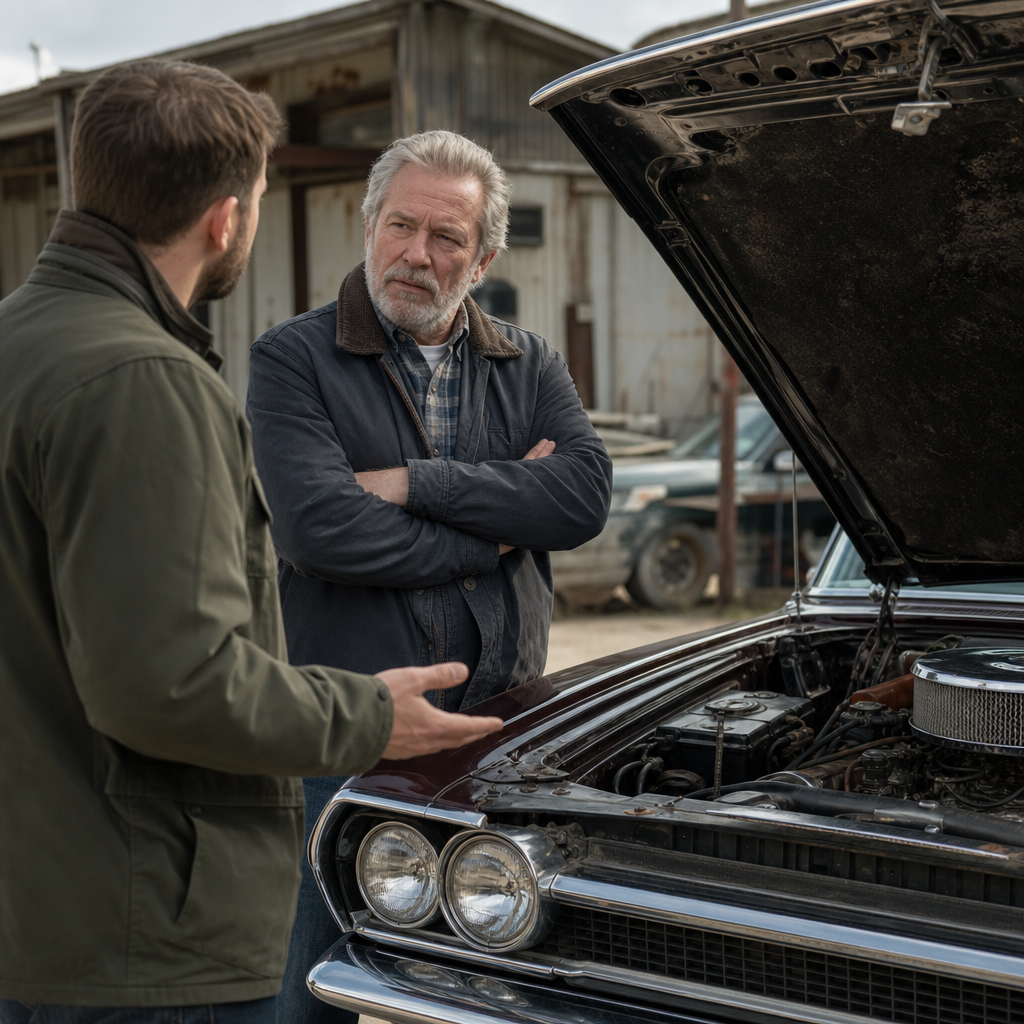
The most common classic car scam starts before you ever discuss the vehicle itself. A scammer copies photos from an auction archive, dealer website, or enthusiast forum, then reposts the car at an attractive price on a marketplace. The story is usually engineered to short-circuit your skepticism: an inherited collection, a recent divorce, military deployment, relocation, or a spouse who wants the garage cleared. The seller pushes for a wire transfer, gift card, cryptocurrency, or a deposit before a live video walkaround. If you ask detailed questions, answers become vague, delayed, or strangely generic.
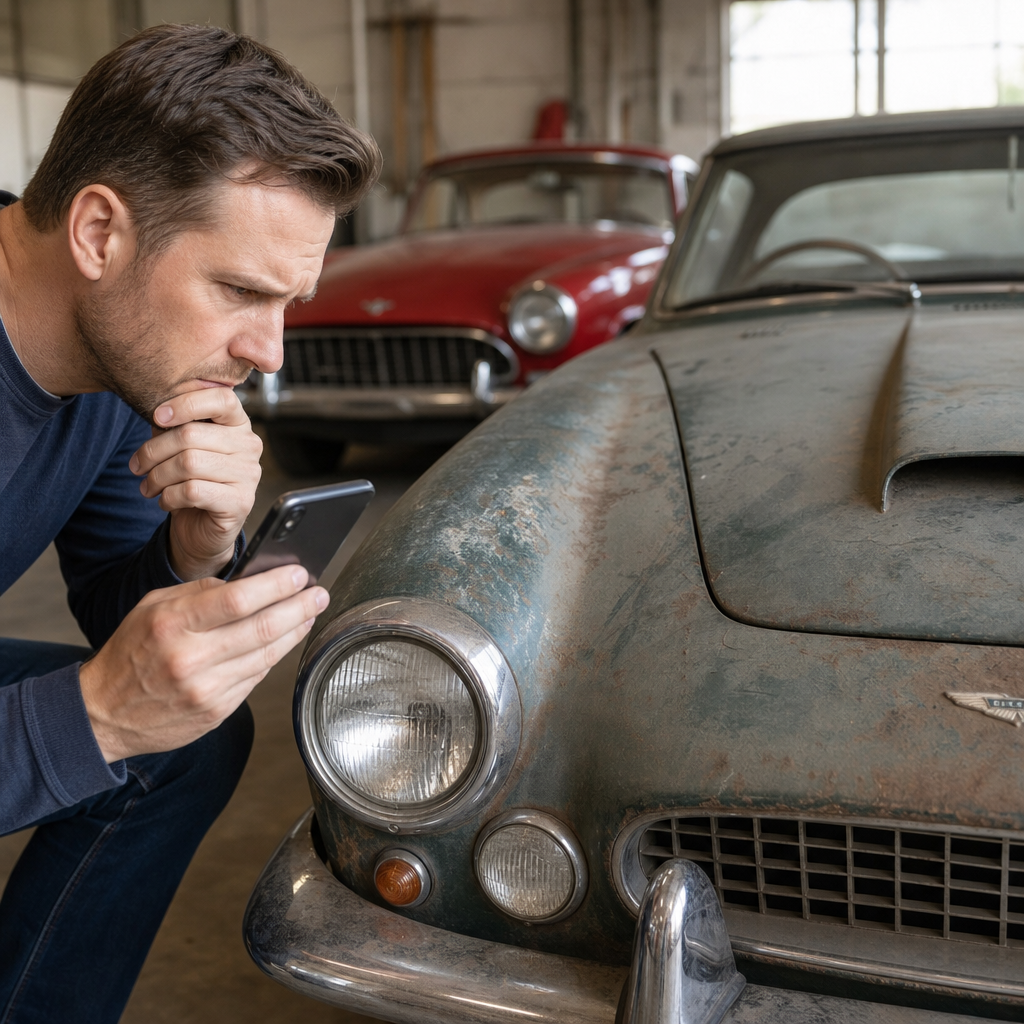
A fast way to screen these listings is to reverse-image search the photos and compare the background, license plates, and watermark remnants. Ask for a current video that includes today’s date, the seller’s name spoken aloud, the VIN tag, engine stamping, cold start, gauges, and a walkaround showing one continuous take. Real owners can usually do this within a day. Scammers often claim poor signal, storage access problems, or that the car is “already with shipping.” Also examine the pricing logic. If a documented 1970 Chevelle SS 454 is listed far below recent Bring a Trailer or Mecum results, assume the burden of proof is on the seller. Exceptional bargains exist, but they almost never appear with perfect photos, sparse details, and urgent payment demands.
Title fraud, VIN tampering, and identity washing
Identity problems are among the most serious classic car buying scams because they affect legality, insurability, and long-term value. In the collector market, a VIN is not just an administrative number; it anchors the vehicle’s model designation, assembly plant, body style, year, and often whether a car began life as a genuine high-performance variant. Scammers exploit this by swapping tags, cloning a VIN from a legitimate car, using paperwork from a junked vehicle, or “washing” a salvage history through another jurisdiction.
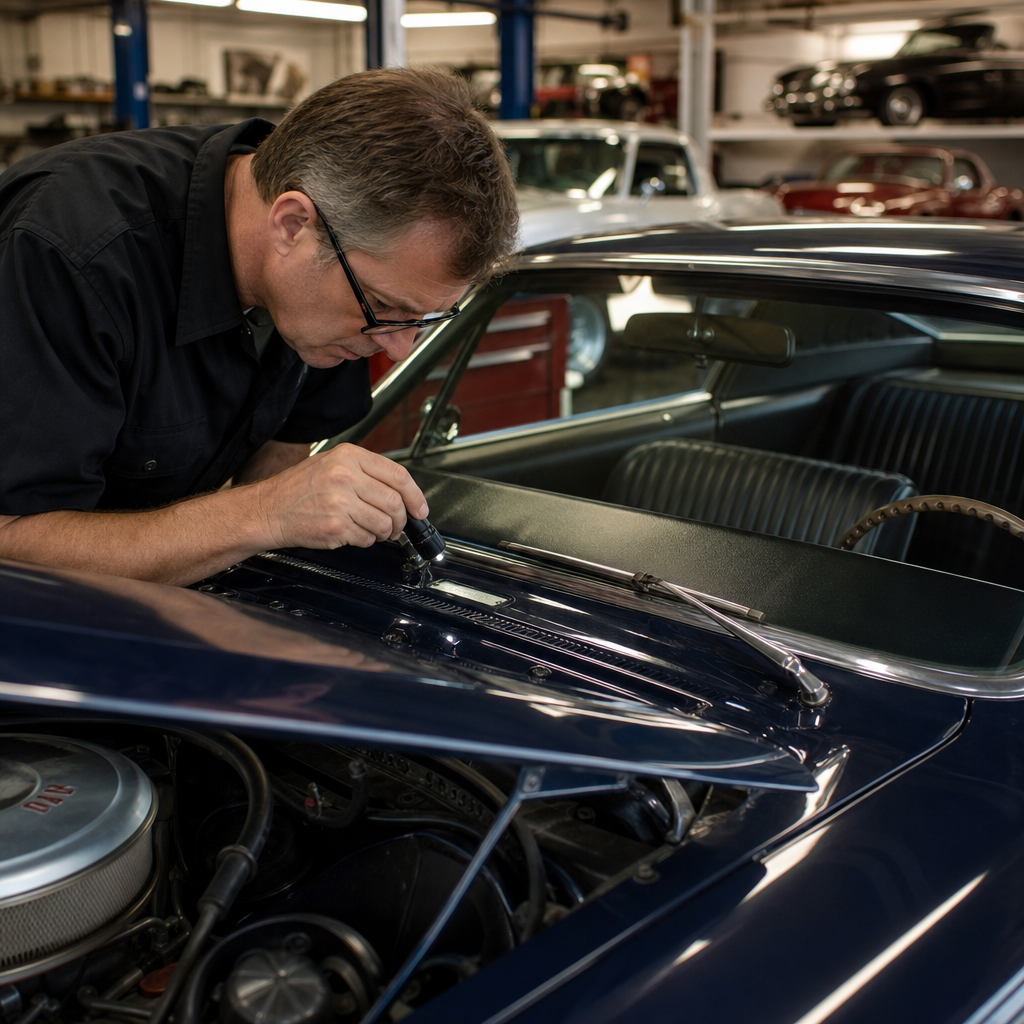
Always compare every identification point on the car to the title and registration documents. Depending on make and year, that can include the dashboard VIN plate, door sticker, cowl tag, frame stamp, engine pad, transmission stamp, and hidden body numbers. Research where the factory placed those identifiers for that specific model; Chevrolet, Ford, Mopar, Porsche, Mercedes-Benz, and Jaguar all differ. A title that says one body style while the trim tag indicates another is a major warning sign. Rivets matter too. Factory VIN rivets have distinctive patterns, and replacements can indicate removal. I have seen beautiful restorations where the cosmetic work was excellent but the paperwork trail could not support the car’s claimed identity. In those cases, the finish quality was irrelevant because the legal and financial risk was too high.
Before purchase, run a title and theft check through the National Insurance Crime Bureau VINCheck where applicable, and use commercial history reports with caution. Older vehicles often have gaps, so absence of negative history is not proof of legitimacy. For high-value cars, obtain a marque expert inspection and, if the model supports it, a factory archive certificate or heritage report. Those documents do not eliminate fraud, but they provide a factual baseline the seller must meet.
Misrepresented condition, hidden rust, and cosmetic deception
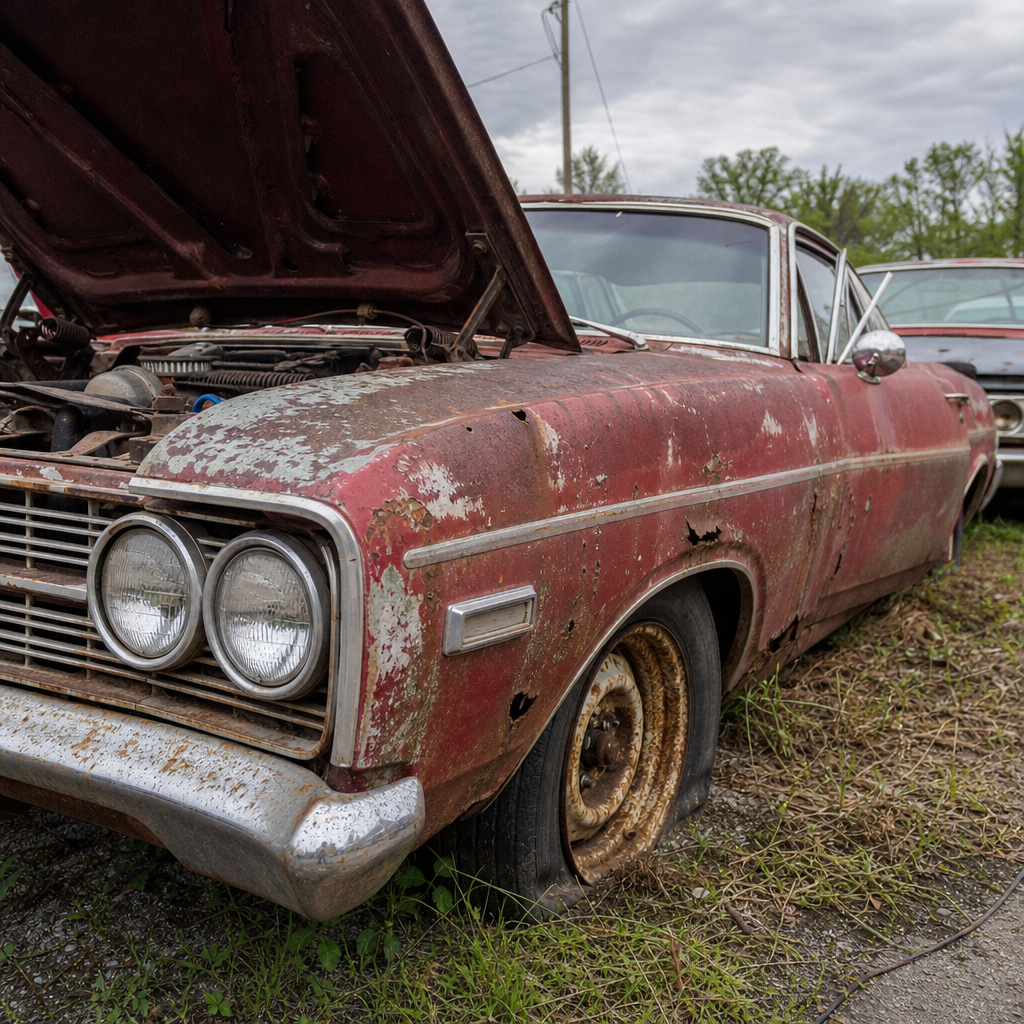
Many buyers focus on shiny paint and upholstery because those details photograph well, but structural condition is where expensive disappointment lives. Rust is the oldest scam in the classic market, and sellers still hide it effectively with filler, fresh undercoating, seam sealer, or selective photography. Cars from humid climates, coastal regions, or areas using road salt deserve extra scrutiny, but dry-climate claims should be verified too. I have inspected “Arizona cars” with significant rust that had simply spent part of their life elsewhere.
Request detailed images of the underside, frame rails, torque boxes, floor pans, trunk drop-offs, rocker panels, cowl, wheel arches, suspension pickup points, battery tray area, and lower fenders. Look for inconsistent texture, patch panels, overspray on brake lines, and undercoating applied over dirt or corrosion. Paint meter readings can help identify filler and panel replacement. Magnet tests are useful on steel-bodied cars but should be interpreted carefully because aluminum panels, lead work, and repair methods vary by era. Mechanical deception is common too: warm engines before arrival to hide cold-start smoke, thick oil to quiet valvetrain noise, or disconnected warning lights. An independent pre-purchase inspection with compression or leak-down testing, borescope review, and lift access is not optional on a meaningful purchase.
Matching-numbers myths and documentation fraud
“Matching numbers” is one of the most abused terms in the collector hobby. For some models it means the original engine block, transmission, rear axle, and major date-coded components align with factory records. For others, it is used loosely to mean merely “correct type.” That ambiguity creates room for fraud. Sellers may present date-correct replacement engines as original, restamp engine pads, reproduce broadcast sheets, or overstate rarity based on options not verified by factory documentation.
The solution is precision. Ask what exactly matches what. Does the engine derivative match the chassis? Are casting dates consistent with the build date? Is the transmission original to the car or just correct for year and application? Is there a Protect-O-Plate, Porsche Kardex or Certificate of Authenticity pathway, Jaguar Heritage Trust record, BMW Classic documentation, or a Chrysler broadcast sheet with corroborating tags? On muscle cars especially, a hidden VIN derivative on the engine or transmission can make the difference between a true numbers-matching car and a well-built tribute.
| Claim | What to Verify | Common Scam | Best Defense |
|---|---|---|---|
| Matching numbers | VIN derivatives, casting numbers, date codes, factory records | Restamped engine pad or date-correct replacement sold as original | Marque expert inspection and record comparison |
| Original mileage | Service history, inspection records, wear patterns, title disclosures | Rollback odometer with replaced gauges | Paper trail and condition consistency review |
| Rust-free body | Underside photos, lift inspection, paint meter readings | Fresh undercoating over corrosion or filler over perforation | Independent inspection with probe points |
| Rare factory options | Build sheet, trim tag, option codes, archive certificate | Added parts represented as original equipment | Decode tags and verify against production data |
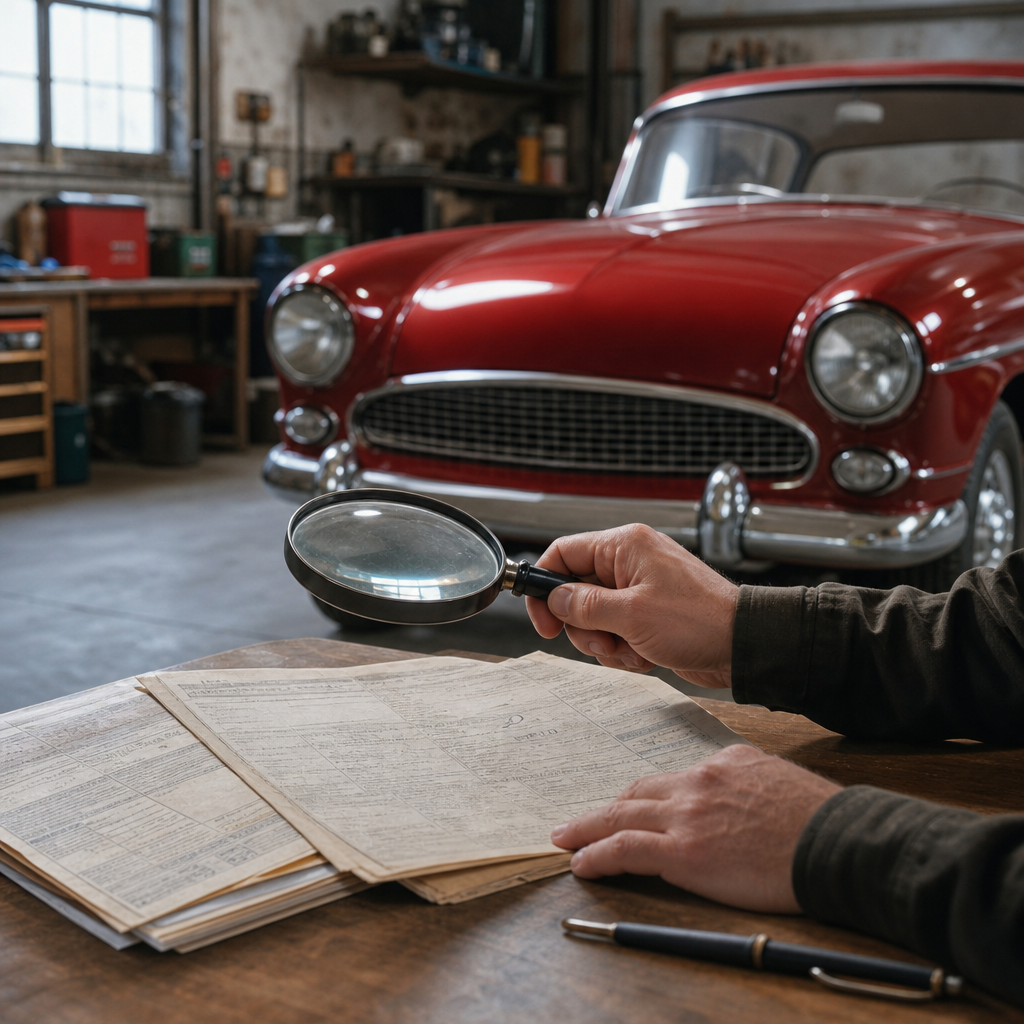
Documentation itself can be forged, so do not stop at appearance. Study fonts, aging patterns, stamp impressions, paper stock, and whether claims align with known production practices. Inconsistent abbreviations or impossible option combinations are often caught by owners’ clubs and registries long before a casual buyer would notice them. That is why community knowledge matters so much in this segment.
Escrow scams, shipping fraud, and payment traps
Even when the car is real, payment can still be the trap. Fake escrow companies are a recurring problem in long-distance deals. The buyer receives professional-looking emails, a login page, and shipping promises that mimic legitimate transaction platforms. Once funds are wired, the website disappears. Another variant involves a real transport company name used by an impostor email address. Some scammers ask for a refundable deposit to “hold the transporter,” then vanish.
Protect yourself by controlling the transaction flow. Verify the seller’s identity through a phone call, live video, and public records where possible. Confirm that the title is in the seller’s name or that a dealer is properly licensed to sell on consignment. Use escrow only if you independently choose the provider and verify its web domain, business registration, and customer service number from a trusted source. For transport, book directly with an established carrier or broker after checking FMCSA registration if relevant. Never send funds through irreversible channels just because the seller claims another buyer is waiting.
For substantial purchases, I recommend a bill of sale that lists the VIN, purchase price, included parts, document set, known title brand, and any representations about originality or condition. If the seller refuses reasonable written clarity, treat that as information. Honest sellers may negotiate details, but they rarely object to accurate documentation.
How to build a scam-resistant buying process
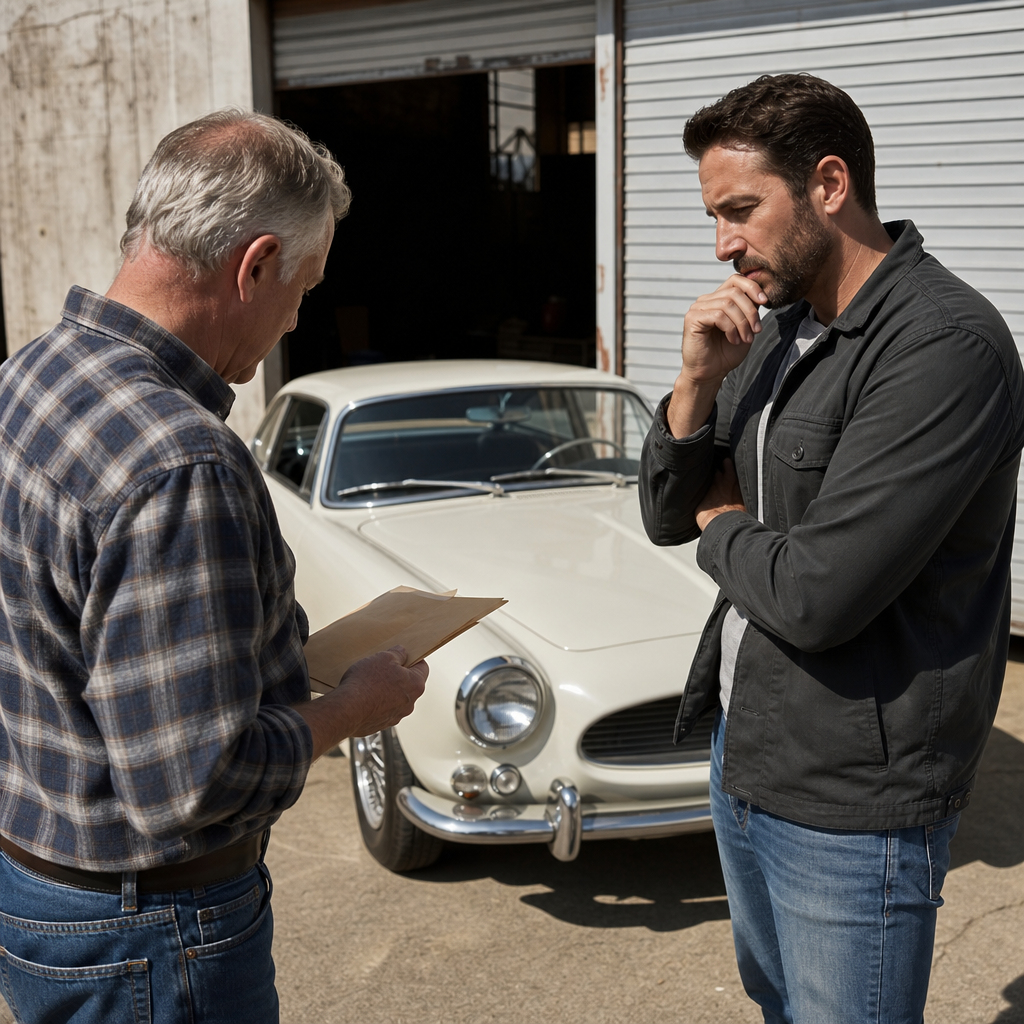
The safest classic car buyers are not the most cynical; they are the most systematic. Start with market research so you know the normal price range, common rust areas, drivetrain identifiers, and documentation standards for your target model. Review auction results, registry data, and specialist dealer inventories. Then qualify the seller before the car. Ask how long they have owned it, why they are selling, what work was done during ownership, and whether they can provide service invoices and title copies. Genuine owners usually answer with specifics and stories. Flippers and scammers tend to stay broad.
Next, insist on evidence in layers: current photos, a live walkaround, identification tags, cold-start video, driving video, underside imagery, and a document package. After that, hire an independent inspector who knows the marque, not a general mechanic unfamiliar with period-correct details. On high-dollar European cars, use a specialist with paint meter, borescope, compression tools, and knowledge of common corrosion zones. On American muscle and trucks, use someone who understands stampings, body numbers, and reproduction parts. If the inspection and paperwork hold up, use secure payment, written terms, and verified transport.
This article serves as the hub for avoiding scams and pitfalls because every risk connects to a few fundamentals: verify identity, confirm ownership, inspect structure, authenticate documentation, and control payment. If you apply that framework consistently, you will avoid most classic car buying scams before they become expensive lessons. Slow the deal down, trust evidence over enthusiasm, and involve the right experts. The best classic car purchase is not the one that feels fastest; it is the one that still looks solid after every claim has been checked. Before you buy, build your checklist, line up your inspector, and make documentation your strongest negotiating tool.
Frequently Asked Questions
What are the most common classic car buying scams buyers should watch for?
The most common classic car buying scams usually fall into a few predictable categories: fake listings, misrepresented condition, falsified documentation, title and VIN fraud, odometer deception, and deposit theft. A fake listing typically uses stolen photos and a too-good-to-be-true price to create urgency. The “seller” may claim to be traveling, handling an estate, or using a shipping company that will hold funds in escrow. In reality, the car often does not exist. Another frequent scam involves misrepresenting a car’s condition by using flattering photos, old restoration pictures, or carefully chosen angles that hide rust, body filler, poor panel fit, and corrosion in floors, frame rails, trunk areas, or lower body sections.
Documentation fraud is also a serious issue in the collector market. Sellers may exaggerate originality, claim a car is “numbers matching” without proof, or present reproduction window stickers, build sheets, trim tags, or ownership histories as if they were factory-original records. Title problems are especially dangerous because they can turn an exciting purchase into a legal and financial mess. A title may be missing, branded, assigned incorrectly, or tied to a VIN that does not match the body, engine, or chassis. In some cases, scammers rebody cars, swap VIN tags, or create clones and tribute cars that are advertised as genuine high-value models. The safest approach is to assume nothing, verify everything, and insist on independent inspection, detailed photos, video, documentation review, and a title check before any money changes hands.
How can I verify that a classic car listing and seller are legitimate before sending a deposit?
Start by verifying that the seller is a real, reachable person with a believable connection to the vehicle. Ask for a live phone conversation, not just text or email. During that call, ask specific questions about the car’s ownership history, restoration work, known flaws, how long they have owned it, and why they are selling. A legitimate seller can usually answer in a natural, detailed way. A scammer often stays vague, avoids direct questions, or repeats generic language from the advertisement. You should also request current, high-resolution photos of very specific areas: VIN plates, cowl tags, engine stampings, trunk floor, door bottoms, rocker panels, underside, frame, interior wear points, gauges, and any flaws the seller has disclosed. Ask for a walkaround video with the seller speaking in real time and showing today’s date or a handwritten note with the vehicle identification information.
Next, confirm that the title name matches the seller’s identification and the story being told. If the seller says they are listing the car for a friend, relative, or deceased estate, be extremely cautious and request documents proving their authority to sell it. Run the VIN through available databases, title services, marque registries, and enthusiast forums when possible. Search the exact listing photos online to see whether they were copied from older auctions, dealer websites, or previous sales. Review the seller’s digital footprint as well, including business history, collector forum participation, dealership reputation, and complaint patterns. Most importantly, never wire a deposit just to “hold” a car unless you have independently confirmed the seller, reviewed documentation, and established a written purchase agreement with clear refund terms. If a seller pressures you to act immediately, refuses inspection, or insists on unusual payment methods, treat that as a major warning sign.
Why is a pre-purchase inspection so important when buying a vintage or collector car?
A pre-purchase inspection is one of the best defenses against classic car buying scams because photos and seller descriptions rarely tell the full story. Collector vehicles can hide expensive problems under fresh paint, undercoating, cosmetic detailing, or incomplete restoration work. An experienced independent inspector can identify rust repair, structural corrosion, poor-quality panel replacement, collision damage, frame issues, leaking seals, worn suspension components, brake problems, electrical shortcuts, and mechanical weaknesses that a buyer may miss. This is especially important because many vintage cars look good at a glance but require major corrective work once they are on a lift or driven thoroughly. The inspection should include not just cosmetics, but drivability, hot-start behavior, compression or leak-down testing when appropriate, transmission function, cooling performance, charging system health, and evidence of authenticity.
For higher-value cars, the inspection should also verify details tied directly to market value: matching engine and transmission numbers, correct carburetion or fuel injection components, casting dates, trim and interior correctness, factory colors, option codes, and signs of clone or tribute conversion. In the classic market, small authenticity differences can represent very large swings in value. A car advertised as a rare performance model, special-edition convertible, or original unrestored example may be worth dramatically less if key components are incorrect or undocumented. A good inspector works for you, not the seller, and should provide written findings with photos and videos. That report gives you leverage to renegotiate, confidence to proceed, or reason to walk away. Spending money on an inspection before purchase is far cheaper than discovering hidden rust, legal title issues, or false originality after the deal closes.
How do I avoid title, VIN, and documentation fraud when buying a classic car?
Title, VIN, and documentation fraud can be harder to detect than cosmetic problems, but they are often more damaging because they affect legality, insurability, resale value, and in some cases your ability to register the car at all. Begin by comparing every identification point available on the vehicle to the title and seller paperwork. Depending on the make and model, that may include the dash VIN, door tag, cowl or body plate, frame stamp, engine pad stamp, transmission code, axle tag, and hidden factory stamp locations known to marque experts. The fonts, rivets, placement, and aging of identification tags matter. A mismatched, altered, restamped, or recently attached VIN plate should immediately trigger deeper scrutiny. Also review whether the title is current, transferable in the seller’s name, free of lien issues, and consistent with the vehicle description.
Documentation should be treated as supporting evidence, not automatic proof. Protect yourself by asking for original restoration receipts, prior registrations, ownership records, judging sheets, factory documentation, and historical photos that connect the car’s identity over time. If the seller claims a notable provenance, celebrity ownership, competition history, or special factory status, ask for third-party confirmation. For rare or highly valuable classics, consult a recognized marque specialist, club registrar, or authentication service. They can often spot discrepancies that a general buyer would never notice. Be especially cautious with phrases like “believed to be numbers matching,” “restored to original specs,” or “correct replacement engine,” because they may be honest disclosures or carefully worded attempts to imply more than the evidence supports. If the paperwork trail is inconsistent or the seller becomes defensive when asked for verification, it is usually wise to pause the deal until the facts are clear.
What payment and transaction steps are safest when buying a classic car from a private seller or online listing?
The safest transaction process is slow, documented, and structured to protect both parties. Before sending any funds, establish a written agreement that identifies the vehicle by year, make, model, VIN, sale price, deposit amount, inspection rights, included parts, title status, and the conditions under which the deposit is refundable or nonrefundable. Avoid relying on casual text messages or verbal promises. If the car is being purchased remotely, use a reputable escrow service or a well-documented closing process through a recognized dealer, attorney, or transaction platform when practical. Never send money by irreversible methods just because the seller claims there are “other buyers waiting.” Pressure is one of the oldest scam tools in the market.
For larger transactions, confirm banking details by phone using independently verified contact information, not just the information contained in an email. Wire fraud can happen when scammers intercept communications and substitute false account instructions. If you are making a deposit, keep it modest until the inspection, title review, and identity verification are complete. At final payment, make sure the title is signed correctly according to your state’s requirements and that any bill of sale reflects the exact parties, VIN, mileage disclosure if applicable, and date of transfer. Also verify transport arrangements independently rather than accepting a seller’s “preferred shipper” without research. A disciplined closing process may feel formal, but it dramatically reduces the risk of losing money to fake listings, title problems, nonexistent cars, and misrepresented vehicles. In the classic car world, caution is not paranoia; it is part of buying well.