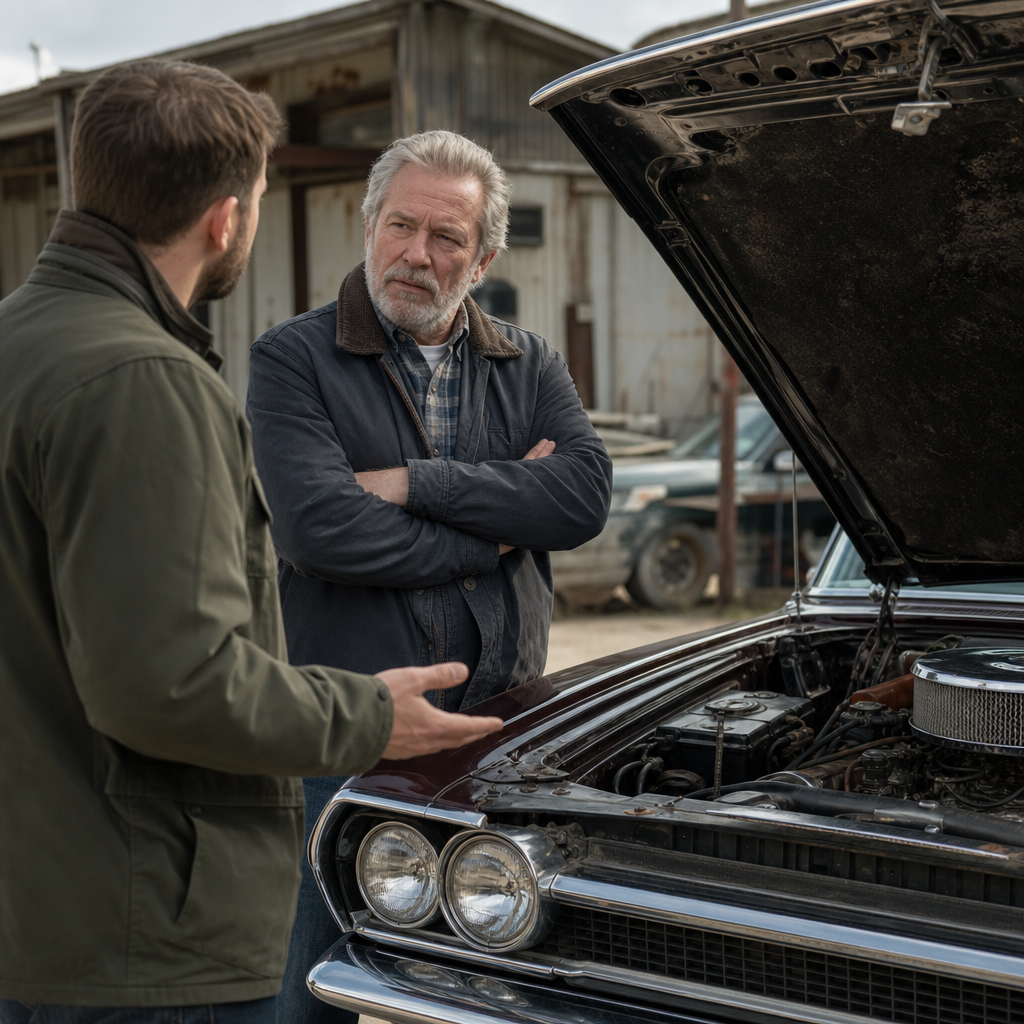
Shopping for an older vehicle can be rewarding, but common red flags in classic car listings often reveal costly problems long before a buyer sees the car in person. In the collector market, a “listing” is more than an ad; it is the seller’s first disclosure package, combining photos, claims about originality, restoration notes, title status, price expectations, and the story used to justify value. A “red flag” is any detail that suggests hidden mechanical defects, title complications, fraud, misrepresentation, or unrealistic pricing. Because classic cars trade on history, rarity, and condition, weak or misleading information matters far more than it does with ordinary used cars.
I have reviewed hundreds of listings for clients, and the pattern is consistent: the most expensive mistakes usually begin with small inconsistencies that buyers dismiss too quickly. A vague phrase like “ran when parked,” a missing VIN photo, or glossy exterior photos without underbody shots can indicate anything from benign neglect to a six-figure restoration problem. Unlike modern cars, classic vehicles may have undocumented repairs, replacement drivetrains, nonstandard wiring, incomplete restoration work, or decades of title issues. Parts availability, production totals, and provenance can dramatically change value, so a careless listing is not just inconvenient; it undermines the entire basis of the sale.
This matters because classic car transactions are emotional purchases wrapped around technical risk. Buyers are often balancing nostalgia with investment logic, and scammers know that enthusiasm can override discipline. Whether you are evaluating a first-generation Mustang, an air-cooled 911, a C10 pickup, a Series Land Rover, or a prewar sedan, the same core questions apply: Is the seller accurately representing identity, condition, originality, and legal ownership? This guide explains the warning signs that belong on every buyer’s checklist and serves as a central resource for avoiding scams and pitfalls across the classic car buying process.
Why Listing Quality Predicts Transaction Risk
The quality of a classic car listing is one of the strongest early indicators of whether the seller understands the car, is hiding something, or is simply unprepared. Strong listings usually include the VIN or chassis number, engine and transmission details, mileage disclosure with context, ownership history, restoration receipts, title status, known flaws, and comprehensive photos. Weak listings usually rely on broad claims: “fully restored,” “all original,” “numbers matching,” or “rare” without proof. In my experience, unsupported superlatives are among the biggest red flags in classic car listings because they are used to create urgency while avoiding specifics.
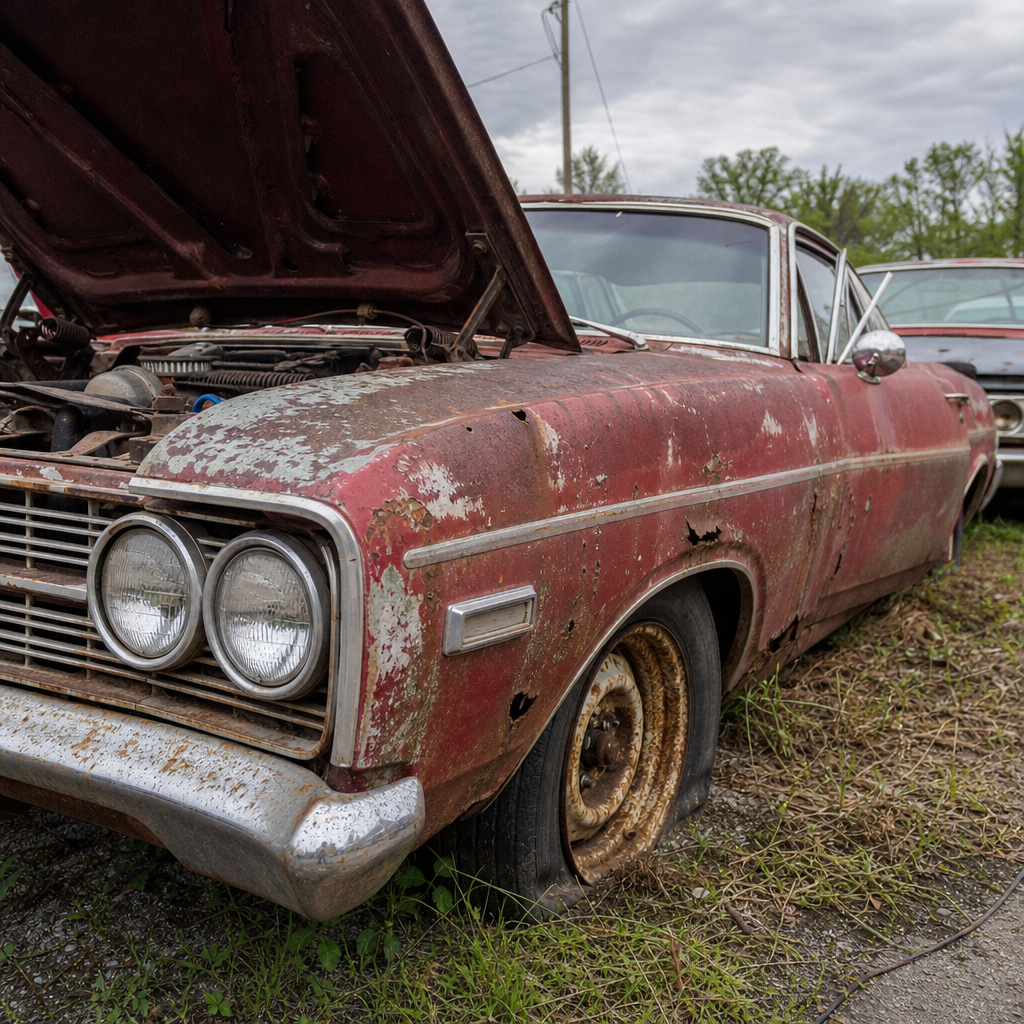
Photo selection is especially revealing. If a seller provides twenty polished exterior shots but no close-ups of the lower fenders, rocker panels, frame rails, trunk floor, battery tray, suspension pick-up points, or door bottoms, assume corrosion or poor previous repairs may be present until proven otherwise. Rust is not just cosmetic. On unibody cars it can compromise structural integrity, alignment, and safe lifting points. On body-on-frame trucks and older American cars, hidden rust can require extensive fabrication. Good sellers know buyers need to inspect the vulnerable areas and document them clearly.
Language also signals risk. Phrases such as “I’m selling this for a friend,” “I don’t know much about it,” “price goes up tomorrow,” or “too many inquiries to answer questions” often indicate either a brokered deal without documentation or pressure tactics. Neither is automatically fraudulent, but both justify slower due diligence. A legitimate seller should be able to answer direct questions about title name, registration status, how long they have owned the car, what work was done, and what still needs attention.
Identity Problems: VIN, Title, and Numbers-Matching Claims
The most serious listing problems involve identity. If the VIN, chassis plate, trim tag, or engine stampings are omitted, obscured, or described inconsistently, stop and verify before discussing transport or payment. A classic car’s value often depends on whether it retains its original engine, transmission, body shell, and factory configuration. “Numbers matching” should never be accepted on faith. On many marques, the standard is specific: matching engine number to factory records, date-correct castings, or build sheet confirmation. A seller who uses the phrase without photos or documentation is asking you to pay a premium for an unverified claim.
Title status deserves equal scrutiny. Older vehicles may be sold with transferable registrations, bonded titles, reconstructed titles, or no title at all, depending on state law and vehicle age. That does not always kill a deal, but the listing must disclose it clearly. A seller who says “easy to get title” is not solving the problem; they are transferring it to you. Departments of motor vehicles differ sharply on antique vehicle requirements, emissions exemptions, and title correction procedures. If the seller’s name does not match the title, or if they refuse to provide a photo of the title with sensitive fields partially covered, treat that as a major warning sign.
Imported classics add another layer. Federal compliance for vehicles over 25 years old can simplify importation in the United States, but paperwork still matters. Ask for customs entry forms, foreign registration, bill of sale, and any conversion records. Japanese Domestic Market and European-market cars are frequently misdescribed by sellers who do not understand specification differences. A listing that confuses model codes, production years, or engine designations may reflect simple ignorance, or it may conceal a car assembled from multiple vehicles.
Condition Red Flags Hidden Behind Vague Descriptions
Many bad purchases happen because buyers underestimate how much poor wording can conceal. “Driver quality” can mean an honest, usable car with minor flaws, or it can mean tired paint, worn bushings, weak compression, oil leaks, and unsafe brakes. “Older restoration” may signal a well-preserved refurbishment from ten years ago, or a failing cosmetic refresh covering rust and filler. “Barn find” has become especially unreliable. True storage discoveries do exist, but the phrase is now routinely attached to neglected cars with seized engines, rodent-damaged wiring, stale fuel systems, and missing paperwork.
Mechanical descriptions should be concrete. A credible listing states whether the engine starts easily, holds oil pressure, runs at normal temperature, shifts correctly, tracks straight, brakes without pulling, and charges properly. Compression numbers, leak-down results, and cold-start videos are far more useful than “runs great.” For automatics, ask whether shifts are firm when hot. For manuals, ask about synchro wear, clutch engagement, and driveline vibration. On carbureted cars, inquire about hot restart behavior and whether ethanol-safe fuel system components were installed during restoration.
Interior and electrical omissions matter too. Cracked dashes, inoperative gauges, and hacked accessory wiring can point to broader neglect. I pay close attention to whether every switch, light, horn, heater fan, wiper, and gauge works, because electrical diagnosis in older cars is time-consuming and often reveals poor previous modifications. If the listing says “everything works except” and then names three obvious faults, expect more undocumented issues underneath.
Pricing, Market Claims, and Emotional Pressure Tactics
Price itself can be a red flag when it diverges sharply from the market without a documented reason. A car listed far below comparable sales may be stolen, nonexistent, or burdened with hidden problems. A car listed far above market often comes with exaggerated rarity claims, inflated restoration costs, or unsupported investment language. Sellers frequently cite auction headlines without understanding condition tiers. A top-tier concours result at Monterey does not establish the value of a local repaint driver with replacement engine components and incomplete records.
The best way to assess pricing is to compare the listing against recent sales from multiple sources such as Hagerty Price Guide, Classic.com, Bring a Trailer results, marque-specific registries, and auction archives from RM Sotheby’s or Mecum. Condition categories matter. So do color, options, provenance, originality, and venue. If a seller claims the car is “one of one,” ask for factory documentation, not a decode based on trivial option combinations. Rarity is valuable only when the market actually rewards it.
| Listing Claim | Why It Is Risky | What to Request |
|---|---|---|
| “Numbers matching” | Premium value may be unjustified | VIN, engine stamps, transmission codes, factory documents |
| “Rust free” | Often means no visible rust in photos | Undercarriage, magnet test areas, paint meter readings, lift photos |
| “Fully restored” | Could be cosmetic only | Receipts, restoration album, parts list, shop details |
| “Rare model” | Scarcity may be overstated | Production figures, registry data, option documentation |
| “No title, easy paperwork” | Registration may become impossible | Current title status, DMV guidance, seller ID match |
Pressure tactics are another classic warning sign. Be wary if the seller demands a same-day deposit before answering basic questions, insists on payment outside normal channels, refuses a pre-purchase inspection, or claims there are “five cash buyers already coming.” Real demand does exist for desirable classics, but legitimate sellers do not need to prevent verification. The more a seller tries to accelerate the transaction, the more carefully you should slow it down.
Photos, Documentation, and Pre-Purchase Inspection Failures
A serious classic car listing should function like an evidence file. Buyers need walk-around photos, panel gaps, glass markings, trim close-ups, VIN plates, underbody images, engine bay detail, trunk floor, wheel wells, and interior wear points. Videos should include cold start, idle, revs, smoke observation, light operation, and driving footage long enough to show transmission behavior and steering response. If photos are low resolution, heavily filtered, old, or obviously taken in different seasons or locations, ask why. Inconsistent imagery can suggest the car has changed condition or that the seller does not currently possess it.
Documentation separates honest driver cars from expensive mysteries. Useful records include ownership history, restoration invoices, paintwork receipts, engine machine shop bills, alignment sheets, appraisals, manuals, warranty booklets, factory build records, and correspondence with marque historians. A thick folder does not guarantee quality, but no paperwork at all means you must inspect more aggressively. On six-figure cars, I expect a clear chain between claims and evidence.
Never skip a pre-purchase inspection by a shop that knows the model. General repair garages often miss marque-specific failure points, date-code issues, and authenticity clues. An Alfa Romeo specialist will inspect very differently from a Mopar restorer or an air-cooled Porsche technician. The inspection should include compression or leak-down when appropriate, rust assessment, paint meter readings, lift inspection, brake and suspension review, and verification of identification numbers. If the seller refuses independent inspection, that alone may be sufficient reason to walk away.
Scam Patterns Every Buyer Should Recognize
Some warning signs indicate not just a bad car, but an outright scam. The most common pattern is the phantom vehicle listing: stolen photos, an attractive price, a detailed emotional story, and a seller who cannot provide a live video walk-around with today’s date. Another is the fake escrow or transport scheme, where the buyer is pushed toward a nonstandard payment platform or a shipping company supposedly holding the car. If the seller will not speak by phone, cannot answer model-specific questions, or keeps changing location details, assume the listing may be fraudulent.
Wire fraud remains a real risk in high-value classic car sales. Always confirm bank instructions verbally using a trusted number, and verify account names match the seller or dealer entity. For dealer transactions, confirm licensing and check whether the business address, inventory, and reviews are consistent. For private sales, confirm the seller has the car, the title, and government-issued identification that aligns with the paperwork. Small inconsistencies compound quickly in remote deals.
Enthusiasm should never outrun process. A careful buyer verifies identity, condition, and paperwork before funds move. That discipline protects both your budget and your ability to enjoy the car once it arrives.
How to Use This Hub to Avoid Buying Mistakes
The central lesson is simple: common red flags in classic car listings are rarely isolated. Missing VIN photos, vague restoration claims, limited underbody images, title excuses, and urgency tactics usually appear in clusters, and clusters predict risk. Good listings answer obvious questions before you ask them. They show the flaws, explain the history, document the work, and make inspection easy. Bad listings hide behind adjectives and timing pressure.
As you evaluate classic car ads, use this page as your starting framework for avoiding scams and pitfalls. Compare claims against documents, compare price against verified market data, and compare presentation quality against the value being asked. Then go deeper with model-specific research, title verification, and an independent pre-purchase inspection. That process may cost time and money up front, but it is far cheaper than discovering rust, identity problems, or fraud after the transporter unloads the car. Build your checklist, ask hard questions, and treat every listing like an audit before you treat it like a dream purchase.
Frequently Asked Questions
What are the biggest red flags to watch for in a classic car listing before contacting the seller?
One of the biggest warning signs is a listing that feels vague where it should be specific. If the seller uses broad phrases like “runs great,” “easy project,” “mostly original,” or “just needs minor work” without supporting details, you should slow down. In the classic car market, specifics matter. A trustworthy listing usually includes clear information about the engine, transmission, mileage or whether the mileage is unknown, rust history, restoration work, title status, and known defects. Another major red flag is a listing with very few photos, poor-quality images, or pictures that avoid predictable trouble spots such as floor pans, rocker panels, trunk floors, frame rails, lower fenders, door bottoms, and the underside. Sellers who show only glamour shots may be hiding corrosion, accident damage, or poor workmanship.
Price can also be a clue. If a car is listed far below market value with a dramatic story attached, such as a rushed sale, inherited vehicle, or “must sell today” explanation, it may indicate undisclosed problems or even a scam. Watch for inconsistent claims too. For example, a seller may call the car fully restored but then mention mismatched paint, nonworking gauges, leaking seals, and missing trim. That does not automatically mean the car is bad, but it does mean the restoration claim may be exaggerated. Listings that overuse emotional language while avoiding factual disclosures should always be treated carefully. In most cases, a serious seller understands that experienced buyers want documentation, close-up photos, and honest descriptions of flaws, not just sales language.
How can the photos in a classic car listing reveal hidden problems?
Photos often tell you more than the written description, especially when you know what to look for. Inconsistent panel gaps can suggest previous collision damage, poor bodywork, or panels that were poorly aligned during restoration. Differences in paint color or texture from one panel to another may indicate partial repainting, accident repair, or blended work done to cover rust or filler. Reflections in side shots can be especially useful because wavy reflections may reveal body filler, rippling sheet metal, or lower-quality paint preparation. Close-up images of chrome, trim, weatherstripping, glass, and emblems can also reveal whether the car was restored carefully or assembled cosmetically for sale.
Underside and interior photos are equally important. If the listing does not show the frame, suspension pickup points, trunk floor, spare tire well, inner fenders, or the area under carpets and mats, that omission itself can be a red flag. Fresh undercoating deserves special attention because it can either be a sign of protection or a way to hide rust, patches, or poor metal repairs. Inside the cabin, look for clues that support or contradict the seller’s story. Heavy pedal wear, cracked steering wheels, torn seats, altered dashboards, or missing components may not line up with a low-mileage claim. Engine bay photos can reveal non-original parts, poor wiring, fluid leaks, and signs of overheating or neglect. In short, a strong listing uses photos to answer buyer questions in advance; a weak listing uses them to distract from the car’s real condition.
Why is title status such an important red flag in classic car listings?
Title issues can turn a promising purchase into a legal and financial headache very quickly. A classic car may look complete and presentable, but if the paperwork is missing, inconsistent, or branded, ownership transfer can become difficult or impossible depending on your state or country. Be cautious if a seller says the car has “bill of sale only,” “lost title,” “title to be applied for,” or “VIN issue but easy fix.” Older vehicles do sometimes have legitimate paperwork complications, especially barn finds or long-stored cars, but buyers should never assume those problems are minor. Registration laws vary widely, and what sounds manageable in a listing can lead to major delays, extra expense, or a car you cannot legally register.
You should also compare the title story with the car itself. If the seller claims the vehicle is numbers-matching, original, or historically significant, but cannot produce a clean title, VIN plate photos, cowl tags, or supporting documents, that inconsistency deserves scrutiny. Rebuilt, salvage, bonded, or reconstructed titles may not automatically disqualify a car, but they should affect value and trigger more questions about prior damage. Title language in the listing should be direct and transparent. An honest seller usually states exactly what documents are in hand and whether the VIN on the car matches those documents. Any hesitation, contradiction, or pressure to “sort the paperwork out later” is a serious warning sign because paperwork problems often become the buyer’s burden the moment money changes hands.
How do restoration claims in a listing sometimes mislead buyers?
The word “restored” is one of the most abused terms in the classic car market. It can mean anything from a full, documented body-off restoration to a quick cosmetic refresh with new paint and seat covers. That is why buyers should look beyond the label and focus on evidence. A credible listing explains what was restored, when the work was done, who performed it, and whether receipts, photos, or build documentation are available. If a seller says the car is “fully restored” but provides no detail about metalwork, drivetrain rebuilding, wiring, interior replacement, suspension work, or parts sourcing, the claim may be inflated. Likewise, “frame-off,” “concours,” and “numbers-matching” are terms that should be backed by proof, not treated as marketing slogans.
It is also important to understand that restoration quality varies dramatically. A fresh paint job can hide filler, corrosion, or poor prep. New upholstery can distract from nonfunctional gauges, weak brakes, or an unrestored chassis. In some listings, sellers mix impressive language with subtle disclaimers such as “older restoration,” “driver quality,” “not perfect,” or “finished to enjoy.” None of those phrases are inherently bad, but they should shape your expectations. The red flag appears when the asking price reflects top-tier quality while the listing language quietly admits compromise. A solid classic car listing should help you distinguish between an authentic, documented restoration and a cosmetic refurbishment designed mainly to boost curb appeal and justify a higher price.
What questions should buyers ask to verify whether a classic car listing is honest?
Start by asking questions that force specifics. Ask where the car has lived, how long the seller has owned it, why it is being sold, and what known issues exist right now. Request direct answers about rust, previous collision repair, repaint history, engine rebuilding, transmission condition, fluid leaks, electrical faults, and whether all lights, gauges, wipers, heater controls, and accessories work. You should also ask for cold-start video, walk-around video, underside photos, and close-up images of known rust areas. If the seller is confident in the car, these requests are usually reasonable. The goal is not to interrogate the seller unnecessarily, but to see whether the listing stands up when examined in detail.
Documentation questions are equally important. Ask for the VIN, trim tag or data plate information, title photos, service records, restoration receipts, and any photos taken during the work. If the listing mentions originality, ask which components are original and which have been replaced. If it mentions matching numbers, ask how that was verified. If it claims no rust, ask whether any metal has ever been repaired. Honest sellers may not know every answer, especially with older cars, but they will usually respond clearly and consistently. Evasive responses, changing stories, refusal to share basic documentation, or pressure to send a deposit before your questions are answered are all classic red flags. In the end, a good listing invites verification; a questionable listing resists it.