Wire transfer scams are one of the fastest ways to turn an exciting car purchase into an irreversible financial loss, especially in the classic car market where buyers often deal across state lines, rely on photos, and move quickly to secure rare vehicles. When I help buyers evaluate transactions, I treat payment risk as seriously as rust, provenance, or title status, because a perfect car at the wrong end of a fraudulent wire is still a disaster. This hub explains how to avoid wire transfer scams when buying a car by showing how these scams work, where buyers get exposed, and what verification steps actually reduce risk.
A wire transfer is an electronic bank-to-bank payment that usually settles quickly and, unlike a credit card charge, is very hard to reverse once funds are sent. That feature makes wire transfers useful for legitimate high-value vehicle purchases, but it also makes them attractive to criminals. A scam, in this context, is any scheme that tricks a buyer into wiring money to someone who is not the lawful seller, to an account that has been substituted through fraud, or before the buyer has verified the vehicle, title, and transaction terms. In practical terms, the danger is not only fake listings. Real cars, real sellers, hacked email threads, forged titles, cloned VINs, spoofed escrow services, and imposter transport companies can all lead to the same outcome: your money leaves, and your leverage disappears.
This matters more in classic cars because the buying process often includes private sellers, brokers, consignment dealers, auction platforms, and long-distance inspections. Many transactions begin through enthusiast forums, social media groups, online marketplaces, or classified sites where identity checks are limited. A buyer may be under pressure because production numbers are low, another bidder is supposedly waiting, or the seller claims immediate funding is required. That urgency is precisely where scam prevention breaks down. The safest buyers slow the transaction down, verify every moving part, and never let payment outrun documentation. This article serves as the central guide for avoiding scams and pitfalls within classic car buying, so you can use it as a decision framework before you send a deposit, approve transport, or wire the final balance.
Why Wire Transfer Scams Happen So Often in Car Deals
Wire fraud thrives in vehicle transactions because buyers are conditioned to see wiring funds as normal. Many legitimate dealers, auction houses, and international sellers prefer bank wires for amounts that exceed card limits or where cashier’s checks create clearing delays. Criminals hide inside that normal behavior. In the last several years, the FBI’s Internet Crime Complaint Center has repeatedly warned about business email compromise and payment redirection fraud, both of which apply directly to car purchases. The pattern is simple: a scammer either creates a fake deal from the start or intercepts a real transaction and swaps in fraudulent wiring instructions at the last minute.
Classic cars add several friction points that scammers exploit. Vehicles may be stored in another state, in a restoration shop, or in climate-controlled storage. Sellers may be older owners who are less comfortable with digital verification, or they may claim to be selling for a family member, estate, or trust. Buyers may accept imperfect paperwork because uncommon older vehicles sometimes have title quirks. Scammers know this. They use partial truths, emotional narratives, and just enough technical detail to sound credible. I have seen fraudulent listings copied from old auction results, complete with period-correct descriptions and professional photos, except the phone number and payment destination were fake.
The core rule is direct: the more distance, urgency, and intermediaries involved, the higher the payment risk. If you cannot independently verify the seller, the vehicle, the title, and the bank account receiving funds, you should assume the transaction is unsafe until proven otherwise.
Common Wire Transfer Scam Tactics Buyers Need to Recognize
The most common tactic is the fake listing. A scammer copies photos and text from a legitimate old listing, posts the car at an attractive but not absurd price, and pushes the buyer toward a quick deposit. Another frequent tactic is account substitution. You may be dealing with a legitimate seller, dealer, or broker, but a compromised email account sends “updated wiring instructions” shortly before payment. Buyers who rely only on email often never realize they are sending funds to criminals.
Escrow fraud is another major category. The scammer suggests a third-party escrow service that looks professional, but the website is fake, recently created, or unrelated to any regulated escrow company. Shipping scams also intersect with payment fraud. A seller may insist that a transport company requires an advance wire before the car can be released, even though the transport firm does not exist or has no relationship to the vehicle. In consignment situations, the scam can be subtler: the car is real and on display, but the person requesting payment does not control legal authority to sell it.
| Scam tactic | How it works | Best defense |
|---|---|---|
| Fake listing | Copied photos, low-friction story, pressure for deposit | Reverse image search, VIN check, live video verification |
| Wire instruction change | Compromised email sends new bank details | Call a known number and verify verbally |
| Fake escrow | Buyer is directed to fraudulent holding service | Use established escrow providers you selected independently |
| Title impersonation | Scammer poses as owner or agent without authority | Match ID, title, registration, and seller relationship |
| Phantom transport fee | Advance wire requested for shipping release | Contract directly with a real carrier or broker |
One signal matters more than any single excuse: if a seller resists normal verification steps, the risk is elevated. Legitimate sellers may be busy or cautious, but they can still prove ownership, show the car live, and confirm payment details through multiple channels.
How to Verify the Seller, the Car, and the Ownership Chain
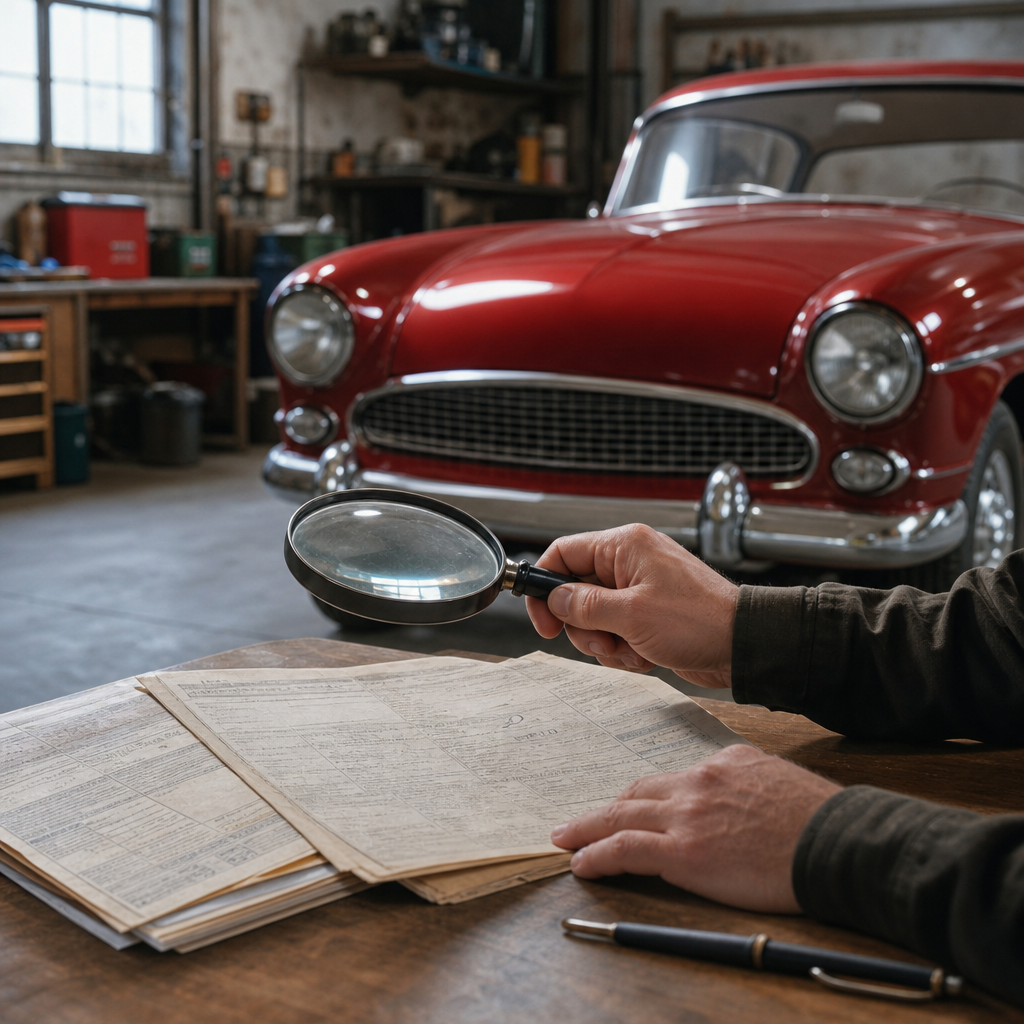
Before discussing payment, verify identity and authority. Ask for the seller’s full legal name, address, phone number, and a copy of government-issued identification that matches the name on the title or business records. If a dealer is selling the car, confirm the dealership’s license, physical address, and published phone number through state records and the dealer’s official site, not just the listing. If a broker or consignor is involved, ask for written proof of authorization to market and sell the vehicle. In estate sales, request executor documentation. In trust sales, request the relevant authority pages. People who can lawfully sell expensive cars usually know exactly how to document that authority.
Next, verify the car itself. Obtain the VIN, title number if appropriate in that state, current registration status, and service or restoration records. Run the VIN through services such as CARFAX or AutoCheck for later-model classics where data exists, but understand that older cars may have gaps. For many collector vehicles, documentation from marque experts, club registries, factory records, and restoration invoices may be more useful than mass-market history reports. Compare the VIN plate, frame stamping, engine numbers where relevant, and title information. A live video walkaround is essential. I ask sellers to start the video with today’s date, show the VIN tag up close, open and close panels, start the engine cold, and display specific details I request in real time. Scammers struggle when the verification is interactive.
Finally, inspect the ownership chain. If the car was recently bought and is being flipped immediately, ask why. If the title is still in a prior owner’s name, stop until that is resolved. Open titles, reassigned titles with errors, and mismatched signatures create both fraud risk and registration problems. A clean transfer path is not paperwork trivia; it is proof that the transaction is anchored in legal ownership.
Safe Payment Procedures That Reduce Wire Fraud Risk
The safest payment process is staged, documented, and independently verified. Start with a written purchase agreement identifying the car, VIN, agreed price, deposit terms, contingencies, title status, included parts, and who is authorized to receive funds. Include a clause stating that wiring instructions cannot be changed by email alone. That single sentence prevents many losses because it establishes the verification rule before urgency enters the deal.
When you are ready to wire funds, verify bank instructions by calling a phone number you sourced independently, such as the dealer’s published main line or a seller number previously confirmed through live conversation and supporting documents. Do not use the phone number listed in the wire email if there is any change or unusual pressure. Read back the account name, bank name, account number, routing number, and SWIFT details if international. Ask the recipient to send wiring instructions on signed letterhead or through a secure portal, then compare them with what your bank has on file. For larger transactions, I recommend sending a small test wire first and confirming receipt before sending the balance.
Timing also matters. Avoid Friday afternoon wires, holiday periods, or end-of-day transfers when fraud teams are harder to reach. Notify your bank in advance that you are making a vehicle purchase wire and ask what recall procedures are available if fraud is suspected. Some banks can act quickly if alerted immediately, but speed is everything. If anything changes at the last minute, pause. Genuine sellers may be inconvenienced by caution; scammers depend on your reluctance to cause delay.
When to Use Escrow, Dealers, Auctions, and Inspections
Escrow can reduce risk, but only when the provider is legitimate, regulated where required, and chosen through your own research rather than the seller’s unsolicited link. Escrow works best when the terms are clear: funds are held until the car is delivered or inspected, title documents are confirmed, and both parties know the release conditions. For high-value classics, that additional layer can be worth the fee. However, escrow does not solve title fraud or undisclosed condition issues by itself. It is a payment-control tool, not a substitute for diligence.
Established dealers and major auction companies can also reduce fraud exposure because they have reputational incentives, internal compliance procedures, and traceable business operations. Even so, buyers should still verify invoices and wire instructions independently. Criminals often target exactly these trusted channels by spoofing domains or compromising mailbox access. If you buy through an online auction platform, confirm whether payment flows through the platform, the auction house, or directly to the consignor. Do not assume all listings on a known site are paid the same way.
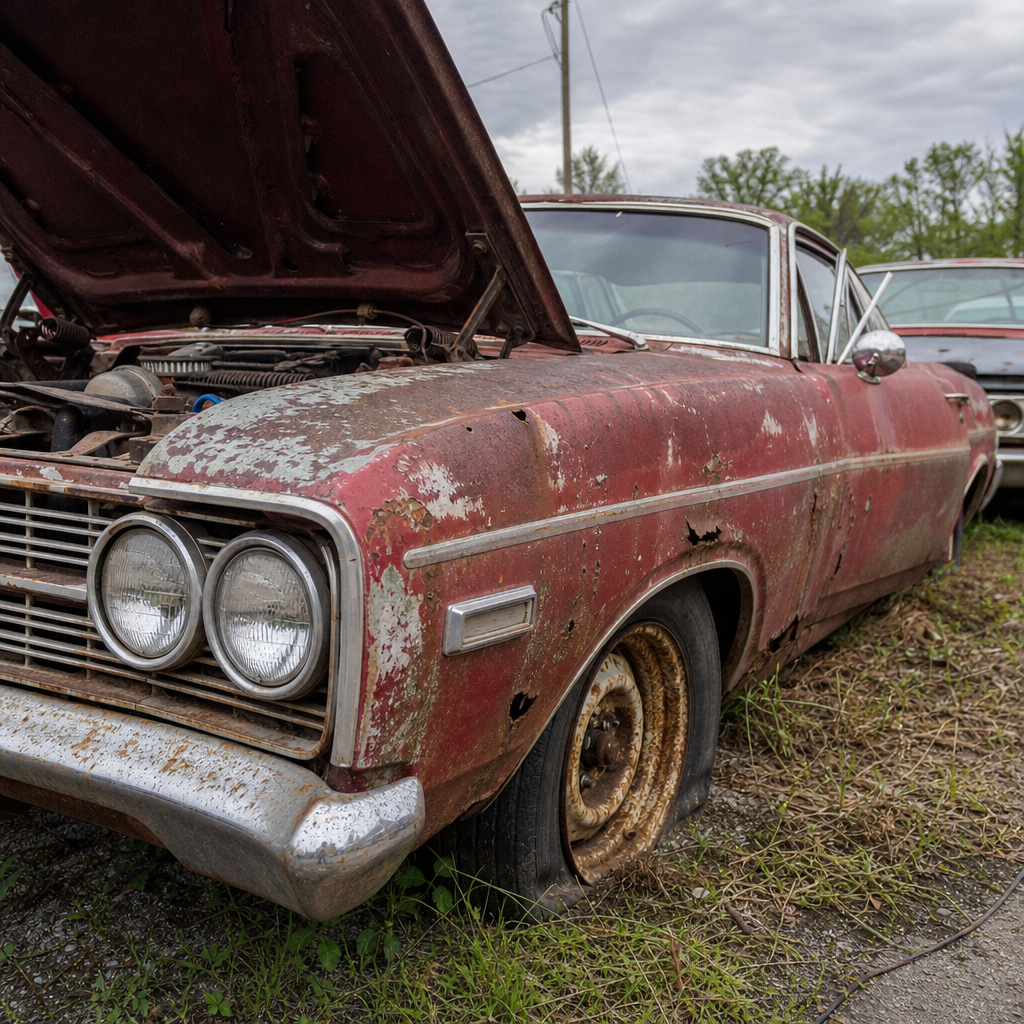
A pre-purchase inspection is one of the most effective anti-scam tools because it confirms both existence and condition. Use an inspector who is independent, experienced with the specific type of car, and hired by you. For classic Ferraris, air-cooled Porsches, vintage trucks, or muscle cars, model-specific knowledge matters. The inspector can verify the VIN, location, drivability, rust areas, originality, and whether the seller has possession of the car. A car that cannot be inspected is not automatically fraudulent, but it is automatically higher risk.
Red Flags That Mean You Should Walk Away Immediately
Certain warning signs justify ending the deal, not negotiating through it. Walk away if the seller refuses a live video call, avoids showing the VIN, or cannot produce a title that matches their identity or authority. Walk away if wiring instructions change suddenly, especially to a different bank, account name, or country. Walk away if the seller insists on secrecy, discourages inspection, or claims another buyer will take the car within the hour unless you wire immediately. Scarcity is real in collector cars; manufactured urgency is also real, and usually easier to create than trust.
Other strong red flags include recently created email domains, poor-quality contracts, pressure to communicate only by text or encrypted apps, and excuses for why the car is unavailable for local pickup. Be cautious with military deployment stories, inheritance narratives, or divorce sales when they are used to explain every missing document and every demand for haste. Those stories can be true, but scammers use them because buyers feel rude challenging emotional circumstances. In my experience, legitimate sellers answer calm, specific questions directly. Fraudsters answer around them.
If a deal collapses because you required verification, you lost nothing except a risky opportunity. That is a win.
What to Do If You Sent a Wire and Suspect Fraud
Act immediately. Contact your bank’s fraud department and request an urgent wire recall or fraud hold. Provide the transfer amount, date, time, beneficiary account, and every communication you received. Then contact the receiving bank if you have the details. File a report with the FBI’s Internet Crime Complaint Center, your local law enforcement agency, and, if the seller used a marketplace, the platform’s fraud team. Preserve emails, text messages, invoices, headers, screenshots, listing URLs, and voicemail files. If identity theft is involved, alert the Federal Trade Commission and consider placing fraud alerts with credit bureaus.
Speed matters because fraudulent funds are often moved through mule accounts quickly. Recovery is possible in some cases, especially if the transfer is caught before funds are withdrawn, but buyers should assume that every minute counts. If the car is physically located somewhere you can identify, notify local police there as well. You may also need counsel familiar with interstate fraud, title disputes, and recovery actions. The practical lesson is blunt: once a bad wire is sent, the transaction becomes a crisis response exercise, which is exactly why prevention has to come first.
A safe car purchase is built on one sequence: verify the seller, verify the vehicle, verify the title, document the terms, and verify the payment instructions through an independent channel before any wire is sent. That discipline is essential in every vehicle purchase, but it is especially important in classic cars, where distance, rarity, and emotion can cloud judgment. The main benefit of a strong anti-scam process is not just avoiding theft. It also improves the quality of the entire transaction by forcing clarity on ownership, condition, and delivery.
Use this hub as your foundation for avoiding scams and pitfalls when buying or selling classic cars. The details vary between private sales, dealer inventory, auctions, consignments, and cross-border purchases, but the principle stays constant: money should never move faster than verification. Build a checklist, involve your bank early, choose inspectors and escrow providers independently, and treat any last-minute change as a serious event. If you are preparing to buy a collector vehicle now, review your payment process before you review the paint meter readings, because the first step to owning the right car is making sure your funds reach the right seller.
Frequently Asked Questions
Why are wire transfer scams so dangerous when buying a car?
Wire transfer scams are especially dangerous because once the money is sent, it is often extremely difficult, and sometimes impossible, to recover. Unlike a credit card payment or certain escrow arrangements, a wire transfer does not usually give the buyer meaningful chargeback rights after the funds clear. That makes wire fraud one of the preferred tactics for scammers targeting car buyers, particularly in long-distance deals involving classic, collector, or hard-to-find vehicles.
Car purchases create the perfect environment for fraud because buyers are often emotionally invested, moving fast, and willing to act on limited information to avoid “losing the deal.” In the classic car market, that risk increases even more. Buyers may be relying on photos, short videos, seller claims, and shipping arrangements across state lines, all while trying to secure a rare vehicle before someone else does. A scammer only needs to create urgency, appear credible, and direct the buyer to send funds to the wrong place.
Another major reason wire scams are so damaging is that they can happen even when there is a real car involved. In some cases, the vehicle exists, but the payment instructions are fraudulent because an email account was compromised or the “seller” is not the true owner. In other cases, the entire listing is fake, with stolen photos and copied descriptions. Either way, if the wire lands in a scammer’s account, the transaction can become an expensive lesson very quickly. That is why payment risk should be evaluated with the same seriousness as title problems, hidden rust, accident history, or authenticity concerns.
What are the biggest red flags that a seller or transaction may be part of a wire transfer scam?
The clearest red flags are pressure, secrecy, inconsistency, and resistance to verification. If a seller insists that you must wire money immediately to “hold” the car, claims there are multiple buyers waiting, or tries to rush you past basic due diligence, slow down. Fraudsters depend on urgency because it keeps buyers from checking the VIN, confirming ownership, reviewing title documents, arranging inspections, or verifying bank instructions through trusted channels.
You should also be cautious if the seller will not speak live by phone or video, avoids specific questions about the car, or provides vague, generic answers that do not match the listing. In many scams, the description is polished but shallow, and the photos may look professional while the seller cannot answer ordinary ownership questions such as how long they have had the car, what recent work was done, where service records are kept, or whether there are liens on the title. Inconsistencies between the seller’s name, title, registration, email address, and wiring instructions are another major warning sign.
Payment red flags matter just as much as vehicle red flags. Be suspicious if the seller asks you to wire funds to a person or company not listed on the title, to an account in a different state or country, or to “their shipping agent,” “business manager,” or “relative.” Last-minute changes to payment instructions are particularly dangerous and are common in hacked-email scams. If the seller suddenly says their bank account changed, or asks you to ignore prior instructions and send funds somewhere else, treat that as a stop sign until you independently verify everything. A legitimate seller should expect careful verification on a high-value transaction and should not object to reasonable buyer protections.
How can I safely verify a seller before sending any wire transfer for a car?
Start by verifying that the seller is a real person or legitimate business and that they actually have the legal right to sell the vehicle. Ask for a clear copy of the title, the VIN, the seller’s full legal name, address, and phone number, and compare those details across the title, bill of sale, registration records if available, and any bank account information. If the names do not match, do not assume there is an innocent explanation. Ask direct questions and require clear documentation. If there is a lien, insist on understanding exactly how it will be paid off and how the title will be released.
Next, verify that the car itself is real and in the seller’s possession. Request specific photos and videos that would be hard to fake, such as the VIN plate, odometer, title next to the seller’s ID with sensitive information appropriately covered, cold-start videos, underbody images, and close-ups of known problem areas. It also helps to ask for a live video walkaround where the seller shows the vehicle in real time and responds to your prompts. A scammer using stolen photos usually cannot do that convincingly.
One of the smartest steps is to hire an independent pre-purchase inspector or marque specialist near the seller. An in-person third-party inspection not only helps uncover mechanical or cosmetic issues, but also confirms that the car exists where the seller says it does. For higher-value purchases, many buyers also benefit from having an attorney, broker, or experienced transaction advisor review the paperwork and payment structure. Finally, before sending any wire, call the seller using a known, independently confirmed phone number and separately call the receiving bank or institution if appropriate to confirm the account details. Never rely solely on emailed instructions, especially if they arrived unexpectedly or changed at the last minute.
What is the safest way to handle payment when buying a car from out of state?
The safest approach is usually to avoid sending a full direct wire to a private seller until ownership, documentation, and vehicle condition have been independently verified. Depending on the deal, safer options may include a reputable escrow service, closing through a licensed dealer, attorney, or title company, or structuring payment so funds are not released until agreed conditions are met. If a wire transfer must be used, it should be part of a carefully controlled process, not a leap of faith based on emails and photos alone.
For private-party transactions, a legitimate escrow arrangement can add a useful layer of protection, provided you choose the escrow company yourself and confirm it independently. Never use an escrow service suggested only through a suspicious email or link from the seller without researching it thoroughly. Fraudsters often create fake escrow websites that look convincing. If you use escrow, make sure the terms are clear: who holds the funds, when they are released, what documents are required, what happens if the car is misrepresented, and how disputes are handled.
If you do wire money, verify the instructions through a second, trusted communication method. For example, confirm the account details by phone using a number you independently obtained, not one copied from the wiring email. It is also wise to send a small test amount first when practical and confirm receipt before sending the balance, though even that is not a complete safeguard. Many buyers also choose to exchange funds and documents in person at the seller’s bank, where identities and account ownership can be checked more directly. The key principle is simple: the more money involved, the more structured and independently verified the payment process should be.
What should I do if I think I sent a wire transfer to a scammer during a car purchase?
Act immediately. Time matters more than anything else once a fraudulent wire has been sent. Contact your bank’s fraud department right away and ask them to initiate a wire recall or fraud recovery process. If the receiving bank has not yet released or moved the funds, there may be a narrow chance to freeze or recover them. Be prepared to provide the date and time of the transfer, amount, receiving account information, the name used on the wire, and all communications related to the transaction.
You should also report the incident to law enforcement and fraud-reporting agencies as quickly as possible. That may include your local police department, the FBI’s Internet Crime Complaint Center, and any state consumer protection or attorney general offices that apply. If the listing appeared on an auction platform, marketplace, or classifieds site, report it there too. Preserve every piece of evidence: emails, text messages, wiring receipts, screenshots of the listing, the VIN, the seller’s phone numbers, bank details, shipping communications, and copies of any title or identification documents you were sent. A complete paper trail can help investigators and may improve the odds of tracing what happened.
Just as important, stop all further communication that involves new payment demands unless directed by your bank or investigators. Scammers often follow the initial theft with more lies, claiming the funds are “stuck,” that taxes or shipping fees must be paid, or that a second wire is needed to complete the transaction. Do not send more money to fix a fraudulent deal. Then review how the scam happened so you can close the gap immediately, whether that means securing your email, warning your contacts, or changing how you verify future transactions. In car buying, especially across state lines, caution before payment is far easier than recovery after the wire is gone.