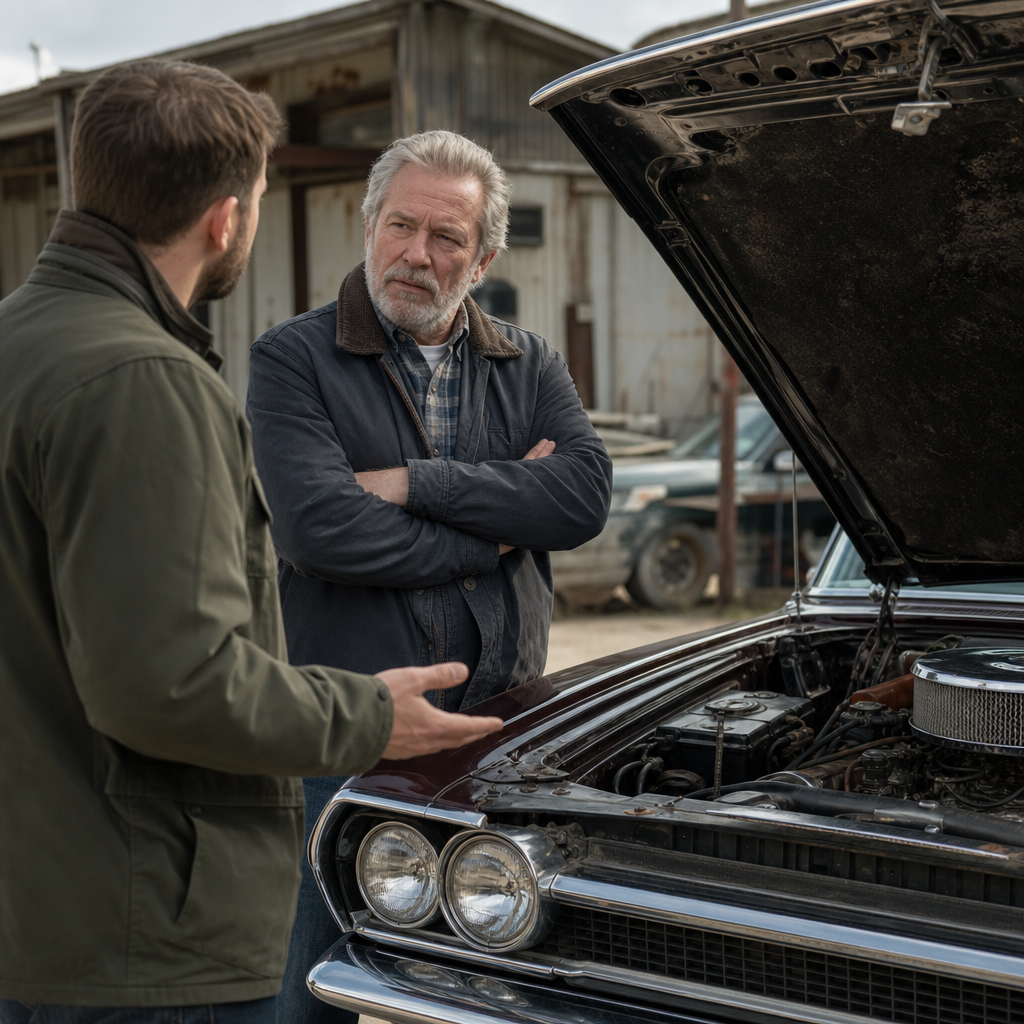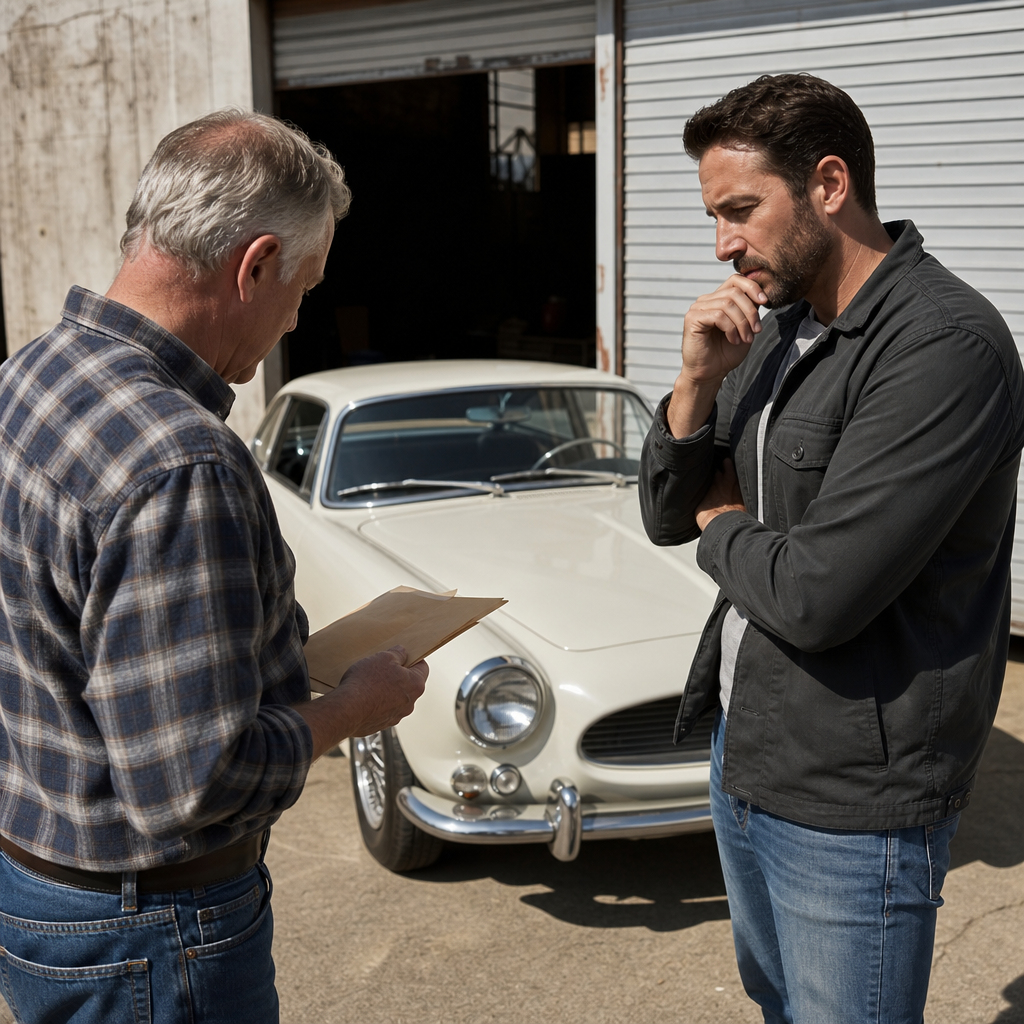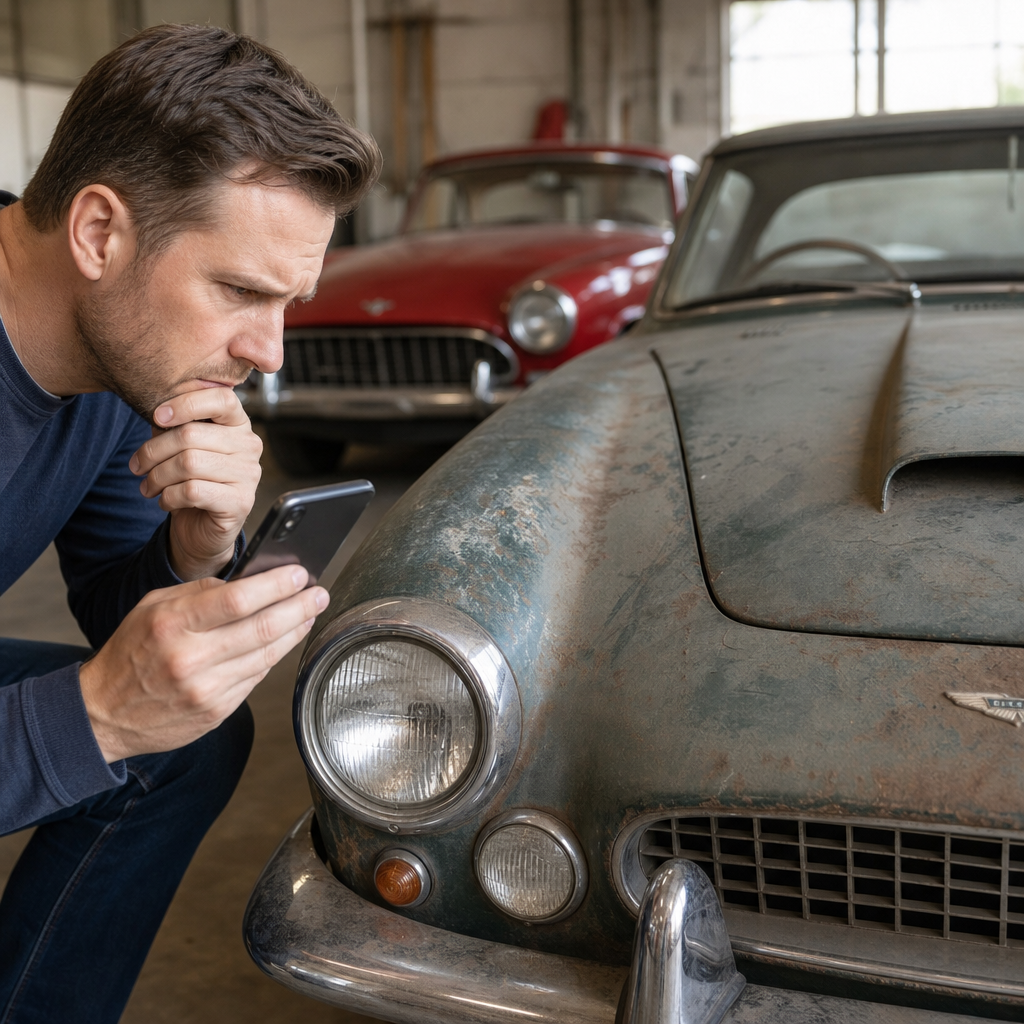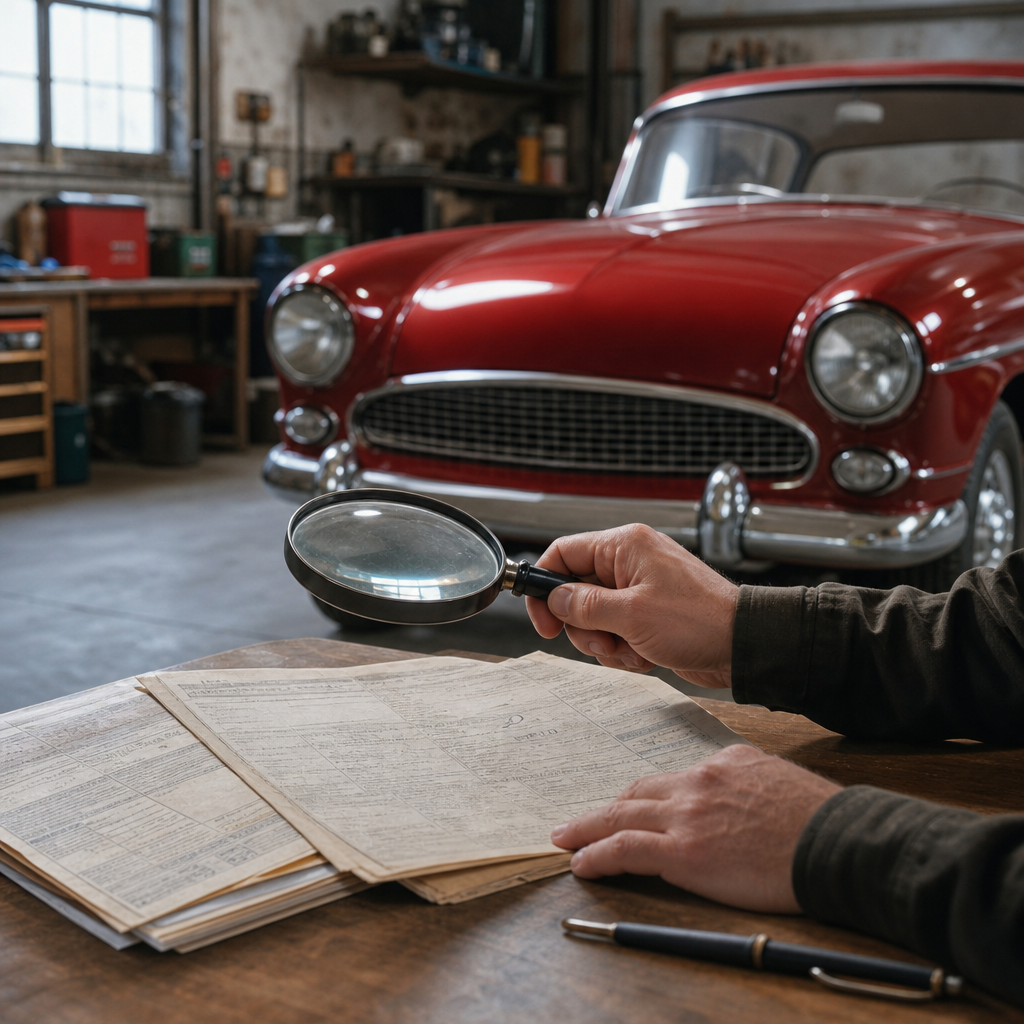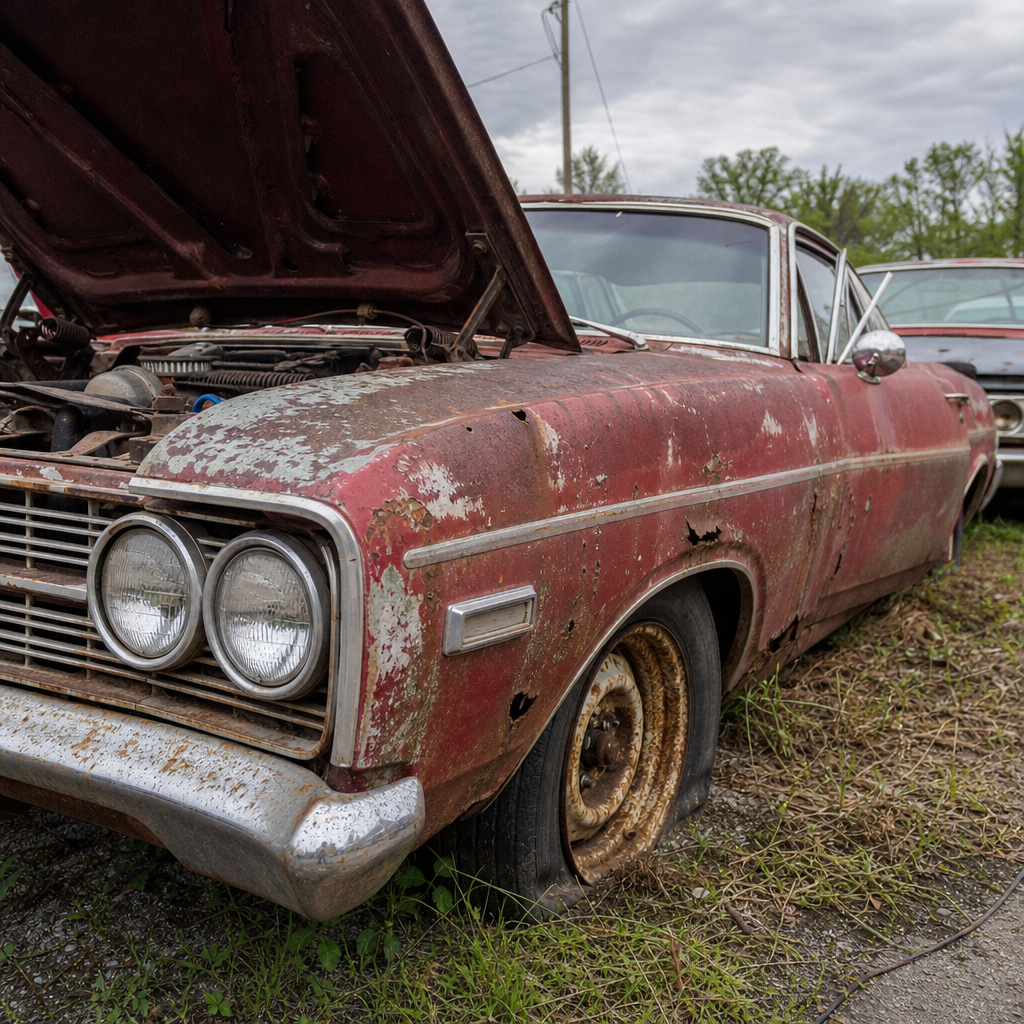
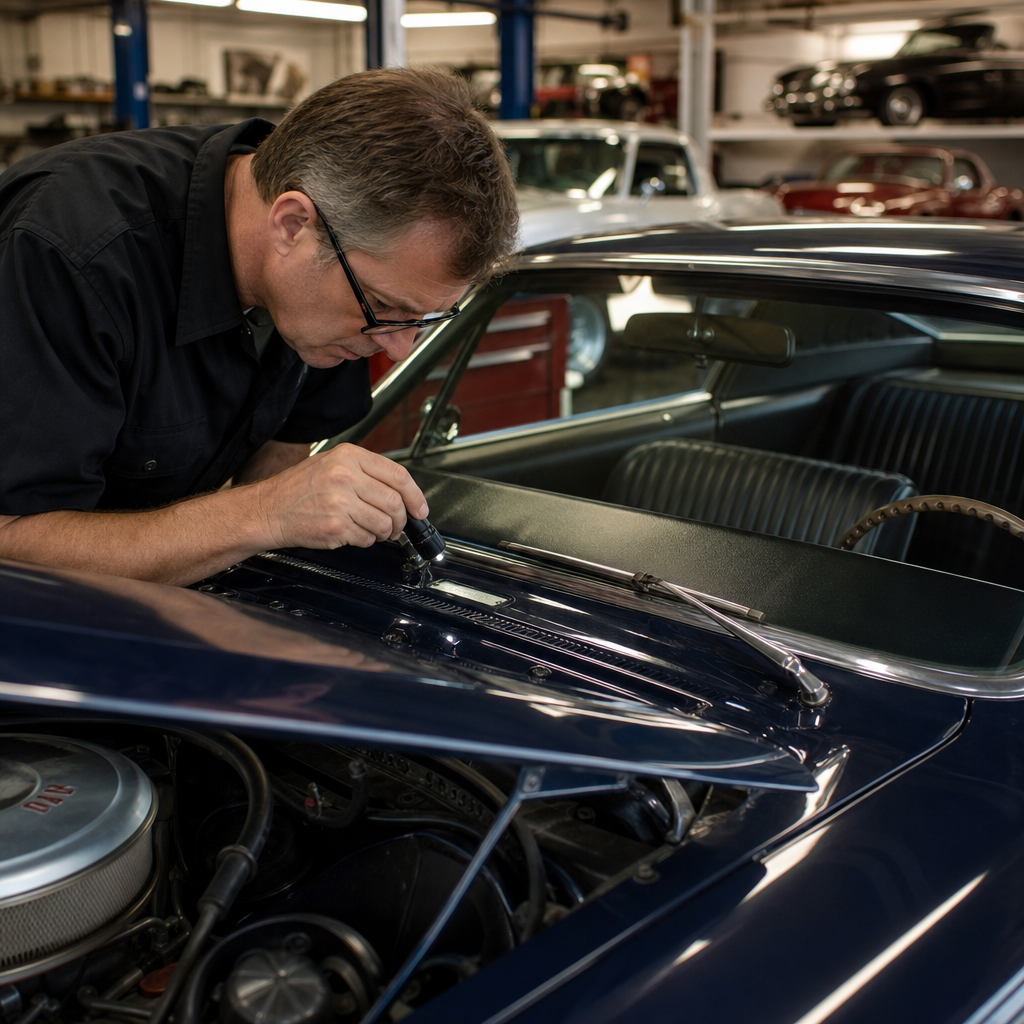
VIN fraud in classic cars can turn a dream purchase into a legal, financial, and historical mess, which is why every serious buyer and seller needs to understand how these schemes work before money changes hands. In the classic car market, a VIN, or vehicle identification number, is the primary identity marker used to connect a car to its title, registration, production details, and provenance. On many older vehicles, especially pre-1981 models, identification may involve serial numbers, body tags, frame stampings, engine pad stampings, trim tags, and factory data plates rather than the standardized 17-character VIN used today. That complexity creates opportunity for fraud. I have inspected collector cars where the dashboard tag matched the paperwork, yet the hidden frame stamp told a completely different story. In other cases, a genuine low-production muscle car had been built from a base-model shell using reproduction tags and convincing paperwork. The result is not just overpayment. It can mean seizure by law enforcement, refusal of insurance coverage, problems at auction, and permanent damage to resale value.
Classic car VIN fraud matters because older vehicles often command prices based on rarity, numbers-matching drivetrains, factory options, and documented ownership history. A 1969 Camaro Z/28, Hemi Mopar, split-window Corvette, or Shelby Mustang can be worth many times more than a visually similar clone. Fraudsters exploit that spread. They may swap tags from a wrecked original onto a cleaner donor body, alter stamped numbers, create counterfeit titles, or use a legitimate registration from one state to wash a questionable car into another. Buyers then inherit the risk. Sellers can be exposed too if they market a car without verifying what it really is. As the hub page for avoiding scams and pitfalls when buying and selling classic cars, this guide explains the main forms of VIN fraud, the warning signs, the inspection process, the documents that matter, and the practical steps that reduce risk. If you understand identity points, title chains, and model-specific verification, you will make better decisions and avoid the most expensive mistakes in the collector car hobby.
What VIN Fraud Looks Like in the Classic Car Market
VIN fraud is any deliberate misrepresentation of a vehicle’s identity through altered, substituted, forged, or mismatched identification numbers and supporting documents. In classic cars, the most common forms are VIN swapping, rebodying, counterfeit tags, restamped drivetrains, title washing, and identity laundering through old registrations. VIN swapping happens when the visible tag and paperwork from a valuable car are transferred to another body. Rebodying is similar but usually involves reconstructing a collectible model around a donor shell, raising difficult questions about how much original material remains. Counterfeit tags are newly made data plates designed to imitate factory rivets, fonts, and layouts. Restamping targets engine blocks, transmission cases, and axle housings so a car appears numbers-matching. Title washing uses administrative loopholes to remove salvage, theft, or branding history. Identity laundering uses a legitimate but unrelated serial number to legitimize a vehicle with uncertain origins.
These schemes succeed because classic cars were built in an era when numbering practices varied widely by manufacturer, assembly plant, and model year. Chevrolet, Ford, Chrysler, Jaguar, Porsche, Mercedes-Benz, and Ferrari all used different systems, and hidden stamp locations often changed over time. Some cars have multiple corroborating identifiers, while others have only a door tag and a frame stamp. Fraudsters count on buyers not knowing where to look. They also rely on the emotional pressure of scarcity. When a seller says, “You won’t find another big-block four-speed car like this,” buyers often rush. I have seen buyers focus on paint quality, chrome, and auction buzz while ignoring obvious inconsistencies like incorrect rosette rivets, fresh paint around a data plate, or a title that identifies a coupe when the car in front of them is clearly a convertible. The lesson is simple: identity always comes before condition, options, or price.
Why Classic Cars Are Especially Vulnerable
Classic cars are more vulnerable to VIN fraud than modern vehicles for structural reasons. First, many were produced before federal standardization of VIN formats in 1981, so records are fragmented and decoding is less straightforward. Second, older cars have often been restored, repainted, raced, wrecked, or parted out over decades, making replacement panels and reconstructed bodies common. Third, high-value collector segments reward originality and rarity so heavily that even small identity claims can swing price by tens or hundreds of thousands of dollars. A base 1970 Plymouth Barracuda and a real Hemi ’Cuda do not trade in the same universe. The same is true for genuine SS, GS, GTO Judge, Boss, RS, or factory air-conditioned examples in many marques.
Documentation gaps make matters worse. State motor vehicle agencies did not preserve old records consistently, manufacturers did not always retain build sheets, and dealers often closed decades ago. Some jurisdictions titled cars by engine number rather than chassis number. Imported classics may have customs paperwork, foreign registrations, and replacement plates issued during restoration. That history is not automatically fraudulent, but it demands careful reconciliation. Another vulnerability is the parts ecosystem. Reproduction trim tags, cowl tags, body tags, rivets, stamp sets, and blank VIN plates are sold openly for restoration purposes. Legitimate restorers use them to replace damaged or missing pieces where law permits, yet the same supply chain helps counterfeiters create convincing fakes. In practical terms, the classic market rewards diligence and punishes assumptions.
Red Flags Buyers and Sellers Should Never Ignore
The most reliable warning signs are inconsistencies between the car, its tags, and its paperwork. If the VIN plate shows one body style, engine code, or assembly plant but the trim tag, title, and physical car suggest another, stop and verify before proceeding. Fresh rivets, disturbed paint around tag locations, incorrect fonts, uneven stamping depths, misaligned characters, grinding marks near frame numbers, and overly crisp stampings on otherwise weathered components all deserve scrutiny. So do titles with recent transfers through multiple states, long registration gaps, handwritten bills of sale without supporting documents, and sellers who discourage independent inspections.
Market behavior can also reveal fraud. A car priced significantly below known market value may be an opportunity, but in my experience it more often reflects unresolved title or identity issues. Be cautious when a seller leans heavily on phrases like “believed to be original,” “numbers matching by previous owner,” or “title in transit” without hard evidence. Online listings that avoid close-up photos of tags and stampings are another concern. At shows and auctions, listen for stories that do not stay consistent. An owner who says the car has never been apart but cannot explain replacement quarter-panels, a changed firewall, or a missing original drivetrain is signaling risk. The point is not to assume guilt. It is to recognize that honest sellers welcome verification because it protects both sides of the deal.
How to Verify a Classic Car’s Identity Properly
Verification starts with model-specific research. Before viewing a car, obtain the correct decoding references for that make, year, and plant. Use factory service literature, marque club guides, recognized registries, and authoritative references such as NCRS for Corvettes, the Shelby American Automobile Club for Shelbys, Pontiac Historic Services for many Pontiacs, and the National Automotive History Collection for supporting archival work. Then inspect every available identity point: visible VIN plate, hidden or confidential frame stampings, body tags, trim tags, engine pad numbers, casting dates, transmission codes, axle dates, and date-coded components like carburetors or distributors. Dates should align logically with the car’s scheduled build, not trail it by impossible intervals.
Next, reconcile documents. The title, registration, old service records, restoration invoices, previous auction descriptions, shipping documents, and owner correspondence should tell one coherent story. If a claimed numbers-matching engine was replaced in the 1980s and later “restamped,” that needs to be disclosed plainly because authenticity and originality are not the same thing. For high-value cars, hire a marque expert and, when needed, a forensic examiner familiar with altered stampings, metallurgy, and rivet patterns. Law enforcement auto theft units and some state agencies can inspect suspicious vehicles, though procedures vary. The best verification process is disciplined, slow, and documented. Take high-resolution photos, record exact number locations, and preserve copies of every record you review. That file becomes part of the car’s long-term credibility.
Documents, Provenance, and the Limits of Paperwork
Paperwork matters, but documents alone do not prove identity. A clean title only shows that a jurisdiction accepted certain information at some point; it does not certify that every tag on the car is original. Build sheets, window stickers, Protect-O-Plates, warranty booklets, dealer invoices, and factory certificates can add strong support, yet these items can be forged, misattributed, or separated from the original vehicle. I have reviewed convincing document packets that fell apart once casting dates and hidden stampings were compared. Conversely, some genuine cars have sparse paperwork because records were lost during moves, estates, or older restorations. The right approach is to weigh documents alongside physical evidence.
Provenance is strongest when multiple independent sources align. An ideal file includes continuous title history, period registrations, dated photographs, ownership correspondence, restoration records, and expert reports that reference exact numbers and stamp locations. Auction catalogs and online archives can help establish how a car was represented over time. If a car was sold ten years ago as a clone and now appears as an original high-performance model, that discrepancy is critical. Keep in mind that provenance can support authenticity, but it cannot cure an altered VIN. Once identity has been materially falsified, market confidence drops sharply even if the car remains mechanically excellent. For buyers and sellers alike, transparency is worth more than a polished but fragile story.
Practical Due Diligence Checklist for Avoiding Scams
| Step | What to Check | Why It Matters |
|---|---|---|
| 1 | Decode the VIN and tags using model-specific sources | Confirms year, plant, body style, and claimed configuration |
| 2 | Inspect hidden stampings and drivetrain numbers | Exposes swapped tags and fake numbers-matching claims |
| 3 | Review title chain and registration history | Reveals gaps, state changes, salvage issues, or identity washing |
| 4 | Compare casting dates and component date codes | Checks whether parts fit the car’s production timeline |
| 5 | Order marque reports and archival documentation | Adds independent evidence from recognized sources |
| 6 | Hire an expert pre-purchase inspector | Reduces risk on high-value or highly cloned models |
| 7 | Get all seller representations in writing | Protects you if authenticity claims later prove false |
This checklist is the practical core of avoiding scams and pitfalls in classic car transactions. Buyers should complete it before sending a deposit, not after the transporter is booked. Sellers should use it before advertising a car, because verified descriptions attract stronger buyers and reduce post-sale disputes. A careful process also improves financing, insurance underwriting, and future resale. If you cannot verify a claim, remove it from the listing or state clearly that it is unverified. That single habit prevents many conflicts.
Legal Consequences, Insurance Problems, and Market Impact
VIN fraud is not a harmless paperwork issue. It can trigger criminal exposure for fraud, title offenses, possession of stolen property, or tampering with identification numbers, depending on the facts and jurisdiction. Even when a buyer acted in good faith, authorities may impound or seize a vehicle with an altered identity. Civil disputes are also common. A buyer who paid a premium for an original, numbers-matching car may sue for rescission, damages, or misrepresentation if the car turns out to be a rebody or clone. Auction houses often reserve broad rights in their terms, but that does not eliminate downstream claims between buyer and consignor.
Insurance creates another layer of risk. Agreed-value coverage depends on accurate vehicle description. If a car was insured as a genuine high-performance model but is later determined to be a clone or identity-swapped vehicle, a claim can become contentious. Lenders and specialty insurers may also require appraisals or documentation reviews for expensive collector cars. In the marketplace, tainted identity follows a car for years. Even fully disclosed rebodies and reconstructed cars trade at discounts because future buyers know resale will be harder. The most valuable classic cars are not simply restored well; they are documented well. Identity credibility is part of the asset itself.
How This Hub Connects to Broader Classic Car Scam Prevention
VIN fraud sits at the center of classic car scam prevention because it overlaps with nearly every other pitfall in buying and selling classic cars. Odometer misrepresentation, fake numbers-matching claims, forged restoration invoices, title skipping, undisclosed theft history, and clone-versus-original disputes all connect back to identity. That is why this hub article should anchor your due diligence process and lead into deeper topics such as title problems, pre-purchase inspections, auction risks, escrow use, and seller disclosure standards. Once you know how to authenticate a car, you can evaluate value claims more rationally and negotiate from evidence instead of emotion.
The main takeaway is straightforward. Never buy or market a classic car based only on appearance, seller confidence, or a single document. Verify the car itself, verify the paper trail, and verify that both tell the same story. When uncertainty remains, price the car according to what is proven, not what is promised. That discipline protects your money, your reputation, and the history of the vehicles we all want to preserve. Use this hub as your starting point, then apply the same standard to every inspection, listing, and transaction you handle.
Frequently Asked Questions
What is VIN fraud in classic cars, and why is it such a serious issue?
VIN fraud in classic cars is the intentional misrepresentation, alteration, replacement, or misuse of a vehicle identification number or related identification markings to disguise a car’s true identity. In the collector market, this can include swapping VIN plates, using paperwork from one car to legitimize another, rebodying a vehicle around a more desirable identity, falsifying trim tags, or pairing a title with a car it did not originally belong to. Because many classic vehicles were built before modern 17-character VIN standardization took effect in 1981, identification may rely on shorter serial numbers, door tags, cowl or firewall plates, frame stampings, engine pad numbers, body numbers, and manufacturer-specific data points. That complexity creates opportunities for fraud.
The consequences are serious because a classic car’s identity directly affects its legality, market value, rarity, and historical significance. A car advertised as a factory high-performance model, limited-production convertible, or matching-numbers example can be worth dramatically more than a standard version. If the identity is false, the buyer may overpay by tens or even hundreds of thousands of dollars. Beyond financial loss, VIN fraud can trigger title problems, insurance disputes, registration denials, vehicle seizure, and in some cases criminal investigation. Even if a buyer had no idea anything was wrong, ownership can become a legal mess if the vehicle’s documentation and physical identifiers do not align. In the classic world, provenance is everything, so VIN fraud is not just a paperwork issue; it can completely undermine the car’s legitimacy.
How does VIN fraud typically happen in the classic car market?
VIN fraud in classic cars usually happens through identity manipulation rather than the kind of digital record tampering people associate with newer vehicles. One common scheme involves taking a rusted, wrecked, or incomplete but highly valuable classic car’s VIN and title, then attaching that identity to a more ordinary donor car. On paper, the result looks like a rare and desirable vehicle, but physically it may be something else entirely. Another version is a “rebody,” where enough of a donor shell is rebuilt or replaced that the finished car no longer reasonably represents the original vehicle tied to the VIN. Whether that is restoration or fraud depends heavily on the facts, documentation, local law, and how the car is represented for sale.
Other schemes include counterfeit VIN tags, altered rivets, restamped engine and frame numbers, reproduction data plates presented as originals, and title washing through jurisdictions with looser procedures. Fraud can also happen when sellers rely on vague language, omit discrepancies, or present assumptions as fact. For example, a seller may claim a car is “matching numbers” because the engine is period-correct, even if it is not the original engine installed by the factory. In some cases, old registrations and handwritten documents are used to create an aura of authenticity that does not hold up under close inspection. Because records for older vehicles can be incomplete, dishonest sellers may exploit uncertainty, betting that a buyer will focus on paint, chrome, and auction excitement instead of identity verification.
What warning signs should buyers look for when checking a classic car for possible VIN fraud?
Buyers should look for inconsistencies between the vehicle, its paperwork, and the seller’s story. Start with the obvious: make sure the VIN on the title, registration, bill of sale, and any supporting documents matches the VIN or serial number physically attached to the car. Then go deeper. Check whether the VIN format, tag style, font, stamping method, rivets, plate location, and attachment method are correct for that manufacturer and model year. A shiny new tag on an otherwise aged car, incorrect rosette rivets, uneven stamp spacing, signs of plate removal, fresh paint around an identification plate, or disturbed metal near a frame stamping can all be red flags.
You should also compare what the VIN and data plates indicate against the actual vehicle configuration. If the VIN says the car was originally a six-cylinder coupe but the seller is presenting it as a factory V8 convertible, that deserves immediate scrutiny. The same goes for trim, body style, engine code, transmission type, axle ratio, assembly plant details, and date codes on major components. If multiple components have dates that do not make sense together, or if the car’s options exceed what was available for that production period, the story may be fabricated. Provenance gaps are another warning sign. Missing ownership history, recently issued replacement titles, vague restoration records, and sellers who resist independent inspection should put buyers on alert. None of these signs alone proves fraud, but a pattern of mismatches is reason to slow down or walk away.
How can a buyer verify a classic car’s identity before completing a purchase?
The safest approach is a layered verification process. First, inspect every available identification point on the car, not just the primary VIN tag. Depending on the make and year, that may include frame stampings, body tags, engine and transmission numbers, hidden or partial VIN locations, casting numbers, date codes, and manufacturer-specific serial plates. Then compare those findings to the title, historical registrations, restoration invoices, factory documentation, build sheets, window stickers, warranty cards, dealer paperwork, and any marque-specific certificates or registry information. The goal is to see whether the car’s physical evidence and documentary trail tell one consistent story.
It is also wise to bring in experts. A qualified marque specialist, experienced appraiser, restoration professional, or authentication service can often spot issues that a general buyer will miss. Some manufacturers and enthusiast organizations maintain production records or decoding resources that can confirm whether a VIN corresponds to a particular body style, engine, color, or trim combination. Buyers should also run title and theft-history checks where possible, understanding that databases for older cars may be incomplete. Most importantly, insist on an independent pre-purchase inspection focused specifically on authenticity, not just mechanical condition. If the seller discourages scrutiny, refuses detailed photographs of VIN locations, or pushes for a fast transaction without documentation review, treat that as a serious warning. In the classic market, patience is often the best fraud prevention tool.
What should buyers and sellers do if they discover a VIN discrepancy or suspect fraud in a classic car transaction?
If a VIN discrepancy appears, stop the transaction until the issue is fully explained and documented. Buyers should not assume a mismatch is harmless, even if the seller calls it a clerical error or a common old-car quirk. Some discrepancies do result from historical title mistakes, registration shorthand, state reassignment procedures, or manufacturer practices that varied by era, but those situations still need to be resolved properly. Gather copies of all documents, photograph every identification point on the car, and consult a qualified attorney, state motor vehicle agency, law enforcement contact, or classic car title specialist as needed. If money has not changed hands yet, do not proceed based on promises that the paperwork can be fixed later.
For sellers, transparency is essential. If you know of any irregularity, disclose it clearly and early, and provide every piece of supporting evidence you have. Honest sellers should avoid making definitive originality claims they cannot prove. If fraud is suspected after purchase, the buyer may need to pursue rescission, insurance claims, civil remedies, or reports to relevant authorities, depending on the facts. In some cases, the vehicle may need a state-issued identification number or a corrected title process before it can be legally registered. The key point is that VIN problems rarely improve with delay. Addressing them immediately protects legal rights, reduces financial exposure, and helps preserve trust in a market where authenticity is central to value.