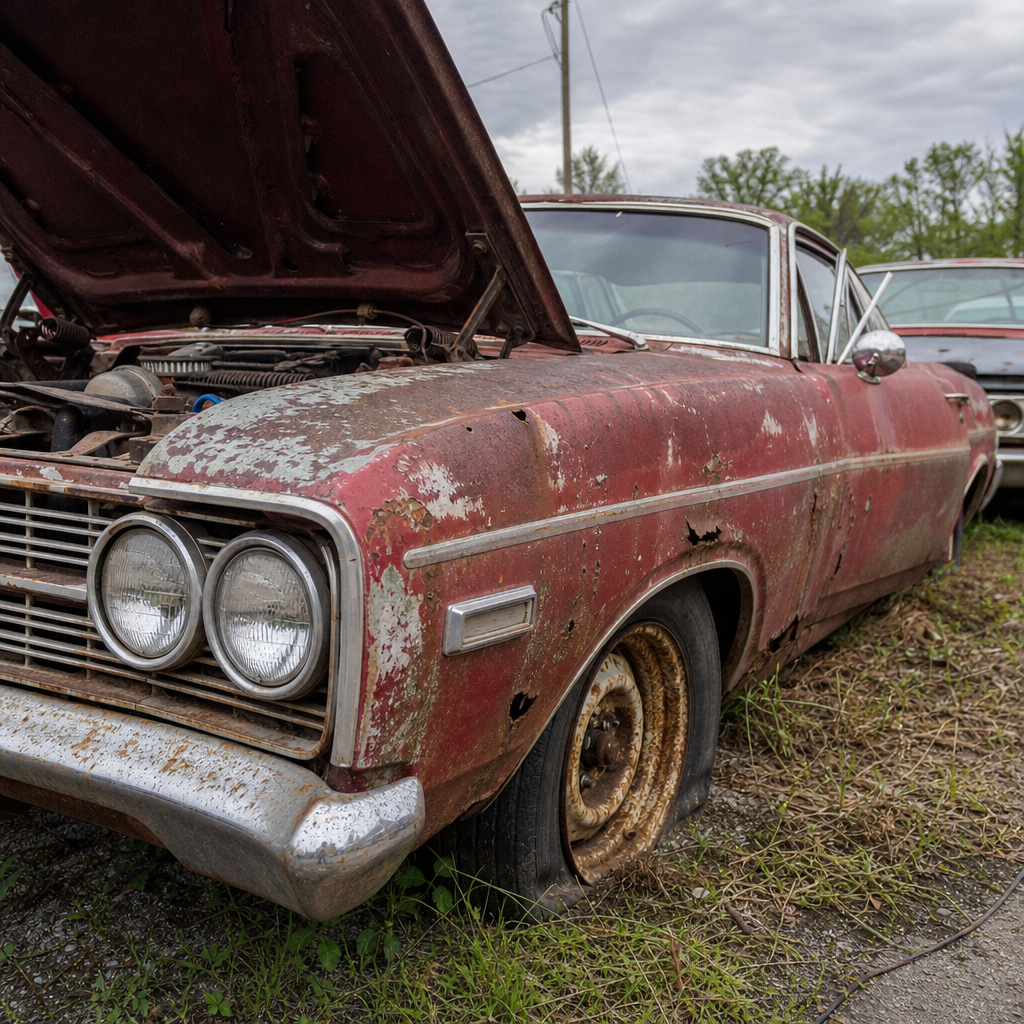
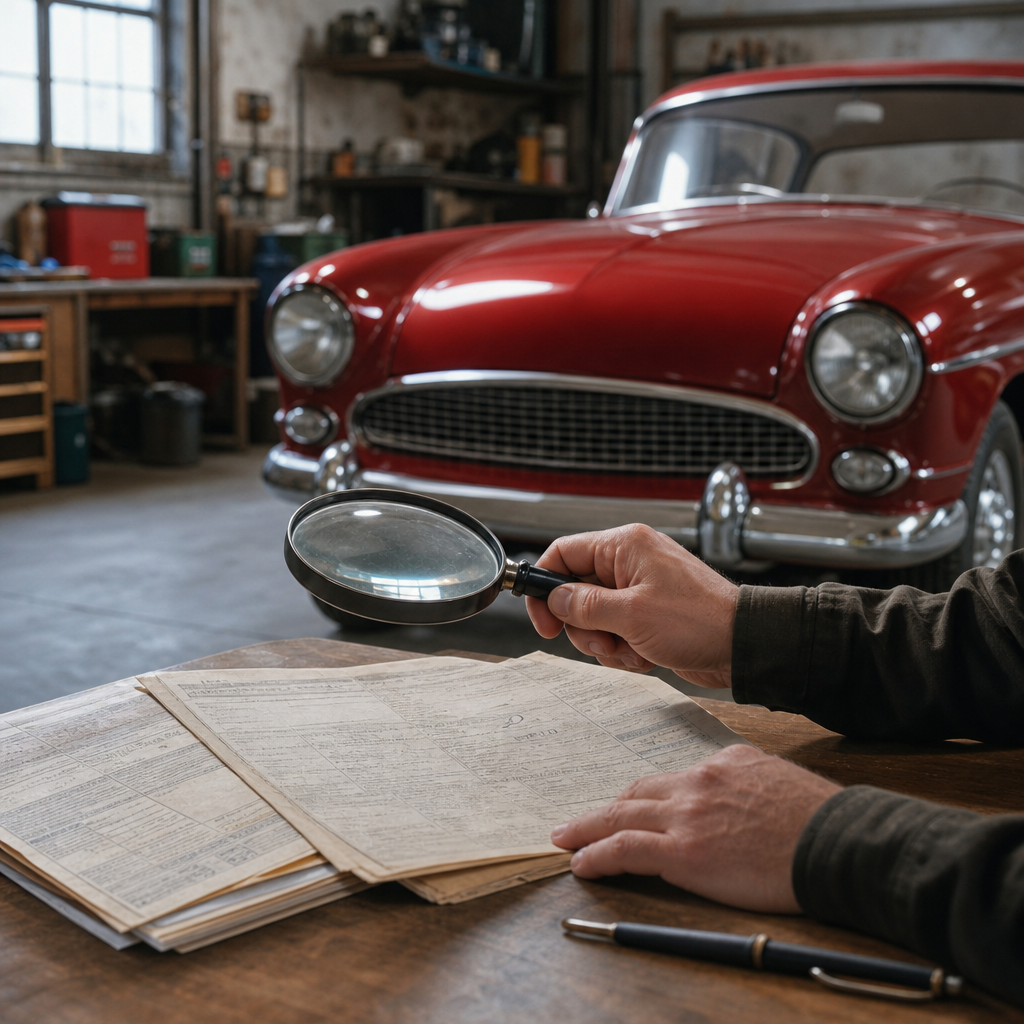
Title washing scams in classic car sales are one of the most damaging and least understood forms of fraud in the collector vehicle market. In simple terms, title washing is the process of removing, hiding, or downgrading a vehicle’s negative history by moving paperwork through states, exploiting administrative gaps, or misrepresenting prior damage so the next title looks clean. For buyers and sellers in the classic car world, that matters because value depends heavily on originality, provenance, and documented condition. A muscle car with an undisclosed salvage history, flood loss, odometer inconsistency, or rebuilt designation can look identical in photos to an honest example, yet be worth tens of thousands less. I have reviewed title chains on everything from 1960s Mustangs to air-cooled Porsches, and the same pattern appears repeatedly: a seller emphasizes paint, trim, and options while the paper trail tells a very different story.
Classic cars are especially vulnerable because recordkeeping is uneven, many states exempt older vehicles from mileage disclosure, and older VIN formats do not always fit modern database standards. Add in interstate transactions, auction listings, estate sales, bonded titles, and imported vehicles, and you have a market where a convincing story can outrun the documentation. Buyers often assume title fraud is mainly a late-model problem, but collector cars create unique opportunities for concealment. A 1970 Chevelle reconstructed from multiple cars, a flood-damaged Jaguar that resurfaces after a hurricane, or a vehicle sold on an open title without the registered owner signing over the document can all enter the market with fewer questions than they should. This hub explains how title washing works, how to spot warning signs, which checks actually matter, and how to build a buying process that protects you before money changes hands.
What title washing means in classic car sales
In classic car sales, title washing usually involves changing the legal description of a vehicle’s history so serious issues appear less severe or disappear from the next transfer record. The most common examples are salvage titles retitled in a state with different branding rules, flood vehicles resold after out-of-state registration, and rebuilt or junk vehicles represented as clean-title restorations. There are also softer versions of title washing that matter just as much in practice: inconsistent VIN tags, title years that do not align with the chassis, and registrations used in place of proper ownership documents. In my experience, fraud rarely begins with a dramatic forged title. More often, it begins with half-truths such as “older cars didn’t need titles in that state” or “the DMV corrected the issue years ago,” followed by pressure to close quickly.
The financial impact is immediate. Market guides, insurers, lenders, and knowledgeable buyers discount branded-history vehicles because prior damage raises uncertainty about structural integrity, parts authenticity, and resale liquidity. A clean-title 1969 Camaro SS and a similar car with a prior salvage event are not interchangeable assets, no matter how polished the restoration appears. Documentation affects whether the car can be financed, insured for agreed value, or judged competitively at marque events. It also affects whether you can later sell without legal exposure. If you pass on a washed-title car as clean and the next buyer discovers the problem, you may face rescission claims, transport disputes, auction chargebacks, or state consumer fraud allegations. That is why title washing belongs at the center of any serious discussion about avoiding scams and pitfalls when buying or selling classic cars.
Why classic vehicles are frequent targets for title fraud
Collector vehicles sit in a perfect storm of high values, inconsistent records, and emotional purchasing. Buyers chase rarity, matching numbers, color combinations, and ownership stories. Fraudsters know that emotion shortens diligence. Older vehicles also move through private sales more often than daily drivers, reducing institutional scrutiny from franchise dealers or mainstream lenders. Many titles were issued before standardized 17-character VINs became mandatory for most road vehicles in 1981, so databases may return partial results, duplicate records, or no result at all unless the searcher understands manufacturer-specific serial formats. That gap is routinely exploited.
State laws add another layer. Some states historically did not issue titles for older vehicles, relying on registrations or bills of sale. Others issue replacement titles with limited prior branding visibility. Some permit bonded titles when ownership documentation is incomplete. None of these processes are inherently improper, but they create openings for bad actors to transform “paperwork problem” cars into seemingly clean inventory. Imported classics create further complexity because foreign registration documents, customs forms, and state titles may not align perfectly on model year, engine number, or VIN format. A seller may frame discrepancies as harmless quirks of old cars when they actually point to identity problems. The result is a market where administrative ambiguity can be weaponized unless the buyer verifies every document against the physical vehicle and independent records.
Common title washing methods and how they appear in real transactions
The most common method is interstate re-titling. A vehicle branded salvage, rebuilt, or flood in one state is transferred to another state where prior brands may be carried forward differently, summarized less clearly, or omitted on a replacement document if records are incomplete. The seller then advertises the car using only the latest title, describing it as clean. Another method uses title skipping or open titles. Here, the seller never registers the car in their own name and passes along a prior owner’s signed title, reducing the visible chain of ownership and making it harder to connect the current sale to prior disclosures. That is not always title washing by itself, but it is a major red flag because it weakens traceability.
I also see VIN manipulation in classic sales. A rusted or heavily damaged shell with a valuable identity donates its VIN tag and title to a different body, sometimes called rebodying when disclosed and illegal identity swapping when concealed. Less experienced buyers focus on trim tags and drivetrains while missing factory stampings on frames, aprons, cowl areas, or hidden body locations. Odometer issues are another recurring tactic. Because many older vehicles are exempt from mileage disclosure, sellers may imply mileage certainty they cannot support. A washed paper trail often includes phrases such as “believed actual miles” without service records, inspection slips, or ownership history to back it up.
| Scam pattern | How it works | What buyers should verify |
|---|---|---|
| Interstate brand removal | Vehicle moves to a state with different branding rules and returns with a cleaner title description | Run multi-state history reports, request prior title copies, compare issue states and dates |
| Open title sale | Current seller never titled the car, masking ownership chain and prior disclosures | Match seller ID to title owner, reject unsigned or already-signed blank assignments |
| VIN identity swap | Title and VIN from one vehicle are attached to another shell or reconstructed car | Inspect hidden VIN stampings, body numbers, rivets, and model-specific tag formats |
| Flood or salvage concealment | Damage history is minimized after cosmetic restoration and paperwork movement | Check insurance records, corrosion patterns, water lines, silt, wiring repairs, and upholstery dates |
Red flags that should stop a classic car deal
Certain warning signs justify an immediate pause. The first is any mismatch between the seller’s identification, the title owner, and the sale story. If the person taking your money is “selling for a friend,” “helping an estate,” or “acting for a client,” require written authority and verify it independently. Second, watch for document inconsistencies: a title year that conflicts with production year conventions, a serial number with missing characters, erasures, duplicate reassignment forms, or a recent replacement title issued right before sale. A replacement title is not proof of fraud, but it deserves an explanation supported by prior registrations, insurance cards, or old service invoices.
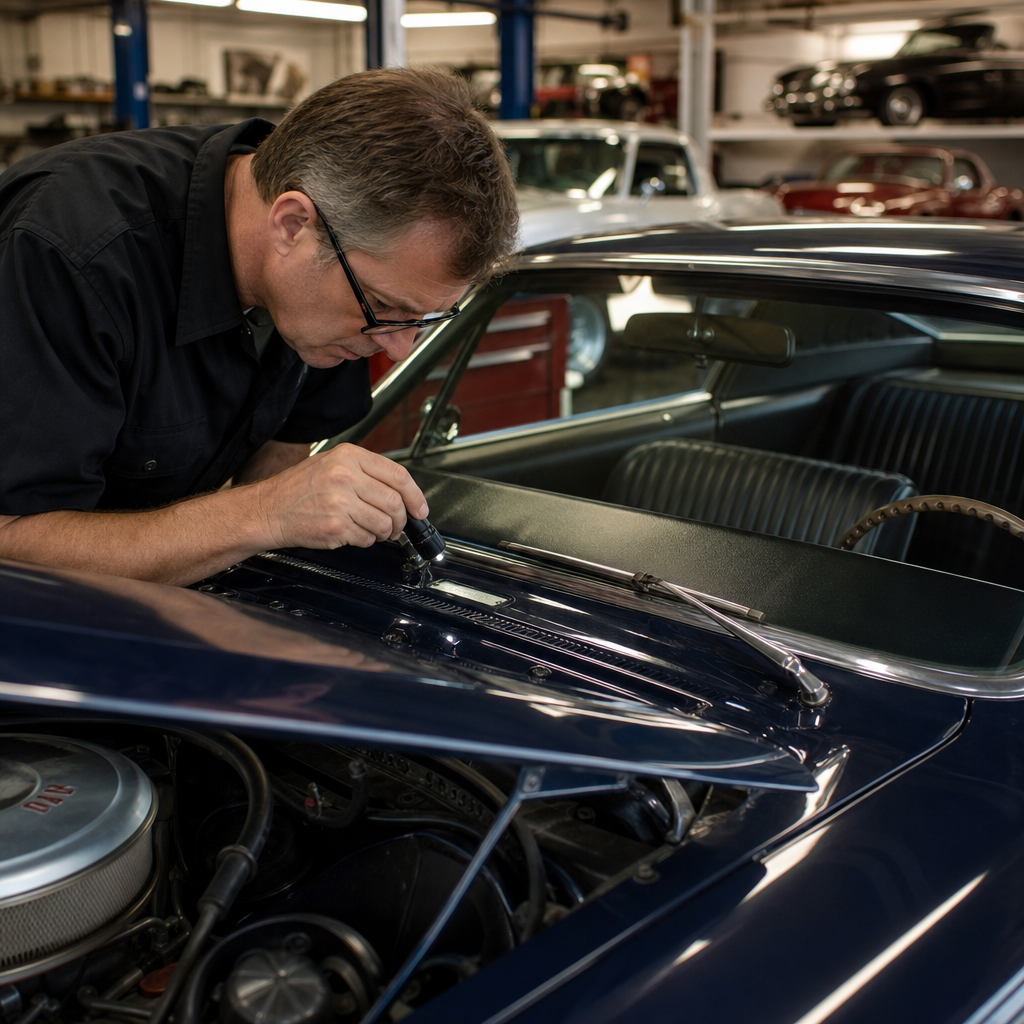
Physical clues matter just as much. Fresh undercoating over old corrosion, damp insulation, mismatched VIN rivets, dashboard plates that do not match known factory styles, and hidden stampings that show different numbers are serious issues. So is a seller who refuses a pre-purchase inspection or limits where the car can be examined. In several transactions I have audited, the strongest clue was not a document defect but seller behavior: urgency, deflection, and insistence that “collector cars are always sold as-is.” As-is language does not excuse fraud. If a seller avoids direct answers about title brands, prior insurance losses, or when they acquired the car, assume there is more to uncover.
How to verify title history before you buy or sell
Start with the title itself. Confirm the VIN, owner name, issue date, brand disclosures, lien status, and assignment section. Then match that VIN to the physical vehicle in every location the manufacturer used, not just the dashboard plate. For many American classics, that means checking door tags, cowl tags, frame stampings, engine pad stampings, and transmission numbers where applicable. Next, pull independent history sources. NMVTIS data, when available through approved providers, is valuable because it aggregates information from state motor vehicle agencies, insurance carriers, and salvage yards. Commercial reports such as CARFAX and AutoCheck can help, but older vehicles often have gaps, so absence of a record is never proof of a clean history.
Go beyond databases. Ask for prior title copies, registration cards, restoration invoices, insurance appraisals, shipping receipts, and photos from before restoration. A legitimate seller of a valuable classic usually has a story supported by paper. Contact the issuing DMV if something looks unusual, especially if the title is recently reissued, branded, or from a state known for non-title pathways on older vehicles. For imported vehicles, verify customs entry documents, foreign registration, and state conversion paperwork. If the car was sold at a major auction, request the prior lot description and condition notes. Auction archives, marque registries, club forums, and previous online listings often reveal how the same car was described years earlier. That comparison can expose suddenly “disappearing” damage, changed mileage claims, or a mysterious jump from project car to concours example.
Related scams and pitfalls that often overlap with title washing
Title washing rarely appears alone. It often overlaps with cloned VIN scams, fake matching-numbers claims, undisclosed rebody work, forged trim tags, and odometer misrepresentation. In the classic market, these issues reinforce each other. A fraudulent seller who hides a prior salvage event may also exaggerate originality, invent ownership provenance, or substitute date-code-correct components for born-with parts. That is why this topic works as a hub for avoiding scams and pitfalls more broadly. Once you learn to verify the title chain, you naturally improve how you detect fake documentation, escrow fraud, transport damage disputes, and bait-and-switch listings.
Payment and logistics can also magnify losses. A buyer who sends a wire before seeing a title, skips escrow, and hires transport from a listing photo may discover both paperwork defects and condition misrepresentation after the car crosses state lines. Sellers are not immune either. If you accept a dubious title on trade, consign a vehicle without verifying ownership, or list a car using the prior owner’s unsupported claims, you can inherit liability. The safest transactions use written purchase agreements, identity verification, title review before funds release, and independent inspections by marque specialists. For high-value cars, I strongly recommend involving a title service attorney or experienced collector-car escrow provider when the chain of ownership is incomplete or unusual.
Best practices for buyers, sellers, and dealers
Buyers should build a repeatable diligence checklist and use it every time. Verify identity, inspect the title, decode the VIN, confirm hidden stampings, pull history reports, review restoration records, and order a pre-purchase inspection from someone who knows the specific model. Sellers should do the same before listing. If your car has a branded history, disclose it clearly and price accordingly. Honest disclosure preserves trust and often prevents deals from collapsing after inspection. Dealers and brokers need stronger intake procedures because they are frequent targets for sophisticated paper fraud. Require original documents, photograph title fronts and backs, record seller identification, and reconcile every serial number before advertising.
The main benefit of this discipline is not just avoiding one bad car. It is preserving market confidence in a category where documentation is a large part of value. Classic cars are emotional purchases, but they should be documented transactions. Treat the title as a core component of the vehicle, just like the body shell or engine block. If anything in the paper trail feels rushed, inconsistent, or too convenient, stop and verify. That extra day of diligence can save years of legal, financial, and resale problems. Use this hub as your starting point for every scam-avoidance step in buying and selling classic cars, and make title verification nonnegotiable in your next deal.
Frequently Asked Questions
What is title washing, and why is it such a serious problem in classic car sales?
Title washing is the practice of making a vehicle’s history appear cleaner than it really is by removing, hiding, or softening negative title information. In practical terms, that can mean transferring a vehicle through one or more states, exploiting differences in DMV reporting rules, or presenting incomplete records so that previous brands such as salvage, rebuilt, flood, junk, or total loss no longer appear clearly on the next title. In the classic car market, this is especially damaging because buyers are not just purchasing transportation. They are often buying rarity, originality, provenance, and long-term investment value.
A washed title can radically distort what a collector believes they are buying. A classic car represented as an original, clean-title example may in fact have suffered severe collision damage, flood exposure, fire damage, theft recovery issues, or extensive reconstruction. Those facts can materially reduce value, affect insurability, complicate future resale, and raise serious safety concerns. In collector markets where a small difference in originality or documented history can mean a very large difference in price, title washing can shift values by tens of thousands of dollars or more. That is why it is considered one of the most harmful and least understood forms of fraud in vintage and collector vehicle transactions.
How does title washing actually happen with older and collector vehicles?
Title washing usually happens through paperwork rather than mechanical deception. A vehicle may first receive a negative title brand after an insurance loss, major accident, flood event, or other damaging incident. The fraud begins when someone intentionally moves the car into a jurisdiction where title branding standards, disclosure requirements, or digital records are less strict or less connected. If the receiving agency does not carry over the original brand accurately, the new title can appear cleaner than the old one, even though the car’s underlying history has not changed.
Classic cars are particularly vulnerable because many older vehicles have incomplete documentation, have changed hands multiple times, or predate modern digital reporting systems. Some records may exist only on paper, some VIN databases may be inconsistent, and some cars may have spent decades moving between private collections, restorers, auctions, and state lines. In that environment, a dishonest seller may omit prior titles, rely on gaps in recordkeeping, or describe extensive repairs as a routine restoration. A rebuilt car can be reframed as a “freshly restored survivor,” or a flood-damaged vehicle can be marketed as a “barn find” with cosmetic needs. The title itself may look acceptable, but the chain of documents, ownership history, and physical evidence often tell a different story.
What warning signs should buyers look for when trying to spot a washed title on a classic car?
One of the biggest red flags is inconsistency. If the seller’s story, the title documents, the restoration receipts, and the car’s physical condition do not line up, buyers should slow down and investigate. Examples include a supposedly low-mile, highly original car that shows signs of major structural repair, fresh undercoating in areas where corrosion or impact damage might be hidden, mismatched VIN plates or rivets, abrupt gaps in ownership history, or title records showing transfers through multiple states in a relatively short period. A seller who resists sharing old registrations, prior titles, insurance documentation, or restoration photos may also be concealing history.
Other warning signs are more specific to collector transactions. If a vehicle is priced noticeably below market for its claimed quality, if the seller relies heavily on phrases like “clean title” while avoiding deeper questions about prior damage, or if auction descriptions focus on cosmetics but say little about provenance, buyers should be cautious. It is also wise to compare the title issue date with the claimed restoration timeline. A recent title after a major insurance event, especially when paired with vague repair records, may suggest branding changes or history manipulation. For valuable classics, even a small documentation anomaly deserves serious scrutiny because title issues can affect authenticity, insurability, financing, and eventual resale.
How can a buyer verify a classic car’s history before purchase and reduce the risk of title fraud?
The best protection is a layered due diligence process. Start by requesting a complete set of documents, including the current title, prior titles if available, registrations, service records, restoration invoices, ownership history, and any auction listings or appraisal reports. Review whether the VIN appears consistently across all paperwork and whether dates, locations, and ownership transfers make sense. For older vehicles, a standard history report can be helpful, but it should never be the only tool. Many classic cars have histories that predate comprehensive digital databases, so buyers should also examine paper records and ask for supporting evidence behind any major claims about originality or restoration.
A pre-purchase inspection by a qualified expert is critical. Ideally, that means a specialist who understands the specific marque and can identify hidden structural repairs, replacement body panels, flood indicators, non-original stampings, and signs of reconstructed damage. Buyers should also check state DMV records when possible, review lien information, compare chassis, engine, and body numbers where applicable, and search old auction photos or online archives. If the vehicle has won awards, appeared in registries, or belonged to known collections, verify those claims independently. In high-value transactions, consulting a title professional, attorney, or collector-car specialist can be money well spent. The central idea is simple: never rely on the appearance of a clean current title by itself, because a clean-looking document does not guarantee a clean history.
What should buyers or sellers do if they discover title washing in a classic car transaction?
If title washing is discovered before the sale closes, the safest response is usually to pause the transaction immediately until the full history is clarified. Buyers should request all prior documents, ask direct written questions about the vehicle’s damage and title history, and avoid sending additional funds until independent verification is complete. If misrepresentation appears intentional, walking away is often the best decision. In some cases, reporting the issue to the auction platform, broker, dealership, or relevant state motor vehicle agency can help prevent the car from being passed to another unsuspecting buyer under the same false claims.
If the transaction has already occurred, buyers should gather and preserve every piece of evidence, including the listing, bill of sale, emails, text messages, inspection reports, title copies, wire confirmations, and any statements the seller made regarding condition, originality, or title status. The next steps may include contacting the state DMV, filing a complaint with consumer protection authorities, notifying the insurer if coverage was obtained based on false information, and consulting an attorney experienced in vehicle fraud or collector-car disputes. Sellers who unknowingly acquired a washed-title classic should also act quickly, because reselling the vehicle without proper disclosure can create legal exposure. In the classic car world, where reputation matters and provenance drives value, transparency is essential. Correcting the record early is almost always better than allowing a questionable title history to follow the car into future sales.