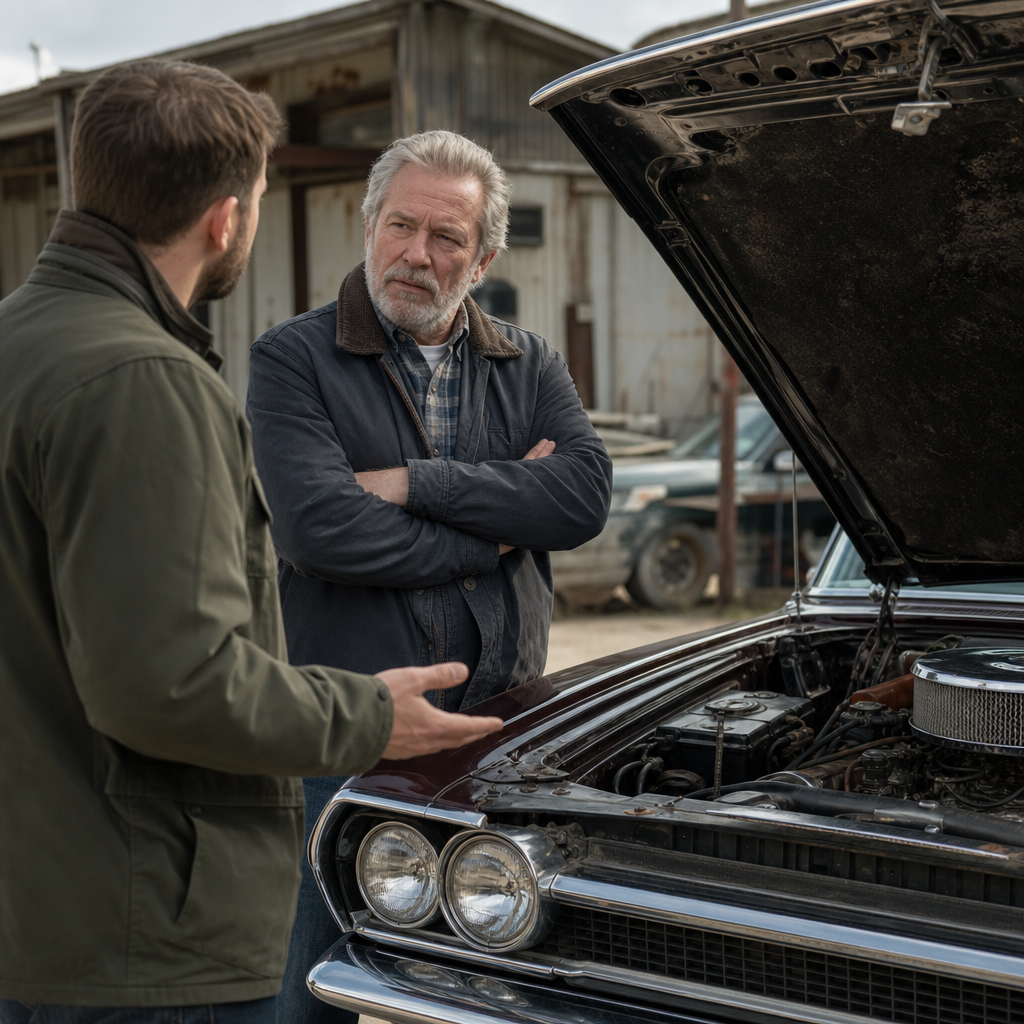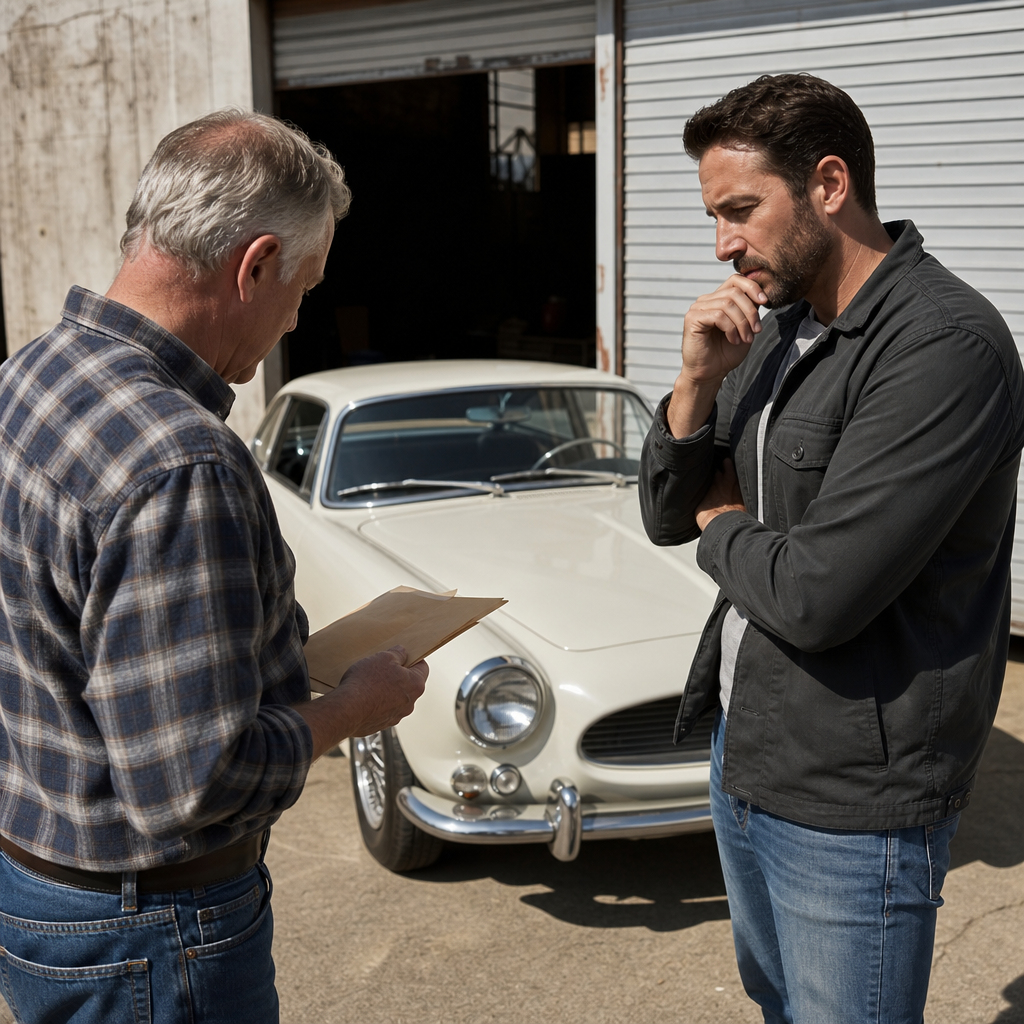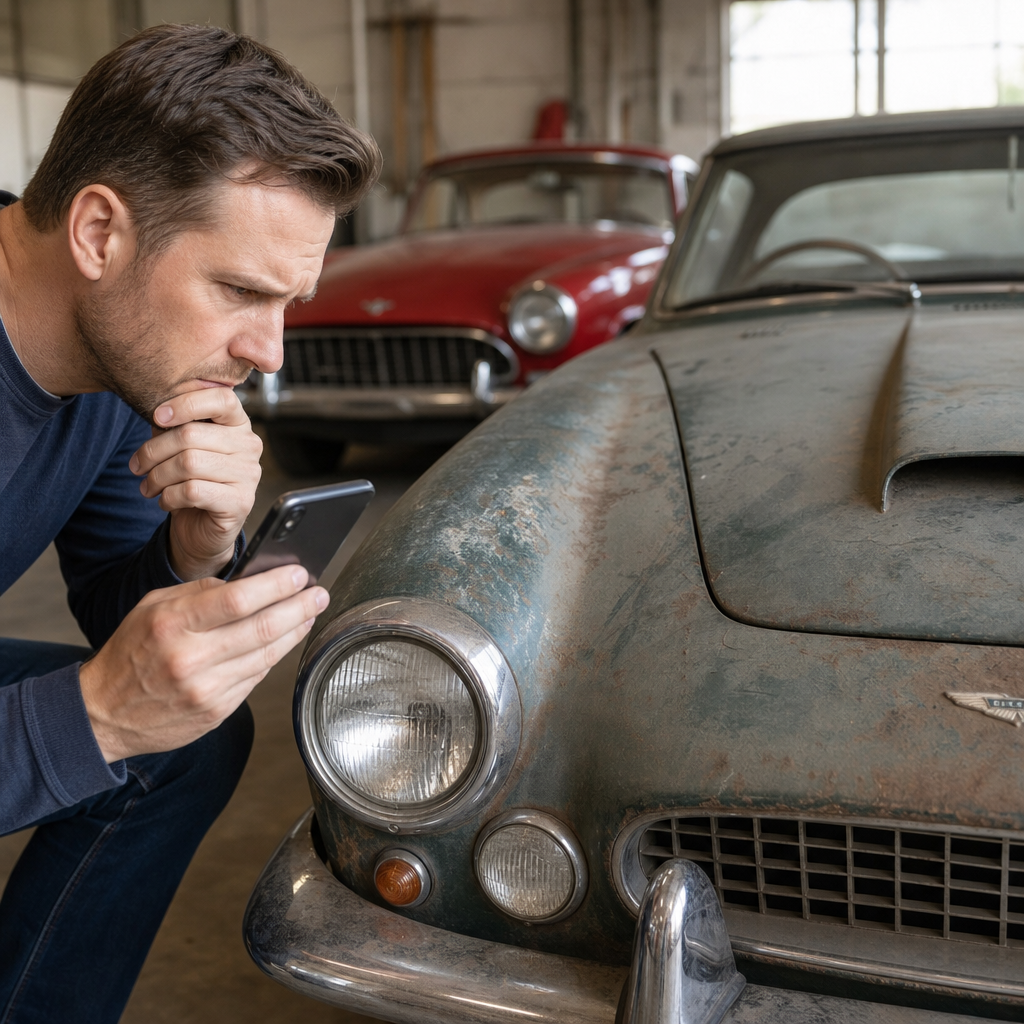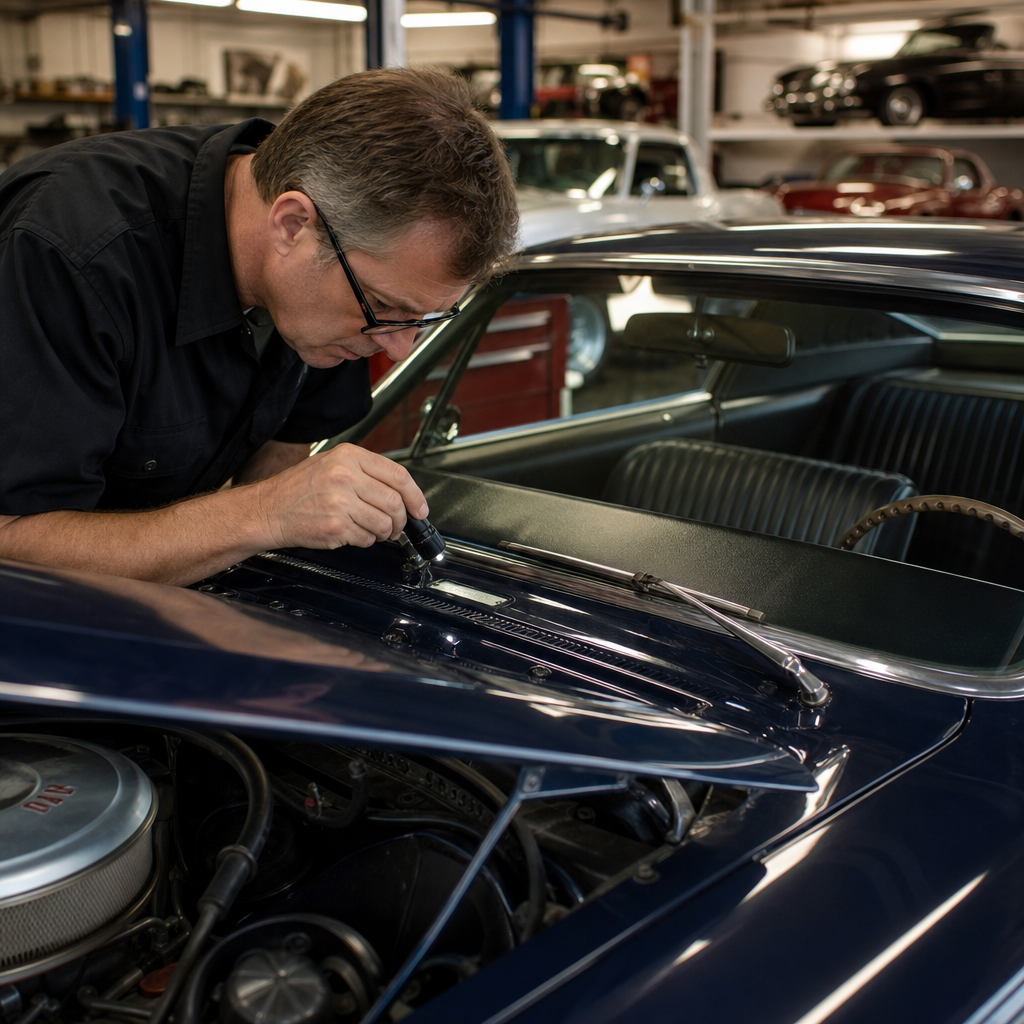

Buying online can save time, widen your choices, and open access to rare vehicles, parts, and memorabilia, but it also exposes buyers to scams that are harder to spot than problems at an in-person sale. In the classic car market, where values vary sharply by originality, documentation, and condition, one bad transaction can mean losing thousands of dollars. Protecting yourself when buying online means using a repeatable process to verify the seller, the item, the payment method, and the paper trail before any money changes hands.
Within buying and selling classic cars, avoiding scams and pitfalls covers more than obvious fraud. It includes misrepresented vehicles, cloned VINs, fake escrow services, forged titles, hidden rust, unpaid liens, shill bidding, parts substituted after inspection, and shipping arrangements designed to remove your leverage. I have seen buyers focus on paint, rarity, and auction excitement while skipping the basic checks that actually keep deals safe. The safest online buyers are not the most suspicious; they are the most methodical.
This hub article explains how to protect yourself when buying online, especially when the purchase involves a classic car, project car, major component, or high-value collectible. It defines the main risks, shows how scams usually work, and lays out the exact checks that reduce exposure. It also acts as a central guide to the broader avoiding scams and pitfalls topic, so each section is written to answer a practical question a buyer asks before committing. If you understand identity verification, listing analysis, VIN and title checks, payment protection, inspection standards, and shipping control, you dramatically improve your odds of completing a legitimate purchase on fair terms.
Online buying risk matters because classic vehicle transactions are often emotional, remote, and time-sensitive. Scarcity pushes buyers to move fast. Sellers know that words like numbers-matching, rust-free, survivor, and fully restored trigger urgency, even when evidence is thin. Unlike buying a new commodity product, buying a classic car online often involves incomplete records, older paperwork, private-party sellers, and condition issues that only appear under strong light, a magnet, a lift, or a compression gauge. That combination makes discipline more valuable than enthusiasm.
Start by verifying the seller, not the story
The first protection step is confirming that the person offering the vehicle or part is real, reachable, and actually connected to the asset. Ask for the seller’s full legal name, phone number, physical address, and a copy of the title or registration with sensitive numbers partially masked if needed. Then verify the address through mapping tools, property records where available, and reverse phone or email searches. A legitimate seller may value privacy, but they should not resist reasonable verification when a substantial payment is involved.
In practice, I look for consistency across all contact points. Does the seller’s name match the title? Does the email domain make sense? Is the phone number linked to prior enthusiast forum activity, a dealership, or a real business presence? If the car is said to be in Arizona but the seller only answers during UK business hours and refuses a live video walkaround, that inconsistency matters. Scammers often borrow photos from old listings and create urgency before buyers notice location mismatches.
Direct conversation remains one of the best filters. Speak by phone, then request a live video call. During the call, ask the seller to start the engine cold, show the VIN plate, move around known problem areas, and place the camera on details you choose in real time. A scammer using stolen listing photos cannot do this convincingly. A genuine owner may not be polished on camera, but they can usually demonstrate possession and familiarity with the vehicle’s quirks, service history, and storage conditions.
Analyze the listing like an investigator
Every online listing leaves clues. Read the entire description slowly and compare it to the photos, metadata, and market context. Watch for vague claims, copied wording, inconsistent mileage, missing engine-bay photos, or statements that dodge specifics such as “believed original” or “shouldn’t take much to finish.” Those phrases are not automatic deal breakers, but they require follow-up questions. In classic cars, the cost of correcting hidden problems often exceeds the apparent bargain.
Photo quality tells a story. A complete listing should show exterior panels in even light, interior wear points, trunk, underhood, undercarriage, VIN tag, trim tags where applicable, glass markings, wheels, tires, and close-ups of flaws. I pay attention to what is missing. If a seller posts forty glossy photos but none of the lower fenders, rocker panels, frame rails, or cowl area, they may be avoiding rust-prone zones. Reverse image search tools can reveal whether those photos appeared in an older auction or a different state months earlier.
Price is another signal. If a sought-after early Bronco, air-cooled Porsche, or first-generation Mustang is listed meaningfully below current comparable sales, assume there is a reason until proven otherwise. Genuine underpriced deals exist, but most disappear quickly among informed buyers. Scammers exploit the belief that speed beats diligence. A low price paired with pressure to use wire transfer immediately is a classic setup.
| Warning sign | Why it matters | Safer response |
|---|---|---|
| Seller refuses live video | May not control the vehicle | Pause the deal until possession is proven |
| Price far below market | Fraud or major undisclosed defects are likely | Compare recent sales before proceeding |
| Title details do not match seller | Possible curbstoning, lien, or theft issue | Request ownership explanation and documentation |
| Payment demanded by wire only | Limited recovery if the deal collapses | Use documented, conditional payment methods |
| Shipping arranged by seller with urgency | Can remove your control and inspection leverage | Choose your own carrier or escrow terms |
Confirm identity, title, VIN, and legal status before payment
For a classic car, legal verification is as important as condition verification. Start with the VIN exactly as shown on the car and the title. Older vehicles may have shorter VIN formats, body tags, engine stampings, or frame stampings that require marque-specific knowledge. Use state motor vehicle resources, NICB VINCheck when applicable, theft databases, and lien search options available in the relevant jurisdiction. If the seller cannot explain title branding, reissued paperwork, or registration gaps, stop and clarify those issues first.
A clean title does not automatically mean clean history. Some states issue titles with less detail than buyers expect, and older cars may have passed through periods when recordkeeping was weaker. That is why I cross-check documents with physical identifiers on the vehicle. On cars where body, engine, transmission, and trim codes affect value, verify those numbers against factory decoding guides, marque clubs, and recognized references. A “numbers-matching” claim should be supported, not assumed.
Liens create another common pitfall. If a lender still has a security interest, the seller may not be able to transfer clear ownership even if they physically possess the car. Ask for lien release documents and, when relevant, contact the lender using independently sourced contact information rather than a number provided only in an email thread. This single step prevents buyers from paying in full for a car they cannot legally title in their own name.
Use inspections and documentation to test condition claims
Never rely solely on seller language such as concours, restored, rust-free, turnkey, or show quality. Those terms have no universal enforcement standard. Protect yourself by commissioning an independent pre-purchase inspection from a qualified specialist familiar with the specific make and era. A general mechanic may spot leaks and obvious problems, but a marque expert knows where hidden corrosion starts, which stampings are often restamped, and what modifications reduce value.
A strong inspection covers paint depth readings, magnet checks where appropriate, lift inspection, compression or leak-down testing when justified, fluid condition, suspension play, brake operation, electrical functions, cold start behavior, hot restart behavior, charging system output, and road test impressions. For restored cars, inspect photo records and invoices. For untouched survivors, inspect originality indicators and signs of sympathetic repairs versus cosmetic concealment. A seller who truly believes in the car should welcome objective confirmation.
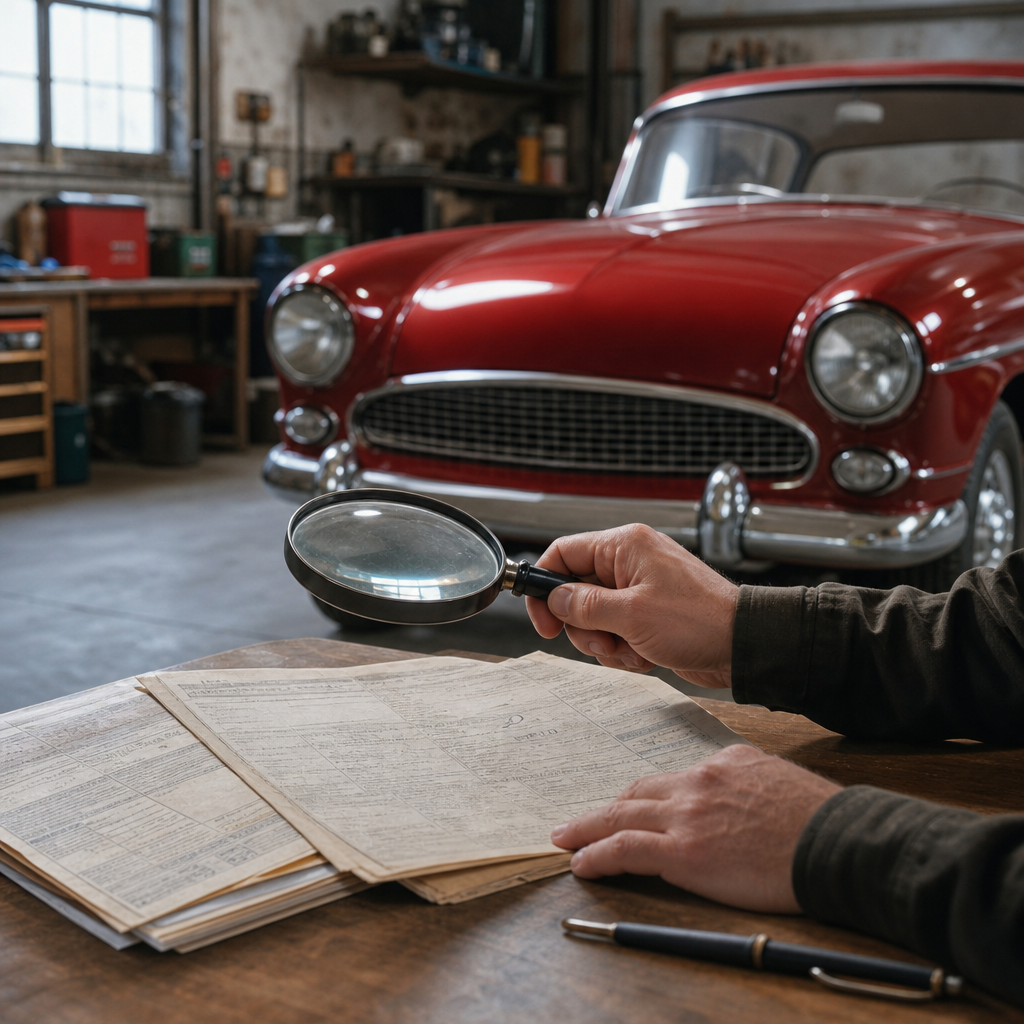
Documentation should be read critically, not merely collected. Thick folders impress buyers, but receipts can reveal long storage periods, recurring overheating, poor-quality restoration work, or substituted components. Ask for scanned invoices in date order. Compare odometer statements to service intervals. If the car is marketed as frame-off restored, look for evidence of chassis disassembly, media blasting, hardware replacement, and dated restoration photos rather than one repaint invoice and a stack of parts receipts.
Choose payment methods that preserve leverage
The safest payment structure depends on deal size, platform rules, and whether the seller is private or commercial, but the principle is constant: use a method that creates traceability and conditions release of funds on agreed milestones. Credit cards offer strong consumer protections for eligible transactions, though many private sellers will not accept them for a full vehicle purchase. Escrow can work well, but only if you choose a reputable provider independently and verify the website, company registration, and instructions yourself. Fake escrow sites are common in vehicle fraud.
Wire transfers are not inherently illegitimate; many genuine classic car sales close by bank wire. The problem is that a wire sent to a fraudster is difficult to recover. If wiring funds, confirm account details by calling a verified number, not by replying to an email that could be spoofed. For dealership purchases, verify the business through state licensing records and established web presence. For private-party purchases, combine a purchase agreement, verified identification, title review, and conditional pickup arrangements before sending money.
Deposits deserve special attention. Keep deposits small, define whether they are refundable, and state exactly what conditions allow cancellation, such as failed inspection, title discrepancy, or material misrepresentation. Too many buyers send a large “hold” deposit based on excitement and then discover the seller treats it as nonrefundable regardless of what inspection uncovers. Written terms reduce that risk.
Control shipping, pickup, and final handoff
Shipping is where many otherwise careful deals go wrong. Buyers assume the hard part ends once payment is sent, but handoff errors can still produce loss, damage, or bait-and-switch outcomes. Use established carriers with cargo insurance and inspect their terms. If possible, schedule pickup only after title, bill of sale, and keys are ready. For high-value cars, I prefer that a trusted inspector, friend, or agent sees the vehicle at pickup and confirms it matches the advertised condition and identification numbers.
Document the condition at handoff with timestamped photos and a signed bill of lading. Remove ambiguity about loose parts, spare wheels, tools, manuals, and title packets. Those items often go missing because no one listed them. If the seller offers to “handle transport cheaply,” that can be fine, but only when you independently verify the carrier and remain the contracting party. Otherwise, you may lose visibility into schedules, insurance, and accountability.
International purchases add customs paperwork, import eligibility, tax treatment, and compliance concerns. Age-based exemptions vary by country, and shipping delays can affect storage charges and port release. Before buying abroad, confirm that the car can be imported legally and titled locally. A bargain overseas becomes expensive fast if documentation is incomplete or the vehicle fails admissibility rules.
Spot marketplace-specific scams and build a repeatable buying checklist
Different platforms create different risks. On classifieds sites and social media marketplaces, impersonation and copied listings are common. On online auctions, shill bidding, strategic omission, and last-minute disclosure appear more often. In enthusiast forums, reputation can be stronger, but buyers sometimes lower their guard because the community feels familiar. The right approach is to use the same checklist everywhere: verify seller identity, verify possession, verify documents, verify condition, verify payment path, and verify shipping control.
Classic car buyers should also watch for curbstoners posing as private sellers, title jumping, and assembled cars represented as factory-original examples. These are not always outright theft cases; often they are misrepresentation cases that still leave the buyer overpaying. The most effective protection is to slow the transaction down long enough for evidence to catch up with the narrative. Honest sellers may want a prompt sale, but they do not need you to skip basic safeguards.
The core takeaway is simple: protecting yourself when buying online is less about one magic tool than about layered verification. When seller identity, listing details, title status, inspection findings, payment terms, and shipping arrangements all align, risk drops sharply. When even one layer is missing, ask why before moving forward. If you are shopping within the buying and selling classic cars category, use this hub as your starting framework for avoiding scams and pitfalls, then apply the process to every listing, every seller, and every deal. Careful buyers do not just avoid fraud; they buy better cars, at fairer prices, with fewer surprises. Start with a checklist, insist on proof, and let discipline make the decision easier.
Frequently Asked Questions
What are the safest first steps to take before buying a vehicle, part, or collectible online?
The safest approach is to slow the process down and verify the listing before you discuss payment. Start by reviewing the item description carefully and looking for specifics that a legitimate seller should be able to provide, such as serial numbers, VIN information where appropriate, restoration records, ownership history, service receipts, casting numbers, date codes, and close-up photos of any flaws. In the classic car market especially, vague language like “easy restoration,” “numbers matching, I think,” or “rare original” without documentation should prompt more questions, not more excitement.
Next, verify the seller’s identity. Look beyond the marketplace profile and confirm the person or business through independent sources. Search the seller’s name, phone number, email address, business name, and address. Check whether those details appear consistently across a dealership website, collector forums, club directories, state business records, or social media pages with a legitimate history. If the seller claims to represent a known shop, auction company, or estate, contact that organization directly using contact information you find yourself rather than anything provided in the listing.
It is also smart to request a live video call. Ask the seller to show the vehicle, part, or memorabilia item in real time, including identifying marks, paperwork, packaging, and any problem areas. A real-time walkthrough is harder to fake than polished listing photos. For vehicles, ask to see the VIN plate, odometer, engine stamping, trunk, undercarriage, cold start, exhaust, gauges, and a short driving demonstration if possible. For parts and memorabilia, ask for close-up views of labels, stampings, signatures, wear patterns, and storage conditions.
Finally, compare the listing to market reality. If the price is dramatically below market value, if the seller pushes urgency, or if the communication becomes evasive when you ask for proof, treat that as a warning sign. Good online buyers use a repeatable process: verify the seller, verify the item, verify the documents, and only then discuss terms. That discipline prevents emotional buying and reduces the chance of getting trapped in a scam.
How can I tell whether an online seller is legitimate or trying to scam me?
A legitimate seller usually behaves in a consistent, transparent, and patient way. They answer detailed questions clearly, provide additional photos without resistance, share documentation that matches the item, and do not object to independent inspections or secure payment methods. Scammers tend to do the opposite. They often create pressure with claims like “I have three other buyers ready,” “I need a deposit today,” or “I’m selling this for a relative and can’t access the paperwork right now.” Urgency is one of the most common tools used to get buyers to skip verification steps.
Watch for inconsistencies. Compare the seller’s name to the payment account name, the title name, the shipping address, and any business information they provide. If those do not line up, ask why. Reverse-search the photos if possible to see whether they appear on other listings, auction archives, or forum posts. If the same photos are tied to different names, locations, or prices, that is a major red flag. Poorly edited paperwork, cropped VIN tags, blurry title images, and excuses for missing documents should also raise concern.
Communication style matters too. Scammers often avoid direct answers, move conversations off-platform immediately, or insist on text or email only because they do not want to speak live. Some use generic language that could apply to any item because they do not actually possess it. Others may have a convincing story but refuse normal buyer protections such as escrow, a pre-purchase inspection, or secure marketplace checkout. A legitimate seller may have preferences, but they should still be willing to use reasonable safeguards.
Trust your pattern recognition. One odd detail may have an innocent explanation, but several together usually mean risk. If the seller cannot prove identity, ownership, possession, and the legitimacy of the paperwork, do not move forward. In online buying, walking away is often the smartest protection you have.
What documents and proof should I ask for before sending money?
You should ask for enough documentation to confirm four things: the seller is real, the seller has the legal right to sell the item, the item is what the listing claims, and the transaction can be documented if a dispute arises later. For a vehicle, that usually means a clear copy of the title or registration, the VIN, current photos of all major areas, maintenance records, restoration receipts, ownership history, and any appraisal or judging paperwork if originality or provenance affects value. If the car is advertised as matching-numbers, rare, or concours quality, ask for the evidence behind those claims rather than accepting the wording at face value.
For parts, ask for invoices, manufacturer labels, serial numbers, casting marks, date codes, and detailed photos that show condition honestly. For memorabilia, request provenance records, certificates of authenticity where relevant, close-ups of signatures or identifying marks, and photos that show age, wear, and storage. In higher-value transactions, independent authentication can be worth the cost. Documentation is especially important in collector markets because originality and provenance can dramatically change value.
You should also request a written bill of sale before payment. It should identify the buyer and seller, describe the item accurately, state the agreed price, specify what is included, disclose known defects, and note whether the item is being sold as-is. For vehicles, include the VIN, mileage if applicable, title status, and any promises regarding included spare parts or documents. If shipping is involved, the agreement should also say who is responsible for packaging, insurance, transit damage claims, and delivery timing.
The key is not just collecting documents, but checking whether they make sense together. The title name should match the seller or be explained by a documented consignment arrangement. The VIN on the title should match the VIN shown on the vehicle. Receipts should align with the restoration story. Dates, names, and locations should tell one consistent story. When the paperwork supports the item and the seller’s claims, your risk drops significantly. When it does not, stop and investigate before sending any money.
What payment methods offer the best protection when buying online?
The best payment method is one that creates a documented trail and gives you some level of protection if the deal goes wrong. For lower- to mid-value purchases, credit cards often provide the strongest consumer protections, especially when used through an established marketplace checkout process. In some cases, payment platforms with buyer protection can also help, but you should read the terms carefully because eligibility varies by category and transaction type. Vehicles, deposits, private-party deals, and “friends and family” transfers are often excluded or only partially protected.
For high-value transactions such as collector vehicles, secure escrow services are often the safest option. A reputable escrow arrangement can hold funds while you verify documents, complete an inspection, and confirm delivery terms. The important word is reputable. Use only well-known escrow providers and go to their website directly yourself rather than clicking links sent by the seller. Fake escrow sites are a common scam tactic because they look professional and create false confidence.
Be cautious with wire transfers, bank transfers, Zelle-type services, gift cards, cryptocurrency, and peer-to-peer methods that offer little or no recourse once the money is sent. These are not automatically fraudulent, and some legitimate sellers prefer bank wires for large transactions, but they should only be used after you have completed your due diligence and have strong contractual documentation. If you do send a wire, confirm account details verbally using independently verified contact information and not just email instructions, since payment redirection scams are common.
A deposit should also be handled carefully. Never send a large non-refundable deposit just to “hold” an item unless you have a written agreement that states exactly when it becomes non-refundable and under what conditions it will be returned. Good payment practice means using a traceable method, documenting every term in writing, and matching the payment structure to the level of trust and verification you have established. If a seller insists on unprotected payment before proving ownership and legitimacy, that is usually a reason to walk away.
How do I protect myself with shipping, inspections, and final paperwork before the deal is complete?
Protection does not end when you agree on a price. Before the transaction closes, arrange an independent inspection whenever the item value justifies it. For a classic car, a pre-purchase inspection by a marque expert, restoration specialist, or knowledgeable independent mechanic can uncover hidden rust, poor repairs, non-original components, title issues, and condition problems that photos may not reveal. For rare parts or memorabilia, consider a specialist who can confirm authenticity and condition. The seller should not choose the inspector for you. You or your representative should control that step.
Shipping also deserves close attention because damage, loss, and disputes often happen after payment. Use a reputable carrier with experience handling the type of item you are buying. Confirm whether the shipment is enclosed or open, how the item will be packaged, what insurance applies, what exclusions exist, and how claims are handled if damage occurs. Get all shipping terms in writing, including pickup condition, delivery condition, expected timing, and who bears risk at each stage. For vehicles, detailed pickup and drop-off photos are essential. For parts and memorabilia, require proper packing and photos before the