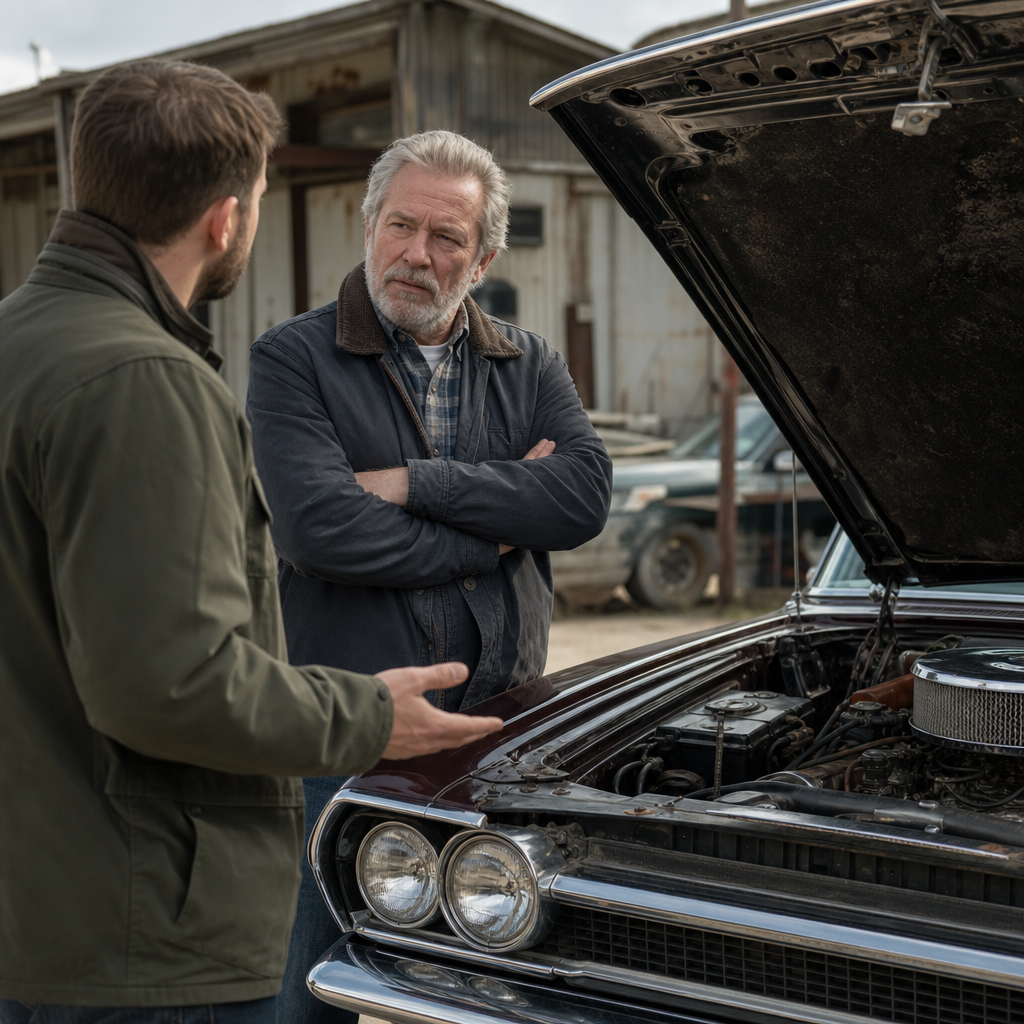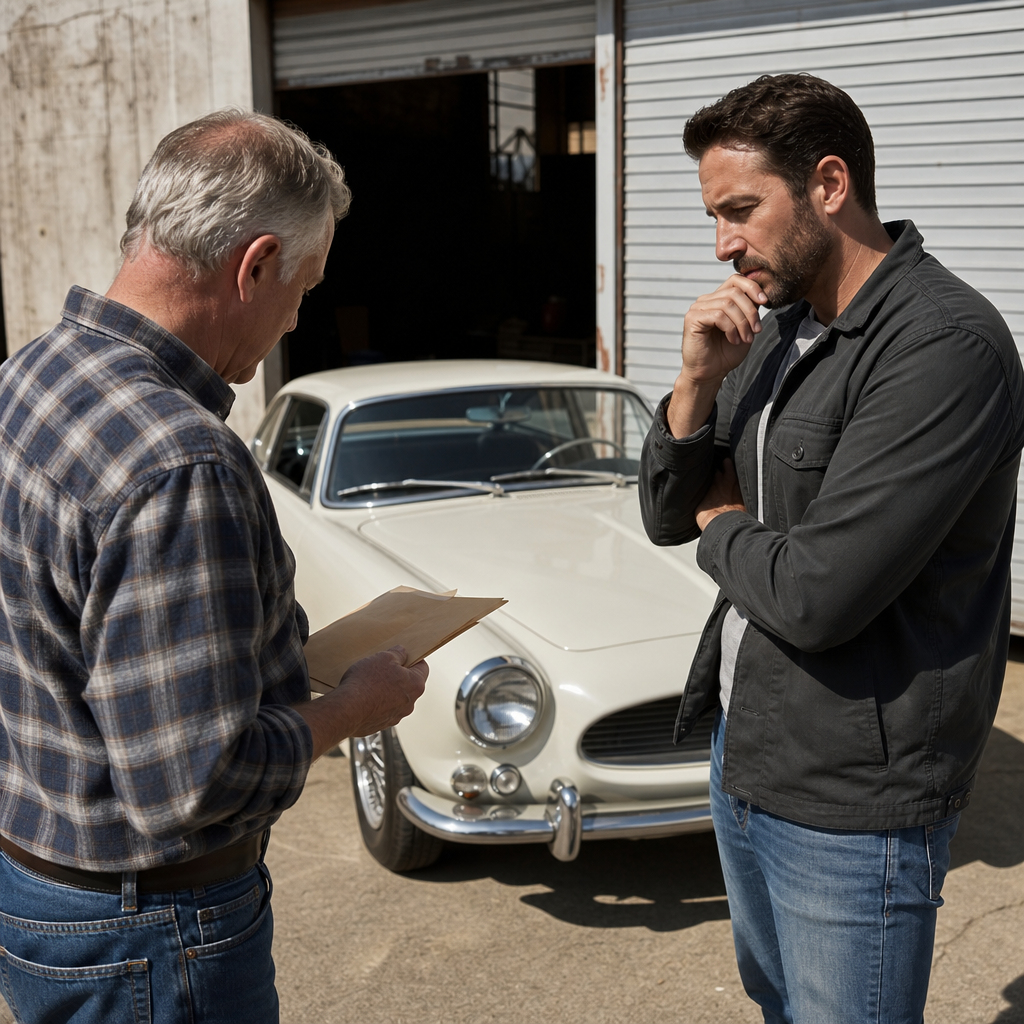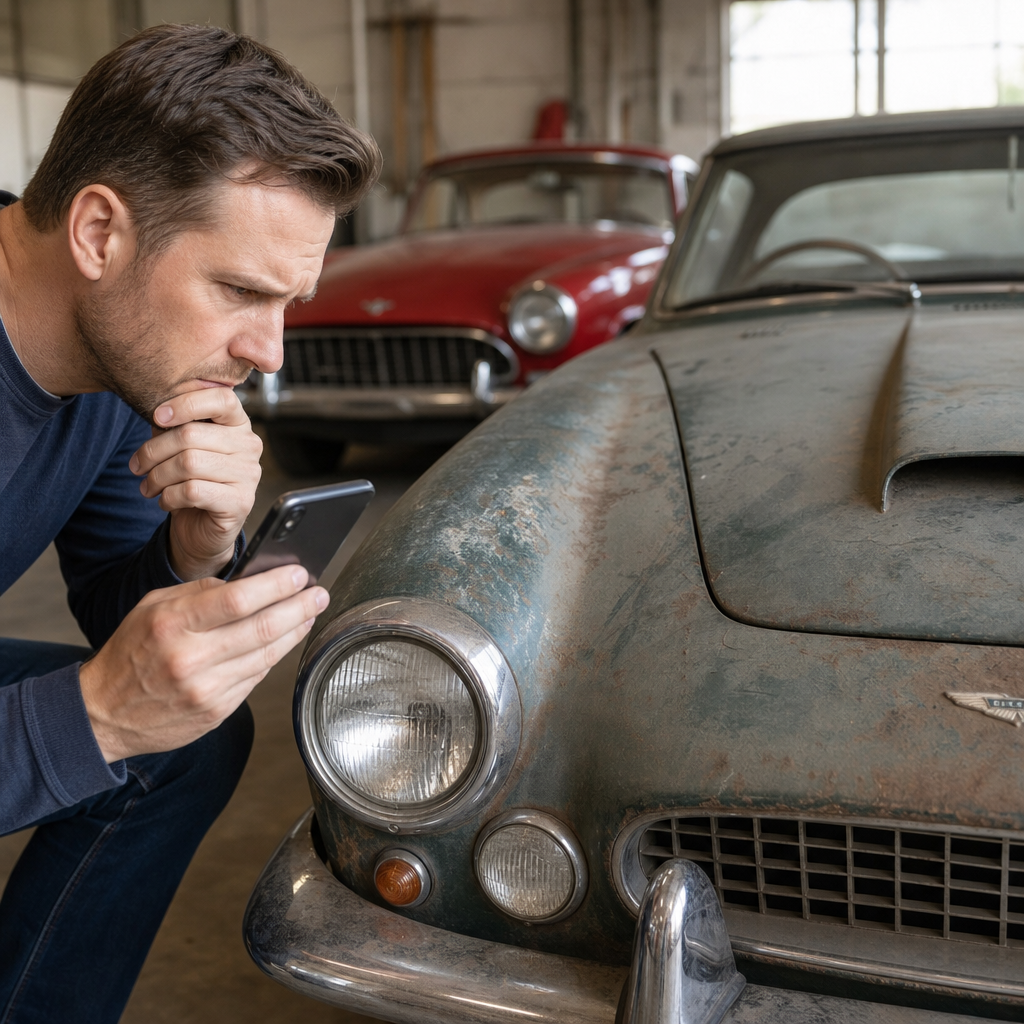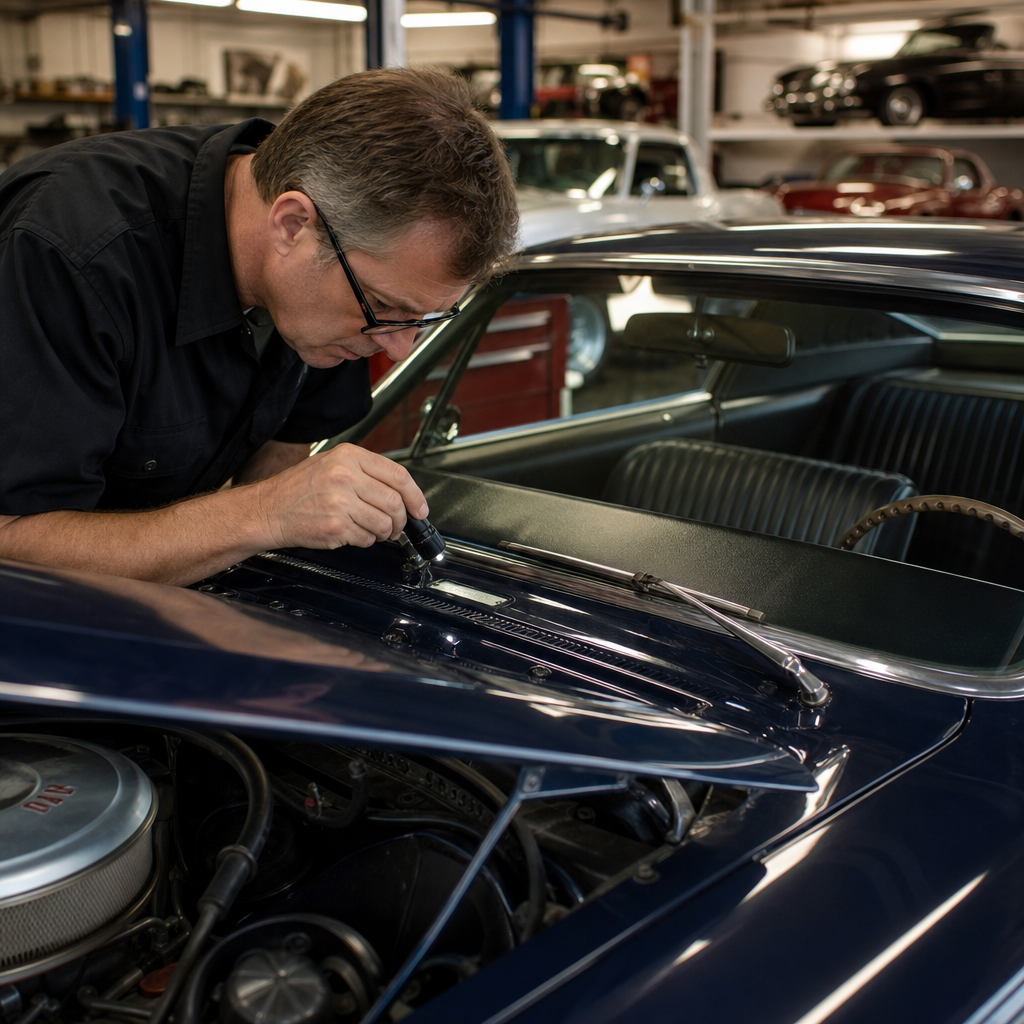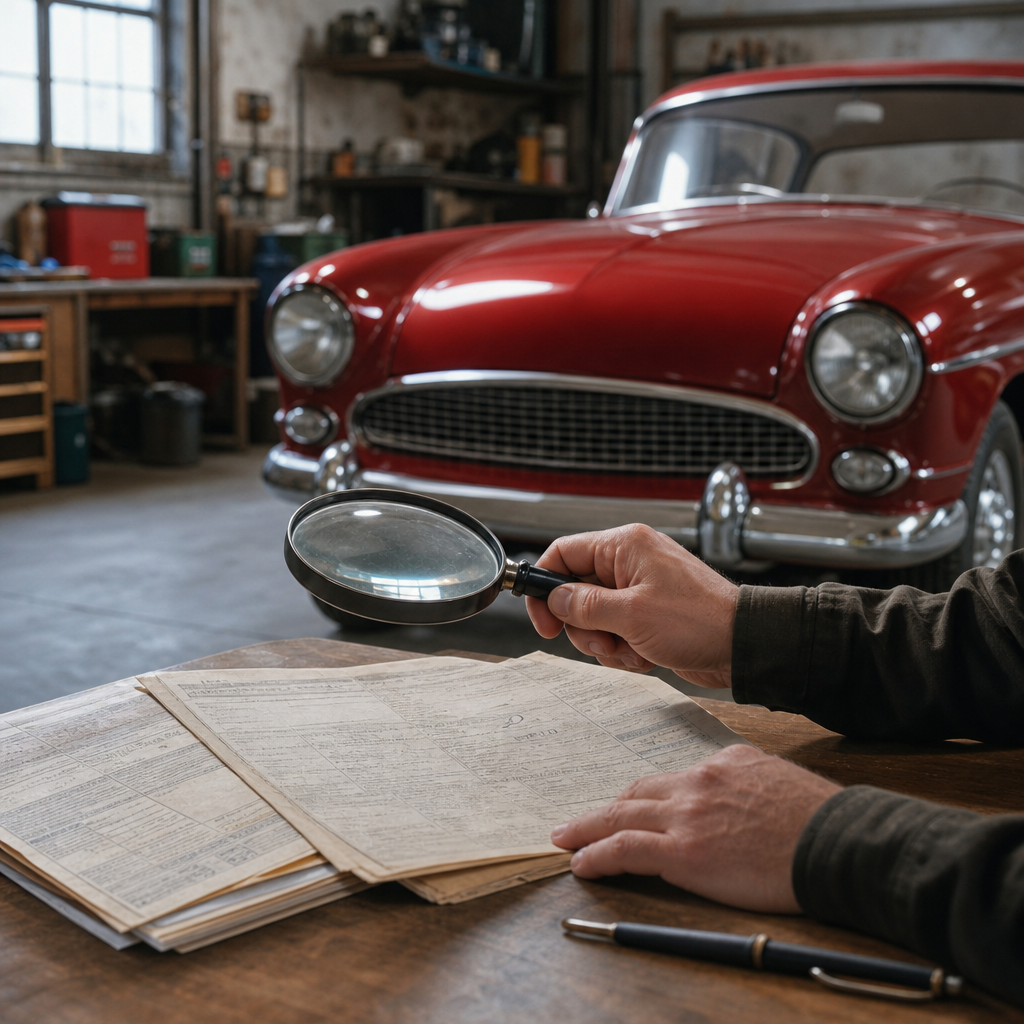

Escrow services for classic car transactions can be very safe, but only when buyers and sellers understand how legitimate escrow works, where it fails, and how scammers imitate it to steal money, titles, and vehicles. In the classic car market, “escrow” means a neutral third party holds funds, documents, or both until agreed conditions are met. That sounds simple, yet the details matter more with collector vehicles than with ordinary used cars because values are higher, vehicle histories are older, parts and originality affect price, and many deals happen across state lines. I have worked through long-distance collector car purchases where the wrong title notation, a missing VIN stamp photo, or a rushed wire could turn an exciting acquisition into months of legal cleanup. That is why escrow sits at the center of avoiding scams and pitfalls in classic car buying and selling.
Classic cars create unique transaction risk. A 1967 Mustang fastback, a split-window Corvette, or an air-cooled Porsche may sell based on originality claims, restoration invoices, matching-numbers documentation, and inspection reports that are harder to verify than a late-model commuter car. Buyers often purchase sight unseen. Sellers worry about releasing a rare car before funds truly clear. Auction excitement, private-party urgency, and social-media marketplace deals make fraud easier. Common schemes include fake escrow websites, forged titles, odometer misrepresentation on exempt vehicles, cloned VIN plates, nonrefundable deposits sent to impostors, and chargeback attempts after transport. A safe transaction process has to address all of them, not just payment.
This article is the hub for avoiding scams and pitfalls in the broader buying and selling classic cars journey. It explains whether escrow services are safe, when to use them, what protections they do and do not provide, and how to structure a deal so that money, paperwork, shipping, and inspection all line up correctly. If you are comparing private sales, dealer transactions, online marketplaces, and specialty auctions, the core principle is the same: trust process, not promises. A real escrow service can reduce risk dramatically, but it cannot fix bad due diligence, unclear contracts, or a car that was misrepresented from the start.
For most collector vehicle deals, the answer to “Are escrow services safe?” is yes, if you use a verified provider, define release conditions in writing, and independently validate the car, seller, title, and transport plan. Escrow is not a substitute for a pre-purchase inspection, title review, bill of sale, photo and video verification, or provenance checks. It is one control in a layered protection system. Buyers need to know when funds become irreversible. Sellers need to know when payment is truly settled. Both sides need to know exactly what triggers release. Those practical rules separate professional transactions from expensive mistakes.
How escrow works in a classic car transaction
A legitimate escrow transaction follows a sequence. Buyer and seller agree on purchase price, deposit terms, inspection rights, title status, included parts, shipping responsibility, and conditions for acceptance. The escrow company opens an account tied to that agreement. The buyer sends funds to the escrow provider, not directly to the seller. The provider confirms receipt and, depending on the service, may verify identity or documentation. The seller then releases the car, title, or both under the agreed timeline. Once the buyer receives and accepts the vehicle, or once documentary conditions are met, the escrow provider releases funds to the seller. If the contract allows a rejection period, the provider follows the cancellation and return process defined in the agreement.
In practice, collector car escrows vary. Some are simple payment-holding services. Others can coordinate title handling or lien payoff. A few integrate with transport or dealer systems. What matters is not the marketing language but the exact control points. Does the escrow company verify account ownership before accepting a wire? Does it provide a named transaction officer? Does it hold documents or only money? Does acceptance occur on delivery, after a defined inspection window, or immediately upon signed proof of transport pickup? If a car arrives with undisclosed rust, a nonmatching engine, or missing trim parts, can the buyer pause release while evidence is reviewed? Those details determine safety.
Escrow is particularly useful in three situations: remote private-party sales, six-figure collector transactions, and deals involving shipping before final acceptance. For example, if a buyer in Illinois purchases a California 1970 Chevelle SS, escrow can prevent the seller from demanding full direct payment before pickup while also assuring the seller that the buyer has actually funded the deal. That balanced structure lowers fraud risk on both sides. By contrast, if both parties meet at a bank, verify title, complete a wire in person, and exchange the car immediately, escrow may add cost without much extra protection.
What escrow protects and what it does not
Escrow protects against one narrow but important category of risk: one party taking the other party’s money or car before agreed conditions are satisfied. It reduces counterparty risk. It does not automatically protect against misrepresentation, undisclosed accident damage, fake restoration claims, stolen vehicles, title branding that was hidden, emissions compliance issues, export restrictions, or poor transport handling. I have seen buyers assume that because funds were in escrow, the provider somehow guaranteed originality or legal ownership. That assumption is dangerous. Most escrow companies are not authenticating Bloomington Gold paperwork, judging Ferrari Classiche records, or decoding Mopar fender tags.
The right way to think about escrow is as a transaction control, not a vehicle certification. A safe classic car deal uses multiple independent checks. Run the VIN through title and theft databases where available. Order a title record or motor vehicle history report, recognizing that older vehicles often have incomplete data. Review registration consistency, engine stamping photos, chassis photos, body-number tags, and restoration receipts. Hire a marque-knowledgeable inspector. Confirm whether the title reads the current seller’s legal name. If the vehicle is sold by an estate, business, or consignor, verify signing authority. Escrow helps only after those issues are understood.
Another limitation is dispute complexity. If the agreement says “vehicle as is,” but the seller verbally promised “all gauges work” and failed to include that in writing, escrow will usually follow the written contract. If the release trigger is “delivered to buyer,” then transport damage discovered after unloading may not stop funds unless the agreement specifically preserves an inspection period. Professional buyers insist on precise language because vague terms create expensive arguments.
Common escrow scams in the classic car market
The most common scam is the fake escrow website. A fraudster lists a desirable classic car below market value, pressures the buyer to move quickly, and recommends a “trusted” escrow company that is actually a cloned site with copied logos and a look-alike domain. The buyer wires funds, receives polished emails confirming receipt, and then the site disappears. Another version hijacks a real transaction by sending altered wire instructions from a spoofed email account. Because collector deals often involve large wires, a single successful attack can be devastating.
Scammers also misuse the word escrow when no true neutral service exists. They may say a shipping company will “hold payment,” or that a marketplace “guarantees” the transaction, when in reality the buyer is sending money directly to the seller. Some fraudsters produce forged titles, fabricated inspection reports, or stolen photos from auction archives. Others exploit consignment confusion by claiming a car is stored at a warehouse where viewing is impossible until payment is initiated. If a seller will not allow a live video walkaround showing today’s date, the VIN, cold start, and title, risk rises sharply.
Warning signs are consistent. The price is unusually low for the condition and model. The seller claims a sudden relocation, military deployment, divorce, inheritance, or urgent medical need. Communication is rushed and oddly formal. The escrow company cannot be confirmed through independent sources. The domain was registered recently. Phone numbers go to voicemail only. Wire instructions arrive by email without verbal confirmation. The seller refuses an independent inspection or says the car is already packed for transport. In the collector market, scarcity is real, but urgency is a favorite tool of scammers.
How to verify an escrow service before sending money
Verification should be systematic. Start by locating the escrow provider independently, not through a link sent by the other party. Confirm the legal business name, website domain age, physical address, customer service number, and licensing status where applicable. Review Better Business Bureau records cautiously; they are useful but not conclusive. Search state corporate registrations. Call the company using the number from its official site and ask to confirm the transaction officer, wire instructions, and fee schedule. Read the service agreement. If the provider cannot clearly explain dispute procedures, identity verification, and release conditions, do not proceed.
Buyers and sellers should also confirm basic security controls. Does the provider use secure document upload, multifactor authentication, and bank accounts in the same legal name as the company? Are wire instructions ever changed by email? The correct answer should be that any change requires strict out-of-band verification. For higher-value sales, I prefer a live three-way call between buyer, seller, and escrow officer before funds move. It takes ten minutes and prevents many fraud attempts.
| Checkpoint | What to verify | Why it matters |
|---|---|---|
| Business identity | Legal name, address, state registration, years in operation | Confirms the company is real and traceable |
| Domain authenticity | Correct spelling, age of domain, HTTPS, no look-alike URL | Fake escrow sites often use cloned branding |
| Human contact | Reach a transaction officer by phone from the official website | Prevents reliance on spoofed email addresses |
| Banking details | Account name matches company name; verify verbally | Stops wire diversion and business email compromise |
| Contract terms | Release triggers, inspection window, cancellation rules, fees | Controls what happens if the car is misrepresented |
| Documentation scope | Whether title, lien payoff, and bill of sale are handled | Defines what the escrow service actually protects |
Building a safer transaction from listing to delivery
The safest classic car transactions are built step by step. Start with seller verification: government-issued identification, matching name on title, current address, and proof of possession such as a dated walkaround video. Next, verify the car: VIN plate, secondary stampings where applicable, title front and back, undercarriage photos, paint-meter readings if originality matters, and records supporting engine and transmission claims. Then document the agreement in writing. Include exact vehicle description, included spare parts, deposit amount, inspection rights, acceptance deadline, transport method, and responsibility for loss or damage during shipping.
Pre-purchase inspections deserve special emphasis. For common classics, a competent independent shop may be enough. For rare or high-value cars, hire a marque specialist who knows factory stamp locations, trim differences, weld patterns, casting dates, and common forgery points. A general mechanic can tell you whether compression is healthy; a marque expert can tell you whether the “numbers-matching” claim is credible. That distinction can swing value by tens or hundreds of thousands of dollars.
Transport should also be tied to the escrow agreement. State whether the car ships open or enclosed, whether it is operable, and who bears risk during transit. Require a bill of lading with pre-load photos. If the car is accepted only after delivery inspection, define the window clearly, such as twenty-four hours after arrival. Sellers should never release a title with blank buyer fields. Buyers should never authorize final release before confirming title accuracy and possession of promised documents.
When escrow makes sense, and when another method may be better
Escrow is most valuable when trust is limited, distance is significant, and transaction value is high relative to the parties’ tolerance for loss. It is ideal for private-party collector sales, especially when neither side has an established reputation with the other. It can also help in cross-country deals where the buyer needs an inspection and delivery window before final acceptance. For estate sales, consignment transactions, and cars with lien payoffs, escrow can impose useful structure on a messy process.
However, escrow is not always the best answer. If the sale occurs at a reputable dealer with established title procedures, clear contracts, and immediate possession, a bank wire completed in person may be simpler. At major auction houses, payment and title handling are often built into the event process, though buyers still need to read the terms carefully. For lower-value project cars, escrow fees may outweigh the benefit if both parties meet locally at a bank or DMV office. The point is proportionality: use the level of protection that matches the deal’s size, complexity, and uncertainty.
Cost should be considered, but not overemphasized. In a five- or six-figure collector purchase, a reasonable escrow fee is small compared with the potential loss from fraud, title defects, or a payment dispute. The expensive mistake is usually not paying for escrow. It is assuming escrow alone makes the car legitimate. The best transactions combine verified escrow with disciplined due diligence and a written acceptance process.
Final verdict: are escrow services safe for classic cars?
Escrow services are safe for classic car transactions when they are genuine, independently verified, and used as part of a broader anti-fraud process. They reduce the risk of losing money or a vehicle during the exchange, but they do not replace inspections, title research, provenance review, or a carefully written purchase agreement. In classic car deals, safety comes from layers: verify the seller, verify the car, verify the escrow company, verify the wire instructions, and document every condition that matters before funds move.
For buyers, the main benefit of escrow is control. You can prove funds are available without surrendering them directly to a stranger. For sellers, the main benefit is certainty. You know the buyer has funded the purchase before releasing a valuable collector vehicle. For both sides, the benefit is a neutral process that lowers emotion and raises accountability. That matters in a market where rarity, nostalgia, and urgency often cloud judgment.
If you are buying or selling a classic car, treat escrow as one tool in your scam-prevention toolkit, not the toolkit itself. Build a checklist, insist on written terms, use independent inspections, and slow the transaction down enough to verify every moving part. That discipline protects your money, your title, and your car. Use it on your next deal, and you will avoid most of the pitfalls that trap unprepared buyers and sellers.
Frequently Asked Questions
Are escrow services for classic car transactions actually safe?
Yes, escrow services can be very safe for classic car transactions, but only when the service is legitimate, the terms are clearly defined, and both parties understand exactly what escrow does and does not protect. In a proper escrow arrangement, a neutral third party holds the buyer’s funds, and sometimes the title or transfer documents, until agreed conditions are met. That structure can reduce the risk of a seller shipping a car and never getting paid, or a buyer wiring money and never receiving the vehicle. For high-value collector cars, that added layer of control is often far safer than paying directly by wire transfer to an unfamiliar seller.
That said, escrow is not automatically safe just because the word “escrow” appears in the transaction. The biggest danger in the classic car market is fake escrow. Scammers build convincing websites, send professional-looking instructions, and pretend to be well-known escrow providers. Once the buyer wires funds, the money is gone. A real escrow company should be independently verified, licensed where required, reachable through publicly listed contact information, and transparent about how funds are handled, what conditions trigger release, and what dispute procedures apply.
Safety also depends on the transaction details. Escrow protects the process of transferring money and documents, but it does not magically guarantee that the car is authentic, accurately represented, free of hidden rust, or mechanically sound. If the agreement says funds are released upon delivery, and the buyer failed to insist on an inspection period or documentary proof of matching numbers, escrow may still release the money even if the buyer later discovers serious issues. In other words, escrow is a strong risk-management tool, not a substitute for due diligence.
For classic cars in particular, the safest approach is to combine escrow with a pre-purchase inspection, title verification, VIN confirmation, lien checks, detailed purchase terms, and written acceptance conditions. When used that way, escrow can be one of the safest payment structures available for collector vehicle sales.
How does a legitimate escrow process work in a classic car sale?
A legitimate escrow process starts with a written agreement between buyer and seller that clearly states the purchase price, vehicle identity, included parts or documents, inspection rights, shipping terms, title requirements, and the exact conditions for releasing funds. In a classic car transaction, those conditions may go beyond simple delivery. The parties may require confirmation of a clean title, a bill of sale, matching VIN and chassis numbers, delivery of restoration records, or a limited inspection period after the vehicle arrives.
Once both sides agree, the escrow company provides instructions for opening the transaction. The buyer sends funds to the escrow provider, not to the seller. Before sending anything, the buyer should independently confirm the escrow company’s website, phone number, business registration, and banking instructions. Real escrow companies do not pressure parties into rushed payment, and they do not change wiring instructions casually by email. The company then confirms receipt of funds and notifies the seller that money is secured.
At that point, the seller delivers the vehicle or submits required documents according to the agreement. Depending on the structure, the escrow provider may hold only funds, or it may also receive the title and transfer paperwork until delivery is confirmed. In many collector car deals, shipping is handled separately by a transport carrier, while escrow tracks whether the delivery and document milestones have been met. Some transactions allow the buyer a defined inspection window, such as 24 to 72 hours after delivery, to verify that the car matches the description and agreed terms.
If the buyer accepts the vehicle, or if the acceptance period expires without a valid dispute under the contract, the escrow provider releases the funds to the seller. If the agreement includes documents in escrow, those are released to the buyer as well. If there is a dispute, the outcome depends on the escrow contract. Some providers offer structured dispute resolution, while others require the parties to resolve the issue directly or through mediation, arbitration, or court order.
The most important point is that escrow follows the written agreement. It does not invent protections that were never included. For classic cars, the contract should be specific about originality claims, title status, drivability, included spare parts, export paperwork if applicable, and what happens if the inspection reveals material misrepresentation. The more precise the terms, the more useful escrow becomes.
What are the biggest escrow scams in classic car transactions, and how can buyers and sellers avoid them?
The most common escrow scam is the fake escrow company. A scammer posing as a seller tells the buyer that a trusted escrow service will handle the transaction. The website looks polished, the emails sound official, and the payment instructions seem routine. But the “escrow company” is controlled by the scammer. Once the buyer wires the money, there is no neutral third party, no car, and usually no practical way to recover the funds. In some cases, the scammer even steals the branding of a real company and uses a lookalike domain name to appear credible.
Another common fraud involves spoofed communications. The buyer and seller may begin working with a real escrow provider, but then one side receives a fake email with altered wiring instructions or a false request to send title documents somewhere else. Because classic car deals often involve large amounts and time-sensitive logistics, fraudsters rely on people acting quickly. A single mistaken wire can result in a total loss.
There are also title and vehicle possession scams. A dishonest buyer may try to use “escrow” as a delay tactic to obtain possession of the car before funds are truly secured, or a dishonest seller may claim the title is “in escrow” when no legitimate company is involved. In international or long-distance transactions, scammers may invent shipping holds, customs problems, or storage charges to pressure an additional payment outside the escrow process.
To avoid these schemes, both buyers and sellers should independently verify the escrow company before sending money, documents, or the vehicle. Do not trust links, phone numbers, or bank details sent only by email or text. Look up the company yourself, confirm its contact information through public sources, and call using a verified number. Check whether the company is licensed or regulated where applicable, review its physical address, read its fee structure, and confirm how disputes are handled. Be suspicious of escrow services suggested by someone who refuses alternatives or pushes urgency.
It is also wise to insist that all material terms be documented in writing and that no payments occur outside the escrow instructions. Never release a title or vehicle solely because someone sent a screenshot claiming funds are pending. Likewise, never send money to an account that does not match the verified escrow provider. For collector vehicles, additional safeguards such as independent inspections, title searches, and identity verification of the other party can make the difference between a protected transaction and a costly fraud.
What does escrow protect in a classic car deal, and what does it not protect?
Escrow primarily protects the sequence of the transaction. It helps ensure that money is not released until agreed conditions have been met, and that the seller has confidence the buyer’s funds are actually available before shipping the vehicle or transferring documents. For classic cars, that can be a major advantage because the stakes are often higher than in ordinary used car sales. Collector vehicles may involve six-figure prices, long-distance transport, incomplete ownership histories, and supporting documents such as restoration invoices, authentication papers, factory records, or spare components that materially affect value.
What escrow can protect depends on the agreement. It can hold purchase funds, title paperwork, bills of sale, and in some cases additional documents until conditions are satisfied. It can create a defined inspection or acceptance period. It can reduce the risk of straightforward nonpayment or nondelivery. If the contract says the title must be clean, properly signed, and free of liens before funds are released, escrow can help enforce that sequence.
What escrow does not automatically protect is equally important. It does not guarantee that the car is original, that the odometer reading is meaningful, that the engine block is numbers-matching, that older restoration work was done correctly, or that hidden corrosion, frame damage, or poor prior repairs do not exist. It also does not guarantee that the car complies with local registration or emissions requirements, especially if it is imported or has an unusual title history. If those issues matter, they need to be addressed through inspections, document review, and carefully written conditions in the escrow agreement.
Escrow also does not eliminate shipping risks unless the agreement specifically addresses them. Damage during transport, delays, incomplete parts delivery, or disputes about when the buyer accepted the vehicle can become complicated if the contract is vague. For example, if a classic car arrives with trim pieces missing or with a dead battery after open transport, the parties need a clear standard for what counts as normal shipping variance versus a material problem. Without that clarity, escrow may not resolve the dispute the way one side expects.
The practical takeaway is that escrow is strongest when it is paired with due diligence. Buyers should verify the VIN, title chain, liens, seller identity, and vehicle condition. Sellers should verify buyer identity, confirm escrow funding, and document the car’s condition before transport. Escrow is a valuable framework for trust, but it is not a substitute for investigation, documentation, and precise contract terms.
When should a buyer or seller use escrow for a classic car transaction?
Escrow is usually a