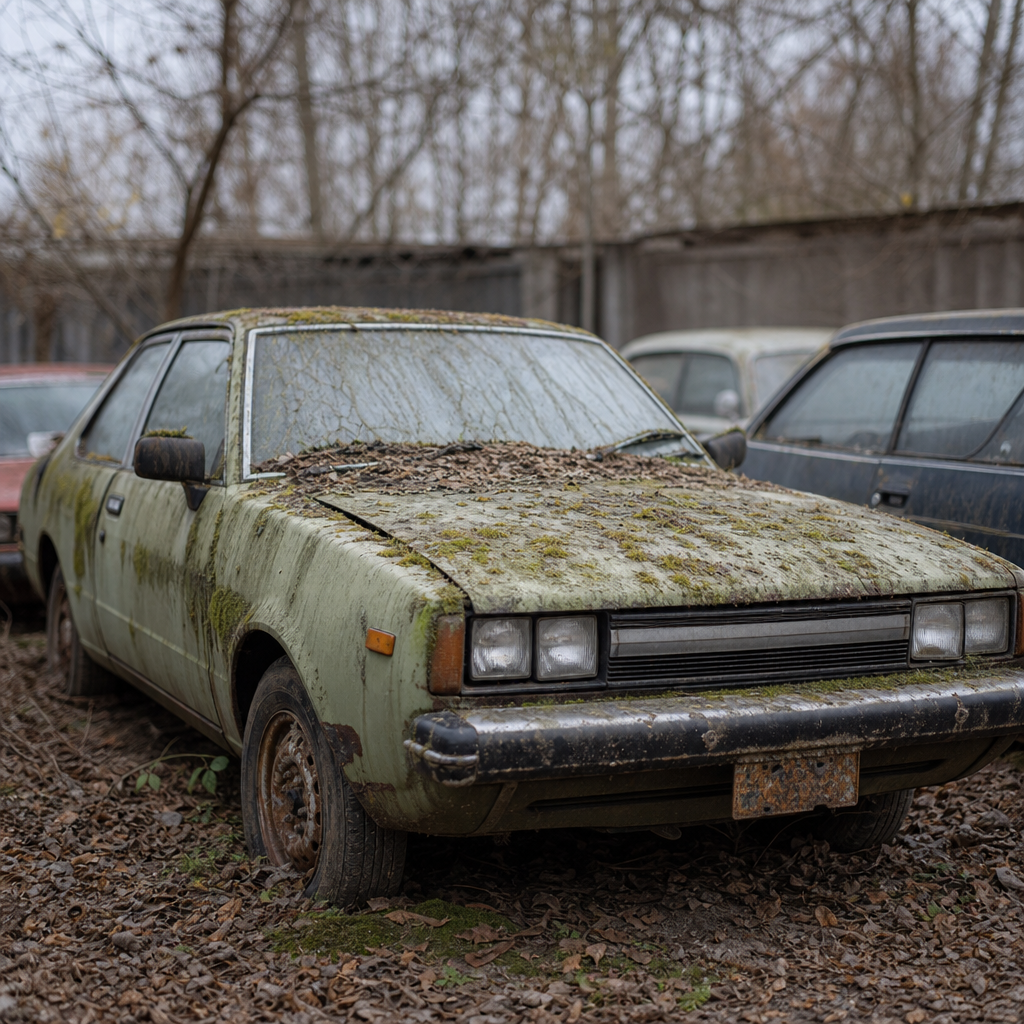
Why some cars never become classics is a question every enthusiast eventually asks, especially after watching one model gain collector status while another, built in the same era and sold in similar numbers, fades into obscurity. In practical terms, a classic car is not simply an old car. Age matters, but age alone does not create historical importance, emotional pull, or market demand. Insurance companies, state agencies, auction houses, and enthusiast clubs all use slightly different definitions, yet they usually converge around a few core ideas: a classic car is old enough to represent a past period, distinctive enough to stand apart from ordinary transportation, and desirable enough that people preserve it rather than use it up.
I have spent years around restorations, auction previews, insurance appraisals, and owner forums, and the same pattern repeats. Some vehicles seem destined for classic status almost from launch because they introduced a breakthrough design, dominated motorsport, symbolized a generation, or delivered an ownership experience people still chase decades later. Others were competent, useful, and even beloved by first owners, but they were built to meet a moment, not transcend it. That distinction matters because buyers, restorers, and new hobbyists often assume every survivor will appreciate. It will not.
This hub article explains what a classic car is, why certain vehicles earn that label, and why many never do. It also clarifies related terms such as antique, vintage, collectible, survivor, and future classic, since confusion around those labels often leads to bad purchases and unrealistic expectations. If you want a dependable framework for evaluating classic car potential, start here. The goal is not to rank taste. It is to understand the combination of rarity, significance, support, condition, nostalgia, and usability that separates true classics from merely old cars.
What Is a Classic Car? Definitions, Standards, and the Real Meaning
The simplest answer is this: a classic car is a vehicle from an earlier era that retains cultural, mechanical, design, or collector significance. That broad definition is more useful than a strict age rule because formal standards vary. Many U.S. states issue classic or antique plates at 20, 25, or 30 years. Insurers such as Hagerty often categorize older enthusiast vehicles by usage, condition, and market behavior rather than registration labels alone. The Classic Car Club of America uses an even narrower definition, reserving “Full Classic” status for high-end American and European cars built between 1915 and 1948. In everyday enthusiast language, however, the term usually includes vehicles from the postwar period through the 1990s, and increasingly the early 2000s.
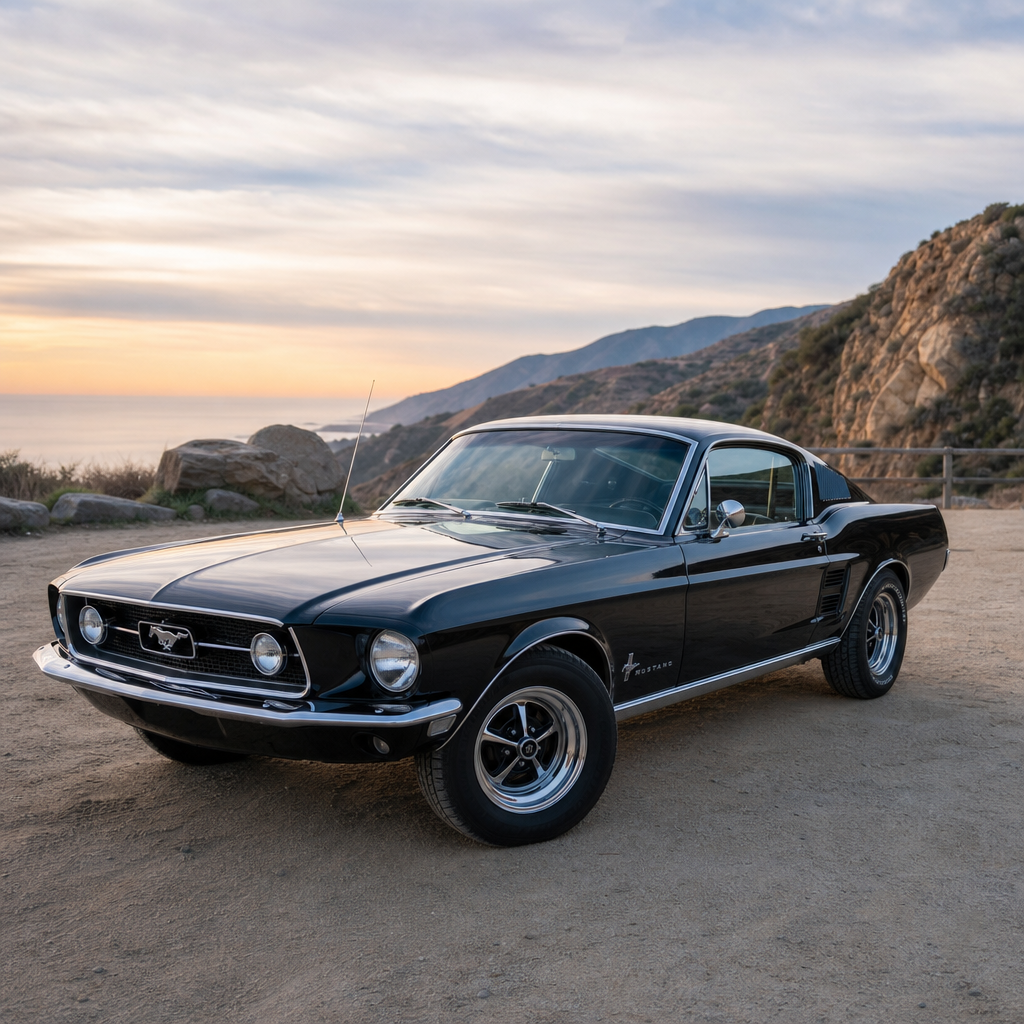
That variation explains why “What is a classic car?” never has a single universal answer. A 1994 Toyota Supra, 1967 Ford Mustang fastback, and 1936 Cord 810 can all be called classic in conversation, but they occupy different collector categories. The important point is not the label itself. The important point is why people continue to care. A true classic persists because it offers something durable: landmark styling, engineering innovation, scarcity, racing pedigree, exceptional luxury, or a strong emotional bond across generations.
By contrast, cars that never become classics generally lack enough of those durable qualities. They may have been mass-produced appliances, mechanically troublesome without compensating charm, stylistically anonymous, or so dependent on nostalgia that interest disappears once the original buyer group ages out. In the collector market, relevance is earned repeatedly, not granted automatically by the calendar.
The Main Factors That Turn an Old Car Into a Classic
When I evaluate whether a vehicle has classic credentials, I look at six factors first: significance, design, rarity, drivability, support, and story. Significance means the car changed something. The original Mini transformed small-car packaging. The Porsche 911 established a durable performance template. The Jeep CJ shaped civilian off-road culture. Design means people can identify it instantly and still react to it emotionally. A Citroën DS, Jaguar E-Type, or 1957 Chevrolet Bel Air does not disappear into traffic; each carries visual identity strong enough to outlast trends.
Rarity matters, but only when paired with demand. A forgotten economy sedan may be rare because most were scrapped, yet still command little interest because few buyers want one. Drivability matters because enthusiasts increasingly want cars they can use. Classic status is easier to sustain when a vehicle starts reliably, has parts support, and delivers an experience modern cars cannot replicate. Story matters because collector value follows narrative. Cars linked to motorsport wins, famous designers, films, cultural movements, or important technology carry richer context and therefore broader appeal.
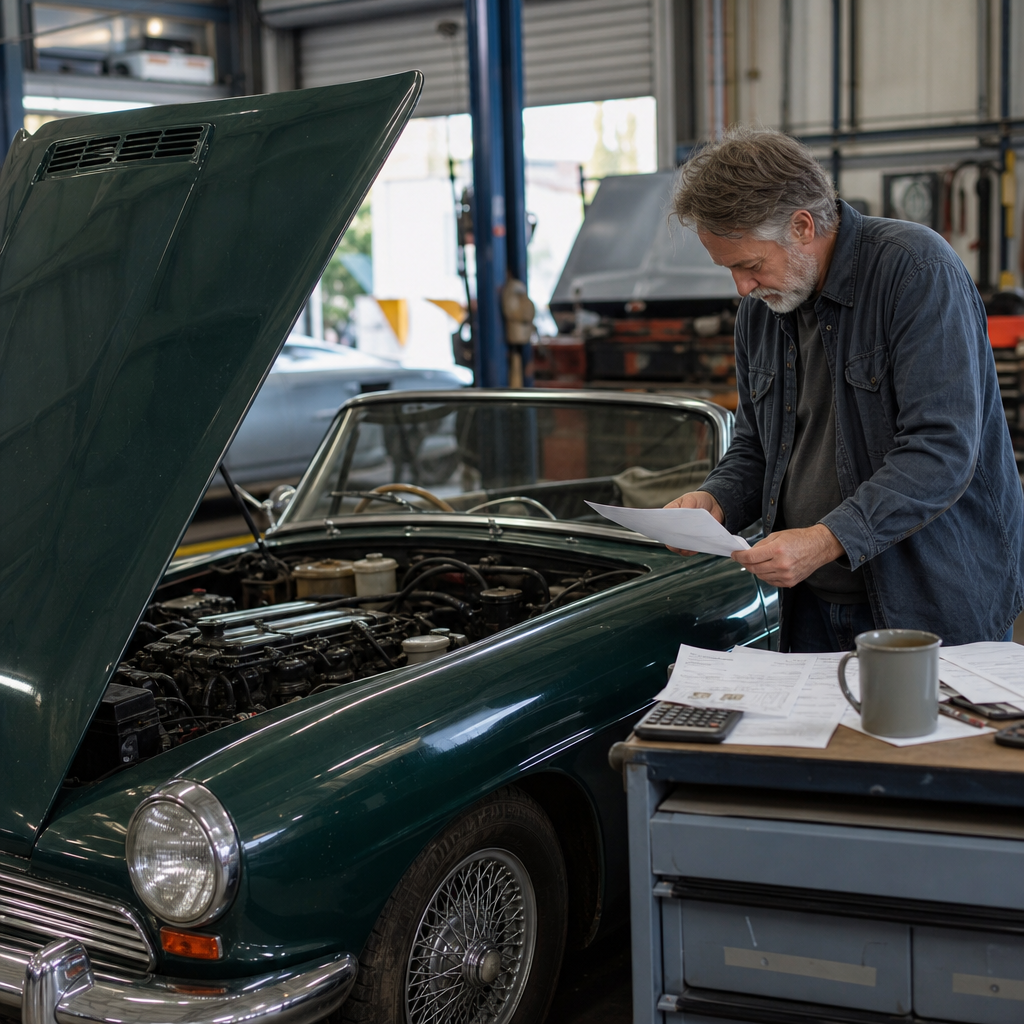
Support is often underestimated. A model with active clubs, reproduction parts, specialists, and technical documentation survives. One without that ecosystem usually declines, even if it was impressive when new. I have seen worthwhile cars stall in the market because trim pieces are unobtainable, electronic modules are unsupported, or body panels require custom fabrication that exceeds the vehicle’s value. Classics are preserved by communities as much as by individuals.
| Factor | Why It Matters | Example | Risk If Missing |
|---|---|---|---|
| Historical significance | Gives the car a lasting reason to be remembered | Mini, Ford Model T | Becomes just an old used car |
| Distinctive design | Creates recognition and emotional attachment | Jaguar E-Type, VW Beetle | Blends into its era |
| Strong demand | Supports values and restoration spending | Chevrolet Corvette, Porsche 911 | Rarity alone does not help |
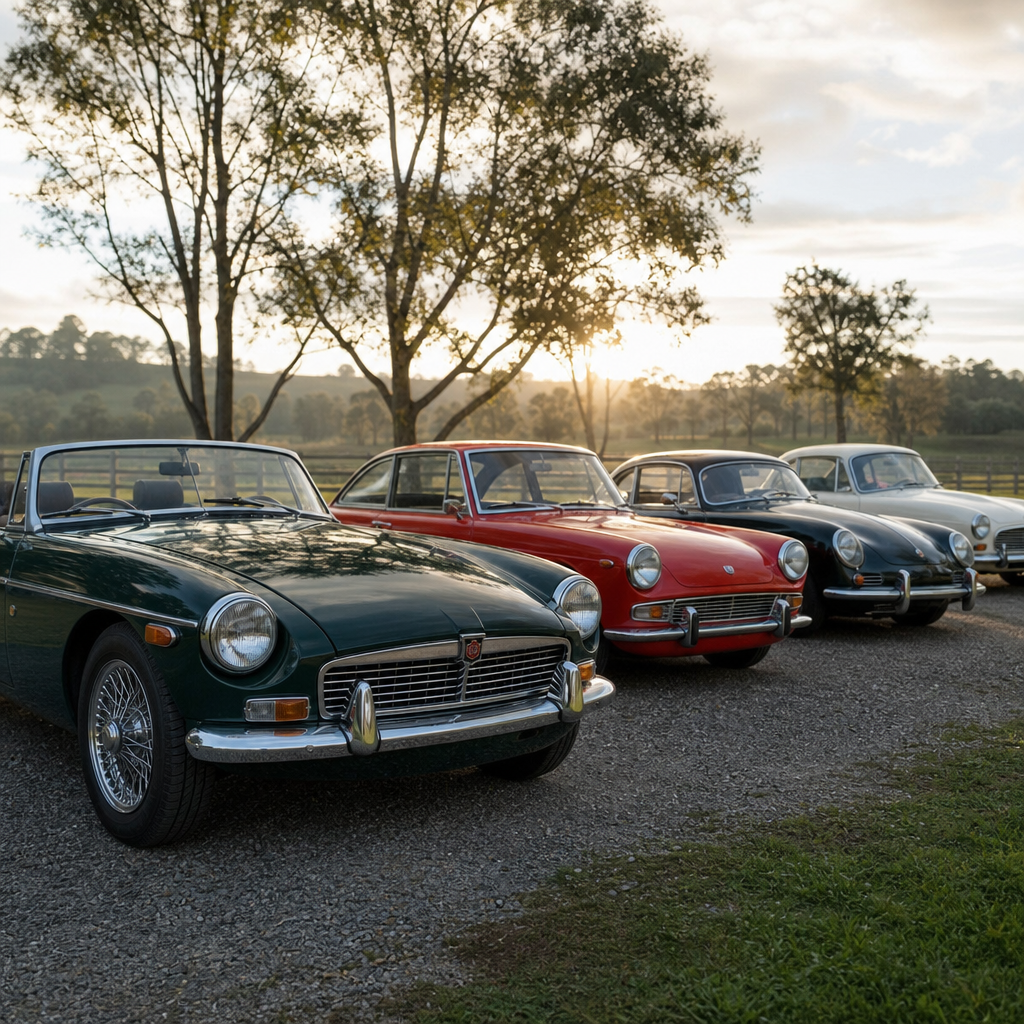
| Parts and club support | Makes long-term ownership practical | Ford Mustang, MGB | Restoration becomes uneconomical |
| Usable driving experience | Keeps younger buyers interested | Mazda MX-5 Miata, BMW E30 | Interest narrows to specialists |
Why Some Cars Never Become Classics
Most cars fail to become classics because they were designed to solve routine transportation problems, not create enduring desire. That is not an insult. It is simply how the industry works. Mid-level sedans, rental-fleet coupes, anonymous compact hatchbacks, and badge-engineered models often sold well because they were affordable, easy to finance, and acceptable to the broadest number of buyers. Those strengths rarely translate into long-term collectibility. Once newer, safer, more efficient substitutes appear, the older car’s purpose evaporates.
Another common barrier is weak identity. If a car looks like every rival and offers no breakthrough in engineering or performance, it becomes difficult for later generations to romanticize it. Consider many late-1980s and 1990s front-wheel-drive domestic coupes. Some were competent daily drivers, but few had the design purity of a CRX, the tuning potential of an Eclipse GSX, or the motorsport association of a Lancia Delta Integrale. Without a standout trait, memory fades.
Mechanical reputation also matters. Problematic engines, fragile transmissions, rust-prone structures, and expensive electronics can kill a car’s path to classic status unless the upside is extraordinary. Alfa Romeo and British sports cars overcame reliability criticism because they offered beauty and character owners considered worth the effort. Most ordinary cars do not get that grace. If a model is both troublesome and unremarkable, owners abandon it rather than preserve it.
Finally, demographics shape outcomes. A car usually needs more than one generation of admirers. If affection is confined to people who bought it new and there is little transfer to younger enthusiasts, the market softens. This is why some once-common personal luxury coupes and soft-riding sedans remain inexpensive despite low survival rates. They evoke memory, but not active demand.
Classic, Antique, Vintage, Collector, and Future Classic: What Each Term Means
These labels are often used interchangeably, but they are not identical. “Antique car” typically refers to a much older vehicle, often 25 years or older for registration purposes and sometimes pre-1945 in hobby contexts. “Vintage car” usually points to a narrower historical period, especially vehicles built roughly between 1919 and 1930. “Collector car” is the broadest term and includes any vehicle bought partly for enthusiasm, preservation, or investment, regardless of age. “Future classic” describes a newer model believed to have the ingredients for later collectibility.
Understanding those distinctions helps buyers avoid category mistakes. A clean 1998 BMW M3 is a collector car and arguably a modern classic, but it is not vintage. A brass-era runabout may be antique and historically important, yet belong to a different hobby ecosystem entirely from 1980s performance cars. Language matters because insurance, financing, storage, and maintenance expectations change across categories.
In this hub, the practical definition of classic car is intentionally broad. It covers the vehicles most readers encounter when exploring classic car basics: postwar American icons, European sports cars, Japanese performance legends, notable trucks, and select luxury models. The unifying idea is enduring significance. If a vehicle still commands preservation because people believe it represents something worth keeping, it belongs in the conversation.
Market Forces, Nostalgia, and the Role of Enthusiast Culture
Collector markets behave like other markets, but with heavier influence from memory and community. Price guides such as Hagerty Price Guide and auction data from Barrett-Jackson, Mecum, Bring a Trailer, and RM Sotheby’s show that values strengthen when nostalgia intersects with scarcity and usability. Generation X and older millennials, for example, helped elevate 1980s and 1990s analog performance cars because those were bedroom-poster cars in their youth and achievable purchases in adulthood.
Enthusiast culture can rescue models that would otherwise disappear. The Fox-body Mustang, once just a used car, became a durable modern classic because drag racers, tuners, restorers, and aftermarket companies kept demand alive. The air-cooled Volkswagen scene did the same for Beetles and buses by making ownership social, visible, and parts-supported. Cars become classics faster when owners create an identity around them.
But nostalgia has limits. It can generate attention, yet it cannot fully overcome poor fundamentals. A model with little documentation, weak engineering reputation, limited specialist knowledge, and no replacement parts may spike briefly online and then stall. Sustainable classic status comes from a complete package: memory, mechanical viability, and a reason for new enthusiasts to care.
How to Judge Whether a Car Is Likely to Become a Classic
Start with a few direct questions. Did the car introduce something important, symbolize an era, or outperform its rivals in a memorable way? Is there an active owners’ club, restoration supply chain, and specialist repair network? Are clean examples being preserved, discussed, and traded transparently? Can the car deliver a distinctive experience now, not just in memory? If the answers are mostly no, the car is less likely to become a classic even if it survives in small numbers.
Then examine production history and trim hierarchy. Halo versions often become collectible while base versions lag far behind. A BMW E30 M3 occupies a different world from an ordinary E30 sedan. A Buick GNX carries a stronger story than a standard Regal. Limited-production homologation specials, top-performance trims, rare drivetrains, and landmark facelifts often lead the market because they concentrate the model’s most desirable traits.
Condition and originality also matter more than many beginners expect. A common but exceptionally original survivor can attract more interest than a rarer car with poor repairs, missing documentation, and incorrect parts. Provenance counts because it reduces uncertainty. Service records, window stickers, factory manuals, and known ownership history make a car easier to value and trust.
What This Means for New Enthusiasts and Collectors
The biggest lesson is simple: buy significance, not just age. If your goal is enjoyment, choose a car with strong support, clear identity, and an experience you genuinely want to have. If your goal includes preserving value, focus on models with established communities, documented importance, and manageable restoration economics. Do not assume rarity guarantees appreciation, and do not dismiss popular classics just because they are common. Popularity often reflects lasting merit.
For anyone learning classic car basics, this page should serve as the foundation. A classic car is an old vehicle with sustained importance, demand, and meaning. Some cars never become classics because they lack distinction, support, or multigenerational appeal. The best way to separate the two is to evaluate history, design, drivability, community, and market evidence together rather than relying on age alone. Use that framework before you buy, restore, insure, or simply start exploring the hobby. Then continue deeper into the related guides in this classic car education series and build your judgment with every example you study.
Frequently Asked Questions
What actually makes a car a classic instead of just an old used vehicle?
A car becomes a classic when it develops lasting cultural, historical, enthusiast, or market significance beyond simple age. That is the key distinction. Plenty of cars survive for 20, 30, or even 40 years, but survival alone does not make them meaningful to collectors. A true classic usually stands out because it introduced important technology, represented a major design era, dominated in motorsport, captured public imagination, or became closely tied to a generation’s memories. In other cases, a model earns classic status because it offered an exceptional driving experience, marked the peak of a manufacturer’s identity, or became rare in a way that collectors care about.
Different groups also define “classic” differently. Insurance companies may focus on age and limited-use ownership. State agencies may use legal registration thresholds. Auction houses and collectors usually care far more about desirability, rarity, provenance, and demand. Enthusiast clubs often emphasize significance within a brand or community. That is why two cars from the same decade can age very differently in the market. One may become collectible because people still talk about it, seek it out, restore it, and pay premiums for the best examples. The other may remain merely old because it never built emotional pull or a meaningful story around itself.
Why do some cars from the same era and with similar production numbers have completely different collector appeal?
Production numbers are only one small piece of the puzzle. Two cars may have been built in similar quantities, sold in the same years, and even targeted at similar buyers, yet end up in entirely different collector categories because desirability matters more than statistics alone. A model becomes collectible when people actively want it, not simply because fewer of them remain. That desire can be driven by styling, performance, engineering reputation, pop culture exposure, racing pedigree, or nostalgia. If a car never inspired strong attachment when new, it often struggles to gain it later.
Reputation also plays a major role. One car may be remembered as the exciting driver’s choice, while the other is remembered as competent but forgettable. One may have become the poster car, the hero car in films, or the model associated with a brand’s best years. Another may have been overshadowed by a faster trim, a prettier competitor, or a more innovative rival. Collector markets are built on stories as much as specifications, and not every vehicle develops a story that people want to preserve.
Condition and survival patterns matter too. Sometimes a car sold in high numbers but was heavily modified, worn out, scrapped, or neglected, leaving relatively few solid examples. That can help its status only if enthusiasts already care about it. Scarcity without demand does not create value. On the other hand, a plentiful model can still become a classic if it has broad enthusiast recognition and enough support from clubs, parts suppliers, and restorers. In short, similar production totals do not guarantee similar futures because collector appeal is shaped by memory, meaning, and demand.
Does rarity automatically make a car collectible?
No, rarity by itself does not automatically make a car collectible. This is one of the most common misconceptions in the enthusiast world. A car can be rare simply because few were produced, because it sold poorly, or because most examples were discarded over time. But if collectors do not see that car as important, attractive, enjoyable, or historically relevant, rarity has limited power. In the market, rare and desirable is a strong combination. Rare and ignored is usually just obscure.
What matters is the type of rarity involved. Limited-production performance variants, homologation specials, hand-built luxury models, landmark engineering cars, or vehicles tied to famous events often benefit from meaningful rarity because there is a compelling reason collectors want them. By contrast, a low-volume trim level of an otherwise ordinary car may remain unremarkable if it offers no major design, performance, or historical distinction. The market tends to reward significance first and scarcity second.
There is also a practical side to this issue. If a car is rare but has weak parts support, little documentation, no enthusiast network, and almost no buyer recognition, ownership can become difficult and resale can be unpredictable. That tends to suppress collector interest rather than increase it. A car usually becomes a classic when rarity is backed by narrative, recognition, and a community willing to preserve it. Without those elements, rarity may be interesting on paper but not especially powerful in the real world.
How do nostalgia and generational taste influence which cars become classics?
Nostalgia is one of the strongest forces in the collector car world. Many people become interested in buying the cars they admired in childhood, learned to drive in, saw in magazines, or watched in movies and on television. As generations age into higher earning years, they often pull specific models upward in the market. That is why cars once dismissed as used transportation can suddenly gain attention decades later. Emotional memory creates demand, and demand is what transforms older cars into sought-after classics.
Generational taste also changes the standards of what counts as desirable. One era may favor chrome-heavy luxury coupes, while another prizes analog sports cars, early off-roaders, or boxy performance sedans from the 1980s and 1990s. A model that failed to excite one generation may resonate strongly with another because it fits a different definition of style, authenticity, or driving character. This is especially true for cars associated with youth culture, tuner scenes, motorsport games, or specific music and fashion eras.
That said, nostalgia is not enough on its own to elevate every old vehicle. The strongest candidates tend to combine emotional familiarity with something more durable, such as design distinction, mechanical character, historical context, or enthusiast support. If a car is remembered mostly as cheap transportation or a disposable appliance, nostalgia may bring mild interest but not full classic status. The cars that endure are usually the ones that trigger memories and still offer something compelling when judged on their own merits.
Can an overlooked car eventually become a classic, or is its fate usually decided early?
An overlooked car can absolutely become a classic later, but it usually needs a strong reason for the market to reassess it. Sometimes that happens because people begin to appreciate its design after years of being out of fashion. In other cases, a model gains respect as enthusiasts recognize it as the last analog version of a particular type, an underappreciated engineering milestone, or a rare survivor from a disappearing segment. Shifting generational taste can also revive interest in cars that were once mocked, ignored, or overshadowed.
However, most cars that never become classics tend to remain outside the collector spotlight because they lack the ingredients that support long-term enthusiasm. They may have been too ordinary, too compromised, too unreliable, too visually anonymous, or too disconnected from any major cultural or historical moment. If there is no strong club scene, weak aftermarket support, limited restoration interest, and little market momentum, it becomes difficult for a neglected model to break through later on.
When reevaluation does happen, it often starts at the grassroots level rather than at major auctions. Owners preserve good examples, online communities grow, parts sources improve, and enthusiasts begin telling a better story about why the car matters. Over time, that can change perception. Still, not every forgotten car is a hidden gem. Some remain footnotes because the market ultimately decides they are interesting but not essential. The difference comes down to whether a new generation can make a convincing case that the car offers lasting significance rather than temporary curiosity.