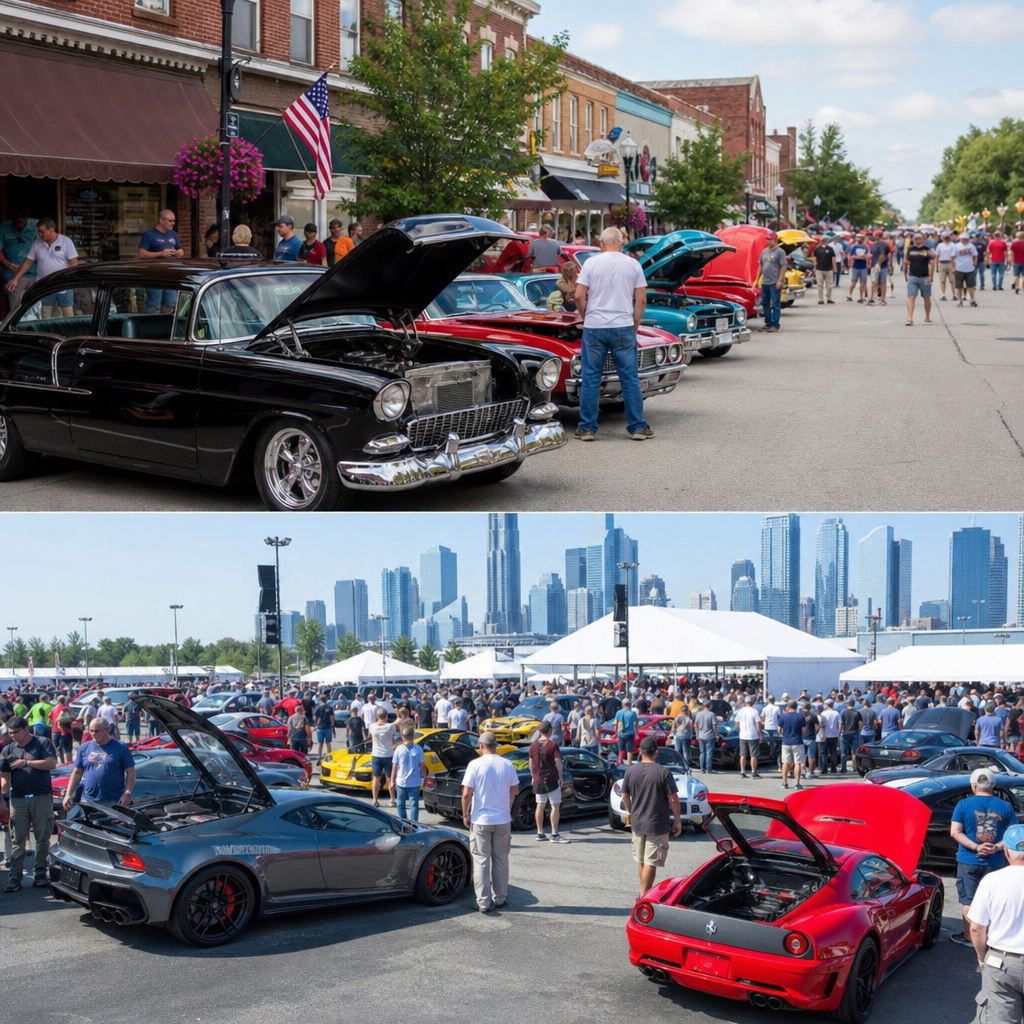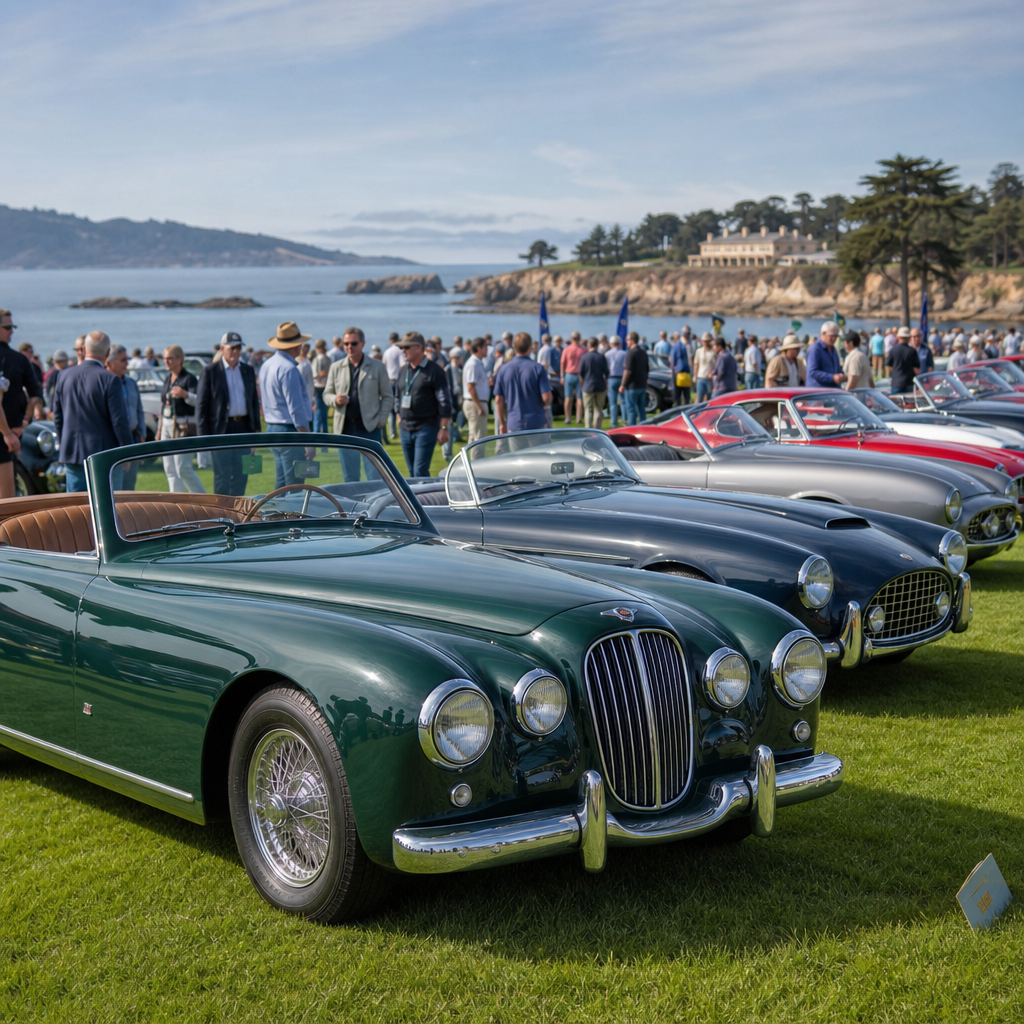
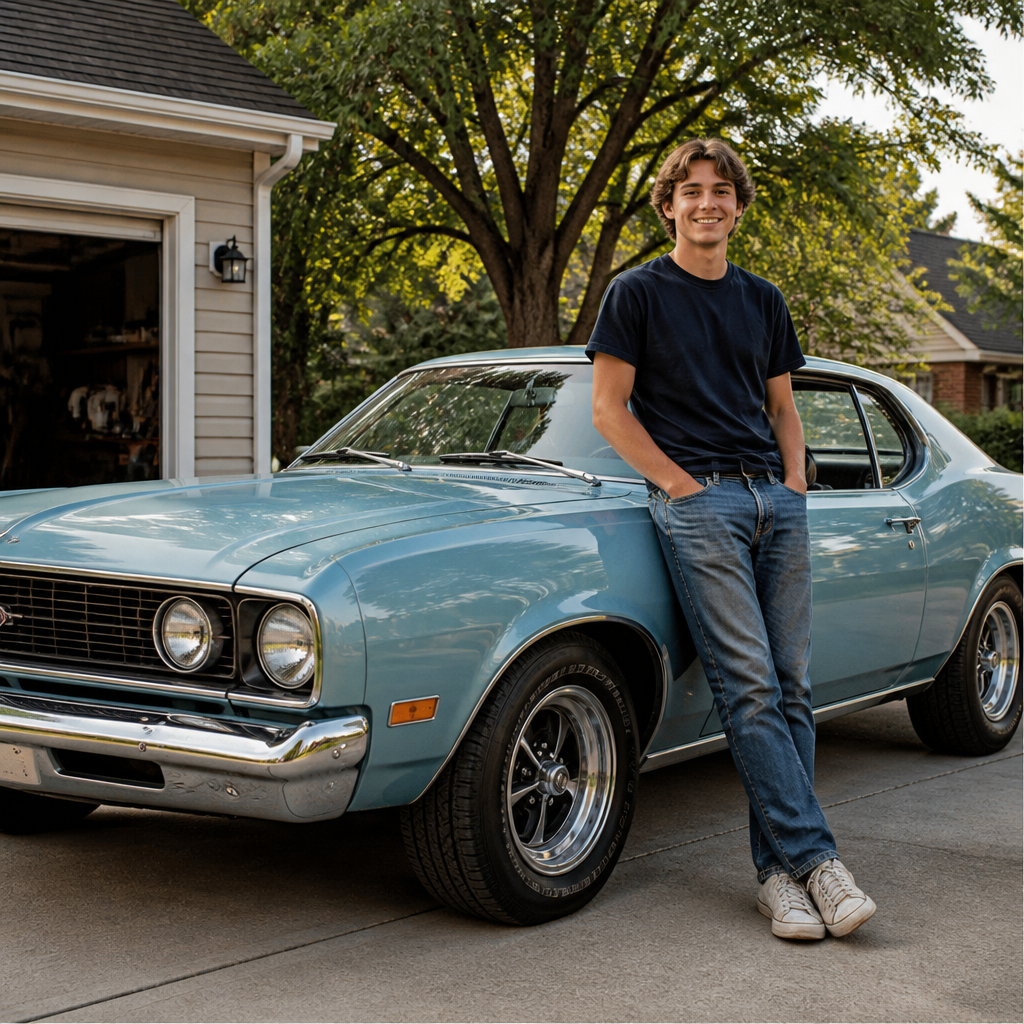
Every serious collection has an origin story, and in classic car culture that story usually begins with one imperfect, affordable, unforgettable machine. Collector stories about first cars matter because they explain how enthusiasts become restorers, historians, racers, and caretakers of automotive heritage. A first collector car is rarely the most valuable vehicle someone will own. It is the one that teaches judgment, patience, mechanical sympathy, and the emotional logic behind why people dedicate years and money to old steel, chrome, vinyl, and cast iron.
In practice, a first car that starts a collection can mean several things. It may be the first classic someone bought intentionally, the first project car rescued from a field, or the first family vehicle inherited and preserved instead of sold. Across auctions, club meets, and restoration shops, I have seen that these stories follow recognizable patterns. The buyer spots a model tied to childhood memory, local history, motorsport, or a parent’s daily driver. Budget limits force compromises. Parts availability shapes the choice. The car arrives with hidden rust, questionable wiring, and paperwork gaps, yet it creates a lasting attachment that newer, better cars often never match.
This sub-pillar hub on collector stories brings those beginnings into focus. It covers the vehicles people started with, why certain models become gateway classics, the lessons first-time collectors learn, and how those early experiences influence later purchases. It also maps the surrounding topics readers typically explore next: buying strategy, restoration realities, market values, barn-find ethics, documentation, insurance, clubs, and generational shifts in taste. If you want to understand classic car culture at the human level, start with the first car, because that is where collecting stops being a concept and becomes a personal commitment.
Why first collector cars shape lifelong automotive identity
The first collector car does more than fill a garage space; it establishes taste, standards, and habits. People who begin with air-cooled Volkswagens often become fluent in simplicity, interchangeability, and owner-led maintenance. Those who start with a 1965 Mustang, first-generation Camaro, or Tri-Five Chevrolet usually enter a world of abundant reproduction parts, active forums, and strong resale liquidity. Buyers whose first project is a British roadster like an MGB or Triumph Spitfire learn quickly about electrical gremlins, compact packaging, and the rewards of analog, low-speed fun. The first platform shapes what “normal” feels like.
I have watched collectors trace entire buying patterns back to one early car. Someone who learned on a Mercedes-Benz W123 may prioritize overengineering and documentation forever. A person whose first save was a square-body Chevrolet pickup may focus on utility, local parts supply, and trucks that fit modern roads. Another collector might buy a Fox-body Mustang in college because it was attainable, then progress into Shelby-era Fords once income catches up with nostalgia. The first car becomes a lens through which later opportunities are evaluated: Is it honest? Is it complete? Can I get parts? Will I drive it or preserve it?
That identity piece matters because collecting is not only about capital appreciation. According to the Hagerty Price Guide and long-running auction trends at Mecum and Barrett-Jackson, value can rise unevenly and often rewards originality, provenance, and buyer confidence more than sentiment. Yet sentiment is what motivates entry. The first car teaches the difference between market value and personal value, and serious collectors who understand that distinction make better decisions over time.
The gateway models that most often start collections
Not every classic is a sensible first step. The cars that most often launch collections tend to share five traits: broad recognition, decent parts support, manageable complexity, active enthusiast communities, and a purchase price low enough to survive beginner mistakes. That is why certain categories consistently appear in collector stories. American pony cars, postwar pickups, air-cooled Volkswagens, 1980s and 1990s Japanese sport compacts, and entry-level European coupes repeatedly serve as gateway vehicles.
A 1964.5 to 1968 Ford Mustang is a prime example. It offers huge aftermarket support from companies such as CJ Pony Parts and National Parts Depot, strong club knowledge, and straightforward mechanicals. First-time collectors can learn bodywork basics, carburetor tuning, and trim sourcing without inventing solutions from scratch. The same is true of first-generation Camaros and 1968 to 1972 GM A-bodies, though prices can be higher. On the truck side, 1967 to 1972 Chevrolet C/K pickups and 1973 to 1987 square-body trucks attract beginners because they are usable, familiar, and well-supported.
Volkswagen Beetles and Karmann Ghias remain foundational collector cars because nearly every repair has been documented by owners, manuals, and suppliers. Japanese entries such as the Datsun 240Z, NA Mazda Miata, and older Honda Civics or CRXs draw newer collectors who value reliability and driver engagement. European starters include the MGB, Volvo 240, and classic BMW 2002, though purchase prices on solid examples have climbed. The common thread is not prestige. It is the balance between dream and practicality that lets a novice stay in the hobby long enough to become experienced.
How collector stories usually begin: memory, access, and affordability
Most first-car stories start at the intersection of emotion and opportunity. The emotional trigger is usually specific: “my father had one,” “my neighbor street-raced one,” “I saw one in a film,” or “it was the car at my grandparents’ farm.” Opportunity enters when a classified ad appears, a relative offers a dormant car, or a local club member decides to sell to someone who will care for it. Affordability is the final filter. Very few people start with a matching-numbers big-block Corvette. They start with what they can reach.
That pattern explains why local ecosystems matter so much. In rural areas, first collector stories often involve old pickups, full-size sedans, and cars with long family histories because those vehicles survive on private property. In suburban markets, 1980s and 1990s enthusiast cars are common entry points because they were recent enough to be maintained and cheap enough to buy before values moved. In coastal regions with emissions regulations or storage costs, convertibles and compact classics show up more often because they are easier to keep and enjoy. The story is personal, but the environment strongly shapes the options.
| First-car trigger | Typical vehicle examples | Why it works as a starting point |
|---|---|---|
| Family connection | Chevrolet C10, Ford F-100, Mercedes W123 | Known history, easier trust, emotional commitment to preserve |
| Affordable project | Volkswagen Beetle, MGB, Fox-body Mustang | Lower entry cost and wide parts availability |
| Pop-culture influence | Datsun Z, first-gen Camaro, Jeep CJ | Instant identity and active enthusiast communities |
| Local availability | Square-body Chevy, Volvo 240, old farm trucks | Nearby cars, local knowledge, easier transport and inspection |
When these three factors line up, the first purchase happens quickly. Experienced collectors know the deeper point: the beginning rarely looks optimized on paper. It looks possible. That is enough to start a meaningful collecting life.
The hard lessons first-time collectors learn from their first cars
The first collector car is usually a teacher disguised as a bargain. Rust is the first lesson. Buyers focus on paint and chrome, then discover floor pans, rocker panels, frame rails, cowl drains, and windshield channels matter more. Mechanical problems can often be repaired with time and parts; structural corrosion can erase a budget. Documentation is the second lesson. Titles, chassis numbers, engine stamps, trim tags, and maintenance records determine whether a car is simply old or genuinely collectible. New collectors often learn this after a stressful registration process or a value dispute.
The third lesson is that completeness saves money. Missing trim, seat hardware, air cleaner assemblies, date-coded wheels, and model-specific brackets can consume months of searching. Anyone who has restored a car with rare one-year-only components understands this immediately. The fourth lesson is budget creep. A $7,500 car can become a $20,000 project once brakes, tires, wiring, upholstery, weatherstripping, glass seals, and machine work are added. Restoration shops typically estimate by labor hours, and even basic refinish work can exceed a novice’s expectations. This is why seasoned buyers repeat a simple rule: buy the best car you can afford, not the cheapest car you can drag home.
Driving experience is another surprise. Many first owners discover that old cars demand setup, not just ownership. Drum brakes require planning. Bias-ply tires steer differently from radials. Carbureted engines can vapor-lock or stumble when tuned poorly. Manual steering feels alive at speed but heavy in parking lots. These are not flaws in the cultural sense; they are part of the learning curve that turns casual interest into informed appreciation.
How first-car experiences influence collecting strategy later
Once someone has lived through a first project, later decisions become sharper. Collectors who were burned by rust gravitate toward dry-climate cars, borescope inspections, and magnet checks. Those who chased impossible trim pieces prefer complete drivers over disassembled projects. Owners who discovered joy in regular road use may pivot away from concours ambitions and toward reliable preservation-class cars. Others catch the restoration bug and seek increasingly correct, date-coded examples with factory paperwork and known provenance.
This is where collector stories become useful beyond entertainment. They reveal why one enthusiast ends up with a stable of unrestored survivors while another specializes in period-correct restorations. A first Mopar project might teach the scarcity premium attached to specific drivetrains and fendertag details. A first Porsche 911 can educate an owner on service records, magnesium-case issues, and the value of specialist pre-purchase inspections. A first Japanese homologation car may highlight originality, import documentation, and the risk of heavily modified examples. Early pain creates later discipline.
These experiences also influence where collectors participate. Some join marque-specific clubs such as the Antique Automobile Club of America, Porsche Club of America, or regional Mustang associations. Others prefer online communities, auction platforms, and technical databases. The first car determines the network, and the network often determines the quality of future opportunities. Good cars frequently trade quietly within trusted circles before they ever reach public listings.
Where collector stories connect to the wider classic car lifestyle
As a hub within classic car culture and lifestyle, collector stories connect naturally to several adjacent topics readers explore next. One is first-time buying guidance: how to inspect a candidate, verify originality, estimate restoration costs, and arrange transport. Another is ownership logistics, including agreed-value insurance, secure storage, battery maintenance, ethanol-related fuel concerns, and seasonal exercise routines. A third is community life: shows, rallies, coffee events, swap meets, and the etiquette of sharing provenance claims responsibly.
Collector stories also connect to broader market and cultural shifts. Younger buyers increasingly enter through 1980s, 1990s, and early-2000s vehicles because those are the memory cars of their generation. That changes restoration economics, parts demand, and what appears at major auctions. At the same time, family inheritance stories remain powerful, especially when a car comes with photos, service receipts, and oral history. Provenance is not only celebrity ownership. It can be a well-documented life in one family, which often matters more to preservation-minded collectors than headline glamour.
The practical benefit of following these stories is clarity. They show beginners that no collector starts fully formed. Every seasoned owner has a first-car chapter with mistakes, compromises, and breakthroughs. If you are building a collection, studying those origins will help you choose better, budget honestly, and buy with a purpose that survives beyond the first burst of excitement. Explore the related articles in this collector stories hub, compare journeys across marques and eras, and use those lessons to shape the classic car experience you want to live.
Frequently Asked Questions
Why do collectors place so much importance on their first car?
A first car matters in collector culture because it usually represents the moment enthusiasm became commitment. Long before someone owns a blue-chip classic, a rare homologation special, or a carefully curated garage, there is often one accessible, imperfect vehicle that taught the fundamentals. That first car introduces the realities of maintenance, parts hunting, budgeting, troubleshooting, and decision-making. It also creates the emotional framework for the rest of a collector’s life. People do not just remember what the car was; they remember where they found it, who helped tow it home, what broke first, and how it felt when it finally ran properly.
In many cases, the first collector car is not objectively special in the marketplace. Its significance comes from the lessons attached to it. Owners learn to distinguish originality from over-restoration, understand the difference between cosmetic appeal and structural integrity, and develop mechanical sympathy by listening to the car rather than forcing it. That process shapes taste and judgment. For many established collectors, the first car also explains why they later gravitated toward a certain marque, era, body style, or type of driving experience. It is the foundational story that connects memory, identity, and automotive heritage.
What makes a first collector car memorable even if it was not rare or expensive?
Memorability rarely depends on market value. A first collector car becomes unforgettable because of the depth of experience it creates. Affordable entry-level classics often require hands-on involvement, which means the owner becomes part driver, part researcher, part mechanic, and part historian. A modest coupe, sedan, pickup, or project car can leave a deeper mark than a prestigious vehicle simply because the owner had to earn every mile. That process turns the car from an object into a personal milestone.
These cars often arrive with flaws: faded paint, worn interiors, vague service history, questionable wiring, and a list of “small issues” that turn out to be major education. Yet those flaws are exactly what make the story compelling. The owner learns how to prioritize repairs, when to preserve rather than replace, and how to live with quirks that modern vehicles eliminate. Just as important, first cars frequently connect people to family members, local clubs, mentors, and old-school technicians. The memories built around late-night repairs, first road trips, and unexpected breakdowns are what elevate an ordinary car into the vehicle that started everything. In collector circles, sentiment and formative experience often matter more than rarity.
How does a first collector car influence someone’s long-term approach to collecting and restoration?
The first collector car often sets the philosophical tone for everything that follows. It teaches whether an owner enjoys full restorations, mechanical preservation, sympathetic upgrades, period-correct modifications, concours-level detail, or simply reliable driver-quality stewardship. Someone whose first experience involved rescuing a rough but honest survivor may spend the rest of their life valuing originality above fresh paint. Another person whose first car demanded a full rebuild may become highly skilled in restoration planning and develop a preference for complete projects. In either case, the first car establishes standards, instincts, and habits.
It also influences how collectors assess future purchases. After one early lesson involving hidden rust, poor previous repairs, or unavailable parts, most enthusiasts become more disciplined. They ask better questions, inspect more carefully, document more thoroughly, and budget more realistically. Beyond technique, a first car develops patience. Collectors learn that worthwhile results often come slowly, whether that means waiting for the correct trim piece, saving for engine work, or revising a restoration plan to respect the car’s history. Over time, those lessons produce better caretakers of classic cars. The first vehicle may not remain in the collection forever, but its impact usually shows up in every later acquisition and every restoration decision.
Are first collector cars usually restored to perfection, or is their value more about the story?
In most cases, their lasting importance comes far more from the story than from achieving perfection. While some first cars do receive comprehensive restorations, many remain meaningful because they reflect a specific stage of the owner’s life and education. A first collector car might keep its imperfect paint, non-show-quality trim, or evidence of years of use because those details are part of its identity. Collectors often recognize that not every car needs to become a flawless showpiece to deserve respect. Sometimes preserving the vehicle’s honesty is the more historically and emotionally satisfying choice.
That said, the desire to improve the car is also part of the story. Owners often begin with practical goals: make it safe, make it reliable, make it enjoyable. Along the way, they discover what “restoration” really means. It is not just replacing parts until the car looks new. It involves research, accuracy, craftsmanship, restraint, and a clear understanding of purpose. Some first cars become polished long-term projects; others remain beloved drivers with visible scars and hard-earned character. In both cases, the vehicle’s true value lies in what it taught the owner and how it launched a deeper appreciation for automotive preservation. In collector culture, a meaningful narrative often outweighs perfect presentation.
What lessons do collector stories about first cars offer to new enthusiasts today?
They offer a realistic and encouraging roadmap. First, these stories remind new enthusiasts that entry into collector car culture does not require buying the most expensive or prestigious vehicle. Many lifelong collectors began with something attainable, mechanically simple, and full of compromise. The lesson is that participation matters more than status. Learning how to inspect a car, understand condition, source parts, join owner communities, and solve problems is far more valuable than chasing a dream car too early and becoming overwhelmed.
Second, these stories teach that mistakes are part of the education. Nearly every seasoned collector has overpaid, underestimated repair costs, trusted the wrong seller, bought the wrong parts, or tackled a job without enough preparation. Those experiences are not evidence of failure; they are how judgment is formed. Finally, first-car stories emphasize stewardship. Collecting is not only about ownership. It is about preserving history, honoring design and engineering, and passing knowledge forward. For new enthusiasts, that is the most important takeaway: the first car does not need to be perfect, famous, or instantly profitable. It simply needs to be meaningful enough to inspire curiosity, responsibility, and a lasting connection to the automotive past.