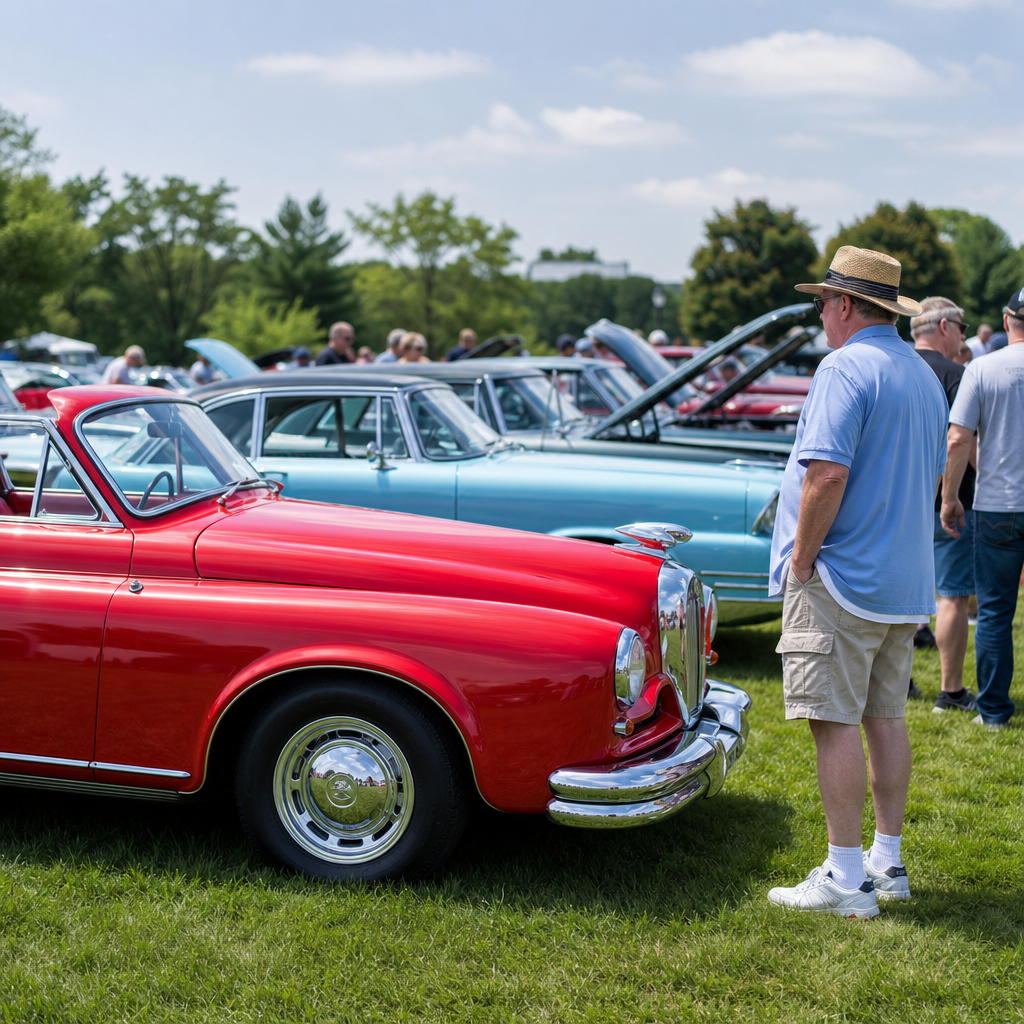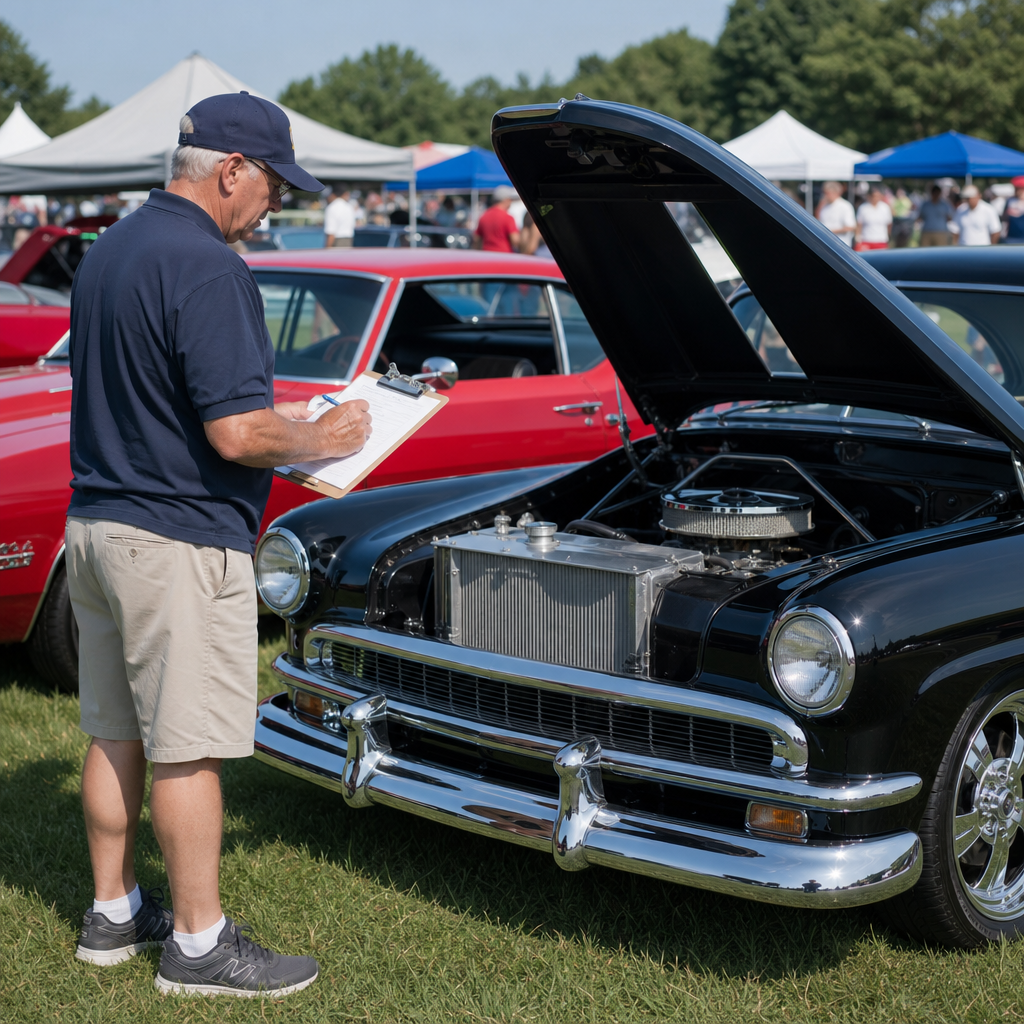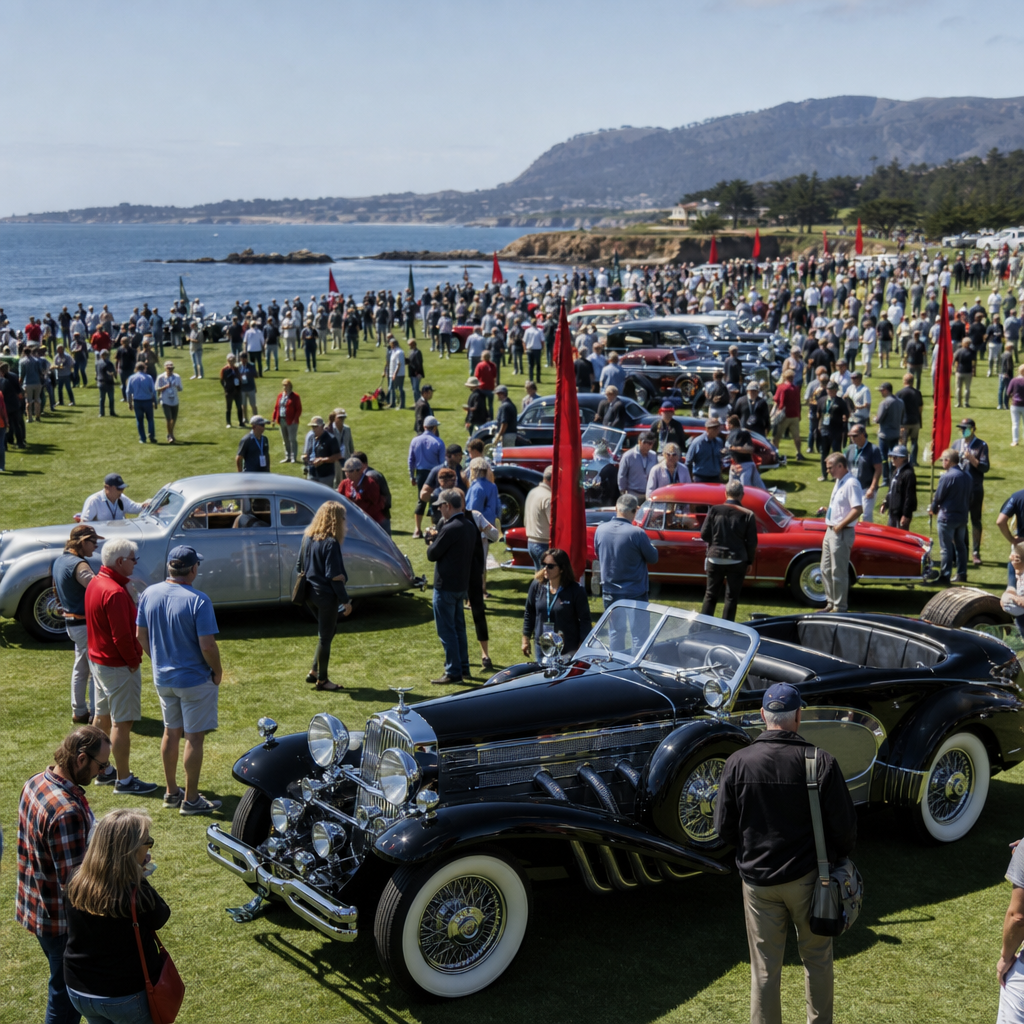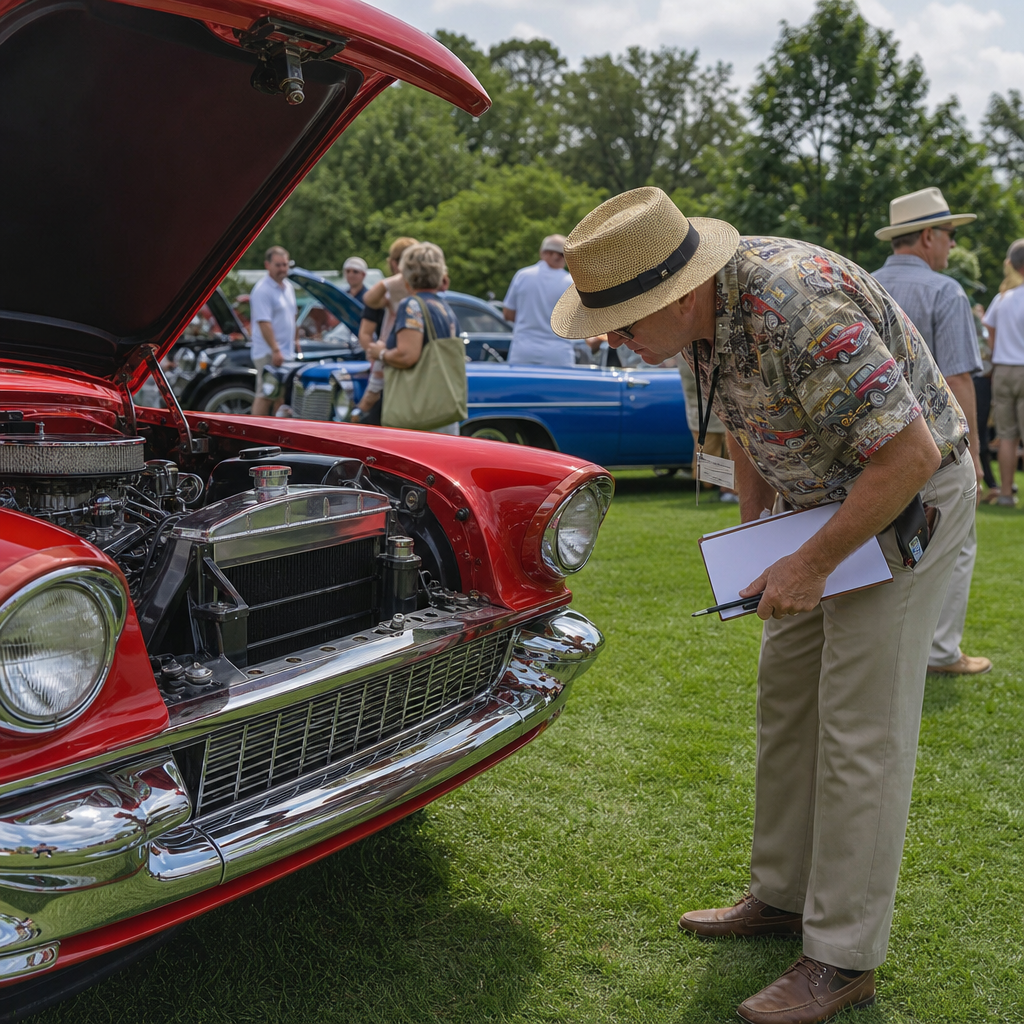
Classic car collections rarely begin with a spreadsheet, an auction paddle, or a climate-controlled garage. They begin with fascination: the first time someone hears the uneven idle of a carbureted V8, spots chrome glinting across a fender line, or rides in a car that carries a family story. That fascination can mature into something larger and more disciplined, and that is how passion turns into a classic car collection. In the collector stories I have followed over years of events, restorations, private sales, and club meetings, the pattern is consistent. Enthusiasm comes first, but lasting collections are built through knowledge, patience, relationships, and a clear sense of purpose.
A classic car collection is not simply a group of old vehicles. In practical terms, it is a curated assembly of cars chosen for historical value, design significance, mechanical interest, personal meaning, or market strength. A true collection has direction. One owner focuses on postwar British roadsters. Another assembles homologation specials from the 1980s and 1990s. A third preserves pickup trucks tied to regional agricultural history. The collector stories that endure are not about random accumulation. They are about intent, learning, and stewardship.
This matters because classic car culture sits at the intersection of history, craftsmanship, identity, and community. Cars reflect the technology and social values of their era, from the tailfin optimism of the late 1950s to the safety and emissions shifts that shaped 1970s design. Collecting also has real financial and operational consequences. Insurance, storage, authenticity documentation, restoration quality, parts sourcing, and resale timing all affect whether a collection becomes rewarding or burdensome. For anyone exploring classic car culture and lifestyle, collector stories offer the clearest map. They show how first purchases are made, how mistakes happen, how themes emerge, and why the best collections feel personal rather than performative.
Most important, collector stories answer the questions new enthusiasts always ask. How do people get started without unlimited money. What separates a smart buy from an emotional mistake. When does one car become a collection. How do owners balance driving with preservation. The answers are rarely glamorous. They usually involve hours of research, careful inspections, long conversations with specialists, and the humility to walk away when a car does not fit the mission. That realism is exactly what makes the journey compelling.
Where Every Collection Starts: A Trigger, a Memory, or a Machine
Ask ten established collectors how they began and you will hear ten different opening scenes, but they usually fall into three categories: memory, exposure, or mechanical curiosity. Memory-driven collectors chase the car their parents owned, the model parked outside a childhood diner, or the racing hero poster that never left their imagination. Exposure-driven collectors were pulled in through clubs, local cruise nights, museums, and online auction platforms such as Bring a Trailer. Mechanically motivated collectors fall in love with engineering itself, whether that means flathead Ford simplicity, Mercedes-Benz fuel injection, or air-cooled Porsche architecture.
One story I hear often is the “return to the first dream car.” Someone spends decades building a career, then buys the 1967 Chevrolet Camaro, Jaguar E-Type, or Datsun 240Z they could not afford in youth. The emotional logic is obvious, but the successful version of that story includes a second step: the owner studies trim levels, drivetrains, VIN formats, body corrosion points, and parts support before writing a check. Passion opens the door; education keeps the deal from going wrong.
The first purchase also reveals a future collector’s habits. Some people buy quickly and learn through mistakes. Others spend a year watching sales results from Hagerty valuation tools, RM Sotheby’s catalogs, Mecum listings, and marque forums before making a move. In my experience, the strongest collections come from buyers who combine emotion with a framework. They know why a model matters, what a good example looks like, and how much deferred maintenance they can realistically absorb.
From One Car to a Collection: Finding a Theme
A collection usually becomes recognizable when a theme appears. That theme can be narrow, such as first-generation Ford Broncos, or broad, such as design icons of the 1960s. Without a theme, owners often accumulate cars they do not drive, understand, or truly enjoy. With a theme, each purchase strengthens the narrative of the whole garage.
Collector stories show several common collection models. Some owners build by marque: Porsche, Alfa Romeo, BMW, Ferrari, Cadillac. Some collect by body style, favoring convertibles, coupes, wagons, or trucks. Others collect by function, focusing on rally cars, muscle cars, brass-era touring cars, or Japanese performance cars. A growing number collect around social history, preserving vehicles tied to civil services, local dealerships, regional industries, or family businesses. That last category is especially powerful because it produces collections with documentary value, not just market value.
Theme also helps with decision-making. If a collector has committed to “analog sports cars made before 1990,” it becomes easier to pass on an attractive but irrelevant luxury sedan. That discipline matters because every car consumes space, capital, attention, and maintenance capacity. A well-built collection is edited as carefully as it is expanded.
| Collection Theme | What It Includes | Why Collectors Choose It | Main Challenge |
|---|---|---|---|
| Single marque | Cars from one manufacturer such as Porsche or Mercedes-Benz | Deep expertise, strong club network, easier parts knowledge | Premium prices for sought-after models |
| Era focused | Vehicles from a period such as the 1950s or 1980s | Captures a design and cultural moment | Quality varies widely across brands |
| Performance niche | Muscle cars, homologation specials, road racers | Strong enthusiast demand and event participation | Authenticity disputes and modification issues |
| Personal history | Family cars, local dealership models, regional work trucks | High emotional value and unique storytelling | Limited market comps and difficult sourcing |
Research, Provenance, and the Difference Between a Car and a Story
In collector stories, provenance often determines whether a vehicle is merely desirable or genuinely significant. Provenance means documented history: ownership records, original invoices, service books, build sheets, period photos, restoration receipts, factory certificates, and matching-numbers verification where relevant. Two similar cars can carry dramatically different value if one has a complete paper trail and the other relies on hearsay.
This is where experienced collectors separate romance from risk. Before buying, they inspect the VIN, body tags, engine stampings, and gearbox numbers; compare them with factory references; and verify whether the car retains its original specification. For American muscle, that may involve decoding cowl tags and broadcast sheets. For European classics, it may mean obtaining a heritage certificate from the manufacturer archive. For air-cooled 911s or Ferrari V8 models, service history and specialist records are often as important as rarity.
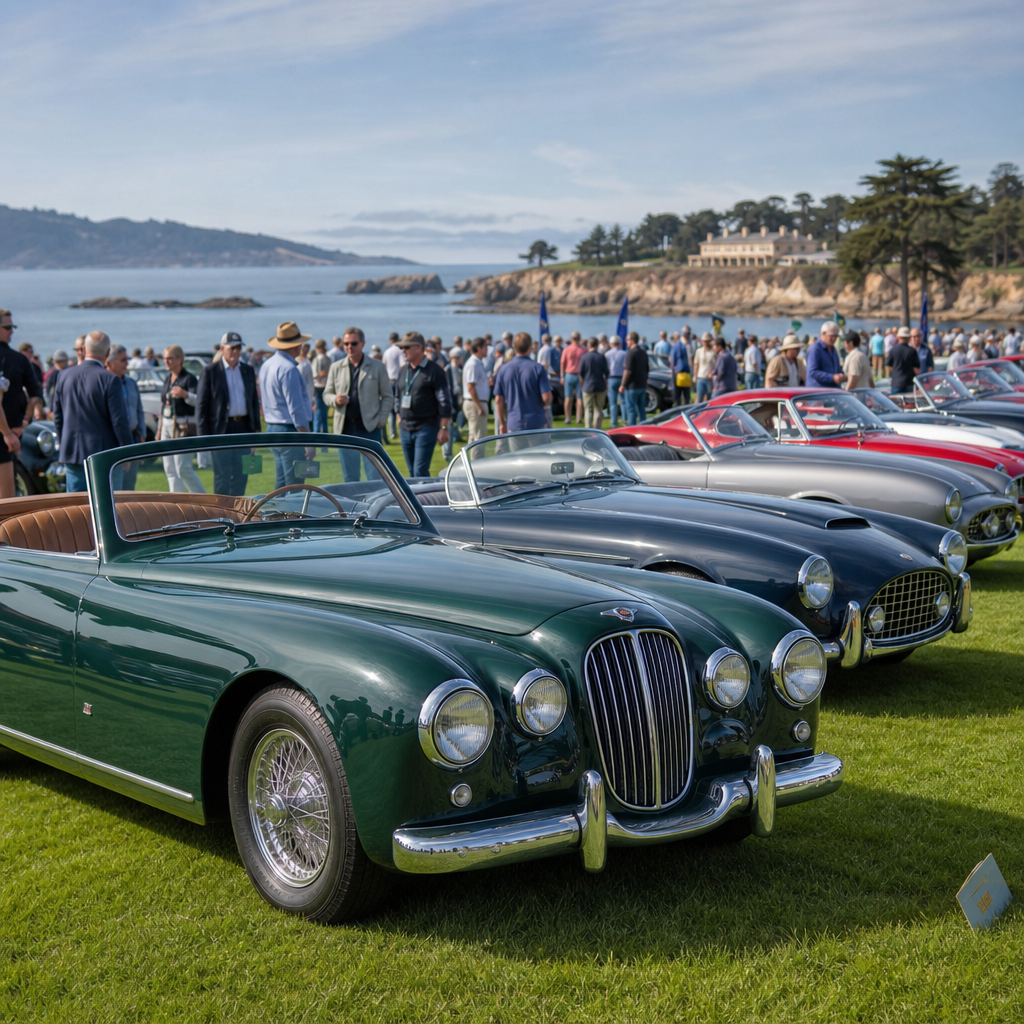
Stories matter because collections are not judged only by visual appeal. At concours events, marque gatherings, and private sales, knowledgeable people ask where the car came from, who restored it, what components are original, and how faithfully it represents its production year. A collector who can answer those questions with documentation owns more than sheet metal. They own context, and context travels with the car when it is sold, exhibited, or passed to the next generation.
Budget Reality: Buying the Right Car, Not the Cheapest Car
One of the hardest lessons in classic car collecting is that purchase price and total cost are not the same thing. New enthusiasts often enter through an affordable project, only to discover that paintwork, interior trimming, chrome, engine machining, and hard-to-find parts quickly exceed the price of a better example bought upfront. I have seen owners spend three years and twice the market value restoring common models simply because the initial car looked complete.
Smart collectors budget in layers. First comes acquisition. Then transport, taxes, registration, insurance, storage, baseline servicing, and immediate safety work. After that comes condition correction, which can range from tires and hoses to rust repair and full drivetrain rebuilds. A pre-purchase inspection by a marque specialist is one of the highest-return expenses in the hobby. Compression tests, leak-down results, underbody photos, borescope checks, and paint meter readings can save tens of thousands.
There is also a strategic difference between collecting for enjoyment and collecting for appreciation. Some cars rise strongly in value because they are rare, culturally important, and supported by deep buyer demand. Others remain flat because restoration costs outrun market interest. The best collector stories are balanced. Owners buy cars they genuinely want to live with, while still respecting liquidity, maintenance burden, and long-term demand. That balance keeps the collection sustainable.
The Role of Restoration, Preservation, and Originality
Not every classic car should be restored to a glossy, better-than-new finish. In many segments of the market, preservation is now prized alongside restoration. Original paint, factory interior materials, correct fasteners, period accessories, and honest patina can make a car more interesting than a fresh but inaccurate rebuild. This is especially true when the vehicle retains rare specifications or unusually complete documentation.
Collectors generally choose among three paths. Restoration returns a car to factory-correct or event-ready condition. Preservation stabilizes the vehicle, addresses safety issues, and keeps original materials whenever possible. Sympathetic refurbishment sits in the middle, refreshing what is necessary without erasing age. The right path depends on rarity, condition, intended use, and historical significance.
For example, a numbers-matching 1963 split-window Corvette with original driveline and paperwork may deserve conservative preservation if the paint and trim remain presentable. A tired but complete Land Rover Series IIA may benefit from mechanical refurbishment to make it roadworthy while retaining scars from working life. A heavily modified, rust-damaged Mustang coupe may be the logical candidate for full restoration or restomod treatment. Strong collectors are honest about which approach fits the car instead of forcing every vehicle into the same visual standard.
Community Turns Ownership Into Collector Culture
No serious classic car collection develops in isolation. Clubs, registries, restoration shops, auction specialists, insurers, photographers, transporters, and fellow owners all shape the journey. In practice, the best collector stories are collaborative. Someone in a marque club knows which trim detail is often faked. A retired mechanic remembers the dealership that serviced the car in the 1970s. An online registry confirms color and engine combinations. A respected upholsterer sources correct grain vinyl no catalog currently lists.
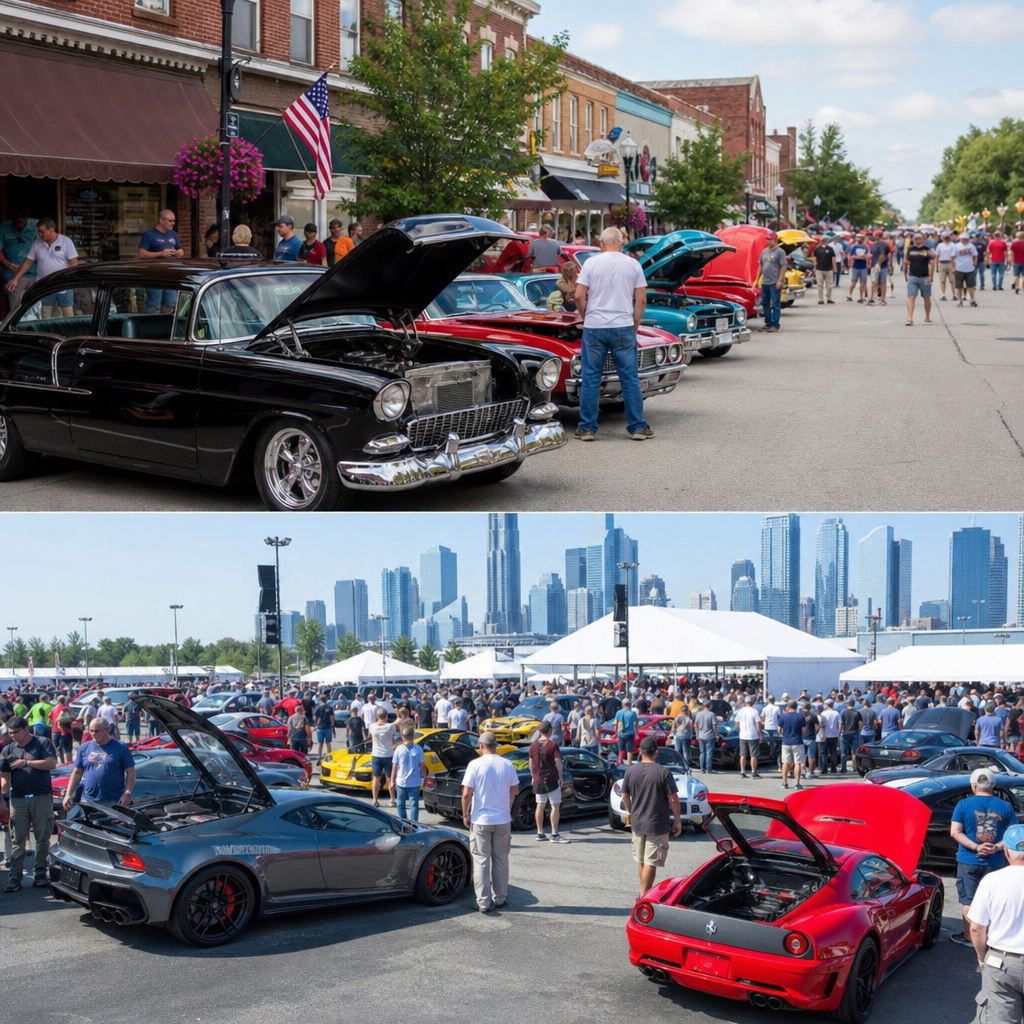
This community infrastructure also determines how much pleasure a collection provides. Cars that connect owners to tours, concours lawns, driving events, and technical days tend to stay active. Cars bought only for static display often drift into neglect unless the owner is disciplined. That is why event participation matters. Taking a car to a local show, a preservation class, a vintage rally, or a Cars and Coffee morning creates accountability. It encourages maintenance, documentation, and conversation.
For a hub page focused on collector stories, this is the central lesson: every memorable collection is part garage, part archive, and part social network. The people around the cars keep the meaning alive.
Growing, Managing, and Eventually Refining the Collection
As collections grow, management becomes as important as acquisition. Owners need inventory records, titles, photographs, maintenance logs, valuation updates, spare parts storage, battery protocols, and exercise schedules for cars that are not driven often. Insurance should reflect agreed value and usage pattern. Storage should control moisture, temperature swings, pests, and fire risk. Fuel systems and brake hydraulics do not improve with neglect, and deferred maintenance can damage even valuable cars.
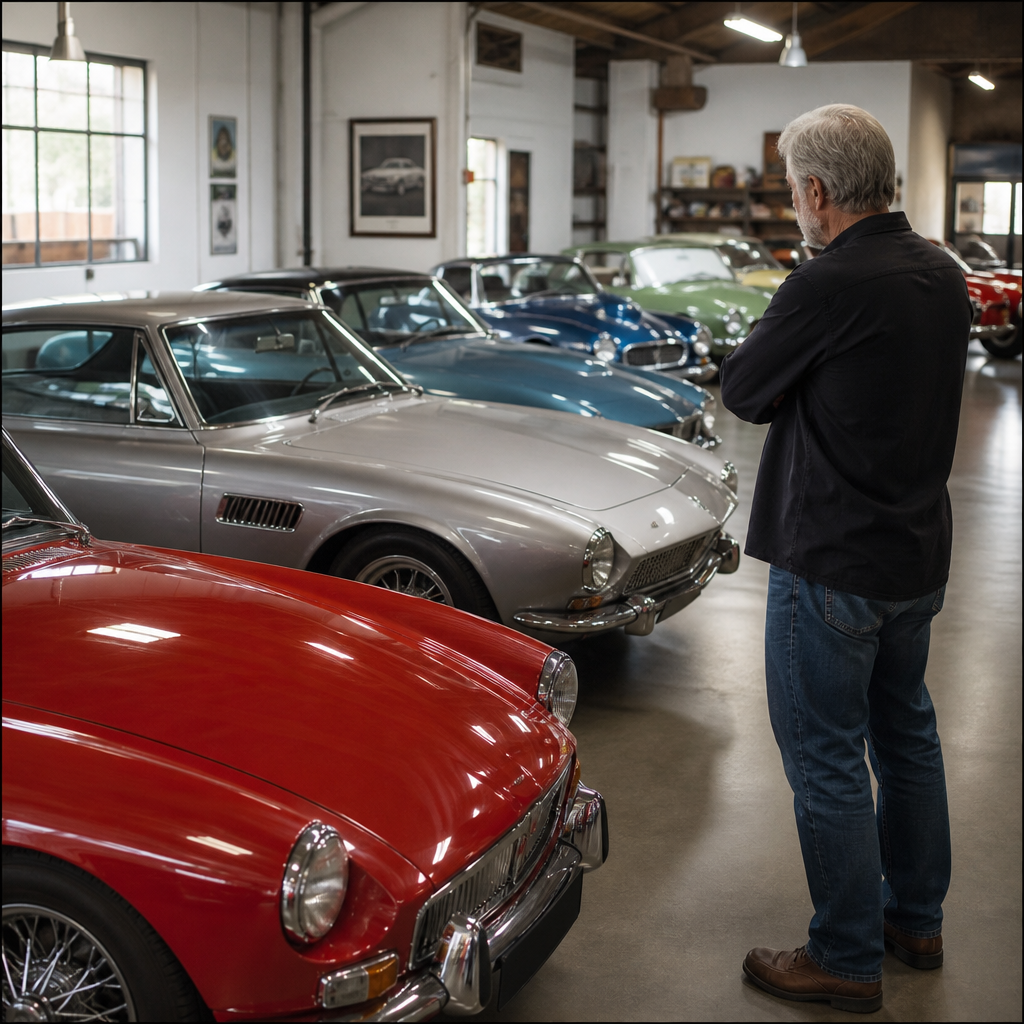
Experienced collectors also refine. They sell duplicates, release cars that no longer fit the mission, and upgrade from average examples to exceptional ones. This is not failure. It is curation. A mature collection is often smaller, better documented, and more coherent than the owner’s earlier garage. Some even transition from ownership to legacy planning, donating archives, mentoring younger enthusiasts, or setting instructions for estate handling so heirs are not left guessing about titles, values, and significance.
The strongest collections I have seen did not become classic through sheer quantity. They became classic because the owner could explain every car’s place in the story, maintain each one responsibly, and share that knowledge generously. If you are building your path through classic car culture and lifestyle, start with one honest question: what cars mean something real to you, and why. Follow that answer with research, patience, and community. Passion is the spark, but a classic car collection is the result of disciplined enthusiasm. Begin with a clear theme, document every step, and let each car earn its place.
Frequently Asked Questions
How does a simple interest in old cars turn into a true classic car collection?
It usually starts with emotion before it ever becomes strategy. Many collectors can point to a single memory that sparked everything: a childhood ride in a grandparent’s coupe, the sound of a big-block engine at a local show, or the sight of a beautifully preserved car that seemed to capture an entire era in one shape. At first, that interest may look casual, with someone attending events, reading marque histories, or following restoration stories. Over time, though, repeated curiosity creates knowledge, and knowledge creates focus. That is the moment when enthusiasm begins to shift into collecting.
A true collection forms when the owner moves from admiring individual cars to understanding relationships between them. Instead of asking, “Do I like this car?” a future collector starts asking, “What story does this car tell, and how does it fit with the others I own or hope to own?” That is why many respected collections have a theme, even if it was not obvious at the beginning. The theme might center on a manufacturer, a decade, a body style, racing heritage, regional history, or family significance. The collection becomes more meaningful because each acquisition supports a broader narrative rather than standing alone as an impulse purchase.
Passion also matures into discipline. A person who begins with excitement eventually learns about authenticity, documentation, mechanical needs, market trends, parts availability, and long-term care. They discover that ownership is not just about buying cars, but about preserving them responsibly. In that sense, a classic car collection is the product of both heart and judgment. The passion gets someone through the door, but the collection is built by patience, education, and a willingness to treat each vehicle as both an artifact and a commitment.
What separates a car enthusiast from a serious classic car collector?
An enthusiast appreciates old cars, enjoys driving or seeing them, and may own one or two favorites. A serious collector goes further by developing a deliberate point of view. That does not necessarily mean owning dozens of vehicles or spending at the highest level of the market. It means approaching ownership with intention. Serious collectors study provenance, production numbers, originality, restoration quality, and historical significance. They understand that the difference between a nice old car and a meaningful collectible often comes down to details that casual observers miss.
Another major distinction is stewardship. Enthusiasts often think in terms of personal enjoyment, while collectors tend to think in terms of preservation and legacy as well. They document maintenance, seek correct parts, consult marque experts, and make decisions that protect the long-term integrity of the vehicle. They are more likely to keep records, verify chassis and engine numbers, and ask whether a repair or restoration choice is historically appropriate. In many cases, they see themselves not as permanent owners, but as caretakers for the next generation.
Collectors also tend to build context around their cars. They join clubs, attend concours and driving events, connect with restorers, and learn the stories behind specific models and past owners. That involvement sharpens judgment and deepens appreciation. In practical terms, a serious collector is defined less by the number of cars in the garage and more by the seriousness of the approach. One well-chosen, well-documented, carefully preserved classic can reflect the mindset of a true collector just as clearly as a large, high-profile collection.
Is it better to collect cars based on personal passion or investment potential?
For most people, the strongest collections begin with personal passion and are strengthened by financial discipline, not the other way around. Passion matters because classic cars demand more from their owners than many other collectible assets. They require storage, maintenance, insurance, transportation, research, and sometimes restoration. If the only motivation is profit, the realities of ownership can become frustrating very quickly. A collector who genuinely loves the cars is much more likely to make smart long-term decisions, stay engaged during market fluctuations, and enjoy the process even when values change.
That said, ignoring investment considerations entirely is not wise either. A thoughtful collector learns how desirability, rarity, provenance, originality, and condition influence value. They understand that buying the wrong example of a good model can be more costly than paying a premium for the right example from the start. They also recognize that the market rewards authenticity and documentation. Matching numbers, factory colors, complete ownership history, and respected restoration work can all have a substantial impact on future value. Passion may guide the choice, but informed buying protects the collection.
The best approach is balance. Buy cars you would still be happy to own if the market cooled, but evaluate them with the care of a seasoned investor. That means doing research, setting a budget, understanding total ownership cost, and resisting emotional overpayment. When passion and prudence work together, a collection becomes both personally rewarding and financially more resilient. In the strongest collections, the owner is not chasing trends blindly; they are building around genuine interest while making choices that stand up over time.
What should someone consider before buying the first car in a classic car collection?
The first purchase matters because it often shapes everything that follows. Before buying, a future collector should think carefully about purpose. Is the goal to preserve a family-era car, drive regularly, enter judged events, learn restoration, or begin building a historically focused group of vehicles? The answer influences what kind of car makes sense. A first-time buyer may be better served by a well-sorted driver with strong parts support than by a rare, incomplete project that quickly becomes expensive and discouraging. Choosing a car that matches both interest and experience level is one of the smartest early decisions a collector can make.
Condition, authenticity, and documentation should be reviewed closely. It is essential to inspect the car thoroughly for rust, prior accident damage, poor-quality repairs, missing trim, worn mechanical systems, and signs of incorrect restoration. Records are equally important. Service history, title clarity, ownership chain, factory documentation, and receipts for restoration work can reveal whether the car has been maintained properly and represented honestly. If the buyer lacks technical confidence, a pre-purchase inspection by a qualified specialist is money well spent. In the classic car world, unseen problems are often far more expensive than the purchase price suggests.
Just as important are the ownership realities beyond the sale itself. Storage, insurance, maintenance access, transport needs, and parts availability should be considered in advance. A car may be affordable to buy but costly to keep if specialized service is scarce or replacement components are difficult to find. The first car should teach, not punish. A good first acquisition builds confidence, introduces the owner to the collector community, and provides a foundation of practical knowledge. When chosen well, that first car does more than fill a garage space; it establishes the standards and direction of the entire collection.
How do experienced collectors build a collection that feels coherent and meaningful over time?
Experienced collectors rarely add cars randomly for long. As their knowledge grows, they begin to shape the collection around a clear identity. That identity may be narrow, such as postwar Italian sports cars, air-cooled German models, or a specific manufacturer’s performance years. It may also be broader and more personal, such as cars tied to family memories, local automotive culture, or milestones in design and engineering. What makes a collection coherent is not just the quality of the individual cars, but the logic that connects them. Each vehicle should contribute to a larger story.
That coherence is built through selectivity and patience. Strong collectors are willing to wait for the right car instead of filling space with average examples. They refine their tastes, upgrade when necessary, and let go of vehicles that no longer fit the vision. Over time, they learn that rarity alone is not enough. A collection gains meaning when the cars reflect thoughtful choices about significance, condition, provenance, and purpose. Some owners build around preservation, others around driving enjoyment, and others around historical completeness. The best collections are not accidental accumulations; they are curated with discipline.
Meaning also comes from participation and documentation. Experienced collectors often preserve not just the vehicles, but the stories around them. They maintain files, display photos, collect original literature, research former owners, and share the cars at events where their history can be appreciated. In many cases, the collection becomes a living archive rather than a static display. That is the real transformation from passion to collection: the owner moves beyond possession and into stewardship, creating something that reflects personal enthusiasm, historical respect, and a lasting sense of purpose.