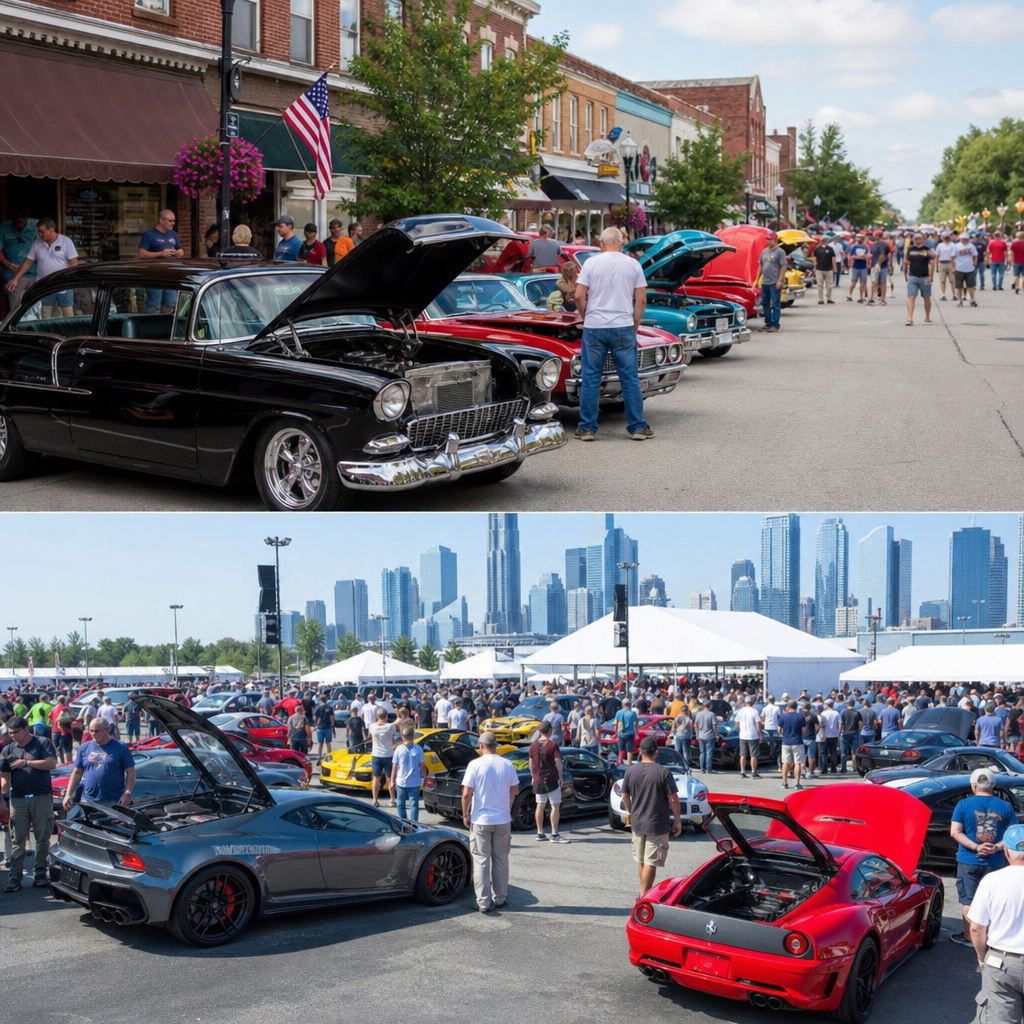
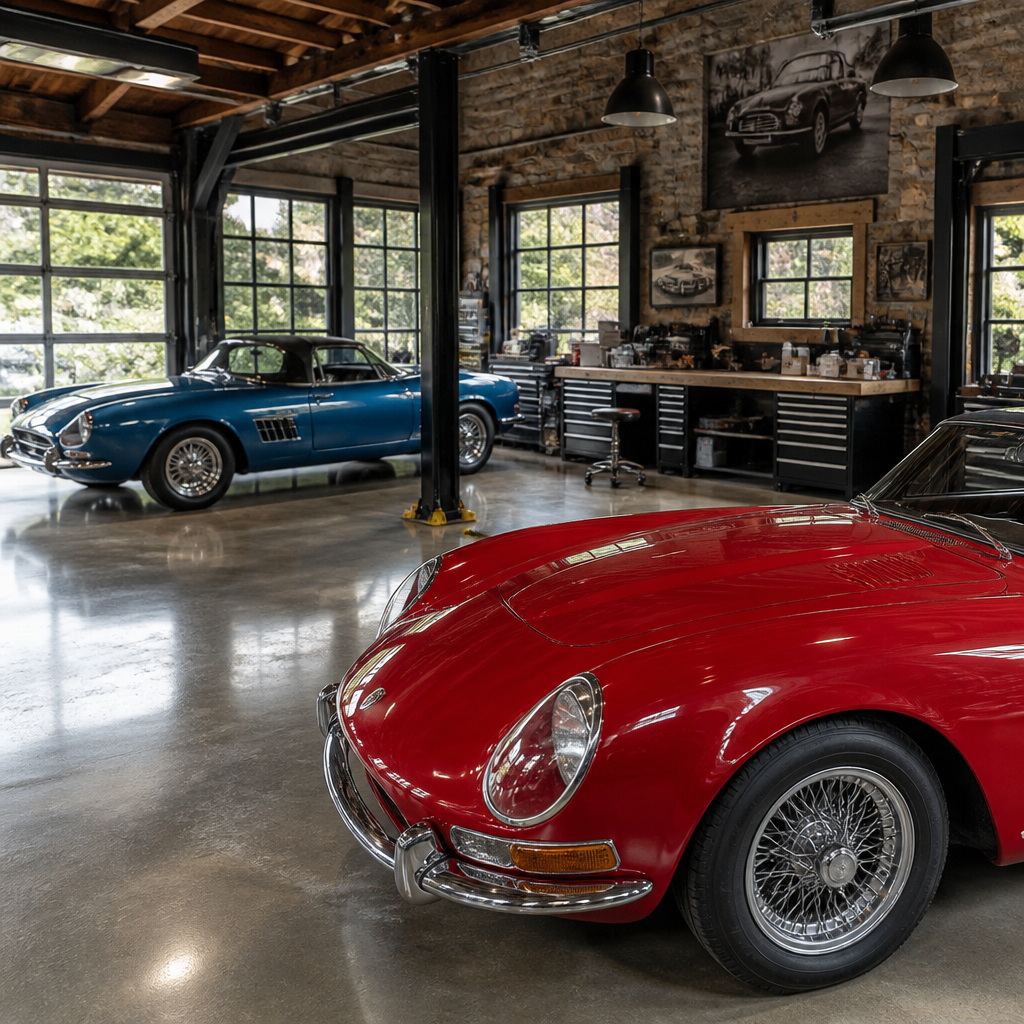
A great garage is more than a place to park a vintage vehicle. For classic car enthusiasts, it is a preservation space, a workshop, a display room, and often the social center of the home. The best garage ideas for classic car owners balance protection, functionality, comfort, and style, because old cars ask for more than square footage. They need stable temperatures, dry air, safe power, proper lighting, smart storage, and room to inspect, clean, and enjoy them. I have helped set up collector garages ranging from one-bay suburban builds to larger detached shops, and the difference between a frustrating space and a rewarding one usually comes down to planning the room around how classic cars are actually used.
When people search for garage and man cave ideas, they often picture bold flooring, neon signs, and a refrigerator in the corner. Those details matter, but they come after the fundamentals. A classic Mustang, Porsche 356, C10 pickup, or Series Land Rover will suffer in a damp, poorly ventilated garage no matter how attractive the decor looks. Rubber seals dry out, steel corrodes, carburetors gum up, batteries discharge, and paint suffers under harsh light or constant dust. A purpose-built garage solves those problems while also making maintenance easier and ownership more enjoyable.
In this guide, garage ideas means practical design choices that improve storage, restoration workflow, detailing, security, and day-to-day comfort. Man cave ideas means the lifestyle layer: seating, memorabilia, display lighting, audio, and hospitality features that make the space welcoming without undermining vehicle care. This article serves as a hub for the full garage and man cave topic within classic car culture, so it covers the core decisions first, then shows how enthusiasts turn a simple enclosure into a showroom-quality retreat. Whether you own one cherished coupe or a rotating collection, the same principle applies: build the garage around preservation first, then personalize it.
Start with preservation: climate, insulation, and air quality
The first job of any classic car garage is protection from environmental damage. Moisture is the main enemy. Condensation inside a garage can rust brake lines, pit chrome, cloud gauges, and trap water under carpets. In most regions, the solution starts with insulation and air sealing. Insulated walls and doors reduce temperature swings, while weatherstripping around doors keeps damp outside air, dust, and pests from constantly entering. If you are finishing a detached garage, closed-cell spray foam or a well-installed batt-and-vapor-barrier assembly can both work, but the key is continuity. A half-insulated room still sweats.
Humidity control matters as much as heat. For many classic cars, maintaining relative humidity around 45 to 55 percent is a practical target because it discourages corrosion without overdrying leather, wood, and interior trim. A quality dehumidifier with a drain line is often the biggest single improvement an owner can make. In hot climates, a mini-split system is usually better than a window unit because it cools, dehumidifies, and heats efficiently without leaving the garage vulnerable through a large opening. In colder areas, radiant floor heat is excellent for comfort and stable temperatures, though it costs more up front than unit heaters.
Air quality also deserves attention. Fuel vapors, solvents, and exhaust fumes collect quickly in enclosed spaces. Cross ventilation, an exhaust fan rated for garage use, and strict storage of chemicals in sealed cabinets reduce those risks. If you run engines indoors even briefly, add a vehicle exhaust extraction hose or at minimum keep the door fully open. Collector garages often focus on appearance, but healthy air and stable humidity protect both the car and the people working on it.
Design the layout for movement, maintenance, and storage
A garage can look spacious on paper and still feel cramped once toolboxes, shelving, and parts start accumulating. The right layout begins with vehicle dimensions, door swing, and service clearances. I generally advise owners to mark vehicle outlines on the floor with tape before finalizing cabinet placement. Leave enough room to walk around the car with a creeper, open doors without fear, and roll a floor jack to every corner. If one wall will carry workbenches, avoid pinching the path between bench and fender. Tight layouts create scratches, fatigue, and skipped maintenance.
Think in zones. One zone is for parking and display, another for mechanical work, another for detailing, and another for storage. Even in a modest two-car garage, zoning helps prevent the common problem of parts spreading across every horizontal surface. Ceiling-mounted storage can work for lightweight seasonal items, but avoid placing anything overhead that could shed dust or drip onto valuable paint. Parts that belong to specific cars should be labeled clearly and stored in sealed bins. I have seen months of restoration time lost because fasteners and trim clips were thrown into mixed boxes.
If the garage will support long-term projects, plan for staging. A rolling cart for removed parts, a dedicated shelf for manuals, and a clean assembly table save time every week. If budget allows, a four-post lift adds both parking and access, especially in collector households with limited footprint. A two-post lift is better for mechanical work, but it demands proper slab thickness, ceiling height, and professional installation. The best garage layouts feel calm because every tool, part, and car movement has been anticipated.
Choose flooring, lighting, and power that support real work
Flooring affects safety, maintenance, and presentation. Bare concrete is serviceable, but it stains, dusts, and can absorb oils and moisture. For most classic car garages, a professionally prepared epoxy or polyaspartic coating is the sweet spot. It brightens the room, cleans easily, and resists chemicals better than paint. Interlocking floor tiles are another option, especially for renters or owners who want a reversible system, but they can trap dirt underneath if the slab is damp. Whatever finish you choose, prep matters more than brand. A poorly ground slab or rushed application will peel.
Lighting should be layered. Overhead LED fixtures with high color rendering make paint defects, fluid leaks, and fastener markings easier to see. Aim for even coverage rather than a few intensely bright spots that create shadows along rocker panels and under hoods. Supplement general lighting with task lights over benches, movable inspection lamps, and accent lighting for display areas. Many owners underestimate how much good lighting changes the garage experience. It reduces mistakes, improves detailing results, and makes the space feel more professional immediately.
Power planning separates a hobby garage from a future headache. Add more outlets than you think you need, place them above bench height, and include dedicated circuits for compressors, welders, battery maintainers, refrigerators, and HVAC. GFCI protection is essential in garages, and good panel labeling saves time later. If you expect to own an electric daily driver alongside your classics, plan charging capacity now so you do not need messy retrofit conduit later. Reliable electrical infrastructure supports everything from trickle chargers to paint correction tools.
Build a workshop that respects old-car realities
Classic cars demand a different workshop approach than modern vehicles. Older fasteners strip more easily, service manuals assume manual adjustment, and replacement parts may be expensive or unavailable. That means the workshop should encourage careful, methodical work. A solid workbench with a vise, a solvent-safe parts cleaning area, magnetic trays, and drawer organization for SAE and metric tools are basic requirements. Vintage British, Italian, German, and American cars often mix standards unexpectedly, so tool organization needs to be precise.
Storage for fluids and chemicals should be deliberate. Brake fluid, coolant, penetrating oil, grease, carburetor cleaner, and paint products all need cool, secure, labeled storage away from sparks and direct sunlight. Fire safety is nonnegotiable. Keep at least one ABC extinguisher near the exit and another near the bench, inspect them regularly, and make sure family members know where they are. If welding or grinding is part of the plan, use fire-resistant wall surfaces around hot-work areas and keep a strict cleanup routine for oily rags.
Reference materials are worth a home in the garage. Factory service manuals, wiring diagrams, torque charts, and restoration notes save guesswork. A wall-mounted screen or tablet stand is useful for digital manuals and parts diagrams, but paper manuals are still faster during messy jobs. The workshop does not need to imitate a commercial repair facility. It needs to support accuracy, patience, and repeatable maintenance on machines built long before onboard diagnostics simplified troubleshooting.
Add smart storage and security for vehicles, parts, and memorabilia
Collectors usually outgrow storage before they outgrow enthusiasm. The answer is not simply more cabinets. It is the right mix of enclosed storage, open access, and inventory discipline. Lockable metal cabinets are ideal for expensive tools, ignition components, and detailing supplies. Clear labeled bins work well for trim pieces, spare hoses, and project-specific hardware. Tire racks should keep weight off sidewalls during long storage, and shelving should be anchored properly because dense car parts get heavy quickly.
Security needs layers. A strong garage door, quality deadbolts on side entries, motion lighting, and monitored cameras are now standard, not luxury upgrades. Collector cars are attractive targets because they are valuable, often lightly used, and sometimes easier to move than owners expect. GPS trackers, battery disconnects, and hidden kill switches add protection. Insurance carriers may also offer better terms when garages have documented alarms, fire prevention measures, and secure storage practices.
| Garage feature | Primary benefit | Best use case |
|---|---|---|
| Insulated garage door | Reduces temperature swings and condensation | Any climate with seasonal humidity or heat |
| Mini-split HVAC | Controls temperature and humidity efficiently | Finished garages and collector spaces |
| Epoxy or polyaspartic floor | Easy cleaning and chemical resistance | Garages used for detailing and repairs |
| Four-post lift | Adds storage and underbody access | Limited footprint with multiple cars |
| LED high-CRI lighting | Improves inspection and finish work | Restoration, detailing, and display areas |
| Monitored cameras and alarms | Deters theft and supports insurance claims | High-value collections and detached garages |
Memorabilia should be protected too. Porous paper signs, dealer brochures, and textiles deteriorate in damp garages. Frame important pieces under UV-protective glazing or display them in climate-stable areas away from direct sunlight. Good storage preserves the collection around the cars, not just the cars themselves.
Create a man cave atmosphere without compromising the cars
The lifestyle side of a classic car garage should feel intentional, not cluttered. Seating, a coffee bar, a vintage fridge, a quality sound system, and framed motorsport art can all work beautifully if they do not interfere with maintenance paths or add moisture and mess. Durable seating materials such as vinyl or treated leather hold up better in garage environments than absorbent fabrics. A wall-mounted television is common, but place it where it will not reflect harshly off windshields or compete with work lighting.
Decor is strongest when it is curated around the vehicles rather than added randomly. A garage housing a 1960s Corvette, for example, comes alive with period dealership signage, race photography from Sebring, and paint-chip displays. A British sports car garage might lean into timber accents, enamel signs, and rally maps. This approach gives the space coherence and makes it memorable without turning it into a themed restaurant. Display shelves for model cars, trophies, and rare parts can add personality, but keep dust control in mind.
Hospitality is part of the appeal. If friends gather for game nights, tech sessions, or Cars and Coffee prep, include a small sink, insulated beverage storage, and easy-to-clean surfaces. Sound control matters here as well. Insulation, wall panels, and rubber isolation under speakers can reduce echo and make conversations easier. The best man cave garages still function as proper garages. They simply make owners want to spend more time with their cars.
Plan for detailing, seasonal storage, and future upgrades
Classic car ownership includes a steady cycle of washing, polishing, checking fluids, charging batteries, and preparing cars for storage. A garage that supports detailing will have bright side lighting, accessible water, hose management, and shelving for polishers, pads, microfiber towels, and pH-appropriate cleaners. A utility sink is one of the most useful upgrades in any enthusiast garage. It simplifies cleanup after greasy jobs and helps keep interior spaces in the home free from solvents and grime.
For seasonal storage, fuel stabilization, battery maintenance, tire pressure management, and breathable car covers should all have a dedicated station. Keep battery maintainers mounted neatly, store records of service dates, and use checklists before long layups. Rodent prevention is another recurring issue in collector garages. Seal wall penetrations, avoid food storage near cars, and inspect hidden areas regularly. Mice can destroy wiring looms and insulation in a single winter.
Finally, build with the next phase in mind. Add conduit for future circuits, reinforce walls where cabinets or hose reels may go, and leave room for a lift if you cannot install one immediately. Most enthusiasts improve their garages over time. The smartest garage ideas create a strong backbone first, so every later upgrade adds value instead of correcting an avoidable mistake. If you are building or renovating now, prioritize preservation systems, efficient layout, durable finishes, and security. Then add the personal touches that make the garage feel like the true home of your classic car life.
The ultimate garage for classic car enthusiasts is not defined by size or budget. It is defined by how well it protects vehicles, supports maintenance, and reflects the owner’s connection to classic car culture. Start with the essentials: insulation, humidity control, ventilation, lighting, electrical capacity, and a layout that gives every car and tool a logical place. Those decisions prevent rust, reduce frustration, and make routine work faster and safer. They also raise the baseline quality of the entire ownership experience.
From there, the best garage and man cave ideas become highly personal. One owner may need a practical workshop for a driver-grade Chevelle, while another wants a display-focused retreat for a concours Jaguar. Both succeed when the space matches the cars, the climate, and the way the owner actually spends time in the garage. Flooring, lifts, cabinetry, seating, signage, and audio should all support that purpose rather than distract from it. A polished room means little if the humidity is wrong or the lighting hides fluid leaks.
Use this hub as the foundation for every garage upgrade you consider under classic car culture and lifestyle. Audit your current space, list the biggest threats to your cars, and fix those first. Then build the workshop, storage, and social features that turn the garage into a place you actively enjoy. Thoughtful planning creates a garage that preserves your classic, showcases your taste, and makes every hour with the car better. Start with one improvement this month and build from there.
Frequently Asked Questions
What are the most important features of a garage for classic car storage?
The most important features are climate stability, moisture control, safe electrical service, durable flooring, strong lighting, and enough space to move around the vehicle comfortably. Classic cars are far more sensitive to environmental swings than modern daily drivers, so the garage should protect against humidity, condensation, extreme heat, and winter cold. A sealed and insulated structure is usually the foundation, because it helps maintain a more consistent interior environment and reduces the risk of rust, brittle rubber, damaged upholstery, and deteriorating finishes.
Beyond basic protection, a well-designed collector garage should support regular inspection and upkeep. That means bright, color-accurate lighting, convenient outlets, wall space for tools, and storage that keeps parts, detailing products, and fluids organized. Security is another priority. Reinforced doors, quality locks, cameras, and an alarm system can be just as important as cabinetry or décor when valuable vehicles are involved. If space allows, it also helps to include a work zone separate from the parking area so maintenance, polishing, and small repairs can happen without making the garage feel cramped.
How can I control temperature and humidity in a classic car garage?
Temperature and humidity control is one of the smartest investments a classic car owner can make. The goal is not necessarily to create showroom-level perfection, but to avoid rapid environmental changes and consistently high moisture levels. Start by insulating the walls, ceiling, and garage door, then seal air leaks around windows, doors, and expansion joints. This creates a more stable envelope and allows heating or cooling equipment to work efficiently. In many collector garages, a mini-split system is an excellent choice because it can heat and cool effectively without requiring major ductwork.
Humidity matters just as much as temperature. Excess moisture encourages rust on body panels, chassis components, and brake parts, while also affecting leather, carpet, wood trim, and wiring. A dedicated dehumidifier is often the best solution in damp climates, especially when paired with a hygrometer so you can monitor conditions accurately. In dry regions, the emphasis may be more on controlling heat than moisture, but air circulation still matters. Avoid using unvented fuel-burning heaters in enclosed spaces, and make sure any HVAC setup is appropriate for a garage environment. The best results come from combining insulation, air sealing, controlled mechanical heating and cooling, and active moisture management rather than relying on just one piece of equipment.
What type of lighting works best in a garage used for classic cars?
The best lighting plan combines broad overhead illumination with targeted task lighting. For classic cars, lighting is not only about visibility; it is also about helping you see paint condition, fluid leaks, chrome imperfections, and fine mechanical details clearly. High-quality LED fixtures are usually the best option because they are energy efficient, long lasting, bright, and available in color temperatures that make finishes look natural instead of overly blue or dim. Even, shadow-free overhead lighting is ideal for the main parking and display area, particularly if you want the garage to function as both workshop and showcase.
Task lighting should be added over workbenches, tool stations, storage walls, and any lift or service bay area. Adjustable wall-mounted or under-cabinet fixtures are extremely useful for focused mechanical work. If you enjoy detailing, consider lights that reveal swirls, scratches, and paint texture accurately. It also helps to place fixtures so the sides of the vehicle are well lit, not just the roof and hood, since many defects hide in poor side lighting. A layered plan gives you flexibility: bright general light for cleaning and inspections, focused light for repairs, and softer accent lighting if the garage is also used as a display or gathering space.
How should I organize tools, parts, and supplies without cluttering the space?
The most effective garage organization systems separate items by use, frequency, and safety. Start by dividing the garage into zones, such as vehicle parking, mechanical work, detailing, parts storage, and social or display space if applicable. This prevents every wall and surface from becoming generic storage. Heavy-use tools should live near the workbench, detailing products near the wash or cleaning area, and seasonal or rarely used items should be stored higher or farther from the main work path. Cabinets with doors help keep dust off supplies and make the space look cleaner, while open pegboards or slat walls can keep daily tools visible and accessible.
For classic car enthusiasts, parts storage deserves extra thought. Spare trim pieces, filters, gaskets, belts, manuals, and hard-to-find components should be clearly labeled and stored in bins, drawers, or shelving that protects them from moisture and accidental damage. Avoid tossing rare parts into mixed boxes where they can corrode or get scratched. Fluids, batteries, and chemicals should be stored safely and in accordance with local codes, ideally away from any finished lounge area. The best organization systems make maintenance faster, reduce the chance of losing expensive parts, and preserve a calm, professional feel in the garage rather than turning it into a crowded storage room.
Can a classic car garage also be stylish and comfortable without sacrificing function?
Absolutely. In fact, the best classic car garages often feel like a blend of workshop, gallery, and retreat. Function should come first, but there is no reason a collector garage cannot reflect the personality of the owner and the character of the vehicles inside. Durable floor coatings, clean wall finishes, coordinated cabinetry, vintage signs, framed automotive art, and carefully chosen seating can elevate the entire space without interfering with practical use. If you entertain friends or fellow enthusiasts, a small lounge area, sound system, and display shelving for memorabilia can make the garage a destination instead of just a utility room.
The key is to design style around real use. Choose finishes that can stand up to dropped tools, tire traffic, dust, and routine cleaning. Keep decorative elements away from areas where sparks, chemicals, or heavy mechanical work may occur. If the garage doubles as a social hub, good ventilation, insulation, and noise control will make it much more pleasant year-round. Well-planned comfort upgrades such as climate control, stools at a workbench, a compact refrigerator, and easy-to-clean surfaces can improve the ownership experience without compromising preservation or safety. A stylish garage works best when every visual choice still supports the core mission: protecting, maintaining, and enjoying classic cars.