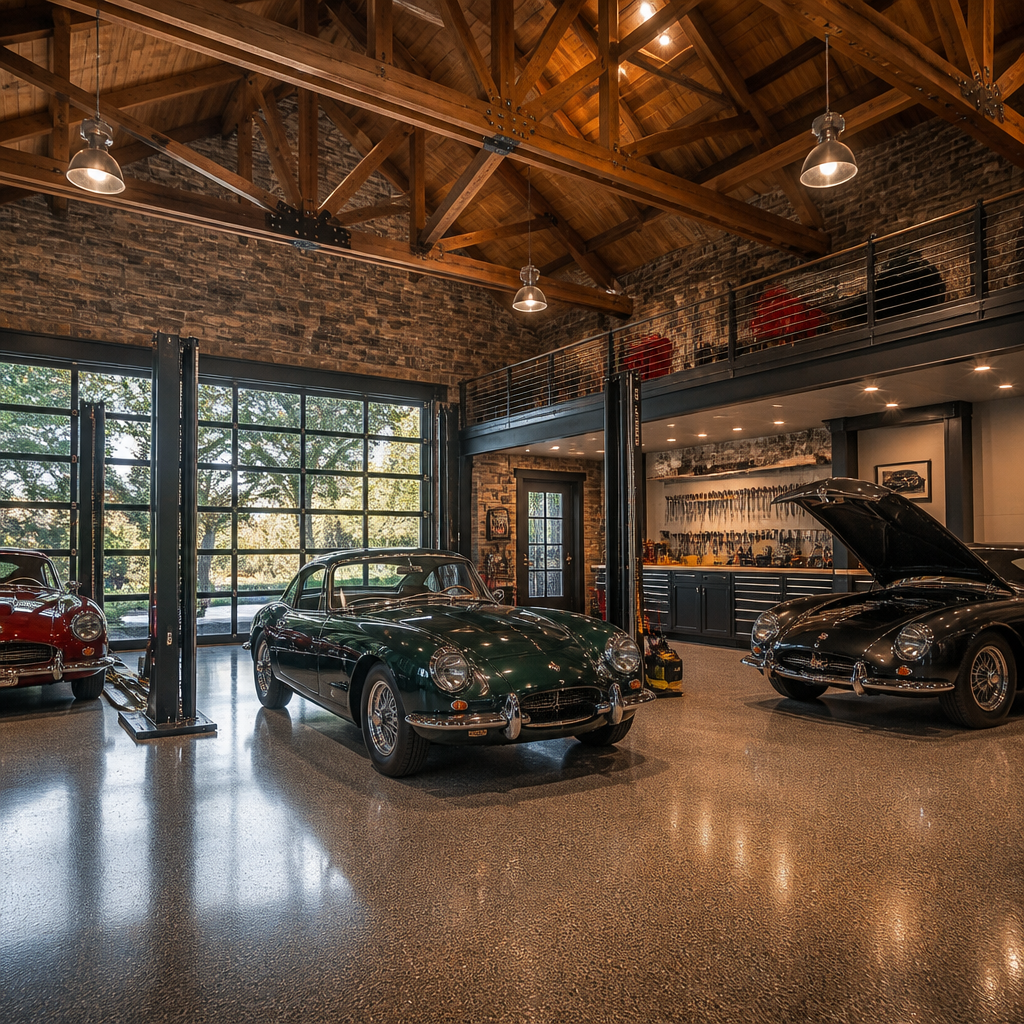
A well-designed classic car garage protects irreplaceable machines, simplifies maintenance, and turns storage space into a place where car culture can be lived every day. For owners who collect, drive, restore, or simply admire vintage vehicles, the garage is not a background utility. It is part workshop, part showroom, part archive, and often part social space. When people search for the perfect classic car garage, they usually mean a space that balances preservation, usability, security, comfort, and personality without compromising the cars themselves.
Classic car garage design starts with understanding what makes vintage vehicles different from modern daily drivers. Older cars are more sensitive to moisture, temperature swings, battery drain, fuel degradation, and accidental damage from cramped layouts. Many also leak small amounts of fluid, use older electrical systems, and require more frequent inspection. A garage built for a 1967 Mustang, a split-window Corvette, a Jaguar E-Type, or an air-cooled Porsche 911 needs more than square footage. It needs controlled conditions, safe clearances, appropriate lighting, durable flooring, organized storage, and enough flexibility for detailing, maintenance, and display.
I have worked in garages that looked impressive in photos but failed in daily use because the lift blocked cabinet doors, the floor finish became dangerously slick, or there was nowhere to plug in a battery maintainer without trailing cords across the room. The best spaces are planned backward from real tasks: parking, walking around the car, opening doors, charging batteries, checking tire pressures, cleaning wheels, storing parts, and hosting friends. That practical approach matters because mistakes become expensive quickly when rare trim, original paint, or period-correct interiors are involved.
This hub article covers the core decisions behind garage and man cave ideas for classic car owners, from layout and climate control to security, décor, tools, and future expansion. It also explains the tradeoffs between workshop-first and showroom-first designs so you can build a space that fits your collection and habits. If you want a garage that protects value, makes ownership easier, and deepens enjoyment of classic car culture, the details below are the ones that matter most.
Start with purpose, layout, and vehicle fit
The first step in designing the perfect classic car garage is deciding what the space must do every week, not what it should look like in a photo. Some owners need a preservation-focused storage environment for a small collection that is rarely driven. Others need an active workshop with room for rolling tool chests, jacks, parts shelving, and a lift. Many want a hybrid space: clean enough for entertaining, functional enough for real mechanical work. Define the priority early, because every major decision follows from it.
Begin with vehicle dimensions and access envelopes. A typical classic car may be between 15 and 18 feet long, but usable space depends on door swing, walking room, and front and rear clearance. In practice, I recommend planning for at least 3 feet on each side where possible, plus 4 feet in front of cabinets or workbenches. If you own larger cars such as 1950s sedans, full-size American coupes, or classic trucks, the turning radius and overhang can affect where columns, benches, and lifts can go. Ceiling height is equally important. A four-post storage lift commonly needs around 11 to 12 feet of clear height, while comfortable overhead storage and lighting placement may require more.
Zoning the garage improves both safety and efficiency. Separate parking bays from work areas, chemical storage, detailing stations, and lounge space. Keep the dirtiest functions, such as grinding or heavy fabrication, isolated from vehicles with delicate paint or interior materials. If the space must also work as a man cave, place seating and memorabilia along walls that do not interfere with circulation paths. A garage feels larger when every zone has one job and equipment is not constantly moved around to make room for the next task.
Futureproofing is often overlooked. Leave electrical capacity for another lift, another vehicle, or a dedicated climate-control unit. Install conduit before walls are closed. Add more outlets than you think you need. The perfect classic car garage is rarely static, because collections, tools, and interests tend to grow over time.
Control climate, moisture, and air quality
If there is one feature that most directly preserves a classic car, it is environmental control. Moisture is the enemy of steel, chrome, wiring, upholstery, paper tags, and even rubber components. A garage that swings from damp cold nights to hot humid afternoons creates condensation on metal surfaces, especially when a cool car is brought in after driving. That is how surface rust begins on brake hardware, underbody parts, and unprotected fasteners.
The target is stability. In many climates, a temperature range around 55 to 75 degrees Fahrenheit and relative humidity between 45 and 55 percent works well for mixed collections. The exact number matters less than avoiding extremes and rapid swings. Use an insulated door, sealed wall penetrations, weatherstripping, and if needed a mini-split heat pump paired with a dehumidifier. A hygrometer should be standard equipment. I prefer remote-monitoring units that alert you when humidity spikes after storms or power outages.
Ventilation matters for health and preservation. Fuel vapors, exhaust gases, solvents, and detailing chemicals should not linger in enclosed spaces. Local exhaust near a workbench, a properly sized exhaust fan, and careful air exchange planning reduce risk. If you run engines indoors, even briefly, use a hose-based exhaust extraction system. Carbon monoxide is odorless and dangerous, and relying on the open garage door alone is not good enough.
Floor and wall materials also affect the environment. Bare concrete sheds dust and absorbs stains. A quality coating system, such as epoxy with a polyaspartic topcoat, makes cleaning easier and reduces airborne grit, but surface preparation determines longevity. In humid regions, a vapor barrier beneath the slab and proper drainage around the building are just as important as the finish you see. Climate control is not glamorous, but it is foundational.
Choose surfaces, lighting, and power for real work
Good garage surfaces and lighting protect cars as much as tools do. Flooring should resist chemicals, tolerate jack stands, and provide enough grip when wet. High-gloss finishes look dramatic but can become slippery under tire dressing or water from washing. Many classic car owners do better with a satin or lightly textured finish that still reflects light without creating a skating rink. If you use floor tiles, choose products rated for vehicle loads and temperature swings, and understand that fluids can seep beneath improperly installed sections.
Lighting should be layered. Ambient ceiling fixtures provide overall brightness, task lights focus on engine bays and benches, and wall-mounted side lighting helps reveal paint defects during detailing. A common mistake is placing all fixtures overhead, which leaves shadows on lower panels and under dashboards. High-CRI LED fixtures in the 4000K to 5000K range usually offer the cleanest working light without the harsh blue cast found in some cheap lamps.
Electrical planning deserves more attention than décor. Classic car garages need plentiful 120-volt outlets for chargers, polishers, work lights, and hand tools, plus 240-volt service if you plan to run a compressor, welder, or lift. Dedicated circuits reduce nuisance trips. Ceiling drops can keep cords off the floor around vehicles. Battery maintainers should have permanent, convenient connection points near each parking bay, because owners are far more likely to use them when they do not need extension cords.
| Garage Element | Best Practice | Why It Matters for Classic Cars |
|---|---|---|
| Floor coating | Epoxy base with polyaspartic topcoat | Resists chemicals, reduces dust, cleans easily |
| Lighting | Layered LED ambient and task lighting | Improves detailing, inspection, and repair accuracy |
| Humidity control | 45% to 55% relative humidity | Helps prevent rust, mold, and interior deterioration |
| Electrical outlets | Frequent wall outlets plus dedicated circuits | Supports chargers, tools, and safer cable routing |
| Ceiling height | Plan for lift clearance before construction | Prevents expensive retrofit limitations later |
Do not overlook compressed air and water access. A quiet rotary-screw or insulated piston compressor, piped correctly with moisture management, makes tire service and light tool work easier. A utility sink with hot and cold water is invaluable for cleanup. These are not luxury add-ons; they change how often you actually use the space.
Build storage, security, and maintenance systems
Storage in a classic car garage should support preservation, not just hide clutter. Use closed cabinets for chemicals, labeled bins for spare parts, and dedicated shelving for car-specific items such as original wheels, trim, manuals, and concours materials. I recommend separating consumables from rare parts. Brake cleaner, oil, microfiber towels, and polishing pads should be easy to reach. Hard-to-replace emblems, carburetor pieces, or NOS components should be cataloged and stored in stable conditions away from moisture and accidental impact.
Workbenches need durable tops, excellent lighting, and enough clearance to disassemble components without covering every surface in the garage. Pegboards can work, but enclosed shadow-board systems keep dust down and make tool control easier. If you own multiple classics, assign each car a dedicated records drawer or digital file structure for service history, receipts, paint codes, and part numbers. Documentation protects value and saves time whenever repair or resale questions arise.
Security should be layered. Start with quality locks, reinforced service doors, and a garage door opener with modern rolling-code technology. Then add monitored alarms, cameras covering entry points and interior bays, and good exterior lighting. If the collection is significant, consider smoke and heat detection tied to remote alerts, plus a dedicated clean-agent extinguisher or at minimum properly rated ABC extinguishers in visible locations. Insurance providers may offer better terms when documented protections are in place.
Maintenance systems are what turn a nice garage into a reliable operating base. Keep battery maintainers connected, fuel stabilizer on hand for seasonal storage, tire cradles or pressure-management routines for long parked periods, and absorbent mats or drip trays under known leakers. A simple monthly checklist beats heroic annual catch-up work. In my experience, the owners who enjoy their cars most are not always the ones with the biggest garages. They are the ones whose spaces make inspection and upkeep almost automatic.
Create a man cave without compromising the cars
The man cave side of a classic car garage should celebrate the vehicles, not fight them. The best décor choices support the automotive story of the room: marque signs, framed racing posters, period dealership items, parts displays, literature, neon, and tasteful seating arranged to view the cars. Keep scale in mind. Oversized furniture, bulky bars, and home-theater layouts can consume space needed for safe movement around vehicles. It is smarter to design flexible social areas with compact seating, a café table, or stools along a counter.
Material choice matters here too. Avoid fabrics and finishes that trap odors, shed lint, or react poorly to temperature changes. Leather, coated surfaces, sealed wood, and commercial-grade stools generally age better in garage conditions. A dedicated beverage fridge, coffee setup, and discreet sound system can make the space genuinely livable without crossing into clutter. If you display memorabilia, use UV-conscious placement so sunlight from windows or open doors does not bleach signs, jackets, or paper collectibles.
Personalization works best when it reflects the cars you actually own or aspire to own. A British sports car garage might feature Goodwood imagery, Brooklands references, and green leather accents. A muscle car space may lean into drag racing posters, dealership banners, and engine parts displayed as sculpture. A Porsche-focused room can incorporate motorsport photography, wheel displays, and clean minimal cabinetry. Cohesion gives the garage showroom quality.
The final rule is simple: the cars remain the main attraction. Every lounge feature should be evaluated against dust control, safety, access, and preservation. When in doubt, choose the option that makes the garage easier to clean and the vehicles easier to protect.
Plan the hub: connect every upgrade to ownership goals
A perfect classic car garage is not defined by luxury alone. It is defined by fit. The right design aligns the room with the way you store, maintain, display, and enjoy your vehicles. Start with purpose and layout, then invest in climate stability, practical lighting, durable surfaces, organized storage, and layered security. After those essentials are in place, add the lounge elements and personality that make the space inviting.
Think of this garage and man cave hub as the foundation for every related decision: lifts, cabinets, floor coatings, detailing setups, display ideas, security upgrades, workshop tools, and small-space storage solutions. Each improvement should answer a clear question. Will it protect the cars better, make maintenance easier, improve safety, or help you enjoy time with family and friends around the collection? If the answer is yes, it belongs in the plan.
The best classic car garages increase both preservation and participation. They reduce the friction between wanting to spend time with your car and actually doing it. Review your current space, identify the biggest functional gaps, and upgrade in the right order. Start with environment and layout, then build toward comfort and character. Done properly, your garage becomes more than storage. It becomes the center of your classic car lifestyle.
Frequently Asked Questions
What are the most important features of a perfect classic car garage?
The most important features are climate control, security, lighting, layout, and surfaces that support both preservation and maintenance. A classic car garage should first protect the vehicle from the biggest long-term threats: moisture, temperature swings, dust, pests, and accidental damage. That means insulated walls and doors, controlled ventilation, humidity management, and a heating and cooling strategy that keeps the environment stable rather than extreme. Classic cars often contain older metals, trim materials, leather, rubber, paint systems, and wiring that can deteriorate quickly in a damp or fluctuating space, so environmental control is not a luxury. It is foundational.
Next comes usability. A well-designed garage should allow you to move around the car comfortably, open doors fully, access storage without squeezing past bumpers, and perform routine maintenance safely. Good overhead lighting should be paired with task lighting at benches and work zones. The floor should be durable, easy to clean, and resistant to oil, brake fluid, and tire marks. Epoxy or other sealed concrete systems are popular because they improve appearance and make cleanup much easier. Storage should be intentional, with dedicated places for tools, detailing products, spare parts, jacks, chargers, manuals, and memorabilia. In the best garages, every element supports how the owner actually uses the space, whether that means weekend detailing, light mechanical work, full restoration, or simply displaying cherished vehicles in a beautiful setting.
Security and presentation also matter more than many people realize. A classic car garage often houses irreplaceable vehicles and hard-to-source parts, so high-quality locks, reinforced entry points, alarm systems, cameras, and discreet storage practices are essential. At the same time, this space can and should feel inspiring. Many owners want the garage to function as a private showroom or gathering place, so finishes, wall treatments, display cabinets, signs, seating, and sound systems may all have a role. The perfect classic car garage blends preservation with pride of ownership. It is a space that keeps vehicles safe while making them easier to enjoy.
How do you control temperature and humidity in a classic car garage?
Temperature and humidity control should be approached as a system, not as a single appliance. Start with the building envelope. Insulated walls, a well-sealed ceiling, vapor management where appropriate, weatherstripped doors, and insulated garage doors reduce outside influence and make climate control equipment far more effective. If the garage leaks air constantly, even the best heating or cooling setup will struggle. Sealing gaps around doors, windows, and penetrations is one of the smartest early investments because it improves comfort, lowers energy use, and helps create the stable conditions classic cars prefer.
Humidity is often the bigger enemy than temperature alone. High humidity encourages corrosion on metal surfaces, electrical problems, mold growth, and interior material degradation. In many climates, a dedicated dehumidifier is one of the most valuable tools in the garage. Depending on the region and size of the space, you may also need mechanical ventilation or a mini-split HVAC system that can both cool and remove moisture. In colder regions, steady low-level heat can help prevent condensation, especially when combined with proper insulation. The goal is consistency. Frequent shifts from cold to warm, or dry to damp, can be hard on paint, chrome, upholstery, and stored parts.
It is also wise to monitor conditions rather than guess. Install a quality thermometer and hygrometer, ideally with smart tracking so you can see trends over time. That helps you identify whether a problem is seasonal, related to vehicle storage practices, or tied to a flaw in the building itself. As a general rule, classic car owners benefit from avoiding extreme heat, deep cold, and prolonged dampness. A stable, clean, moderately conditioned environment is far better than a space that bakes in summer, freezes in winter, and sweats during transitions. If you think of your garage as a preservation environment rather than basic parking, your decisions around climate control become much clearer.
How much space do you need to design a functional garage for classic cars?
The right amount of space depends on how you intend to use the garage, not just how many cars you want to fit inside. A garage that only stores vehicles has different dimensional needs than one used for detailing, mechanical work, restoration, entertaining, or displaying memorabilia. For a single classic car, you want enough room not only to park but also to walk comfortably around all sides, open doors without stress, and access shelves, chargers, or covers without risking contact damage. Tight spaces quickly become frustrating and increase the chance of chipped paint, dented doors, or damaged trim. Classic cars often have longer hoods, wider doors, and more delicate finishes than modern daily drivers, so clearances matter.
If you plan to work on the car, the required space increases significantly. You will need room for tool chests, workbenches, floor jacks, jack stands, rolling carts, parts storage, and safe movement around the vehicle. Ceiling height is another major consideration, especially if you are planning a lift. A lift can transform a garage by increasing storage capacity and maintenance access, but only if the building has adequate vertical clearance and structural readiness. Even without a lift, generous ceiling height improves lighting options, ventilation flexibility, and the overall feeling of the space. For collectors with multiple vehicles, the layout should also account for how cars enter and exit. A garage that requires constant shuffling of vehicles may look efficient on paper but become inconvenient in real life.
The smartest way to determine ideal size is to map your intended use zones before construction or renovation. Think in terms of parking, maintenance, detailing, storage, display, and social areas. Then allocate floor area to each based on how often you use it. This planning approach produces a garage that feels functional rather than merely full. The perfect classic car garage is rarely defined by square footage alone. It is defined by whether the space supports ownership, care, and enjoyment without creating unnecessary compromises.
What kind of flooring, lighting, and storage work best in a classic car garage?
For flooring, sealed concrete and high-quality epoxy systems are among the best choices because they are durable, attractive, and easy to maintain. A proper garage floor should resist stains from oil, coolant, brake fluid, and cleaners while also reducing dust compared with bare concrete. That matters because dust does not just make the garage look untidy. It settles on paintwork, trim, tools, shelves, and interiors, increasing cleaning needs and potentially affecting long-term preservation. Some owners also choose modular tile systems for their visual appeal and ease of replacement, but whichever option you choose, prioritize load-bearing capability, slip resistance, ease of cleaning, and resistance to chemicals and hot-tire pickup.
Lighting should be layered. Overhead ambient lighting creates even visibility across the entire garage, while focused task lighting improves work at benches, engine bays, undercar areas, and detailing stations. Bright, high-color-quality LED fixtures are usually the best solution because they are efficient, long-lasting, and excellent for revealing paint defects, leaks, dust, and wiring issues. Side lighting can also be extremely useful for detailing and inspection because it highlights imperfections that overhead light may hide. In a garage that doubles as a showroom, accent lighting can draw attention to body lines, badges, displays, and memorabilia without compromising practical brightness.
Storage works best when it is purposeful and separated by use. Tools should be near the work area, detailing supplies near wash or polishing zones, and long-term parts storage protected from dust and moisture. Closed cabinets create a cleaner, more finished look and help keep contaminants away from sensitive items. Open shelving can still be useful for frequently used equipment, but it should be organized carefully to avoid visual clutter and accidental damage. Wall-mounted systems, overhead racks, parts bins, tire storage, and lockable cabinets all have a place in a well-planned garage. Good storage is not only about maximizing capacity. It is about making the garage safer, more efficient, and more enjoyable to spend time in.
How can you make a classic car garage secure, comfortable, and enjoyable as a social space?
A great classic car garage should feel safe and welcoming at the same time. Security starts with strong fundamentals: quality locks, reinforced service doors, dependable garage door hardware, motion-sensing exterior lighting, alarm integration, and surveillance cameras that cover entry points as well as interior vehicle positions. If the garage contains rare tools, parts, documents, or collector-grade vehicles, access control becomes even more important. Smart systems that notify you of door openings, temperature changes, moisture issues, or power failures add another layer of protection. Security should also include fire preparedness, with extinguishers placed strategically, electrical work done to code, and flammable liquids stored correctly in approved cabinets or containers.
Comfort comes from treating the garage as an occupied room rather than a utility shell. Climate control, insulation, sound management, seating, clean finishes, and a sensible layout make a dramatic difference. If you spend hours detailing or talking cars with friends, you will appreciate a space that stays temperate, has good airflow, and feels intentional. A small lounge area with durable chairs, a table, a refrigerator, and maybe a coffee setup can turn the garage into a natural gathering point. A restroom or utility sink, if feasible, adds practical convenience that owners often appreciate more over time than flashy visual upgrades. Even small details such as music,