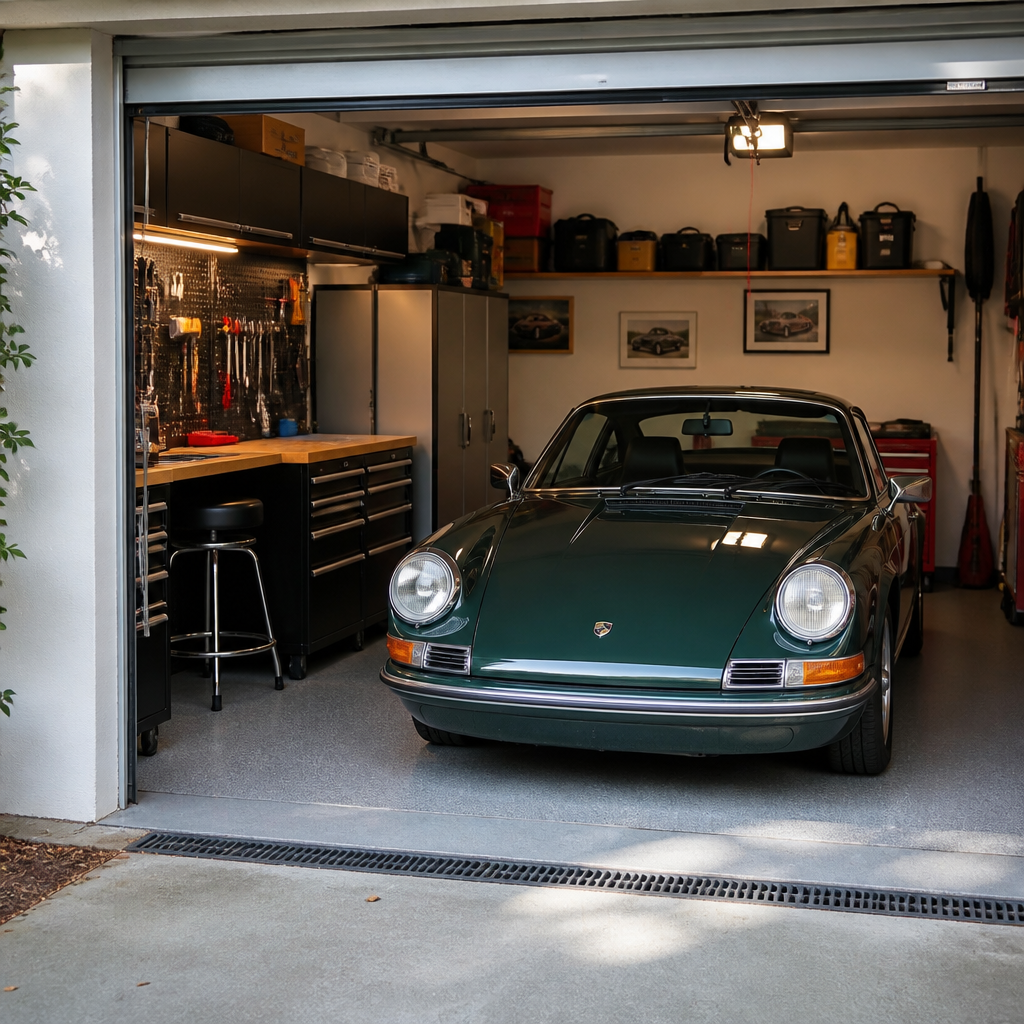
A small garage can become a highly functional home for a classic car when every square foot is planned around preservation, maintenance, storage, and enjoyment. For classic car owners, a garage is not simply a parking box. It is a controlled environment that protects paint, chrome, upholstery, rubber, wiring, and trim from moisture, dust, temperature swings, accidental damage, and poor organization. In practice, the best small garage ideas for classic car owners balance three priorities at once: safe vehicle storage, efficient workshop capability, and the personal atmosphere that makes time with the car more rewarding.
Small matters because many enthusiasts work with one-car or narrow two-car garages built long before modern trucks and SUVs widened standard parking expectations. A 1966 Mustang, an MGB, a C3 Corvette, or a Volkswagen Beetle may physically fit, yet usable clearance for opening doors, rolling a jack, reaching shelves, or storing parts can disappear quickly. I have worked in compact garages where a poorly placed cabinet cost more usable space than an engine stand, and where adding brighter lighting improved wrenching efficiency more than buying another tool chest. The point is simple: thoughtful layout beats random accumulation every time.
Classic car garage planning also requires a different mindset than daily-driver storage. Older vehicles often need battery tending, fluid checks, seasonal detailing, spare parts management, and occasional work under imperfect conditions. Materials used in vintage cars can degrade faster when garages stay damp, dusty, or overheated. That is why this guide treats the small garage as a system. Flooring, ventilation, shelving, workbenches, lighting, seating, décor, and security all affect how well the car is protected and how easily maintenance gets done. If you want a garage and man cave that supports the hobby instead of fighting it, start with smart constraints and build around the car’s real needs.
This hub covers the core decisions that shape a compact classic car garage, from layout and storage to comfort and style. Use it as the central reference for planning upgrades, then branch into focused projects such as wall systems, detailing stations, workbench design, climate control, memorabilia displays, and security improvements. The goal is not to imitate a large professional shop. The goal is to make a small space feel intentional, capable, and worthy of the machine it protects.
Start with layout, clearance, and vehicle-first planning
The best small garage layouts begin with the car parked in its real resting position, not an assumed centerline. Measure overall length, width with mirrors, door swing, hood opening arc, trunk access, and walking clearance on both sides. Then map every movement you actually make: entering the car, plugging in a battery tender, checking tire pressure, reaching the oil shelf, opening a tool drawer, and rolling a floor jack to front crossmember lift points. In a small garage, workflow failures usually come from reach and clearance conflicts, not from a total lack of square footage.
A practical rule is to protect the driver’s side first, because that is where repeated entry happens. If one side of the garage must be tighter, make it the passenger side and use that wall for shallow storage. Wall cabinets deeper than 16 inches often create more frustration than value in narrow garages, especially beside coupes with long doors. For classic car owners, vertical zoning works better: frequently used tools between waist and shoulder height, detailing supplies higher up, and heavier fluids or parts low and secure. Ceiling storage can hold lightweight seasonal items, but avoid loading overhead racks with heavy components above the car.
If the garage doubles as a man cave, keep social functions on the least critical circulation path. A bar stool placed where a jack handle needs to swing will become a permanent obstacle. A narrow wall-mounted counter, folding chairs, and compact memorabilia displays preserve floor area while still making the room feel personal. Every successful small classic car garage I have seen follows one principle: parking, maintenance, and protection come first, then entertainment fits around those core tasks.
Build storage that protects parts without swallowing floor space
Storage is where most small garages either become efficient or collapse into clutter. Classic car ownership generates irregular inventory: spare belts, hoses, gaskets, bulbs, touch-up paint, trim pieces, manuals, cleaning chemicals, removed original parts, and boxes from future upgrades. Without a system, these items migrate onto the floor, workbench, or trunk. The fix is not more bins alone. The fix is category-based storage with clear labels, shallow depths, and dedicated zones for clean parts, dirty parts, flammables, and paperwork.
Wall-mounted modular track systems from brands such as Gladiator, Rubbermaid FastTrack, or StoreWALL can keep bulky items like creepers, extension cords, and wash buckets off the floor. Metal shelving is preferable to particleboard in garages with humidity swings, and sealed cabinets are worth the price for chemicals and polishes because they reduce dust contamination. For fasteners and tune-up pieces, small-parts organizers work best when labeled by vehicle and subsystem, such as ignition, cooling, brakes, or interior trim. If you own more than one project, color coding prevents mix-ups.
A dedicated documents drawer is essential. Factory service manuals, wiring diagrams, restoration receipts, paint codes, and registration records should not live in cardboard boxes absorbing garage moisture. Use waterproof sleeves or a cabinet with desiccant packs. Original trim and numbers-matching parts also deserve better treatment than open shelving. Bubble wrap can trap moisture, so acid-free paper, breathable covers, and labeled plastic totes are safer long-term options for many stored components.
| Garage Zone | Best Use | Why It Works in a Small Space |
|---|---|---|
| Driver-side wall | Shallow tool storage and charger access | Supports frequent maintenance without blocking door entry |
| Passenger-side wall | Cabinets for chemicals, towels, and spare parts | Tolerates tighter clearance with less daily access |
| Rear wall | Workbench, pegboard, manuals, battery tools | Uses dead-end space for stationary tasks |
| Ceiling area | Light seasonal storage only | Preserves floor space without creating sidewall congestion |
| Corner nearest entry door | Detailing cart or charging station | Keeps routine supplies close without crossing around the car |
For hub planning, think of storage as the backbone connecting future upgrades. Once categories and zones are defined, adding specialized pages or projects becomes easier, whether that means wheel storage, carburetor parts organization, or a dedicated shelf for concours-level cleaning supplies.
Control moisture, temperature, lighting, and power like a preservation shop
Climate control is one of the most important small garage ideas for classic car owners because old materials age fastest in unstable environments. Rust accelerates with moisture. Mold can affect carpets and seat foam. Condensation can form on metal surfaces when temperatures swing quickly, especially in shoulder seasons. If the budget allows only one environmental improvement, start by stopping water intrusion at the door, slab, walls, and roof. No dehumidifier can compensate for active leaks or chronic seepage.
For many climates, a compressor-style dehumidifier set around 50 percent relative humidity is the best first upgrade. In colder regions, a desiccant unit may perform better at low temperatures. Good air sealing around garage doors and service doors improves both humidity control and heating efficiency. Insulated doors and wall insulation make a major difference in attached garages, especially where winter wrenching happens. Heat sources should be safe for enclosed spaces and compatible with local code; electric infrared or sealed combustion options are typically better choices than open-flame portable heaters around fuel vapors.
Lighting deserves equal attention. Older garages often rely on a single central fixture that creates shadows across fenders and engine bays. Upgrade to high-CRI LED shop lights in rows, then add task lighting at the bench and a movable inspection light. Bright, even illumination reveals fluid leaks, paint defects, corrosion, and dropped hardware faster. I have seen owners save hours on electrical diagnosis simply because they could finally distinguish faded wire colors under proper light.
Power distribution should match actual hobby use. At minimum, plan outlets for a battery tender, charger, workbench tools, vacuum, polisher, and dehumidifier without relying on extension cords. Ground-fault protection is essential in garages. If you plan a compressor, welder, or high-draw heater, map circuit capacity early. Clean utility planning may not look glamorous in a man cave photo, but it is what allows the garage to function reliably year after year.
Create a compact workshop and man cave without compromising safety
A small garage can absolutely serve as both workshop and retreat, but the order of operations matters. Workshop functions should be fixed and efficient; lounge functions should be flexible and removable. Start with a bench that matches your real work. If you mainly tune carburetors, rebuild small assemblies, polish trim, or sort fasteners, a 20- to 24-inch-deep bench is usually enough. Deeper benches become dumping grounds and steal standing room. A butcher-block or steel-top surface is durable, easy to clean, and suitable for vises, bench grinders, or parts trays.
Pegboards are useful, but slotted wall panels or French cleats often hold heavier items more securely and adapt better over time. Keep frequently used hand tools visible and standardized: metric and SAE sockets, screwdrivers, pliers, feeler gauges, timing light, test light, multimeter, grease gun, and trim tools. If the garage is too tight for a rolling chest plus bench, use a narrow side cabinet and one mobile cart that can tuck beneath the bench when parked.
For the man cave side, choose furnishings that survive dust and occasional contact with dirty clothes. Powder-coated metal stools, a compact wall-mounted television, vintage signs, framed brochures, and a small Bluetooth speaker add personality without making the room fragile. Memorabilia should live on walls, not on every horizontal surface. If you want a beverage station, keep it separate from chemical storage and away from active grinding or painting areas. A mini fridge can fit under a counter, but only if it does not reduce access to the rear of the car or the workbench.
Safety cannot become décor. Keep an ABC fire extinguisher near the exit, not buried behind the bench. Store gasoline only in approved containers. Oily rags should go in a lidded metal can. If you charge batteries, ensure ventilation and avoid spark sources nearby. A garage becomes enjoyable when it is orderly and predictable, and that feeling comes directly from disciplined safety choices.
Choose finishes, flooring, and security upgrades that suit vintage vehicles
Flooring in a small classic car garage should favor durability, cleanup, and visibility. Epoxy and polyaspartic systems remain popular because they brighten the room, resist stains, and make sweeping easier, but surface preparation determines longevity. A poorly prepped slab will peel no matter how premium the coating. Interlocking tiles are another option, especially for renters or owners wanting less permanent installation, though jacks and stands can load some tile systems harshly. For serious maintenance, smooth sealed concrete with quality mats under work zones often provides the best balance of cost and utility.
Wall and ceiling finishes should reflect light and resist moisture. Semi-gloss paint on drywall or painted plywood brightens the garage and cleans more easily than flat finishes. White or light gray walls make parts easier to see and create a cleaner backdrop for memorabilia and signage. If the garage is unfinished, covering insulation and exposed studs reduces dust and gives mounting surfaces for organized storage. Even basic trim around windows and a painted service door can make the room feel intentional rather than improvised.
Security matters more with classic cars because theft risk includes not only the vehicle but also rare parts, tools, documents, and memorabilia. Good garage security starts with solid entry doors, quality deadbolts, and reinforced strike plates. Add motion-sensing exterior lights, interior cameras, and a monitored alarm if budget allows. Smart garage door openers can provide status alerts, but they are not substitutes for physical reinforcement. Window coverings help protect against casual visual targeting, especially if the car is distinctive or valuable.
Finally, preserve the emotional reason the garage exists. Display a framed photo of the car’s restoration, badges from shows, period advertising, or a map from a memorable road trip. These touches turn storage into stewardship. A small space can still express identity, and for classic car owners that identity is part craftsmanship, part history, and part lifestyle.
The most effective small garage ideas for classic car owners do not rely on expensive square footage or showroom excess. They rely on priorities. Put the car first, preserve clearances, use shallow organized storage, control humidity and light, and separate fixed workshop functions from flexible lounge features. When those fundamentals are right, even a modest one-car garage can support detailing, light mechanical work, secure parts storage, and relaxed time spent around the vehicle.
This hub should guide every future project in your garage and man cave plan. If you are deciding what to upgrade first, start with the basics that protect the car: water control, lighting, power, and layout. Then improve storage, bench design, décor, and security in that order. Each step compounds the value of the next because organization makes maintenance easier, and easier maintenance means the car gets driven, inspected, and preserved more consistently.
A classic car deserves more than a cramped corner and a pile of random shelves. With deliberate planning, a small garage becomes a preservation space, workshop, display area, and personal retreat all at once. Measure your space, sketch your zones, and make one smart improvement this week. That is how a small garage starts working like a true home for a classic car.
Frequently Asked Questions
How can I make a small garage work well for storing a classic car?
A small garage can work exceptionally well for a classic car if the space is organized around protection, access, and efficiency rather than simple parking. Start by measuring the garage and the vehicle carefully, including door swing, walking clearance, and the room needed to move tools or a floor jack. In a compact space, every inch matters, so wall-mounted storage, tall shelving, ceiling racks placed away from the vehicle, and fold-down work surfaces can free up valuable floor area. The goal is to create a clean perimeter around the car so you can inspect it, cover it properly, and perform light maintenance without constantly shifting boxes or equipment.
It also helps to divide the garage into zones. One zone should be dedicated entirely to the vehicle itself, another to maintenance items such as fluids, hand tools, and battery chargers, and a third to long-term storage for spare parts, detailing supplies, and seasonal accessories. Keep the items you use most often at chest height and near the garage entry or workbench. Less frequently used parts can go higher on shelving in sealed bins with clear labels. This type of layout reduces clutter, prevents accidental contact with fenders and doors, and makes the garage feel larger than it really is.
Finally, think beyond storage and focus on preservation. A classic car benefits from a garage that stays dry, reasonably stable in temperature, and easy to clean. Sealing the floor, controlling dust, improving lighting, and protecting walls with padded bump strips or strategic shelving placement can all make a major difference. In a small garage, smart organization is not just about convenience. It is one of the best ways to reduce damage risk and create a safer, more enjoyable home for the car.
What are the best storage solutions for tools, parts, and supplies in a compact classic car garage?
The best storage solutions in a compact garage are vertical, enclosed, and easy to categorize. Classic car ownership often comes with specialized tools, extra trim pieces, spare bulbs, old manuals, polishing products, and maintenance supplies that can quickly overwhelm a small space. Instead of relying on scattered boxes or open piles, use wall-mounted cabinets, pegboards, narrow rolling tool chests, and heavy-duty shelving that reaches upward rather than outward. Closed cabinets are especially useful because they keep dust off supplies and give the garage a tidier, more intentional look.
Small parts deserve special attention. Fasteners, clips, relays, gaskets, and trim hardware should be stored in labeled drawer organizers or compartment bins so they do not get lost or mixed together. If you keep original parts that have been removed from the car, label them with the vehicle model, location, and condition. This is particularly important for classic car owners because replacement parts may be difficult to find, and preserving original components can add value and authenticity. Weather-resistant plastic bins with lids can work well for soft goods and larger items, but avoid stacking them in a way that makes routine access difficult.
For fluids, batteries, chargers, and detailing products, safety and accessibility matter as much as organization. Store chemicals away from direct heat and away from anything that could leak onto the vehicle. Keep absorbent pads, gloves, and a small spill kit nearby. A slim rolling cart can be helpful for products you use frequently, such as wax, microfiber towels, tire pressure tools, and inspection lights, because it can be moved around the car and tucked away when not needed. In a small garage, the most effective storage system is one that keeps the floor clear, protects valuable parts, and lets you find exactly what you need without digging through clutter.
How important is climate and moisture control in a small garage for a classic car?
Climate and moisture control are extremely important because classic cars are more vulnerable than modern vehicles to rust, corrosion, mildew, dried seals, brittle wiring, and interior deterioration. A small garage can actually be an advantage here because it is often easier and more affordable to manage the environment in a smaller enclosed space. Moisture is usually the biggest threat, so begin by checking for water intrusion around the garage door, walls, windows, and slab. Seal gaps, repair cracks, and make sure rainwater drains away from the structure. If the garage floor tends to sweat or hold dampness, a sealed epoxy or similar protective coating can help reduce moisture migration and make cleaning easier.
Humidity control is often more important than extreme heating. A dehumidifier, combined with basic ventilation and weather sealing, can do a great deal to protect paint, chrome, rubber, and upholstery. If your region experiences major seasonal swings, insulation on the garage door and walls can help stabilize conditions and reduce condensation. Avoid creating a situation where the garage is heated inconsistently in a way that causes repeated temperature spikes and moisture buildup. A stable environment is usually better than dramatic fluctuations, even if it is not perfectly climate controlled at all times.
Dust control also plays a role in preservation. Dust can trap moisture, dull finishes, and make covers abrasive if the car is not cleaned first. In a small garage, simple steps such as using sealed cabinets, keeping cardboard to a minimum, sweeping regularly, and using an air purifier or filtered fan can improve air quality. If you use a car cover, choose a breathable indoor cover and only put it on a clean, dry car. For classic car owners, environmental control is not a luxury. It is one of the most practical investments you can make to preserve the vehicle’s condition over time.
What lighting and workspace upgrades help most in a small garage for classic car maintenance?
Good lighting is one of the most transformative upgrades you can make in a small garage because it improves safety, visibility, and the overall usefulness of the space. Classic cars often require close inspection of paint, chrome, wiring, hoses, and fasteners, and poor lighting makes even simple tasks harder than they need to be. Bright LED overhead fixtures are usually the best foundation because they provide strong, efficient illumination with low heat output. In a small garage, it is helpful to combine general overhead lighting with targeted task lighting at a bench, along side walls, or in movable handheld units so you can see under the hood, around wheel wells, and inside the cabin more clearly.
If space is limited, the workspace itself should be compact and flexible. A fold-down workbench mounted to the wall can provide a useful surface without permanently taking up floor space. Narrow rolling carts, magnetic tool holders, and wall-mounted power strips can keep essential equipment close at hand without cluttering the main parking zone. If you perform regular maintenance, make room for the basics: a quality jack, stands, drip protection, battery maintainer access, and a place to set down removed parts safely. Even a very small garage can support light service work if the layout is intentional and tools have assigned locations.
Electrical planning matters as well. Many older garages do not have enough outlets or the right outlet placement for chargers, lights, polishers, or small compressors. Adding convenient, safely installed outlets along the walls can reduce extension cord hazards and make the space much easier to use. In practical terms, the best small-garage workspace is not the one with the most equipment. It is the one where lighting is clear, tools are organized, and you can complete routine maintenance without risking accidental damage to the car.
How do I protect a classic car from accidental damage in a tight garage?
Protecting a classic car in a tight garage starts with reducing opportunities for impact, abrasion, and careless movement. In a confined space, dings and scrapes usually happen when people squeeze around the car, open doors too far, drag tools past body panels, or store bulky items too close to the vehicle. Begin by clearing and maintaining a dedicated buffer zone around the car, even if it is modest. Install wall protectors or padded strips where doors might contact the wall, and consider parking guides such as floor markings, a mounted stop block, or a laser parking aid so the car is positioned correctly every time. Consistent parking placement creates predictability, which is especially valuable in a narrow garage.
Protective habits are just as important as physical upgrades. Keep bicycles, lawn tools, coolers, and household overflow out of the classic car zone whenever possible. A small garage used as a general storage room often becomes hazardous because random items shift, fall, or lean toward the vehicle. Store heavier objects low and secure tall shelving to the wall. Use soft-edged containers instead of metal bins near the car, and avoid hanging anything overhead that could drop onto the roof or hood. If you use a car cover, put it on carefully and store it clean to avoid dragging grit across the paint.
Security and fire safety should also be part of your damage-prevention plan. Install a smoke detector rated for garage use if appropriate for your setup, keep a quality fire extinguisher accessible, and store fuels or solvents properly. Battery maintainers should be used according to manufacturer instructions, with cords routed safely. A lockable garage, motion lighting, and even a basic camera can add peace of mind if the vehicle is valuable or rarely driven. In the end, protecting a classic car in a small garage is about discipline as much as design. When the garage is organized, the parking routine is precise, and every item has a place, the risk of accidental damage drops dramatically.