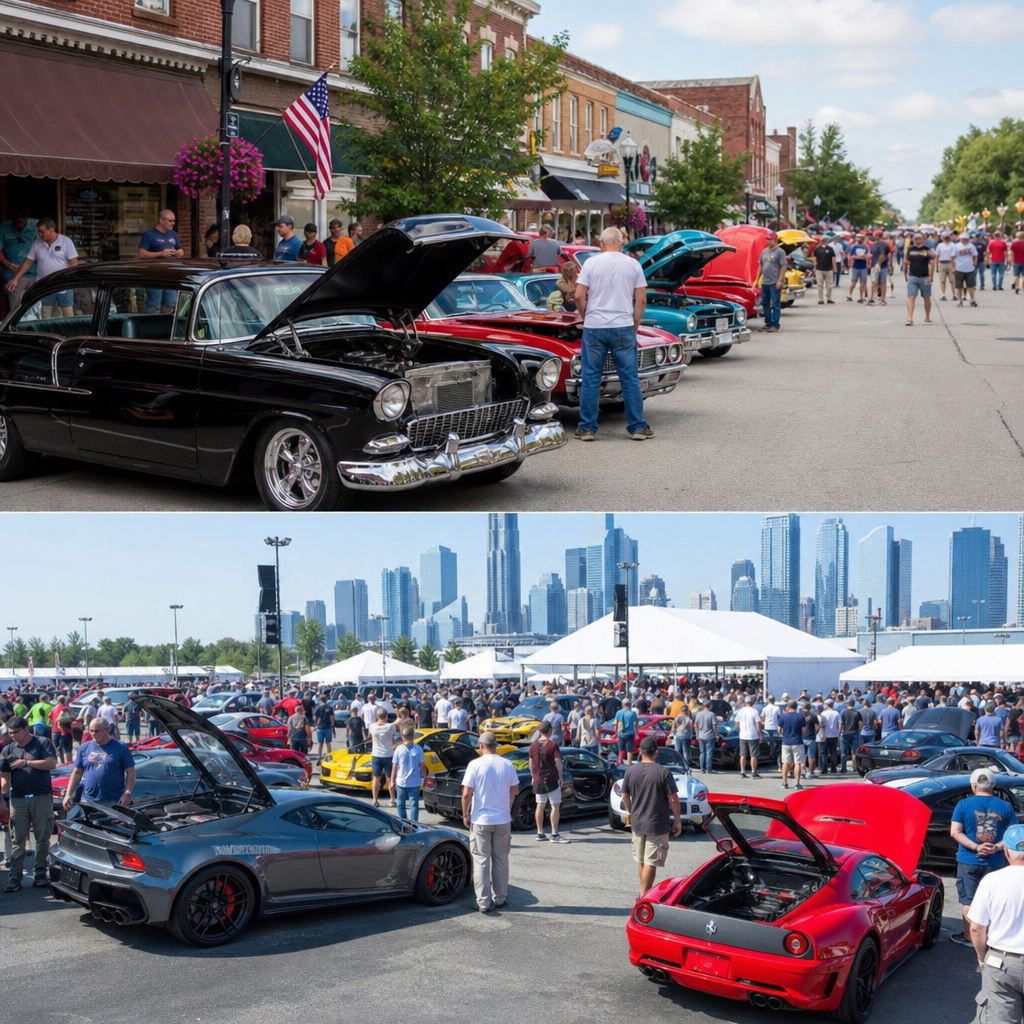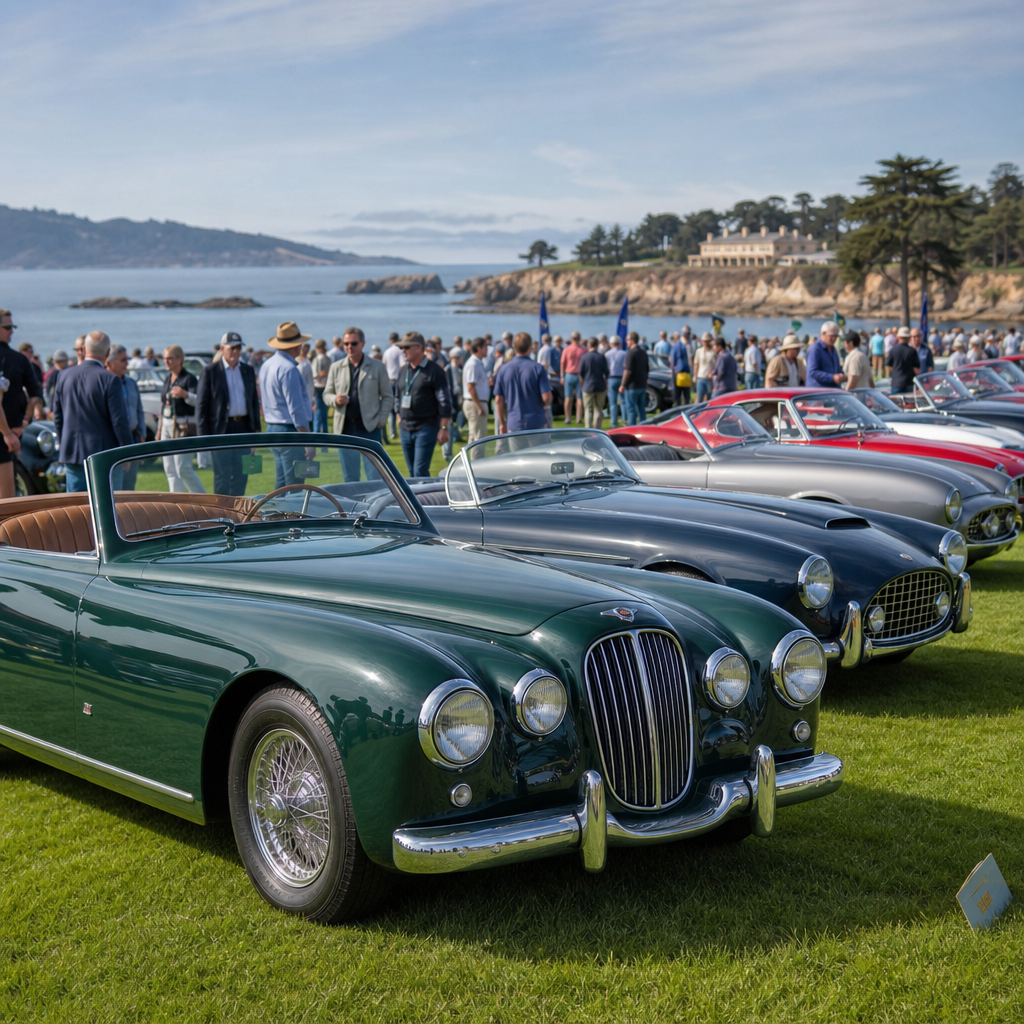
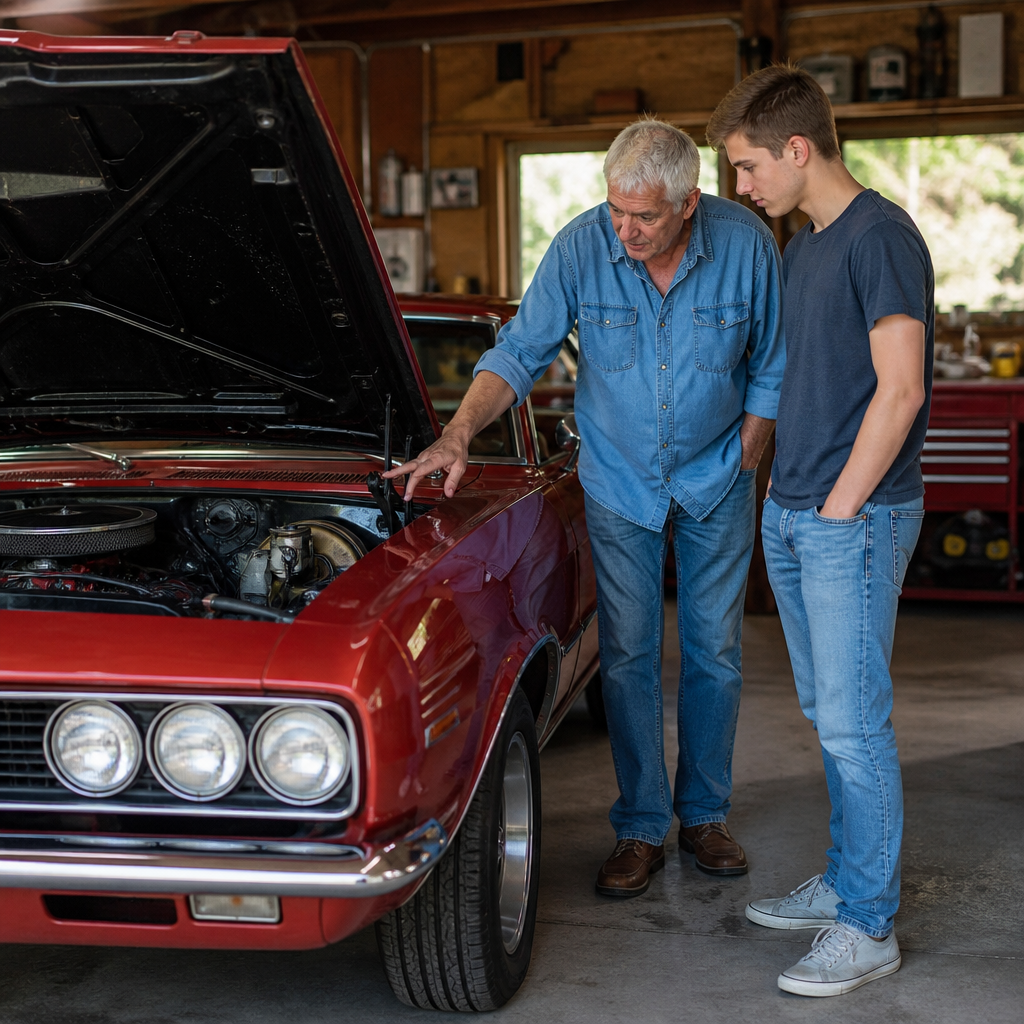
How families pass down classic cars is really a story about memory, stewardship, and planning. In collector circles, a vehicle is rarely just transportation. It can be a grandfather’s 1967 Chevrolet Chevelle, a mother’s carefully restored first-generation Ford Mustang, or a family-owned Mercedes-Benz SL that appeared at weddings, graduations, and Sunday drives for decades. When people talk about passing down a classic car, they usually mean more than transferring title. They mean preserving provenance, protecting value, and giving the next generation the knowledge needed to care for a machine with history.
That distinction matters because collector vehicles occupy a unique place between asset and heirloom. Unlike jewelry or artwork, a classic car is mechanical, regulated, and perishable. It needs storage, documentation, maintenance, insurance, and someone willing to exercise it properly. In my experience working with collector families and reviewing estate transfers, the smoothest handoffs happen when ownership, operating knowledge, and family expectations are organized long before a will is read. The worst outcomes happen when siblings inherit a car with unclear title, no service records, unpaid storage, and very different ideas about whether to sell, drive, restore, or preserve it.
For this collector stories hub, the core question is simple: what does a successful family handoff look like? The answer usually combines legal transfer, financial planning, mechanical readiness, and storytelling. A true family legacy car carries paperwork such as title records, restoration invoices, photographs, judging sheets, and period documentation. It also carries unwritten knowledge: which carburetor setting works best in summer, where rust was repaired, why the car still wears older paint, or why the family chose preservation over a full restoration. Those details shape authenticity and often market value.
Classic cars also matter because they anchor family identity. A child who learned to shift gears in a Triumph TR6 may later keep that car not for appreciation alone, but because it represents trust, patience, and time with a parent. That emotional value can either protect a car or complicate decisions around it. This article explains how families pass down classic cars in practical terms, using real collector patterns, common mistakes, and the systems that preserve both the vehicle and the story behind it.
Why classic cars become family heirlooms
Classic cars become heirlooms when repeated family use turns ownership into tradition. One generation buys the car, but the next generation gives it meaning by attaching milestones to it. I have seen a 1955 Chevrolet Bel Air become “the Christmas parade car,” a Porsche 356 become “dad’s retirement restoration,” and a 1980 Toyota Land Cruiser become the object that taught three siblings basic wrenching. In each case, the emotional file attached to the vehicle grew larger than the metal itself.
There is also a scarcity factor. Many heirloom vehicles are from eras when styling, engineering, and driving feel were distinct. A column-shift truck, air-cooled sports car, or big-block muscle coupe offers a sensory experience modern cars do not replicate. That uniqueness encourages families to preserve the original object rather than replace it. Even when values rise, owners often resist selling because they know the specific car cannot truly be duplicated, especially if it retains numbers-matching components, original colors, or long-term single-family ownership.
Collector markets reinforce heirloom status as well. Auction houses such as Mecum, RM Sotheby’s, and Barrett-Jackson routinely highlight provenance, family history, and long ownership periods because those facts increase buyer confidence. A documented single-family car generally tells a cleaner story than one with gaps in title history. Families may not intend to sell, but seeing the market reward continuity often motivates them to formalize records and protect the car for descendants.
The practical mechanics of passing down a classic car
Passing down a classic car starts with confirming legal ownership. The name on the title controls the transfer, not family assumptions. If the titled owner dies, the process usually runs through probate unless the car was placed in a trust, jointly titled where allowed, or structured with transfer-on-death provisions under state law. Because motor vehicle procedures differ by jurisdiction, families should verify rules with their state department of motor vehicles and an estate attorney rather than rely on general advice.
Title is only the beginning. A complete transfer package should include registration, insurance information, lien release if applicable, appraisal documents, maintenance records, spare keys, manuals, and any historical file. For imported classics, customs and importation records matter. For highly judged cars, marque certificates, build sheets, window stickers, and authenticity reports can materially affect value. I have seen heirs lose leverage in valuation discussions simply because critical documents were scattered across garages, filing cabinets, and email inboxes.
Families should also decide whether the car is being gifted during the owner’s lifetime or inherited after death. A lifetime gift allows the donor to train the recipient, explain quirks, and watch the transition. It may also trigger tax and insurance questions that need professional review. Inheritance may preserve a stepped-up tax basis in some jurisdictions, but it denies the family the benefit of hands-on mentorship if planning is postponed too long. The right route depends on the car’s value, the owner’s health, and the family’s goals.
| Transfer method | Best use case | Main advantage | Main risk |
|---|---|---|---|
| Lifetime gift | Owner wants to mentor next custodian | Knowledge transfer happens directly | Possible tax and insurance complexity |
| Will or probate transfer | No prior planning structure exists | Simple to understand conceptually | Can be slow and create family disputes |
| Trust ownership | High-value collection or multicar estate | Continuity and clearer management rules | Requires proper setup and administration |
| Joint ownership | Small family with aligned goals | Easy shared access in some cases | Disagreements over use, sale, and upkeep |
Documentation, provenance, and the family story file
Every family classic should have a story file, not just a folder of receipts. Provenance is the documented chain that explains what the car is, where it has been, who owned it, and what work has been performed. In the collector market, provenance affects authenticity, insurability, and resale. For families, it also prevents historical amnesia. The next owner should not have to guess whether the engine was rebuilt in 1998 or whether the repaint matches the factory trim tag.
A strong file includes title copies, prior registrations, photos from purchase through restoration, service logs, judging sheets, ownership narratives, and correspondence with restorers or marque experts. Tools like Hagerty Valuation, marque registries, and concours certification records help anchor claims with recognized sources. If the car appeared in a club newsletter, local paper, or event program, include that too. These are not sentimental extras. They are evidence that supports identity and value.
I advise families to add a plain-language owner memo. This short document should explain how the car starts, what fuel it prefers, known weaknesses, parts sources, and the family’s philosophy about originality. For example, “keep the lacquer paint despite imperfections” is a meaningful instruction. So is “the non-original Holley carburetor was installed for drivability; the original unit is boxed on shelf three.” Those notes save heirs from making avoidable decisions that erase history.
Preparing the next generation to own, drive, and maintain the car
A classic car transfer succeeds when the recipient is prepared, not merely interested. Interest is emotional; preparedness is operational. A younger family member may love a 1970 Dodge Challenger but still be unready for manual choke operation, drum brake feel, lead times for trim parts, and the cost of proper storage. Families should treat the handoff like an apprenticeship. Start with supervised driving, basic maintenance, event participation, and shared decisions about repairs.
Mechanical literacy does not require full restoration skill. It does require familiarity with the car’s systems and limitations. The next custodian should know battery cutoff procedures, tire date code checks, fluid inspection, winter storage steps, and how to spot fuel, coolant, or brake leaks early. For carbureted cars and older ignition systems, they should understand warm-up behavior and troubleshooting basics. For postwar British and Italian cars, they should be realistic about electrical gremlins and parts sourcing.
Driving instruction matters too. Many collector vehicles lack modern safety systems, have slower steering ratios, and react poorly to panic inputs. A family handoff should include road time in varied conditions, not just sunny weekend trips. I have seen valuable cars damaged because a new heir had never practiced backing with limited visibility or compensating for non-assisted brakes. Clubs such as the Antique Automobile Club of America and marque-specific organizations are useful because they pair novice owners with experienced mentors.
Money, insurance, and storage decisions families cannot ignore
Classic car sentiment can hide the carrying cost of ownership. Before a family passes down a vehicle, everyone should understand the annual expense profile: agreed-value insurance, climate-appropriate storage, battery tending, tire replacement, fuel system care, detailing, registration, and periodic specialist labor. A “free” inherited car can quickly become a financial burden if the recipient lacks garage space or lives far from a trusted shop. Honest budgeting prevents the car from becoming an obligation resented by the next generation.
Insurance deserves special attention. Standard auto policies often do not fit collector use. Specialized insurers such as Hagerty, American Collectors Insurance, and Grundy typically structure coverage around agreed value, mileage limits, storage standards, and restricted use. When ownership changes, policy terms must be updated immediately. I have encountered families who assumed a deceased owner’s collector policy remained effective during estate administration, only to learn a claim could be disputed because named insured details had changed.
Storage choices also shape whether a handoff is viable. A dehumidified private garage is ideal, but not always realistic. Professional storage can protect rare vehicles, yet distance may reduce use and family connection. If the next generation lives in an apartment or urban condo, a shared family storage arrangement may work better than forcing immediate physical possession. The right question is not “who loves the car most?” but “who can preserve it correctly for the next ten years?”
When one car means different things to different heirs
Many inheritance conflicts begin with a simple fact: one classic car can represent memory to one heir, cash value to another, and workload to a third. Families should address that difference directly. A transparent conversation while the current owner is alive is more effective than assuming sentiment will resolve competing interests later. If one child will receive the car, equalization through other assets may prevent resentment. If siblings will share ownership, rules must be written down.
Shared ownership only works when expectations are explicit. Who pays for maintenance? Can one sibling take the car to shows out of state? What happens if a major restoration is needed? Is sale allowed, and under what voting threshold? I have watched jointly inherited cars sit untouched for years because no one wanted to authorize a transmission rebuild or buy out another heir’s share. In practice, one accountable custodian with clear authority usually preserves a car better than diffuse ownership.
There is also a preservation-versus-restoration question. One heir may want concours paint and factory chalk marks; another may prefer upgrades such as electronic ignition, radial tires, or front disc brakes for safer use. Neither position is automatically wrong. The right answer depends on the car’s rarity, originality, and intended use. Families should record the current owner’s priorities so later decisions honor the vehicle’s identity rather than whichever heir speaks first after the funeral.
Collector stories that show how legacy is preserved
The strongest family handoffs usually combine planning with participation. One family I worked with kept a 1963 Corvette split-window coupe for fifty years. The father documented every NCRS judging result, every paint correction, and every part removed during preservation work. Before transferring the car to his daughter, he spent two summers teaching her startup procedure, clutch take-up, and how to speak confidently with judges and insurers. When the transfer happened, she inherited not confusion but competence.
Another example involved a 1972 BMW 2002tii owned by three generations. The car was not highly valuable compared with blue-chip classics, but it was deeply used. The family created a digital archive with scanned receipts, rally photos, and audio recordings explaining repairs. That archive mattered because the youngest owner lived in another state and relied on a specialist shop unfamiliar with the car’s history. Instead of treating the vehicle as a generic old BMW, the shop could trace prior work and preserve known-original details.
The lesson from these stories is consistent: families do not pass down classic cars successfully by accident. They do it through records, training, realistic budgeting, and direct conversations about stewardship. If your family has a collector vehicle, start now. Organize the title file, write the owner memo, review insurance, and teach the next driver how the car actually works. That simple work preserves value, reduces conflict, and keeps the story on the road for another generation.
Frequently Asked Questions
What does it really mean to pass down a classic car in a family?
Passing down a classic car usually means much more than signing over a title or handing over a set of keys. In many families, the vehicle carries decades of memories, rituals, and identity. It may be the car that appeared in wedding photos, carried children to school events, or served as the centerpiece of weekend drives and local car shows. Because of that, inheritance is often as emotional as it is legal. The next owner is not simply receiving property; they are becoming the steward of a family artifact.
That stewardship includes preserving the car’s condition, history, and story. Families often pass down maintenance records, restoration receipts, photographs, trophies, and personal recollections along with the vehicle itself. Those details help future generations understand why the car mattered and how it was cared for. A well-documented classic tends to retain more collector value, but just as important, it preserves the emotional context that makes the car special within the family.
In practical terms, passing down a classic car also involves planning for ownership, storage, insurance, maintenance, and long-term costs. The heir should understand what it takes to keep the car running properly and what standards should be followed if repairs or restoration are needed. When families approach the transfer thoughtfully, they protect both the financial value of the car and the family legacy attached to it.
How can families prepare a classic car for a smooth transfer to the next generation?
The best transfers are usually the ones planned well before they become necessary. Families should start by organizing all critical documents related to the vehicle, including the title, registration, insurance records, service history, restoration invoices, appraisals, parts lists, and any provenance that supports the car’s history. If the vehicle has a notable story, such as original ownership, a rare trim package, or documented appearances at family milestones, that information should be written down and stored with the records. Clear documentation reduces confusion and makes the transition easier for heirs.
It is also wise to get the car into stable mechanical and cosmetic condition before the transfer. That does not always mean a full restoration. In many cases, a well-maintained original car with honest wear is more meaningful and sometimes more desirable than one that has been over-restored. What matters is that the next generation receives a car that has been responsibly cared for and accompanied by accurate information about its condition, quirks, and needs. A written maintenance summary can be especially helpful, noting things like fluid change intervals, battery procedures, tire age, start-up routines, and known issues.
Finally, families should discuss expectations openly. One child may want to drive and preserve the car, while another may feel unable to take on the responsibility. These conversations help prevent disputes and allow the current owner to make informed estate decisions. When everyone understands the plan in advance, the handoff feels less like a burden and more like a meaningful continuation of the car’s place in the family.
What legal and estate planning steps should be considered when inheriting a classic car?
Legal planning is one of the most important parts of passing down a classic car, because sentimental value does not eliminate paperwork. At minimum, the owner should make sure the title is current and clearly reflects ownership. Beyond that, the car should be specifically addressed in a will, trust, or other estate planning document rather than left to general assumptions. Naming the intended recipient directly can help avoid disagreements, especially if the vehicle is one of the most valuable or emotionally significant assets in the estate.
Families should also think about valuation. A classic car may be worth far more than relatives realize, particularly if it is rare, numbers-matching, or restored to a high standard. A professional appraisal can be useful for estate planning, insurance, tax considerations, and fairness among heirs. If one sibling receives the car, an updated valuation can help balance the estate in other ways. In some cases, a trust structure may offer a clean way to manage ownership, especially if multiple family members are meant to enjoy the car over time.
Because vehicle inheritance rules vary by state, province, or country, it is smart to consult an estate attorney and, if needed, a tax professional. They can advise on transfer procedures, probate issues, registration requirements, and any taxes or fees that may apply. This is particularly important if the car is stored in one state but owned by someone in another, or if the vehicle has collector value high enough to affect broader estate decisions. A little planning upfront can prevent expensive and emotional complications later.
Should the next generation restore the car, preserve it, or keep it as original as possible?
The right answer depends on the car’s condition, history, and purpose within the family. In many cases, preservation is more appropriate than full restoration. A classic car with original paint, factory materials, and visible signs of long family use may tell a richer story than one that has been completely refinished. Originality is often valued in collector markets, and from a family perspective, it can preserve the exact look and feel that earlier generations remember. The worn steering wheel, the aged upholstery, or the small imperfections in the paint may be part of the car’s identity.
That said, preservation does not mean neglect. Safety and mechanical reliability should always come first. Brake systems, fuel lines, tires, cooling systems, and electrical components may need attention even on a largely original car. A careful mechanical refresh can allow the vehicle to be driven and enjoyed without erasing its character. If restoration is necessary because the car has severe rust, accident damage, or deteriorated materials, it should be approached with restraint and documentation. Using correct parts, period-appropriate finishes, and experienced restoration specialists helps maintain integrity.
Families should also consider how the car will be used. A vehicle intended for concours competition may require a different approach than one meant for occasional Sunday drives and family gatherings. The most important principle is intentionality. Whether the car is restored, preserved, or sympathetically repaired, the decision should reflect respect for the car’s history and for the family memories connected to it.
How can families keep the story and legacy of a classic car alive after it changes hands?
The easiest way to preserve a classic car’s legacy is to treat its story as part of the inheritance. That means saving more than technical records. Families should gather old photographs, registration cards, handwritten notes, event programs, restoration albums, and even simple anecdotes about how the car was used. A short written history can become one of the most valuable items passed down with the vehicle. It might explain when the car was bought, who drove it most, what work was done over the years, and why it mattered to the family. These details turn the car from an object into a living thread between generations.
It also helps to create new traditions around the vehicle. Some families bring the car out for reunions, graduations, anniversaries, and holiday drives. Others display it at local shows, maintain a scrapbook, or record video interviews with older relatives discussing its history. These practices keep the car visible and relevant instead of letting it become a forgotten storage item. In many cases, the emotional connection grows stronger when younger family members are invited to participate in maintenance, cleaning, and driving.
Long-term legacy also depends on good stewardship. The new owner should continue documenting service work, store the car properly, maintain appropriate collector insurance, and update the family archive as new memories are made. When a family classic is treated with care and intention, it can become more than inherited property. It becomes a durable piece of family history that continues to connect past, present, and future.