Classic car collecting is driven by more than polished chrome and rising auction prices; it is powered by memory, identity, craftsmanship, community, and the human desire to preserve machines that once defined everyday life. In the classic car world, a “collector” can mean a concours-level restorer with climate-controlled storage, a weekend hobbyist who keeps one beloved survivor, or a family caretaker holding onto a grandfather’s truck. “Collector stories” are the personal narratives behind those vehicles: why someone bought a 1967 Mustang fastback, why another spent ten years rebuilding a Jaguar E-Type, or why a retired mechanic refuses to sell his unrestored Chevrolet C10. As someone who has spent years talking with owners at local shows, auctions, restoration shops, and marque club events, I have learned that the car itself is only half the story. The real engine is motive. Understanding what drives people to collect classic cars matters because it explains buyer behavior, restoration decisions, club culture, and even how automotive heritage is passed to the next generation. It also helps new enthusiasts see that collecting is not reserved for the wealthy or the obsessive. People collect classics for emotional reasons, practical reasons, historical reasons, and social reasons, often all at once. This hub article explores the major motivations behind classic car collecting and shows how collector stories reveal the deeper values of classic car culture and lifestyle.
Nostalgia, memory, and personal identity
The strongest force in classic car collecting is usually nostalgia. Many collectors are not chasing a generic “old car” feeling; they are looking for a specific memory made tangible. A buyer in his sixties may search for the same 1969 Camaro he drove in high school, down to the paint code and transmission. A woman may restore the Volvo wagon her parents used for summer holidays because it represents safety, family routine, and childhood freedom. In interviews, collectors often describe the purchase moment in emotional rather than technical terms: “It smelled like my dad’s garage,” or “The dashboard looked exactly how I remembered it.” Those details matter because memory is sensory. The thin steering wheel, the click of a metal door latch, and the mechanical feel of an unsynchronized gearbox anchor identity in a way modern digital interfaces rarely do.
Classic cars also help people express who they are, or who they believe they have always been. A prewar Packard collector may value formal elegance and historical design. A muscle car owner may connect with performance, rebellion, and American industrial confidence. An air-cooled Porsche collector often appreciates engineering purity and driver involvement. These are not stereotypes so much as recurring patterns. In practice, owners select vehicles that align with self-image, family history, regional culture, or aspirations. That is why collector stories are central to this subtopic: the personal narrative often explains the car choice better than market data ever could.
The satisfaction of preservation and restoration
For many people, collecting classic cars is an act of preservation. They see themselves as custodians, not simply owners. This mindset is common among people who buy rare trim-specific models, low-production variants, or vehicles with documented provenance. A 1970 Plymouth ’Cuda convertible, a first-generation Ford Bronco in original paint, or a Citroën DS with period-correct hydraulic components is preserved because it represents a chapter of design and manufacturing history. Collectors know that once incorrect modifications, rust, or neglect erase originality, those details are difficult or impossible to recover.
Restoration adds another motivation: mastery. Bringing a deteriorated car back to life is intellectually and physically satisfying. Owners source new old stock parts, decode trim tags, rebuild carburetors, align body panels, and consult factory workshop manuals. The work can take years and often costs more than the finished vehicle is worth on paper. Yet collectors continue because the process itself is rewarding. I have watched owners explain a freshly zinc-plated fastener or a correctly dated hose clamp with more pride than the exterior paint. That pride comes from solving problems and honoring craftsmanship. In collector stories, the restoration journey often matters more than the result, especially when the car was rescued from a field, inherited from family, or rebuilt alongside a child or spouse.
Investment value, scarcity, and market psychology
Money is part of the story, but it is rarely the whole story. Some people collect classic cars because they believe certain vehicles will appreciate, hedge inflation, or diversify wealth outside equities and property. Auction houses such as RM Sotheby’s, Gooding Christie’s, Bonhams, and Mecum have helped formalize the market by publishing sale results that influence expectations. Insurance providers like Hagerty track price movements across segments, from blue-chip Ferraris to emerging modern classics. Scarcity drives value: limited-production homologation cars, special coachbuilt models, and highly original examples with complete documentation often command premiums.
Still, serious collectors understand that classic cars are not effortless investments. Storage, maintenance, transport, insurance, restoration, and market timing all affect returns. The highest prices usually go to the best examples: correct numbers-matching drivetrains, known ownership history, factory options, and expert restoration. A buyer who overpays for an average car, or modifies a historically important model without care, can erase future value. That is why smart collector stories include caution. People who succeed financially usually collect within their knowledge base, buy the best example they can afford, and verify authenticity before purchase. They treat passion and discipline as equally necessary. In plain terms, the cars that hold value best are the ones other knowledgeable enthusiasts will still want ten years from now.
Community, belonging, and shared knowledge
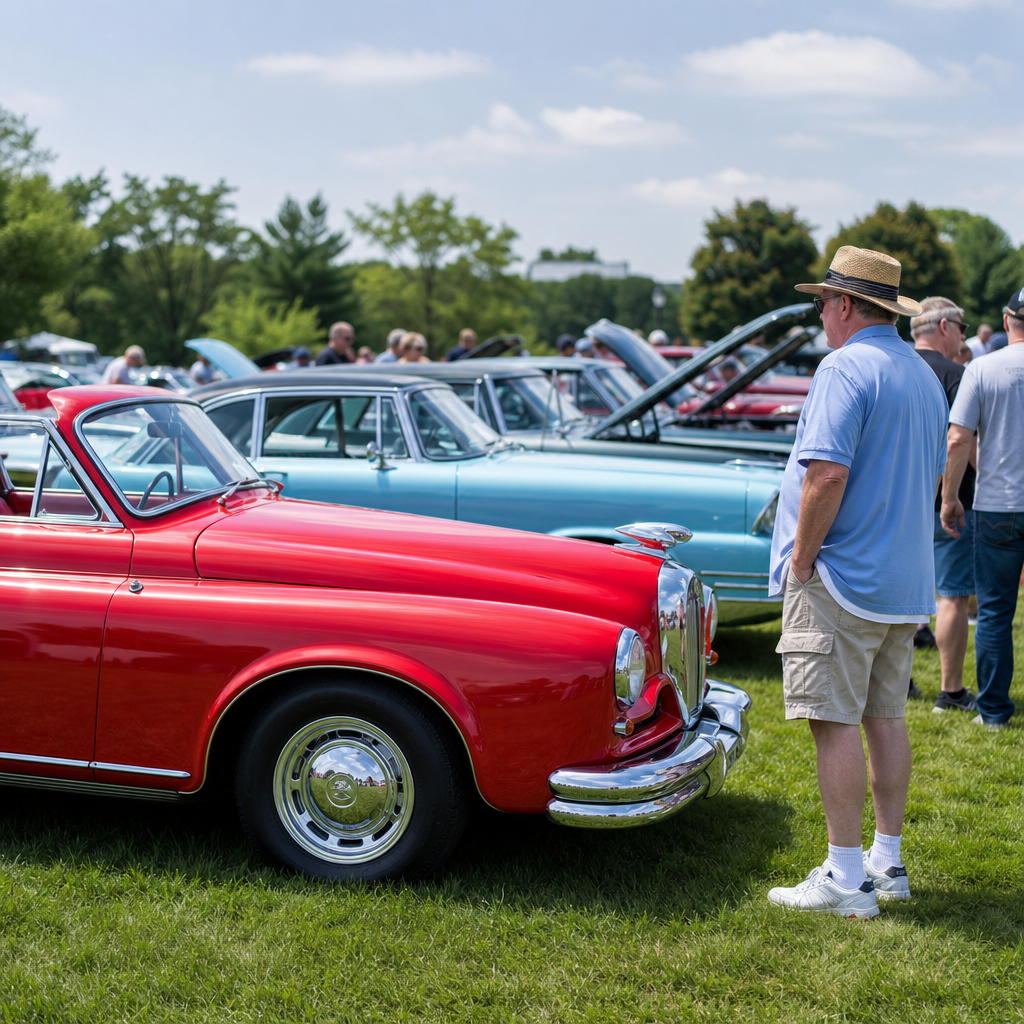
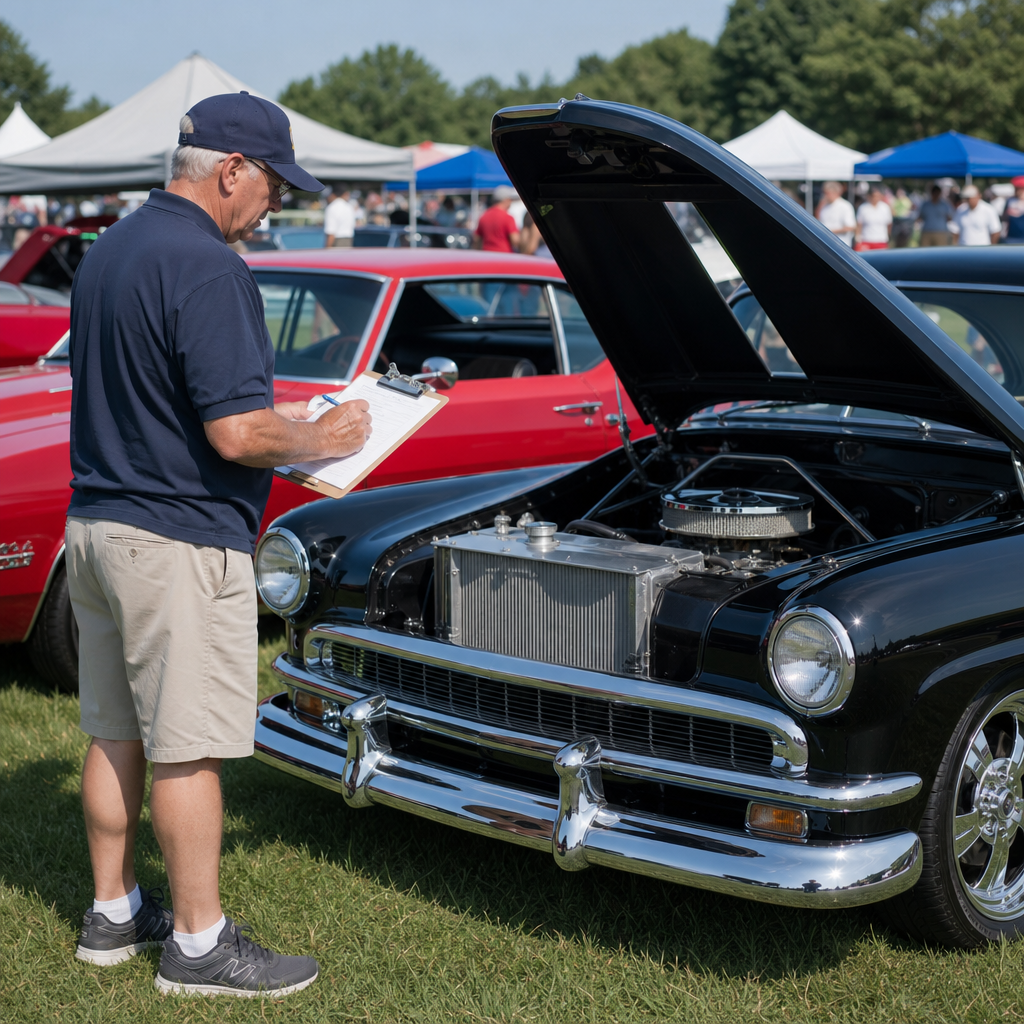
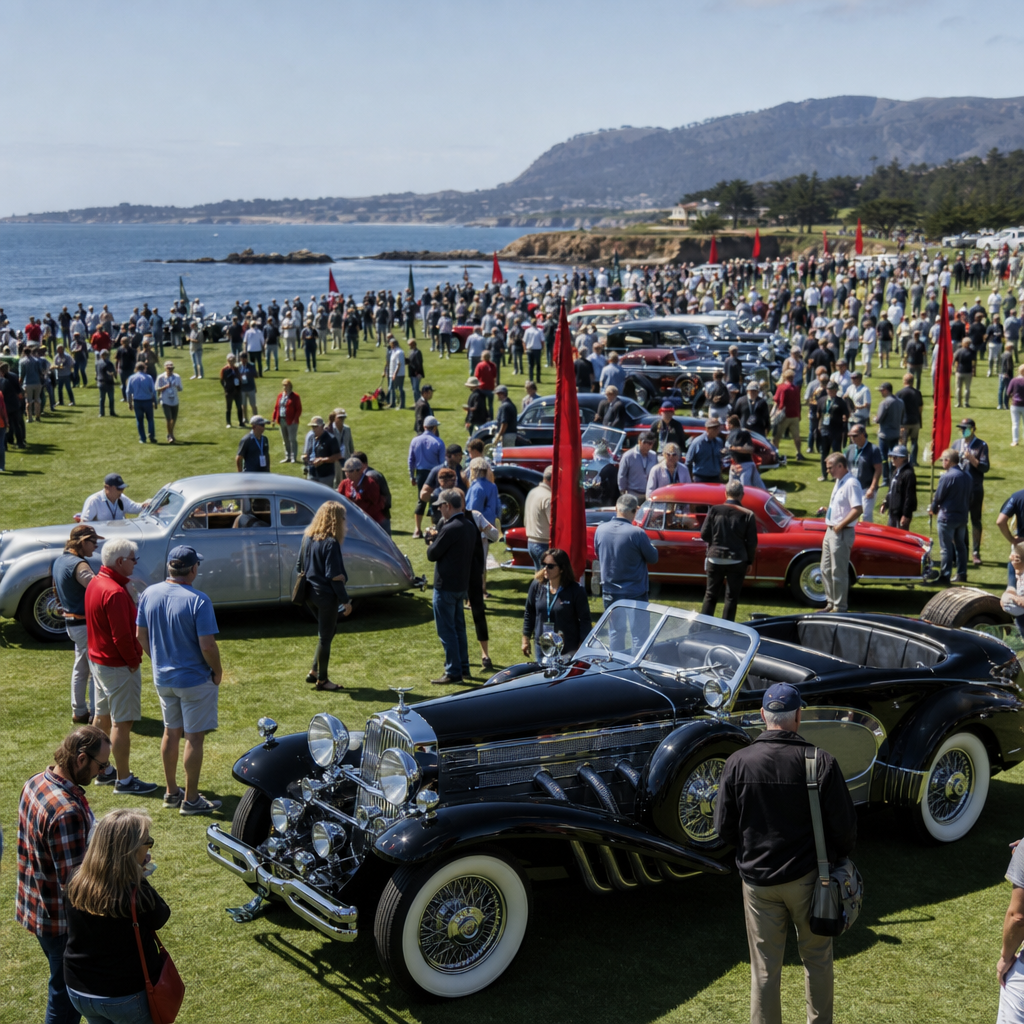
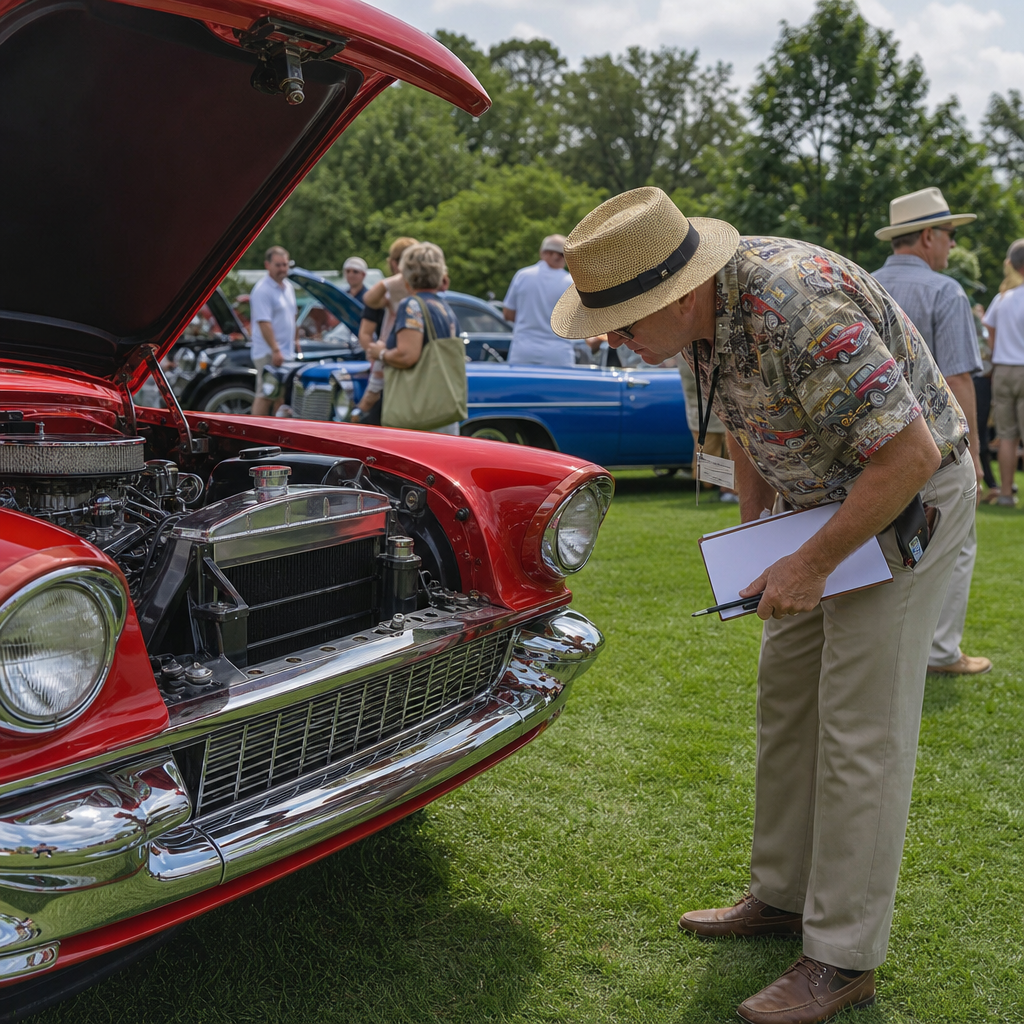
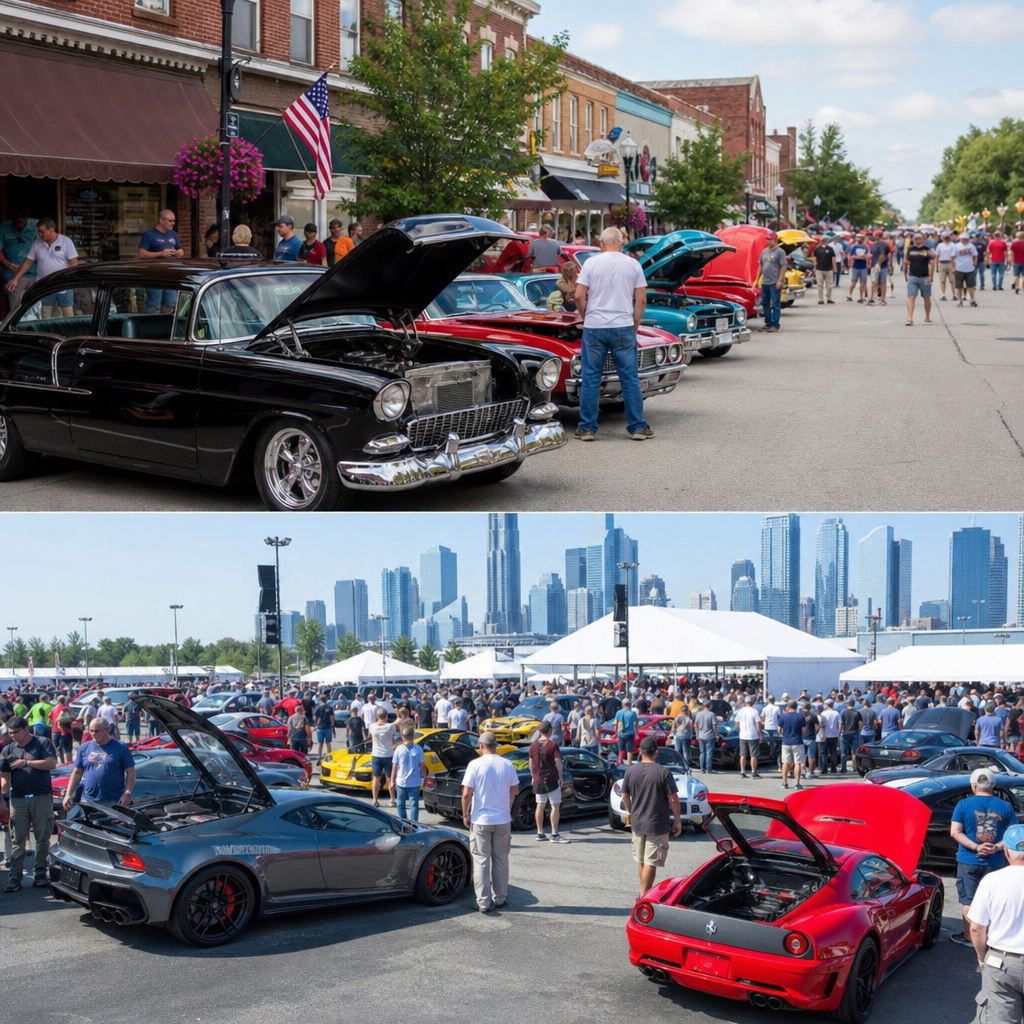
Classic car collecting is deeply social. Owners may begin alone, but most stay because of community. Car shows, rally tours, local cruise nights, marque-specific clubs, online forums, and restoration networks create a sense of belonging that modern ownership often lacks. A collector with a Triumph TR6 can find advice on Lucas electrics from someone who has solved the same issue five times. A Buick GS owner may join a club to confirm factory color combinations or track down correct wheels. These communities preserve institutional knowledge that manuals do not fully capture.
Collector stories often begin with a car and expand into friendships, mentorships, and family traditions. I have met owners who bought one classic intending to flip it, then stayed in the hobby because older members taught them welding, paint preparation, or how to read a build sheet. Others attend events because the cars create easy conversation across age, class, and profession. One person may arrive in a six-figure Mercedes-Benz 300SL, another in a modestly restored MG Midget, yet both can discuss sourcing rubber seals or the smell of old vinyl. That equalizing effect is a core part of classic car culture and lifestyle.
| Primary motivation | What collectors usually seek | Typical example |
|---|---|---|
| Nostalgia | A car linked to family, youth, or a life milestone | Rebuying the model owned in college |
| Preservation | Originality, documentation, historical accuracy | Saving a rare trim-level survivor |
| Restoration challenge | Hands-on work, problem solving, craftsmanship | Completing a frame-off rebuild over several years |
| Investment | Scarcity, provenance, market upside | Buying a limited-production homologation model |
| Community | Clubs, events, friendships, shared expertise | Joining a marque club after purchasing a first classic |
Driving experience and mechanical authenticity
Many collectors are motivated by the way classic cars feel on the road. Older vehicles deliver a level of mechanical authenticity that modern cars often filter out. Steering is heavier and more communicative. Brakes may require planning. Manual gearboxes demand timing and attention. Engines transmit vibration, smell, and sound directly into the cabin. These characteristics can be inconvenient in traffic, but they create a sense of participation that enthusiasts value. A 1960s Alfa Romeo twin-cam, a small-block V8 in a lightweight coupe, or a classic Land Rover with its upright driving position each provides a distinct operating experience impossible to duplicate through software tuning.
This is why collector stories frequently describe the first drive in vivid detail. Owners remember the long hood stretching ahead, the exhaust echo on a tunnel wall, or the way strangers smiled at a fuel stop. They are not only collecting an object; they are collecting a kind of motion, a pace, and a conversation between person and machine. In practical terms, this motivation also shapes buying choices. Some collectors prioritize cars that are easy to use on tours and weekend drives, while others accept quirks in exchange for character. Neither approach is wrong. The point is that driving experience remains one of the clearest answers to what drives people to collect classic cars.
Status, taste, and cultural meaning
Classic cars also carry social meaning. Certain vehicles signal taste, expertise, affluence, or subcultural loyalty. A meticulously restored Mercedes-Benz W113 “Pagoda” communicates understated sophistication. A period-correct Japanese sports coupe may signal deep knowledge of an emerging collector segment. An owner of a wood-bodied station wagon may be expressing affection for Americana and craftsmanship rather than performance. These signals are real, even when owners do not state them directly.
However, status in classic collecting is more nuanced than simple display. Within enthusiast circles, knowledge often matters as much as money. A collector who can explain factory production changes, chassis numbering, or coachbuilder history earns credibility quickly. That is why humble cars with rich stories can attract enormous respect. A one-family pickup with original paperwork may generate more conversation than an expensive but generic showpiece. Collector stories give these cars cultural weight by connecting them to place, labor, design, and lived experience. They transform objects into artifacts.
Family legacy and intergenerational connection
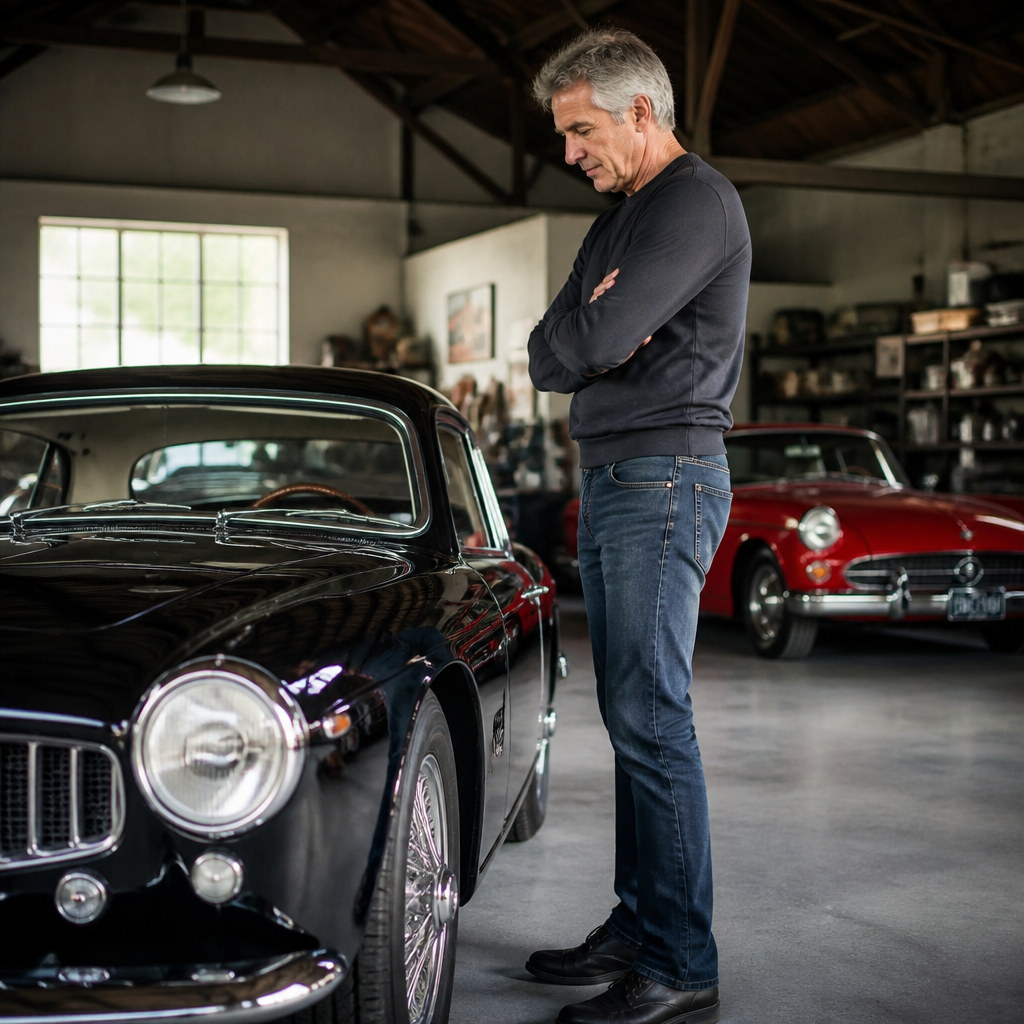
One of the most durable motivations in this hobby is legacy. Cars are unusually effective family heirlooms because they combine utility, memory, and ritual. A watch can be passed down, but a classic car can be driven, repaired, photographed, and shared across generations. Families often keep cars because they belonged to a parent, marked a marriage, supported a business, or survived a migration story. In these cases, collecting becomes stewardship of family history.
Intergenerational learning is equally important. Grandparents teach grandchildren how to gap spark plugs, polish chrome, or interpret a mechanical noise. Parents bring children to shows, where the cars become entry points into broader lessons about design, economics, and history. I have seen teenagers become interested in engineering because they helped rebuild a carburetor on a 1950s sedan. That transfer of knowledge is one reason classic car culture remains resilient even as tastes change. Younger collectors may favor 1980s and 1990s vehicles, but the underlying impulse is familiar: preserve a meaningful machine and the story attached to it.
How collector stories shape the wider classic car culture
Collector stories matter beyond individual ownership because they influence what the market values, what restorers prioritize, and what the public remembers. When owners share detailed histories, they create reference points for future buyers, journalists, club registrars, and historians. A documented ownership chain can authenticate provenance. A well-told restoration diary can help others avoid mistakes. A family story can elevate an ordinary car into a culturally important one because it shows how that model fit into real life.
That is why this hub topic deserves comprehensive attention. Anyone exploring classic car culture and lifestyle will eventually encounter stories of first cars, inherited projects, barn finds, auction disappointments, and road-trip triumphs. Those narratives explain why some collectors preserve patina while others pursue concours perfection, why some buy for emotion and others for rarity, and why the hobby continues despite cost and effort. If you are building your own place in this world, start by listening to owners, asking how they found their cars, and noticing which stories stay with you. The answer to what drives people to collect classic cars is rarely singular. It is a layered mix of memory, meaning, craft, community, and motion. Understanding those motives will make you a better buyer, a better steward, and a more engaged participant in the culture. Explore more collector stories, attend a local event, and let the people behind the cars teach you what the metal alone cannot.
Frequently Asked Questions
Why do people collect classic cars in the first place?
People collect classic cars for reasons that go far beyond appearance or investment potential. For many, a classic car represents a personal connection to a different time in life: a parent’s station wagon, a first car from high school, a truck that worked on the family farm, or the model they dreamed about but could not afford when it was new. That emotional link is often the real starting point. A collector may be motivated by nostalgia, but also by identity. The vehicle becomes a reflection of taste, values, and personal history.
There is also a strong appreciation for craftsmanship. Many classic cars were built in ways that are easier to see, hear, and feel than modern vehicles, from the sound of a carbureted engine to the mechanical simplicity of analog gauges and steel bodywork. Collectors often admire the engineering, design language, and materials of a specific era. Some are drawn to tailfins and chrome, others to muscle car power, elegant prewar styling, or the utility of old pickups and wagons. In that sense, collecting is part historical preservation, part mechanical curiosity, and part personal passion.
Just as important, classic car collecting gives people a sense of purpose and enjoyment. Restoring, maintaining, researching, and sharing these vehicles can be deeply satisfying. The hobby invites people to learn skills, hunt for parts, attend shows, join clubs, and connect with others who understand the appeal. So while polished paint and auction headlines get attention, the true drivers are usually memory, meaning, pride of ownership, and the desire to keep a piece of automotive history alive.
Is classic car collecting mainly about money and investment?
No, not for most people. While certain rare models can appreciate in value and the high-end auction world gets a lot of publicity, the majority of collectors are not entering the hobby as pure investors. Many spend more on purchase, storage, maintenance, insurance, restoration, and sourcing correct parts than they will ever recover in profit. In practical terms, classic cars are often passion assets rather than straightforward financial assets.
That said, value does matter. Collectors usually want to make informed choices, especially when deciding between preserving an original survivor, performing a full restoration, or buying a car that is already finished. Market value can influence what gets saved, what parts are worth sourcing, and whether a project is realistic. Rarity, originality, provenance, condition, and historical significance all affect a car’s monetary worth. But even then, financial value is only one layer of the story.
For many owners, the real return comes from experience. A classic car may serve as a rolling family archive, a hands-on technical hobby, a source of community, or a way to honor a previous generation. A person who keeps a grandfather’s truck is not necessarily measuring return on investment in dollars. They may be preserving a memory, maintaining a legacy, and keeping a meaningful machine in the family. In the classic car world, emotional value frequently outweighs market value.
What kinds of people are considered classic car collectors?
The term “collector” is much broader than many people assume. It does not apply only to wealthy owners with large garages and museum-quality restorations. In reality, a collector can be someone with a single cherished vehicle, someone who spends weekends repairing a driver-grade coupe, or someone preserving a family heirloom that may never see a judged show field. The common thread is not the size of the collection, but the intention to care for, preserve, and value the vehicle beyond ordinary transportation.
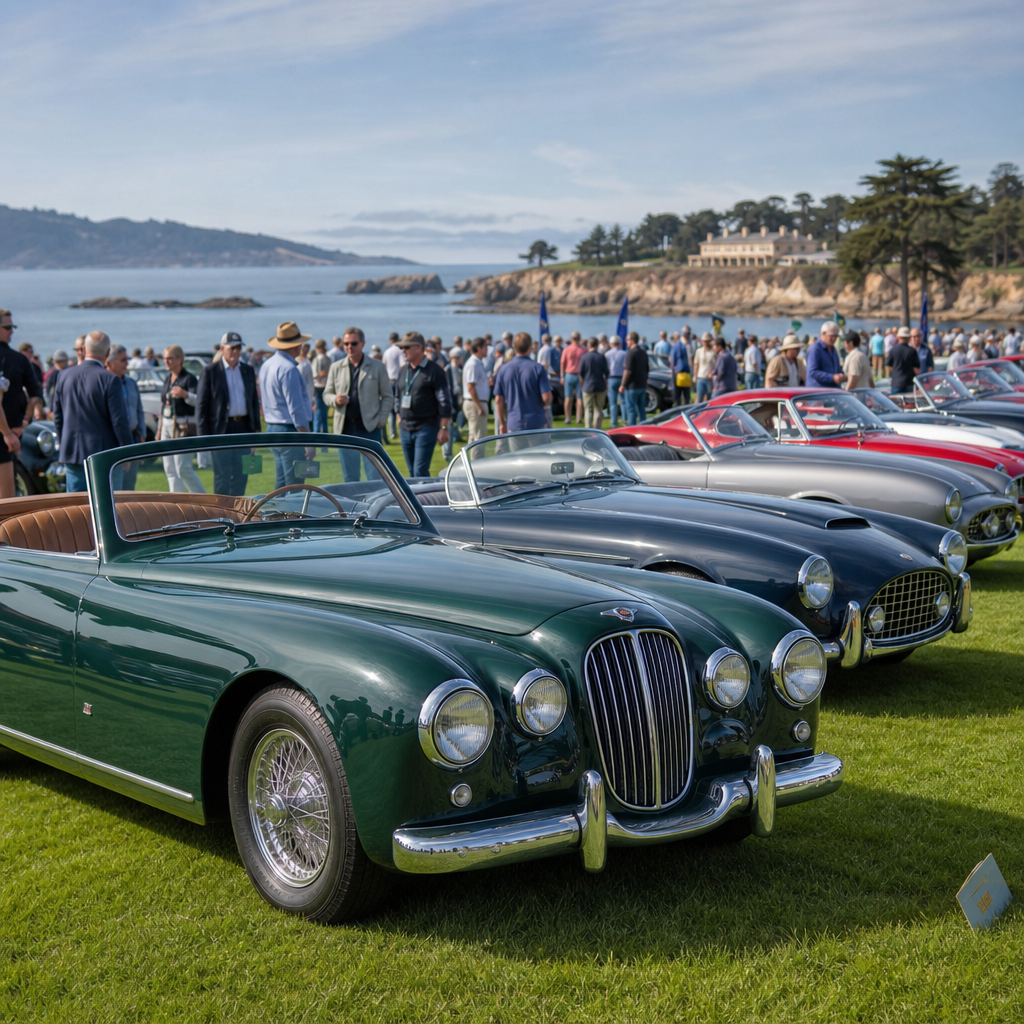
At one end of the spectrum are concours-level collectors who pursue factory-correct authenticity, documented history, and elite restoration standards. At the other end are hobbyists who simply love old cars and want to keep one running and on the road. There are also niche enthusiasts focused on specific brands, eras, body styles, racing history, or regional vehicles. Some collect muscle cars, some favor orphan brands, some restore vintage trucks, and some specialize in overlooked everyday cars that tell a more ordinary but equally important story.
Family caretakers are a particularly meaningful part of the collector world. These are people who may never describe themselves as collectors, yet they preserve vehicles because of what those machines represent. A sedan, truck, or coupe handed down across generations can become a physical link to family identity and memory. In that sense, collecting is not always about acquiring more cars. Sometimes it is about being the steward of one important vehicle and understanding its place in a larger personal narrative.
How much of classic car collecting is driven by nostalgia and personal stories?
Nostalgia is one of the strongest forces in classic car collecting, but it is not shallow sentimentality. It often operates as a deep emotional and cultural memory. A car can remind someone of childhood road trips, learning to drive, dating, military service, a parent’s routine, or the look and feel of daily life in another era. Because automobiles were woven into ordinary family and community experiences, they tend to carry unusually vivid associations. Smells, sounds, colors, and driving sensations can trigger memories in ways few other objects can.
Personal stories are what give classic car collecting its human depth. Two identical vehicles can have very different meaning depending on who owned them, where they were used, and what memories are attached to them. One collector may want a fully restored example of the exact make and model their mother drove. Another may preserve a worn but original truck because it still carries the marks of decades of family work. These stories influence restoration decisions, preservation choices, and even whether a car is driven, shown, or simply kept safe.
This is why “collector stories” matter so much. They explain the motivations behind ownership in a way auction descriptions and spec sheets cannot. In many cases, the story is the real reason the car survives at all. Nostalgia may bring someone into the hobby, but memory, family significance, and a sense of stewardship are often what keep them committed over time. Classic cars endure because they are not just machines; they are vessels for biography, place, and shared experience.
Why is preserving classic cars important to collectors and to history?
Collectors often see themselves as caretakers of history, not merely owners of old vehicles. Classic cars capture the design priorities, engineering solutions, materials, and social values of the periods in which they were built. They show how people traveled, worked, expressed status, and imagined progress. Preserving them helps keep that history tangible. Unlike photographs or brochures, a surviving vehicle can be experienced physically: the weight of the doors, the simplicity of the controls, the visibility, the noise, and the mechanical feel all reveal something about everyday life in another time.
Preservation is also important because many of these vehicles were once ordinary, and ordinary objects are often the first to disappear. Not every meaningful classic is a rare exotic or a famous performance car. Family sedans, work trucks, base-model coupes, and local utility vehicles can tell just as much about the past as headline-making collector cars. When people save these machines, they preserve a fuller and more democratic record of automotive culture. That makes the hobby valuable not only to enthusiasts, but also to historians, families, and communities.
For collectors themselves, preservation creates continuity. It allows skills to be passed down, stories to be retold, and traditions to remain visible in a fast-changing world. The act of maintaining a classic car can be a way of respecting labor, honoring craftsmanship, and resisting the disposable mindset of modern consumer culture. Whether the vehicle is a show-winning restoration or a well-loved survivor, preserving it affirms that these machines still matter—not just as objects of beauty, but as lasting evidence of how people lived, worked, and remembered.