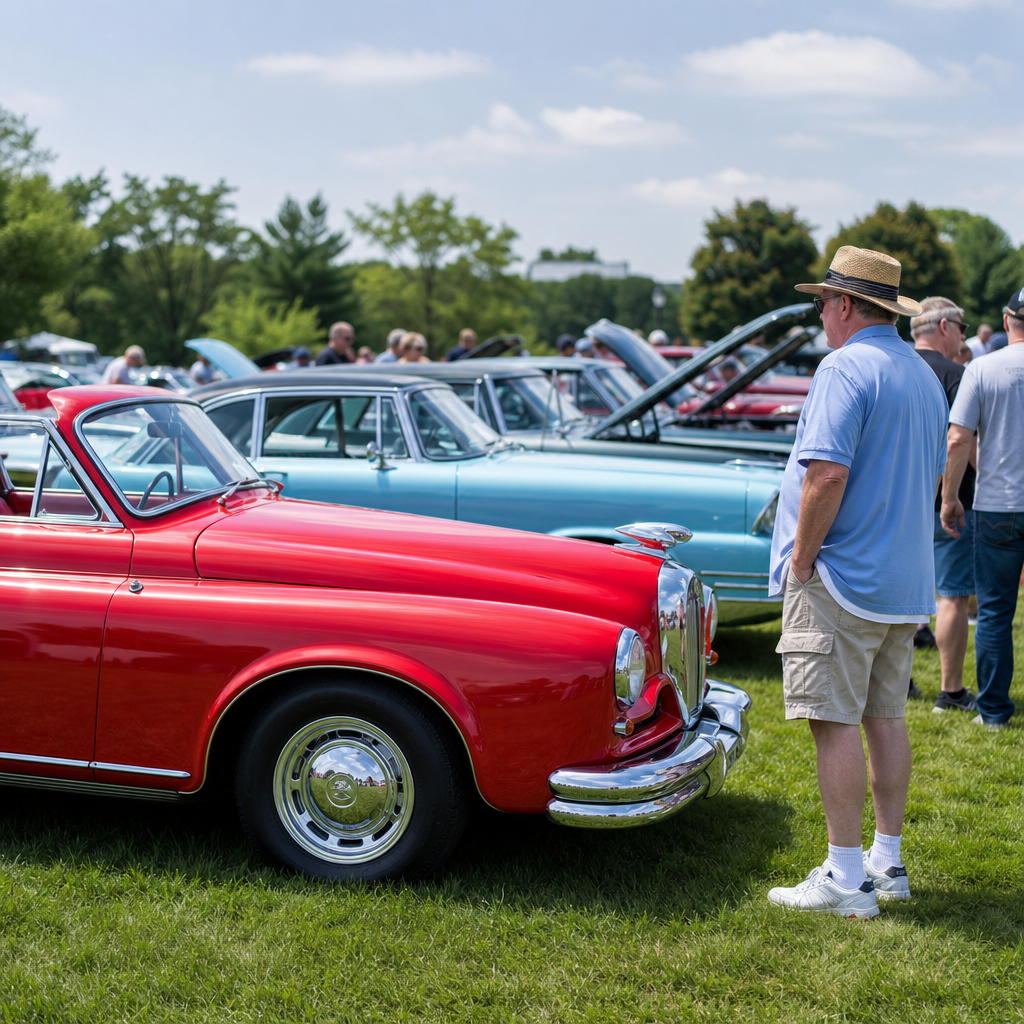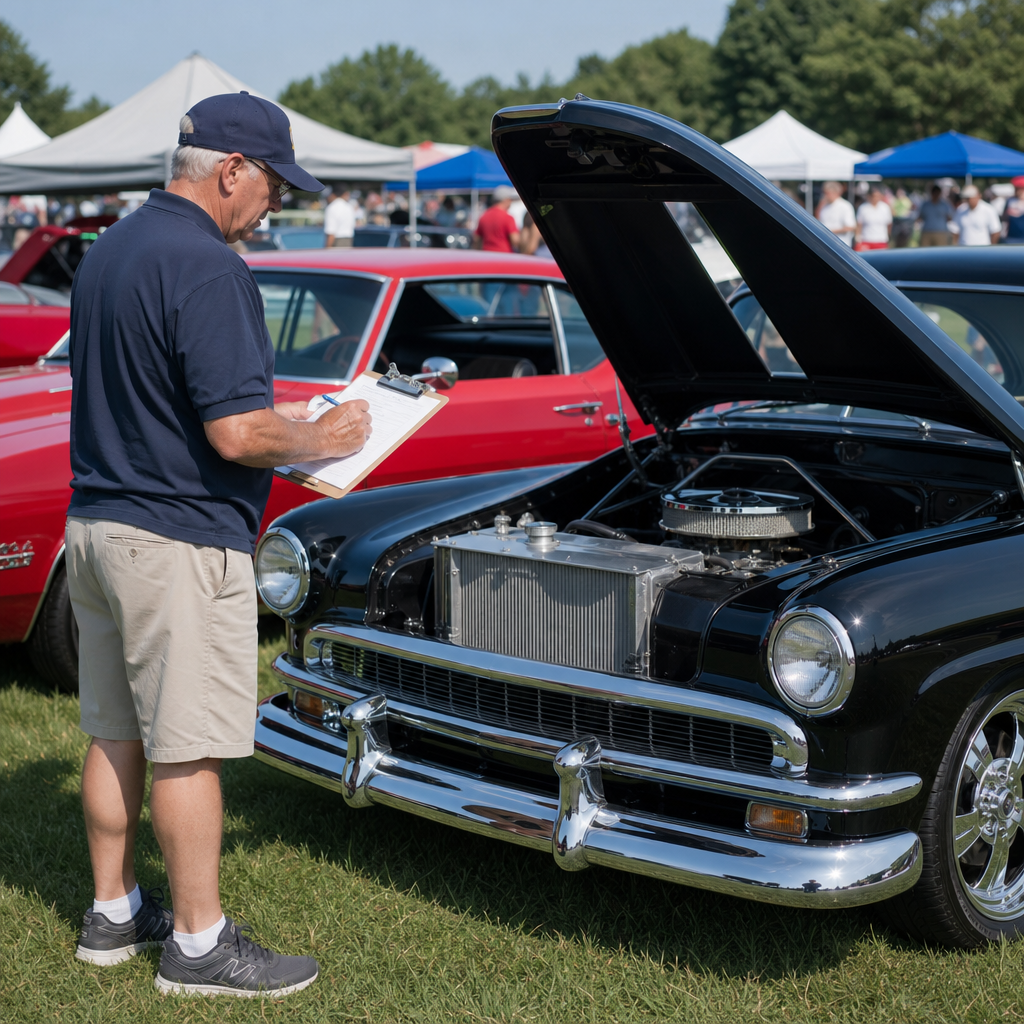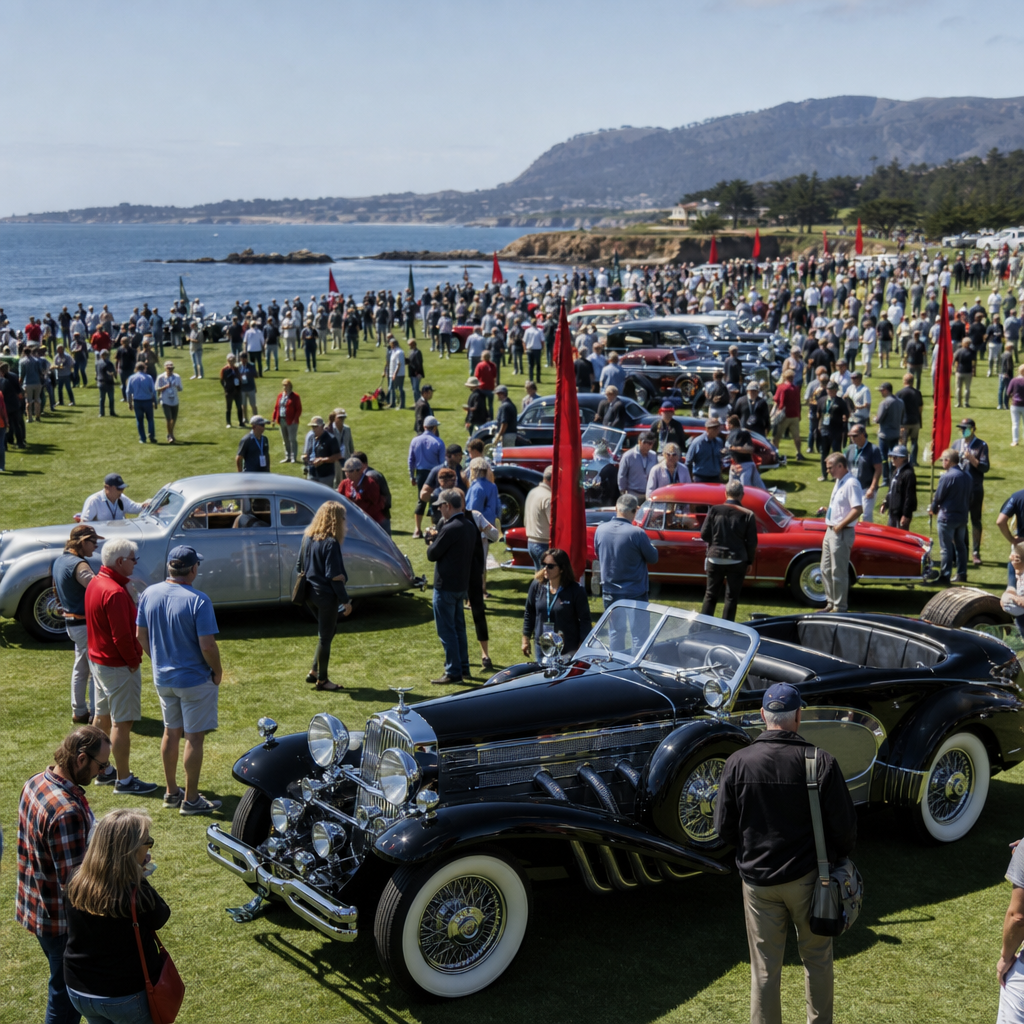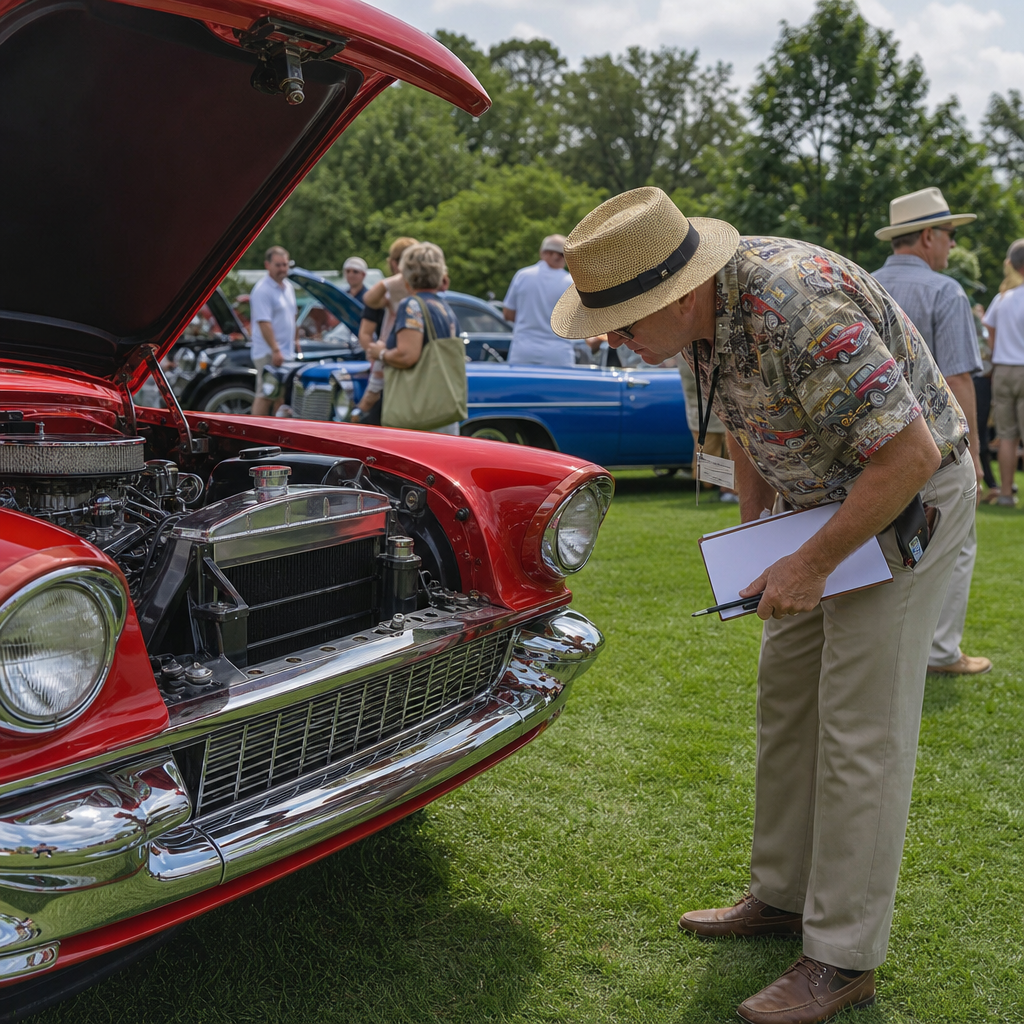
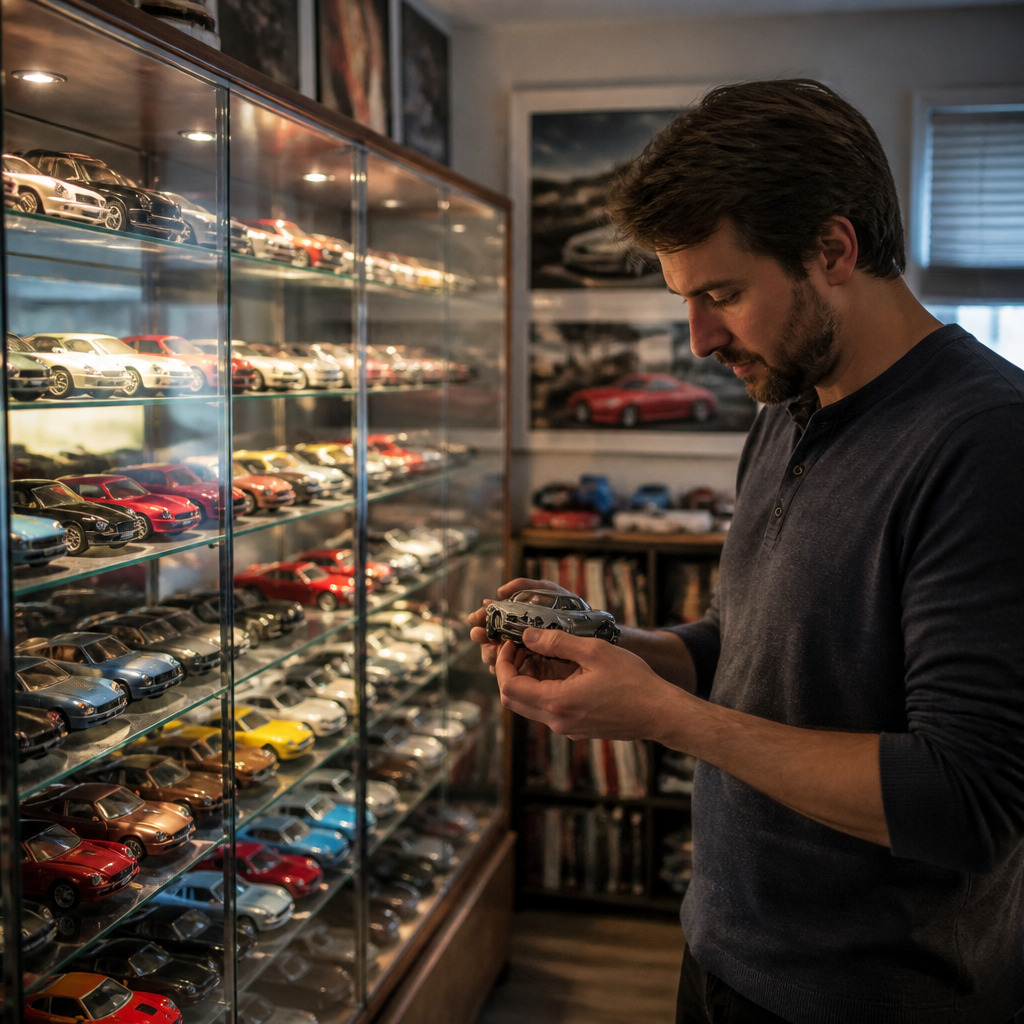
Every serious classic car collection starts with a single emotional decision: someone sees, drives, restores, or inherits a machine that turns curiosity into commitment. In classic car culture, collector stories matter because they show how enthusiasm becomes knowledge, how ownership becomes stewardship, and how ordinary buyers become trusted voices inside a highly specialized community. This hub on collector stories is designed for readers moving from casual interest to informed collecting, with practical insight drawn from real enthusiast journeys, common milestones, and the decisions that shape a collection over time.
A beginner collector is not simply a first-time buyer. The term usually describes someone learning how to evaluate originality, mechanical condition, provenance, parts availability, and market behavior while also developing personal taste. A collector, by contrast, thinks beyond acquisition. They consider storage, documentation, restoration philosophy, insurance, club networks, event participation, and long-term value preservation. In my experience working around enthusiast-owned classics at auctions, regional meets, and private garages, the turning point is rarely money alone. It is the moment an owner begins asking better questions: Is this car numbers-matching? What rust repair was done, and how well? Which details are correct for the production year? What paperwork proves the story?
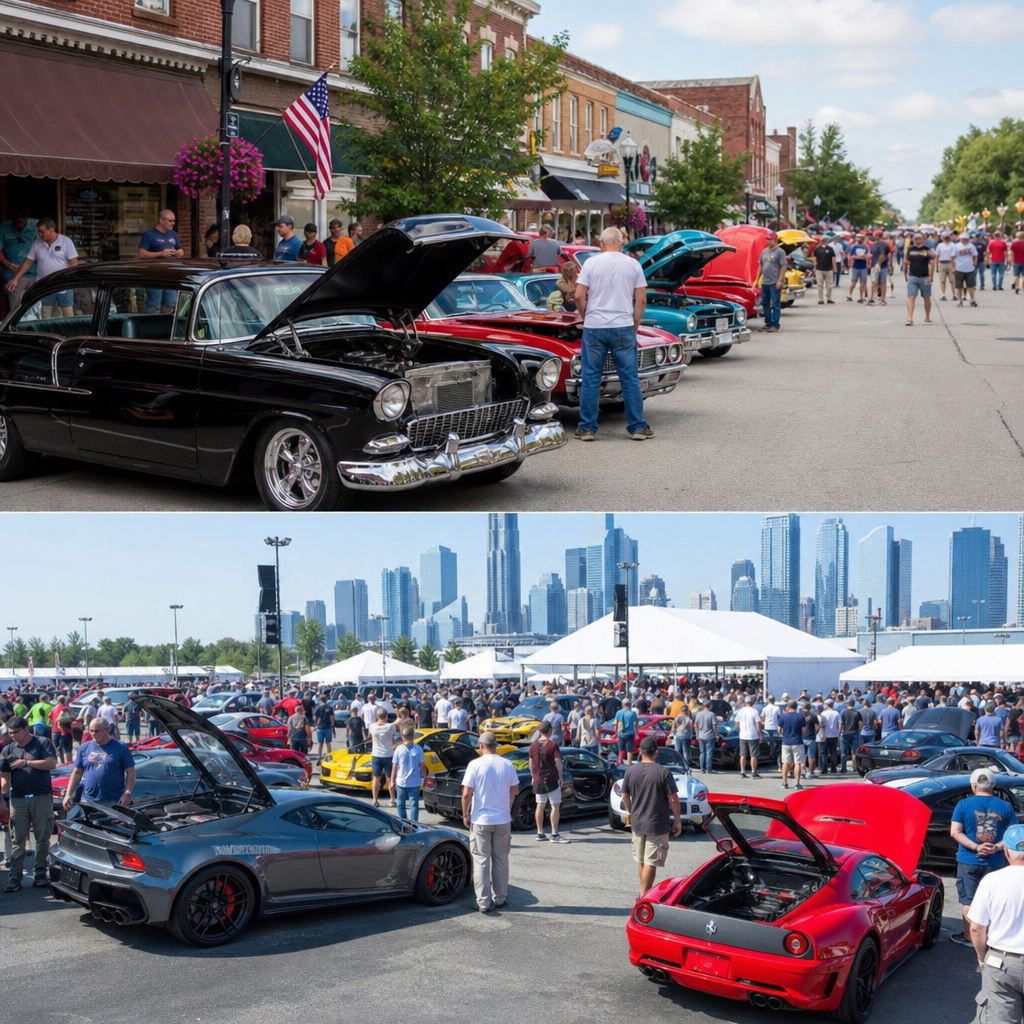
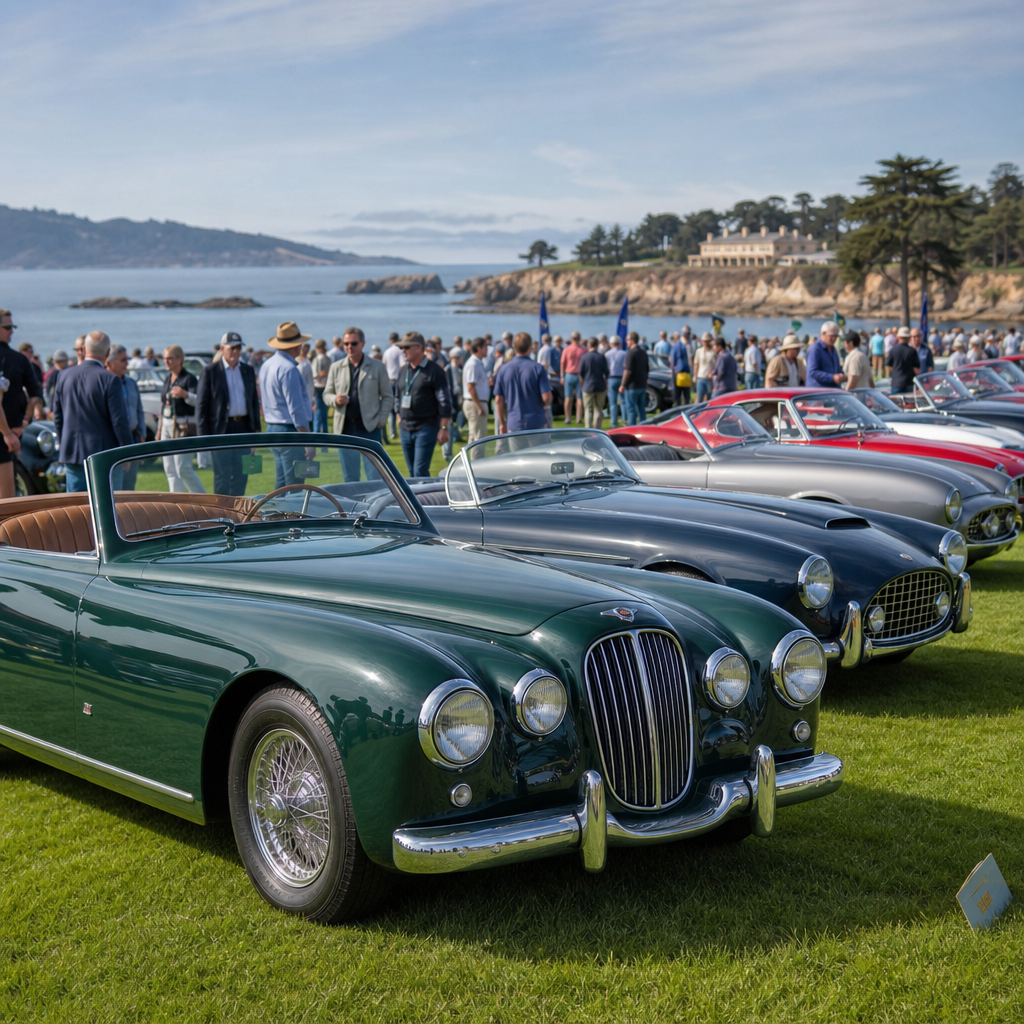
Collector stories are important because they compress learning into human examples. A newcomer may not remember a generic checklist, but they remember the owner who bought a shiny coupe without checking under the carpets, then spent two years undoing hidden corrosion. They remember the family that preserved a base-model sedan with full service records and ended up with a more satisfying car than a rarer but poorly documented example. These stories help readers understand risk, patience, and reward in plain terms. They also reflect the wider classic car culture and lifestyle scene, where weekend drives, restoration shops, concours lawns, swap meets, and online forums all influence what people buy and why they keep it.
This article serves as a hub for collector stories across the broader classic car culture and lifestyle topic. It explains the main collector pathways, the lessons enthusiasts repeatedly share, and the practical patterns behind successful collections. If you want to understand how collections actually begin, what mistakes shape better judgment, and how owners turn individual cars into meaningful automotive legacies, these stories provide the clearest roadmap.
How Most Collector Journeys Actually Begin
Most people do not enter the hobby through a perfectly researched purchase. They begin with memory, access, or opportunity. One of the most common collector stories starts with a car linked to childhood: the Mustang a parent drove, the Mercedes diesel that seemed indestructible, the air-cooled Porsche seen on a neighbor’s driveway, or the square-body pickup that handled every family job. Nostalgia is often dismissed as irrational, but in collecting it serves a useful purpose. It narrows the field. A new enthusiast overwhelmed by thousands of models can focus on one era, one body style, or one manufacturer and learn deeply instead of shopping randomly.
Another common starting point is inheritance. A reader may receive a Triumph TR6, Chevrolet Bel Air, or Jaguar XJ6 from a relative and suddenly face practical decisions that experienced owners take for granted. Should the car be recommissioned or fully restored? Is preserving original paint better than refinishing? Which workshop understands carburetors or Lucas electrics? These situations create collectors quickly because the emotional importance of the car forces owners to learn documentation, maintenance schedules, and specialist sourcing. Many long-term collectors say the first inherited or family-linked car taught them that preserving history is different from simply owning transportation.
A third pathway is the attainable entry purchase. Enthusiasts often assume collecting begins with six-figure icons, but many respected collections started with affordable cars such as MGBs, Alfa Romeo Spiders, Fox-body Mustangs, Mercedes-Benz W123s, Volvo 240s, or first-generation Mazda Miatas now crossing into modern-classic status. These cars teach the fundamentals: how to inspect for rust, how to read service history, how owner clubs solve parts problems, and how market values move when condition tiers are properly understood. Beginners who start with attainable cars usually make better later purchases because they gain mechanical empathy before facing higher-stakes decisions.
Lessons Enthusiasts Learn After the First Purchase
The first purchase rarely matches the first expectation. New collectors often think they are buying a finished car when they are actually buying a backlog of deferred maintenance. Real stories from enthusiasts repeat the same lesson: cosmetic appeal can hide expensive mechanical and structural issues. Fresh paint may conceal filler. Clean engine bays may distract from weak compression, worn bushings, aged brake hydraulics, or poor wiring repairs. The most valuable post-purchase lesson is that condition must be broken into categories: body, structure, driveline, interior, electrical systems, and paperwork. If one category is weak, the ownership experience changes dramatically.
Enthusiasts also learn that originality is not absolute; it is contextual. A survivor car with factory finishes, date-coded glass, original trim, and documented mileage has one kind of value. A sympathetically restored driver with upgraded cooling, modern radial tires, and electronic ignition may have another. I have seen owners regret chasing perfect originality when they really wanted reliability for touring events. I have also seen owners over-modify uncommon cars and later struggle when the market favored stock specifications. The smart lesson is simple: collect with a defined purpose. If the car is for concours-level preservation, document every component. If it is for regular use, upgrade discreetly and keep removed original parts whenever possible.
Budget shock is another recurring theme. Purchase price is only the opening number. Transport, registration, storage, detailing, fluid service, tires, weather seals, battery maintenance, and specialist labor can quickly add 20 to 40 percent to year-one costs, especially on dormant cars. Collector stories are useful because they make those hidden costs visible. The owner who spent less on the initial purchase but more on pre-purchase inspection often comes out ahead. The owner who bought the “cheapest running example” usually learns that cheap and affordable are not the same thing.
Patterns Behind Successful Collections
Strong collections usually look intentional, even when they grew slowly. The most successful enthusiasts are not merely buying cars they like; they are building around a theme, a use case, or a period of automotive history. Some focus on homologation cars, postwar British roadsters, coachbuilt luxury sedans, or analog sports cars from the 1980s and 1990s. Others build by brand, keeping generations of BMW M cars or a sequence of air-cooled Volkswagens. Theme creates discipline. It helps a collector say no to impulse buys that do not fit storage space, maintenance bandwidth, or long-term goals.
Documentation is another hallmark of durable collections. Serious owners keep title history, restoration invoices, judging sheets, photographs, parts receipts, and written notes on known changes. This practice does more than support resale value. It improves maintenance accuracy, helps future restorers, and protects the narrative of the car. A documented 1967 Corvette with photos of frame-off restoration, NCRS paperwork, and engine rebuild records will almost always inspire more buyer confidence than an equally attractive but poorly documented example. Confidence is currency in the collector market.
Networks matter just as much as paperwork. The best collections are rarely built in isolation. Owners rely on marque clubs, specialist mechanics, auction catalog archives, trim suppliers, historians, and friends who know where the honest cars are. Many of the best purchases never appear on public marketplaces because they move through trusted circles. Beginners should understand that community is not optional in this hobby. It is how people verify stories, source rare parts, and avoid repeating avoidable mistakes.
| Collector stage | Main goal | Common mistake | Smarter move |
|---|---|---|---|
| First-time buyer | Get into the hobby quickly | Choosing on appearance alone | Pay for a specialist inspection before purchase |
| Early enthusiast | Make the car reliable | Ignoring documentation | Create a maintenance and records binder immediately |
| Developing collector | Add a second or third car | Buying without a collection theme | Define era, brand, or use-case focus |
| Established collector | Preserve value and usability | Deferring storage or insurance upgrades | Invest in climate control, agreed-value coverage, and expert servicing |
Restoration, Preservation, and the Stories Cars Carry
One of the biggest divides in collector stories is whether the owner restores or preserves. Restoration aims to return a car to a chosen standard, often factory-correct or period-correct. Preservation accepts age as part of authenticity and focuses on stabilizing rather than replacing. Neither approach is automatically superior. The right choice depends on rarity, condition, provenance, and intended use. A low-mile, largely original Lancia Fulvia with factory interior and known ownership history may deserve careful preservation. A structurally compromised Camaro with incorrect paint, missing drivetrain parts, and amateur repairs may benefit from full restoration.
Experienced enthusiasts learn that originality exists in layers. Paint, upholstery, drivetrain stampings, fasteners, trim finishes, and even underbody coatings all tell part of the story. Replacing everything can make a car look fresh while erasing the evidence that made it significant. On the other hand, refusing necessary restoration can lead to deterioration that destroys the car entirely. The best collectors balance ethics and practicality. They save what is rare, replace what is unsafe, and document every intervention.
There is also a lifestyle dimension here. Some owners want show-field correctness and the challenge of factory literature, judging manuals, and sourcing date-appropriate components. Others want to drive 1,000 miles to an event without fearing vapor lock, overheating, or dim sealed-beam headlights. Their stories diverge, but both can be legitimate forms of collecting if the decisions are informed and transparent. A well-sorted driver restoration often creates more memories than a static showpiece, while a highly original survivor can become an educational benchmark for the entire community.
What New Collectors Should Learn From Market Veterans
Veteran collectors tend to agree on a few hard truths. First, buy the best example you can afford, not the cheapest entry ticket. Deferred rust repair, missing trim, and poor restoration work are expensive to correct and often cost more than paying upfront for a stronger car. Second, inspect provenance with the same rigor used for mechanical condition. Chassis numbers, engine numbers, ownership chain, factory build data, and restoration chronology all matter. Third, understand liquidity. Some cars are culturally admired but difficult to sell at realistic prices because demand is narrow, parts are scarce, or restoration costs exceed market ceilings.
Another veteran lesson is that the hobby rewards patience. I have watched collectors wait eighteen months for the right Pagoda SL, Datsun 240Z, or Series 1 E-Type rather than settling for a compromised example. That patience usually pays off. The wrong car consumes time, capital, and enthusiasm. The right car strengthens all three. Market veterans also separate fashion from significance. Temporary spikes happen, especially when media attention or generational nostalgia shifts demand, but long-term value usually follows historical importance, usability, originality, and quality of care.
Finally, experienced owners treat stewardship as seriously as acquisition. Proper storage, battery tenders, fluid exercise schedules, tire management, and corrosion prevention are not glamorous, but they define whether a collection improves or declines. If you are moving from beginner to collector, study enthusiast stories closely, use them to shape your buying criteria, and build a collection slowly enough that every car can be understood, maintained, and enjoyed.
Collector stories reveal that classic car ownership is less about accumulation than judgment. The beginners who become respected collectors are the ones who learn from other owners, document everything, buy with purpose, and match each car to a clear vision. They understand that nostalgia may start the journey, but research, patience, and community sustain it. Across inherited projects, affordable entry classics, preservation-minded survivors, and carefully restored icons, the same lesson returns: the best collections are built one informed decision at a time.
For readers exploring classic car culture and lifestyle, this hub should serve as the starting point for deeper collector stories. Use it to identify the paths enthusiasts actually take, the mistakes that repeatedly surface, and the habits that lead to satisfying ownership. Whether you want a single memorable classic or a focused multi-car collection, the goal is not simply to buy old cars. It is to preserve history, create experiences, and become the next trustworthy voice in the hobby.
Start with one car, one question, and one careful inspection. Then keep learning from the people who have already made the journey from beginner to collector.
Frequently Asked Questions
How do real collector stories help a beginner understand what classic car collecting is really like?
Real collector stories give beginners something that price guides, auction results, and spec sheets cannot: context. When enthusiasts talk about the first car that captured their attention, the mistakes they made early on, or the restoration that took twice as long and cost more than expected, new readers get a realistic picture of how collecting actually works. These stories show that most respected collectors did not begin as experts. They started with curiosity, personal taste, and a willingness to learn through experience.
That matters because classic car collecting is rarely just a transaction. It is usually a mix of emotion, research, patience, and evolving judgment. A first-time buyer may think the goal is simply to find a desirable model, but experienced collectors often explain that the real challenge is learning condition, originality, documentation, maintenance needs, and long-term fit. Hearing how others moved from impulse to insight helps beginners avoid common misunderstandings and build confidence step by step.
Collector stories also reveal the human side of stewardship. Many enthusiasts describe feeling responsible for preserving a vehicle’s history rather than merely owning an object. For someone entering the hobby, that shift in mindset is important. It reframes collecting from buying cars to caring for automotive heritage. In that sense, real stories do more than entertain. They teach values, practical lessons, and the kind of perspective that helps a beginner grow into a thoughtful collector.
What usually turns a casual enthusiast into a serious classic car collector?
In many cases, the turning point is deeply personal. It might be the memory of a parent’s car, an unforgettable first drive, an inherited vehicle, or a restoration project that creates a stronger bond than expected. What begins as admiration often becomes commitment when a person realizes that a specific car or era of motoring speaks to them on a deeper level. That emotional connection is often the spark behind serious collecting, and it appears again and again in enthusiast stories.
However, emotion alone does not create a collector. The transition usually happens when interest becomes disciplined learning. A person starts asking better questions: Is this car numbers-matching? How original is the interior? What is the restoration history? Are parts available? Who performed previous work? As these questions become routine, the enthusiast is no longer just reacting to appearance or nostalgia. They are building the habits of an informed buyer and caretaker.
Another major factor is community. Many serious collectors trace their growth to conversations with club members, marque specialists, restorers, and long-time owners. Those relationships accelerate learning and sharpen judgment. Over time, the enthusiast develops a collecting philosophy—whether that means preserving unrestored survivors, pursuing one marque, focusing on driving enjoyment, or building a historically significant collection. The shift from casual interest to serious collecting is usually not one dramatic moment but a series of emotional, educational, and practical steps that reinforce one another.
Why are beginner mistakes so important in collector stories?
Beginner mistakes are important because they often teach the lessons that define a collector’s future approach. In classic car culture, many respected enthusiasts openly admit to overpaying for cosmetic appeal, underestimating restoration costs, skipping a pre-purchase inspection, or buying a car that did not fit their skills, budget, or intended use. These experiences are valuable because they make the learning curve visible. They remind new readers that expertise is usually earned, not inherited.
From an educational standpoint, mistakes often reveal the hidden layers of collecting. A shiny paint job can conceal rust. A rare badge does not always equal quality or provenance. A cheap purchase can become expensive if parts are difficult to source or prior repairs were poorly executed. When collectors explain these lessons in detail, beginners gain a more realistic framework for evaluating opportunities. They learn to look beyond surface impressions and ask the right questions before making decisions.
There is also a credibility factor. Stories that include setbacks feel honest, and honesty builds trust. New enthusiasts are more likely to respect advice from someone who has navigated uncertainty than from someone presenting an effortless path. In that way, mistakes are not just cautionary tales. They are evidence of growth. They show how judgment is refined over time and why patience, due diligence, and humility are essential qualities for anyone hoping to move from first purchase to long-term stewardship.
What can readers learn from how experienced collectors choose, restore, and keep their cars?
Readers can learn that successful collecting is usually guided by clear priorities rather than impulse. Experienced collectors tend to be selective about what they buy, and that selectiveness comes from knowing their goals. Some want highly original examples with strong documentation. Others prioritize driving enjoyment, motorsport history, design significance, or a particular marque. By studying these choices in real stories, beginners can better understand that a good purchase is not just about market popularity. It is about alignment between the car, the owner’s knowledge, and the intended purpose.
Restoration decisions are equally revealing. Seasoned enthusiasts often describe the constant balance between authenticity, usability, cost, and preservation. They may choose to conserve original finishes rather than pursue a perfect cosmetic restoration, or they may invest heavily in mechanical reliability so the car can be driven regularly. These choices teach readers that restoration is not a one-size-fits-all process. The best approach depends on the vehicle’s rarity, condition, historical significance, and how the owner plans to enjoy it.
Just as important is what happens after the purchase or restoration. Experienced collectors talk about storage, maintenance schedules, parts sourcing, specialist relationships, and record-keeping because these details protect both the car and its long-term value. For beginners, that is a crucial lesson. Owning a classic car does not end when the sale closes. Responsible ownership involves ongoing attention, financial planning, and a commitment to learning. The most useful collector stories show that keeping a car well is often more demanding—and more rewarding—than buying it in the first place.
How can someone use collector stories to become a smarter buyer and a more trusted voice in the classic car community?
Collector stories can be used as practical case studies. Instead of reading them only for inspiration, a smart beginner looks for patterns. Which cars created regret, and why? What kinds of documentation did experienced buyers value most? How did knowledgeable owners verify originality, confirm provenance, or identify restoration shortcuts? By paying attention to these recurring themes, readers can develop better instincts before they ever inspect a car in person.
These stories also help beginners improve how they communicate within the hobby. Trusted voices in the classic car world are rarely the loudest; they are usually the most observant, accurate, and generous with their knowledge. People earn respect by asking informed questions, acknowledging what they do not know, documenting their own experiences carefully, and sharing lessons that help others avoid problems. Enthusiast stories model this behavior. They show how credibility grows from consistency, research, and real-world involvement rather than from opinion alone.
Over time, reading and applying these lessons can change how a person participates in the community. A beginner who starts by learning from others may eventually contribute meaningful insights about buying, maintaining, restoring, or preserving specific cars. That is how ordinary enthusiasts become trusted voices. They combine passion with patience, experience with humility, and personal stories with verifiable knowledge. In a specialized field like classic car collecting, that combination is what turns enthusiasm into authority.