How One Collector Built a Million-Dollar Garage starts with a truth most enthusiasts learn slowly: valuable car collections are rarely built by luck. They are built through patience, domain knowledge, disciplined buying, careful storage, and a clear collecting philosophy. In classic car culture, a “million-dollar garage” does not simply mean a room full of expensive vehicles. It describes a curated collection whose combined market value exceeds seven figures because the owner understands provenance, rarity, restoration quality, maintenance economics, and the emotional pull that gives collector cars lasting demand.
I have spent years around auctions, restoration shops, marque clubs, and private collections, and the pattern is consistent. The collectors who build meaningful garages are not always the wealthiest people in the room. They are often the people who research hardest, buy most selectively, document every car, and know when not to bid. Their stories matter because they show how collector stories become practical roadmaps. A serious collection reflects personal taste, but it also reflects systems: acquisition criteria, insurance coverage, storage planning, and exit strategy.
This hub article explores collector stories through one representative journey: an enthusiast who began with a single attainable classic and eventually assembled a garage worth more than one million dollars. Along the way, it explains the decisions that separate impulsive accumulation from real collection building. It also serves as a guide to the wider collector stories topic by covering the questions readers ask most: How does someone start? Which cars appreciate? What mistakes destroy value? How do storage, records, and maintenance shape outcomes? If you want to understand how a collector built a million-dollar garage, the answer is not one dramatic purchase. It is a sequence of smart, repeatable choices.
Starting with a thesis, not a shopping list
The collector at the center of this story did not begin by chasing blue-chip Ferraris. He started with a thesis. He believed analog performance cars from the 1980s and 1990s, especially low-production models with strong enthusiast communities, would gain cultural importance as newer cars became more digital. That thesis narrowed the field. Instead of looking at everything on Bring a Trailer, Hemmings, RM Sotheby’s, or Mecum, he focused on three segments: homologation specials, air-cooled sports cars, and limited-production Japanese performance cars.
This matters because a collection needs coherence. A thesis helps a buyer compare cars using the same criteria: originality, matching numbers, service history, ownership chain, color combinations, and production volume. For example, a Porsche 964 RS, BMW E30 M3 Sport Evolution, and Acura NSX-T appeal to different buyers, yet each can fit an analog-driver thesis. The collector did not buy randomly. He studied transaction history through Hagerty valuation tools, auction archives, marque registries, and club forums. He knew which options mattered and which restoration choices hurt originality.
In practical terms, his first purchase was modest: a well-documented Porsche 911 SC bought below the cost of a comparable fully restored example. It was not perfect, but it had strong bones, original panels, a documented engine rebuild, and a thick folder of receipts. That folder mattered. Documentation reduces uncertainty, and uncertainty is what discounts value. The car became both an entry point and an education.
Buying quality at the right time
Collectors often ask whether they should buy the best car they can afford or buy a cheaper project. In most cases, the million-dollar-garage path favors quality. The collector in this story bought cars that were either highly original or correctly restored by known specialists. He avoided incomplete projects unless the purchase price and parts availability clearly justified the risk. This approach aligns with a standard truth in the market: deferred maintenance is rarely a bargain, and poor restoration work can be more expensive to correct than starting with a better car.
Timing also mattered. He purchased when markets were soft or before mainstream attention surged. One example was an early Acura NSX with manual transmission and complete service records. At the time, many buyers still saw it as a used performance car rather than a modern collectible. The collector understood the NSX had pedigree: Ayrton Senna development links, aluminum construction, Honda reliability, and low production relative to ordinary sports cars. By buying before values accelerated, he captured appreciation without depending on speculation alone.
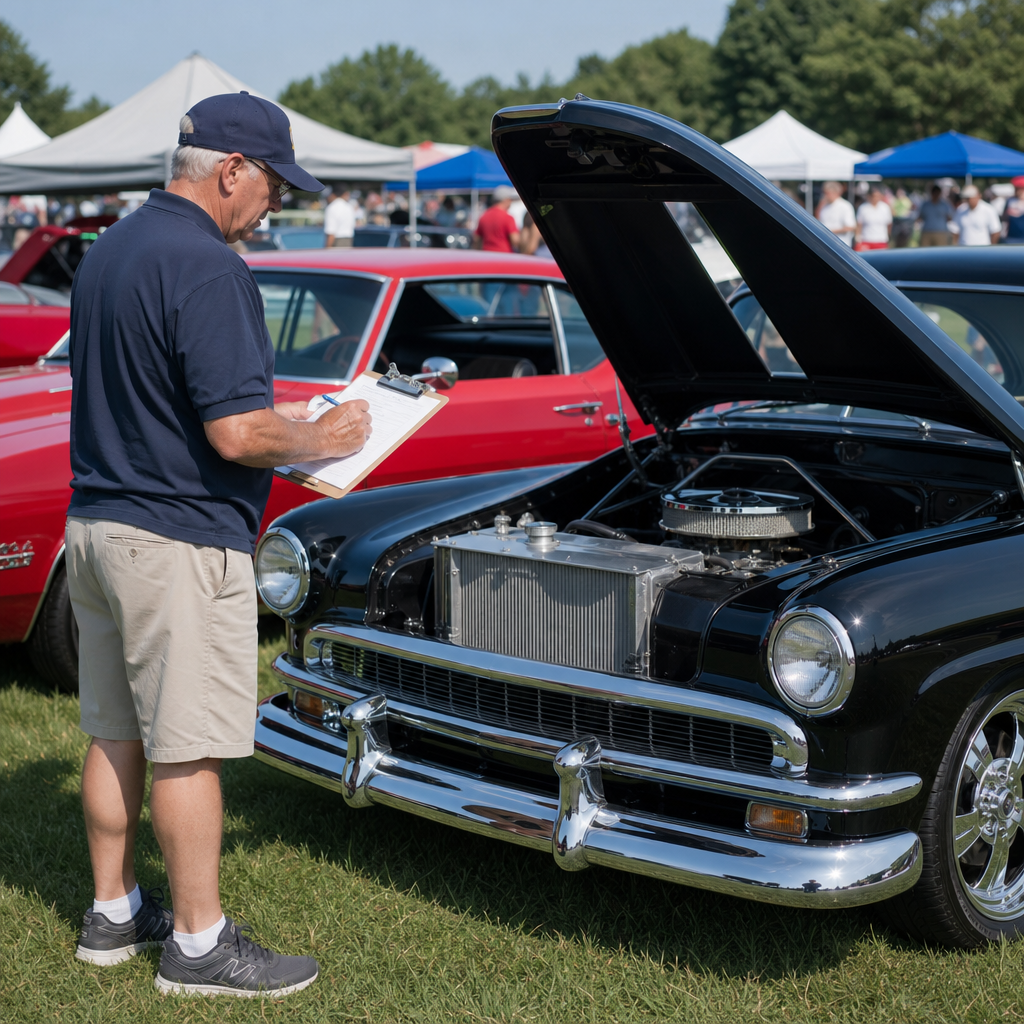
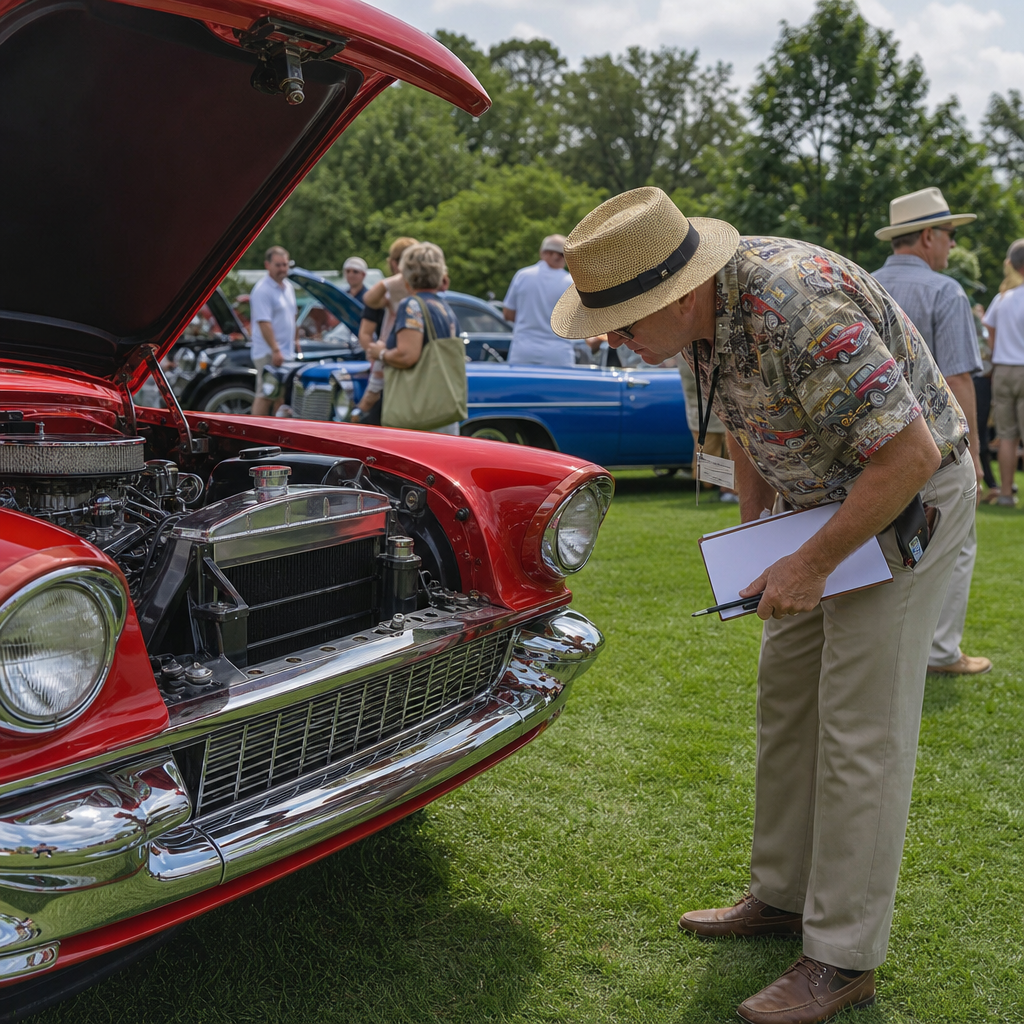
He used pre-purchase inspections on nearly every acquisition. A proper inspection included compression and leak-down testing where relevant, paint-meter readings, chassis inspection for corrosion or accident repair, verification of stampings and VIN tags, and a review of service records against mileage. On rare cars, he also consulted registry experts. This was not paranoia. In collector markets, authenticity is value.
The garage grows through discipline
As the collection expanded, discipline became more important than enthusiasm. The collector set a cap on annual purchases and required every car to meet one of three roles: cornerstone, growth candidate, or personal driver. Cornerstone cars anchored the collection’s value and reputation. Growth candidates were undervalued models with clear upside based on rarity, design significance, or shifting generational demand. Personal drivers were cars he intended to use regularly, accepting that mileage might modestly limit appreciation but increase enjoyment and mechanical health.
That framework prevented emotional overbuying. It also made selling easier. If a car no longer fit one of those roles, it could be rotated out. Over time, the garage included an air-cooled 911, an NSX, a BMW E30 M3, a Mercedes-Benz 190E 2.5-16 Evolution II, and a Jaguar E-Type roadster restored by a respected shop. Not every car doubled in value, but the portfolio effect mattered. Desirability across eras and geographies reduced dependence on one trend.
| Collection Stage | Typical Car | Why It Was Chosen | Main Risk |
|---|---|---|---|
| Entry | Porsche 911 SC | Strong enthusiast demand, serviceable parts supply, usable classic | Rust, incomplete records |
| Expansion | Acura NSX manual | Engineering significance, rising modern-classic status | Missed maintenance, accident history |
| Reputation builder | BMW E30 M3 | Homologation pedigree, global collector following | Overpaying during hype cycles |
| Trophy asset | 190E Evolution II | Low production, motorsport halo, scarcity premium | Authenticity verification, high entry price |
Storage, maintenance, and preservation create value
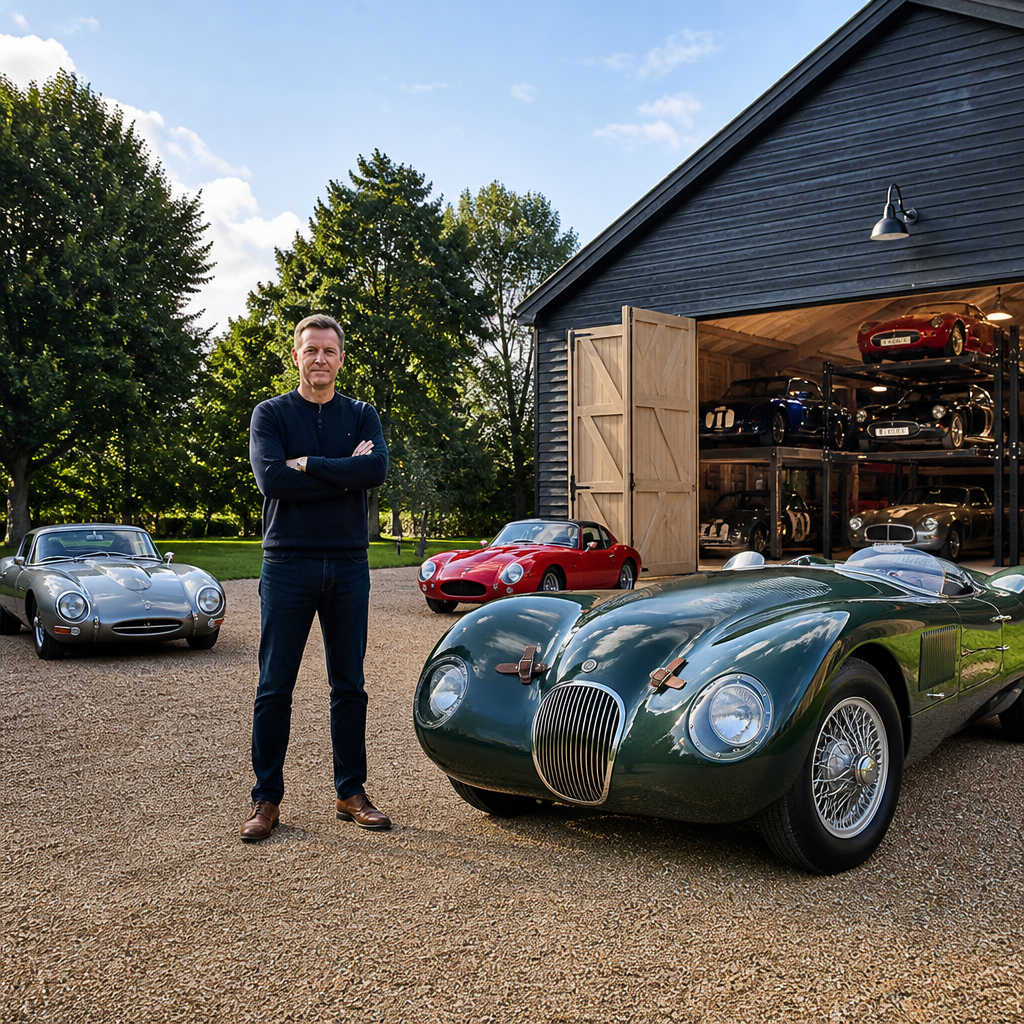
A million-dollar garage is as much about stewardship as acquisition. Once the collection crossed six figures, the collector upgraded from a standard suburban garage to a climate-controlled building with insulated doors, dehumidification, epoxy floors, battery tenders, security cameras, and fire suppression suited to vehicle storage. This was not vanity. Temperature swings, moisture, rodents, flat-spotted tires, leaking seals, and fuel degradation all threaten condition. Condition, in turn, drives price.
He maintained a written care schedule for every car. Fluids were changed by time as well as mileage. Fuel systems were stabilized when cars would sit. Tires were replaced based on age, not just tread depth. Rubber bushings, cooling hoses, and brake components were monitored because age can damage a lightly used collector car faster than regular driving in some cases. He drove most cars enough to circulate fluids and identify small problems before they became expensive failures.
Detailed records were stored physically and digitally. Every invoice, transport receipt, concours judging sheet, and photo from acquisition onward was cataloged. When buyers evaluate a collector car, records answer the hidden question: has this car been cared for consistently? In my experience, two similar cars can sell thousands or tens of thousands apart based largely on documentation quality. Provenance is not abstract. It is evidence.
Networking opened the best doors
Public auctions get attention, but many of the best collector stories involve private networks. As the collector gained credibility, he joined Porsche Club of America events, BMW CCA circles, local concours gatherings, and marque-specific online groups. He volunteered, attended tech sessions, and developed relationships with restorers, brokers, appraisers, and longtime owners. Eventually, desirable cars found him before they reached the public market.
That access changed the collection’s trajectory. One of his most important purchases, a low-owner E30 M3 with original paint and extensive service history, came through a referral from a club member who valued stewardship over maximum auction exposure. Trusted networks can produce better cars because sellers often prefer informed buyers who will preserve the vehicle’s history. They also create better information flow. A restorer may know a car’s hidden repair history. A registrar may confirm production details. A prior owner may have period photos that strengthen provenance.
Networking also protected him from common mistakes. When a seemingly rare homologation car appeared on the market, a registry contact identified inconsistencies in trim and stampings that suggested re-creation rather than authenticity. Walking away saved the collector from an expensive error. In this world, relationships are a form of due diligence.
Knowing value beyond price guides
Price guides are useful baselines, not complete answers. The collector tracked Hagerty values, insurer agreed-value trends, auction sell-through rates, and private-sale chatter, but he never treated a published number as final truth. Market value depends on specification, originality, geographic demand, color, ownership history, and timing. An E-Type restored to generic standards is not the same as one restored by a recognized Jaguar specialist using correct finishes and documented work. A 911 in a desirable period color with sport seats and a known maintenance file can outperform guide values.
He also understood liquidity. Some seven-figure collections are rich in paper value but hard to sell quickly without discounting. So he balanced rare cars with models that had deep buyer pools. Porsche air-cooled 911s, early NSXs, and E30 M3s benefit from broad international demand. Highly obscure cars may be brilliant collector pieces, yet they can require the right buyer at the right moment. A healthy collection includes assets that are both desirable and marketable.
This distinction is essential for anyone learning from collector stories. Value is created by rarity plus demand, then reinforced by condition, documentation, and confidence. Remove confidence, and value slips fast.
Mistakes, tradeoffs, and the role of emotion
No serious collector builds a great garage without mistakes. In this case, one mistake was buying a partially restored British roadster because the price looked attractive. The restoration had cosmetic appeal but poor metalwork beneath fresh paint. Correcting it consumed more money than buying a better example would have required. Another mistake was underestimating carrying costs. Insurance, enclosed transport, specialist labor, storage infrastructure, taxes, and parts sourcing add up quickly, especially when several cars need attention at once.
There were tradeoffs too. Driving a rare car adds enjoyment and keeps systems healthy, but mileage can affect top-tier auction results. Keeping a car static may protect odometer readings, yet inactivity often creates mechanical issues. The collector’s compromise was to drive special cars sparingly but intentionally, maintain them obsessively, and accept that a living collection has a different character from a museum piece.
Emotion remained central. The garage became valuable because the owner loved specific machines deeply enough to study them well. That passion made the work sustainable. Without it, the spreadsheets, inspections, and recordkeeping would feel exhausting. The lesson is not to remove emotion. It is to pair emotion with standards.
For readers exploring classic car culture and lifestyle through collector stories, this million-dollar garage offers a practical blueprint. Start with a focused thesis. Buy the best documented example you can reasonably afford. Verify authenticity with inspections and marque expertise. Preserve value through climate control, maintenance discipline, and complete records. Use enthusiast networks to access better cars and better information. Most important, build a collection with internal logic rather than chasing headlines.
The main benefit of studying collector stories is clarity. You see that exceptional garages are usually assembled one rational decision at a time. Some collectors inherit money; many do not. What separates successful builders is judgment: knowing which cars matter, which flaws are acceptable, which risks are not, and when patience is the most profitable move. A million-dollar garage is not just a symbol of wealth. It is proof of curation, stewardship, and long-term thinking.
If you are building your own path in classic car culture, use this hub as your starting point. Define your niche, join the right communities, track the market carefully, and treat every purchase as part of a larger story. That is how collectors turn enthusiasm into a garage worth talking about.
Frequently Asked Questions
What does a “million-dollar garage” really mean in the context of car collecting?
A million-dollar garage is not just a flashy phrase for a building filled with expensive cars. In collector terms, it refers to a thoughtfully assembled group of vehicles whose combined value exceeds seven figures because the owner made informed, strategic decisions over time. That usually means buying with a clear purpose, understanding which models have lasting demand, and focusing on quality, originality, rarity, and provenance rather than simply chasing badges or horsepower numbers.
In practice, the concept is much more about curation than raw spending. A collector can reach a million-dollar total with a few blue-chip classics, or with a broader portfolio of desirable vehicles acquired intelligently before the market fully recognized their value. The common thread is discipline. The owner knows why each car belongs in the collection, how it fits a larger theme, and what factors support its long-term value. Condition, service history, matching numbers, production significance, documented ownership, and market timing all matter. That is why truly valuable collections tend to look deliberate rather than random.
How does someone actually build a high-value car collection without relying on luck?
Serious collections are typically built through patience and repeatable habits, not sudden good fortune. The first step is developing a collecting philosophy. Some collectors focus on air-cooled Porsches, homologation specials, pre-war cars, vintage Ferraris, modern analog supercars, or historically important American muscle. A defined niche helps the buyer become sharper than the average market participant. Instead of reacting emotionally to every attractive listing, the collector learns how to evaluate a narrower set of vehicles at a very high level.
From there, success comes from research and disciplined buying. That includes studying auction results, tracking private-sale pricing, understanding originality standards, learning where certain models tend to rust or fail mechanically, and knowing which documentation truly matters. The best collectors also build relationships with marque specialists, restoration shops, brokers, appraisers, and other owners. Those relationships often lead to better opportunities and better information. Over time, this combination of knowledge, restraint, and access allows a collector to buy strong cars at sensible prices, avoid expensive mistakes, and steadily raise the overall quality of the garage. Luck may play a small role in finding a specific car, but value is usually created by preparation.
Why are provenance and documentation so important when building a valuable garage?
Provenance is one of the clearest separators between an ordinary collectible car and an exceptional one. In the collector market, a vehicle’s story can have a measurable effect on desirability and resale value. Provenance may include documented ownership by a notable individual, a competition history, original delivery to a significant market, factory special-order specifications, or inclusion in known registries and historical records. These details help establish authenticity and can make a car more compelling to future buyers.
Documentation supports that story and protects value. Service records, original manuals, window stickers, factory build sheets, restoration invoices, ownership history, photos, and certification letters all help prove what the car is and what has been done to it. In high-end collecting, missing paperwork creates uncertainty, and uncertainty reduces confidence. Buyers pay premiums for cars that can be verified. A collector aiming to build a million-dollar garage understands that records are not just paperwork to store in a folder. They are part of the asset itself. Strong documentation can make a car easier to insure, easier to authenticate, easier to sell, and more likely to command top-tier pricing.
How important are storage, maintenance, and preservation in protecting a collection’s value?
They are absolutely essential. Even the right cars can lose significant value if they are stored poorly or maintained inconsistently. High-value collections are usually kept in clean, climate-controlled spaces that manage humidity, temperature swings, dust, and sunlight exposure. Proper battery care, tire management, fuel stabilization, fluid checks, and routine exercise all help prevent deterioration. Collectors who treat storage as an afterthought often end up paying heavily through cosmetic damage, mechanical neglect, and avoidable restoration costs.
Preservation also requires making smart decisions about how much intervention a car truly needs. In many segments of the market, originality is worth more than over-restoration. That means preserving factory finishes, retaining correct components, and using marque-experienced technicians who understand the difference between necessary repair and value-eroding modification. Regular servicing matters, but so does the quality of that servicing. The collector who built a million-dollar garage likely understood early that every car is a long-term stewardship project. Protecting condition is not glamorous, but it is one of the main reasons a collection can appreciate rather than decline.
What are the biggest mistakes new collectors make when trying to build a valuable car collection?
One of the most common mistakes is buying emotionally without a clear strategy. New collectors often chase trends, auction hype, or social-media visibility instead of focusing on quality and market fundamentals. They may buy too many cars too quickly, assume rarity automatically equals value, or underestimate how much condition and originality matter. Another frequent error is ignoring total ownership cost. Purchase price is only the beginning. Transportation, insurance, storage, maintenance, repairs, specialist inspections, and taxes all affect the real economics of collecting.
Another major mistake is failing to do proper due diligence. Skipping a pre-purchase inspection, overlooking incomplete VIN and engine-number verification, accepting vague restoration claims, or buying without complete documentation can turn an exciting acquisition into a costly problem. Inconsistent titles, hidden rust, incorrect drivetrains, poor-quality restorations, and undocumented modifications can seriously damage value. The most successful collectors avoid these traps by moving slowly, asking hard questions, and being willing to walk away. In many cases, the car you do not buy is just as important to the success of the garage as the one you do. That level of discipline is often what separates a random assortment of vehicles from a genuinely million-dollar collection.