Inside the life of a classic car collector, passion quickly becomes a discipline shaped by history, mechanics, relationships, and long-term stewardship. A collector is not simply someone who owns old vehicles. In practice, a classic car collector researches provenance, evaluates originality, manages restoration choices, understands market cycles, and preserves machines that carry cultural meaning. In the classic car world, terms matter. A survivor is a vehicle retaining much of its factory finish and equipment. A numbers-matching car still carries the original engine, transmission, or major components identified by factory codes. Provenance refers to documented ownership history, service records, competition history, or factory paperwork that proves significance. These distinctions affect value, authenticity, and how a car is cared for over decades.
I have spent years around collectors at auctions, marque clubs, restoration shops, and private garages, and the common thread is responsibility. The best collectors do not chase trophies alone. They act as temporary custodians of machines that may outlast them. One month might involve inspecting paint thickness on a 1967 Porsche 911S, and the next might mean tracking scarce trim clips for a 1955 Chevrolet Bel Air or decoding build sheets for a Mopar muscle car. The work blends scholarship with practical judgment. It also demands patience, because every acquisition, repair decision, and storage choice can protect or erode a car’s historical integrity.
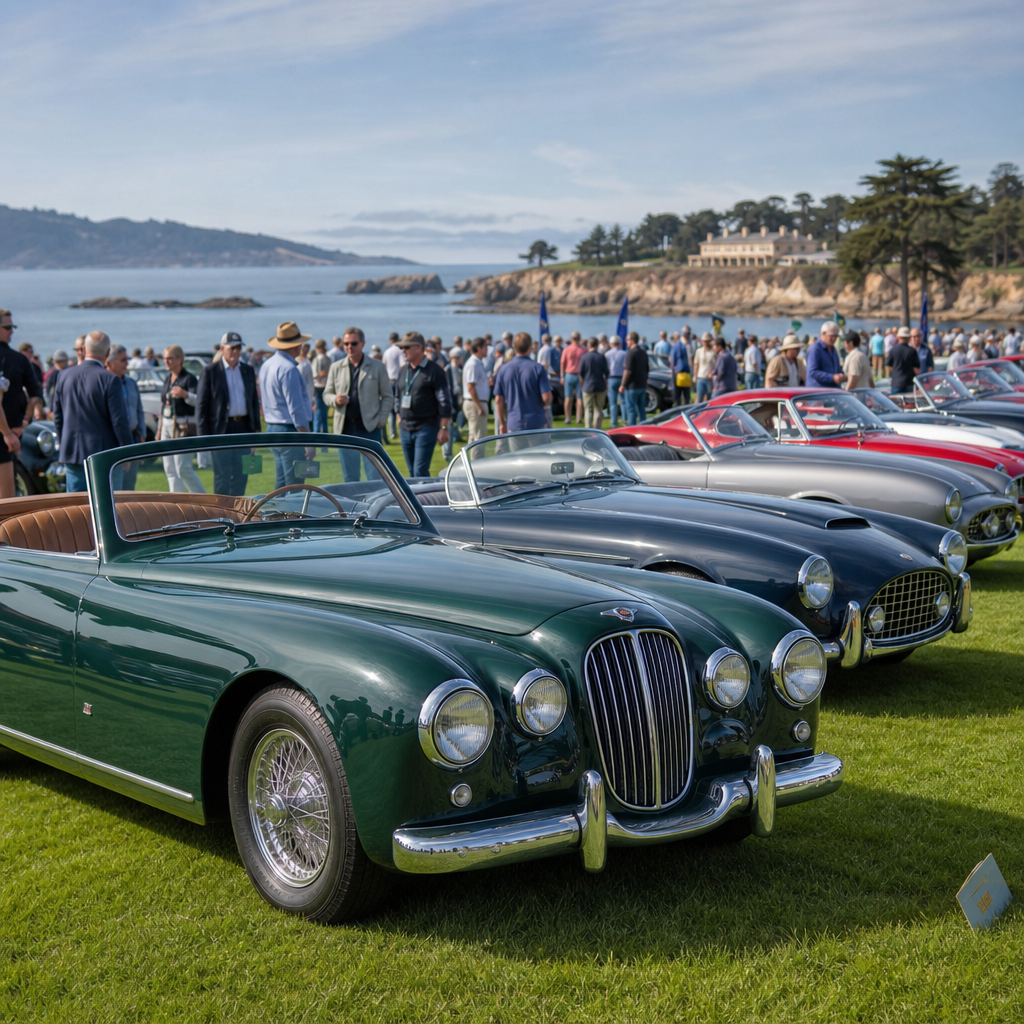
This topic matters because collector stories reveal how classic car culture really functions. The public often sees glamour at concours lawns or headline auction prices from RM Sotheby’s, Gooding Christie’s, or Barrett-Jackson. Daily life is less cinematic and far more instructive. Collectors make decisions about preservation versus restoration, insurance coverage, climate control, transport, documentation, estate planning, and whether a car should be driven regularly or conserved. Their experiences help new enthusiasts avoid costly mistakes, especially in a market where misinformation spreads fast and originality is increasingly prized. Understanding the collector lifestyle also explains why car communities form around shared expertise, not just ownership.
As a hub for collector stories within classic car culture and lifestyle, this article maps the major themes that define the experience: how collections begin, how vehicles are sourced, what ownership really costs, how restoration choices are made, why records matter, and how community turns solitary ownership into a living tradition. If you want to understand what classic car collectors actually do, how they think, and what separates a thoughtful collection from a random accumulation of cars, the clearest answer is this: they balance emotion with evidence, and they build collections that tell coherent stories.
How Collectors Get Started and Shape a Point of View
Most classic car collections begin with memory before they become strategy. A first car, a parent’s garage project, a poster on a childhood wall, or a local race series often sets the direction. One collector I know built an entire collection around postwar British roadsters because he learned to drive in an MG TD. Another focused on homologation specials after spending years attending vintage touring car events. These starting points matter because strong collections usually have a thesis. Instead of buying whatever seems cheap or trendy, serious collectors define a category: prewar coachbuilt luxury cars, air-cooled Porsches, brass-era touring cars, Italian GT cars, American muscle from 1968 to 1971, or unrestored Japanese performance icons.
A defined point of view makes every later decision easier. It guides research, helps prioritize storage and tool needs, and creates a natural internal linking structure across a broader collector knowledge base: acquisition, restoration, events, insurance, and resale. It also reduces impulse buying. I have seen new enthusiasts acquire five mediocre cars in two years, then discover they actually wanted one excellent example with documentation. The mature collector learns that curation beats quantity. Condition, rarity, and story matter more than garage count. A focused collection also attracts better opportunities because sellers and brokers remember buyers who understand a niche and can act decisively.
Collectors also evolve. Many start with cosmetic enthusiasm and later become more rigorous about factory specifications, date-coded components, and archival documentation. That shift often comes after an expensive lesson, such as discovering a restamped engine pad or a reproduction body tag. The most respected collectors are teachable. They ask specialists to inspect stampings, consult factory registries, compare chassis records, and review ownership chains before money changes hands. In that sense, the collector story is really a learning curve. Taste may ignite the journey, but expertise sustains it.
Finding Cars: Auctions, Private Sales, Dealers, and Barn Discoveries
Collectors source cars through four main channels: auctions, specialist dealers, private networks, and dormant discoveries. Each has advantages and risks. Auctions provide transparency on public pricing and immediate access to rare inventory. They are useful when a buyer needs to benchmark market value quickly or compare multiple examples of the same model. Yet auction environments compress decision time. A polished catalog description cannot replace a detailed pre-purchase inspection. I have watched bidders overpay for fresh restorations with incorrect finishes because adrenaline beat due diligence. Auction houses publish condition reports, but serious collectors still bring marque experts, paint meters, borescopes, and reference photos.
Specialist dealers offer curation and usually understand logistics, titling, and model-specific flaws. A good dealer can explain whether a Mercedes-Benz 300SL has correct belly pans, whether a Ferrari Classiche certification adds confidence, or whether a Jaguar E-Type’s panel fit indicates prior structural work. Private sales, however, often produce the best collector stories. They happen through club circles, registry contacts, and friends of friends. These sales can include decades of records, spare parts, original manuals, and candid ownership history that never appears in a public listing. Trust matters here, and reputations travel fast within small enthusiast communities.
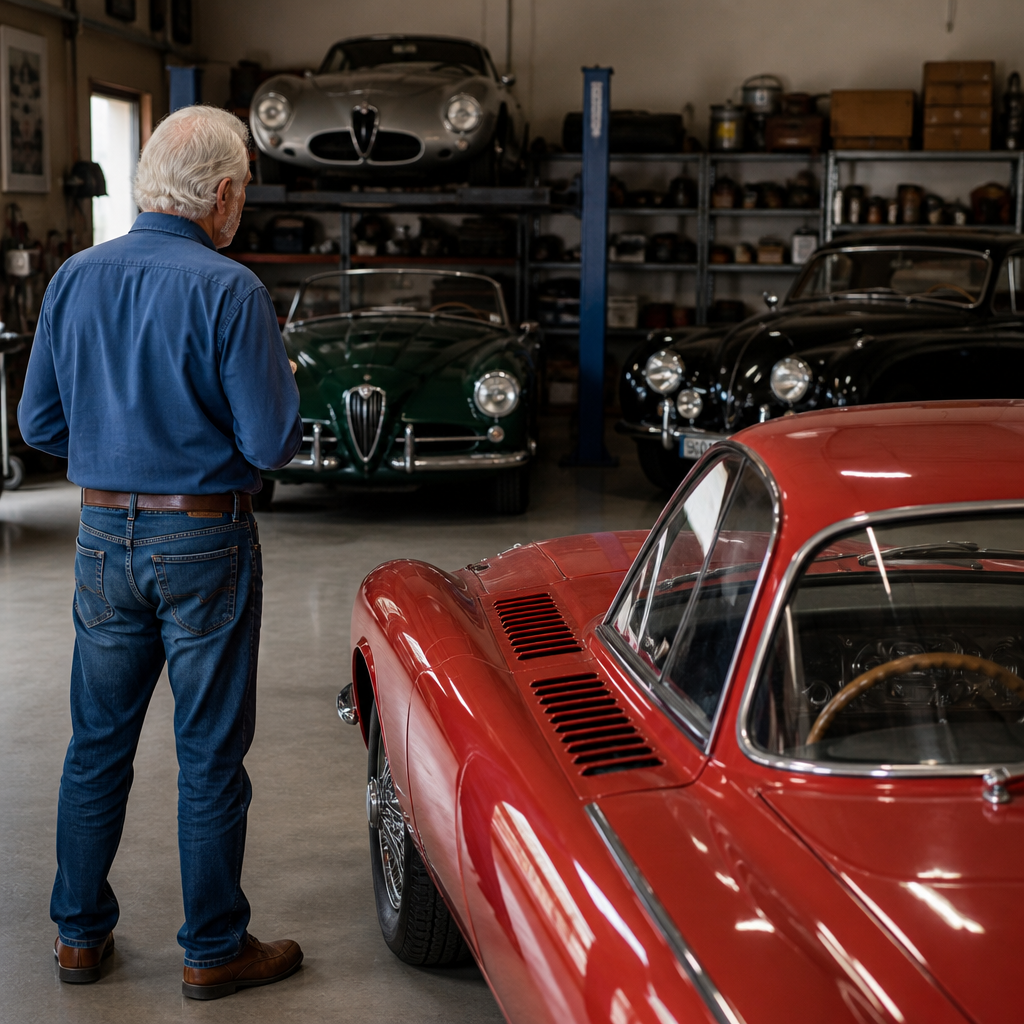
The romantic image of the barn find remains real but misunderstood. True dormant discoveries do exist, from stored Alfa Romeos to untouched pickup trucks, but the phrase is overused. A parked car is not automatically valuable. Long storage can mean seized engines, rodent damage, degraded wiring, contaminated fuel systems, and unsafe brake hydraulics. The smartest collectors evaluate discovery cars on rarity, completeness, and documentation, not dust. If a hidden 1970 Plymouth ’Cuda retains its original broadcast sheet, driveline, and known ownership chain, preservation may make sense. If it lacks key components and needs everything, the story may be better than the investment.
| Source | Main Advantage | Main Risk | Best Use Case |
|---|---|---|---|
| Auction | Public price discovery | Compressed due diligence | Benchmarking rare models |
| Specialist dealer | Curated inventory and support | Higher retail pricing | Buyers needing expert guidance |
| Private sale | Deep history and trust | Limited market visibility | Long-term collectors in networks |
| Barn or estate find | Originality and untouched details | Hidden mechanical deterioration | Preservation-focused acquisitions |
What Ownership Really Involves After the Purchase
Buying the car is the beginning, not the finish line. Once a collector takes delivery, the real work starts with transport, inspection, registration, insurance, storage, and a maintenance baseline. Every newly acquired car should receive a comprehensive post-purchase assessment, even if it ran well during the test drive. Fluids, brakes, tires, fuel lines, belts, cooling systems, and electrical grounds deserve immediate attention. On older vehicles, age is often more dangerous than mileage. A pristine low-mileage car sitting on ancient tires or original rubber fuel hoses can be hazardous within the first drive.
Storage is a defining part of collector life. Proper storage means stable temperature, controlled humidity, battery management, clean fuel strategy, rodent prevention, and enough room to open doors without damage. Humidity around 45 to 55 percent is often ideal for balancing corrosion prevention with preservation of leather, wood, and trim. Collectors with larger holdings use dehumidification, trickle chargers, fire suppression plans, and inventory software. Some maintain lift access for underbody inspections. Others rotate cars monthly to circulate fluids and keep seals conditioned. The lesson is straightforward: preservation is active, not passive.
Insurance is another area where inexperienced owners make mistakes. Standard auto policies usually do not reflect agreed value, limited-use patterns, spare parts coverage, or event transport needs. Specialist insurers such as Hagerty and similar collector-focused providers understand appraisal methods, storage expectations, and market movement. Documentation supports claims, so photos, receipts, serial numbers, and restoration invoices should be digitized. I advise collectors to maintain a file for each car with title records, inspection reports, and component numbers. When values rise quickly, coverage should be reviewed annually. Underinsurance is common after a market spike.
There is also the operational rhythm of ownership. Cars need exercise. Carburetors gum up, seals dry out, and brake systems degrade when vehicles become static artifacts. The best collections are driven thoughtfully unless extreme rarity dictates otherwise. Events such as driving tours, club rallies, vintage races, and local cars-and-coffee mornings reveal issues that static display never will. A collector who actually uses the car learns more about heat management, charging performance, steering play, and gearbox synchros in one day than months of admiring paint in a garage.
Restoration, Preservation, and the Question of Originality
One of the hardest decisions in classic car collecting is whether to restore a vehicle fully, preserve it carefully, or perform sympathetic recommissioning. The answer depends on rarity, condition, historical significance, and intended use. In today’s market, originality often commands a premium, especially when supported by factory finishes, documented ownership, and unaltered components. A survivor with worn but honest paint may be more important than a shiny over-restored example finished in the wrong texture or color. Collectors have become much more sophisticated about this distinction over the last decade.
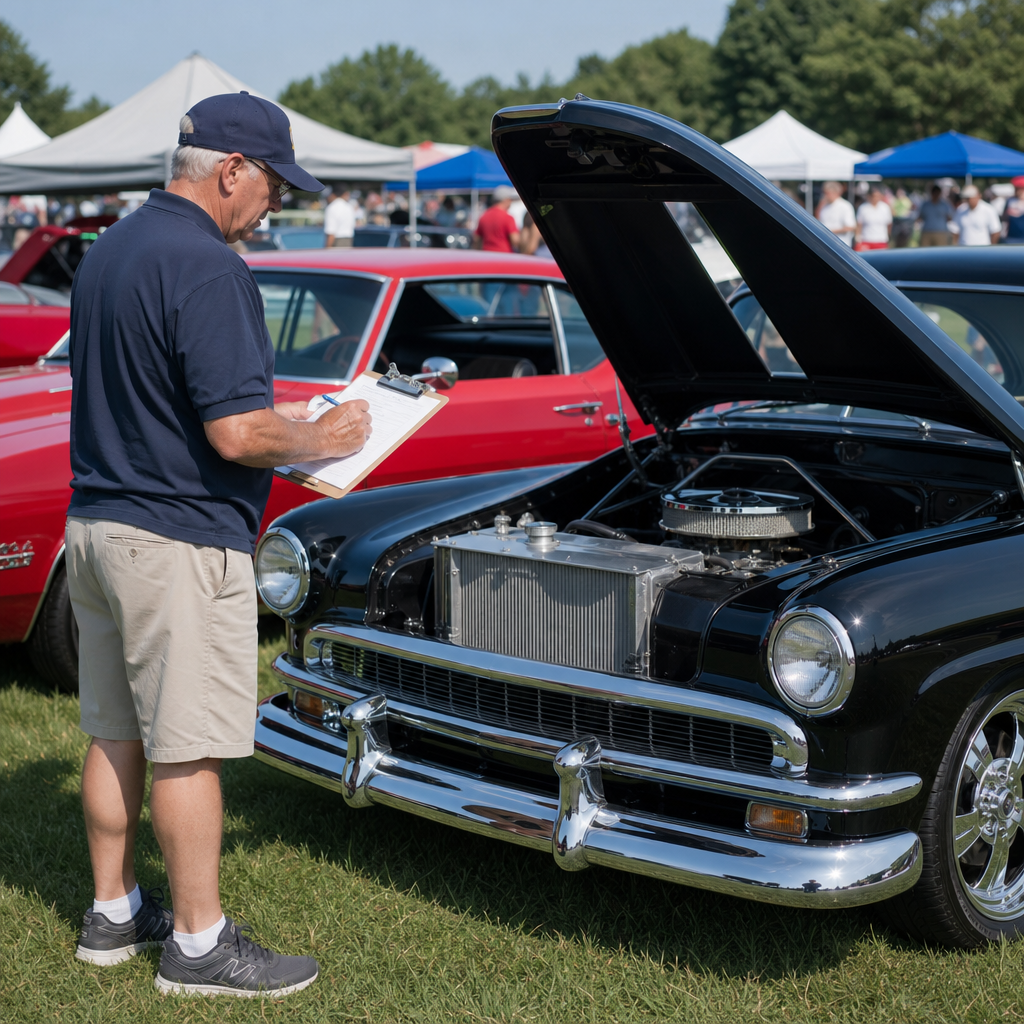
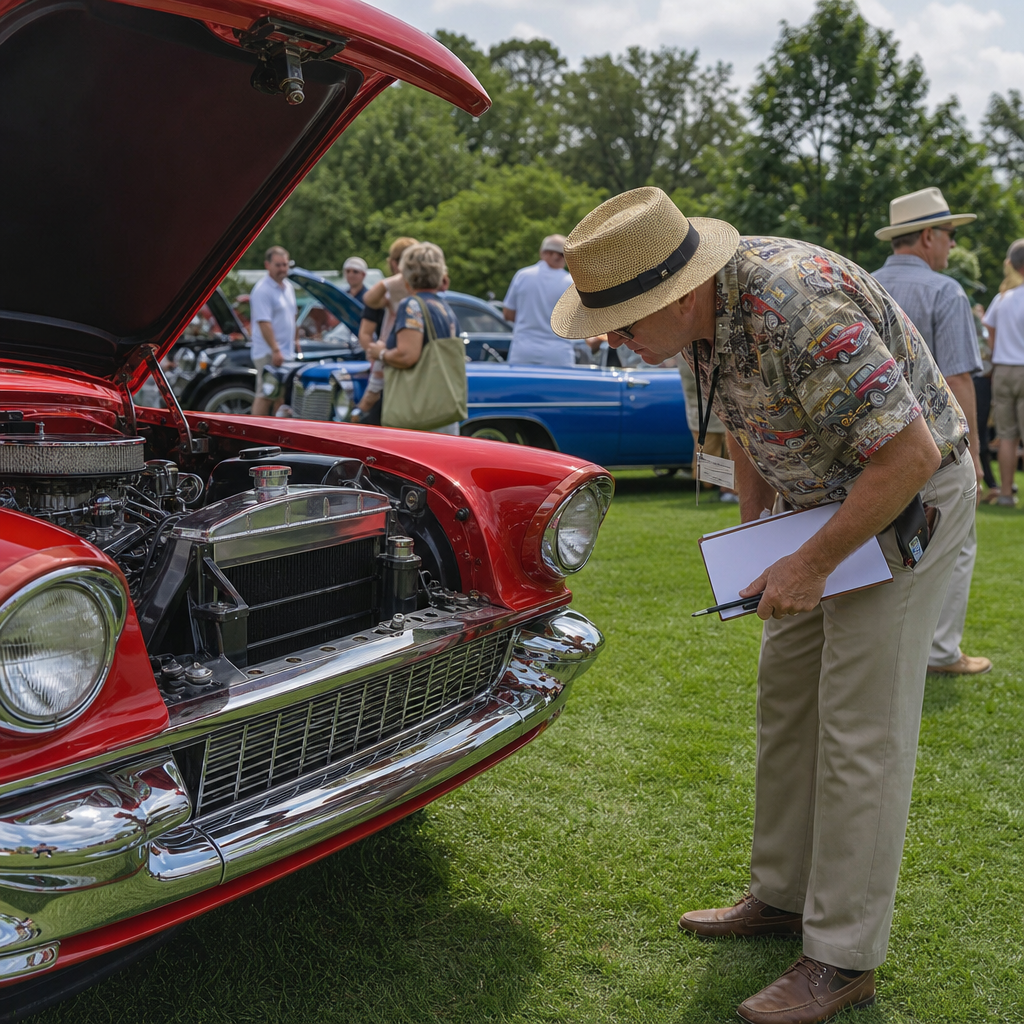
Restoration still has a legitimate place. Cars with severe corrosion, accident damage, missing drivetrains, or poor prior repairs may need comprehensive work to remain viable. The key is quality and documentation. A proper restoration should include photographic records, invoices, known parts sources, and adherence to factory-correct finishes where appropriate. Organizations and judging standards have reinforced this discipline. The Antique Automobile Club of America, marque registries, and concours events reward accuracy, while factory certification programs from brands such as Ferrari, Porsche, and Mercedes-Benz can validate specifications on significant cars. A sloppy restoration destroys trust and often costs more to correct later than doing it properly the first time.
Collectors also face philosophical tradeoffs. If a car wears thin original lacquer, should it be left alone? If cracked upholstery is original, does replacement erase part of the story? I have seen excellent results from preservation-first approaches: mechanical rebuilding for safety, gentle paint correction, careful cleaning of undercarriages, and selective repair rather than total replacement. This is especially effective on historically important cars, race cars with period modifications, or low-mileage survivors. By contrast, a common production car with no notable originality may benefit more from a full restoration that returns it to enjoyable road use. Context decides everything.
The Community Side of Collector Stories
No serious collector operates alone for long. The hobby runs on relationships with mechanics, trimmers, engine builders, historians, transporters, appraisers, auction specialists, and fellow owners who have seen the same problems before. Clubs remain central because they concentrate knowledge. The Porsche Club of America, Ferrari Owners’ Club, Antique Automobile Club of America, and countless marque-specific registries create spaces where part numbers, service bulletins, restoration references, and market intelligence circulate quickly. A conversation at a club meet can save months of trial and error.
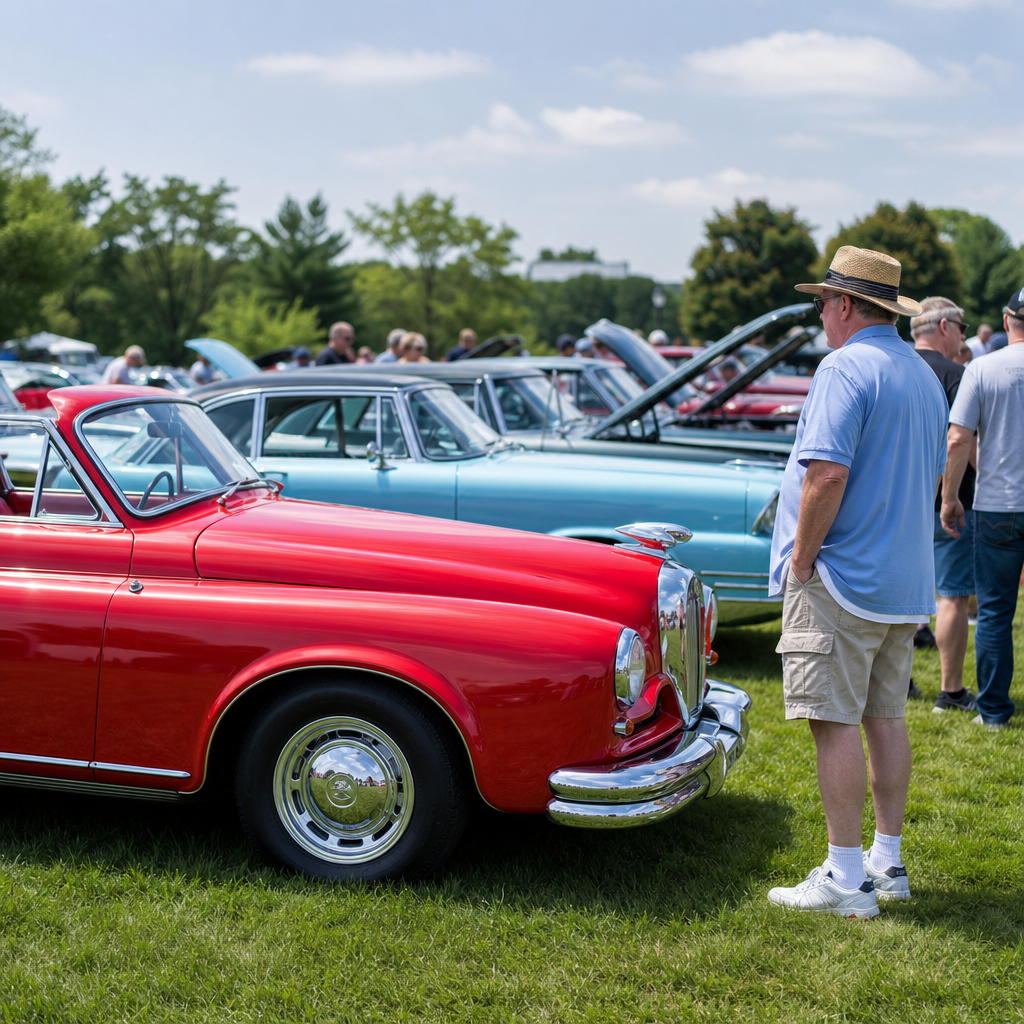
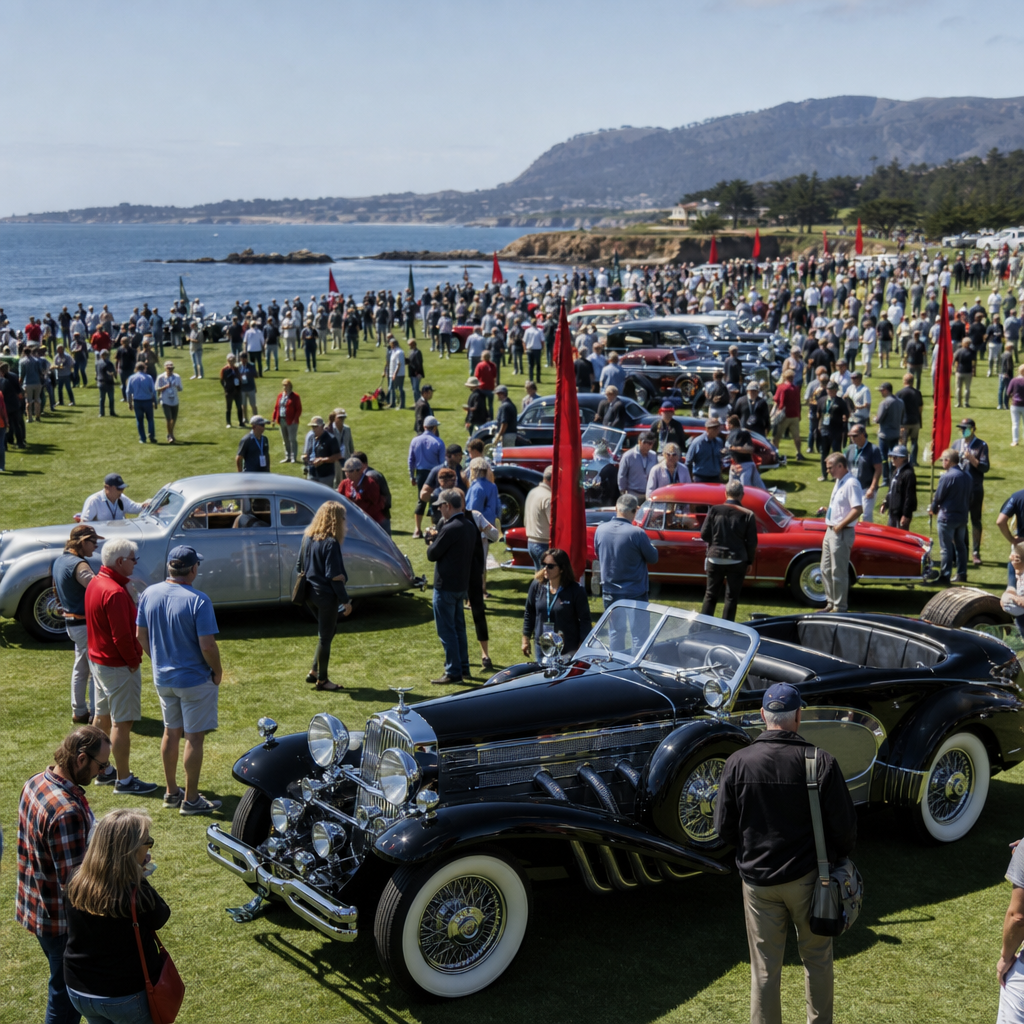
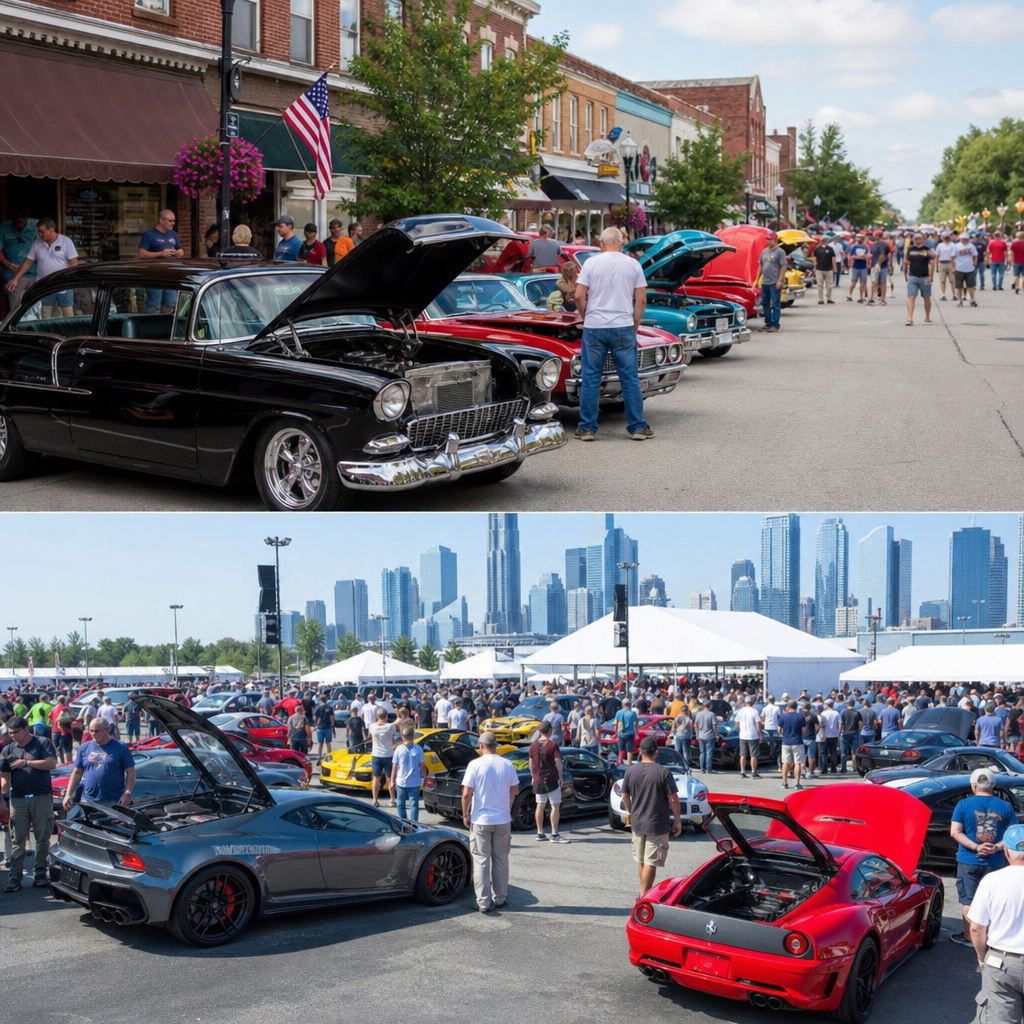
Events deepen those networks. Concours shows teach presentation standards and historical detail. Vintage racing introduces a different ownership culture centered on mechanical preparation and safe use. Touring events reveal which cars function in real traffic and weather. Local gatherings connect beginners with people willing to inspect a potential purchase or recommend a trustworthy shop. Many collector stories hinge on these moments: meeting a former owner who still has original manuals, locating rare new old stock trim through a registry contact, or hearing from a restorer who recognizes a car from work done twenty years earlier.
Community also shapes legacy. As collectors age, questions of succession become urgent. Families may not know the difference between a documented, rare specification car and an average driver. Good collectors prepare. They keep records organized, note special features, list expert contacts, and make plans for sale, donation, or transfer. That work protects both financial value and historical context. In the end, the life of a classic car collector is not just about owning remarkable machines. It is about preserving stories with enough care that the next custodian receives more than a title and a set of keys. Explore the collector stories throughout this hub, learn from real ownership experiences, and use those lessons to build a collection with purpose, patience, and integrity.
Frequently Asked Questions
What does a classic car collector actually do beyond simply owning old cars?
A classic car collector does far more than store vintage vehicles in a garage. Serious collecting involves research, judgment, and long-term planning. Collectors study production history, factory specifications, ownership records, auction results, restoration methods, and marque-specific details that affect authenticity and value. They often spend years learning how to identify matching numbers, correct trim, period-correct finishes, original drivetrains, and subtle features that separate an ordinary old car from an important example.
Beyond research, collectors manage the practical side of stewardship. That includes arranging inspections, sourcing hard-to-find parts, documenting maintenance, choosing qualified restoration shops, and preserving paperwork such as titles, service records, photographs, and provenance files. Many also build relationships with mechanics, historians, auction specialists, appraisers, insurers, and fellow enthusiasts. In that sense, collecting is a discipline built around preservation and responsibility. The goal is not just possession, but informed care of vehicles that represent design, engineering, and cultural history.
Why is provenance so important in the life of a classic car collector?
Provenance is one of the most important factors in classic car collecting because it helps establish a vehicle’s identity, legitimacy, and historical significance. In simple terms, provenance is the documented story of the car: where it came from, who owned it, how it was maintained, whether it was raced, restored, modified, or preserved, and how closely it remains connected to its original configuration. Strong provenance can dramatically increase buyer confidence and, in many cases, market value.
For a collector, provenance is not just about prestige. It also reduces uncertainty. A car with complete records, original documentation, old registrations, factory build sheets, restoration invoices, and historical photographs is easier to evaluate than one with gaps in its past. This matters because small uncertainties can lead to big questions about originality, mileage, prior damage, engine swaps, or inaccurate restorations. In the classic car world, terms matter greatly. A documented survivor, for example, carries a very different meaning from a heavily restored vehicle made to look original. Collectors rely on provenance to make smart buying decisions and to preserve the integrity of the cars they own.
What is the difference between a survivor, an original car, and a restored classic?
These distinctions are central to the collector world because they shape how a car is evaluated, preserved, and valued. A survivor is generally understood to be a vehicle that retains much of its factory finish, materials, and components, often including original paint, interior, trim, and mechanical systems. Survivors are prized because they offer an authentic reference point for how the car actually existed when new, including natural aging and wear. They tell a more direct historical story than a vehicle that has been fully redone.
An original car is similar in spirit but can be used more broadly. It usually refers to a car that has not been significantly altered from factory specification, though it may have received maintenance, repairs, or minor sympathetic updates over time. A restored classic, by contrast, has undergone work intended to return it to a previous condition, whether that means concours-level accuracy, high-quality driver standards, or a more practical refurbishment. Restoration can range from careful preservation of existing materials to a complete teardown and rebuild.
Collectors pay close attention to these terms because they influence both philosophy and market perception. Some cars are best left largely untouched if their originality is exceptional. Others require restoration to remain roadworthy or to reverse years of neglect. The best collectors understand that preservation and restoration are not the same thing, and knowing when to protect existing history versus when to intervene is one of the defining skills in the hobby.
How do classic car collectors decide whether to restore a car or preserve it as-is?
This is one of the most nuanced decisions a collector makes, and there is rarely a one-size-fits-all answer. The choice depends on the car’s rarity, condition, originality, historical importance, intended use, and the quality of what remains. If a vehicle still has substantial factory finishes, original upholstery, rare components, and a well-documented history, preservation is often the wiser path. Once original paint, trim, stitching, plating, and assembly details are removed, that untouched evidence of the car’s past cannot be recreated in exactly the same way.
On the other hand, restoration may be appropriate when a car has suffered severe deterioration, unsafe mechanical wear, poor past repairs, corrosion, or incomplete components. In those cases, the collector has to balance historical sensitivity with functionality and structural integrity. A good restoration plan is guided by research, not guesswork. Collectors study factory literature, consult marque experts, and document every stage so the work remains as accurate and transparent as possible.
The strongest collectors resist over-restoring a car into something it never was. They understand that authenticity matters more than perfection. A carefully preserved cabin with honest patina can be more desirable than a freshly redone interior trimmed in incorrect materials. Ultimately, the decision comes down to stewardship: what course of action best protects the car’s history, usability, and long-term significance?
Is classic car collecting mainly about investment, or is it really driven by passion?
For most serious collectors, passion comes first, but discipline has to follow. People are often drawn in by memory, design, sound, engineering, family history, or admiration for a particular era of motoring. That emotional connection is real, and it is part of what makes collecting meaningful. But successful collecting cannot rely on enthusiasm alone. It requires careful buying, realistic budgeting, patience, documentation, and an understanding of how markets rise and fall.
Classic cars can appreciate in value, but the market is never uniform and never guaranteed. Desirability depends on rarity, condition, provenance, originality, restoration quality, and broader trends in collector demand. A car that looks appealing to a novice may be a weak acquisition if it has questionable history or incorrect components. Likewise, a less flashy but highly original example from a respected model line may prove more significant over time. Experienced collectors know that maintenance, storage, transport, insurance, and restoration costs can be substantial, so they view ownership as long-term stewardship rather than easy profit.
In practice, the most respected collectors combine heart and rigor. They buy cars they genuinely care about, but they also learn the language of the hobby, build trusted networks, and make decisions that preserve both historical value and financial sanity. That balance is what truly defines life inside classic car collecting.