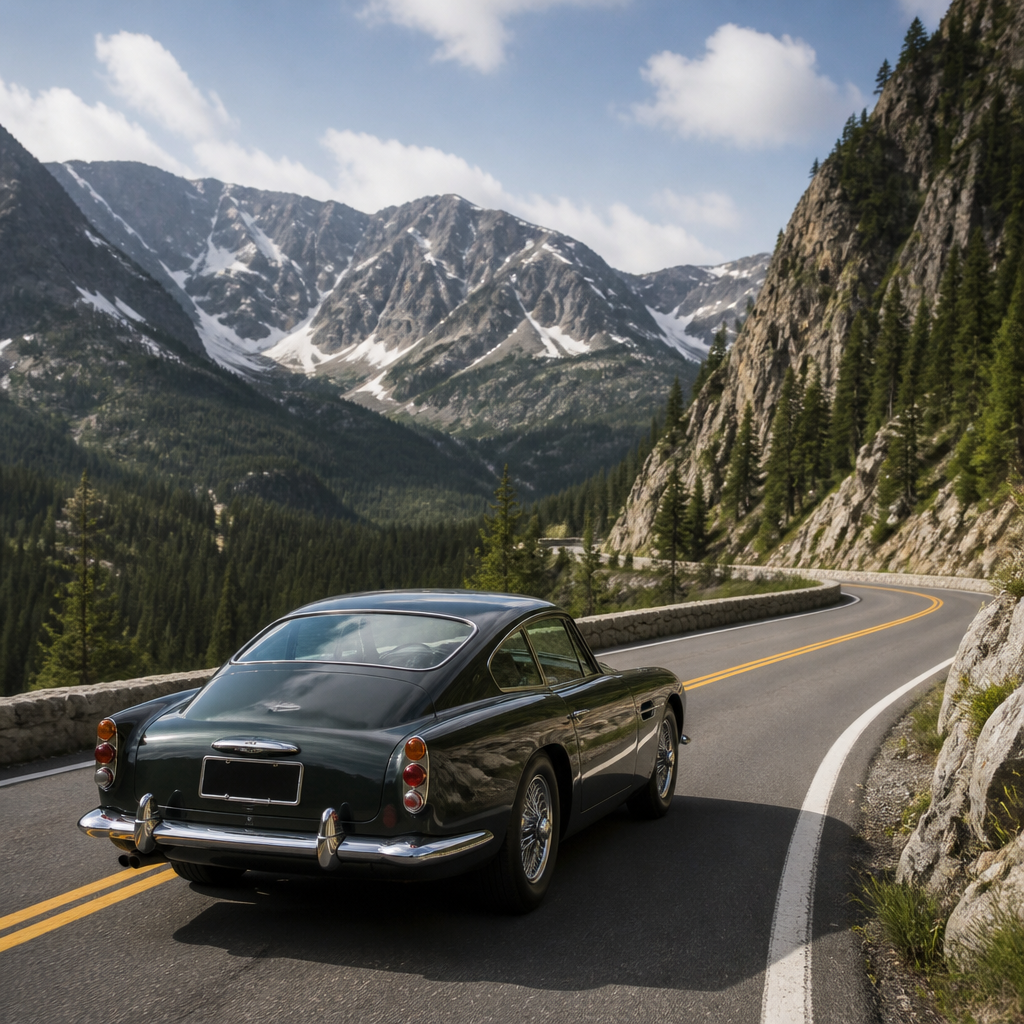
Mountain drives and classic cars belong together because few experiences match the rhythm of a well-kept vintage machine climbing through switchbacks, cooling in pine-scented air, and opening onto a long scenic descent. In classic car travel, the route matters as much as the vehicle. A mountain drive is not simply a road at elevation; it is a journey shaped by gradients, weather, road surface, fuel access, brake demands, and the character of the car itself. For owners of air-cooled sports cars, British roadsters, American grand tourers, vintage sedans, and prewar machines, mountain touring offers the most complete way to enjoy handling, sound, and mechanical feedback at legal road speeds. I have planned and driven these routes with carbureted coupes, drum-brake convertibles, and older V8 cruisers, and the same lesson keeps proving true: a rewarding trip depends on choosing roads that fit the car, the season, and your preparation. This hub to classic car travel explains what makes mountain drives ideal, how to match routes to vehicle types, which roads stand out, and how to plan safe, memorable trips without treating a collector car like a modern appliance.
Why mountain roads suit classic cars so well
Classic cars shine on mountain roads because those roads emphasize engagement over outright speed. Most older cars communicate through steering weight, body roll, gearing, and engine note. On a flat interstate, that character can feel lost. On a two-lane climb with changing radius corners and varied elevations, every input matters. Lower average speeds let drivers enjoy a car’s balance without needing enormous horsepower. A 90-horsepower Alfa Romeo Giulia, a Triumph TR6, or a Porsche 356 can feel alive on a mountain grade in ways that a straight highway never reveals.
Elevation and temperature also influence performance. Naturally aspirated engines lose power as altitude increases, generally around three percent per 1,000 feet, so a carbureted car that feels eager at sea level may become softer above 7,000 feet. That sounds like a drawback, but it often suits touring because drivers settle into the road rather than chasing speed. Cooler mountain air helps older cooling systems, though extended climbs can still expose weak radiators, tired fan clutches, lean mixtures, or marginal water pumps. Brake fade, vapor lock, and overheating are not theoretical issues on steep routes; they are the practical realities that separate enjoyable classic car travel from stressful roadside repairs.
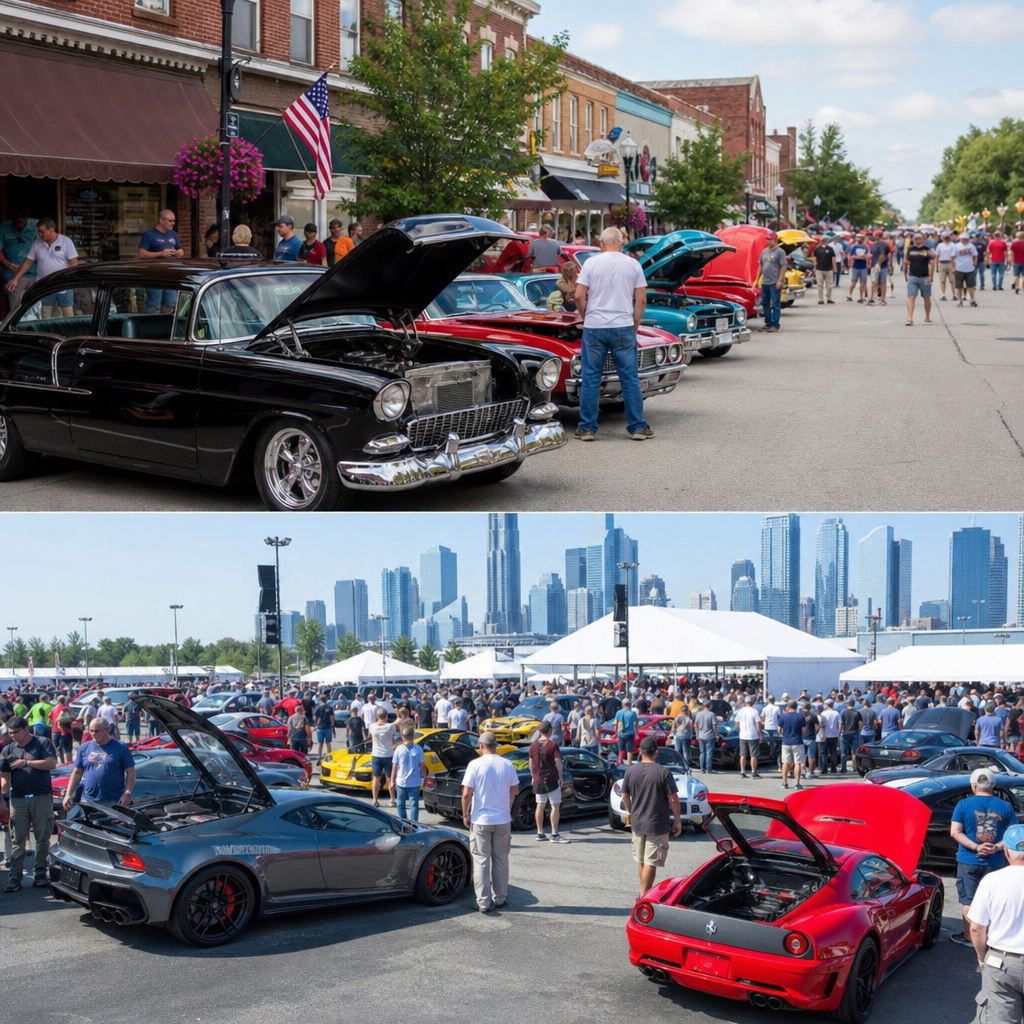
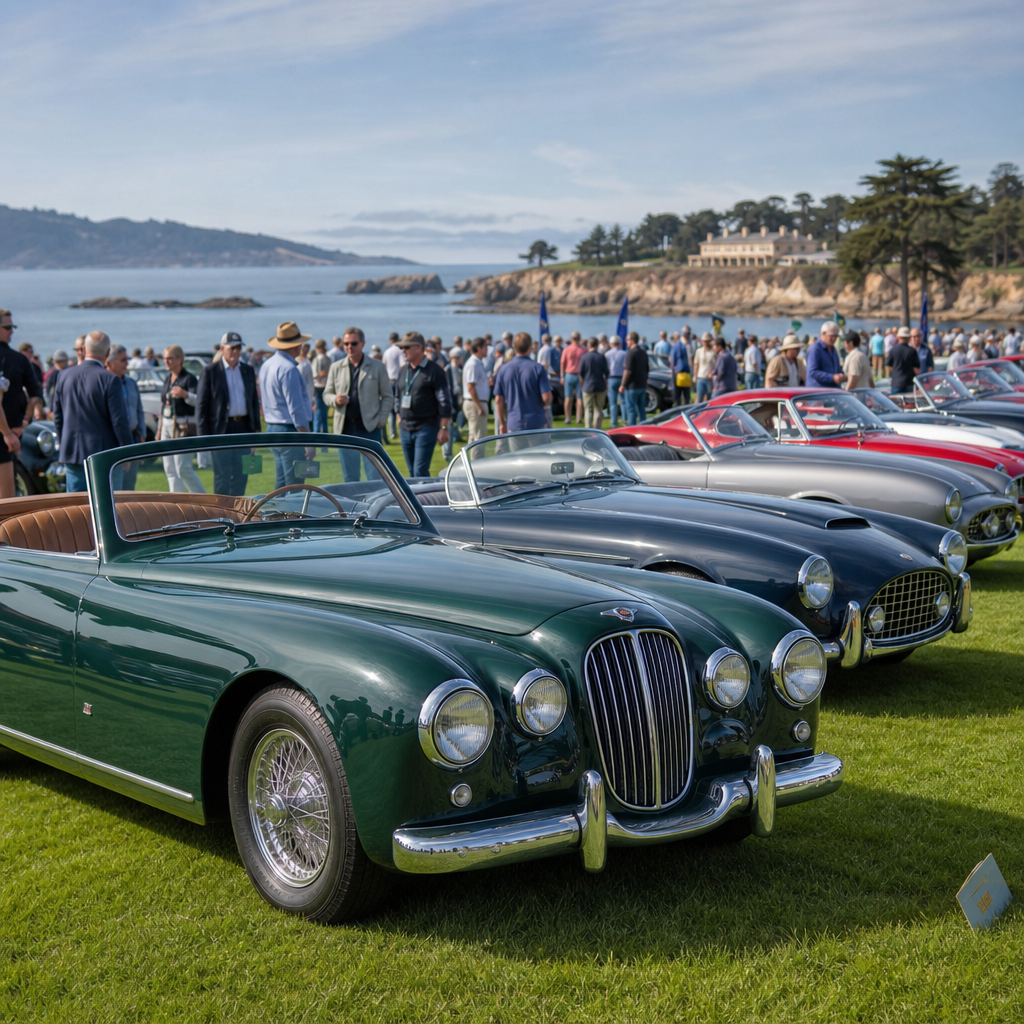
Scenery matters too. Mountain roads deliver natural pauses that fit older cars: overlooks, historic lodges, small towns, fuel stops, and photo turnouts. These breaks reduce fatigue and give engines time to cool. For a sub-pillar guide to classic car travel, mountain touring is central because it combines driving pleasure, destination appeal, mechanical awareness, and community. Clubs often choose mountain destinations for rallies because they offer shorter mileage, stronger visual rewards, and more varied roads than point-to-point freeway runs.
What makes a mountain drive good for a classic car
The best mountain drives for classic cars share a few clear traits. First, they balance curves with visibility. A road with endless blind decreasing-radius corners may thrill on paper, but it can punish older brakes, narrow tires, and slower steering boxes. Second, pavement quality matters more than pure reputation. Expansion joints, frost heaves, gravel spillover, and broken shoulders hit leaf springs, bushings, and wire wheels harder than they affect modern suspensions. Third, support infrastructure is essential. A scenic route with no fuel for 80 miles can become risky for cars with inaccurate fuel gauges or small tanks.
When I assess a route, I look at six factors: sustained grade, corner frequency, guardrail exposure, shoulder width, nearest premium fuel, and cell coverage. Older engines may tolerate regular fuel if compression is modest, but many European classics and tuned American V8s prefer higher octane. Ethanol-free fuel is useful for older rubber components and cars that sit between travel days, although availability remains inconsistent. Weather exposure is equally important. A beautiful pass in the morning can become foggy, wet, or cold by afternoon, and older wipers, heaters, demisters, and seals are often mediocre by modern standards.
Traffic patterns can make or break the experience. The perfect classic car mountain road usually has light weekday traffic, moderate tourism infrastructure, and limited heavy truck use. That is why many drivers prefer shoulder seasons, especially late spring and early fall. Summer can bring crowds and heat. Winter closures are common above certain elevations, and even roads that stay open may use sand or deicing treatments that owners of restored cars wisely avoid.
Best types of mountain routes by classic car style
Not every classic car wants the same road. Small sports cars thrive on technical passes where agility beats speed. Cars like the Lotus Elan, MG B, Austin-Healey Sprite, and early BMW 2002 feel best on narrower roads with frequent corners and lower speed limits. Mid-century GT cars such as a Mercedes-Benz 280SL, Jaguar XJS, or Ford Mustang fastback prefer flowing roads with sweepers, scenic straights, and comfortable towns for overnight stops. Heavy American classics, especially convertibles with soft suspensions and longer wheelbases, do better on broad parkways and mountain byways rather than ultra-tight hairpin routes.
Prewar cars deserve special consideration. Mechanical brakes, non-synchromesh gearboxes, lower cruising speeds, and limited lighting make route choice critical. For these vehicles, scenic foothill roads and modest passes are often better than high alpine routes. Air-cooled classics such as the Volkswagen Beetle and Porsche 911 can be excellent mountain companions because they warm up quickly and tolerate altitude changes well, but they still need careful attention to oil temperature and fan-belt condition. Big-block muscle cars bring charisma to mountain drives, yet they often run hotter, drink more fuel, and ask more of their brakes on long descents.
| Classic car type | Ideal mountain route | Main advantage | Primary caution |
|---|---|---|---|
| Light sports car | Tight two-lane pass roads | Agility and driver feedback | Limited luggage and weather protection |
| Grand tourer | Flowing scenic byways | Comfort over long distances | Weight on brakes and tires |
| American cruiser | Wide mountain parkways | Relaxed pace and visibility | Body roll and fuel consumption |
| Prewar touring car | Lower elevation historic routes | Authentic period travel feel | Climbing speed and braking limits |
Mountain drives worth knowing in North America
Several North American routes consistently work well for classic car travel. The Blue Ridge Parkway is the obvious benchmark. It is not a fast road, and that is precisely why it suits older cars. Commercial traffic is limited, scenery is constant, and grades are manageable. A Triumph Stag, C2 Corvette, or Volvo 1800 can cover meaningful distance there without feeling rushed. Fuel and lodging require short detours, so planning matters, but the road’s calm pace rewards classics.
Going-to-the-Sun Road in Montana is spectacular, though seasonal opening dates, narrow lanes, and congestion demand patience. It is better for smaller classics than large coupes, and drivers should expect frequent stops. In California, Highway 89 around Lake Tahoe and sections near Lassen Volcanic National Park offer a better classic car balance than highly trafficked coastal roads during peak season. For drivers in the Southwest, the Million Dollar Highway in Colorado is unforgettable, but exposure, altitude, and steep grades make it better for well-sorted cars with strong cooling and braking systems.
The Cherohala Skyway on the Tennessee–North Carolina border is one of the finest modern-era scenic roads for classic touring because it combines sweepers, elevation, and good pavement. It suits everything from an E-Type to an air-cooled 911. Nearby, the Tail of the Dragon is famous, but many classic owners find it too crowded and intense for relaxed touring; it works better as a brief side trip than the core of a classic car vacation. In the Northeast, Vermont Route 100 and New Hampshire’s Kancamagus Highway provide shorter, richly scenic options, especially in early fall, though leaf-season traffic can be heavy.
Planning a classic car mountain trip the right way
Preparation starts with the car, not the booking app. Before any mountain drive, inspect coolant hoses, belts, wheel bearings, battery hold-downs, brake fluid age, tire date codes, and spare tire pressure. Flush old brake fluid if it has absorbed moisture; descending a pass with boiling fluid is a real risk. Check charging output with lights and heater running. On carbureted cars, verify idle mixture, hot starts, and fuel line routing. On fuel-injected classics, inspect hoses and carry a fuel pump relay if the model is known for failures. Pack a tool roll, test light, spare fuses, basic wire, hose clamps, ignition parts if applicable, and at least one quart of the correct oil.
Route planning should include distance between fuel stops, elevation changes, sunrise and sunset, and bailout options. I recommend shorter daily mileage than owners first imagine, usually 120 to 220 miles depending on the car and terrain. That leaves room for photos, cooling stops, and unexpected delays. Paper maps still matter because mountain coverage can be inconsistent. If your club or travel group uses radios, test them before departure and agree on simple procedures for breakdowns and regrouping.
Accommodation choice is part of the strategy. Older roadside motels, boutique lodges, and inns with ground-floor parking often work better than urban hotels with tight ramps or valet parking. Secure, visible parking reduces anxiety and limits the temptation to leave a packed car unattended. If rain is likely, microfiber towels, a windshield treatment safe for older glass, and a compact battery tender can be surprisingly useful on multi-day trips.
Driving techniques that protect the car and improve the trip
The most important mountain-driving skill in a classic car is mechanical sympathy. Climb in the gear that keeps the engine comfortable, not the gear that flatters fuel economy. Watch temperature trends rather than waiting for a warning light. Use engine braking on descents, especially in cars with drum brakes or heavy curb weight. If you smell brakes, stop and let them cool. Do not set the parking brake immediately after a hot descent on cars with rear drums, because components can bind as heat disperses.
Cornering should be smooth and conservative. Older tires, steering boxes, and suspension geometry rarely forgive abrupt inputs. Leave extra following distance because classics often stop longer and accelerate slower than surrounding traffic expects. In wet conditions, avoid painted lines, metal bridge joints, and pooled runoff near rock faces. Convertibles and coupes with vent windows can fog quickly at elevation, so keep a cloth handy and verify that demisting actually works before the trip.
Human factors matter as much as machine factors. Fatigue rises faster on mountain roads because concentration remains high. Drivers should rotate when possible, hydrate often, and eat lightly at lunch. The goal of classic car travel is not to prove endurance. It is to build a day around the car’s strengths while returning with the vehicle, passengers, and memories intact.
How this hub connects the wider classic car travel topic
Mountain drives are the ideal hub for understanding classic car travel because they touch every supporting subject owners care about. A full travel strategy includes route planning, packing, roadside repair readiness, weather management, photography, club tours, lodging, insurance, and destination selection. Mountain touring also leads naturally into related guides on scenic coastal routes, desert drives, small-town event weekends, cross-border paperwork, rally etiquette, and how to prep specific vehicle types for long trips.
If you are building a travel calendar within classic car culture and lifestyle, start with one well-planned mountain weekend. Choose a route that matches your car’s age, power, brakes, and weather protection. Inspect the car thoroughly, book parking-friendly lodging, and keep daily mileage realistic. Done right, mountain drives reveal why classic car travel remains one of the richest parts of ownership: the machine stops being a static object and becomes a companion in motion. Use this guide as your starting point, then map your next route, refine your preparation, and turn more drives into lasting traditions.
Frequently Asked Questions
What makes a mountain drive especially good for a classic car?
A great mountain drive for a classic car combines scenery with mechanical sympathy. The best routes offer steady elevation changes, well-maintained pavement, predictable curves, and enough pull-offs or overlooks to let the car cool and the driver enjoy the surroundings. Unlike modern vehicles, many classic cars reward roads that emphasize rhythm rather than speed. A winding two-lane route with clean sightlines, moderate grades, and light traffic often feels far better than an aggressive pass with rough pavement, constant braking, and no services nearby.
Road character matters just as much as the view. Classics tend to feel most alive on roads where steering feedback, engine note, and chassis balance can be appreciated without being overworked. For owners of air-cooled sports cars, older British roadsters, vintage American coupes, or early grand tourers, a mountain route should suit the strengths of the car rather than challenge its limitations at every mile. Smooth switchbacks, scenic descents, and stretches where the engine can settle into a comfortable operating range usually create the most memorable drive. In short, the ideal mountain road is beautiful, engaging, and forgiving enough to let an older machine perform at its best.
How should I prepare a classic car before taking it on a mountain route?
Preparation is the difference between a rewarding drive and a stressful one. Start with the fundamentals: cooling, brakes, tires, fluids, belts, battery condition, and fuel delivery. Mountain roads put sustained demand on all of them. Check coolant level if the car is water-cooled, and make sure hoses, clamps, and the radiator are in good condition. If the car is air-cooled, confirm that the cooling system is unobstructed, the engine is properly tuned, and oil level is exactly where it should be. Long climbs and warmer ambient temperatures can expose issues that never appear during local driving.
Brake health is equally important because descents can be harder on an older car than the climb itself. Inspect pad or shoe thickness, rotor or drum condition, fluid age, and pedal feel. Old brake fluid can fade quickly when it gets hot. Tires should have proper pressure, sound sidewalls, and enough tread for both dry pavement and sudden weather changes. Beyond the basics, bring sensible spares and tools: belts, fuses, ignition components if applicable, extra oil, a flashlight, a tire inflator, and roadside contact information. It is also wise to map fuel stops in advance, since remote mountain areas may have limited hours or no premium fuel. A classic can absolutely thrive in the mountains, but it appreciates a driver who plans ahead.
Are mountain drives harder on air-cooled and vintage cars than regular scenic routes?
Yes, they can be, but that does not mean they should be avoided. Mountain driving places sustained load on an engine during climbs and sustained heat into the brakes during descents. For air-cooled sports cars in particular, long uphill sections on hot days can push oil temperatures higher than what owners see in everyday driving. Carbureted cars may also react differently to altitude, showing changes in mixture, idle quality, or throttle response. Older cooling systems, mechanical fuel pumps, and ignition setups can all be more sensitive when elevation, heat, and slow traffic combine.
That said, many classic cars are wonderfully suited to mountain roads when driven with care. The key is to drive within the car’s comfort zone. Use lower gears to keep the engine in an efficient range without lugging it, watch gauges closely, and take breaks at overlooks if temperatures begin to rise. On descents, let engine braking do part of the work instead of relying entirely on the pedal. Vintage cars often prefer smooth inputs and steady pacing, and mountain roads reward exactly that style. Done properly, a mountain drive is not abuse; it is one of the most satisfying ways to experience an older car’s engineering and personality.
What driving techniques help protect a classic car on steep climbs and descents?
On climbs, the most important rule is to avoid lugging the engine. A classic car generally does better when it can breathe and rev naturally rather than struggle in too high a gear. Downshift early, maintain momentum, and keep an eye on oil pressure and temperature if your car has gauges. If traffic forces a slow pace, give the car space and avoid abrupt throttle inputs. Older drivetrains often respond best to smooth, deliberate control. If the route includes stop-and-go sections on a hot day, pulling over briefly at a safe turnout can help keep heat from building unnecessarily.
On descents, protect the brakes by using engine braking. Select a gear that holds the car back without requiring constant pedal pressure. Repeated light braking for miles can generate more heat than firm, brief applications followed by release. If you smell hot brakes or feel fade, stop at a safe turnout and let everything cool before continuing. For manual steering and older suspension setups, it also helps to slow before the corner rather than through it. Classic cars communicate clearly when they are balanced, and mountain roads become much more enjoyable when the driver works with the chassis instead of asking it to recover mid-turn. Smoothness preserves both the car and the experience.
How do I choose the right mountain route for my specific classic car?
The right route depends on the car’s strengths, comfort, and range. A lightweight roadster with modest power may shine on tighter, lower-speed roads where agility matters more than long high-speed climbs. A grand touring coupe may be better suited to broad sweepers, steady grades, and extended scenic sections between towns. Cars with drum brakes, marginal cooling, short fuel range, or limited luggage space need especially careful route planning. Look beyond photos and popularity lists. Study the grade, length of climbs, road surface quality, weather patterns, altitude, traffic density, and distance between fuel or service stops.
It also helps to match the route to the purpose of the trip. If the goal is pure driving enjoyment, choose a road with good pavement, modest traffic, and frequent scenic pull-offs. If the trip is part of a longer tour, prioritize reliability factors such as fuel access, lodging, and cell coverage. Seasonal timing matters too. Early mornings usually bring cooler air, less traffic, and a more relaxed pace, all of which favor older cars. Ultimately, the best mountain drive for a classic car is not necessarily the tallest, fastest, or most dramatic road. It is the one that complements the car’s character, respects its limits, and lets the driver enjoy every mile with confidence.