Classic car travel turns a drive into an event, combining mechanical character, scenic roads, and slower, more intentional tourism. Within classic car culture, the term usually covers road trips, rallies, weekend tours, destination events, and heritage routes completed in vehicles that are typically older than twenty-five years, though many enthusiasts also include analog-era cars from the 1980s and 1990s. The appeal is not only nostalgia. A well-planned trip in a vintage Mustang, Jaguar E-Type, Porsche 911, Mercedes-Benz SL, Chevrolet Bel Air, or Volkswagen Beetle creates sensory experiences modern cars often filter out: steering feel, engine sound, visible craftsmanship, and direct engagement with the road.
Classic car travel matters because it sits at the intersection of preservation and use. Cars survive when they are driven, serviced, and understood in real conditions. Over the years, I have found that owners who actually tour in their vehicles learn more about cooling systems, fuel delivery, charging health, brake fade, tire behavior, and luggage limitations in one long weekend than in months of garage polishing. Travel also broadens the hobby. It connects owners with route planning, historic lodging, concours weekends, club events, museum visits, and local roadside culture, turning a static collectible into a living part of everyday history.
This hub explores the best classic car travel bucket list ideas and the practical framework behind them. It answers the questions enthusiasts ask most: what types of trips work best, which destinations suit older vehicles, how far can you realistically go, what should you pack, and how do you reduce risk without losing the spirit of adventure. If you want inspiration for a first overnight run or a longer grand tour, this guide maps the major options, explains the tradeoffs, and helps you build a classic car travel plan that is memorable for the right reasons.
Scenic Road Trip Bucket List Ideas for Classic Cars
The purest classic car travel experience is the scenic road trip built around roads rather than events. The best routes balance beauty, mechanical sympathy, and easy support stops. Blue Ridge Parkway is a standout because speeds are moderate, grades are manageable for many carbureted cars, and the overlooks naturally break the day into short driving segments. For owners of air-cooled Volkswagens, British roadsters, and prewar touring cars, that rhythm matters. It reduces heat soak, driver fatigue, and the temptation to maintain modern highway speeds that can strain older engines and drum brakes.
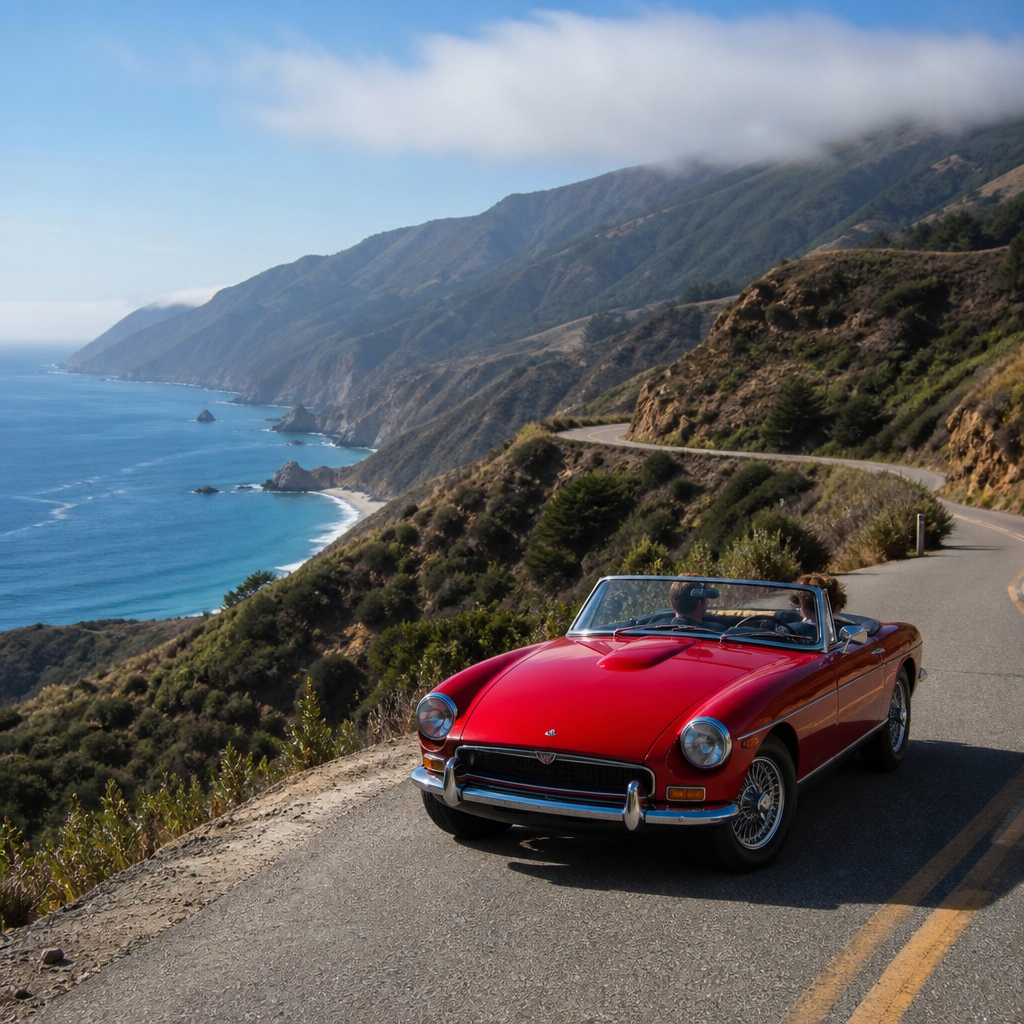
Pacific Coast Highway remains a bucket list drive, especially in convertibles such as the first-generation Ford Thunderbird, MGB, Alfa Romeo Spider, and Mercedes-Benz Pagoda SL. The route delivers ocean views, famous stopovers, and a built-in sense of occasion, but it demands realistic planning. Traffic can be heavy, weather shifts quickly, and older cooling systems should be in top condition before any summer run. I advise owners to split the route into short coastal stages, book lodging with secure parking, and avoid a rigid timetable. In a classic car, flexibility is a better strategy than trying to chase mileage goals.
Other excellent choices include Route 66 segments, the Great River Road, the Adirondack routes in the Northeast, and wine-country loops in California, Oregon, or Tuscany for those traveling abroad. These roads reward sightseeing and frequent stops, which suit classic cars better than long interstate slogs. A good rule is to choose roads where sixty miles per hour feels natural. That keeps the trip enjoyable and mechanically kinder. Scenic touring is often the best entry point into classic car travel because the format is simple: one car, one route, modest luggage, and a strong emphasis on driving pleasure.
Event-Based Trips: Rallies, Shows, and Destination Weekends
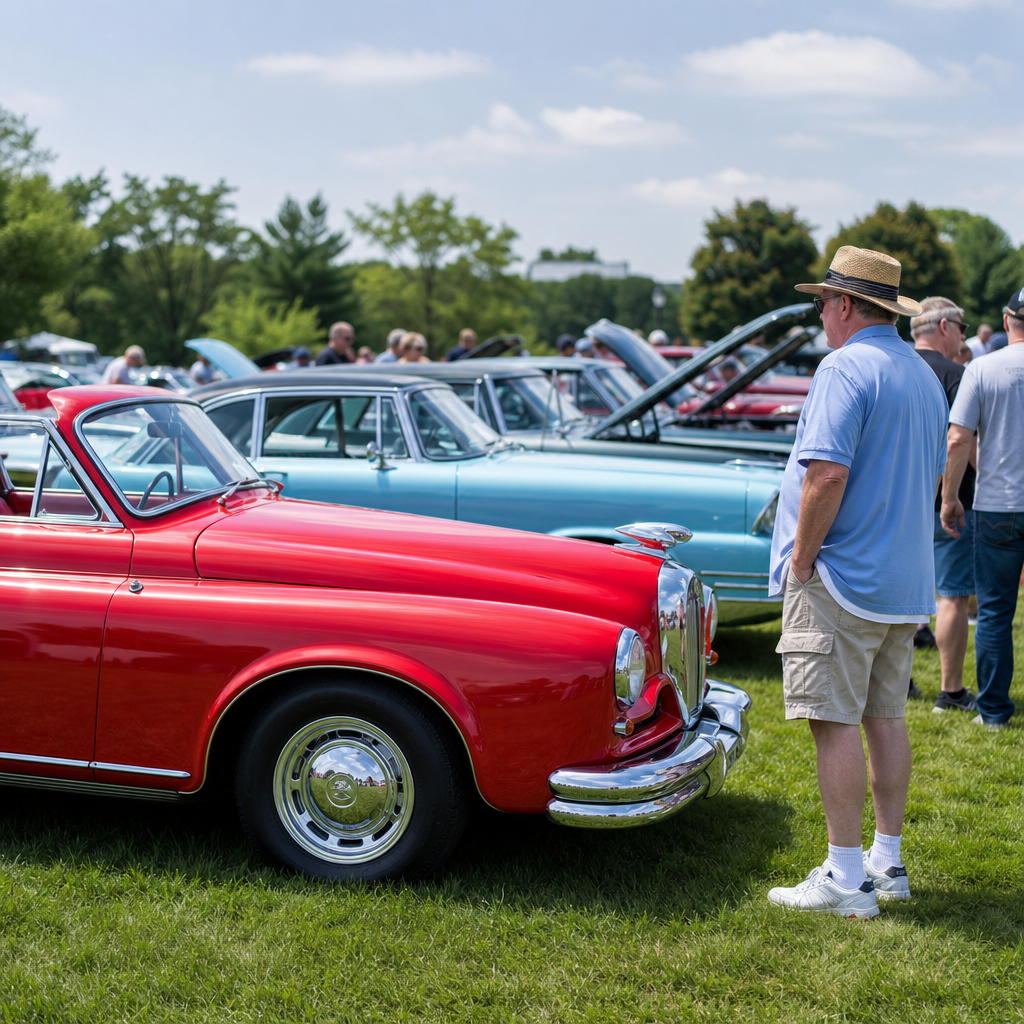
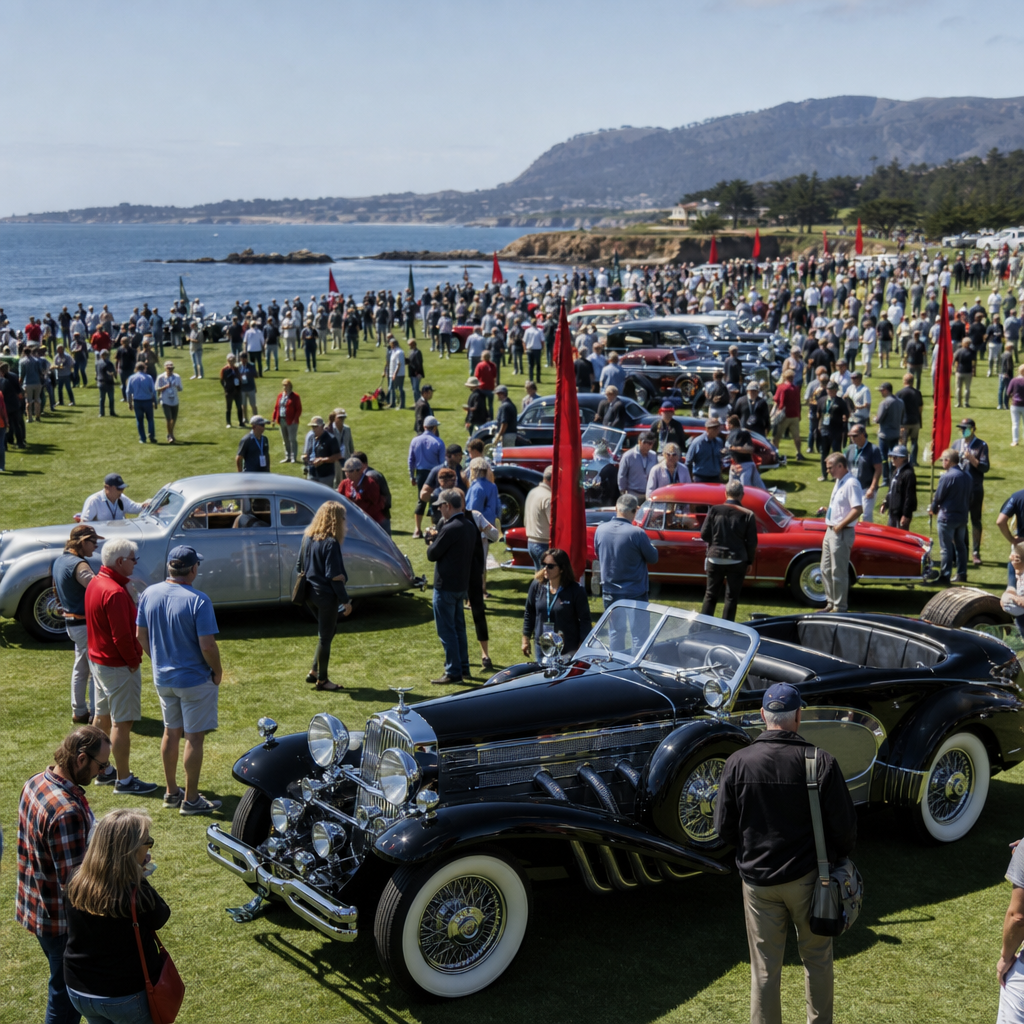
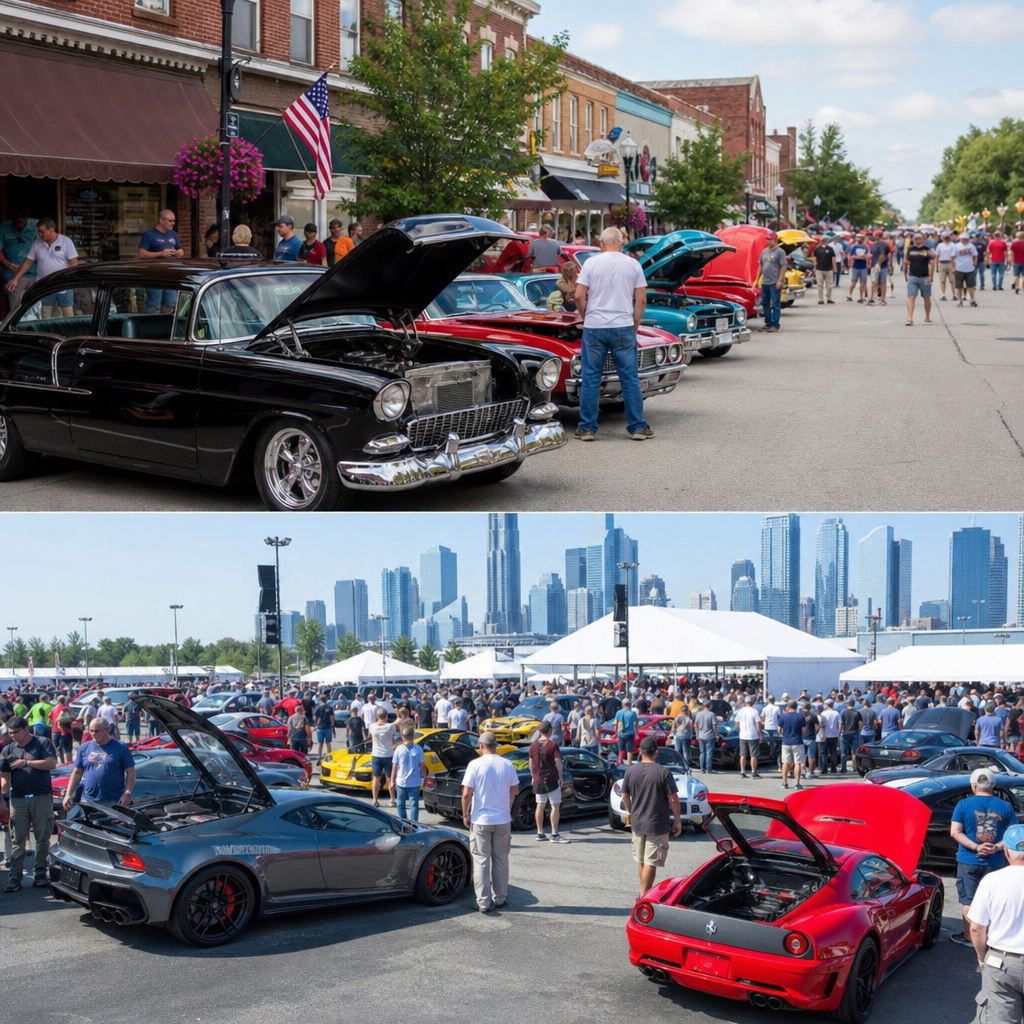
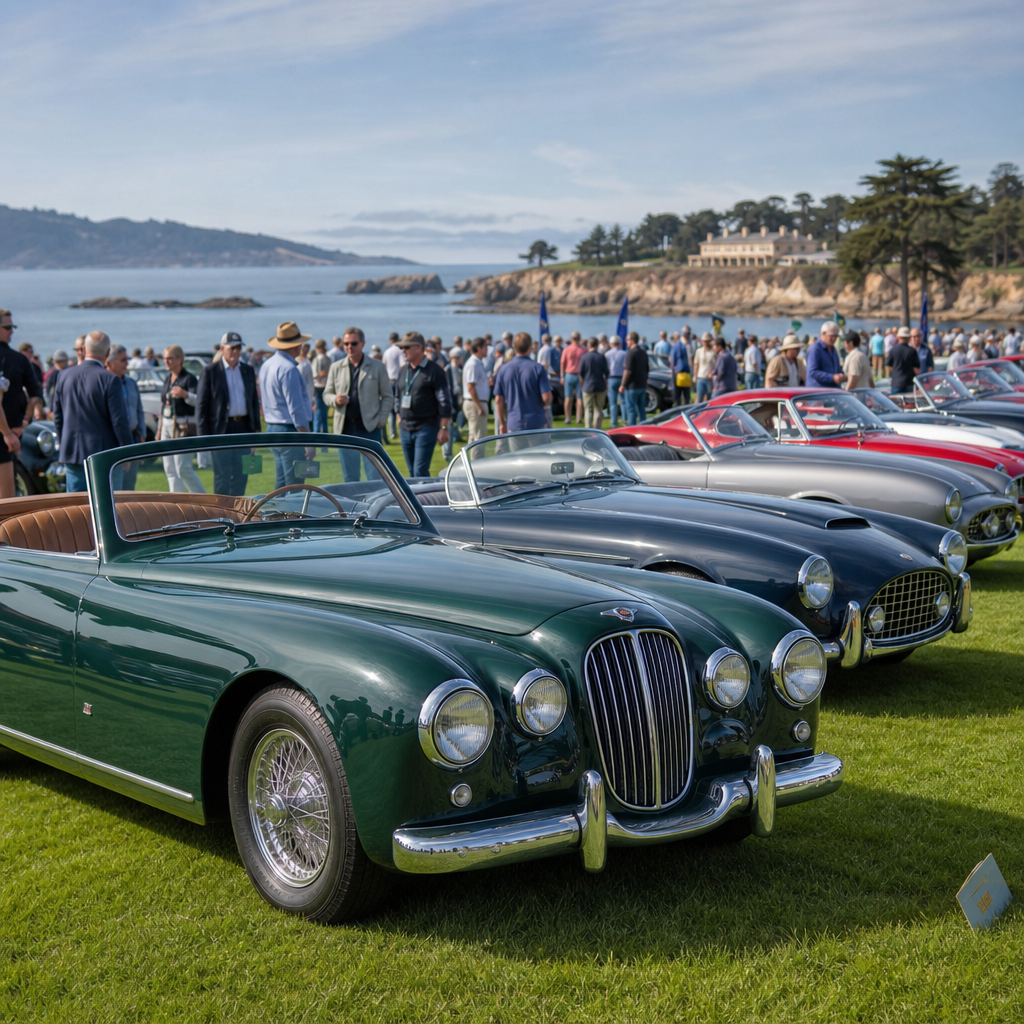
Many enthusiasts build their classic car travel bucket list around events because a destination gives shape to the journey. Monterey Car Week, the Goodwood Revival, the Mille Miglia route experience, Amelia Island, and local marque-specific gatherings all create reasons to travel beyond the car itself. Destination weekends work especially well for owners who want reassurance. You know where you are headed, you can connect with other enthusiasts on the road, and mechanical help is often easier to find near major events where clubs, specialists, and parts vendors gather.
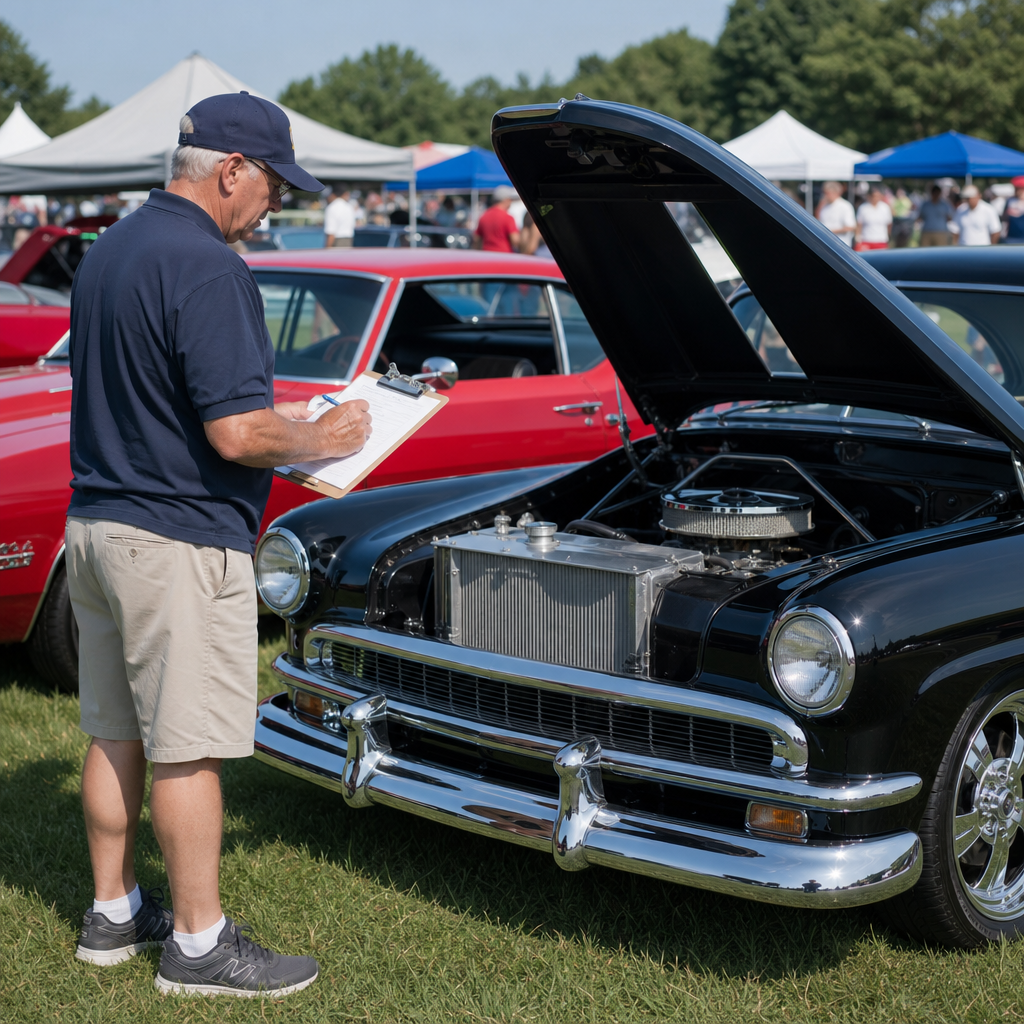
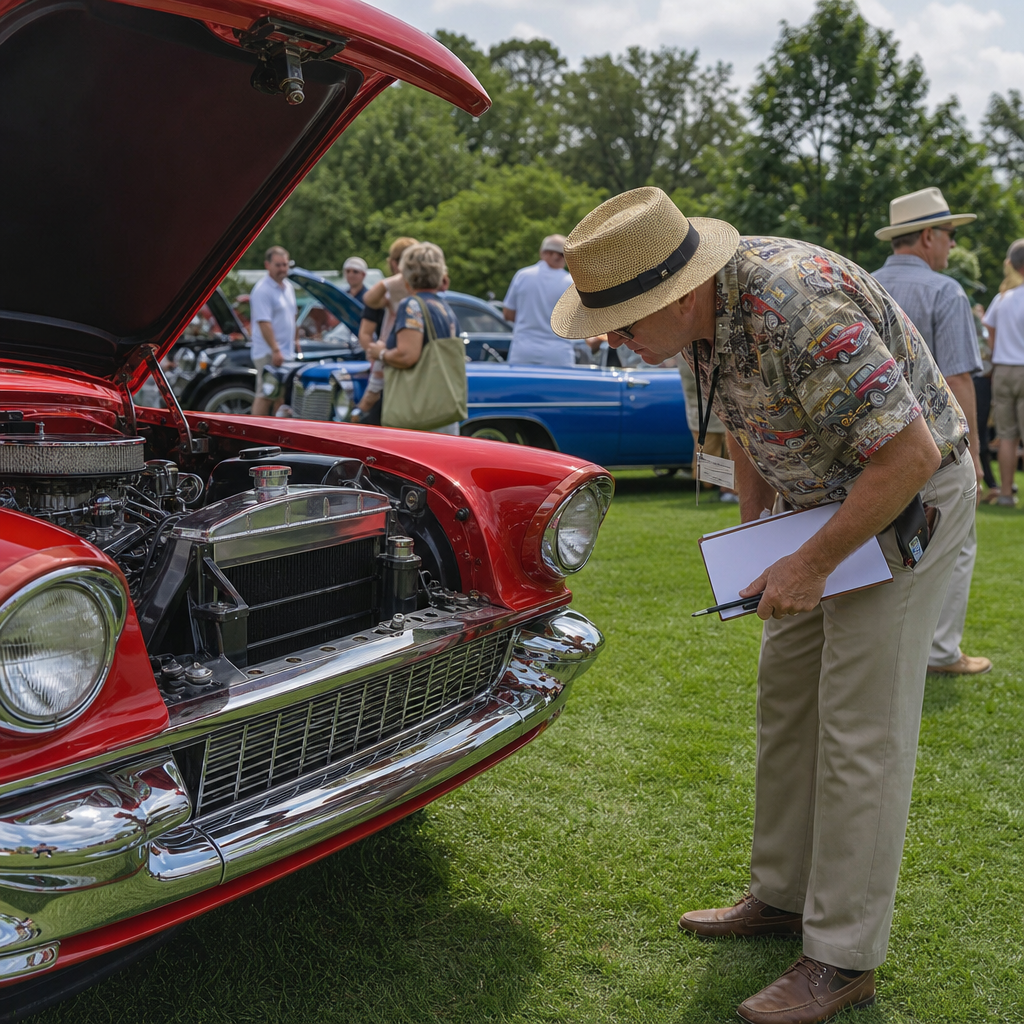
Not every event trip needs international glamour. Some of the most rewarding tours I have seen center on regional concours, autumn foliage drives, vintage racing weekends, or national club meets for Triumph, Corvette, Porsche, Jaguar, or Packard owners. A Friday departure, two hundred miles of back roads, a Saturday show field, and a Sunday museum stop can deliver the same sense of adventure as a larger rally without the expense or complexity. For first-time travelers, these structured weekends are ideal because they combine a clear schedule with enough flexibility to enjoy the road.
Event travel also solves a common planning problem: what do passengers actually want from the trip? A partner may enjoy the drive but not want six uninterrupted hours of mountain passes. A destination with food, heritage sites, shopping, or racing gives everyone a stake in the itinerary. If you are building a long-term bucket list, mix marquee events with smaller local traditions. The headline gatherings provide inspiration, while regional tours make classic car travel sustainable, affordable, and repeatable throughout the year.
How to Match the Trip to the Car
The smartest classic car travel plans begin with the vehicle’s real capabilities, not the owner’s idealized image of it. A 1931 Ford Model A, a 1967 Austin-Healey 3000, and a 1991 Mercedes-Benz 500SL are all classic travel cars, but they require different routes, cruising speeds, and support expectations. Start by assessing three basics: comfortable sustained speed, operating temperature behavior, and braking confidence on descents. If a car is happiest at fifty-five miles per hour, build an itinerary that respects that. If it struggles in stop-and-go heat, avoid urban bottlenecks and summer peak periods.
Range is equally important. Many vintage cars have smaller tanks, less accurate gauges, or both. On several tours, I have planned fuel stops every one hundred to one hundred twenty miles even when the car could theoretically go farther. That conservative spacing removes anxiety and gives room for detours. Luggage also shapes the trip. Coupes may handle long distances beautifully but offer limited storage, especially if you need tools, fluids, a battery charger, and weather gear. Convertibles invite scenic travel yet may require waterproof packing and better security planning at hotels.
Use the table below to align trip styles with common classic car profiles.
| Classic car type | Best trip style | Typical strengths | Main watchouts |
|---|---|---|---|
| Prewar tourer | Short scenic loops, heritage events | High character, attention at stops | Low cruising speed, parts scarcity |
| British roadster | Weekend back-road touring | Open-air fun, nimble handling | Weather exposure, limited luggage |
| American V8 coupe | Route-based road trips, shows | Torque, presence, easy parts support | Fuel economy, heat management |
| Air-cooled German car | Moderate-distance scenic touring | Mechanical simplicity, strong community | Cabin noise, wind sensitivity |
| 1980s-1990s grand tourer | Longer regional trips | Comfort, highway stability | Aging electronics, specialist repairs |
Matching the trip to the car is the difference between romance and frustration. The best bucket list ideas are the ones your particular classic can complete comfortably, repeatedly, and safely.
Planning, Preparation, and Reliability Essentials
Preparation determines whether classic car travel feels liberating or fragile. Before any significant trip, inspect cooling hoses, belts, ignition components, charging output, tire age, wheel bearings, fluid levels, brake shoes or pads, and all lights. If the car has sat recently, replace suspect rubber parts before departure rather than hoping they will survive. Age, not mileage, often causes failures. Ethanol-blended fuel can expose weaknesses in older hoses and carburetor seals, while modern traffic exposes marginal brakes and weak condensers faster than period roads ever did.
A practical pre-trip kit should include hand tools matched to the car, spare fuses, bulbs, belts, ignition parts where applicable, wire, tape, hose clamps, gloves, coolant or water if appropriate, engine oil, tire inflator, jump pack, flashlight, and a paper list of part numbers. I also recommend a multimeter and a printed wiring diagram for cars with known electrical quirks. Membership in Hagerty Drivers Club, AAA with long-range towing, or a marque-specific roadside network adds another layer of security. For higher-value tours, some owners even pre-identify specialist workshops along the route.
Route planning should account for daylight, fuel quality, weather, and recovery options. Navigation apps are useful, but I never rely on them alone in older cars, especially in remote areas where charging ports may be unreliable or generators weak at idle. Print the hotel addresses, key phone numbers, and route highlights. Most importantly, perform a genuine shakedown drive before the trip. A fifty-mile local test with heat cycling, idle time, and highway running will reveal issues that a brief drive around the block misses. That simple step prevents many roadside failures.
Memorable Bucket List Themes Beyond the Usual Road Trip
The strongest classic car travel bucket lists include themed journeys, not just famous roads. A heritage factory tour is one of the best examples. Driving a classic Porsche to Stuttgart, a Jaguar to Coventry, a Ferrari through Emilia-Romagna, or a Chevrolet to Bowling Green turns the destination into part of the car’s story. Even in the United States, trips built around museums such as the National Corvette Museum, Auburn Cord Duesenberg Automobile Museum, Petersen Automotive Museum, or the Gilmore Car Museum add cultural depth that appeals to both enthusiasts and passengers.
Another rewarding theme is the film-and-architecture route. Mid-century cars pair naturally with Palm Springs modernism, Art Deco districts in Miami, old diners along Route 66, or mountain lodges from the postwar tourism era. Photographing a 1957 Chevrolet in front of a neon motel or a Citroën DS against modernist architecture gives the trip a clear creative purpose. Food-focused tours also work well. Wine-country drives, barbecue trails, coastal seafood loops, and small-town bakery runs give structure to the day while naturally encouraging the slower pace classic cars prefer.
For more ambitious travelers, cross-border and international touring can be unforgettable if paperwork is handled carefully. Temporary import rules, insurance requirements, emissions zones, and tool compatibility vary widely. Still, touring the Scottish Highlands in a classic Triumph, the Alps in a vintage Mercedes, or New England during foliage season in a 1960s Volvo delivers the kind of layered memory that defines this hobby. The key is choosing themes that fit your interests and your car’s strengths rather than copying someone else’s dream itinerary exactly.
Budget, Safety, and Making the Experience Sustainable
Classic car travel is often assumed to be expensive, but the cost range is wide. A one-night regional trip may involve little more than fuel, a hotel, and preventive maintenance you should have done anyway. A major event week with premium lodging, enclosed transport backup, specialist insurance riders, and hard-to-find parts can be costly. The practical approach is to budget in three layers: trip essentials, contingency money, and post-trip maintenance. Older cars often need fluids, adjustments, or minor repairs after sustained use, and owners who plan for that enjoy the trip more.
Safety should be addressed honestly. Classic cars usually have longer stopping distances, weaker crash protection, dimmer lighting, and fewer occupant aids than modern vehicles. Compensate with route choice, defensive spacing, visible brake and turn signals, and a refusal to drive tired. If the car lacks shoulder belts or head restraints, be selective about road types and traffic density. Weather is another serious factor. Heavy rain, extreme heat, and wildfire smoke can quickly turn a pleasant tour into an avoidable strain on both machine and driver.
Sustainable enjoyment comes from building a repeatable travel habit. Start with local loops, graduate to overnights, then tackle longer bucket list routes once the car proves itself. Keep records of fuel use, temperatures, repairs, and packing lessons. Those notes become your own operating manual. Classic car travel is most satisfying when it evolves from a single dream trip into a reliable part of your lifestyle. Choose one route, one destination weekend, or one themed journey from this guide, prepare carefully, and put your car on the road where its history can keep moving.
Frequently Asked Questions
What makes a great classic car travel bucket list trip?
A great classic car bucket list trip blends three things: the right road, the right destination, and the right pace. Unlike modern road trips that often focus on speed and convenience, classic car travel is usually more enjoyable when the route itself is part of the reward. Scenic byways, coastal highways, mountain passes, wine country loops, desert roads, and historic parkways all work especially well because they highlight the personality of an older car. A winding road in a vintage Mustang, Jaguar E-Type, Mercedes SL, air-cooled Porsche, or classic Alfa Romeo feels far more memorable than a long stretch of featureless interstate.
The best trips also include meaningful stops. Heritage hotels, small-town diners, automotive museums, concours events, vintage race weekends, and famous roadside landmarks can turn a simple drive into a full travel experience. Many enthusiasts build their bucket list around iconic routes such as Route 66, the Pacific Coast Highway, the Blue Ridge Parkway, the Great River Road, or European touring roads through the Alps, Tuscany, or the south of France. Others prefer destination-based travel, such as driving to Monterey Car Week, the Goodwood Revival, or a regional classic car rally.
Most importantly, a strong bucket list idea respects the limits and strengths of an older vehicle. A 1960s grand tourer may be ideal for elegant countryside touring, while a small British roadster may be better suited to shorter scenic loops and fair-weather weekends. The most successful classic car trips are not the ones that cover the most miles, but the ones that create the richest memories through great roads, manageable distances, and stops that suit the style of the car.
How should I plan a long road trip in a classic car?
Planning matters much more with a classic car than with a modern vehicle, because reliability, comfort, and parts availability all deserve extra attention. Start by matching the route to the car’s capabilities. Consider cruising speed, fuel range, cooling system performance, braking confidence, weather protection, and luggage space. A trip that looks easy on a map may be tiring in a car with limited ventilation, short gearing, or a small fuel tank, so it is wise to build shorter driving days into the schedule.
Before departure, perform a thorough mechanical inspection. This should typically include fluids, belts, hoses, battery condition, charging output, tire age and pressure, spare tire readiness, brake wear, wheel bearings, ignition components, cooling system integrity, and all lights. If the car has known weak points, address them before the trip rather than hoping they will hold up. Many seasoned owners also carry a small travel kit with basic tools, spare fuses, bulbs, belts, hoses, fluids, ignition parts, duct tape, zip ties, a tire inflator, and a battery jump pack. For certain cars, carrying a few model-specific spares can make a major difference.
It also helps to plan fuel stops, lodging, and service options in advance. Choose overnight stops with safe parking, and if possible, identify classic-friendly repair shops along the route. Joining a roadside assistance program that covers older cars is another smart step. Finally, leave room for flexibility. The spirit of classic car travel is not strict efficiency. It is far better to have a realistic itinerary with time for detours, cool-down breaks, and unplanned scenic stops than to force a classic car into a modern travel schedule.
What are some of the best classic car travel bucket list ideas to consider?
Some of the best bucket list ideas are iconic because they combine scenery, driving enjoyment, and automotive culture. In the United States, a Route 66 journey remains a favorite for travelers who enjoy roadside Americana, historic towns, neon signs, and the storytelling quality of a slower trip. The Pacific Coast Highway offers dramatic ocean views and works especially well for convertibles and elegant touring cars. The Blue Ridge Parkway is another standout, with gentle curves, mountain scenery, and a pace that suits vintage motoring. New England fall tours, Napa and Sonoma wine country drives, and desert runs through the Southwest also rank high for classic car enthusiasts.
For those interested in events, building a trip around a major destination can create an unforgettable experience. Monterey Car Week in California, the Amelia, Hershey, classic races at Laguna Seca, and regional concours events all give structure to the journey while surrounding travelers with like-minded enthusiasts. In Europe, many dream trips include Alpine passes, the Italian lakes, Tuscany, the Dolomites, the Black Forest, the French Riviera, or attendance at landmark events such as the Mille Miglia atmosphere in Italy, Le Mans Classic, or Goodwood in the UK.
There are also more personal bucket list ideas that can be just as meaningful. Recreating a family road trip in a period-correct car, touring a manufacturer’s heritage region, driving to an automotive museum collection, or taking part in a charity rally can make the journey feel unique rather than generic. The best bucket list is not necessarily the most famous route. It is the one that matches the driver’s interests, the car’s character, and the type of memories the trip is meant to create.
Are rallies and organized tours better than planning a solo classic car trip?
Neither option is universally better; they simply offer different advantages. Organized rallies and tours are appealing because much of the logistics are already handled. Routes are often pre-scouted, hotels are arranged, support vehicles may be available, and there is usually a built-in community of fellow drivers. For owners who are new to classic car travel or who want the reassurance of mechanical backup and group camaraderie, this format can be ideal. It also adds a social dimension that many people value, especially when traveling in a car that naturally draws conversation and shared enthusiasm.
Solo trips or independently planned journeys offer more flexibility and often feel more romantic. You can stop where you want, alter the route, spend extra time in a town you enjoy, or avoid a fixed schedule altogether. This style works especially well for experienced owners who understand their car, enjoy self-sufficiency, and want a more personal connection to the road. A solo or small-group trip can also be better for photography, spontaneous sightseeing, and exploring lesser-known roads without the structure of a formal event.
In practice, many enthusiasts enjoy both. A rally may be perfect for one year, while the next trip may center on a self-guided coastal loop or a weekend heritage drive. The key is to choose the format that fits your confidence level, your car’s condition, and the type of travel experience you want. If reliability is a concern or the route is unfamiliar, an organized event can be a wise starting point. If freedom and quiet discovery matter most, independent touring may be more rewarding.
How can I make classic car travel more comfortable, safe, and enjoyable?
Comfort and safety begin with realistic expectations. Older cars were built for a different era, and while that is part of their charm, it also means drivers should plan around noise, heat, weather exposure, braking distances, and fewer modern conveniences. One of the best ways to improve the experience is simply to avoid overloading the itinerary. Shorter days, well-timed meal breaks, hydration, and a pace that allows both driver and machine to stay fresh can transform the trip.
Thoughtful upgrades can also help without ruining the car’s character. Depending on the vehicle and the owner’s philosophy, discreet improvements such as better tires, refreshed suspension components, improved cooling, electronic ignition, more visible lighting, or period-sensitive navigation and charging solutions can make touring easier and safer. Good maps, a phone mount, emergency contact details, weather planning, and secure storage for valuables are all practical additions. If the car lacks air conditioning or strong weather sealing, choosing the right season becomes even more important.
Enjoyment also comes from embracing the unique rhythm of classic motoring. Talk to locals at fuel stops, choose charming secondary roads, and build in time for photos and spontaneous detours. Pack light, listen to the car, and treat small quirks as part of the adventure rather than a disruption. When a trip is planned with mechanical sympathy, sensible pacing, and a focus on experience rather than mileage, classic car travel becomes far more than transportation. It becomes a memorable way to see places through the lens of automotive history.