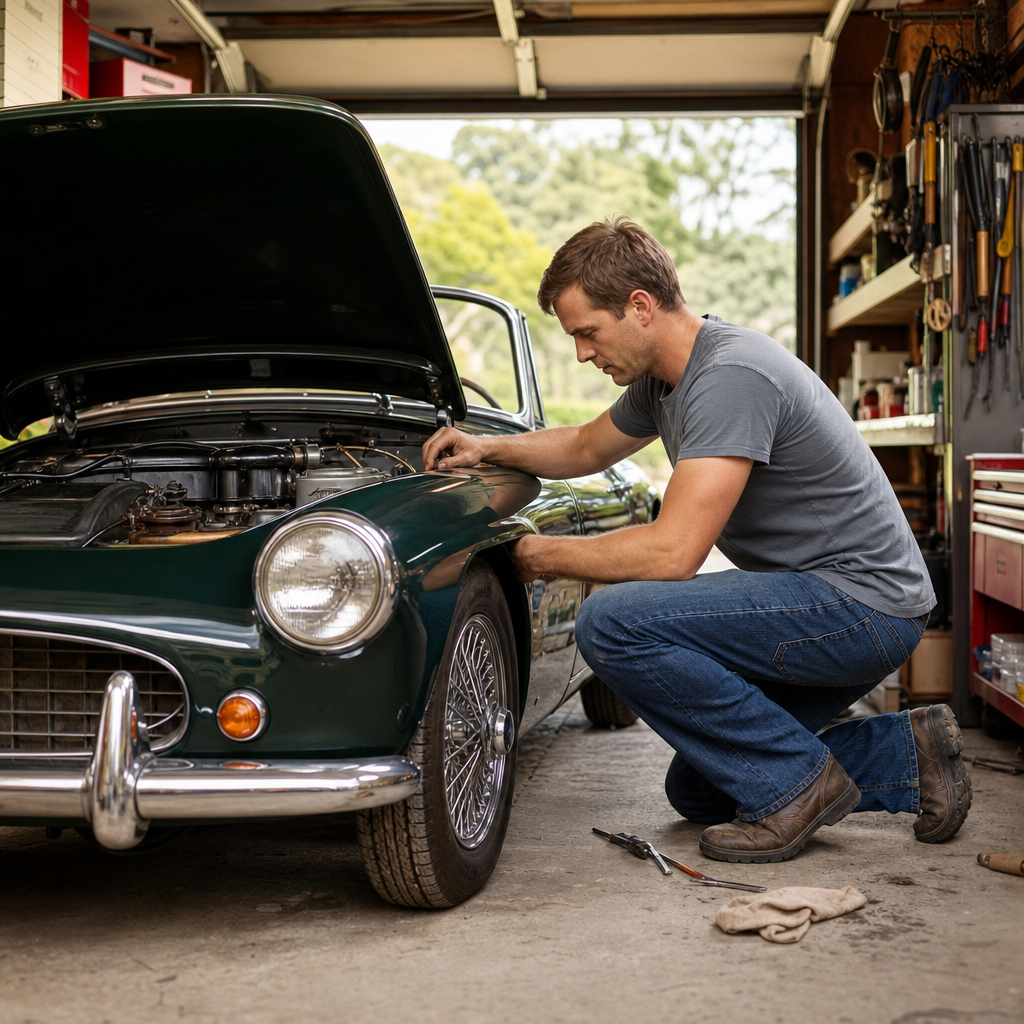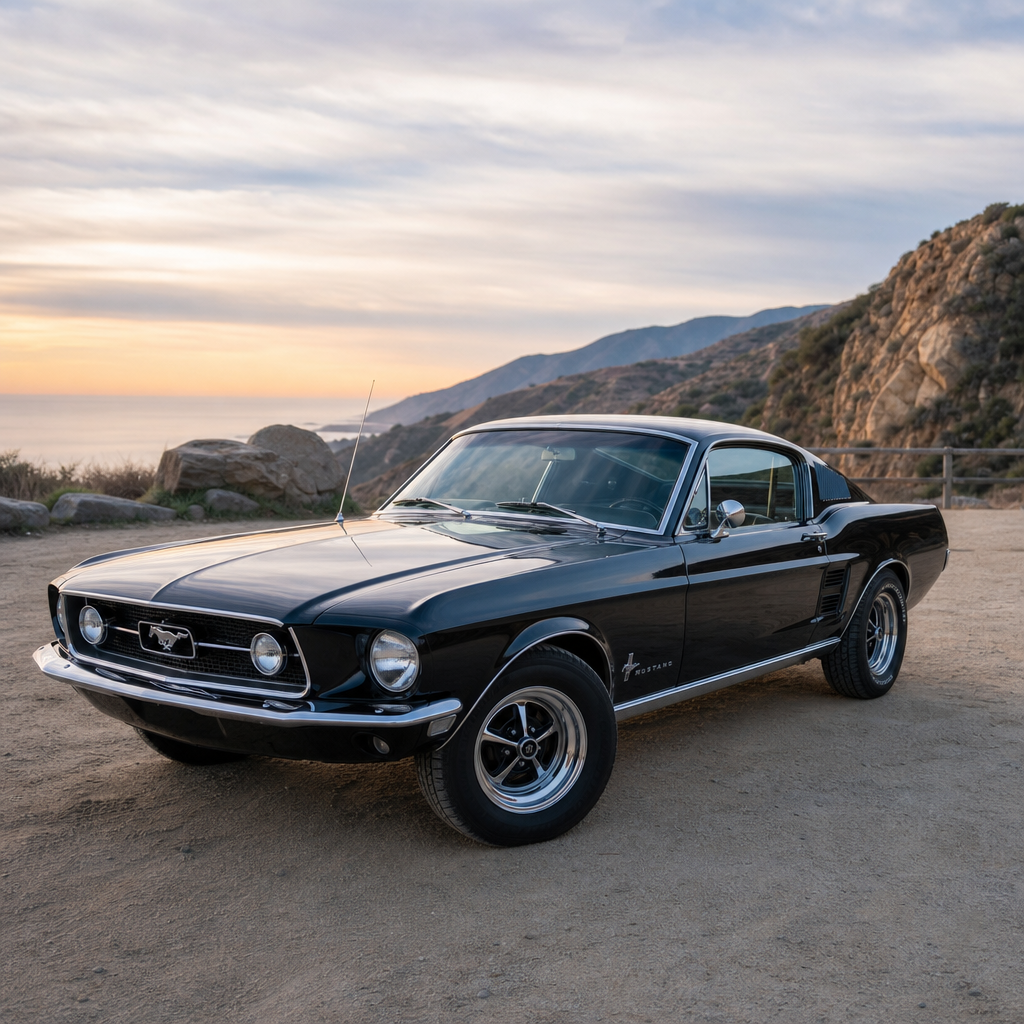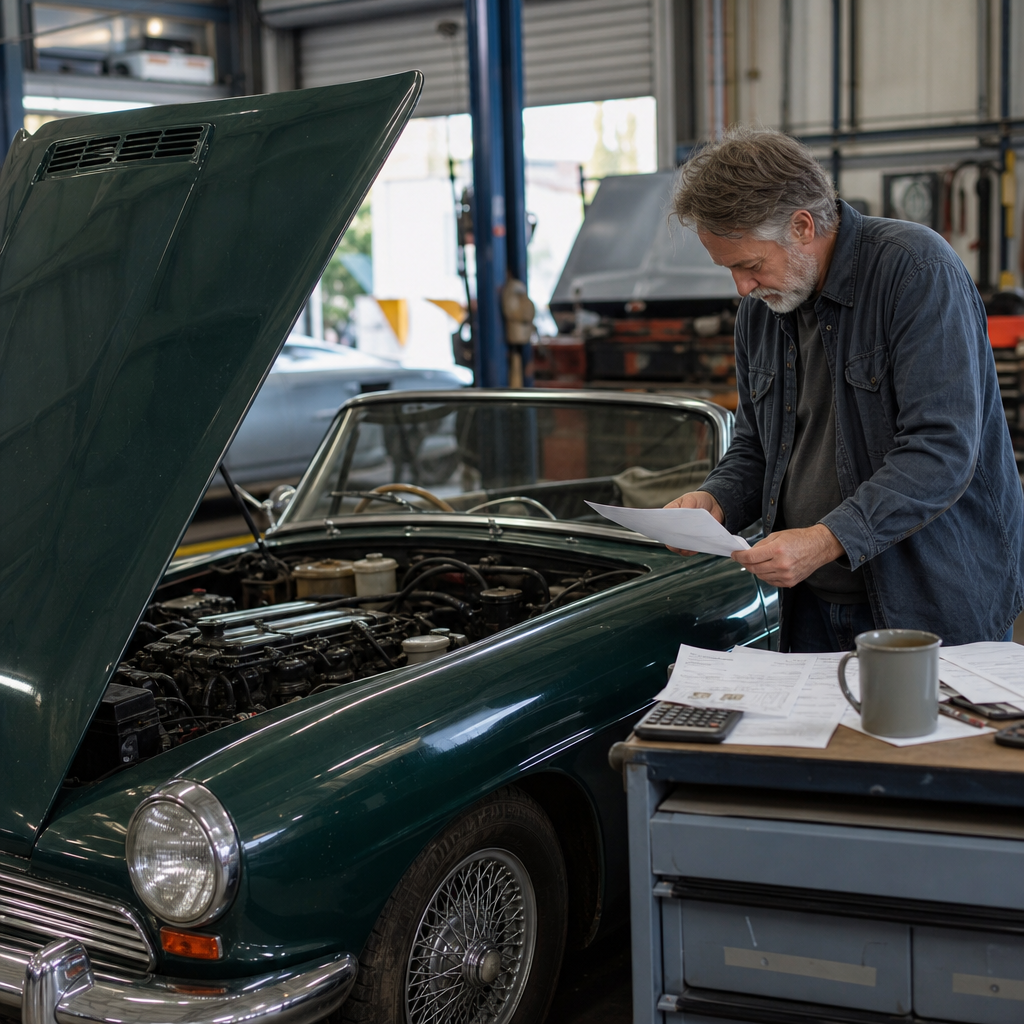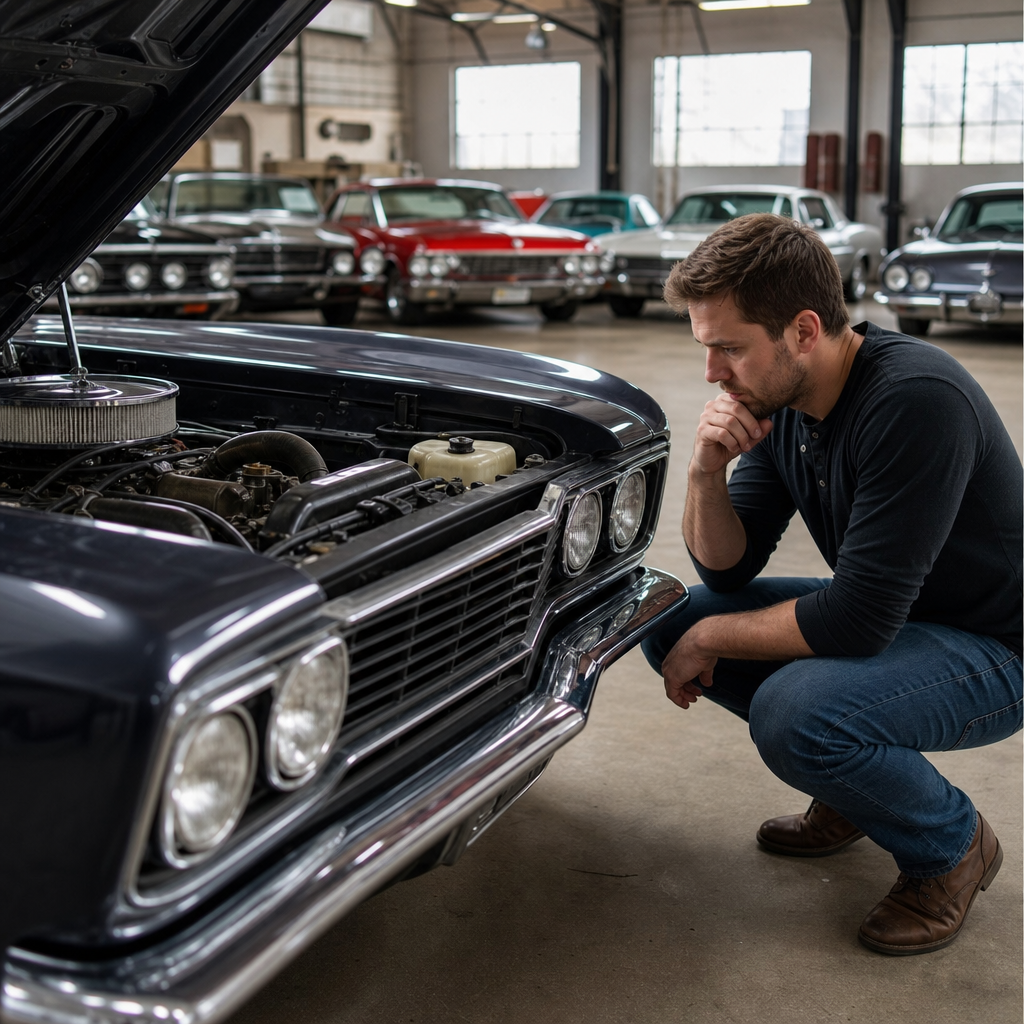

Resto-mod is classic car terminology that describes a vehicle restored with modern upgrades, blending original style with improved performance, safety, comfort, and reliability. In the classic car world, the term usually applies to older models that keep the recognizable body lines and character of the factory car while gaining newer mechanical, electrical, or chassis components. I have spent years around restorers, auction listings, and project builds, and I can say the phrase is used both casually and precisely: casually by enthusiasts to mean “restored and modified,” and precisely by builders to signal a car that is not stock, not a race-only custom, and not merely repaired.
Understanding what resto-mod means matters because terminology shapes expectations. Buyers use labels to judge value. Insurers use them to assess risk. Builders use them to define scope. If someone advertises a 1969 Camaro as a resto-mod, most informed readers expect upgraded brakes, suspension, wheels, and often a fuel-injected engine or overdrive transmission. They do not expect a pure concours restoration, where factory-correct finishes, date-coded parts, and original option combinations dominate every decision. They also do not necessarily expect a radical pro touring build with a tube chassis and track-focused setup. The term occupies a useful middle ground in classic car terminology, and that is why it appears so often in classifieds, appraisals, and enthusiast discussions.
Classic car terminology can be confusing because many related terms overlap. Words like restoration, survivor, restomod, pro touring, numbers matching, patina, tribute car, and OEM-style restoration all describe different priorities. This hub article explains the most important distinctions so readers can interpret listings, talk with shops, and plan projects more confidently. If you are learning classic car terminology, this is one of the first terms to master because it connects mechanical decisions, authenticity, and market value in one phrase.
At its core, a resto-mod answers a practical question: how do you keep the look and emotional appeal of a classic car while making it easier and safer to drive today? The answer varies by owner. One builder may add power steering, front disc brakes, and electronic ignition to a 1957 Chevrolet Bel Air while keeping a period-correct small-block V8. Another may install a modern crate engine, coilover suspension, air conditioning, LED lighting, and a five-speed or six-speed transmission in a first-generation Mustang. Both cars fit the broad meaning of resto-mod because the restoration preserves the classic foundation and the modifications improve modern usability.
What makes a classic car a resto-mod
A classic car becomes a resto-mod when restoration work and modernization are both central to the build. Restoration means repairing or renewing the vehicle’s body, paint, interior, trim, and mechanical systems so it is structurally sound and visually finished. Modification means changing original specifications to improve drivability, performance, safety, convenience, or durability. The key is combination. A car with only maintenance repairs is not a resto-mod. A heavily customized car with little concern for original design language may be called a street rod, custom, or pro touring car instead. A true resto-mod keeps the identity of the original vehicle clearly intact.
Common resto-mod upgrades include disc brake conversions, dual-circuit master cylinders, rack-and-pinion steering, upgraded sway bars, modern radial tires, improved cooling systems, alternator conversions, electronic fuel injection, sound deadening, and updated wiring harnesses. These changes solve real limitations in older cars. Drum brakes fade. Points ignition needs more frequent adjustment. Bias-ply tires track differently than modern radials. Original wiring can become brittle and unsafe. When owners plan a resto-mod, they usually start by addressing these known weaknesses before moving to cosmetic or power upgrades.
The visual presentation matters too. Most resto-mods preserve the original silhouette, trim themes, and cabin character. From ten feet away, the car should still read as the year and model people recognize. Underneath, however, it may be far more modern. I have seen Chevelle builds with factory-style bench seats and stock-looking dashboards paired with hidden Bluetooth audio, Vintage Air climate control, Wilwood brakes, and a Tremec overdrive transmission. That balance explains why the term remains so popular: it promises familiarity without forcing the owner to accept every limitation of 1960s or 1970s engineering.
Resto-mod versus restoration, survivor, and custom
The easiest way to understand classic car terminology is by comparing categories. A factory-correct restoration aims to return the car to how it left the assembly line, or as close as documentation and parts availability allow. Paint codes, trim tags, casting numbers, and date-correct components matter. A survivor is different again: it retains a high degree of original paint, interior, drivetrain, and finishes, with preservation valued more than refinishing. A custom build prioritizes personal expression and can diverge significantly from factory appearance. A resto-mod sits between authenticity and modernization.
These distinctions affect buyer expectations and pricing. Numbers-matching Mopars, Shelby Mustangs, and big-block Corvettes often command premiums when restored accurately because originality drives collector value. In contrast, common-production models such as tri-five Chevrolets, first-generation Camaros, and Ford F-100 pickups are frequent resto-mod candidates because modern upgrades can make them easier to enjoy without destroying rare historical significance. There are exceptions, of course. Some owners resto-mod rare cars anyway, while others preserve common cars exactly as built. The terminology describes the build philosophy, not moral rules.
Another nearby term is pro touring. Many enthusiasts use pro touring to describe a more aggressive subset of resto-mods focused on handling, braking, and track-capable performance. Think mini-tubs, large diameter wheels, high-grip tires, LS or Coyote engine swaps, coilovers, and reinforced chassis components. Every pro touring car includes modification, but not every resto-mod is pro touring. If the goal is comfortable highway driving in a classic truck with fuel injection and air conditioning, resto-mod is the better label. If the goal is autocross times and road-course composure, pro touring may be more accurate.
| Term | Main Goal | Typical Features | Buyer Expectation |
|---|---|---|---|
| Factory restoration | Original accuracy | Correct finishes, codes, stock parts | Authenticity and historical fidelity |
| Survivor | Preservation | Original paint, interior, drivetrain | Minimal alteration, documented originality |
| Resto-mod | Classic look with modern usability | Upgraded brakes, suspension, wiring, drivetrain | Improved driving without losing identity |
| Pro touring | High performance handling | Coilovers, big brakes, modern powertrain, chassis work | Track-capable behavior in a classic shell |
| Custom or street rod | Personalized style | Body changes, non-stock trim, creative fabrication | Individual design over factory faithfulness |
Common upgrades found on resto-mod classic cars
When people ask what a resto-mod includes, the honest answer is “it depends,” but the upgrade patterns are predictable. Safety upgrades often come first. Front disc brake kits from Wilwood, Baer, or factory-style conversion suppliers are common because stopping distances and fade resistance improve immediately. Suspension improvements typically include gas shocks, new bushings, thicker anti-roll bars, boxed control arms, and modern steering geometry. Chassis stiffening, especially on unibody cars like early Mustangs or Novas, can make the vehicle feel dramatically more solid.
Powertrain choices usually reflect budget and intended use. Some owners retain the original engine family and add practical improvements such as HEI ignition, aluminum radiators, serpentine accessory drives, and Holley Sniper or FiTech electronic fuel injection. Others choose crate engines from Chevrolet Performance, Ford Performance, or Mopar, or complete swaps such as GM LS V8s and Ford Coyote V8s. Overdrive transmissions from Tremec are especially popular because they make highway cruising quieter, reduce engine wear, and improve fuel economy compared with old three-speed automatics or four-speed manuals.
Electrical upgrades are less glamorous but often more important than horsepower. A new American Autowire or Painless harness can eliminate brittle connections, undersized circuits, and years of questionable owner repairs. Modern relays protect switches. Better grounds stabilize charging and lighting performance. LED bulbs can reduce current draw, though some owners prefer warm incandescent light for period appearance. Interior changes follow the same principle. Supportive seats, retractable seatbelts, quieter insulation, air conditioning, and hidden audio systems make a classic car usable in traffic, summer heat, and longer trips.
Wheel and tire selection is another defining feature. Radial tires transform steering feel and braking confidence compared with original bias-ply designs. Larger wheels create room for bigger brake packages, but tasteful sizing matters. An owner trying to maintain a subtle factory look may choose 16- or 17-inch wheels styled after original steel wheels or rally designs. A more aggressive build may run 18s or 19s. In either case, successful resto-mods treat upgrades as a coordinated system. More power without cooling, braking, and suspension support produces a car that feels unfinished.
How resto-mods affect value, insurance, and drivability
Resto-mod value depends on execution, documentation, and the starting vehicle. A professionally built 1967 Mustang fastback with quality paint, documented parts, a sorted suspension, and a reputable engine package can sell very well because buyers want turnkey drivability. But modifications do not automatically increase value above build cost. I have evaluated many projects where owners spent more than the market would ever return, especially when changes were highly personal, poorly documented, or incomplete. The market rewards coherent builds and punishes shortcuts.
Insurance is a major practical consideration. Standard auto policies are rarely appropriate for classic cars, and modified vehicles need agreed-value coverage that reflects parts, labor, and replacement realities. Providers such as Hagerty, Grundy, and American Collectors Insurance typically ask for photos, appraisals, garage storage details, and usage limitations. With a resto-mod, accuracy matters. If the car has a high-output engine, upgraded chassis, or substantial custom work, declare it. Underinsuring a build is one of the most common and expensive mistakes owners make.
Drivability is where resto-mods usually justify themselves. A classic truck with power disc brakes, electronic fuel injection, and overdrive can start reliably, idle in traffic, and cruise at interstate speeds with less drama than a stock example. That does not mean every modification improves the experience. Bad suspension geometry, mismatched spring rates, excessive wheel diameter, noisy exhaust, or poor calibration can make a modified car tiring to drive. The best resto-mods feel integrated. They solve problems without introducing new ones.
Documentation also influences resale and trust. Keep receipts, alignment specs, wiring diagrams, engine build sheets, paint codes, and photographs of the work. Buyers and appraisers want to know who performed fabrication, whether the swap was engineered cleanly, and how serviceable the finished car will be. A build with a known Roadster Shop chassis or a documented Detroit Speed suspension package inspires more confidence than vague claims about “all upgraded components.” Specificity is persuasive because it reduces uncertainty.
How to use classic car terminology correctly
If this page is your hub for classic car terminology, start with a simple rule: use the term that best describes the car’s primary philosophy. If originality leads the project, say restored. If preservation leads, say survivor. If modernization is substantial but the classic identity remains obvious, say resto-mod. If handling and track performance dominate, say pro touring. If the vehicle has major visual customization, sectioning, chopping, or one-off fabrication, say custom or street rod. Clear terminology saves time and prevents disappointment.
Several other terms often appear beside resto-mod and are worth understanding. Numbers matching means the car retains its original engine and often transmission as identified by factory-stamped numbers. Period correct means the parts are not necessarily original to the vehicle but are appropriate to the era. OEM stands for original equipment manufacturer and usually signals factory-style replacement parts. Restored driver means the car is nice, functional, and presentable but not built for judged concours competition. Tribute or clone means a standard model made to resemble a rarer performance version, such as a Camaro Z/28 lookalike.
When reading listings, look for evidence behind the label. A genuine resto-mod listing should name the actual upgrades: brake brand, transmission model, rear axle ratio, fuel system, suspension components, electrical harness, and mileage since completion. Phrases like “fully restored” and “tastefully modified” are too vague on their own. Serious sellers provide build photos, part numbers, dyno sheets, and alignment or corner-balance data when applicable. Serious buyers ask direct questions and verify claims.
The most useful takeaway is that resto-mod is not a marketing gimmick when used correctly. It is a specific piece of classic car terminology that tells you the vehicle has been renewed and improved for modern use. Whether you are comparing insurance quotes, planning your first build, or simply trying to decode auction language, learning this term gives you a clearer framework for every other category around it. If you want to understand classic cars without getting lost in jargon, keep this definition in mind and use it as your baseline for the rest of the terminology you encounter.
Resto-mod means a classic car has been restored and intentionally modernized, usually to improve safety, reliability, comfort, and performance while preserving its recognizable character. That simple definition explains why the term matters so much in classic car terminology. It helps owners describe build goals, helps buyers evaluate listings, and helps insurers and appraisers understand what a vehicle actually is. Once you know the difference between a resto-mod, a factory restoration, a survivor, and a custom, the rest of the hobby becomes easier to navigate.
The strongest resto-mods are balanced builds. They do not chase one upgrade in isolation. They pair power with brakes, suspension with tire choice, and convenience with electrical capacity. They also respect the starting vehicle. A common-production coupe may be an ideal candidate for a modern drivetrain and chassis package, while a rare, numbers-matching model may deserve preservation or factory-correct restoration instead. Good terminology reflects those choices honestly.
If you are building, buying, or selling within the Classic Car Basics and Education category, treat this article as your starting point for classic car terminology. Learn the labels, ask for documentation, and focus on how the car was engineered rather than how it is advertised. The more precise your language becomes, the better your decisions will be. Use this guide as your hub, then apply its definitions whenever you evaluate the next classic car that catches your eye today.
Frequently Asked Questions
What does “resto-mod” mean in the classic car world?
“Resto-mod” is short for “restoration modification,” and it refers to a classic car that has been restored while also being updated with modern components. In practical terms, that usually means the vehicle keeps the look, proportions, and personality of the original factory car, but gains improvements in areas like the engine, transmission, brakes, suspension, steering, wiring, air conditioning, and interior comfort. The goal is not simply to rebuild an old car back to exact showroom condition, but to make it more enjoyable, more reliable, and often safer to drive in modern traffic.
In the hobby, the term is used both casually and specifically. Some people use it for almost any classic car with upgrades, while others reserve it for builds that preserve the car’s original identity rather than turning it into a full custom. That distinction matters because a true resto-mod generally still looks like the classic car people recognize and admire. It may have hidden fuel injection, upgraded disc brakes, an overdrive transmission, improved suspension geometry, and modern electrical systems, but it still honors the original design. That blend of vintage style and modern drivability is what defines the term.
How is a resto-mod different from a stock restoration or a custom build?
A stock restoration is focused on returning a vehicle to factory-correct condition, or as close to original as possible. That means matching original finishes, parts, colors, materials, options, and assembly details. Collectors who value authenticity, originality, and period-correct presentation often prefer this route. A stock restoration is about preserving history exactly as it was built.
A resto-mod takes a different path. It starts with the same respect for the original vehicle, but it allows modern upgrades where they improve the ownership experience. For example, instead of rebuilding the original drum brakes, a builder may install front or four-wheel disc brakes. Instead of keeping an old carbureted engine that can be temperamental, they may use electronic fuel injection or a modern crate engine. Instead of the original suspension setup, they may add performance shocks, better springs, or a completely updated chassis. The appearance may remain largely classic, but the driving feel is brought forward by decades.
A custom build goes further. Customs often change the visual identity of the car itself with chopped roofs, major body modifications, shaved trim, non-original proportions, or highly individualized styling choices. While some resto-mods do include custom touches, the term usually implies that the original essence of the car remains intact. If a stock restoration is about authenticity and a custom is about personal expression, a resto-mod sits in the middle, preserving classic character while strategically modernizing the car where it counts.
What kinds of upgrades are most common on a resto-mod classic car?
The most common upgrades fall into a few major categories: performance, safety, reliability, comfort, and drivability. On the performance side, builders often swap in a more powerful engine, install a modern automatic or manual transmission, add fuel injection, upgrade cooling systems, and fit a stronger rear end. These changes can make an old car feel much more responsive and capable, especially at highway speeds or in stop-and-go traffic.
Safety and handling upgrades are equally common. Disc brakes, power brakes, modern master cylinders, improved steering components, rack-and-pinion conversions, stiffer chassis bracing, and revised suspension setups are all popular because they make the car feel more controlled and confidence-inspiring. Many classic cars were designed for roads, tires, and traffic conditions that were very different from what drivers face today, so these updates can significantly improve the experience behind the wheel.
Electrical and convenience updates are also a major part of the resto-mod formula. Builders often replace aging wiring harnesses, convert the car to a modern charging system, improve lighting, install better gauges, add sound insulation, and fit air conditioning, upgraded seats, and modern audio systems. Importantly, many of these upgrades can be done in a subtle way so the cabin still looks period-appropriate. The best resto-mods usually balance visible originality with hidden modernization, creating a car that feels classic without demanding all the compromises of true vintage ownership.
Does turning a classic car into a resto-mod hurt its value?
It can, but not always. Value in the classic car market depends heavily on the specific make, model, rarity, and quality of the work. For highly collectible, numbers-matching, historically important cars, originality usually matters a great deal. In those cases, modifying the car can reduce its appeal to purist collectors who want factory-correct examples. A rare muscle car, limited-production sports car, or highly documented survivor may be worth more as an original-style restoration than as a modified build.
On the other hand, many classic cars are actually more desirable to a large segment of buyers when they have tasteful, well-executed upgrades. A professionally built resto-mod can be easier to start, easier to drive, more comfortable on long trips, and less intimidating for someone who wants to enjoy the car regularly rather than store it as a museum piece. For common models, driver-quality cars, or projects without original drivetrains, a good resto-mod can broaden the audience and sometimes increase real-world market appeal.
The key factors are quality, reversibility, and coherence. Buyers respond well when the upgrades make sense for the car and are installed properly. Sloppy wiring, poorly engineered swaps, or mismatched parts can hurt value badly. By contrast, a thoughtfully built resto-mod with strong craftsmanship, documented components, and a clean design can command serious money. So the short answer is that a resto-mod does not automatically hurt value. It changes the kind of buyer the car appeals to, and in the classic car world, that distinction matters as much as the modifications themselves.
Why do so many enthusiasts choose a resto-mod instead of a fully original restoration?
For many owners, the answer is simple: they want to actually drive and enjoy the car. Fully original classics have charm, but they also come with limitations that modern drivers notice quickly. Older braking systems, vague steering, weak air conditioning or no air conditioning at all, less efficient cooling, dim lighting, outdated wiring, and lower highway performance can make regular use less enjoyable. A resto-mod solves many of those issues without giving up the visual appeal that made people fall in love with the car in the first place.
There is also a practical side. Not every classic car begins as a pristine, historically significant example. Many project cars are missing original parts, have already been modified over the years, or simply are not valuable enough to justify an expensive concours-style restoration. In those cases, a resto-mod approach often makes more sense financially and functionally. It allows the owner to build the car they want rather than chase hard-to-find factory-correct pieces at great cost.
Just as importantly, resto-mods reflect how many enthusiasts think about classic cars today. They appreciate the styling, craftsmanship, and emotion of vintage vehicles, but they also want dependable cold starts, better road manners, stronger stopping power, and the ability to cruise comfortably for hours. A well-done resto-mod respects the past without being trapped by it. That is why the term has become so common in auction listings, builder conversations, and enthusiast circles: it captures the idea of keeping the soul of a classic car while making it far better suited to modern life.