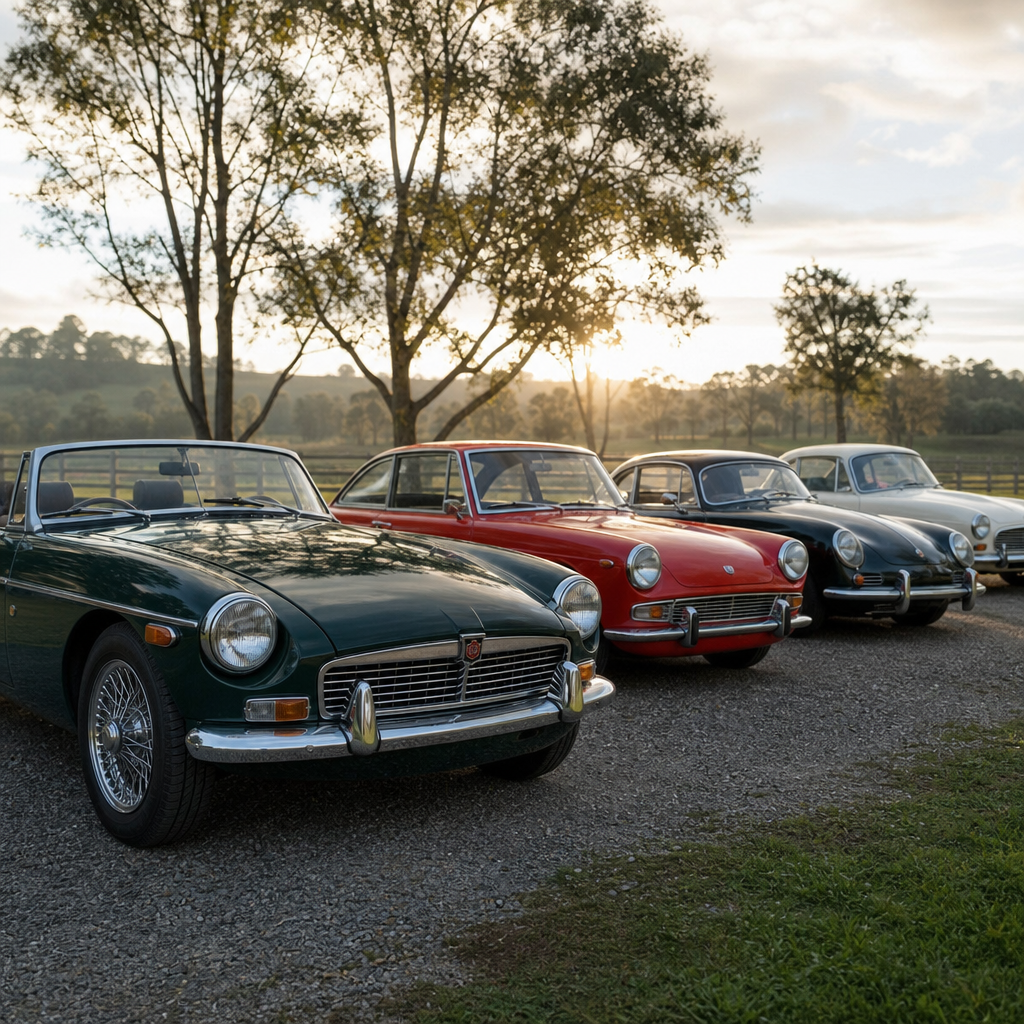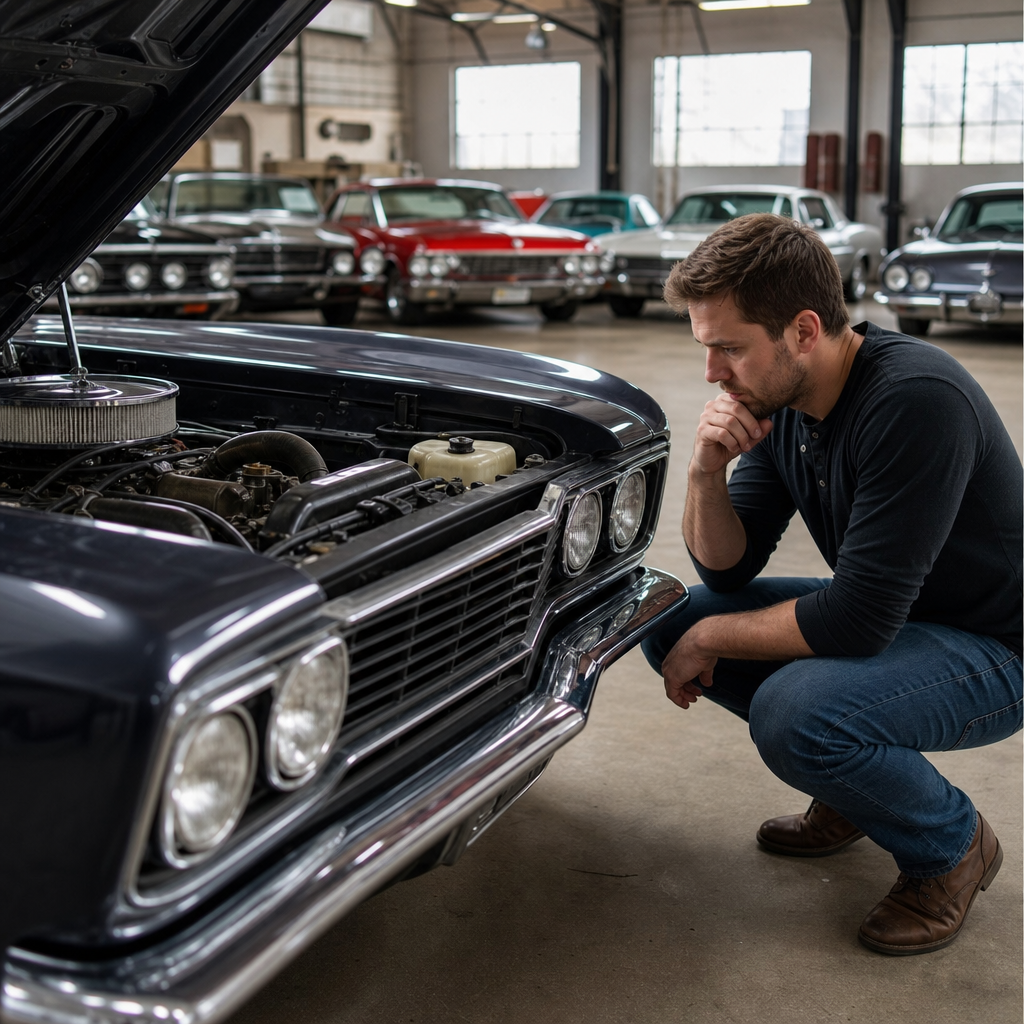

“Numbers matching” is one of the most repeated phrases in the collector car world, yet it is also one of the most misunderstood. In plain terms, numbers matching refers to a classic car that still retains the major components it was built with at the factory, usually the engine and transmission, and sometimes the rear axle, carburetor, intake, and other date-coded parts. The phrase matters because originality affects value, judging, documentation, and buyer confidence. I have inspected enough unrestored and restored cars to know that sellers often use the term loosely, while serious buyers expect a much narrower standard backed by stampings, casting dates, trim tags, and factory records.
Within classic car terminology, numbers matching sits at the center of how enthusiasts describe authenticity. It overlaps with related terms such as original drivetrain, date-code correct, factory correct, born-with engine, replacement block, restamp, and rebody. A Chevrolet muscle car, a Mopar E-body, and a Jaguar E-Type may all be advertised as numbers matching, but the proof required for each can differ because manufacturers used different identification methods. Some brands stamped partial VINs on engines and transmissions. Others relied more heavily on engine-number records, body plates, or heritage certificates. That is why a good definition must include both the parts involved and the documentation used to verify them.
For a sub-pillar page in classic car terminology, this topic is especially important because it teaches buyers how to decode claims before money changes hands. A numbers matching car is not automatically better in every way. A replacement engine may make a car more usable, and some collector segments care more about rarity, body integrity, or racing history than perfect originality. Still, if you understand what the term really means, you can read listings more critically, ask sharper questions, and avoid paying a premium for a car that is merely period-correct. That clarity is the difference between buying a documented collectible and buying a story.
Defining Numbers Matching Without the Myths
The strictest definition of numbers matching means the car retains the exact engine and, where applicable, transmission installed when the vehicle left the assembly plant. On many American cars from the 1960s and 1970s, that claim can be tested by comparing a partial vehicle identification number stamped on the drivetrain to the VIN on the dashboard or body. If those stampings align and the casting dates precede the build date by a reasonable margin, the car is widely accepted as numbers matching. In the market, this is often called a born-with drivetrain. That phrase is useful because it avoids the ambiguity that comes with casual advertising language.
Where confusion begins is with the broader use of the term. Many sellers call a car numbers matching if it has the correct type of engine for that model, even if the block was installed later. For example, a 1970 Chevrolet Chevelle SS with a correct-code 396 from another car may be “correct engine” but not truly numbers matching. Likewise, a Porsche 911 with an engine type appropriate to the year but not the engine listed on its Kardex or Certificate of Authenticity may be period-correct, not original. Those distinctions affect appraisal. In my experience, buyers who fail to separate exact-original from correct-style often overpay.
Another myth is that every number on the car must match every other number. That is not how factory identification worked. Casting numbers identify a part design, not a unique vehicle. Casting dates indicate when a component was made, not where it was installed. Trim tags and body plates describe paint, interior, and build information, but they are not substitutes for VIN stampings. A correct evaluation pulls these data points together. Numbers matching is therefore not a single number check. It is a chain of evidence showing that the major components are original to one specific vehicle.
Which Numbers Matter Most on a Classic Car
When enthusiasts ask what numbers matching means, they usually mean the drivetrain. The engine is the most important component because it has the largest impact on collectibility and value. Next comes the transmission, especially on high-performance cars where a factory four-speed, close-ratio gearbox, or specific automatic can materially change desirability. Rear axles also matter, particularly when a car was ordered with a performance ratio or limited-slip differential. Beyond that, advanced judging can examine the carburetor, distributor, alternator, intake manifold, exhaust manifolds, heads, and even wheels for date-correctness.
The exact hierarchy varies by marque. Corvette buyers often focus intensely on engine pad stampings, suffix codes, and component dates because NCRS judging has long rewarded detailed originality. Mopar buyers watch for radiator support stampings, trunk lip VINs, and hidden body numbers, partly because high values have encouraged fraud. Pontiac collectors often use PHS documentation to confirm options and drivetrain combinations. On Ford products, buck tags, door data plates, and engine codes can be essential context, though not every car carries the same level of unique drivetrain identification. European marques may rely more on factory archives than visible stampings.
The key practical point is simple: not every part carries equal weight. If a fuel pump or alternator was replaced during normal maintenance, most buyers do not treat that like an engine swap. Consumables and service parts are expected to change over decades. A car can still be considered numbers matching with some replaced bolt-on items, provided the major serialized or vehicle-specific components remain original. However, when a seller starts stretching that logic to include a non-original block or replacement transmission, the term loses its accepted meaning. That is why buyers should ask specifically: original engine, original transmission, original rear end, or merely date-code correct?
How Manufacturers Identified Original Components
Manufacturers did not follow one universal system, so verification always starts with brand-specific research. General Motors divisions commonly used engine suffix stamps, casting numbers, casting dates, and, in many cases, a partial VIN derivative. Ford systems often included engineering numbers, date codes, and vehicle tags that help confirm configuration. Chrysler products can involve VIN stampings, body numbers, fender tags, and broadcast sheets. European manufacturers may use chassis numbers paired with factory build records, gearbox numbers, and engine serial ranges preserved in archives. Knowing which identifiers are authoritative for a particular model is essential.
Here is where many novice buyers get tripped up. A casting number can tell you that an engine block is the right family for a car, but it usually cannot prove that it is the exact original engine. For instance, a small-block Chevrolet casting number may fit thousands of engines produced over multiple years. To move from “correct type” to “original to this car,” you need the engine assembly stamp, date relationship, and, if the brand used it, the VIN derivative. The same logic applies to transmissions. A Muncie four-speed with the right case code is encouraging, but a matching partial VIN is stronger evidence.
Judging organizations and marque clubs have built standards around these details. The National Corvette Restorers Society, AACA, marque registries, Jaguar Daimler Heritage Trust records, Porsche production documents, and manufacturer archive services all provide useful benchmarks. Even if you never plan to enter a judged event, these standards shape the market because they define what informed buyers accept as proof. In practice, I advise collectors to verify three things together: identification number, date consistency, and documentary support. Any one item alone can mislead. All three together produce confidence.
Numbers Matching, Date-Code Correct, and Restamped: Critical Differences
These terms are often blended together in listings, but they should never be treated as interchangeable. Numbers matching means the original components are still in the car. Date-code correct means the replacement components were manufactured within a period appropriate for the vehicle’s build date and look right for the application. Restamped means a component has had identification marks altered or recreated, sometimes to imitate originality. A restamp may be disclosed as part of a restoration, but undisclosed restamping is a major red flag because it can turn a routine car into a fraudulent six-figure listing.
| Term | What It Usually Means | Impact on Value |
|---|---|---|
| Numbers matching | Original factory-installed major components remain with the car | Usually highest premium when documented |
| Date-code correct | Replacement parts were made in the right time period and specification | Moderate premium, but below original |
| Correct replacement engine | Engine type and code are appropriate, but not the born-with unit | Value depends on rarity and quality of restoration |
| Restamped component | Identification marks have been altered, recreated, or tampered with | Can sharply reduce value and trust if undisclosed |
Real-world examples show why this distinction matters. A 1969 Camaro Z/28 with its original DZ-coded engine and matching VIN derivative will usually command a significant premium over one fitted with a correctly dated DZ block from another car. Both may look nearly identical at a show. Their market value will not be identical. The same is true for Hemi Mopars, Shelby Mustangs, and big-block Corvettes, where drivetrains heavily influence price. In contrast, some British roadsters and entry-level classics are less sensitive to exact originality because replacement engines were common and values are driven more by condition than by stampings.
Fraud risk rises with value. On highly collectible muscle cars, engine pad surfaces may be decked during machining, then restamped with convincing characters. Buyers should look for machining marks, stamp font, gang-stamp spacing, broach marks, and pad texture that match known originals. If a seller resists close photographs or independent inspection, assume caution is warranted. A strong file with old registrations, service invoices, restoration photos, and ownership history can support authenticity in ways that a fresh stamp alone never can.
How to Verify a Numbers Matching Claim Before You Buy
Verification starts with the VIN and the build date. Once you know the exact model, assembly plant, and approximate production timing, compare that information against the engine and transmission stampings, casting dates, and component codes. Dates should generally precede the car’s assembly date by a logical production window. The acceptable gap depends on brand, plant logistics, and model year, but an engine cast after the car was built is an obvious contradiction unless there is documented warranty replacement history. Always ask for sharp photos of stamp pads, castings, tags, and hidden numbers before traveling.
Documentation is your next layer of proof. For GM cars, build sheets, Protect-O-Plate cards, window stickers, dealer invoices, and marque-specific services can be invaluable. Pontiac Historic Services is a known example of robust factory-backed documentation. Mopar broadcast sheets and fender tags help confirm options and drivetrain combinations. Porsche, Mercedes-Benz, and Jaguar buyers should seek heritage records or factory certificates where available. I also look for older ownership records because long-term paper trails reduce the chance that a car was recently assembled from parts to fit a lucrative description.
Finally, use expert eyes when values justify it. A marque specialist, reputable appraiser, or judging expert can often spot inconsistencies in minutes that a general buyer will miss. They know where hidden VINs should be, what stamp fonts look like, which casting dates are plausible, and when a restoration has crossed into reconstruction. This is not paranoia; it is basic due diligence. On a high-dollar car, a pre-purchase inspection focused on authenticity is cheap insurance. The cost of skipping it can be the difference between owning a true collectible and owning a beautifully presented compromise.
Why Numbers Matching Affects Value, Insurance, and Enjoyment
Market value is the most obvious reason people care about numbers matching. In many segments, originality creates scarcity within already scarce models. If two cars have comparable condition, colors, and equipment, the one with its original drivetrain usually brings more money because there are fewer truly authentic examples left. Auction houses, appraisers, and insurers all recognize that premium. Agreed-value insurance policies may also rely on documentation of originality when establishing coverage amounts. A thoroughly documented car is easier to insure accurately than one carrying vague claims with no records.
Still, numbers matching is not the only path to enjoyment or even to smart ownership. Some buyers prefer a non-original car because it removes anxiety around mileage and allows tasteful upgrades such as electronic ignition, better cooling, or a stronger overdrive transmission. For touring, club drives, and weekend use, that can be the right choice. I have seen owners enjoy a replacement-engine car far more because they were willing to use it. The important point is alignment between purpose and price. Problems arise only when a modified or replacement-drivetrain car is priced like an untouched original.
As a hub topic in classic car terminology, numbers matching also teaches a broader lesson: words in collector car listings carry financial consequences. Terms like survivor, concours restoration, rotisserie restored, documented, one repaint, and original interior all need evidence, just as numbers matching does. Learn the language and the proof behind it, and you become a much harder buyer to mislead. If you are researching classic car terminology, use this article as your foundation, then continue with marque-specific decoding guides, VIN resources, and inspection checklists before your next purchase.
Numbers matching really means proven originality of the major components that were installed when a classic car was built, not simply the presence of correct-looking parts. The term is strongest when supported by VIN derivatives, serial numbers, casting dates, factory records, and a paper trail that makes the story coherent. Once you understand that framework, the confusion around listings starts to clear. You can separate born-with drivetrains from date-code-correct replacements, recognize when a seller is using the phrase too broadly, and judge value with much more confidence.
The biggest takeaway is that this is a terminology issue and a verification issue at the same time. A trustworthy seller should be able to explain exactly what matches, what has been replaced, and what documents support the claim. A smart buyer should verify the engine first, then the transmission, then the supporting dates and records. That process applies whether you are shopping for a Corvette, Mustang, Mopar, Porsche, Jaguar, or any other collectible vehicle. Brand-specific methods differ, but the principle stays constant: originality is proven through evidence, not assumed from appearance.
If you are building your knowledge of classic car terminology, keep this page as your starting point and use it to frame every future listing you read. Ask for numbers, photos, dates, and documents. Compare claims against marque standards. Bring in an expert when the stakes are high. The more precisely you understand numbers matching, the better you will buy, sell, insure, and enjoy classic cars. Start by reviewing your target model’s identification system before you contact the next seller.
Frequently Asked Questions
What does “numbers matching” actually mean on a classic car?
In the collector car world, “numbers matching” generally means the car still retains the major drivetrain components it was built with at the factory, most commonly the original engine and, in many cases, the original transmission. Depending on the make, model, year, and how the market views that particular vehicle, the term can also extend to the rear axle, carburetor, intake manifold, alternator, starter, distributor, and other date-coded or factory-stamped parts. The important point is that “numbers matching” is not always a single universal standard. It can mean one thing on a mid-year Corvette, something slightly different on a Mopar muscle car, and something else entirely on a prewar or European collector vehicle.
What makes the phrase so confusing is that people often use it casually, even when they only mean “correct type” or “correct era” parts. A car may have the right engine code for the model and still not have the engine it was born with. Another car may have a replacement engine assembled from period-correct components, which can be desirable, but that is not the same as a true factory-original drivetrain. In the strictest sense, numbers matching means the identification numbers, stampings, casting numbers, date codes, and production sequence information support the conclusion that the major components are original to that exact car. That is why documentation, inspection, and model-specific knowledge matter so much when evaluating any claim.
Why does a numbers-matching car usually command more value?
Originality has always been a cornerstone of collector car value, and numbers matching is one of the clearest ways buyers measure originality. When a car still has the engine and transmission it left the factory with, it offers a stronger connection to its production history. That matters to serious collectors because it reduces uncertainty, supports authenticity, and often makes the car more attractive in resale, concours judging, marque-specific events, and long-term ownership. For many buyers, a numbers-matching example feels more complete, more honest, and more historically intact than a similar car with replaced major components.
That said, the value premium depends heavily on the car itself. A rare, high-performance, limited-production model can see a dramatic difference in market value between a verified numbers-matching example and a non-matching one. On the other hand, a more common driver-quality classic may not show nearly the same spread. Condition, provenance, factory options, restoration quality, color combination, ownership history, and documentation all still matter. Numbers matching is important, but it is not the only thing that determines value. It should be viewed as one major factor within the broader picture of originality, rarity, and quality.
How can you verify whether a car is truly numbers matching?
Verification starts with understanding what the manufacturer stamped, cast, tagged, or documented on that specific make and model. The process usually involves comparing the vehicle identification number, engine pad stampings, partial VIN derivatives, transmission numbers, casting numbers, assembly dates, and date codes on various components. Those numbers must not only be present, they must also make chronological sense. For example, an engine casting date should logically precede the car’s build date, and the transmission date should fit within a believable factory assembly timeline. If the dates are too late, too early, or inconsistent with normal production practice, that is a red flag.
Paperwork is also a major part of verification. Build sheets, window stickers, factory invoices, protect-o-plates, warranty booklets, ownership records, restoration photos, and historical registrations can all help confirm what the car was born with. However, documents alone are not enough if the hard parts do not support the story. Likewise, stampings alone are not enough if they appear altered, re-stamped, or suspiciously fresh. The best verification combines physical inspection, factory reference materials, and model-specific expertise. On high-value cars, a professional inspection from a recognized marque expert is often money well spent because small details can make a huge difference in authenticity and value.
Does numbers matching always mean every part on the car is original?
No. That is one of the biggest misconceptions in the hobby. A car can be accurately described as numbers matching even if it has had routine service parts replaced over the years. Batteries, hoses, belts, exhaust systems, tires, brake components, shocks, and many tune-up items are normal wear items and are almost never expected to be original. Even in very high-level restorations, some components are rebuilt, reconditioned, or replaced for safety and usability. What collectors are usually focused on when they use the term are the major original components and the supporting date-coded parts that help establish the car’s authenticity.
Where things become more nuanced is in the distinction between “numbers matching,” “date-code correct,” and “factory original.” A factory-original survivor with its born-with drivetrain and untouched finishes is not the same thing as a restored car that still retains its original engine and transmission. Similarly, a car fitted with a period-correct replacement block or transmission may look right and function beautifully, but it should not be represented as true numbers matching if the major components are not original to that specific vehicle. Accurate language matters. Honest sellers and informed buyers should describe a car precisely rather than relying on a broad phrase that can be interpreted too loosely.
What are the most common mistakes buyers make when evaluating numbers-matching claims?
The most common mistake is taking the seller’s description at face value without checking the details. “Numbers matching” is often used in advertisements because it attracts attention, but not every seller uses the phrase correctly. Some mean the car has the correct engine type. Some mean only the transmission matches. Some are referring to casting numbers but not VIN derivatives. Others may simply be repeating what they were told by a prior owner. A buyer who assumes the phrase has been fully vetted can end up overpaying for a car that is only partially correct or not original at all.
Another major mistake is focusing on one number while ignoring the rest of the evidence. A matching engine stamp alone does not automatically prove originality if the casting date is wrong, the pad surface looks altered, or the transmission and rear axle tell a different story. Buyers also sometimes overlook the importance of model-specific research. Different manufacturers used different numbering systems, and those systems changed over time. What is considered proof on one vehicle may be irrelevant on another. The safest approach is to inspect the car in person, review all available documentation, confirm the chronology of stampings and date codes, and bring in an expert when the car is valuable enough to justify it. In this part of the market, careful verification is far cheaper than correcting a costly mistake later.