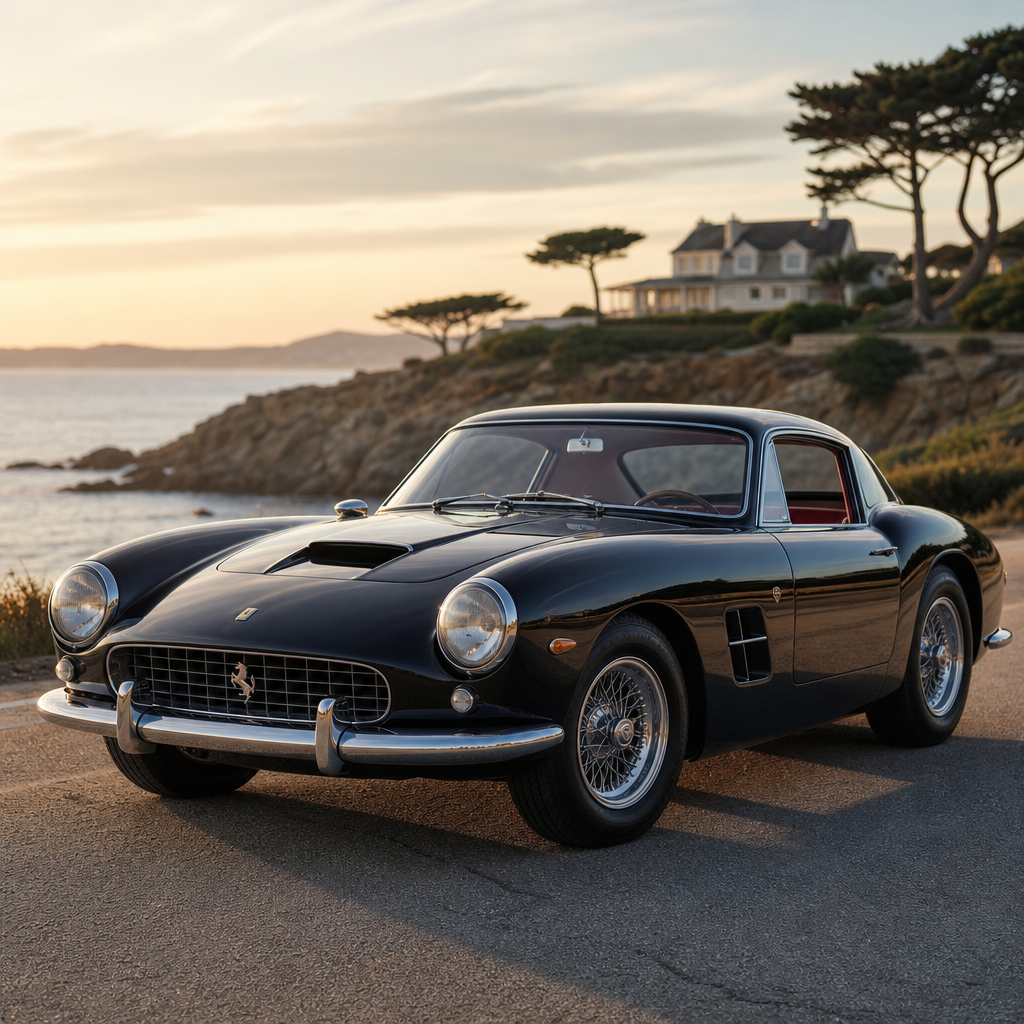
The golden age of classic cars is generally defined as the period when automotive design, engineering, and cultural influence aligned to produce vehicles that remain desirable decades later. For most historians, collectors, and restoration professionals, that span centers on the late 1940s through the early 1970s, though opinions vary depending on whether the focus is styling, performance, manufacturing, or market impact. In practical terms, the phrase describes more than old cars. It refers to a formative era when automakers established enduring identities, mass ownership expanded, and cars became symbols of freedom, status, speed, and national character.
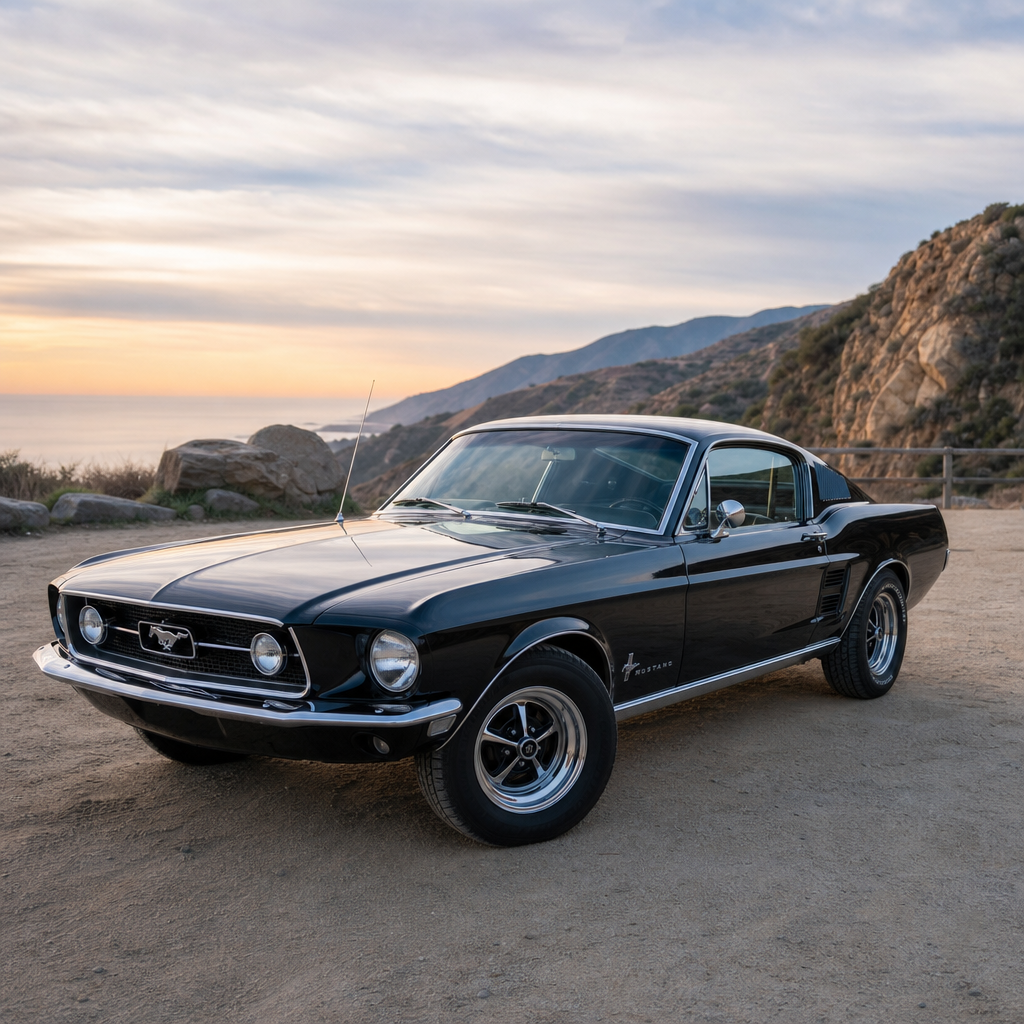
Within classic car education, understanding the golden age matters because it helps enthusiasts sort broad history into recognizable eras. A 1932 Ford hot rod, a 1957 Chevrolet Bel Air, a 1965 Ford Mustang, and a 1970 Plymouth ‘Cuda are all called classic cars in everyday conversation, yet they emerged from different economic conditions, regulatory environments, and design philosophies. Knowing those distinctions makes it easier to evaluate collectibility, restoration complexity, parts availability, and long-term value. It also helps readers navigate related topics such as muscle cars, prewar classics, postwar cruisers, personal luxury coupes, and the transition into emissions-era performance cars.
Definitions can be confusing because industry groups do not always agree. The Classic Car Club of America uses a formal category called “Full Classic” for high-end American and European automobiles built between 1915 and 1948. Insurance companies often define classic or antique by age thresholds, such as twenty-five years or older. Enthusiasts, meanwhile, usually rely on cultural consensus. When people ask what defines the golden age of classic cars, they usually mean the period when style was bold, mechanical systems were relatively straightforward, and iconic nameplates left a permanent mark on automotive history.
From years spent around restored coupes, unrestored survivors, and auction-grade examples, I have found that the golden age is best understood as a sequence of overlapping eras rather than one exact date range. Each era contributed something distinct: prewar craftsmanship, postwar optimism, 1950s styling flourishes, 1960s performance innovation, and early 1970s high-water-mark power before safety and emissions rules reshaped the market. This hub article explains those popular classic car eras, what separates them, and why certain decades dominate collector attention today.
Prewar Foundations: Craftsmanship, Coachbuilding, and Early Prestige
Any serious discussion of classic car eras begins before World War II. Prewar automobiles, especially from the 1920s and 1930s, established the idea that a car could be both transportation and art. Brands such as Duesenberg, Packard, Cadillac, Auburn, Cord, Bugatti, Bentley, and Rolls-Royce competed on engineering sophistication and hand-finished detail. Long hoods, external spares, upright grilles, and custom coachbuilt bodies defined many premium models. Mechanical brakes gradually gave way to hydraulic systems, straight-eight and V12 engines signaled status, and body construction evolved from wood framing toward all-steel methods.
For collectors, this era represents prestige and rarity rather than everyday nostalgia. A 1936 Cord 810 stands out for front-wheel drive and hidden headlights, while the Duesenberg Model J remains a benchmark for American luxury performance. Yet prewar cars sit slightly outside what most people mean by the golden age, largely because ownership was less democratic and the hobby is more specialized. These vehicles require significant expertise, careful parts sourcing, and often custom fabrication. They are foundational, but for the broader public, the golden age begins when cars became central to mainstream life after the war.
Postwar Recovery: The Late 1940s and Early 1950s
The late 1940s and early 1950s mark the true starting line for many golden-age definitions. After wartime production halted civilian car manufacturing, pent-up consumer demand was enormous. Automakers rushed updated models into showrooms, and buyers were eager for anything modern, comfortable, and available. Early postwar cars often carried prewar engineering, but they introduced smoother fenders, integrated bodies, improved cabin comfort, and broader accessibility. This period matters because it transformed the automobile from a luxury aspiration into a central feature of middle-class life in the United States and, in different forms, across Europe.
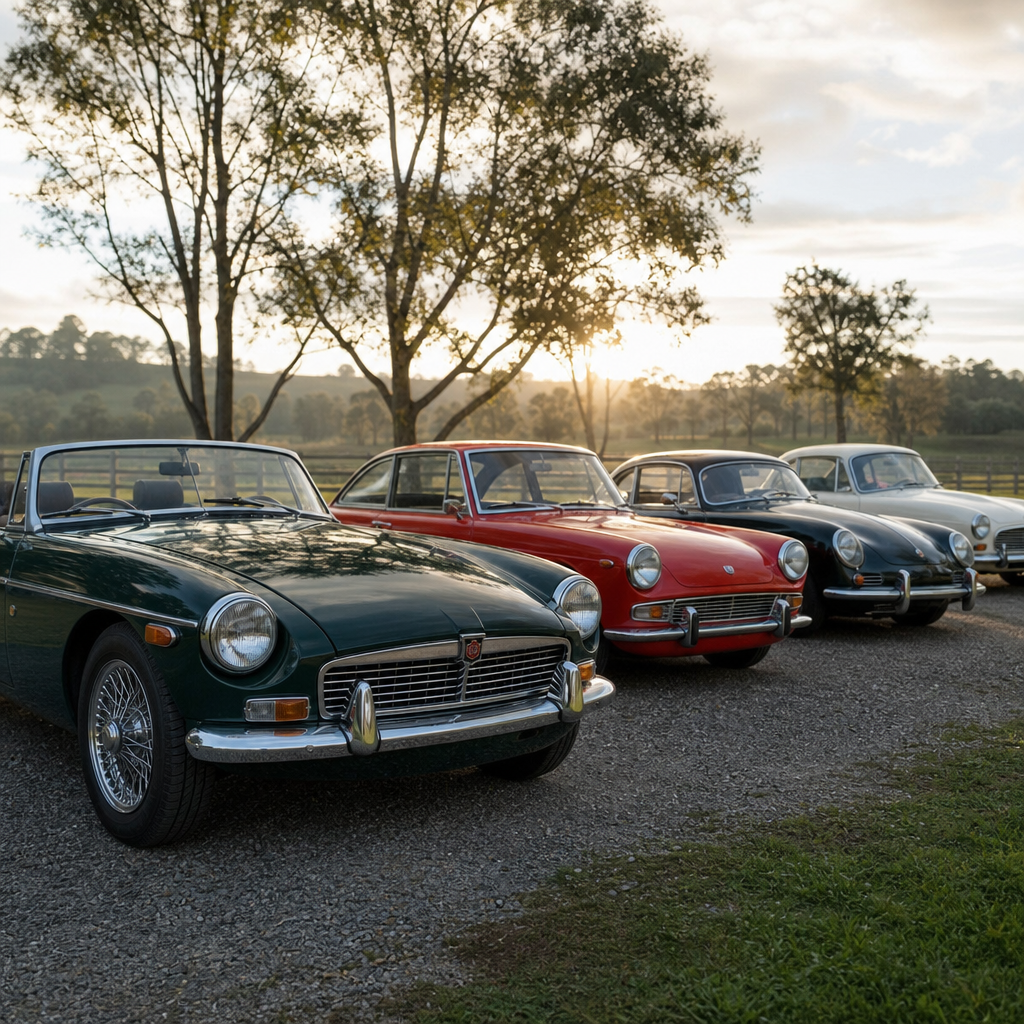
Examples from this era show the transition clearly. The 1949 Ford is remembered for its slab-sided modern styling, while the 1949 Oldsmobile Rocket 88 helped usher in the overhead-valve V8 age. In Britain, cars like the Jaguar XK120 demonstrated that postwar performance and elegance could coexist at a compelling price. These vehicles were simpler than later classics, often using body-on-frame construction, carburetors, manual steering, and drum brakes. Their appeal today lies in honest mechanical design and historical importance. They may lack the flamboyance of late-1950s cars, but they set the design and engineering trajectory for everything that followed.
The 1950s Styling Boom: Chrome, Tailfins, and Identity
If one decade dominates public imagination, it is the 1950s. This is when American automakers in particular turned styling into a competitive weapon. Harley Earl at General Motors popularized annual model changes and dream-car influence, while designers across Detroit embraced wraparound windshields, two-tone paint, sweeping side trim, oversized grilles, and increasingly dramatic tailfins. Cars were no longer bought only for utility. They expressed optimism, prosperity, and modernity. That cultural role is a major reason many enthusiasts call the 1950s the heart of the golden age.
The 1955 Chevrolet Bel Air, 1957 Chevrolet Bel Air, 1956 Continental Mark II, and 1959 Cadillac exemplify the era’s range. Chevrolet offered accessible style and the now-legendary small-block V8, introduced in 1955. Cadillac pushed flamboyance to extremes, especially by 1959, when fins reached their peak. At the same time, European makers pursued a different interpretation of the golden age. Mercedes-Benz built the 300SL Gullwing, combining fuel injection and race-derived engineering, while Alfa Romeo, Porsche, and Ferrari refined lightweight sports car formulas that still influence design language today.
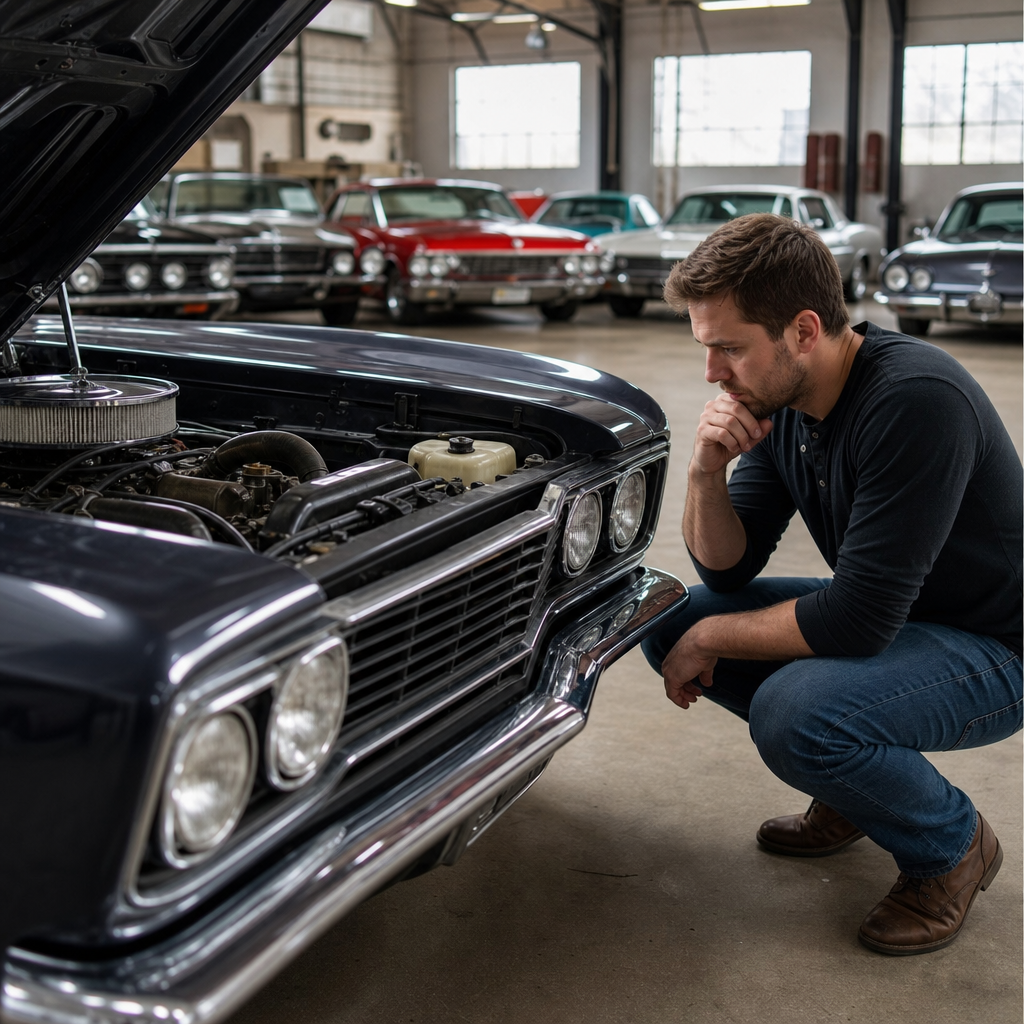
What defines the 1950s as golden is not only appearance. Manufacturing scale improved, dealer networks expanded, interstate travel grew, and car culture deepened through drive-ins, roadside motels, racing, and aftermarket customization. Hot rodding moved from informal street culture toward an organized hobby supported by magazines and speed shops. This era also created some of the easiest classics to understand mechanically, making restoration approachable for newcomers. Replacement trim can be costly, but drivetrains are usually straightforward compared with modern electronics-heavy vehicles.
The 1960s Performance Revolution and the Rise of Iconic Nameplates
The 1960s broadened the golden age from style into performance. By the middle of the decade, automakers were no longer selling image alone; they were selling speed, youth appeal, and brand identity with remarkable precision. The Ford Mustang, launched in April 1964, created the pony car segment and generated over one million sales in less than two years. Chevrolet answered with the Camaro. Pontiac, Oldsmobile, Buick, Dodge, Plymouth, and AMC all sharpened their performance offerings. European brands simultaneously elevated road manners, endurance racing credibility, and grand touring comfort.
This period produced many of the most recognizable classics in the world: the 1963 Chevrolet Corvette Sting Ray, 1964 Pontiac GTO, 1967 Chevrolet Camaro, 1968 Dodge Charger, 1969 Ford Mustang Boss 429, Jaguar E-Type, Porsche 911, and Mercedes-Benz 280SL. These models endure because they combined distinctive styling with engineering that still feels engaging. V8 power became a defining American trait, while four-speed manuals, limited-slip differentials, independent suspension in select models, and disc brakes on performance cars improved the driving experience. The cars were still analog and serviceable, yet faster, safer, and more specialized than their 1950s predecessors.
For many historians, this decade is the golden age at its absolute peak because the market offered something for nearly every buyer. Affordable compacts, stylish personal cars, serious sports cars, luxury cruisers, and factory-backed performance machines all coexisted. Motorsports mattered too. Ford’s Le Mans program, Carroll Shelby’s work with Cobra and Mustang platforms, and NASCAR homologation specials gave showroom cars racing credibility. That direct link between competition and production added authenticity that still shapes collector demand.
The Early 1970s: Peak Muscle Before the Shift
The early 1970s are often included as the final phase of the golden age, especially for American muscle cars. Models such as the 1970 Chevrolet Chevelle SS 454, Plymouth Hemi ‘Cuda, Dodge Challenger R/T, Buick GSX, and Pontiac Trans Am represented factory performance at or near its most aggressive. Big-block engines, bold graphics, functional hood scoops, and high-impact colors gave this period a last burst of intensity. In the collector market, these cars consistently command strong interest because they symbolize the end of an unrestricted era.
However, the early 1970s also show why the golden age has a practical endpoint. New federal emissions rules, rising insurance rates for high-performance models, stricter safety standards, and the 1973 oil crisis changed vehicle design and buyer priorities. Compression ratios dropped, gross horsepower ratings gave way to lower net figures, and styling moved away from the excesses of the previous decade. The cars did not suddenly become irrelevant, but the industry’s center of gravity shifted. By the mid-1970s, the formula that defined classic performance in the 1950s and 1960s had clearly changed.
| Era | Approximate Years | Defining Traits | Representative Models |
|---|---|---|---|
| Prewar Foundations | 1920s–1941 | Coachbuilding, luxury engineering, art-deco styling | Duesenberg Model J, Cord 810, Packard Twelve |
| Postwar Recovery | 1946–1954 | Modernized bodies, growing middle-class ownership, OHV V8 adoption | 1949 Ford, Oldsmobile Rocket 88, Jaguar XK120 |
| 1950s Styling Boom | 1955–1959 | Chrome, tailfins, two-tone paint, brand identity | 1957 Chevrolet Bel Air, 1959 Cadillac, Mercedes 300SL |
| 1960s Performance Revolution | 1960–1969 | Pony cars, muscle cars, racing influence, iconic sports cars | Ford Mustang, Pontiac GTO, Jaguar E-Type, Porsche 911 |
| Early 1970s Transition | 1970–1973 | Peak muscle, regulatory change, final high-compression era | Chevelle SS 454, Hemi ‘Cuda, Challenger R/T |
How Experts Decide Whether a Car Belongs to the Golden Age
Age alone does not define the golden age of classic cars. In appraisal work, auction listings, and restoration planning, several factors matter more than a birth year. First is design significance: did the model introduce a major styling shift or become an instantly recognizable symbol of its era? Second is engineering relevance: did it debut important mechanical features, such as fuel injection, overhead-valve V8 power, unitized construction, or advanced suspension? Third is cultural impact: was it influential in racing, film, youth culture, or mass ownership? Finally, durability and parts support affect whether a car remains visible enough to shape popular memory.
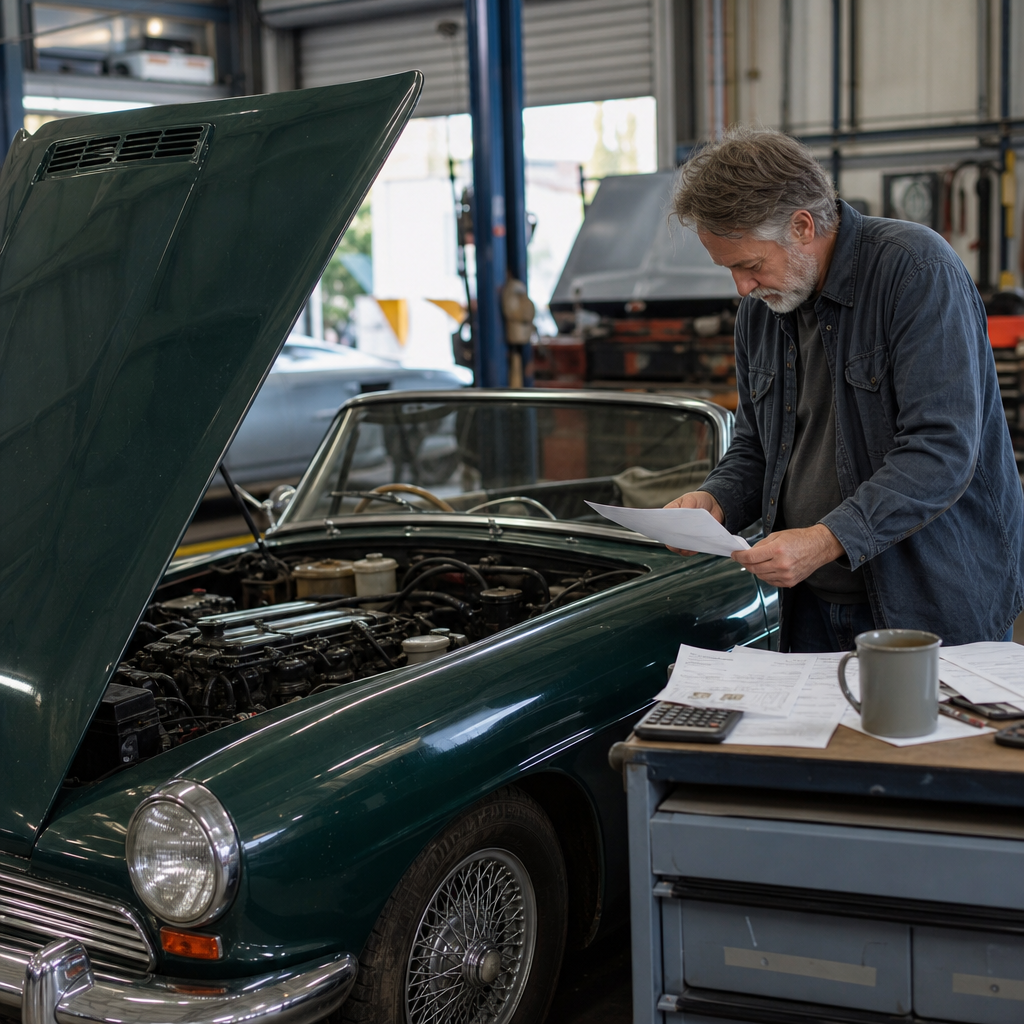
That is why some cars from outside the typical range still enter golden-age discussions, while others from the same years do not. A limited-production halo model or a segment-defining bestseller can be historically important even if it was not expensive when new. Conversely, a forgettable fleet sedan may be old but not central to the story. Condition also matters. Originality, matching numbers where relevant, correct trim, factory documentation, and high-quality restoration standards influence value. Tools like the Hagerty Price Guide and Hemmings market coverage help enthusiasts compare eras, but historical significance should come before speculation.
Why the Golden Age Still Shapes the Classic Car Hobby
The enduring power of the golden age comes from usability as much as nostalgia. Many cars from the late 1940s through early 1970s can still be maintained with standard hand tools, workshop manuals, and a good specialist network. Parts support for popular models is extensive. Companies reproduce sheet metal, weatherstripping, interior kits, wiring harnesses, carburetors, and trim for vehicles such as the Mustang, Camaro, Tri-Five Chevrolet, and Mopar E-body platform. That ecosystem lowers the barrier to entry and keeps these cars visible at shows, auctions, and local cruise nights.
They also teach core automotive concepts clearly. Carburetion, ignition timing, solid rear axles, vacuum systems, body mounts, and drum-versus-disc brake behavior are easier to understand on these vehicles than on modern cars packed with modules and sensors. For an educational hub on popular classic car eras, that makes the golden age especially important. It connects history, design, hands-on maintenance, and collector economics in one accessible narrative.
The simplest way to define the golden age of classic cars is this: it was the period when automobiles became culturally essential, visually unforgettable, mechanically characterful, and widely attainable. Most enthusiasts place it from the late 1940s through the early 1970s, with the 1950s and 1960s at its center. Prewar luxury models laid the groundwork, postwar cars expanded ownership, 1950s models turned style into spectacle, 1960s cars fused identity with performance, and early 1970s machines marked the last surge before regulation and fuel concerns changed the industry.
For anyone exploring classic car basics and education, understanding these eras is the key to making sense of the hobby. It helps you identify what you like, judge historical importance, and choose the right path into ownership or restoration. Start by comparing one model from each era, study how its design and engineering reflect its time, and use that framework to explore deeper articles on muscle cars, postwar cruisers, and prewar classics.
Frequently Asked Questions
What years are generally considered the golden age of classic cars?
Most experts place the golden age of classic cars between the late 1940s and the early 1970s. That range is broad enough to include the postwar boom in automotive production, the rise of dramatic styling, major engineering advances, and the cultural importance cars gained in everyday life. While some collectors prefer to start earlier with prewar luxury and coachbuilt models, and others extend the era into the mid-1970s to capture the last wave of traditional performance cars, the most widely accepted core period runs from about 1948 to 1972. This was the time when automakers were not just building transportation, but creating machines that reflected optimism, innovation, and identity. The vehicles from this era remain especially valued because they combined memorable design, mechanical character, and historical significance in a way that later generations often did not.
What makes a car part of the golden age instead of simply being old?
A car does not enter the golden age category just because it has age behind it. What separates a golden-age classic from an old vehicle is the combination of design distinction, engineering importance, and lasting desirability. Cars from this period often introduced features or styling themes that shaped the industry for years, from sweeping fenders and tailfins to muscular V8 power and increasingly refined interiors. They also represented a moment when carmakers were willing to take visual and mechanical risks, producing models with clear personalities rather than purely functional transportation. In addition, these cars played a meaningful role in culture. They appeared in films, defined youth movements, symbolized prosperity, and became part of national identity, especially in the United States and Europe. In practical terms, a golden-age classic is remembered, collected, restored, and admired because it stands for a peak moment in automotive history, not merely because it survived long enough to become vintage.
Why do historians and collectors disagree about when the golden age begins and ends?
The debate exists because the phrase can mean different things depending on the lens being used. If someone values styling above all else, they may emphasize the late 1940s through the 1950s, when postwar design became bold, expressive, and instantly recognizable. If performance is the priority, many will focus on the 1960s and early 1970s, when muscle cars, sports cars, and grand touring models flourished. Restoration professionals may define the era partly by manufacturing methods, materials, and mechanical simplicity, since those factors affect repairability and authenticity. Market analysts and collectors may look at production numbers, collector demand, auction trends, and brand influence. There is also a geographic factor, since the golden age can mean one thing for American cars, another for British roadsters, and something else for Italian exotics or German engineering icons. Because the era was not created by a formal rulebook, it remains a flexible historical label shaped by what each expert believes was the true peak of automotive achievement.
What design and engineering traits define golden-age classic cars?
Golden-age classic cars are typically defined by a strong blend of visual identity and mechanical substance. On the design side, this period produced some of the most recognizable shapes in automotive history, including chrome-heavy postwar cruisers, streamlined coupes, elegant convertibles, flamboyant fins, long hoods, short decks, and aggressive muscle-car proportions. These vehicles were styled to be seen and remembered, with individual models often carrying a personality that modern mass-market cars sometimes lack. From an engineering perspective, the era was equally important. Automakers refined overhead-valve engines, expanded V8 performance, improved suspension systems, introduced more advanced automatic transmissions, strengthened braking systems, and made significant progress in comfort and drivability. While these cars were generally more mechanical and less electronically complex than modern vehicles, that straightforward construction is part of their appeal. Owners can often understand, maintain, and restore them in ways that create a direct connection between machine and driver. The golden age is therefore defined not by one feature, but by the rare moment when style, innovation, and usability came together with lasting impact.
Why are cars from the golden age still so desirable today?
They remain desirable because they offer something that goes beyond transportation or even simple nostalgia. Golden-age classics represent craftsmanship, individuality, and a historical chapter when cars carried enormous emotional and cultural weight. Many enthusiasts are drawn to the tactile driving experience: the sound of a carbureted engine, the feel of a large steering wheel, the visible metalwork, and the unmistakable presence these cars have on the road. Others value their design as industrial art, appreciating the proportions, trim details, paint colors, and interiors that defined the era. Collectors also recognize that many of these vehicles hold long-term historical and financial appeal, especially when they are rare, well documented, or restored to a high standard. Just as importantly, these cars connect people to broader stories about postwar prosperity, motorsport, manufacturing ambition, and personal freedom. That is why the golden age of classic cars is not simply about preserving old machines. It is about preserving the period when the automobile reached a unique balance of beauty, performance, and cultural meaning that still resonates decades later.