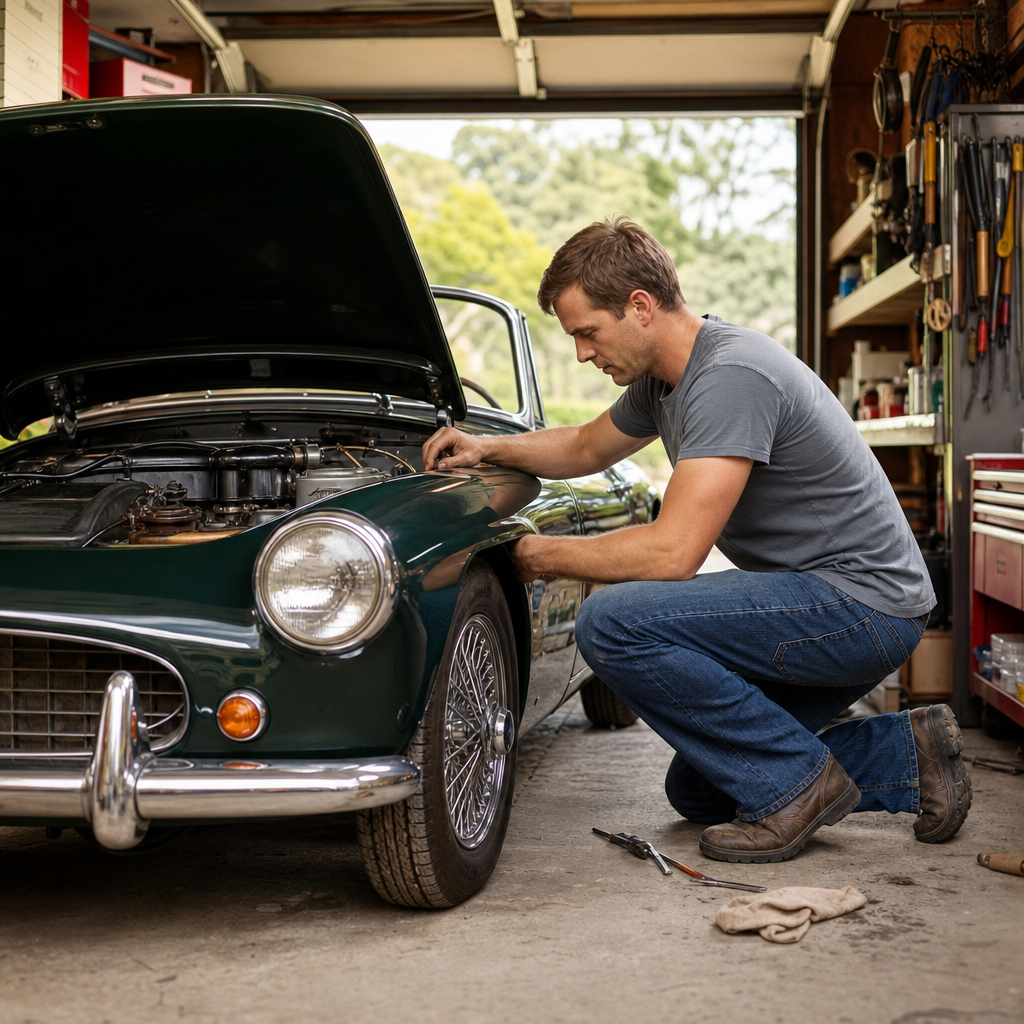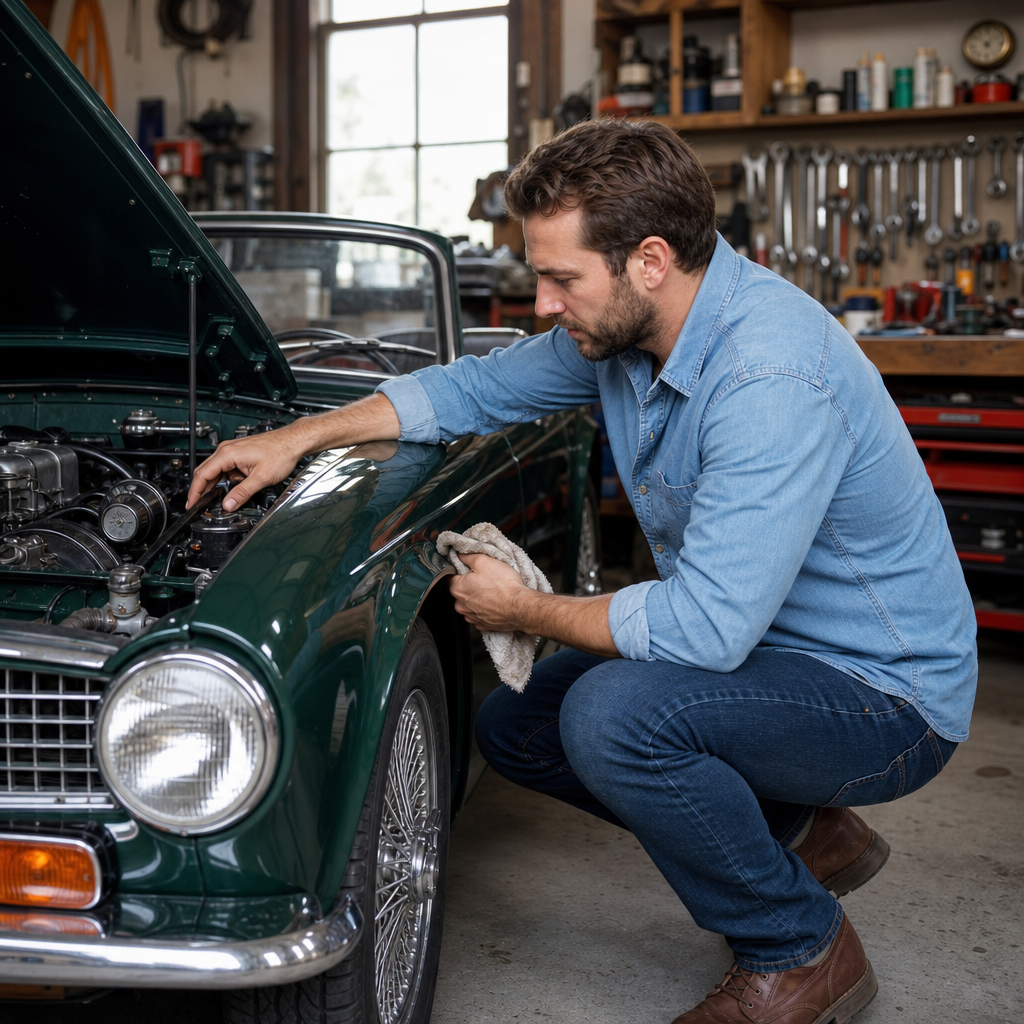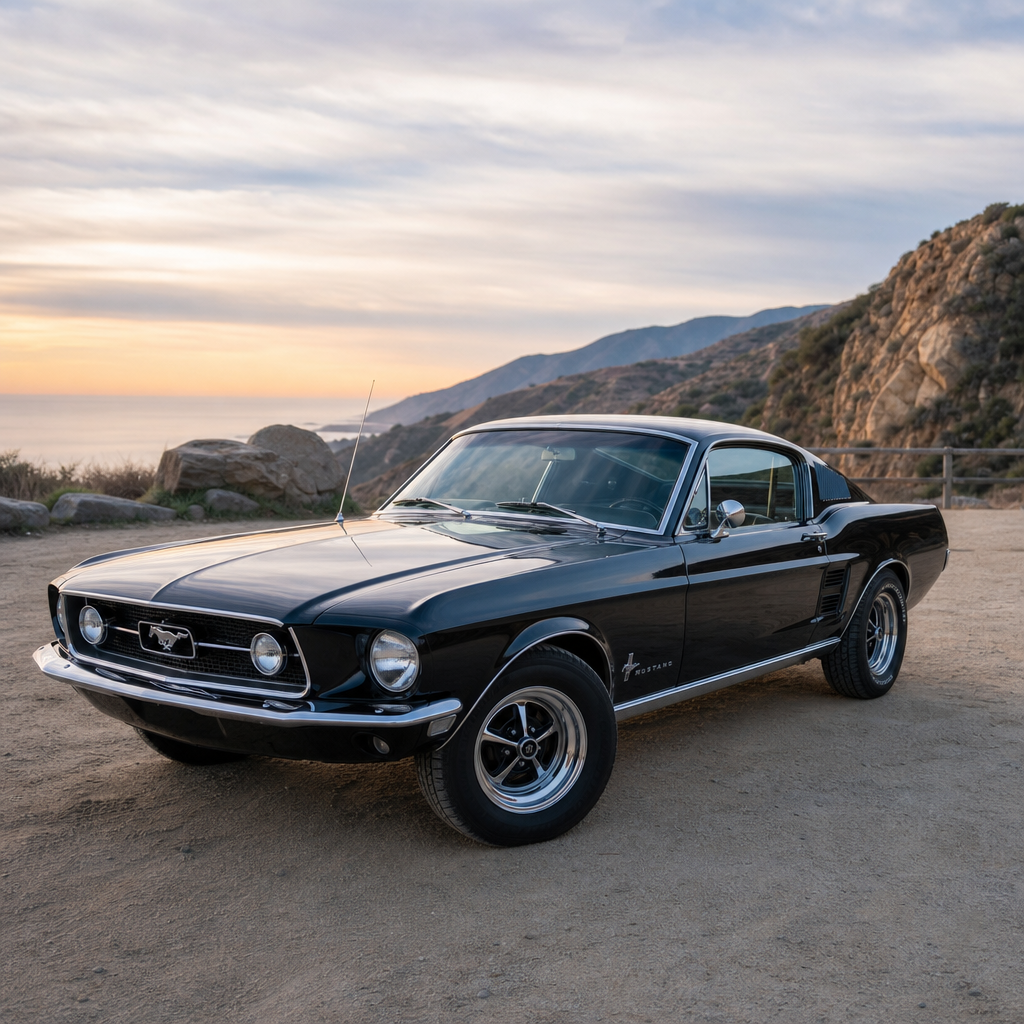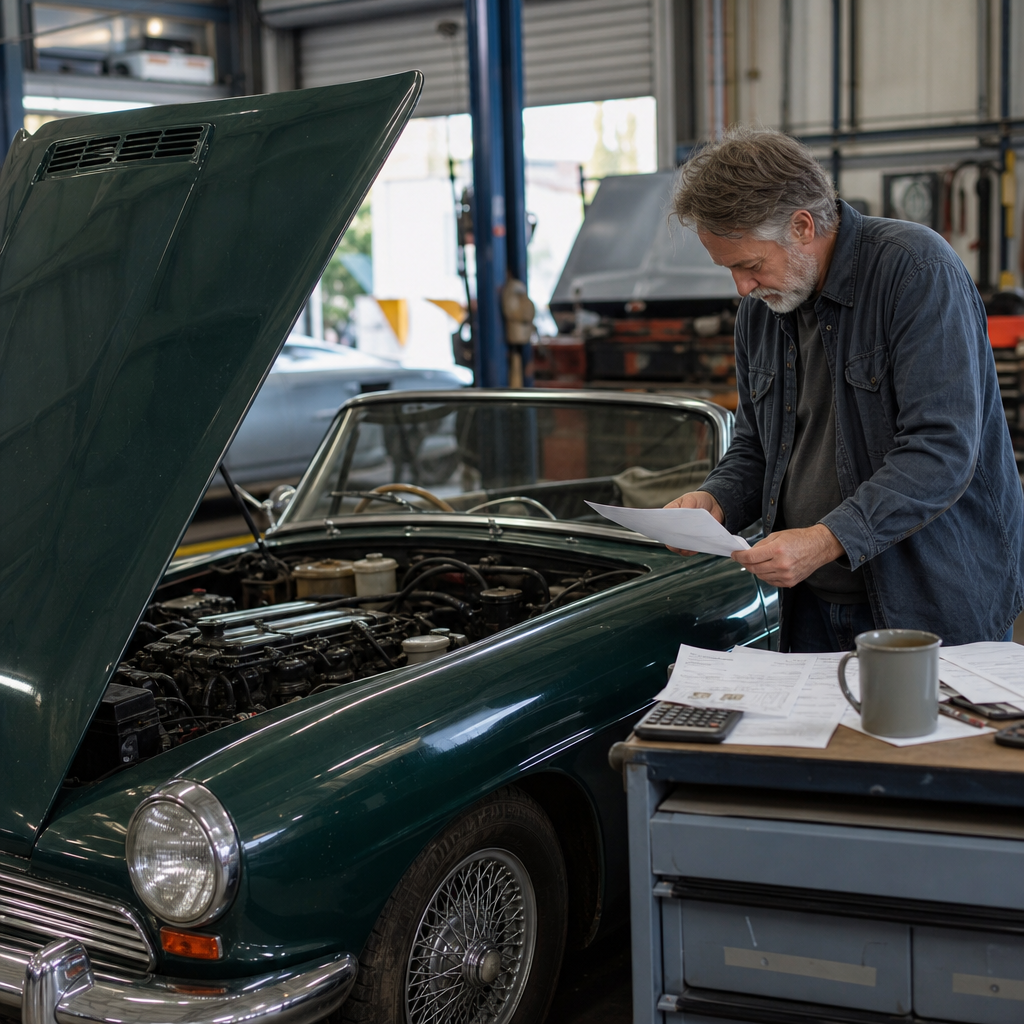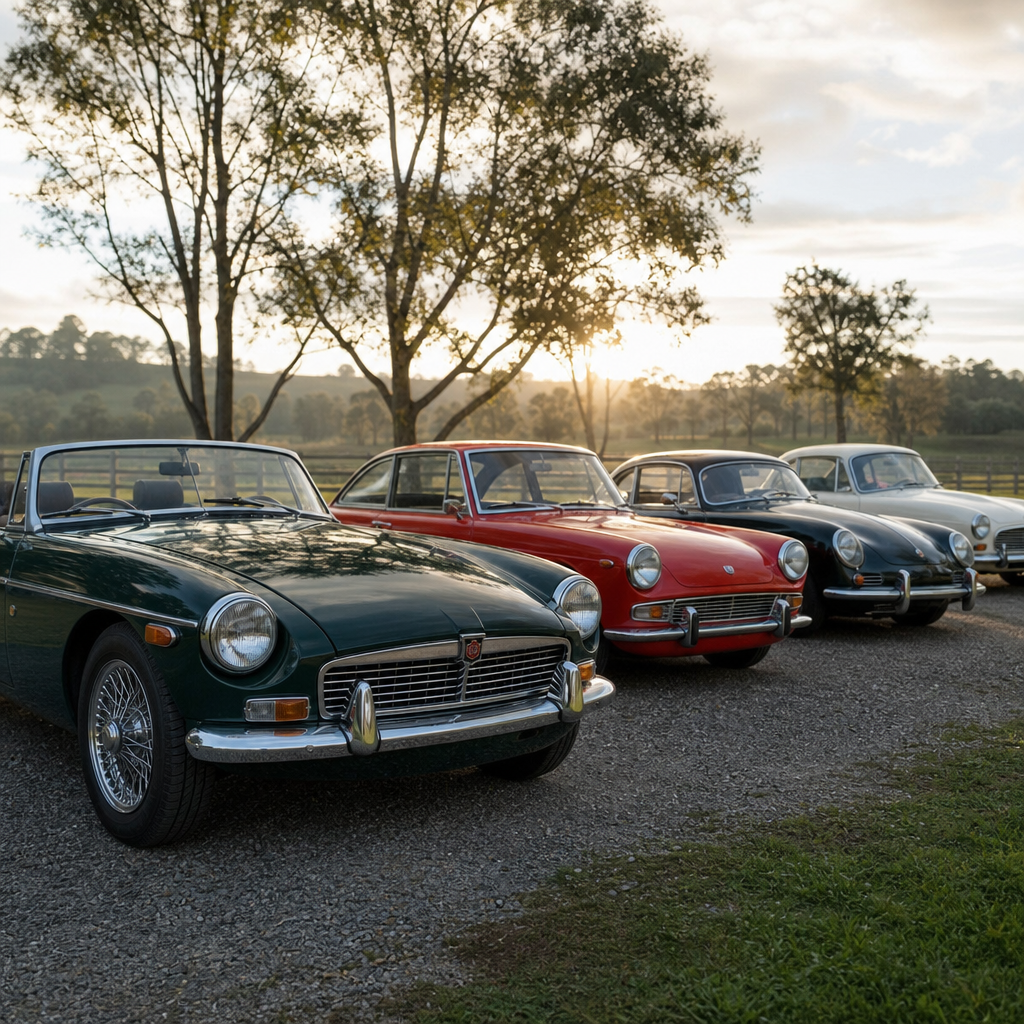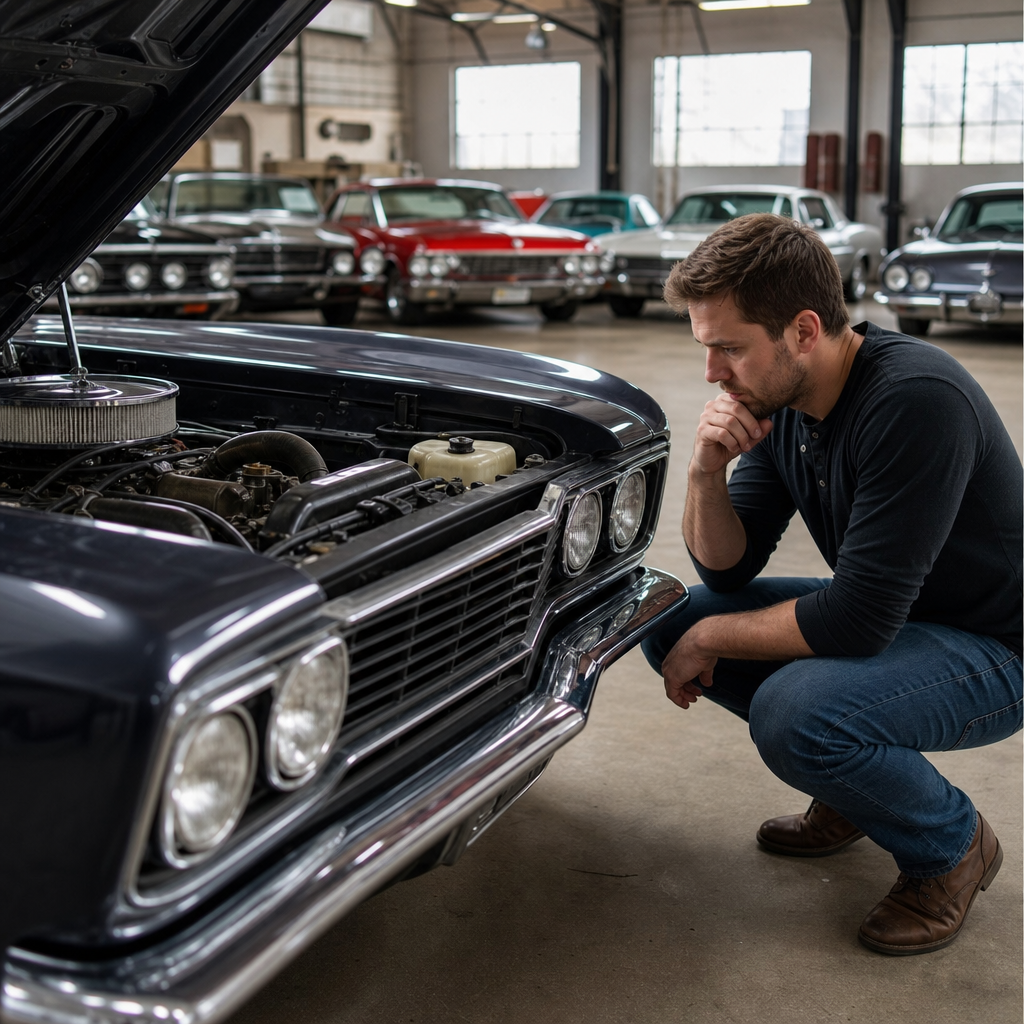
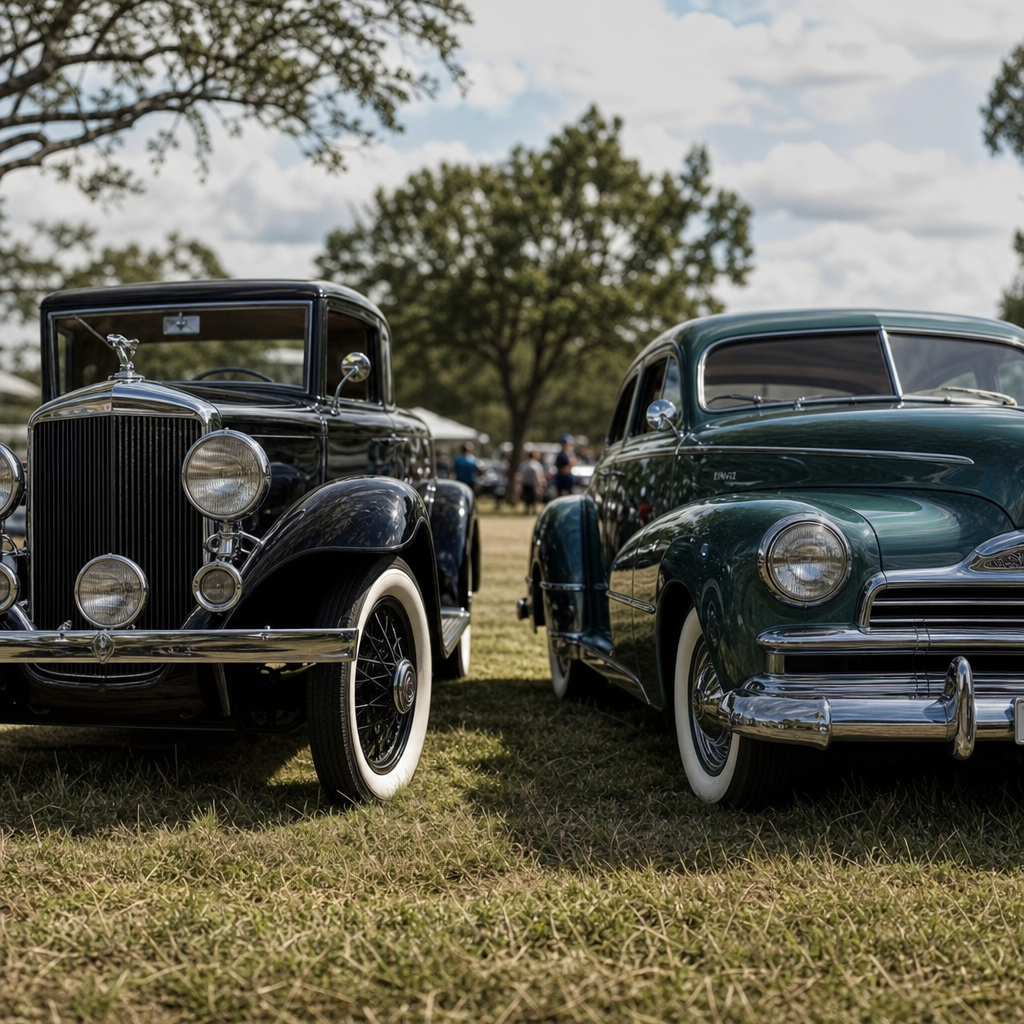
Pre-war and post-war classic cars differ in far more than build dates; they reflect two distinct engineering philosophies, two consumer markets, and two periods that reshaped how automobiles were designed, manufactured, and driven. In classic car circles, “pre-war” usually refers to vehicles built before the United States entered World War II in late 1941, while “post-war” generally covers cars produced after civilian manufacturing resumed in the mid-1940s and accelerated through the 1950s. These categories matter because they influence everything a buyer, restorer, or enthusiast needs to understand: styling, mechanical design, parts availability, driving experience, maintenance expectations, safety, and market value. I have spent years around collectors who own both eras, and the ownership experience is not remotely interchangeable. A 1936 Packard Eight asks something very different from its driver than a 1956 Chevrolet Bel Air or a 1949 Cadillac Series 62.
Understanding the difference also helps place popular classic car eras in context. Pre-war cars sit within the Brass Era, Vintage Era, and late 1930s streamlined period. Post-war cars lead into the immediate postwar carryover years, the chrome-heavy 1950s, the performance-focused 1960s, and the personal luxury and muscle car segments that followed. If this article is your starting point in classic car basics and education, think of it as the hub that explains the major dividing line other era guides build on. Once you know why wartime matters, it becomes easier to understand why flathead engines gave way to overhead-valve V8s, why coachbuilt bodies faded, why integrated fenders replaced separate ones, and why collector demand often splits along practical and emotional lines. The key point is simple: pre-war classics are rooted in craftsmanship and mechanical directness, while post-war classics are rooted in scale, convenience, and modern consumer expectations.
What Defines a Pre-War Classic Car
A pre-war classic car is typically any vehicle built before World War II halted or redirected civilian auto production. In the United States, most manufacturers stopped normal passenger-car output in 1942 to support military contracts. Pre-war cars therefore include early luxury marques such as Duesenberg, Auburn, Cord, Packard, Pierce-Arrow, Cadillac V-16, Lincoln K-Series, and mainstream models from Ford, Chevrolet, Plymouth, Buick, and Chrysler built through 1941 or, in some limited cases, early 1942. In practical collector language, pre-war usually covers several sub-eras: the Brass Era before about 1916, the Vintage Era of the 1920s, and the mature streamlined 1930s into 1941. These cars were often body-on-frame, mechanically simple by modern standards, and heavily dependent on periodic adjustment rather than sealed, long-service components.
Styling is the quickest visual clue. Pre-war cars commonly feature upright grilles, freestanding headlamps on earlier models, running boards, separate fenders, narrower cabins, and taller rooflines. By the late 1930s, streamlining softened those cues, but even then a 1938 Buick or 1940 LaSalle still looks architecturally separate in its body sections compared with a 1950s car. Interiors were also more formal. Dashboards used painted steel, engine-turned panels, woodgraining, and large analog gauges. Seating posture was upright, doors were heavier, and ergonomics reflected chauffeur use or slower road speeds. Mechanically, pre-war cars often used flathead inline engines, non-synchronized or partially synchronized manual transmissions, solid axles, mechanical brakes on earlier examples, and six-volt electrical systems. They reward mechanical sympathy. Double-clutching, spark advance familiarity on older cars, periodic lubrication, and tuning knowledge are part of ownership, not occasional curiosities.
What Defines a Post-War Classic Car
Post-war classic cars emerged when automakers returned to civilian production after 1945. The earliest examples, especially 1946 to 1948 models, were often mildly updated versions of pre-war designs because factories needed speed, tooling efficiency, and cash flow. By 1949, however, the market began shifting rapidly toward lower, wider, more integrated bodies, and by the 1950s the post-war car had become a fundamentally different product. Models such as the 1949 Ford, 1949 Cadillac, 1955 Chevrolet, 1955 Chrysler C-300, and 1957 Ford Fairlane demonstrate the transition from carryover engineering to modern mass-market styling and performance. For collectors, post-war often includes late 1940s cars, the 1950s “Tri-Five” and fin era, and the early 1960s before muscle cars and pony cars become their own discussions.
The defining characteristics are integration, convenience, and consumer-oriented engineering. Ponton styling reduced visual separation between fenders and body. Overhead-valve engines became common and raised horsepower significantly. Automatic transmissions, power steering, power brakes, improved heaters, better glass area, and more effective ventilation made cars easier to use in daily traffic. Suspension tuning improved ride quality, and hydraulic brakes became standard. Twelve-volt electrical systems gradually replaced six-volt systems, making starting, lighting, and accessory support more robust. When people ask why post-war classics attract first-time collectors, this is the answer: they generally start more easily, keep up with traffic more comfortably, and accept sympathetic upgrades with fewer compromises. A 1953 Buick Roadmaster or 1957 Chevrolet 210 can be driven regularly in a way most 1930s cars cannot without careful route planning, patient technique, and a willingness to operate at the car’s natural pace.
How World War II Changed Car Design and Manufacturing
The war is not just a calendar divider; it is the reason these two groups feel so different. During World War II, American and European automakers redirected factories to aircraft engines, tanks, trucks, jeeps, munitions, and military hardware. That industrial mobilization forced improvements in metallurgy, machining precision, logistics, interchangeable parts, and large-scale process control. After the war, manufacturers brought those lessons back into passenger-car production. I have seen this difference firsthand when comparing restoration tolerances on 1930s components with 1950s hardware. The later parts are not always simpler, but they are usually more standardized and easier to source, rebuild, or substitute.
Consumer expectations changed just as dramatically. Before the war, many roads remained rough, average speeds were lower, and car ownership still carried traces of novelty or formality. After the war, suburban growth, rising household income, and expanding highway systems changed what buyers wanted. They expected more comfort, more trunk space, more weather sealing, easier shifting, better heating, and eventually effortless cruising. Manufacturers responded with wraparound windshields, higher-compression engines, hardtop body styles, and accessories that turned the automobile from transport into a statement of prosperity. That shift explains why a pre-war car often feels handcrafted and deliberate, while a post-war car feels market-tested and lifestyle-driven. Neither is inherently better; they simply belong to different industrial and cultural moments.
Key Differences in Engineering, Styling, and Driving Experience
The most useful way to compare pre-war and post-war classic cars is by ownership realities rather than nostalgia alone. The table below captures the differences collectors deal with every week.
| Category | Pre-War Classic Cars | Post-War Classic Cars |
|---|---|---|
| Styling | Upright bodies, separate fenders, running boards, formal proportions | Lower, wider bodies, integrated fenders, panoramic glass, fins or chrome accents |
| Engines | Often flathead inline-four, six, eight, or early V12/V16 designs | More overhead-valve engines, stronger V8 adoption, higher compression and horsepower |
| Transmissions | Manual, often non-synchronized or partially synchronized | Improved manuals plus widespread automatic transmissions |
| Braking and Steering | Heavier steering, earlier mechanical brakes on older examples | Hydraulic brakes standard, optional or common power assist |
| Electrical System | Usually six-volt, limited accessories | Six-volt early, then twelve-volt systems with more accessories |
| Driving Feel | Slow-paced, mechanical, demanding, highly tactile | More relaxed, road-capable, traffic-friendly, easier for beginners |
| Restoration | More custom fabrication and specialist knowledge required | Broader parts support and more standardized restoration pathways |
Driving a pre-war car demands anticipation. Steering ratios are slower, brake distances are longer, and engine noise, gear whine, and body motion are part of normal operation. Even excellent examples can feel busy above 50 mph. Post-war cars are not modern by current standards, but they are generally easier to merge, stop, and maneuver. A 1931 Ford Model A is rewarding because it makes every motion visible and mechanical. A 1956 Oldsmobile 88 is rewarding because it introduces V8 torque, highway confidence, and comfort without losing the analog feel collectors want. That distinction is central to choosing an era.
Collectibility, Restoration Challenges, and Ownership Costs
Collector demand depends on rarity, style, brand prestige, and usability. Pre-war classics often appeal to established enthusiasts who value history, concours authenticity, and mechanical craftsmanship. Full Classic models recognized by the Classic Car Club of America, especially from marques like Packard, Duesenberg, Lincoln, and Cadillac, can command strong prices because of low production, design significance, and event eligibility. At the same time, lesser-known pre-war sedans may remain affordable to buy yet expensive to restore because wood framing, trim, upholstery patterns, and obsolete hardware require specialized labor. I have watched owners spend more sourcing correct Bijur lubrication parts or rebuilding a vacuum fuel system than they paid for the initial car.
Post-war classics present a wider ownership range. A 1949 to 1954 Chevrolet or Ford can still be one of the more approachable entries into vintage ownership, while halo cars such as the 1957 fuel-injected Chevrolet, 1955 Chrysler C-300, or early Corvette sit in a very different market. Parts support is the practical advantage. Companies reproduce weatherstripping, chrome trim, sheet metal, wiring harnesses, suspension kits, and interior materials for many popular post-war models. That supply chain reduces downtime and uncertainty. Insurance through agreed-value policies is usually straightforward for both eras, but maintenance budgets diverge. Pre-war cars often need specialist transport, hand-fitted repairs, and period-correct restoration choices. Post-war cars more often allow owner-level servicing, club support, and drivability upgrades such as radial tires, dual-circuit master cylinders, or discreet electronic ignition. Those upgrades can improve safety, but collectors should document changes carefully and understand how modifications affect originality, judging, and resale.
Which Era Is Right for You and How to Keep Learning
If you want a classic car mainly for shows, preservation events, and immersive historical motoring, pre-war cars offer unmatched character. They tell the story of early automotive development in a way later cars cannot. If you want weekend drives, local cruises, and a machine that feels vintage without demanding specialist technique every mile, post-war classics are usually the better fit. The best buying decision starts with honest answers to a few questions: Where will you drive it? How mechanically involved do you want to be? Do you value authenticity over convenience? Is your local club scene stronger for 1930s Full Classics or 1950s driver cars? Storage, transport access, and parts networks matter as much as budget.
As a hub within classic car basics and education, this guide should help you navigate the broader landscape of popular classic car eras. From here, it makes sense to explore dedicated guides on Brass Era cars, 1920s and 1930s classics, immediate post-war “bathtub” and envelope-body models, 1950s chrome cars, and the early 1960s transition into performance-focused classics. The core takeaway is clear: pre-war and post-war classic cars are separated by a world-changing event that transformed styling, engineering, manufacturing, and ownership expectations. Learn the era before you shop the model, and you will make better choices about restoration, usability, and long-term value. If you are building your knowledge base, start by comparing a few representative cars from each side of the divide, then narrow your search to the era that matches how you want to enjoy the hobby.
Frequently Asked Questions
What is the main difference between pre-war and post-war classic cars?
The most basic difference is the era in which they were built, but in practice the distinction goes much deeper than a date on a title. Pre-war classic cars were generally produced before the United States entered World War II in 1941, while post-war classic cars were built after civilian automobile production restarted in the mid-1940s and expanded rapidly into the 1950s. That timing matters because the war acted as a major dividing line in automotive design, engineering, manufacturing, and consumer expectations.
Pre-war cars typically reflect an earlier automotive philosophy: large mechanical components, upright styling, separate fenders, running boards, narrower tires, simpler suspension layouts, and far more hands-on driving characteristics. They were built in an era when comfort, prestige, craftsmanship, and mechanical durability often mattered more than mass-market convenience or modern performance. Many pre-war vehicles also came from a period when coachbuilding, low-volume production, and visible hand-finishing were still common, especially in upper-end models.
Post-war cars, by contrast, were shaped by industrial modernization and a booming consumer economy. Manufacturers applied lessons from wartime production efficiency, advanced metallurgy, and improved engineering processes to civilian vehicles. Styling became lower, wider, and more integrated. Bodies were smoother and more aerodynamic, interiors more user-friendly, and engines more standardized for reliability and easier servicing. In short, pre-war cars often feel like products of the mechanical age, while post-war cars feel like the beginning of the modern automotive era.
How did engineering and technology change from pre-war to post-war classic cars?
The engineering evolution from pre-war to post-war cars is one of the clearest ways to understand the difference between the two. Pre-war automobiles were often built with robust but relatively straightforward mechanical systems. Many relied on mechanical brakes in earlier years, non-synchronized transmissions, solid axles, less refined steering, and engines designed more for torque and steady cruising than high-speed efficiency. Even by the late 1930s, when many manufacturers had introduced hydraulic brakes and better gearboxes, the overall driving experience remained more mechanical and demanding than what most drivers expect today.
After the war, engineering priorities shifted toward greater reliability, improved drivability, and mass-market practicality. Post-war cars increasingly featured better hydraulic systems, improved electrical systems, stronger and more efficient engines, refined automatic transmissions, upgraded suspensions, and more consistent manufacturing tolerances. Wartime advancements in materials science and production methods helped automakers make vehicles that were not only easier to produce at scale, but also easier to maintain and more predictable on the road.
Another important difference is standardization. Pre-war cars can vary significantly from make to make and even from model to model, especially in luxury and limited-production segments. Post-war cars generally benefited from more interchangeable parts, dealer support networks, and more uniform engineering practices. This is one reason many collectors see post-war classics as more approachable for regular driving, while pre-war cars are often appreciated for their craftsmanship, originality, and period-correct mechanical character.
Why do pre-war and post-war classic cars look so different?
The visual differences come down to both design trends and technological capability. Pre-war cars were styled in a period when automobile bodies were still heavily influenced by carriage design and early industrial manufacturing methods. That is why many pre-war vehicles have tall rooflines, freestanding headlights, exposed fenders, vertical grilles, and separate body elements rather than the unified body shapes seen later. Even highly advanced pre-war cars often retained a formal, upright appearance because that matched both engineering limitations and customer tastes of the time.
Post-war styling moved in a very different direction. As stamping technology improved and manufacturers embraced more integrated body construction, cars became lower, longer, and wider in appearance. Fenders began blending into the body, hoods and trunks became more streamlined, and designers increasingly emphasized horizontal lines, chrome trim, wraparound details, and eventually tailfins and other dramatic styling cues in the 1950s. These changes reflected not just aesthetics, but a broader cultural shift toward optimism, speed, modernity, and mass consumer appeal.
Consumer expectations also played a major role. Pre-war buyers often valued elegance, status, and craftsmanship. Post-war buyers, especially in the growing middle class, wanted cars that looked new, exciting, and forward-looking. Automakers responded by making post-war vehicles visually distinct from their pre-war predecessors, even when early post-war models still used carryover engineering. That is why the gap between the two eras feels so noticeable: the cars were designed for different societies, different roads, and different ideas about what driving should represent.
Are pre-war classic cars harder to own, maintain, and drive than post-war classics?
In most cases, yes. Pre-war cars are generally more challenging to own and operate than post-war classics, although much depends on the specific make, model, and how well the vehicle has been restored or preserved. Driving a pre-war car usually requires more mechanical sympathy and more active involvement from the driver. Steering can be heavier, braking distances longer, gear changes less forgiving, and highway cruising less comfortable by modern standards. These vehicles were built for a different road environment, one with lower average speeds and fewer expectations for modern convenience.
Maintenance can also be more specialized. Pre-war cars may require harder-to-find parts, knowledge of older mechanical systems, and technicians who understand period-correct components and restoration methods. Some pre-war marques have excellent club support and parts networks, but others can be quite demanding in terms of sourcing components, rebuilding assemblies, or preserving original materials. Electrical systems, carburetion, ignition tuning, wood framing in certain body styles, and early braking systems can all require expertise that goes beyond ordinary classic car maintenance.
Post-war classics are often easier for newcomers because they tend to be more mechanically familiar and more broadly supported in the hobby. Parts availability is often better, repairs may be simpler to outsource, and the driving experience is generally more compatible with modern roads. That does not mean post-war cars are effortless, but many are easier to start, stop, steer, and enjoy regularly. For many enthusiasts, the choice comes down to preference: pre-war cars offer unmatched character and historical presence, while post-war classics often provide a more practical path into ownership.
Which is more collectible: pre-war or post-war classic cars?
There is no universal winner, because collectibility depends on rarity, historical significance, styling, brand prestige, originality, condition, provenance, and market demand. That said, pre-war and post-war cars tend to attract somewhat different types of collectors. Pre-war cars are often prized for their craftsmanship, engineering heritage, and connection to the earliest mature years of the automobile. Significant luxury marques, custom-bodied examples, and historically important pre-war models can be extremely desirable because they represent a level of design and construction that largely disappeared after the war.
Post-war classics, however, appeal to a broader market in many segments because they are often more usable, more recognizable to casual enthusiasts, and more tied to the golden age of American and European automotive culture. Cars from the late 1940s and especially the 1950s benefit from strong nostalgia, iconic styling, and wider club support. They are often easier to display, drive, insure, and maintain, which helps sustain interest among collectors who want both historical value and practical enjoyment.
In market terms, some of the most valuable cars in the world are pre-war, especially rare coachbuilt luxury automobiles and landmark sports cars. At the same time, many of the most actively traded and widely collected classics are post-war models because they balance style, performance, and accessibility. For buyers and enthusiasts, the better question is usually not which era is more collectible overall, but which era best matches their goals. If you value artistry, rarity, and early automotive history, pre-war cars may be more compelling. If you want a classic that is easier to live with and still rich in character, post-war models often make more sense.