
Understanding trim levels and factory options is one of the fastest ways to identify a classic car accurately, because badges, upholstery codes, engine packages, and production records reveal what a vehicle actually was when it left the assembly line. In the classic car world, “trim level” refers to the manufacturer’s bundled specification, such as base, deluxe, custom, or premium variants, while “factory options” are extra-cost components or packages chosen by the original buyer or dealer. Together, they shape originality, rarity, value, and the confidence with which you can answer a basic but crucial question: what is this car, exactly?
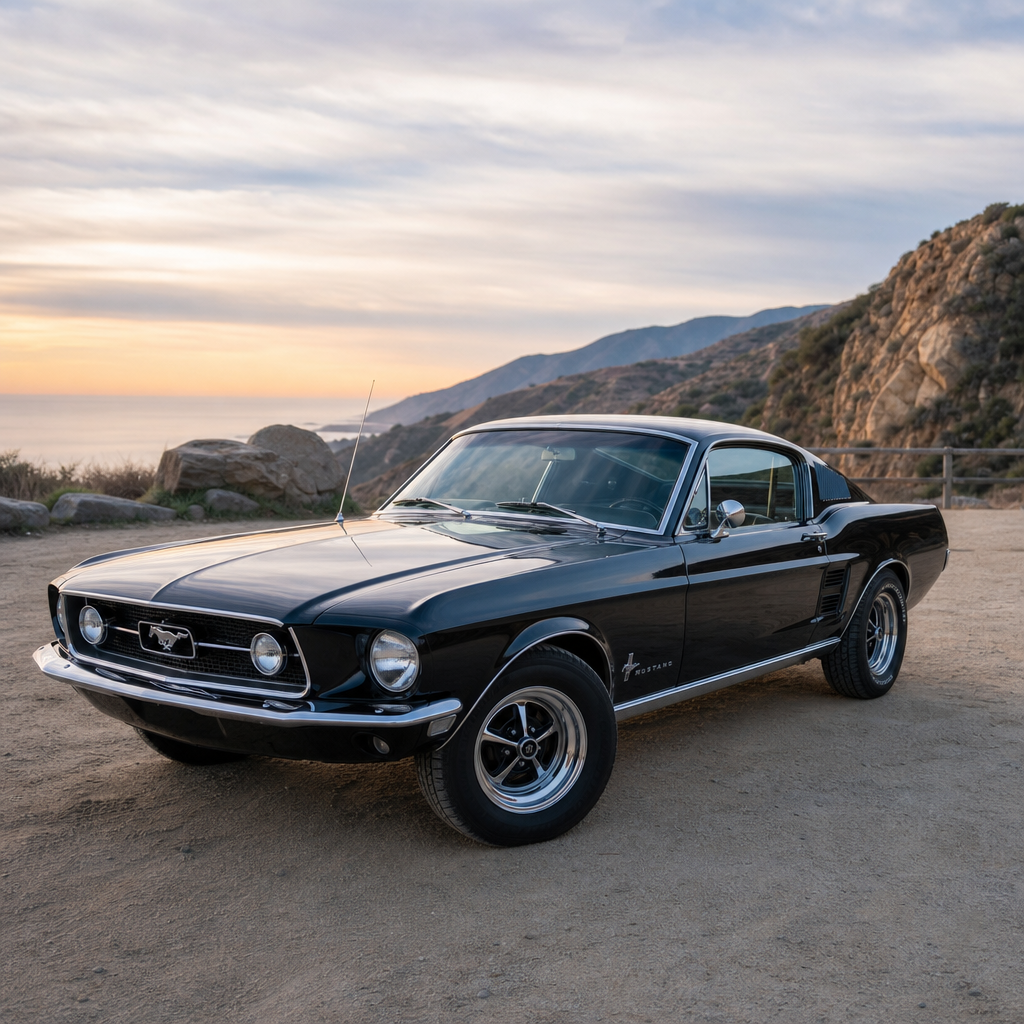
I have inspected enough unrestored cars and overly restored cars to know that appearance alone is unreliable. A coupe wearing SS badges may not be a true Super Sport. A Mustang with GT stripes may have started life as a plain hardtop. A bright interior, Rally wheels, or a woodgrain dash can be period-correct additions rather than original equipment. For anyone learning how to identify a classic car, trim levels and factory options provide the structure behind the styling. They separate authentic specification from later personalization, and they help decode why two seemingly identical cars carry very different market values.
This matters beyond auction pricing. Correct identification supports insurance, registration, restoration planning, and parts sourcing. It also helps owners avoid expensive mistakes, such as buying reproduction parts for the wrong series or claiming provenance that documentation cannot support. On many American classics built from the 1950s through the 1980s, the answer is found in a combination of VIN format, cowl or body tags, engine stampings, axle codes, paint and trim plates, and factory literature. On European and Japanese classics, chassis numbers, option stickers, commission plates, and build sheets often play the same role.
Because this page serves as a hub for learning how to identify a classic car, it focuses on the practical method: start with the manufacturer identity, move to year and body style, confirm trim level, verify factory options, and cross-check every claim with documentation. When those sources agree, you can identify a car with confidence. When they conflict, the conflict itself tells you something important about modifications, replacement parts, or incomplete history.
Start with manufacturer, model year, and body style
The first step in identifying any classic car is establishing the basics before diving into trim and options. Confirm the make, model line, model year, and body style from fixed identifiers rather than cosmetic clues. On many U.S. cars, the VIN or serial number will indicate manufacturer, series, assembly plant, and body type. For example, a 1967 Chevrolet Camaro VIN can confirm whether the car began as a six-cylinder or V8 model, while the Fisher Body tag supplies body style and trim details. On a 1965 Ford Mustang, the warranty plate and VIN reveal body code, engine code, assembly district, and scheduled build date.
Body style matters because trim names often vary within the same model line. A Bel Air sedan, an Impala Sport Coupe, and a Caprice wagon may share family resemblance but belong to different series with different standard equipment. Convertibles, hardtops, fastbacks, and station wagons also carried unique interior patterns, moldings, and option availability. If the shell itself does not match the claimed trim level, no amount of badging can make the identification correct.
In practice, I look for immutable features first: door count, roofline, quarter window shape, dashboard architecture, wheelbase, and the structure of the body tag. Then I compare them with factory brochures, shop manuals, and marque reference guides. This prevents a common beginner error: assuming the most visible badge is the definitive answer.
What trim levels tell you about a classic car
Trim levels were a manufacturer’s way of segmenting the market. They bundled upholstery materials, exterior moldings, instrument clusters, wheel covers, seating configuration, carpeting, brightwork, and sometimes drivetrain choices. In Chevrolet terms, Biscayne, Bel Air, Impala, and Caprice represented escalating trim positions. In Plymouth, Savoy, Belvedere, and Fury served a similar role. Ford used Custom, Galaxie 500, LTD, and related designations. These names are not decorative; they are part of the car’s identity.
When identifying a classic car, trim level answers several questions directly. What interior patterns should the car have? Were bucket seats standard or optional? Did the car come with carpet or rubber matting? Should it have extra side moldings, rocker trim, woodgrain appliqués, or specific emblems? Knowing the trim hierarchy lets you spot inconsistencies quickly. A stripped interior in a purported luxury trim car may indicate missing parts, a clone, or a heavily altered project. Conversely, a base model loaded with optional equipment can look deceptively upscale, which is why trim and options must be analyzed together.
Manufacturers also used sub-series and regional naming that create confusion decades later. A Pontiac LeMans can be a trim series within Tempest roots, while GTO began as an option package before becoming a distinct model line. Mopar “R/T” and GM “SS” designations often combine performance identity with trim and equipment content. The lesson is simple: identify the official series designation used in that exact year, not the nickname enthusiasts commonly apply today.
How factory options change identification and value
Factory options are installed or ordered equipment beyond the standard trim specification. They can include engines, transmissions, axle ratios, radios, air conditioning, power accessories, appearance groups, suspension packages, and performance upgrades. Some options were individually ordered; others came as packages that bundled several components under one sales code. These codes are essential because they explain why one car within a trim line may be especially desirable or rare.
A real-world example is the 1969 Chevrolet Camaro. The model could be identified broadly as a base coupe, RS, SS, Z/28, or combinations such as RS/SS, depending on year-specific package rules and documentation. Hidden headlamps, special striping, cowl induction, and wheel choices help, but true confirmation comes from trim tags, drivetrain clues, protected build documents, and known production practices. The same issue appears with Ford Mustangs carrying Mach 1, GT, or Boss designations, and with Mopars wearing Road Runner, GTX, or Super Bee labels. The appearance package may be recreated; the original option content is harder to fake consistently.
Options also affect valuation because rarity alone is not enough. Desirable combinations matter. A documented big-block, four-speed, limited-slip car with factory gauges and heavy-duty cooling often commands more attention than a similar car with common options. Yet provenance still rules. A non-original engine can reduce significance even if the replacement is period-correct.
Where to find trim and option information on the car
The most useful identifiers are usually spread across several locations, and no single tag should be trusted in isolation. The exact placement varies by manufacturer, but the following sources are standard starting points.
| Source | What it usually confirms | Example use |
|---|---|---|
| VIN or serial number | Make, series, year, plant, body type, sometimes engine | Confirms whether a 1966 Mustang began life as a C-code or A-code car |
| Cowl, body, or trim tag | Body style, paint, interior trim, build date, assembly data | Verifies original color and upholstery on a GM A-body |
| Build sheet or broadcast sheet | Detailed option codes and assembly instructions | Identifies factory axle, radio, seat type, and package content on Mopars |
| Window sticker or invoice | Original retail options and pricing | Shows exact equipment ordered on a dealer-delivered car |
| Drivetrain stampings | Engine, transmission, and axle originality | Matches partial VIN and date codes to the car’s build period |
| Marque archives or certificates | Factory-confirmed build information | Obtains Porsche, BMW, or heritage verification records |
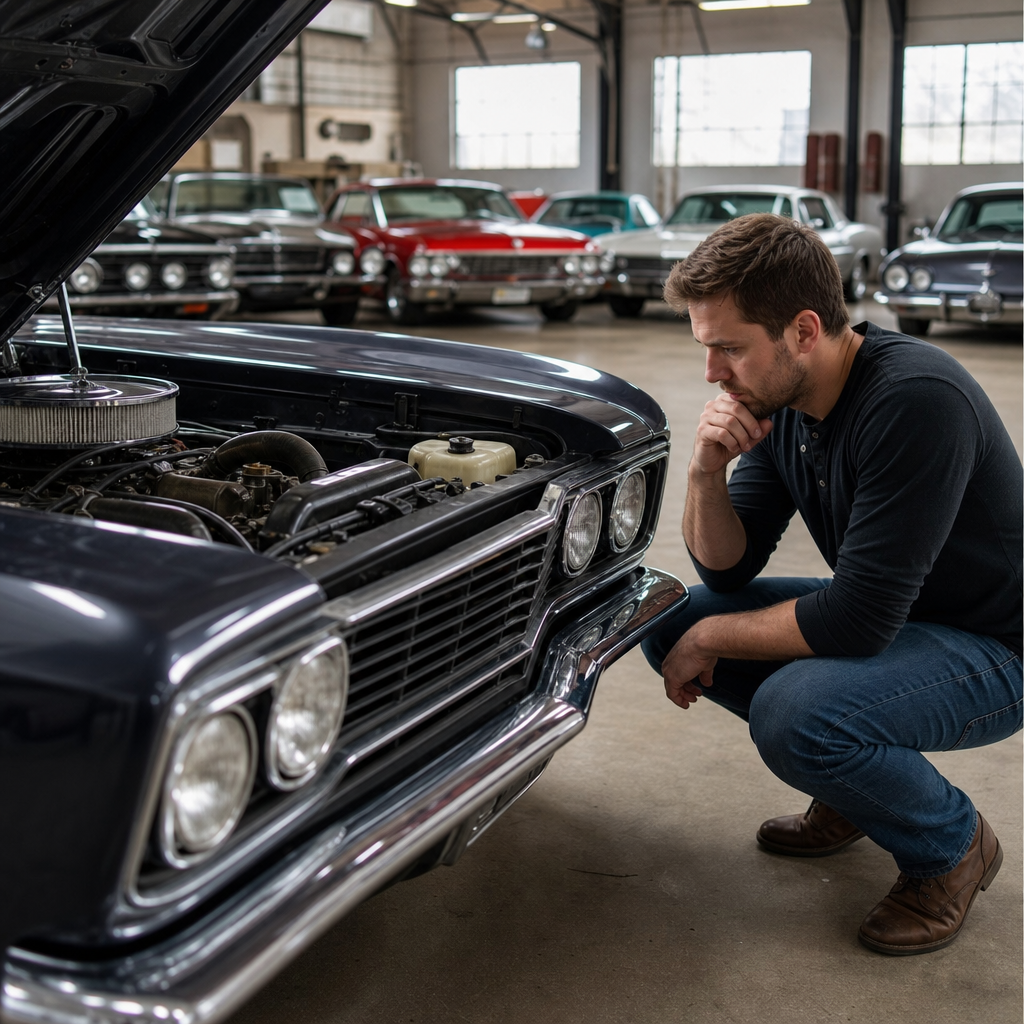
When I inspect a car, I compare date codes across components. A transmission cast after the scheduled build date is a red flag unless there is a documented replacement. Seats trimmed in the wrong pattern, a paint code inconsistent with jamb finishes, or option holes added with rough workmanship usually indicate later modification. Good identification depends on convergence: numbers, tags, and physical evidence should tell the same story.
Using documentation, registries, and factory literature
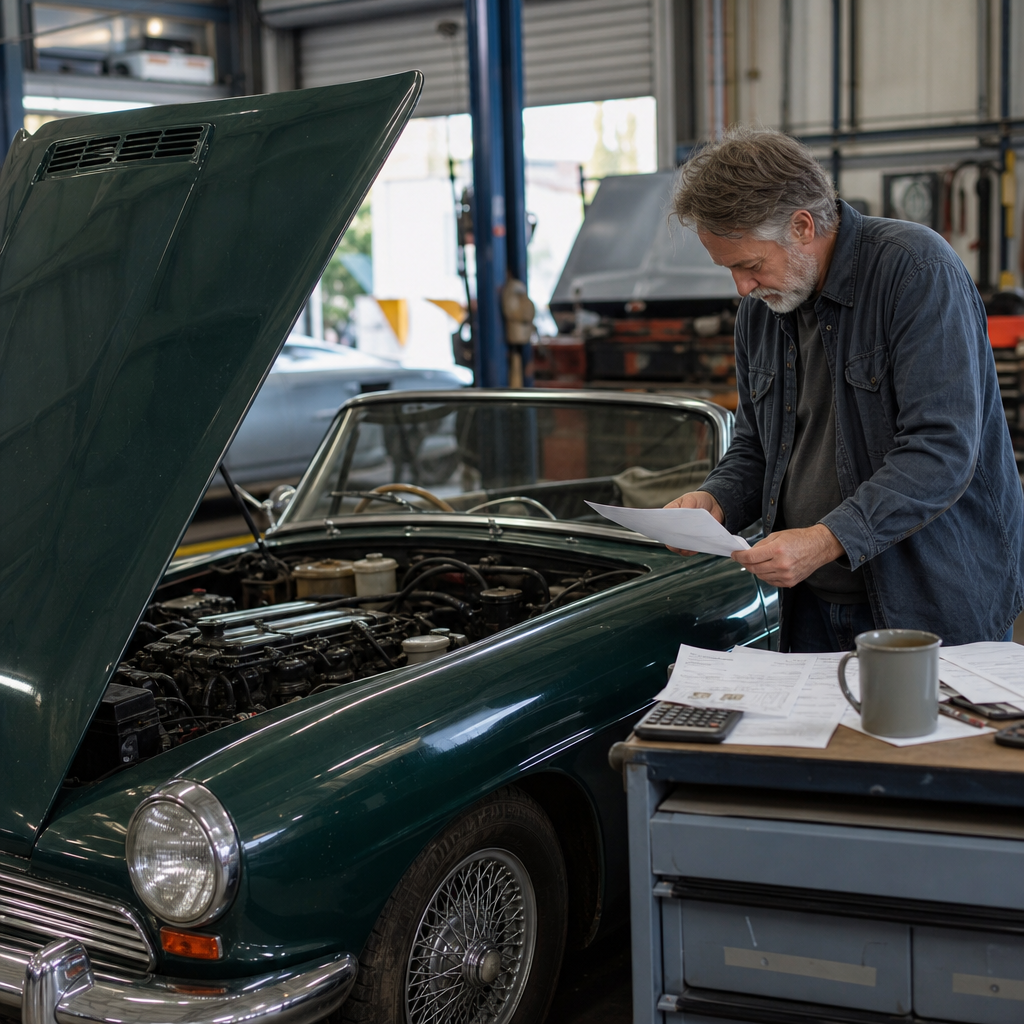
Paperwork is often the difference between a persuasive story and a verified specification. Factory brochures show what was marketed, but not always what was standard versus optional in every plant or midyear revision. Assembly manuals, dealer ordering guides, parts books, and service manuals provide stronger evidence because they reflect actual production content. For General Motors cars, resources such as the GM Heritage Center archives can help confirm specifications. For Ford products, Marti Auto Works reports are widely used for many 1967-up models. Chrysler enthusiasts rely heavily on broadcast sheets, fender tags, and IBM card records where available.
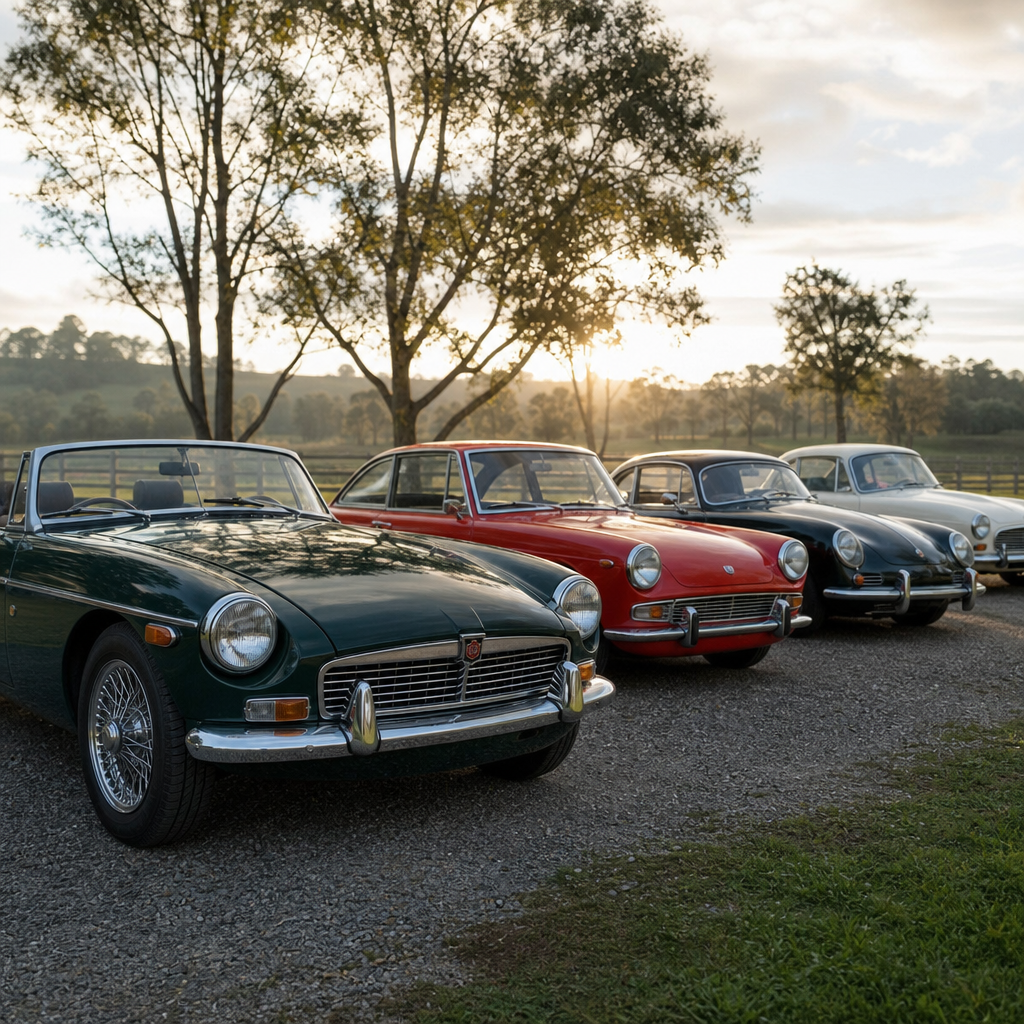
Owner clubs and registries are also valuable, especially for low-production performance cars and foreign classics. A Jaguar Daimler Heritage Trust certificate, Porsche Kardex or Certificate of Authenticity, BMW Group Archive record, or British Motor Industry Heritage Trust certificate can provide original colors, engine numbers, dispatch dates, and destination markets. These records are not infallible, but they are authoritative anchors.
Factory literature must be read carefully. Midyear running changes were common. A wheel cover style shown in an early brochure may differ from later production. Emissions rules, safety regulations, and supplier substitutions also affected trim details. That is why experienced judges and restorers compare multiple sources before declaring a car “incorrect.”
Common mistakes when identifying classic cars
The most common mistake is relying on visible trim alone. Reproduction emblems, decal kits, reproduction interiors, and aftermarket wheels are widely available. A clone can be attractive and honest if represented properly, but it becomes a problem when cosmetic parts are mistaken for proof. Another mistake is ignoring market-specific variation. Cars sold in California, Canada, Europe, or export markets often used different emissions equipment, lighting, gauges, and option packages than U.S. domestic examples.
Beginners also underestimate how often components were replaced during ordinary use. Engines blew up, seats wore out, vinyl tops were removed, and dealer-installed accessories blurred the line between factory and period addition. A car can still be worth buying even if it is not numbers-matching, but it should be identified truthfully. I have seen owners assume a rare trim package based on a steering wheel and stripes, only to discover from the build sheet that the car was originally a lower-series model with tasteful upgrades.
Finally, people confuse rarity with desirability. An odd trim and option combination may be scarce simply because few buyers wanted it. Collectibility depends on historical significance, drivability, provenance, and demand, not just production totals.
How this hub helps you identify a classic car with confidence
As a hub within Classic Car Basics and Education, this guide gives you the framework for every identification task: decode the fixed identifiers, confirm the trim series, verify factory options, and support your conclusion with documents. From here, deeper articles can focus on VIN decoding, body tags, matching numbers, build sheets, and marque-specific quirks. That sequence matters because accurate identification is cumulative, not intuitive. You build certainty by layering evidence.
The main benefit is practical clarity. Once you understand trim levels and factory options, you can evaluate seller claims, plan restorations correctly, source the right parts, and judge originality without guessing. You also become a better buyer, because you know which questions to ask: What does the VIN confirm? Is the trim tag original? Are the engine and transmission date-correct? Is there a build sheet, invoice, or heritage certificate? Do the physical details match the paperwork?
Classic cars reward careful observation. The badges, seat patterns, paint codes, and option stamps are not minor details; they are the evidence trail. Follow that trail methodically and you can identify a classic car far more accurately than by looks alone. Use this article as your starting point, then continue through the related guides in this subtopic to learn each identifier in detail and verify every car with confidence.
Frequently Asked Questions
What is the difference between a trim level and a factory option on a classic car?
A trim level is the manufacturer’s pre-defined version of a vehicle, while a factory option is an extra feature, package, or component added on top of that version. In practical terms, the trim level establishes the car’s baseline identity. It may determine the standard upholstery, exterior brightwork, badging, wheel covers, interior appointments, instrument panel details, and sometimes even the default engine or transmission pairing. Names such as base, deluxe, custom, premium, SST, GT, or Brougham typically refer to trim levels because they describe a bundled specification the factory marketed as a distinct model variant.
Factory options, by contrast, are the selectable upgrades chosen when the car was ordered. These can include air conditioning, power steering, power brakes, special axle ratios, console shifters, radio upgrades, heavy-duty cooling, appearance packages, tachometers, bucket seats, vinyl roofs, handling packages, tow packages, or larger engines where available. Some options were ordered individually, while others came grouped into convenience, performance, or decor packages. That distinction matters because a car can be a lower trim model with valuable options, or a higher trim model with relatively few extras.
For identification purposes, understanding both categories is essential. A trim badge alone does not tell the whole story, and a desirable option does not automatically change the car’s official series or trim designation. The most accurate reading comes from combining visible features with documentation such as VIN decoding, cowl or body tags, broadcast sheets, window stickers, dealer invoices, and production records. In the classic car market, this difference affects authenticity, rarity, and value, especially when owners or sellers confuse appearance upgrades with original factory specification.
Why are trim levels and factory options so important when identifying a classic car accurately?
They are important because they reveal what the vehicle actually was when it left the assembly line, not just what it looks like today. Classic cars are often restored, modified, rebadged, repainted, or upgraded over decades of ownership. A car may wear the emblems of a premium model, but the underlying body tag, interior code, or drivetrain records may show that it began life as a more basic version. Likewise, a plain-looking car may turn out to be highly desirable if its original paperwork confirms a rare engine package, competition suspension, or limited-production option combination.
Trim levels help establish the car’s intended market position within the lineup. They often define whether the car was sold as an economy model, luxury-oriented version, sporty package, or top-tier configuration. Factory options then fill in the details that make one car different from another, even among examples with the same trim name. This is especially important for brands and eras where visual differences were subtle but documentation-based differences were significant. On many classic cars, small details such as seat pattern, dash applique, wheel lip moldings, gauge clusters, or exterior side trim can confirm whether the car’s current presentation matches its original build.
These details also affect historical credibility and market value. Collectors, judges, appraisers, and serious buyers want to know whether a car is numbers-matching, correctly restored, and accurately represented. Misidentifying trim and options can lead to overpaying, underinsuring, incorrect restoration decisions, or disputes about originality. In short, trim levels and factory options are not just sales brochure terminology. They are core evidence in determining authenticity, provenance, and the true character of a classic car.
How can I verify the original trim level and factory options on a classic car?
The best approach is to combine physical inspection with factory documentation and reputable decoding resources. Start with the VIN, but do not rely on it alone. Depending on the make, model, and year, the VIN may identify the manufacturer, assembly plant, body style, engine type, and model series, but it often does not list every trim detail or optional feature. From there, look for supporting identifiers such as the cowl tag, firewall plate, body plate, trim tag, data plate, or door jamb sticker. These often include paint codes, interior trim codes, build dates, body style information, and sometimes accessory or option group identifiers.
If available, original paperwork is extremely valuable. Window stickers, build sheets, broadcast sheets, protect-o-plates, dealer invoices, warranty booklets, sales contracts, and manufacturer production records can confirm both standard equipment and optional equipment. Some manufacturers and marque clubs offer archival services that provide factory records based on the car’s serial number. For certain vehicles, these records are the gold standard for proving unusual combinations, special-order colors, export specifications, or rare performance packages.
Physical clues should also be examined carefully. Upholstery patterns, seat types, pedal trim, emblems, moldings, dash layouts, steering wheels, and wiring provisions can all support or contradict a claimed specification. For instance, a car said to be factory air-conditioned should usually show period-correct ducting, controls, brackets, firewall openings, and underhood components consistent with the build. A claimed factory four-speed car should show the right transmission tunnel details, linkages, floor stampings, and related hardware rather than obvious later conversion signs. The most reliable verification comes when documentation, tag decoding, and physical evidence all agree.
Can badges, upholstery, and appearance features be trusted to identify a trim level or option package?
They can be helpful, but they should never be treated as conclusive by themselves. Badges and appearance items are among the easiest parts of a classic car to change. Over the years, owners have added premium trim, swapped grilles, installed reproduction emblems, upgraded interiors, and fitted accessories from donor cars or aftermarket suppliers. Because of that, a car that looks correct at first glance may still be misrepresented. This is especially common with performance-oriented models, luxury sub-series, and limited-edition appearance packages that carry higher market value.
Upholstery and interior details can be more informative, but they also require caution. Seat covers, door panels, carpet, headliners, and dash trim are often replaced during restoration, and some reproduction parts are close enough to appear original to an untrained eye. That said, trim codes can be extremely useful when matched to factory references. If the trim tag indicates a specific interior color and material, and the current interior conflicts with that code, it raises questions. Small details such as stitching pattern, pleat width, seat button style, armrest design, and hardware finish can provide strong clues about whether the interior corresponds to the correct trim level.
Appearance features should be viewed as part of a larger evidence trail. Use them to support identification, not to finalize it. The right method is to compare visible features against factory literature, assembly manuals, parts books, period photos, marque expert guides, and original documentation tied to the car. When those sources align, badges and trim features become meaningful. When they conflict, the paperwork and structural evidence generally carry more weight than bolt-on pieces or cosmetic presentation.
Do trim levels and factory options affect a classic car’s value and collectibility?
Yes, often significantly. In the collector market, originality and specification matter because they shape rarity, desirability, and historical importance. A high trim level may bring more value if it delivered better materials, more upscale styling, and stronger market recognition when new. Likewise, certain factory options can dramatically increase collectibility, especially if they involve performance engines, special transmissions, competition packages, limited-slip differentials, heavy-duty suspension systems, rare color combinations, or notable luxury equipment that was expensive and uncommon at the time.
However, value is not determined by prestige alone. Some lower-trim cars are highly sought after because they are lighter, rarer, or associated with specific motorsport and enthusiast appeal. In other cases, a mid-level trim car with an exceptional list of documented factory options can be worth more than a top-trim example with a less desirable specification. Documentation plays a major role here. A claimed rare option package adds value only when it can be proven with tags, records, or unmistakable original features. Unsupported claims usually do not hold up under expert scrutiny.
Trim levels and options also influence restoration quality and judging standards. A correctly restored car that matches its original factory build generally carries more credibility than one restored to an inaccurate “best of everything” configuration. Buyers increasingly look for authenticity, not just visual appeal. That means accurate trim codes, proper materials, correct option combinations, and factory-consistent finishes can all contribute to stronger demand and better resale performance. In short, understanding trim levels and factory options is not just helpful for identifying a classic car; it is central to evaluating what the car is truly worth.