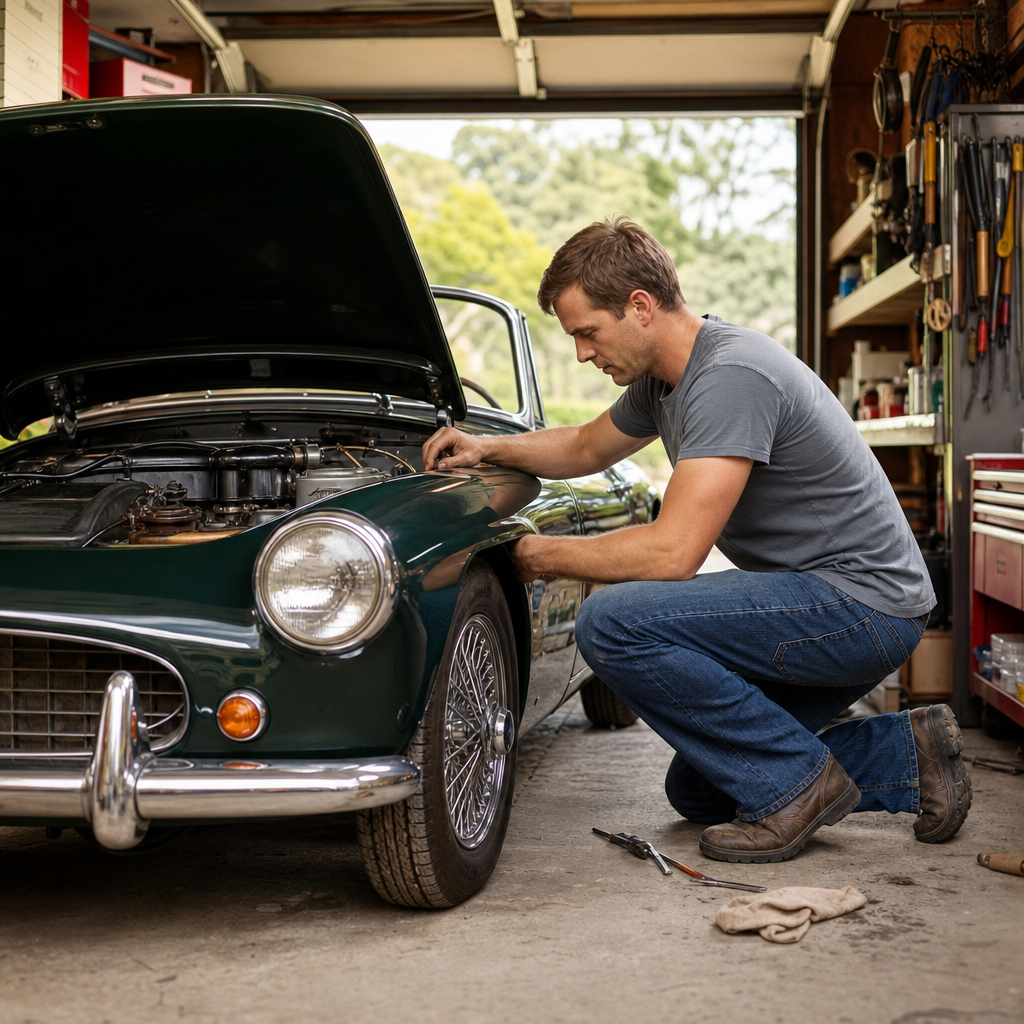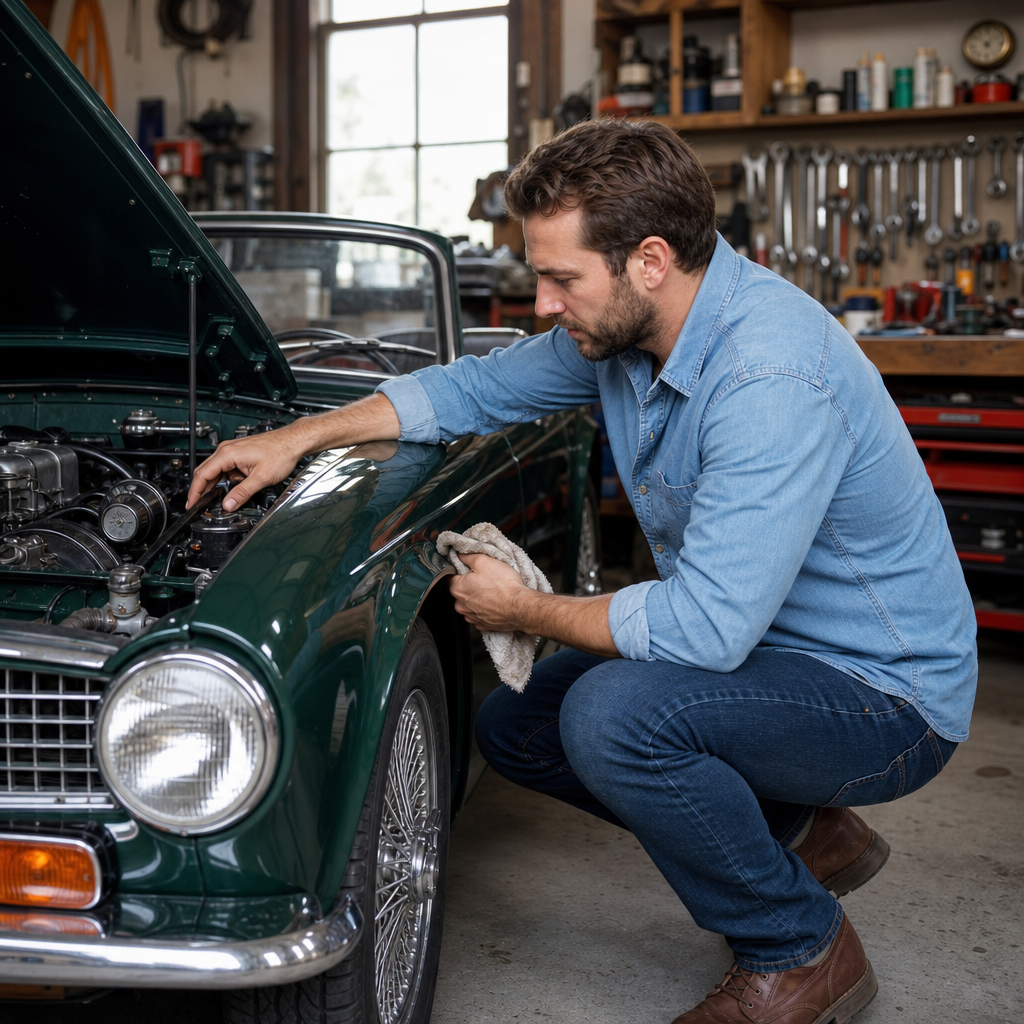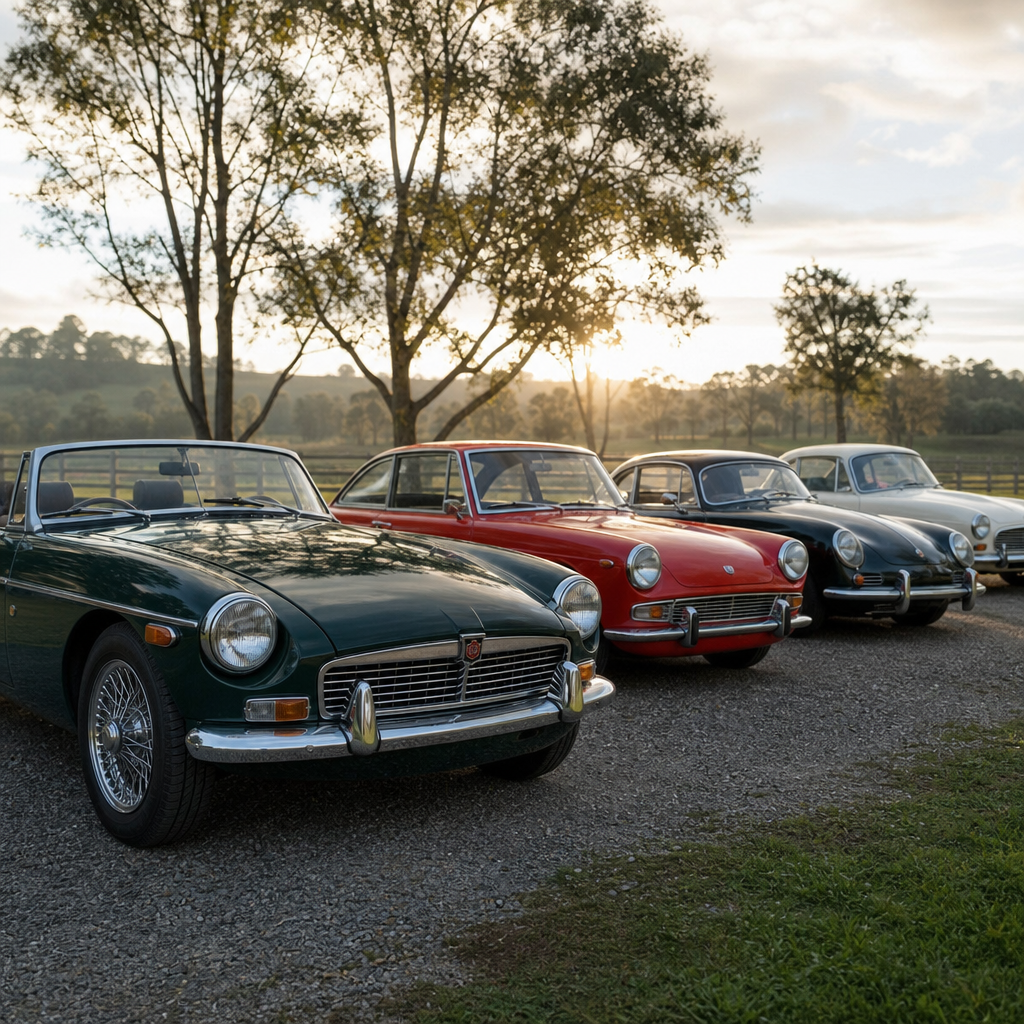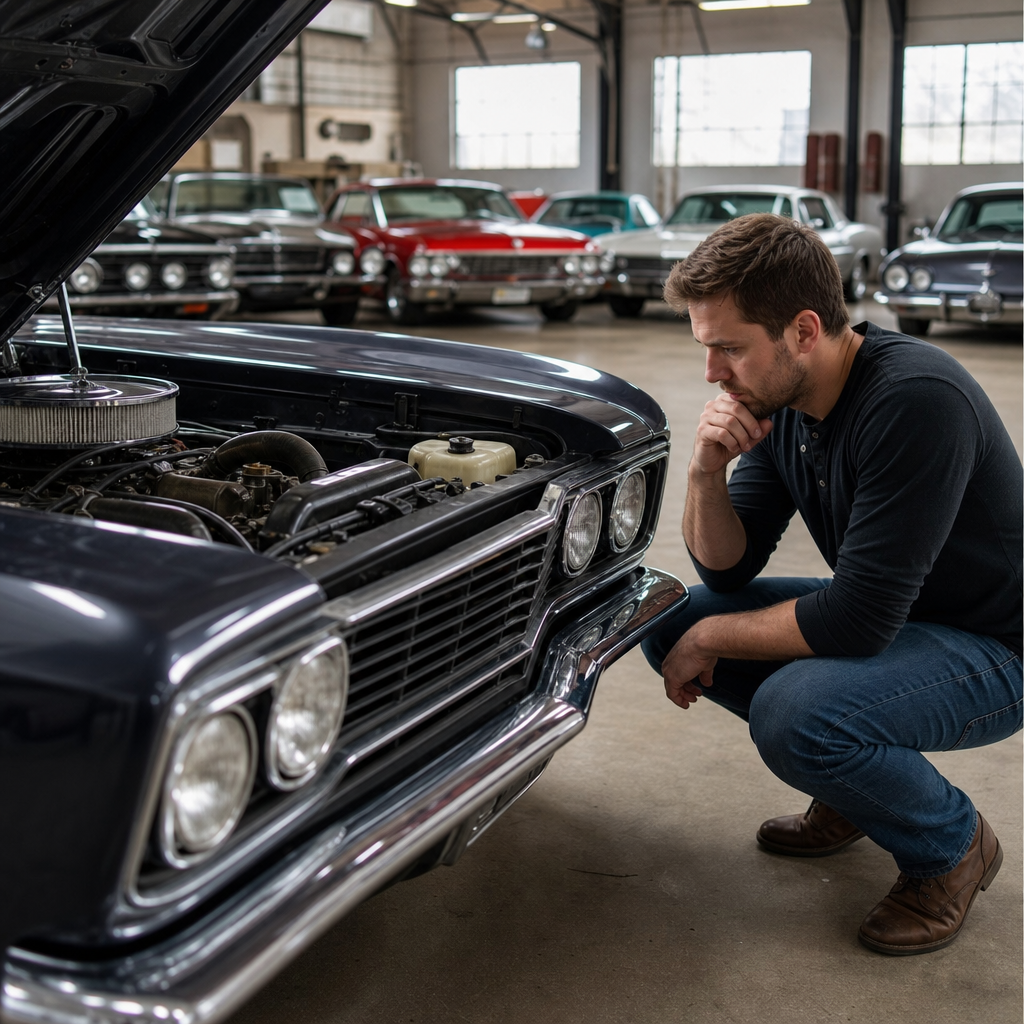
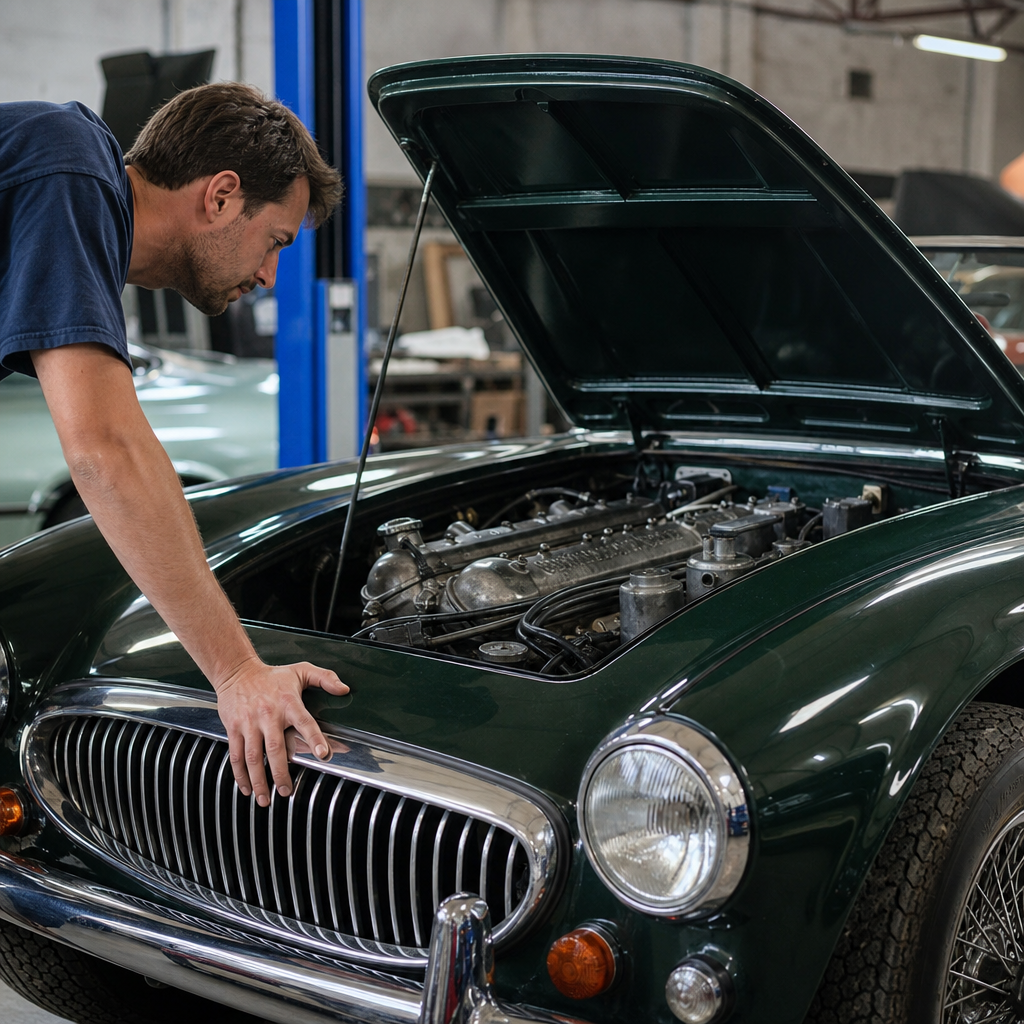
Buying a vintage vehicle without a disciplined inspection is the fastest way to turn a dream purchase into an expensive restoration project. In my experience walking auction fields, private garages, and estate sales, the first mistake buyers make is assuming a “classic” badge means authenticity, value, or roadworthiness. It does not. A smart inspection starts with two linked questions: what exactly is this car, and what condition is it really in? That is why learning how to inspect a classic car before buying overlaps directly with learning how to identify a classic car. Identification means verifying the vehicle’s year, make, model, trim, engine, originality, and historical significance. Inspection means confirming its structural, mechanical, cosmetic, and documentation condition. Together, those steps protect you from clones, hidden rust, title problems, and overpriced examples that look better in photos than in person.
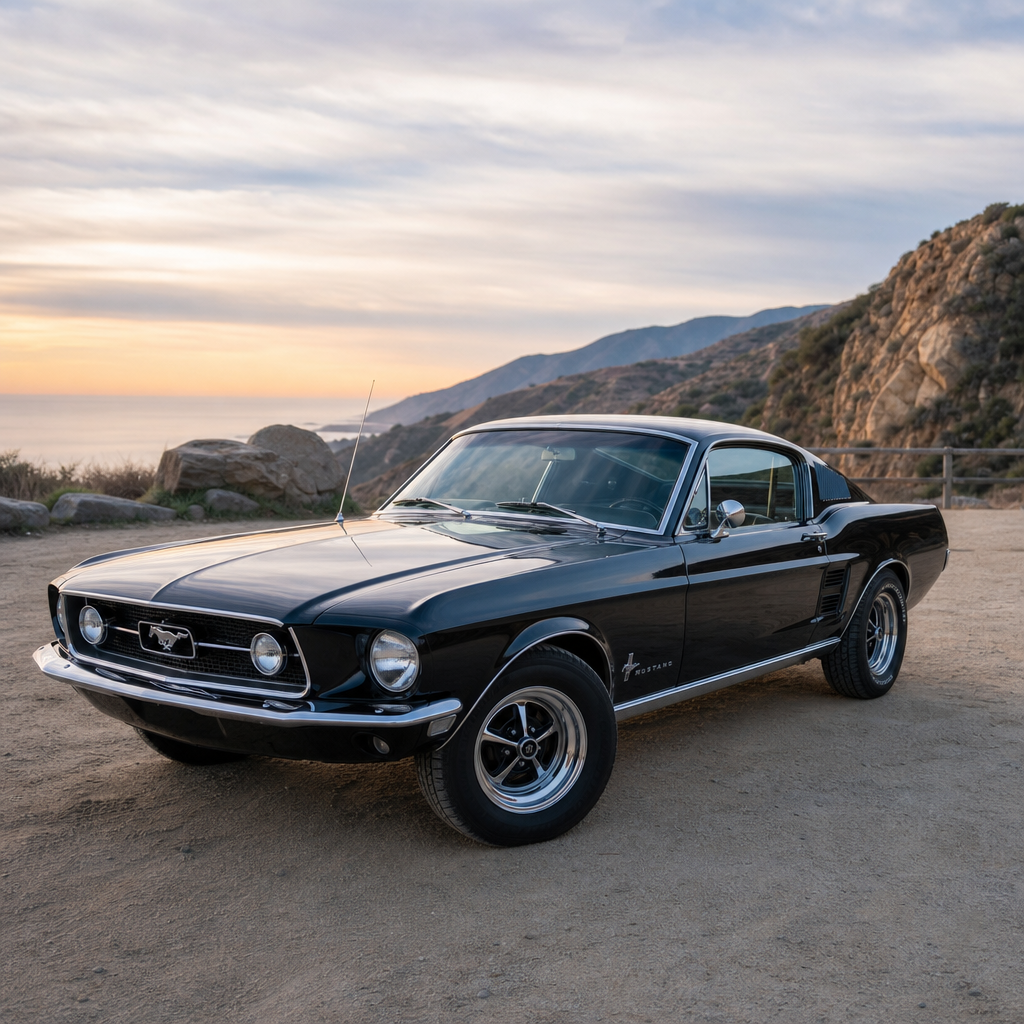
The term classic car is used loosely, but most insurers, auction houses, and enthusiast clubs apply narrower standards than casual sellers do. Some use an age threshold, often twenty to twenty-five years. Others focus on collectibility, design significance, limited production, or enthusiast demand. A 1998 sports coupe may be old, but that does not automatically make it a true classic in the market. By contrast, a 1967 big-block fastback with matching numbers, documented options, and known provenance may be highly collectible because rarity and originality support value. For buyers, this distinction matters because inspection standards change with the car’s category. A driver-grade cruiser can tolerate some non-original parts. A concours-level muscle car cannot. Before you judge condition, you need to know what standards the vehicle should meet.
This article serves as a practical hub for identifying and inspecting classic cars with confidence. It explains how to verify identity using VINs, body tags, engine codes, and paperwork; how to assess rust, repairs, paint, trim, interior, chassis, and mechanical systems; and how to match findings to market value. It also points you toward the broader discipline behind classic car ownership: model-year changes, marque-specific decoding guides, restoration quality, and originality benchmarks. If you understand those fundamentals, you can walk into a viewing with a flashlight, magnet, inspection mirror, paint meter, and checklist, and make decisions based on evidence rather than seller stories. That is the core skill every first-time collector needs.
Start with identity: how to identify a classic car correctly
If you want to know how to identify a classic car, begin with the identifiers the factory assigned to it. On most post-1950 vehicles, the primary reference is the VIN, though its format changed over time. The standardized 17-character VIN did not become mandatory until 1981 in the United States, so older cars rely on shorter manufacturer-specific serial numbers, cowl tags, body plates, engine stampings, transmission codes, and axle tags. Your job is to collect every visible identifier and compare them against factory decoding references, marque club records, shop manuals, and recognized databases. The National Highway Traffic Safety Administration VIN decoder is useful for newer collector cars, while manufacturer heritage archives, NCRS resources for Corvettes, Marti Reports for many Fords, and Pontiac Historic Services for Pontiacs provide deeper verification for specific brands.
Look carefully at where the VIN plate is mounted and whether the rivets appear original. On many American classics, tampered rivets, scratched paint around the plate, or mismatched fonts signal prior removal or fraud. Then compare the VIN to the title, registration, insurance card, and any historical paperwork. Next, inspect secondary identifiers. A trim tag can confirm the body style, original paint color, interior trim, build date, and assembly plant. Engine suffix codes and partial VIN stampings can help determine whether the engine is original to the car, especially in muscle cars where “matching numbers” can add major value. In practical terms, if a seller advertises a factory high-performance model but the codes decode to a lower trim or standard engine, you are not looking at the car being represented, no matter how convincing the badges appear.
Documentation, provenance, and market position
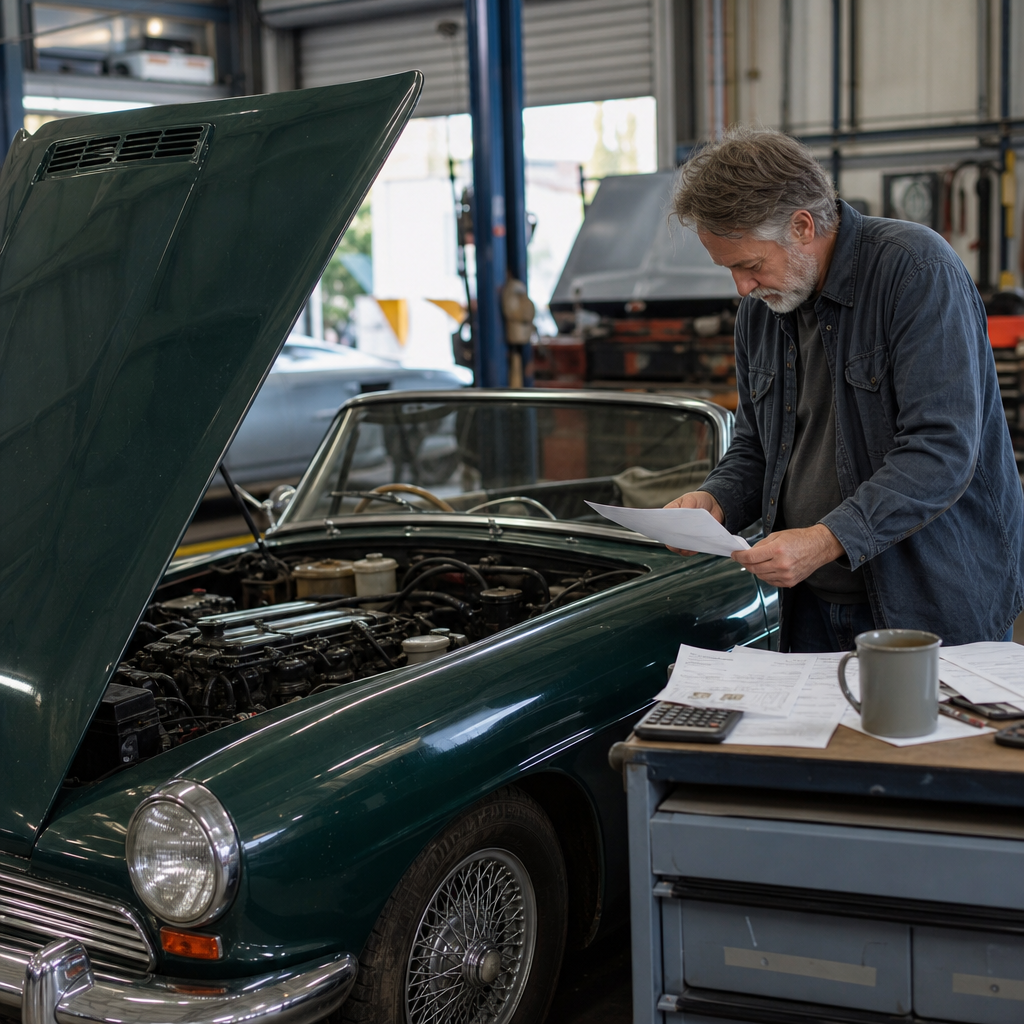
After physical identification, inspect the paper trail. The title should match the VIN exactly and be free of salvage, rebuilt, or bonded branding unless the price clearly reflects that history. Ask for maintenance records, restoration invoices, ownership history, judging sheets, old registrations, emissions documents, and photos from any restoration. Provenance matters because it helps separate a recently assembled car from one with traceable history. If a seller claims a frame-off restoration, there should be receipts for media blasting, sheet metal, suspension components, brake lines, fuel system work, wiring, and upholstery. If no documentation exists, treat verbal claims as unverified.
Market position is the other half of identification. A car is not just a vehicle; it is a specific example within a spectrum that ranges from untouched survivor to modified restomod. I always classify the car before inspecting value. Is it a concours restoration, a high-quality driver, a preservation car, a partially restored project, or a modified build? A numbers-matching Jaguar E-Type in original colors competes in a different market from a V8-swapped E-Type. Neither is automatically wrong, but each has different buyers, reference sales, and inspection priorities. When you know the car’s place in the market, you can judge whether originality, drivability, or craftsmanship should dominate your evaluation.
Body, structure, and rust inspection
Rust is the single most expensive problem on many classic cars, and cosmetics often hide it. Start with panel alignment and gap consistency around the doors, hood, trunk, and front fenders. Uneven gaps can indicate accident damage, poor restoration, or body sag caused by structural corrosion. Then inspect the known rust zones for the specific model: rocker panels, lower fenders, wheel arches, floor pans, trunk floors, battery trays, windshield channels, rear window channels, cowl vents, frame rails, and suspension mounting points. Use a flashlight and inspection mirror, and do not be shy about getting underneath the car. A magnet wrapped in a soft cloth can help detect heavy body filler in steel panels, though it is not reliable on aluminum or fiberglass-bodied cars.
Fresh undercoating should make you cautious, not comfortable. Sellers often apply it to conceal scaling metal, patchwork, or poor welding. Look for lumpy seam sealer, overlapping patch panels, non-factory spot weld patterns, and rippled inner structures. Check the trunk and floor pan from both sides when possible. On body-on-frame cars, inspect frame horns, crossmembers, body mounts, and rear kick-up sections. On unibody cars, pay close attention to torque boxes, sills, inner fenders, and suspension pickup points. Structural rust is not just expensive; it can make the car unsafe and difficult to align. A shiny paint job can be redone. A rotten shell can consume the entire purchase budget.
| Inspection area | What to check | Why it matters |
|---|---|---|
| VIN and tags | Matching VIN, original rivets, correct trim and body codes | Confirms identity and reduces fraud risk |
| Body and paint | Panel gaps, filler, overspray, rust bubbles, paint thickness | Reveals accident history and hidden repairs |
| Chassis | Frame corrosion, weld quality, suspension mounts, undercoating | Determines safety and restoration cost |
| Engine and driveline | Casting dates, leaks, compression, smoke, transmission operation | Shows originality and mechanical health |
| Interior and electrical | Gauge function, wiring quality, trim correctness, water damage | Affects usability, originality, and expense |
| Paperwork | Title status, invoices, history, judging sheets, photos | Supports claims and resale value |
Paint, trim, glass, and interior authenticity
Paint quality tells you a lot about the honesty of the restoration. Examine reflections down the body sides for waviness, solvent pop, sanding scratches, tape lines, and mismatched orange peel. A paint thickness gauge is one of the best tools you can bring; unusually high readings can indicate filler or multiple repaint layers. Check hidden areas such as door jambs, weatherstrip edges, and under the hood for overspray or color changes. If the trim tag shows the car left the factory in Ivy Green but the engine bay reveals old red paint, ask when and why the color was changed. Color changes are not necessarily bad, but they reduce originality and sometimes hide repairs.
Trim, glass, and interior components are expensive and often difficult to source. Inspect chrome for pitting, peeling, and poor replating. Stainless trim can usually be restored, but pot metal is harder and costlier to correct. Original date-coded glass is a plus on higher-end cars because it supports authenticity; mismatched glass may simply reflect old damage, but it is worth noting. Inside the cabin, check seat patterns, door cards, carpet fit, dashboard materials, and steering wheel style against factory references. Reproduction interiors can be excellent, but incorrect grain, stitching, or hardware lowers authenticity scores. Also smell for mildew and inspect for water entry under carpets and in the trunk. Water leaks create hidden corrosion and electrical problems.
Engine, transmission, brakes, and electrical systems
Mechanical inspection should begin cold. Ask the seller not to pre-warm the car. A cold start exposes hard starting, carburetor issues, lifter noise, weak choke operation, smoke, and low oil pressure more clearly than a warmed-over demonstration. Check fluid levels and condition first. Milky oil suggests coolant contamination; rusty coolant points to neglected maintenance; black brake fluid indicates overdue service. Inspect belts, hoses, fuel lines, and wiring for age cracking and poor routing. On carbureted cars, look for fuel seepage around gaskets and accelerator pump housings. On fuel-injected classics from the late 1970s through 1990s, verify that cold-start enrichment, idle control, and sensors work properly, because obsolete electronic components can be difficult to diagnose.
When possible, perform or request a compression test and, ideally, a leak-down test. Those readings provide hard evidence about cylinder sealing and engine health. During the road test, note clutch engagement, gearbox synchro behavior, transmission flare, differential whine, steering play, brake pull, wheel bearing noise, and suspension clunks. Old cars rarely feel like new ones, but they should still operate predictably. Watch the temperature gauge in traffic, verify charging voltage, and confirm that lights, wipers, horn, heater blower, gauges, and turn signals work. Amateur wiring is common in classics and can become a fire risk. I have seen beautifully restored cars with twisted-wire splices under the dash and unfused accessory circuits feeding electric fans and stereos. Mechanical cosmetics never excuse unsafe electrical work.
Use a road test and expert inspection to validate value
A road test connects the static inspection to real-world use. Drive at city speeds and highway speeds if conditions allow. Does the car track straight, brake consistently, shift cleanly, and restart hot without drama? Does it overheat in traffic or stumble under load? Listen for driveline vibration that may point to worn U-joints, bad pinion angles, or bent wheels. On older drum-brake cars, some fade and longer stopping distances are normal, but severe pull or pulsation is not. On independent rear suspension cars, clunks on acceleration and deceleration can indicate worn mounts or universal joints. Every symptom should be translated into probable repair cost before you negotiate.
Finally, get an independent pre-purchase inspection from a marque specialist whenever the stakes justify it. That is standard practice, not mistrust. Specialists know where each model rusts, which stampings should appear on a correct block, what trim pieces are often reproduced incorrectly, and which driving quirks are normal. They also know the market. The best buying decisions come from combining identity verification, condition assessment, and comparable sales data from sources such as Hagerty Price Guide, auction archives, and enthusiast marketplaces. Inspect first, verify second, value third. That sequence keeps emotion from overruling evidence.
The most important takeaway is simple: learning how to inspect a classic car before buying starts with learning how to identify a classic car correctly. You are not just evaluating paint and chrome; you are confirming that the vehicle is what the seller says it is, that its condition matches its presentation, and that its price reflects reality. VINs, body tags, engine codes, paperwork, rust assessment, paint analysis, road testing, and specialist review all work together. Skip one of those steps, and the others become less reliable.
For buyers entering the classic market, this article is the foundation of the broader subject. From here, the next smart move is to study marque-specific identification guides, restoration terminology, and value tiers for the models you are considering. Bring a checklist, inspect in daylight, compare every claim to evidence, and never let urgency force a decision. A well-bought classic car is enjoyable, insurable, and easier to resell. A poorly verified one can drain time and money for years. Use this guide as your starting point, then apply it carefully before every purchase.
Frequently Asked Questions
What should I check first when inspecting a classic car before buying?
The first thing to verify is the car’s identity. Before you get distracted by shiny paint, polished chrome, or a seller’s story, confirm that the vehicle is exactly what it is claimed to be. Start by checking the VIN, chassis number, engine stamping, trim tags, and any body plates. Compare those numbers with the title, registration, factory records, and marque-specific decoding guides. On many classic cars, originality matters tremendously, and mismatched numbers can affect value, authenticity, and even legal ownership. A car advertised as a rare performance model may actually be a clone, tribute build, or standard model dressed up with badges and cosmetic parts.
Once identity is established, move immediately to overall structural condition. Rust, collision damage, and poor repairs are usually far more expensive than mechanical problems. Inspect the frame, floor pans, rocker panels, trunk floor, wheel arches, inner fenders, suspension mounting points, and lower body seams. Look for bubbling paint, fresh undercoating, uneven panel gaps, weld marks, patched metal, and signs of filler. Use a magnet carefully in suspected repair areas if appropriate for the vehicle. A disciplined inspection always begins with authenticity and structure because those two factors determine whether you are buying a collectible car, a driver-quality car, or a restoration headache.
How can I tell if a classic car has hidden rust or previous accident damage?
Hidden rust and old accident repairs are among the biggest risks in vintage car buying because they are often disguised to make a car appear cleaner than it really is. Start with a strong light and inspect all common corrosion points for that specific make and model. Look underneath the car, not just at eye level. Surface rust on suspension parts may be manageable, but corrosion in frame rails, body mounts, torsion bar mounts, spring perches, shock towers, or floor supports can become a serious structural issue. Check inside the trunk, beneath carpets, under spare tires, behind kick panels, and inside wheel wells. Moisture stains, flaky metal, seam swelling, and crude patch panels often reveal deeper problems.
For accident damage, study the car’s symmetry. Uneven panel gaps, doors that do not shut cleanly, a hood or trunk lid that sits high on one side, overspray on weatherstripping, and inconsistent paint texture are all warning signs. Inspect the inner fenders, radiator support, trunk seams, and frame sections for ripples, replacement welds, or bent metal. Bring a paint meter if you have one, especially for higher-value classics, because thick readings can indicate filler or repainting. Older repairs are not automatically a deal breaker, but poor workmanship should lower your confidence and your offer. The goal is not to find a perfect old car. The goal is to understand exactly what was repaired, how well it was repaired, and what it will cost to correct.
Is mechanical condition or originality more important in a classic car inspection?
That depends on your purpose for buying the car, but in most cases both matter and should be evaluated separately. Mechanical condition tells you how usable the car is right now. Originality tells you how correct, collectible, and potentially valuable it may be over time. A mechanically tired but highly original car can sometimes be a better purchase than a freshly restored car with incorrect drivetrain components, reproduction trim, and undocumented modifications. On the other hand, if you want a weekend driver rather than a show car, mechanical health may deserve more weight than factory-correct details.
Inspect the engine for cold-start behavior, oil pressure, smoke, noises, leaks, and signs of overheating. Check the transmission for slipping, grinding, delayed engagement, or harsh shifts. Evaluate the brakes, steering, suspension, charging system, cooling system, and electrical equipment. At the same time, verify whether the engine, gearbox, carburetor, wheels, interior, colors, and major options are original or period-correct. Matching-numbers drivetrains, original sheet metal, and factory documentation can add significant value, especially on desirable models. The key is not assuming one cancels out the other. A classic car can run beautifully and still be overvalued because it lacks originality. It can also be highly authentic yet financially risky because it needs major mechanical work. A proper inspection accounts for both sides before you decide what the car is truly worth to you.
What documents and history should I review before buying a vintage vehicle?
Paperwork is a critical part of any classic car inspection because records often confirm what the car itself cannot. At minimum, review the title carefully and confirm that the VIN matches the vehicle exactly. Check whether the title is clean, branded, reconstructed, salvaged, or subject to any registration complications. Ask for maintenance records, restoration invoices, ownership history, original manuals, warranty booklets, build sheets, window stickers, judging sheets, and any photos documenting past work. The more complete the file, the easier it is to verify mileage claims, authenticity, and the quality of restoration or mechanical repairs.
Pay close attention to whether the seller’s story is supported by documentation. If a seller says the engine was rebuilt, there should ideally be receipts showing who performed the work and when. If the paint job is “recent,” look for invoices and photos showing bare-metal preparation rather than a cosmetic respray over old problems. If the car is presented as rare, limited-production, or matching-numbers, ask for manufacturer records, club registry confirmation, or expert authentication where possible. Documentation does not guarantee that a car is excellent, but missing or inconsistent records should make you more cautious. In the classic market, good paperwork strengthens confidence, supports value, and reduces the chance that you are buying someone else’s unresolved project.
Should I get a professional pre-purchase inspection for a classic car?
Yes, in most cases a professional pre-purchase inspection is one of the smartest investments you can make. Even experienced buyers bring in marque specialists, body experts, or trusted mechanics when the car is valuable, rare, or restored. A professional inspector can spot structural rust, poor bodywork, non-original components, incorrect stampings, driveline issues, and unsafe repairs that many buyers miss during a casual walkaround. They also provide emotional distance. That matters because classic cars are often bought with enthusiasm first and discipline second.
Ideally, choose someone who understands the specific make and model, not just old cars in general. A specialist knows where that vehicle rusts, which parts are commonly restamped or replaced, what factory details should be present, and which “restoration shortcuts” are typical in the market. A thorough inspection should include a chassis and body evaluation, mechanical checks, road test if possible, fluid inspection, and verification of identification numbers and major components. The cost of an inspection is minor compared with the price of correcting hidden rust, rebuilding a drivetrain, or discovering after purchase that the car is not authentic. If a seller resists an independent inspection, treat that as a serious warning sign. The best classic car deals usually survive scrutiny. The bad ones depend on you skipping it.