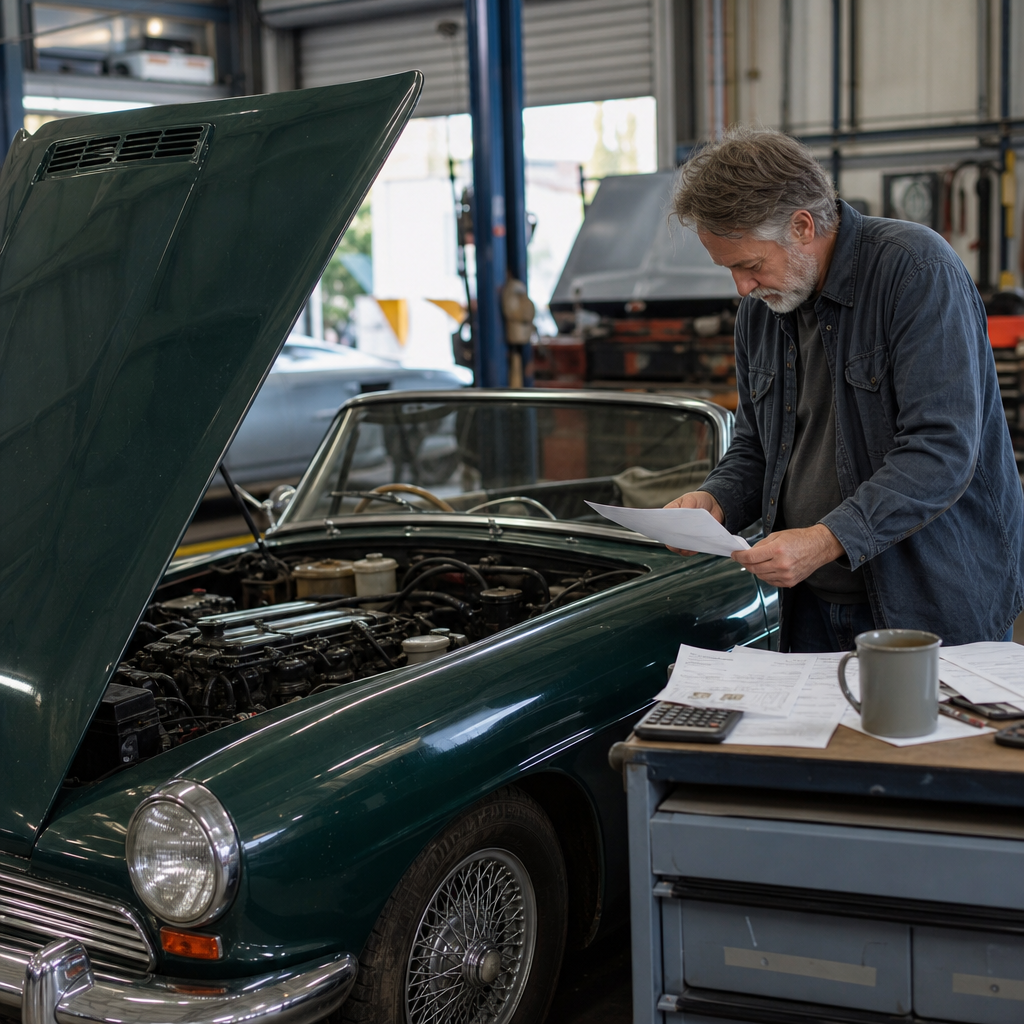

Learning how to identify a classic car starts with understanding what “classic” actually means, because the label is used loosely in conversation but much more precisely by insurers, registries, auction houses, and state agencies. In day-to-day use, people often call any old vehicle a classic. In practice, age is only one factor. Condition, originality, production significance, styling, historical relevance, and market recognition all influence whether a vehicle is truly considered a classic car. If you are buying, insuring, registering, restoring, or valuing a vehicle, knowing how to identify a classic car correctly can save money, prevent costly mistakes, and help you focus on models with genuine collector interest.
I have seen many first-time buyers assume a thirty-year-old coupe was automatically a classic, only to discover it was a high-mileage commuter with little collector demand and a confusing title history. I have also seen overlooked vehicles become highly desirable because they were rare trims, low-production body styles, or unusually original survivors. That is why identification matters. A sound classic car assessment combines objective details, such as model year and VIN data, with contextual clues, such as provenance, restoration quality, and whether the car fits recognized category standards used by clubs and insurers.
Broadly, a classic car is an older vehicle with enduring enthusiast, cultural, design, or historical value. Some organizations separate antique, vintage, and classic categories. For example, many insurers treat twenty-five years as a threshold for collector policies, while some clubs reserve “classic” for specific eras or body styles. States may apply different rules for classic or historic registration plates. Because definitions vary, the smartest approach is not to ask whether a car feels old enough, but whether it meets the standards that matter for your purpose: purchase, registration, insurance, restoration planning, or resale.
This guide explains how to identify a classic car comprehensively. It covers age thresholds, title and VIN clues, originality, model significance, body and trim verification, documentation, and market recognition. It also clarifies a common confusion: a history report can help verify ownership, accident, and mileage records, but on older vehicles it is only one piece of the puzzle. For many pre-1981 cars especially, you must rely heavily on physical inspection and original documentation. By the end, you will know how to assess whether a vehicle is genuinely a classic, a collectible old car, or simply an aging used vehicle with nostalgia attached.
Start with definitions, age thresholds, and category standards
The first step in how to identify a classic car is setting the right baseline. Most collector markets use age as the starting filter. Twenty to twenty-five years old is the most common minimum for a car to enter collector discussion, mainly because insurers and registration systems need a clear cutoff. However, age alone does not make a vehicle classic. A 1999 family sedan may be old enough for some specialty coverage programs, yet still lack the rarity, design significance, and enthusiast demand that support classic status.
Several overlapping categories appear in the market. “Antique” often refers to significantly older vehicles, sometimes more than forty-five years old, though states vary. “Vintage” usually applies to earlier prewar eras, but usage differs by club. “Collector car” is the broadest practical term because it includes muscle cars, sports cars, luxury sedans, homologation specials, and limited-production modern-era vehicles that have established enthusiast value. When identifying a classic car, focus on the vehicle’s recognition within enthusiast and institutional frameworks rather than relying on casual language.
In practical work, I compare the vehicle against standards used by Hagerty, club judging manuals, marque registries, and state motor vehicle departments. If a car qualifies for historic plates, appears in recognized model registries, and has strong auction representation, that is a meaningful signal. If it only qualifies by age, that signal is weaker. This distinction matters when owners assume eligibility for agreed-value insurance or expect appreciation that the market does not support.
Use VIN, trim tags, and factory identifiers to confirm exactly what the car is
One of the biggest mistakes in classic car identification is accepting the seller’s description without decoding the car’s identifiers. The VIN, cowl tag, body plate, engine stamping, transmission code, axle tag, and build sheet can confirm year, assembly plant, body style, original engine family, and trim package. For 1981 and newer vehicles, the standardized 17-character VIN is straightforward to decode. For older cars, VIN formats vary by manufacturer, so factory manuals, marque-specific decoding guides, and club registries become essential.
A genuine SS, GT, GTO, Mach 1, Z/28, or Hemi car is not identified by badges alone. Trim emblems are easy to add. What matters is whether the VIN and associated tags support the claimed configuration. On a 1967 Chevrolet Camaro, for example, the VIN can confirm model year, assembly plant, and body type, but some option packages require cowl tag interpretation or supporting paperwork. On Mopars, fender tags and broadcast sheets can be decisive. On Ford products, warranty plates and buck tags often provide crucial factory information.
Matching numbers is another term buyers hear constantly. In strict use, it means the engine, transmission, and sometimes rear axle are date-correct and correspond to factory-installed identifiers or documentation. A numbers-matching drivetrain generally strengthens authenticity and value, but standards differ by brand and era. Some manufacturers did not stamp all components in a way that allows complete verification. The important point is this: if you want to identify a classic car correctly, confirm the base identity first, then verify whether its major components align with the claimed specification.
Look beyond age: rarity, cultural significance, and enthusiast demand determine classic status
After confirming the car’s identity, evaluate whether the model is actually recognized as a classic. The market consistently rewards vehicles with one or more of these traits: low production numbers, distinctive design, motorsport pedigree, technological innovation, luxury prestige, or strong enthusiast following. A 1965 Ford Mustang, 1963 Chevrolet Corvette Sting Ray, 1970 Plymouth ’Cuda, or Mercedes-Benz 300SL carries obvious classic credentials because each model shaped automotive culture and remains widely documented, restored, traded, and collected.
Rarity by itself is not enough. I have inspected obscure low-production cars that remained difficult to sell because parts support was weak and collector demand was narrow. By contrast, a comparatively common model with iconic status may have a much stronger classic profile. The first-generation Mustang is a good example. Production was high, but demand, cultural recognition, club support, and parts availability are exceptional. That combination makes identification easier and ownership more practical.
Historical relevance also matters. Some cars mark turning points: the arrival of fuel injection, a celebrated racing homologation, a coachbuilt body, or a landmark design language from Pininfarina, Bertone, or Harley Earl. If a model introduced an engineering first, dominated a racing class, or represented the peak of a manufacturer’s era, those facts support classic status. This is why research should include marque histories, auction archives from RM Sotheby’s and Mecum, and production data from manufacturer heritage departments when available.
Assess originality, condition, and restoration quality
A key part of identifying a classic car is separating original examples, honest survivors, older restorations, modified cars, and replicas. These are not value judgments by themselves; they are categories that affect authenticity and market position. Original paint, original interior materials, date-coded glass, factory spot weld patterns, and correct finishes all tell a story. So do replacement panels, reproduction trim, aftermarket wiring, and non-factory drivetrains.
Condition should be evaluated systematically. Rust is the primary threat on many classic cars, especially in floor pans, rocker panels, frame rails, trunk floors, lower fenders, cowl sections, and suspension pickup points. Mechanical wear matters, but rust and structural damage are usually more expensive to correct. Panel gaps, overspray, inconsistent undercoating, and fresh paint over old corrosion are warning signs. A car can still be a classic with repairs or modifications, but identification requires clarity about what is original and what has changed.
In judging environments, documentation and workmanship count. A high-quality restoration uses factory-correct materials, finishes, hardware, and assembly details where appropriate. A cosmetic restoration may look shiny but be incorrect in paint code, upholstery grain, hose clamps, decals, or drivetrain specification. Buyers new to the hobby often overlook these details. Experienced evaluators do not, because originality and correctness directly affect classification within concours, driver-quality, restomod, and modified categories.
Verify documents, ownership trail, and available records
Paperwork often determines whether a car’s story is credible. The title should match the VIN exactly. Beyond that, seek registrations, service records, restoration invoices, warranty booklets, original window stickers, build sheets, protect-o-plates, heritage certificates, judging sheets, and ownership correspondence. These records establish provenance and help identify whether a car is a real special-edition model or a standard car dressed up later.
History reports from providers such as CARFAX or AutoCheck can be useful for later-model classics, especially 1980s and 1990s vehicles with standardized VINs and modern reporting systems. They may reveal title brands, mileage inconsistencies, emissions entries, or accident events. But for many older classics, especially pre-1981 vehicles, the available data can be thin or incomplete. That does not make the car suspicious; it means the reporting infrastructure simply did not capture older transactions consistently. In those cases, club records, old registrations, and inspection by a marque expert are more reliable than a sparse digital report.
| Verification area | What to check | Why it matters |
|---|---|---|
| VIN and tags | VIN plate, cowl tag, engine and transmission codes | Confirms year, body style, plant, and major authenticity claims |
| Title records | Name history, title brands, state transfers | Helps detect salvage issues or ownership gaps |
| Factory documents | Build sheet, window sticker, warranty data | Verifies options, colors, drivetrain, and special packages |
| Service and restoration files | Invoices, photos, parts lists, machine shop receipts | Shows maintenance quality and restoration scope |
| Market references | Auction sales, price guides, club registries | Confirms collector recognition and realistic value range |
Use market signals and community validation to confirm collector status
Classic status is strengthened when the broader market agrees. Look at auction results, insurer eligibility, dedicated clubs, specialist parts suppliers, forum activity, and restoration support. If a model has active national clubs, well-developed reproduction parts, specialist mechanics, and documented value trends, the market has effectively recognized it as a classic. If support is sparse, ownership can still be rewarding, but identification should be more cautious.
Price guides from Hagerty and Classic.com sales histories are useful reference points, but they should not be read in isolation. A headline auction price may reflect an unusual color, exceptional provenance, or concours restoration. Compare cars with similar drivetrains, body styles, and condition levels. A base-engine convertible and a high-performance coupe from the same year may differ enormously in value and desirability. Correct identification protects buyers from paying premium money for ordinary specifications.
Community validation matters because enthusiasts often know details databases miss. Owners’ clubs can identify year-specific trim, regional production quirks, and common fraud patterns. I have seen clubs spot reproduction tags, incorrect stamp fonts, and impossible option combinations within minutes. That sort of collective expertise is invaluable when evaluating whether a car is a legitimate classic example or an assembled imitation.
Know the common mistakes first-time buyers make
The most common mistake is assuming every old car is collectible. The second is equating cosmetic appeal with authenticity. Fresh paint, polished wheels, and a clean interior can hide serious structural rust or a non-original drivetrain. Another frequent error is relying on one source of truth. A seller statement, a badge, or a thin history report is never enough. Good identification requires cross-checking physical evidence, documents, and market context.
Buyers also underestimate how much definitions vary. A car may qualify for historic registration but still be weak as an investment-grade classic. A modified car may be enjoyable and desirable to some buyers but less significant to collectors seeking originality. None of these realities are negative if understood upfront. Problems arise only when the car is misidentified and priced as something it is not.
If you are unsure, pay for a pre-purchase inspection from a marque specialist. The fee is minor compared with the cost of correcting a bad purchase. An experienced inspector will check stampings, rust-prone areas, weld integrity, drivetrain numbers, trim correctness, and documentation consistency. That is the fastest way to move from guesswork to evidence.
Identifying a classic car correctly means combining age, authenticity, historical importance, condition, and market recognition into one evidence-based assessment. Start with the basics: confirm the year, make, model, body style, and factory identifiers. Then evaluate whether the vehicle has recognized collector significance through rarity, cultural impact, engineering relevance, or established enthusiast demand. After that, inspect originality, restoration quality, and structural condition, because a real classic can still be misrepresented or overvalued if its current state is unclear.
Documents matter just as much as sheet metal. Titles, build records, service files, old registrations, and expert inspections often reveal more than a generic digital history report, especially for older vehicles. For later-model classics, modern reporting tools add useful context, but they should support, not replace, hands-on verification. The most reliable method is always layered: decode the identifiers, inspect the car carefully, compare it with authoritative references, and consult the community that knows the model best.
If you want to make smarter buying and ownership decisions, use this article as your hub for classic car basics and build your process around verification, not assumption. Check the identifiers, study the paperwork, learn the model-specific details, and involve an expert before money changes hands. That disciplined approach is how you identify a true classic car with confidence.
Frequently Asked Questions
What information should I look for in a classic car history report?
A classic car history report should be used as a starting point for verification, not as the only source of truth. The most important details to review are the vehicle identification number (VIN), title history, registration records, reported mileage, accident or damage entries, theft records, salvage or rebuilt branding, lien information, and any indications of prior insurance losses. With classic vehicles, it is also important to compare the report against the car’s known production year, trim, engine type, and body style, because older vehicles are often modified, re-bodied, or restored using parts from multiple donor cars. A report may confirm basic ownership and title events, but it often will not tell the full story about originality, authenticity, or quality of restoration.
You should also pay close attention to gaps, inconsistencies, and timing. For example, if the report shows long periods with no registration activity, a sudden title brand change, or mileage entries that do not progress logically, that deserves further investigation. In the classic car market, the difference between an original, numbers-matching car and a vehicle that has been heavily altered can be substantial in terms of value. That is why buyers often combine a history report with physical VIN inspection, engine and transmission number verification, ownership documentation, service receipts, restoration photos, and, ideally, a pre-purchase inspection by a marque specialist. The report gives you a framework, but the real work is confirming that the paperwork, identification numbers, and condition all align.
Are history reports for classic cars as reliable as reports for newer vehicles?
Not always. History reports for newer vehicles tend to be more complete because modern cars generate more consistent digital records through insurance companies, DMVs, repair facilities, emissions programs, lenders, and dealer networks. Classic cars often predate standardized electronic recordkeeping, so their reports can be incomplete, fragmented, or missing key events entirely. That does not mean a report is useless. It means you need to interpret it carefully and understand its limitations. A clean report does not automatically mean the car has never been damaged, never had title issues, or always carried its original engine and components.
For older vehicles, the best approach is to treat the history report as one piece of a broader due diligence process. If the report supports what the seller is claiming, that is helpful. If it contradicts those claims, that is a major red flag. But if it is sparse, you should not assume the absence of records equals a positive history. Buyers should supplement the report with title copies, old registrations, restoration invoices, auction listings, club records, period photos, ownership chains, and expert inspections. On many classic cars, especially rare or high-value models, provenance and documentation matter just as much as what appears in a commercial history database. Reliability improves when multiple sources tell the same story.
How do I verify that a classic car’s VIN and identification numbers are correct?
Start by locating the VIN plate or stamped VIN in all factory-correct locations for that make, model, and year. Older vehicles do not all use modern 17-digit VINs, so the format may be shorter and the placement may vary. Once you have the number, compare it carefully against the title, registration, insurance paperwork, service documents, and any history report you obtained. The characters should match exactly. You should also inspect the VIN tag itself for signs of tampering, including unusual rivets, mismatched fonts, fresh paint around the plate, scratched surfaces, or attachment methods that do not appear factory correct. On a classic car, even small irregularities can indicate title problems, identity swapping, or a reconstructed vehicle.
Beyond the VIN, many classic cars have body tags, trim tags, engine stampings, transmission codes, casting numbers, and date codes that help confirm whether the major components are original or period-correct. This matters because a car can have a valid title and still not be what it is represented to be. For example, it may be a standard model dressed up to resemble a higher-performance or rarer version. Factory literature, marque registries, expert forums, and club resources can help decode these numbers accurately. If you are buying a valuable classic, it is wise to hire a specialist who knows that exact brand or model. Proper number verification can protect you from overpaying for a car with replacement driveline parts, incorrect trim, or questionable identity.
Can a car be called a classic even if the history report shows accidents, title issues, or major restoration?
Yes. A vehicle can still be considered a classic even if it has had an accident, undergone restoration, or carries a complicated history. The term “classic” is not determined solely by a clean report. In the real market, whether a car is truly recognized as a classic depends on a combination of age, desirability, historical significance, originality, condition, rarity, and recognition by collectors, insurers, auction houses, and clubs. Some highly respected classics have extensive restoration histories because age makes repair inevitable. Others may have documented accident damage from decades ago but remain important and valuable due to rarity or provenance.
What those history issues do affect is value, authenticity, insurability, and buyer confidence. A salvage title, reconstructed title, odometer discrepancy, or undocumented restoration can materially change how the vehicle is viewed in the collector market. A professionally restored classic with excellent documentation may still command strong prices, while a poorly repaired vehicle with unclear identity or missing provenance may be difficult to insure or resell. The key is disclosure and documentation. A history report that reveals prior issues is not automatically a deal-breaker, but it should prompt deeper review of repair quality, title status, originality, and market pricing. In collector car transactions, honest records usually matter more than a seller’s label.
What are the biggest red flags when checking a classic car’s history report?
Some of the biggest red flags include inconsistent VIN information, title brands such as salvage, rebuilt, flood, or junk, unexplained ownership gaps, mileage readings that move backward or remain static over long periods, multiple state transfers in a short time, theft records, lien problems, and any report entries that conflict with the seller’s description. If the seller claims the car has been in one family for decades but the report shows frequent title changes, that is a concern. If the car is advertised as an original low-mileage survivor but the history includes mileage anomalies or extensive restoration activity, you should investigate further. A report that simply does not line up with the sales story is often the first sign something is off.
There are also red flags that come from what the report does not show. For many classics, missing information is common, but when documentation is absent across the board and the seller cannot provide supporting records, photos, old registrations, restoration receipts, or credible explanations, caution is justified. Another major warning sign is when the title, VIN plate, body tags, and drivetrain numbers do not consistently support the car’s identity. In high-value segments of the classic market, cloned cars, re-stamped parts, and dressed-up lower trims are real issues. That is why the safest approach is to combine the history report with a detailed physical inspection and expert review. The most expensive mistakes usually happen when buyers rely on a single report and ignore discrepancies hiding in plain sight.