Originality and restoration sit at the center of every serious classic car conversation, because each choice made during preservation, repair, and refurbishment affects value, drivability, historical accuracy, and long-term ownership satisfaction. In the restoration and maintenance world, “originality” usually means the degree to which a car retains the parts, finishes, materials, specifications, and configuration it left the factory with. “Restoration” means returning a vehicle to a chosen condition, which may range from factory-correct concours standards to a safe, attractive driver-level rebuild. I have worked with owners who believed those terms were opposites, only to discover that the best results usually come from understanding where they overlap.
This matters because classic cars are not just old vehicles; they are artifacts, investments, and machines that must still function in the real world. A 1967 Jaguar E-Type with worn original trim tells a different story than one refinished to better-than-new standards. A first-generation Ford Mustang with its born-with engine, factory spot welds, and aging paint may command intense interest even if it shows flaws, while a freshly restored example may attract buyers who want presentation and reliability. Neither path is automatically superior. The right decision depends on provenance, intended use, market segment, budget, and the rarity of what survives untouched.
As a hub within restoration basics, this guide explains the core principles owners need before starting any project. It covers how the market defines original versus restored, why documentation is essential, how patina differs from neglect, what restoration levels actually mean, and how to balance safety upgrades with authenticity. It also sets a practical framework for future decisions: inspect first, document everything, preserve what is sound, replace only what is necessary, and match the restoration scope to the car’s historical significance. If you understand that framework, every later choice becomes easier, from paint and upholstery to mechanical rebuilding and parts sourcing.
One reason this topic creates confusion is that different groups judge cars by different standards. Auction houses emphasize provenance and market desirability. Concours judges look for correctness of finishes, hardware, fasteners, and materials. Enthusiast clubs often value period accuracy and drivability. Insurance appraisers focus on replacement cost and condition. A restoration shop must translate those competing priorities into a build plan. In my experience, the biggest mistakes happen when owners begin disassembly before defining the car’s purpose. A numbers-matching survivor, a weekend driver, and a show-field contender should not be restored the same way, even if they share the same model badge.
What originality really means in a classic car
Originality is not a vague feeling; it can be evaluated in specific categories. The first is major component originality, including engine, transmission, axle, body shell, and chassis. The second is cosmetic originality, such as paint, upholstery, carpets, glass markings, brightwork, and finishes. The third is configuration originality, meaning whether the car still reflects its factory build sheet, data plate, or production records. A car can be highly original in one category and compromised in another. For example, many air-cooled Porsche 911s retain original drivetrains but have been repainted and retrimmed over decades of use.
Collectors often prize “survivor” cars because they preserve evidence that restorations can erase. Factory overspray patterns, hand-applied seam sealer, date-coded hoses, chalk marks, inspection stamps, and slight material inconsistencies are all historical data points. Once removed, they are difficult to reproduce faithfully. Bloomington Gold, NCRS, and marque-specific judging systems built much of their standards around recognizing these details on cars such as Corvettes, Camaros, and Mopars. That is why an imperfect original finish can be more valuable than a flawless refinish on the right vehicle. Originality shows how the car was actually built, not how people imagine it was built.
However, originality does not mean every old part should be preserved indefinitely. Rubber hardens, wiring insulation becomes brittle, brake hoses degrade internally, and fuel systems corrode. A car with original tires, belts, and hydraulic components may be historically interesting, but it is not automatically roadworthy. Good stewardship separates historically significant features from consumables that create risk. I advise owners to preserve original take-off parts whenever possible, photograph them, label them, and store them properly. That approach protects provenance while allowing sensible maintenance. In restoration basics, this is a foundational rule: preserve information even when you must replace material.
What restoration includes and where owners go wrong
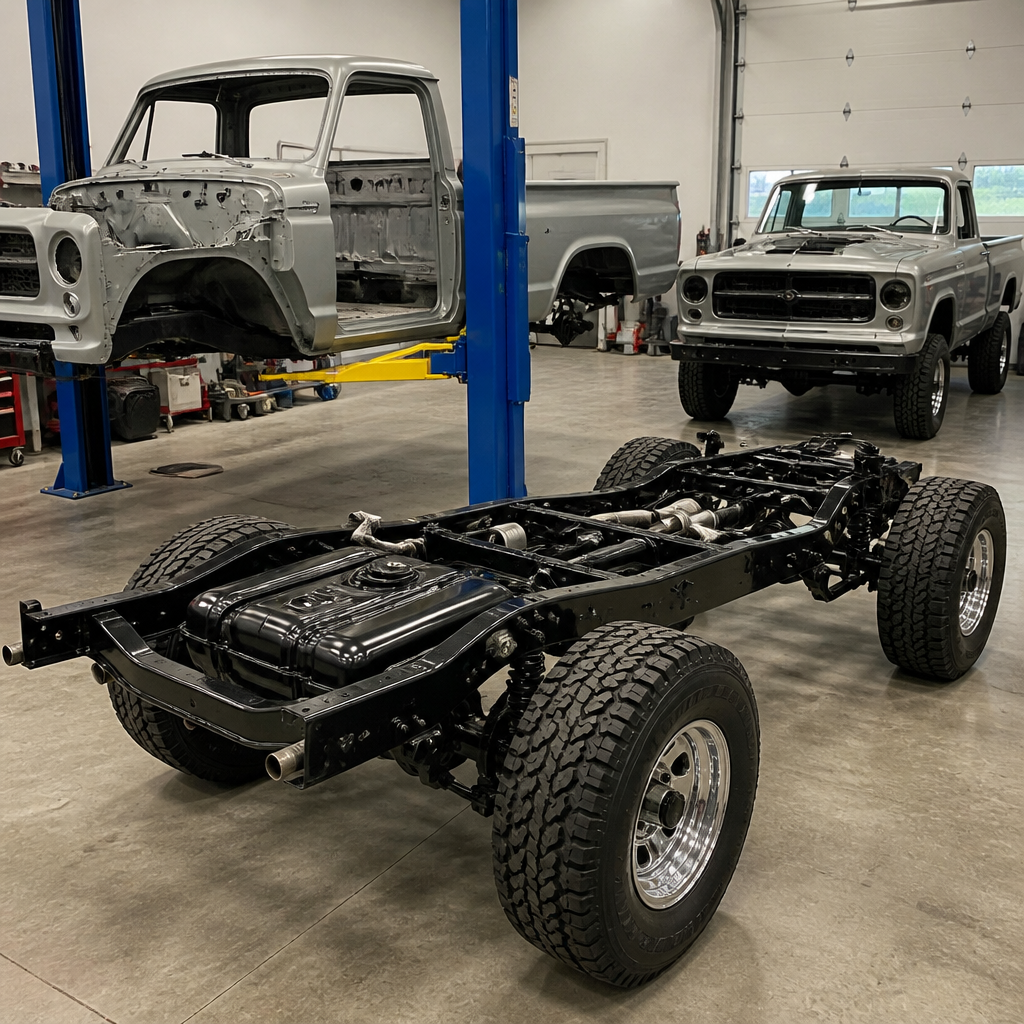
Restoration is a spectrum, not a single standard. At one end is conservation, where the goal is stabilization: cleaning, rust arrest, fluid service, and careful repair without unnecessary refinishing. Next is sympathetic restoration, which renews selected areas while retaining as much original material as practical. Then comes full restoration, often involving total disassembly, bodywork, paint, interior replacement, plating, and complete mechanical rebuilding. Finally, there is over-restoration, where finishes, panel gaps, and detailing exceed period factory quality. Over-restoration can win trophies in some settings, but it may reduce credibility in circles that value factory authenticity and production-correct imperfection.
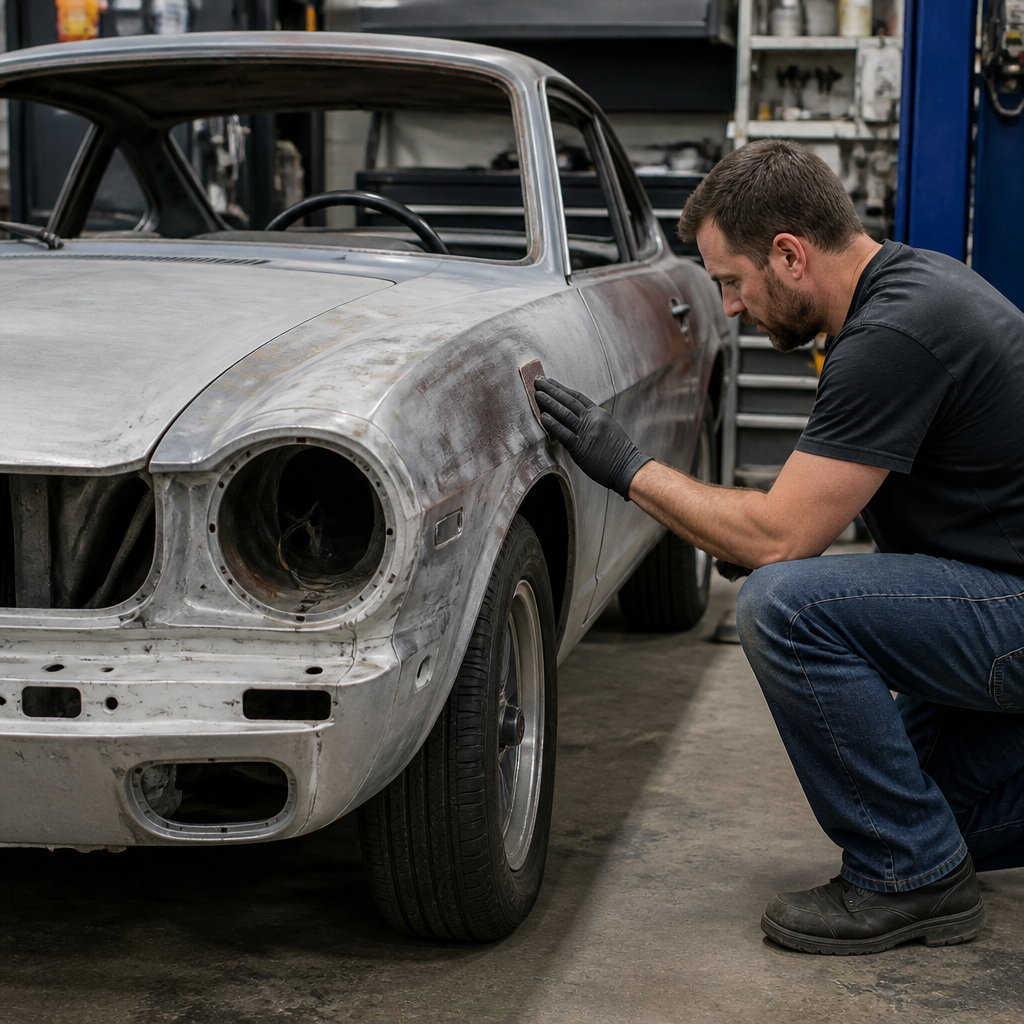
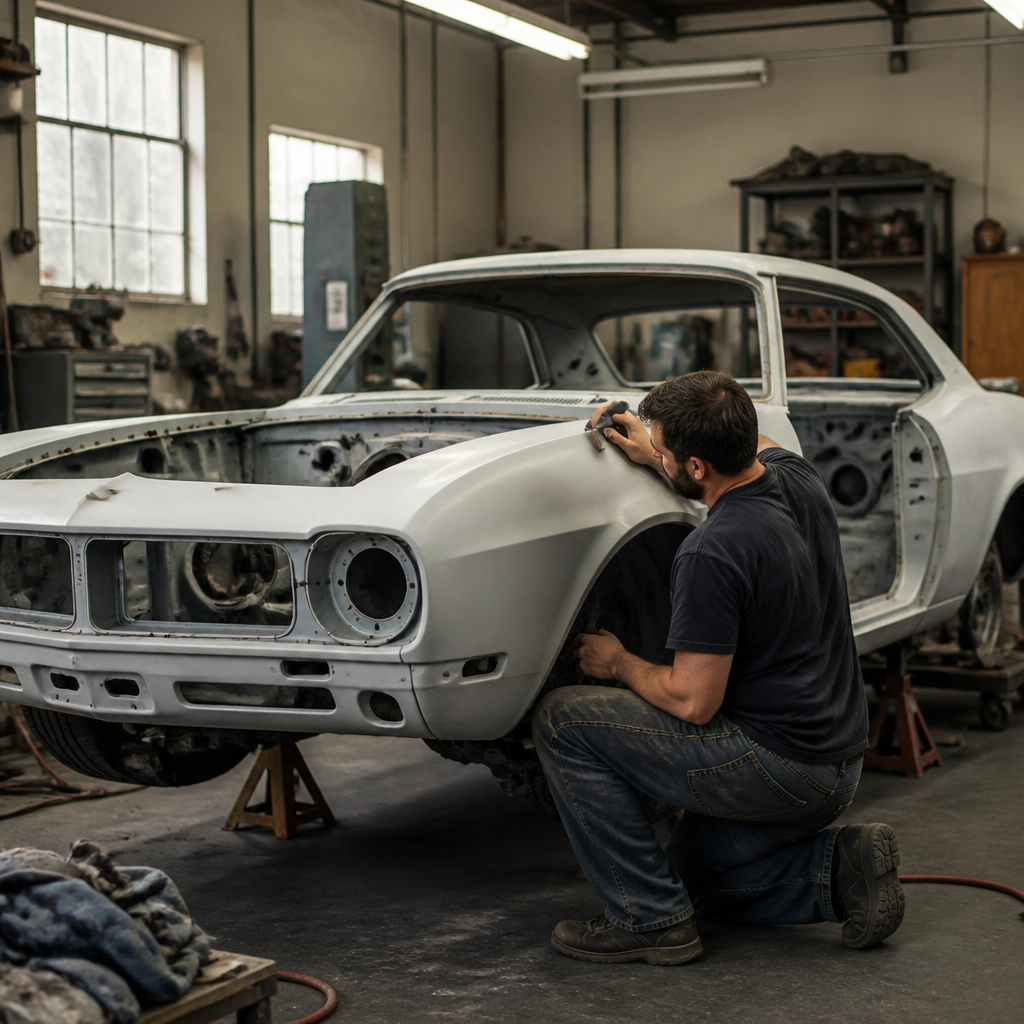
Owners often go wrong by underestimating scope. A “quick repaint” reveals prior filler, poor metal repairs, rust in hidden seams, damaged trim clips, delaminating windshield seals, and missing fasteners. A “simple engine refresh” exposes worn synchros, cracked mounts, contaminated fuel tanks, and obsolete hoses that make partial work false economy. I have seen projects stall because the initial budget covered paint materials but not chrome restoration, weatherstrips, brake hydraulics, wiring repair, glass removal, or machine shop labor. Restoration basics start with comprehensive inspection, realistic parts availability research, and a written plan that defines finish level before the first bolt comes off.
The other common mistake is restoring without evidence. Factory manuals, parts books, assembly guides, build sheets, heritage certificates, period photos, and unrestored reference cars are indispensable. Without those sources, shops guess at paint break lines, underbody coatings, hose routing, decal placement, fastener finishes, and interior grain. Guesswork is expensive and often wrong. For example, many 1960s American cars were historically over-detailed underneath in glossy finishes they never had from the factory. Serious buyers notice these errors. Documentation turns opinion into defensible decisions, which is exactly what a restoration hub article should emphasize before any owner commits money.
How to decide between preservation and restoration
The best decision framework weighs rarity, condition, provenance, intended use, and market expectations. If a car is highly original, documented, and structurally sound, preservation usually deserves priority. If corrosion, collision damage, missing parts, or poor previous repairs have compromised integrity, restoration may be necessary. Provenance can tip the balance strongly. A low-mile, single-family Mercedes-Benz 300SL, an unrestored Hemi Mopar with matching driveline, or a competition car with period history carries evidentiary value that should not be stripped away casually. By contrast, a common driver-quality MG B with replacement engine and faded repaint may benefit substantially from a thorough restoration.
Use matters just as much as rarity. A concours-bound Ferrari 246 Dino should be approached differently from a classic truck intended for regular weekend hauling. If you plan to drive long distances, hidden upgrades such as radial tires, electronic ignition inside the original distributor, improved cooling components, or a dual-circuit master cylinder may be wise. If your goal is elite judging, those same changes can cost points or create authenticity disputes. There is no universal answer; there is only a coherent build philosophy. Restoration basics are really about aligning decisions so the finished car behaves, presents, and appraises the way you intended from the start.
| Scenario | Best approach | Why it makes sense |
|---|---|---|
| Documented survivor with original paint and drivetrain | Preservation and careful mechanical recommissioning | Maintains historical evidence and market premium |
| Solid car with older repaint and worn interior | Sympathetic restoration | Improves usability without erasing remaining originality |
| Rusty, incomplete, poorly repaired example | Full restoration | Structural and cosmetic integrity require major intervention |
| Car built for regular touring and modern traffic | Restoration with discreet upgrades | Safety and reliability outweigh strict factory correctness |
A practical test is to ask what irreplaceable information will be lost if you proceed. Original paint reveals factory methods. Original upholstery confirms stitch patterns and material weight. Original undercoating may show weld seams and panel joints. Even aging hardware can preserve finish evidence for replating. If those elements survive, conservation may be the wiser first move. If they are already gone, the argument for full restoration becomes stronger. This is why experienced restorers spend so much time documenting before disassembly. The camera, not the wrench, is often the first essential restoration tool.
Documentation, matching numbers, and market value
Documentation is the bridge between originality and value. “Matching numbers” generally means that key components correspond to factory records or carry date and serial identifiers consistent with original assembly. On some cars, that means VIN-stamped engine and transmission pads. On others, it means body numbers, gearbox tags, carburetor list numbers, casting dates, trim codes, and axle stamps aligning within expected production windows. The exact standard varies by marque. Chevrolet big-block muscle cars, Porsche 356s, air-cooled 911s, and Aston Martins all require different verification methods, which is why marque expertise matters more than generic enthusiasm.
Value follows evidence. At major auctions, two visually similar cars can produce dramatically different results when one retains original driveline, factory documentation, and known ownership history. Service records, restoration invoices, photo albums, ownership chronology, judging sheets, and authenticity certificates all reduce uncertainty for the next buyer. Uncertainty depresses price. In appraisal work, documentation also helps establish replacement quality and restoration standard for agreed-value insurance. I encourage owners to maintain a permanent project file with digital scans and printed copies. Include part numbers, date codes, machine work receipts, paint formulas, trim samples, and alignment measurements. Future judges, buyers, and shops will all benefit.
That said, the market is nuanced. Some segments reward untouched originality more than meticulous restoration. Others prioritize drivability and visual excellence. A prewar car restored decades ago by a respected specialist may still command confidence because workmanship and provenance are part of the story. Meanwhile, a freshly restored but inaccurately assembled car can trade below expectations. The lesson is simple: value is not created by spending money alone. It is created by preserving what matters, restoring what is necessary, and proving what was done with records detailed enough to withstand scrutiny.
Patina, safety, and the limits of authenticity
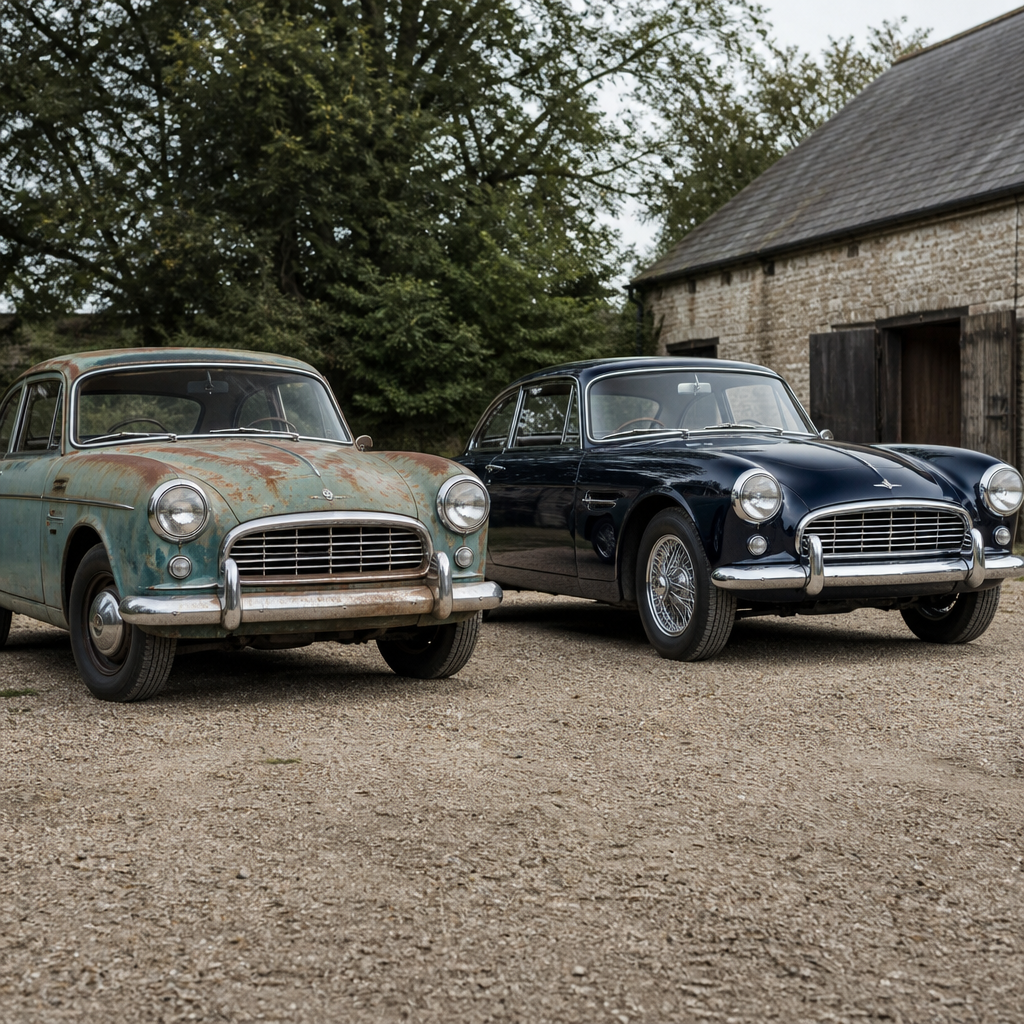
Patina is often misunderstood. Real patina is honest wear accumulated through age and use: thinning paint on contact points, gently cracked leather, dulled brightwork, and engine-bay finishes softened by heat cycles. Neglect is different. Structural rust, rodent-damaged wiring, contaminated brake fluid, rotten wood framing, and failing fuel lines are not charming signs of age; they are hazards. In restoration basics, one of the most useful distinctions is between cosmetic aging and mechanical risk. You can preserve faded lacquer. You should not preserve unsafe hydraulics simply because they are old and original.
Safety-related restoration should be approached with discipline. Brakes, steering joints, tires, wheel bearings, fuel hoses, cooling hoses, and electrical protection deserve immediate attention on any dormant classic. If originality is important, many upgrades can be made discreetly. Cloth-braided modern fuel hose can mimic period appearance while meeting current standards. Sleeved wheel cylinders, rebuilt original calipers, and correctly dated reproduction tires can preserve the visual character of the car. Hidden relays can reduce switch load, and electronic voltage regulation can improve charging stability inside stock housings. These are sensible compromises that respect authenticity without romanticizing failure.
The key is reversibility and transparency. If you install front disc brakes on a drum-brake car, document the change and retain the original components if practical. If you convert to electronic ignition, keep the points distributor parts boxed and labeled. If you swap to a higher-output radiator core for touring, note the specifications in the service file. Reversible modifications protect future options. They also signal integrity, which matters to buyers and judges. A trustworthy classic car owner does not hide changes; they explain them clearly and preserve the path back to original configuration when possible.
Building a restoration plan that respects the car
A sound restoration plan begins with assessment: compression and leak-down testing, borescope inspection, chassis measurement, corrosion mapping, paint thickness readings, trim inventory, and a review of all identification numbers. Then define the target condition in writing. Is the car a survivor, a local show car, a touring driver, or a top-tier judged restoration? Next, sequence work logically. Structural metalwork precedes body and paint. Wiring and plumbing run before interior installation. Mechanical systems should be test-fitted before final finishes are vulnerable. This sequencing avoids rework, protects budgets, and prevents fresh paint from being damaged during unresolved chassis or drivetrain tasks.
Choose specialists carefully. Upholstery, woodgraining, carburetor calibration, instrument restoration, chrome plating, and coachwork are different disciplines. The best restorations are usually managed by people who know when to subcontract. Ask for marque-specific references, not just glossy photos. Inspect panel fit, wiring layout, seam sealing, hardware finish consistency, and how shops document their work. Good shops welcome questions about lead times, parts sourcing strategy, and quality-control checkpoints. They also explain tradeoffs plainly. Some original materials are no longer available, some replacement parts fit poorly, and some repairs cost more than the car will ever return financially. Honesty here prevents disappointment later.
For owners using this page as their restoration basics hub, remember the central rule: start by preserving knowledge, then preserve material where sensible, then restore with purpose. Originality and restoration are not enemies. They are tools for honoring a car’s history while keeping it usable. The strongest projects respect evidence, prioritize safety, budget realistically, and match workmanship to the vehicle’s significance. Before you strip paint, order parts, or chase concours perfection, document what you have and decide what story the car should tell. That single step will guide every successful choice that follows in restoration and maintenance.
Frequently Asked Questions
What does “originality” really mean in a classic car?
In the classic car world, originality refers to how closely a vehicle still reflects the exact way it left the factory. That includes major components like the engine, transmission, body panels, and interior, but it also extends to smaller details such as paint type, trim finishes, upholstery materials, fasteners, badging, wheels, and factory equipment. A highly original car is one that has retained most of its factory-installed parts, finishes, and specifications, even if those items show age, wear, or patina. Originality can also include a car that has had careful maintenance over time, provided the replacements were correct, period-appropriate, or necessary for preservation rather than cosmetic reinvention.
It is important to understand that originality exists on a spectrum. Very few older cars are completely untouched, especially if they have been driven and maintained over decades. A car may still be described as highly original even if it has had consumable items replaced, paint touched up, or interior materials repaired. What matters is how much of the car’s factory character remains and whether changes were sympathetic to its original build. For collectors, originality often carries strong appeal because it preserves historical authenticity and provides a more accurate snapshot of how the manufacturer actually produced the car.
How is restoration different from preservation, and why does the distinction matter?
Restoration and preservation are closely related, but they are not the same goal. Preservation focuses on stabilizing and maintaining what is already there. The intent is to protect original materials, finishes, and mechanical components from further deterioration while keeping the car as authentic as possible. That might involve cleaning, repairing, conserving, and servicing original parts rather than replacing them. Preservation is especially valued when a car retains significant originality and its history is part of its appeal.
Restoration, by contrast, usually means returning the vehicle to a chosen condition. That condition may be factory-correct, concours-level, period-modified, or simply roadworthy and visually fresh. A restoration can involve repainting the body, reupholstering the interior, rebuilding or replacing mechanical systems, refinishing brightwork, and sourcing correct parts to match the original specification. The distinction matters because each approach affects value, judging standards, drivability, and the owner’s long-term experience. A preserved survivor can be more desirable than an over-restored example in some markets, while a properly restored car may be more enjoyable and practical for regular driving. Choosing between them depends on the car’s rarity, current condition, intended use, and the owner’s priorities.
Does a fully restored classic car always have higher value than an original one?
No, a fully restored classic car does not automatically command more value than an original car. In many cases, the market places a premium on genuine originality, especially when a car retains its factory paint, matching drivetrain, correct interior, and documented history. Collectors often view an original car as a more trustworthy reference point because it shows how the car was actually built, rather than how someone later interpreted it. Survivor cars with honest wear can be exceptionally valuable because they are increasingly rare and difficult to replicate authentically.
That said, restoration can absolutely increase value when it is done to a high standard and with the right philosophy. A neglected, rust-damaged, incomplete, or poorly repaired car may need restoration to become desirable, usable, and safe. The key factors are quality, accuracy, documentation, and suitability to the model. A factory-correct restoration performed with original or properly sourced parts will usually be far more valuable than a cosmetic refurbishment that cuts corners or ignores historical details. Ultimately, value depends on the specific car, its rarity, provenance, condition before work began, and how well the finished result aligns with what buyers in that segment want.
When should an owner preserve originality, and when does restoration make more sense?
Preserving originality usually makes the most sense when a classic car is rare, historically important, well-documented, and still retains a substantial amount of factory-correct material. If the paint, interior, driveline, trim, and finishes are aged but intact, preserving them may protect both authenticity and collector interest. This is especially true for survivor cars, low-mileage examples, and vehicles with notable ownership history or unusual factory specifications. In those cases, cleaning, mechanical servicing, and careful conservation may be smarter than stripping away decades of evidence in pursuit of a like-new appearance.
Restoration becomes the better path when deterioration has compromised safety, structural integrity, usability, or overall longevity. Severe rust, collision damage, mechanical failure, missing original parts, degraded upholstery, or multiple non-original modifications can make preservation impractical. Restoration can also make sense for owners who want to drive their cars regularly and need dependable brakes, wiring, cooling, and suspension systems. The best decision usually comes from an honest assessment of condition and goals. If originality can be saved without sacrificing the car’s future, preservation is often worth serious consideration. If the car has already lost much of its original fabric or can no longer function properly, a thoughtful restoration may be the most responsible and satisfying choice.
How can owners balance authenticity, drivability, and long-term enjoyment?
Balancing authenticity and enjoyment starts with defining what the car is meant to do. A concours-focused collector may prioritize original finishes, correct date-coded components, and factory specifications above all else. A touring enthusiast may value reliability upgrades that make the car safer and more comfortable on modern roads. Neither approach is inherently wrong, but the best results come from making intentional choices rather than random modifications. Owners should evaluate whether upgrades are reversible, whether original parts can be retained and stored, and whether changes respect the character of the vehicle.
Practical improvements such as discreet electronic ignition, safer tires, improved cooling, rebuilt brakes, or upgraded wiring can often enhance drivability without permanently erasing authenticity. At the same time, irreversible changes like cutting bodywork, replacing original interiors with incorrect materials, or swapping drivetrains without preserving the removed components can reduce historical value and narrow future appeal. Good documentation is essential. Keep photos, receipts, serial numbers, and records of every repair or restoration decision. That documentation helps future buyers, supports provenance, and shows that the car was cared for thoughtfully. In the end, long-term satisfaction usually comes from respecting the car’s identity while making it dependable enough to be enjoyed in the real world.