Should you restore or preserve a classic car? The right answer depends on the car’s condition, rarity, history, intended use, and your budget, because restoration and preservation solve different problems and create different kinds of value. In the restoration and maintenance world, this is the first decision that shapes every later choice, from metalwork and paint to parts sourcing, servicing schedules, storage, and resale strategy.
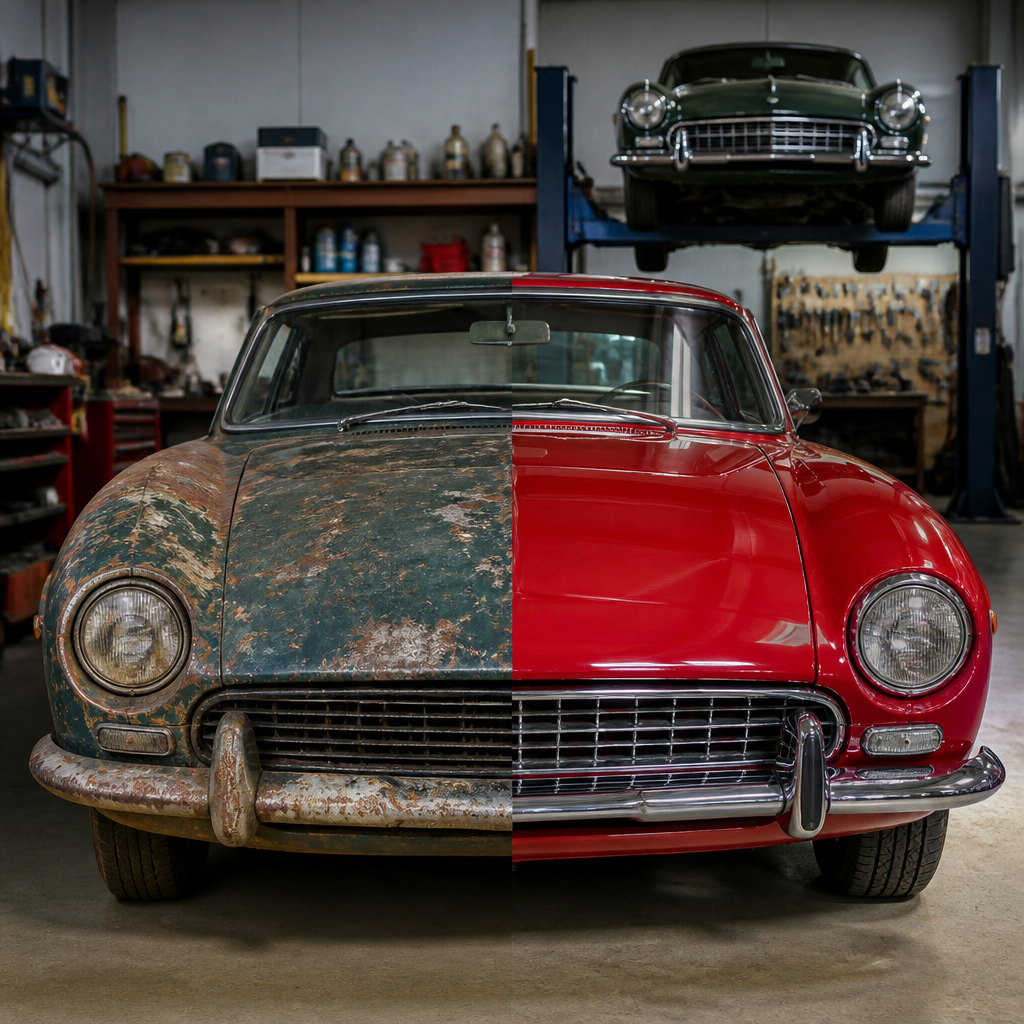
A restoration returns a vehicle toward factory-correct, period-correct, or owner-defined condition through repair, refinishing, rebuilding, and replacement. A preservation approach keeps as much original material as possible, stabilizing wear, patina, and age-related deterioration without erasing the car’s history. Some owners also choose sympathetic restoration, a middle path that repairs what threatens reliability or structure while retaining original finishes, trim, and character wherever practical.
This matters because originality has become a major factor in judging, market value, and historical significance. In my experience assessing project cars and driver-grade classics, owners often regret irreversible work more than deferred work. Once original paint, upholstery, or stampings are removed, they are gone forever. At the same time, untreated rust, stale fuel systems, unsafe brakes, and brittle wiring can turn a desirable survivor into an unusable liability. The goal is not ideology. The goal is to match the intervention to the car.
For anyone learning restoration basics, start with a simple principle: preserve first, restore second, replace last. That does not mean every classic should remain untouched. It means you should document the car, inspect it carefully, understand its provenance, and decide what level of work protects both the machine and its historical integrity. This hub article explains how to make that decision with confidence, using the same framework professionals use when evaluating classics for shop work, concours preparation, and long-term ownership.
What restoration and preservation really mean
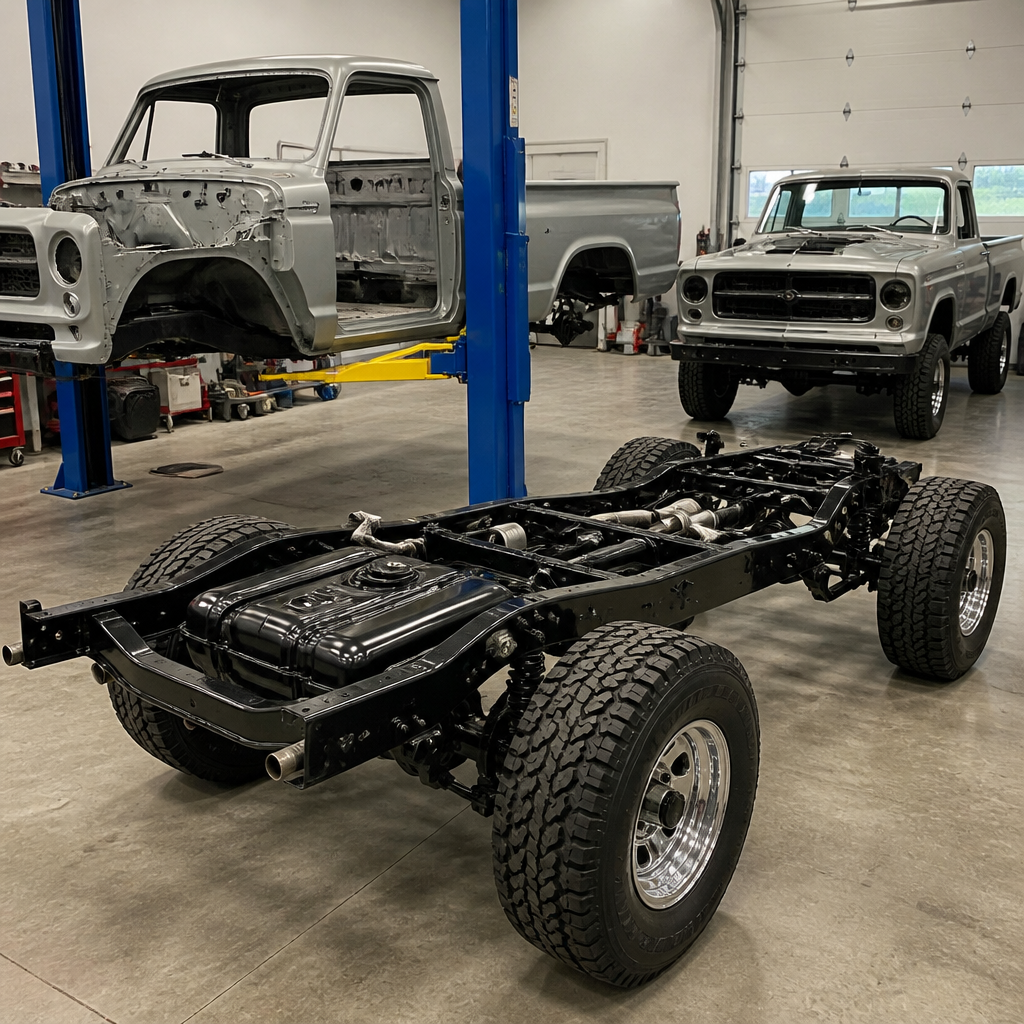
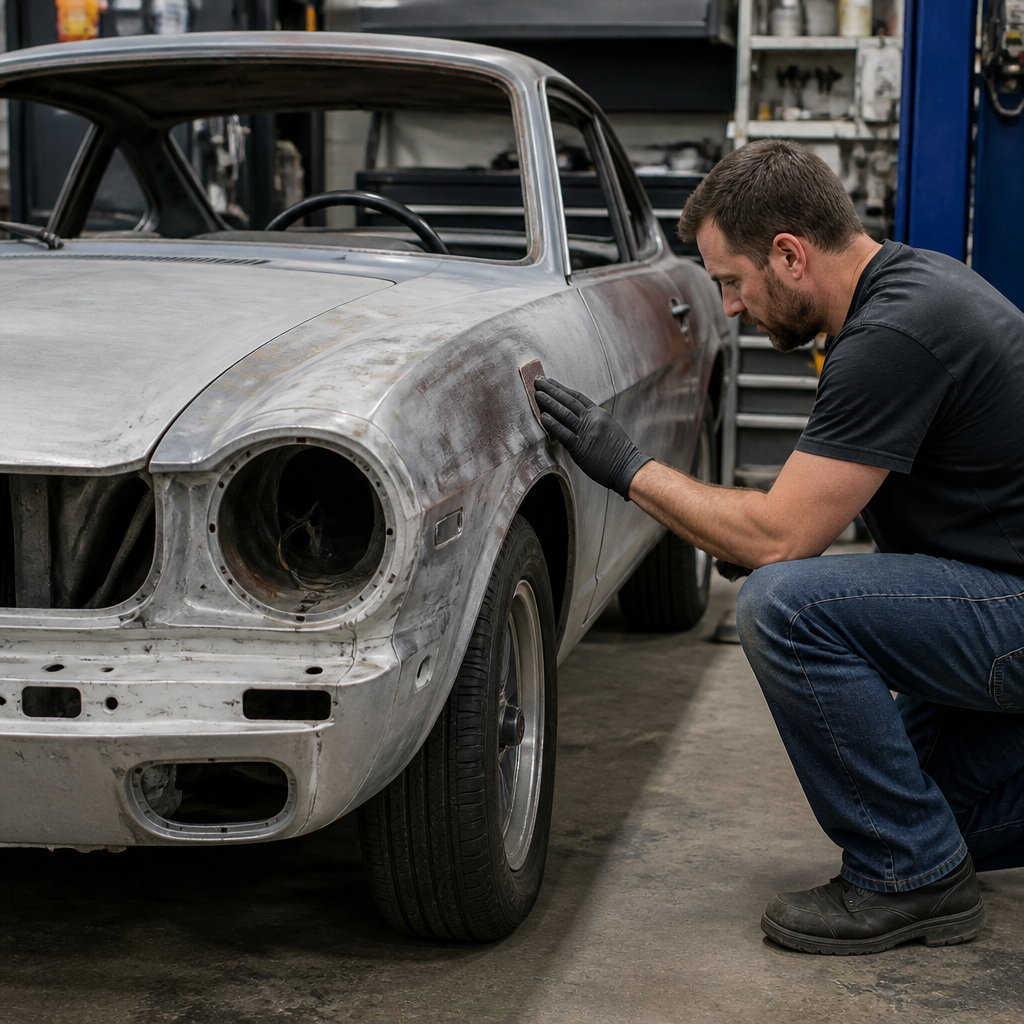
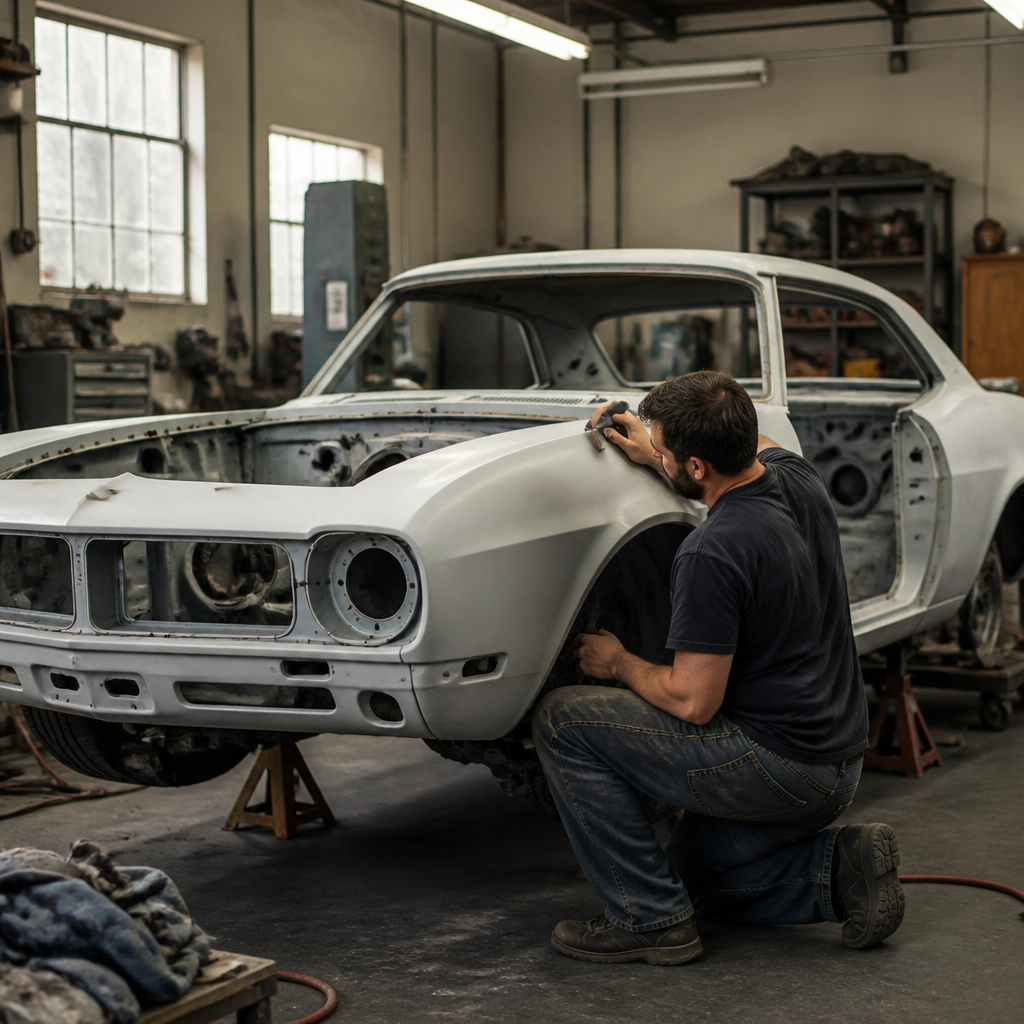
Restoration is not one thing. It can range from mechanical recommissioning to a concours-level, body-off rebuild. Mechanical restoration focuses on systems such as brakes, cooling, ignition, suspension, transmission, and engine internals. Cosmetic restoration addresses paint, chrome, weatherstripping, glass, trim, and interior materials. Structural restoration tackles rust, collision damage, chassis fatigue, and metal fabrication. A full restoration usually touches all three, but many successful projects are partial restorations aimed at safety and drivability.
Preservation also has tiers. At the minimum, it means careful cleaning, corrosion control, fluid service, and climate-conscious storage. More advanced preservation includes paint correction without overcutting original finishes, leather consolidation, textile stabilization, dry-ice cleaning of underbodies, and reversible repairs using period-correct materials. In judging circles, preserved cars are often called survivors if they retain a high percentage of original finishes and components. Survivor status is not a marketing slogan. It is an evidence-based description tied to authenticity.
The confusion comes when owners treat patina and neglect as the same thing. They are not. Patina is honest age: thin paint on edges, polished pedal pads, lightly crazed lacquer, and seat creases that tell a story. Neglect is active deterioration: perforated floors, seized cylinders, rodent-damaged wiring, delaminating safety glass, and waterlogged interiors. Preservation respects patina and stops neglect. Restoration removes neglect, and sometimes patina too. Whether that tradeoff is wise depends on the car.
How to decide: start with condition, rarity, and purpose
The clearest way to answer should you restore or preserve a classic car is to evaluate five factors in order: structural condition, originality, provenance, intended use, and economics. Structural condition comes first because severe rust in load-bearing areas, previous poor repairs, or accident distortion can force major intervention even on historically important survivors. Originality comes next because matching-numbers drivetrains, original paint, factory interior materials, date-coded glass, and untouched stampings increase the case for preservation.
Provenance means documented ownership, competition history, special-order specifications, or production significance. A one-family Porsche 356 with complete records and original paint deserves a different approach than a common 1970s coupe assembled from mixed parts. Intended use matters because a car built for touring, local shows, or regular weekend driving needs reliability upgrades and preventive service. Economics matter last, but they still matter. Restoration costs commonly exceed resale value on mainstream classics, especially once paint, trim replating, engine machining, and upholstery are involved.
| Factor | Preserve When | Restore When |
|---|---|---|
| Structure | Metal is fundamentally sound with only surface corrosion | Rust compromises floors, frame rails, sills, mounts, or safety |
| Originality | Paint, interior, drivetrain, and trim are largely factory-installed | Major components are missing, incorrect, or heavily altered |
| Provenance | Documented history adds historic significance | History is unknown and condition is too poor to present as-is |
| Use Case | Display, collecting, occasional fair-weather driving | Frequent road use requires dependable systems throughout |
| Economics | Originality creates value that restoration could erase | Finished value or personal goal justifies the investment |
When I inspect a candidate, I look underneath before I admire the paint. Fresh undercoating can hide welded patches and rust scale. Magnet checks, borescopes, paint-depth gauges, compression tests, leak-down tests, and documentation review tell a more reliable story than glossy photos. If a car is honest, complete, and structurally solid, preservation deserves serious consideration. If it is unsafe, incorrectly repaired, or too incomplete to represent its era accurately, restoration is usually the better path.
When preservation is the smarter choice
Preservation is often best for low-mileage survivors, highly original cars, rare models with documented history, and vehicles wearing irreplaceable finishes. Original lacquer, enamel, Connolly leather, factory spot welds, chalk marks, and assembly tags matter because they authenticate how the car was built. Collectors and judges increasingly reward that evidence. Bloomington Gold Survivor certification, FCA preservation classes, and major concours events have all helped shift attention toward originality over cosmetic perfection.
A preserved car can also be more educational than a restored one. It shows factory seam sealer placement, plating finishes, fastener markings, paint break lines, overspray patterns, and trim fit exactly as they survived production. Restorers use such cars as reference standards because many manuals omit those details. I have seen owners strip an original engine bay only to discover later that the replacement finishes looked cleaner but less correct than what they removed.
Preservation does have limitations. A survivor with ancient fuel hoses, cracked bias-ply tires, hardened brake seals, and brittle coolant lines is not road-ready just because it is original. Smart preservation includes safety-critical replacement and careful documentation of every changed part. Keep removed components, label them, photograph the work, and favor reversible methods. The objective is to stabilize the car while retaining the evidence that makes it significant.
When restoration is the better investment
Restoration is justified when deterioration is progressive, safety is compromised, originality has already been lost, or the car cannot fulfill its purpose without comprehensive work. Rust is the most common tipping point. Surface rust on suspension hardware can be cleaned and protected, but corrosion in rocker panels, torsion tube mounts, chassis legs, spring perches, and windshield frames often spreads invisibly and worsens quickly. Delaying structural repairs usually raises the final bill because adjacent metal, trim, and glass become involved.
Restoration also makes sense when prior modifications erased historical value. An engine-swapped car with aftermarket wiring, nonoriginal interior panels, and a color change may no longer gain much from strict preservation. In that case, returning it to a coherent specification can improve drivability, presentation, and market appeal. The same logic applies to flood-damaged, fire-damaged, or poorly repaired vehicles. Preservation cannot recover what no longer exists.
Done well, restoration creates reliability and usability that preservation alone cannot. Rebuilt calipers, recored radiators, renewed suspension bushings, balanced driveshafts, synchronized carburetors, and properly rebuilt gearboxes transform how a classic feels on the road. The warning is simple: quality matters more than scope. A mediocre full restoration is worth less than a well-preserved original car and often less than a carefully recommissioned driver. Choose shops with marque experience, written estimates, metalworking evidence, and thorough photo documentation.
Costs, timelines, and hidden risks owners underestimate
Most owners underestimate classic car restoration cost because they price visible parts and ignore labor, specialist subcontracting, and compounding discoveries. Paintwork alone can vary from a few thousand dollars on a simple driver to five figures once metal correction, panel alignment, blocking, and trim removal are included. Chrome plating, wood veneer restoration, instrument rebuilding, engine machining, and upholstery materials can each become line items large enough to reshape the whole plan. Parts scarcity adds more uncertainty, especially for low-production European or prewar cars.
Timelines stretch for similar reasons. Machine shops face backlogs, trim parts need replating, and reproduction pieces often require rework to fit correctly. During teardown, hidden corrosion, incorrect previous repairs, or missing brackets appear. That is why experienced shops use phased estimates and contingency allowances rather than promising a single fixed number too early. If a shop offers a suspiciously cheap full restoration without detailed inspection, expect overruns or compromised workmanship.
Preservation is not free either. Proper storage, detailing, fluid analysis, rust prevention, battery maintenance, periodic exercise, and specialist conservation services cost money. Yet preservation usually spreads costs over time and avoids the value risk of irreversible work. Before committing, compare three budgets: preservation with recommissioning, partial restoration, and full restoration. Then compare those numbers with the car’s realistic insured value, not the highest auction result you can find. Auctions highlight exceptional examples; most owner cars trade below headline figures.
Best practices for either path
Whether you preserve or restore, begin with documentation. Photograph every panel, stamping, casting number, trim tag, date code, and defect before touching the car. Gather ownership records, service invoices, old registrations, warranty booklets, and factory literature. Order a build sheet or heritage certificate if the marque offers one. Provenance influences decisions, confirms original specifications, and supports value later.
Next, prioritize safety and preservation of evidence. Drain stale fuel, inspect the tank, rebuild hydraulics as needed, service wheel bearings, replace unsafe tires, and verify cooling and charging systems. Avoid pressure-washing original engine bays or aggressive media blasting on delicate stampings. Use conservation-minded products, and test cleaning methods on hidden areas first. If paint is original, measure thickness before correction. If interior materials are fragile, consult a trimmer experienced in leather recoloring, not just retrimming.
Finally, keep a reversible mindset. Save take-off parts, bag and label hardware, and record all substitutions. If modern upgrades are necessary, such as radial tires, electronic ignition hidden in a distributor, or improved fuel hose compatible with ethanol, choose modifications that do not permanently alter the car. This approach protects enjoyment now without closing the door on future authenticity.
The restore-versus-preserve decision is really a question of stewardship. A classic car is part machine, part artifact, and the best choice respects both roles. Preserve when originality, rarity, and documented history make the car more valuable as evidence than as a freshly refinished object. Restore when corrosion, missing components, unsafe systems, or prior poor work prevent the car from surviving or being used properly. In many cases, the best answer is a balanced one: preserve visible history, restore what threatens safety, structure, and reliability.
If you remember only one restoration basics rule, make it this: do the minimum irreversible work necessary to protect the car and achieve your goal. That principle prevents expensive mistakes, preserves options, and usually leads to better long-term outcomes for both value and enjoyment. Start with a thorough inspection, define your target condition honestly, and budget for surprises before any disassembly begins.
As the hub for restoration basics, this guide should help you evaluate every future decision in restoration and maintenance, from rust repair and paintwork to mechanical recommissioning and storage strategy. If you are standing in front of a potential project, slow down, document everything, and choose the path that fits the car rather than the fantasy. That is how good owners become good custodians.
Frequently Asked Questions
How do I decide whether my classic car should be restored or preserved?
The best choice comes down to five core factors: condition, rarity, historical significance, intended use, and budget. Restoration is usually the better route when a car has serious rust, failing mechanical systems, poor prior repairs, missing major components, or cosmetic issues so extensive that continued deterioration is likely. Preservation is often the smarter option when the car still wears a substantial amount of original paint, trim, interior, and driveline components, especially if those original features tell an important story about the vehicle’s age, production era, or ownership history.
Start with an honest assessment of what you actually have. A structurally sound, largely original car with age-related wear may be far more valuable and interesting as a preserved survivor than as a fully restored example. On the other hand, a car that has already been repainted incorrectly, modified heavily, or neglected to the point that rust and mechanical problems threaten its future may gain more from a careful restoration. Intended use matters too. If you want a reliable tour car, weekend driver, or concours project, restoration may better align with your goals. If you want to retain authenticity, originality, and historical character, preservation may be the stronger path.
It also helps to think beyond appearance. This decision affects every later step: metalwork, paint strategy, upholstery work, parts sourcing, maintenance schedules, storage methods, insurance valuation, and resale positioning. In many cases, the strongest approach is not purely one or the other. Owners often preserve original finishes and interiors while restoring brakes, fuel systems, cooling systems, and suspension for safety and drivability. A thoughtful inspection by a marque specialist, body expert, and experienced appraiser can prevent expensive mistakes and help you choose a path that respects both the car and your budget.
What is the difference between restoring a classic car and preserving one?
Restoration and preservation are related but very different philosophies. A restoration aims to return the vehicle toward factory-correct, period-correct, or otherwise target-spec condition. Depending on the project, that may include stripping the body, repairing or replacing corroded metal, repainting in the correct color and finish, rebuilding the engine and drivetrain, refinishing trim, replacing worn upholstery, and sourcing correct hardware, decals, and date-coded parts. The goal is to reverse wear, damage, and non-original alterations so the car closely reflects how it would have appeared and functioned when new or in a defined period of its life.
Preservation, by contrast, focuses on stabilizing and maintaining what is already there. Instead of replacing original paint because it has thin spots or patina, preservation would typically emphasize careful cleaning, paint conservation, rust prevention, and environmental protection. Rather than reupholstering an interior with authentic-looking new materials, preservation might involve repairing seams, conditioning leather or vinyl, conserving fragile fabrics, and protecting original carpets and trim from further damage. Mechanically, preservation still allows for responsible servicing and safety work, but the emphasis is on minimal intervention and maximum retention of original material.
Neither approach is automatically superior. Restoration can create a visually stunning, mechanically renewed car that is easier to use and present. Preservation can retain authenticity that no restoration can truly recreate once original finishes and assembly details are gone. Many collectors and judges place tremendous value on original paint, original interiors, factory spot welds, assembly markings, and age-consistent finishes because they offer direct evidence of how the car was built and used. Ultimately, restoration tends to replace and renew; preservation tends to conserve and protect. The right approach depends on what the car needs and what kind of value you want to preserve or create.
Does preserving originality make a classic car more valuable than restoring it?
Sometimes yes, but not always. Originality can add tremendous value when the car is rare, well-documented, largely unmodified, and still retains important factory or historically significant features. In today’s collector market, an authentic survivor with original paint, interior, drivetrain, and paperwork can be more desirable than a freshly restored car because it offers something restoration cannot duplicate: untouched history. Collectors often pay a premium for cars that show genuine age, original craftsmanship, and verifiable provenance, especially when those qualities are difficult to find.
That said, originality only creates a premium when the underlying condition remains attractive and credible. If a car is so deteriorated that rust is spreading, structural integrity is compromised, or the interior and mechanical systems are beyond practical use, the market may reward a high-quality restoration more than a neglected “original” example. Value also depends on the segment of the market. Some buyers want concours-level presentation and are willing to pay for a properly executed, factory-correct restoration. Others prioritize authenticity and will overlook cosmetic wear in exchange for original finishes and components.
The quality of the work matters as much as the category. A poorly restored car can lose value quickly, especially if incorrect parts, over-restoration, modern finishes, or sloppy bodywork erase important details. Likewise, a so-called preserved car that is actually just tired, dirty, and mechanically unsafe will not command top money simply because it is old. Documentation is critical in both cases. Service records, ownership history, photographs, factory paperwork, judging sheets, and expert evaluations help prove what the car is and why it matters. If resale is part of your strategy, study comparable sales for your exact make, model, year, and condition level before committing to either direction.
Can I preserve the car’s originality while still making it safe and reliable to drive?
Absolutely, and for many owners this is the most sensible middle ground. Preservation does not mean refusing all repairs. It means making careful, reversible, and well-documented decisions that keep the car usable without unnecessarily removing original material. Safety-critical systems should always be addressed. That commonly includes rebuilding brakes, replacing aged hydraulic components, renewing fuel lines, servicing the cooling system, inspecting wiring, rebuilding wheel bearings, replacing unsafe tires, and checking suspension and steering parts. These are not cosmetic compromises; they are responsible maintenance steps that protect both the car and its occupants.
The key is to distinguish between stabilization and unnecessary replacement. If the original interior is worn but intact, it may be better to conserve it than to install an entirely new kit. If the paint has imperfections but still protects the body and reflects the car’s history, paint correction and rust prevention may be preferable to a complete respray. In the engine bay, retaining original finishes, clamps, tags, and hardware whenever possible can preserve authenticity even during mechanical servicing. Many owners also store removed original parts, label them carefully, and keep a detailed record of what was changed, why it was changed, and whether the modification is reversible.
If reliability upgrades are necessary, choose them thoughtfully. In some cases, subtle improvements such as better hoses, hidden battery disconnects, period-sensitive radial tires, or discreet electronic ignition can make a car easier to enjoy without dramatically changing its character. However, major modifications should be weighed carefully, especially on rare or historically important cars. Once original sheet metal, trim, driveline components, or upholstery are replaced, that originality is usually gone for good. The best preservation-minded driver cars are those that operate safely, remain easy to maintain, and still show the materials, finishes, and details that make them authentic.
What should I inspect before committing to a restoration or preservation plan?
Before making any decision, inspect the car systematically and document everything. Begin with structure and body integrity, because rust repair often determines the real cost and complexity of the project. Check frame rails, floors, rocker panels, wheel arches, trunk areas, lower fenders, cowl sections, windshield surrounds, suspension mounting points, and any model-specific rust zones. Look for signs of prior accident damage, filler, patch panels, poor welds, uneven gaps, and non-factory seams. Cosmetic shine can hide significant structural issues, so magnet checks, paint-depth readings, borescope inspections, and lift access are extremely useful.
Next, evaluate originality and completeness. Determine whether the engine, transmission, rear axle, carburetion or fuel system, trim pieces, glass, instruments, seats, and interior materials are original to the car, correct for the model, or later substitutes. Matching numbers, build tags, chassis stamps, factory color information, and date-coded components can influence whether preservation makes sense. A very original car with honest wear may deserve conservation. A car assembled from mixed parts or altered over decades may be a stronger restoration candidate, especially if returning it to correct specification is realistic.
Mechanical condition also matters. Compression, oil pressure, cooling performance, charging output, brake function, steering play, suspension wear, transmission behavior, and fuel system cleanliness all affect the cost of returning the car to safe use. Finally, inspect the paperwork: title status, ownership history, restoration receipts, old photos, manuals, certifications, and judging records. These details shape both value and decision-making. Once you understand structure, originality, mechanical needs, and documentation, you can build a practical plan. That plan should include scope, budget, parts availability, labor expectations, storage needs, and an end goal, whether that is driving enjoyment, historical stewardship, or eventual resale.