
A frame-off restoration cost can range from $40,000 for a simple domestic classic to well over $300,000 for a rare muscle car, vintage truck, or concours-level collectible, because the process involves dismantling the entire vehicle down to the bare frame and rebuilding every major system. In restoration shops, that term has a precise meaning: the body is removed from the chassis, the frame is repaired or refinished separately, and components such as suspension, brakes, wiring, drivetrain, trim, glass, and interior are restored or replaced before final reassembly. Owners often use the phrase loosely, but a true frame-off restoration is the most labor-intensive form of automotive restoration, and cost follows labor. That makes this topic central to restoration basics. If you understand where the money goes, what level of finish you actually need, and how shops estimate work, you make better decisions before the first bolt comes out. This hub article explains the main cost drivers, typical budget ranges, common surprises, and the practical choices that separate a rewarding project from a financial sinkhole.
What a frame-off restoration includes
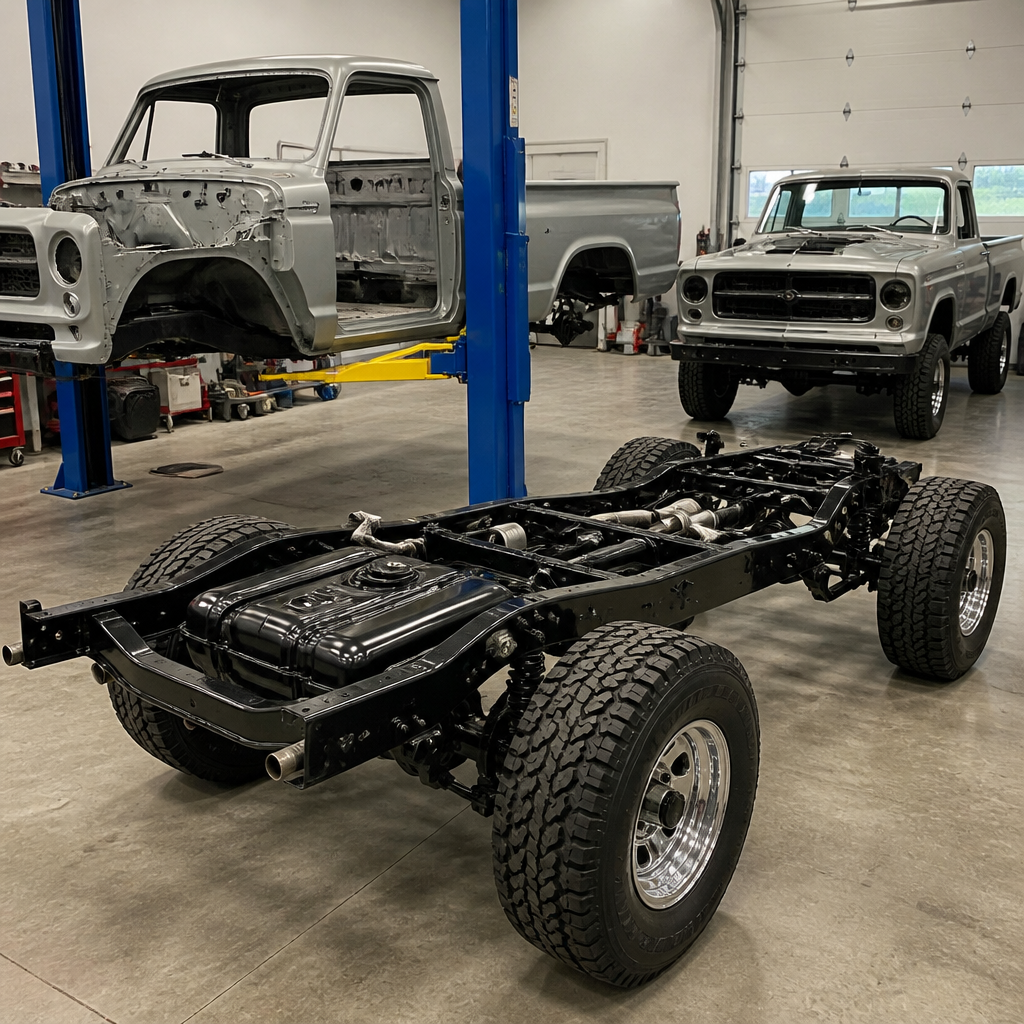
A true frame-off restoration starts with a complete teardown and documentation process. In my experience working through estimates and project plans, the most successful jobs begin with photography, parts tagging, bagging hardware, recording casting numbers, and confirming whether the car will be restored to factory specification, lightly upgraded for road use, or built for show competition. The body comes off the chassis. The frame is stripped, measured, repaired if necessary, blasted, coated, and prepared for reassembly. Meanwhile, the body shell is evaluated for rust, collision damage, lead work, filler, previous poor repairs, and panel alignment issues.
From there, costs expand quickly because every subsystem becomes visible at once. Brake lines, fuel lines, steering joints, body bushings, wiring harnesses, brake hydraulics, weatherstripping, engine mounts, suspension bushings, and fasteners may all need replacement. Even solid-looking cars often reveal corrosion in body mounts, trunk floors, rocker panels, cowl sections, frame rails, or lower fenders once media blasting removes paint and undercoating. That is why an initial quote is rarely the final number.
Not every body-on-frame vehicle needs the same level of work. A 1970 Chevrolet C10 with a healthy small-block and minimal rust may need mainly disassembly, cleaning, paint, suspension, and interior work. A first-generation Ford Bronco with hidden rust in the floor structure, door posts, and quarter panels can consume hundreds of fabrication hours before paint is even considered. For unibody cars, shops may use the term rotisserie restoration rather than frame-off, but the budgeting logic is similar: total disassembly, structural repair, system rebuild, and high labor intensity.
Typical cost ranges by restoration level
The clearest way to estimate frame-off restoration cost is to define the target finish. A driver-quality restoration focuses on safety, reliability, clean cosmetics, and good road manners. That level often falls between $40,000 and $80,000 for many common American classics, assuming the vehicle is substantially complete and does not require extensive metal reconstruction. A high-quality show-and-drive build usually lands between $80,000 and $150,000. Concours work, rare models, and heavily deteriorated projects regularly exceed $150,000 and can surpass $300,000 when parts sourcing, authenticity research, and exact finishes matter.
Labor rates shape the range as much as the vehicle itself. Specialty restoration shops commonly charge from $90 to $175 per hour, with top-tier marque experts going higher. A complete frame-off can consume 800 to 2,500 labor hours depending on condition, complexity, and quality standard. At 1,200 hours and $125 per hour, labor alone reaches $150,000 before major parts, chrome, upholstery, machine work, transport, glass, and taxes. That math surprises first-time owners, but it reflects reality in professional restoration.
| Restoration level | Typical cost range | What it usually includes |
|---|---|---|
| Driver quality | $40,000 to $80,000 | Safe mechanical systems, presentable paint, refreshed interior, limited authenticity work |
| Show-and-drive | $80,000 to $150,000 | Extensive bodywork, quality paint, rebuilt drivetrain, detailed chassis, stronger parts sourcing |
| Concours or rare vehicle | $150,000 to $300,000+ | Factory-correct finishes, date-code research, premium plating, exact trim, expert documentation |
For owners comparing repair versus restoration, the key question is not simply what the project costs. It is whether the finished result matches your intended use. A local cruise-night car does not need concours phosphate coatings on hidden hardware. A judged NCRS Corvette or AACA car may.
The biggest cost drivers owners underestimate
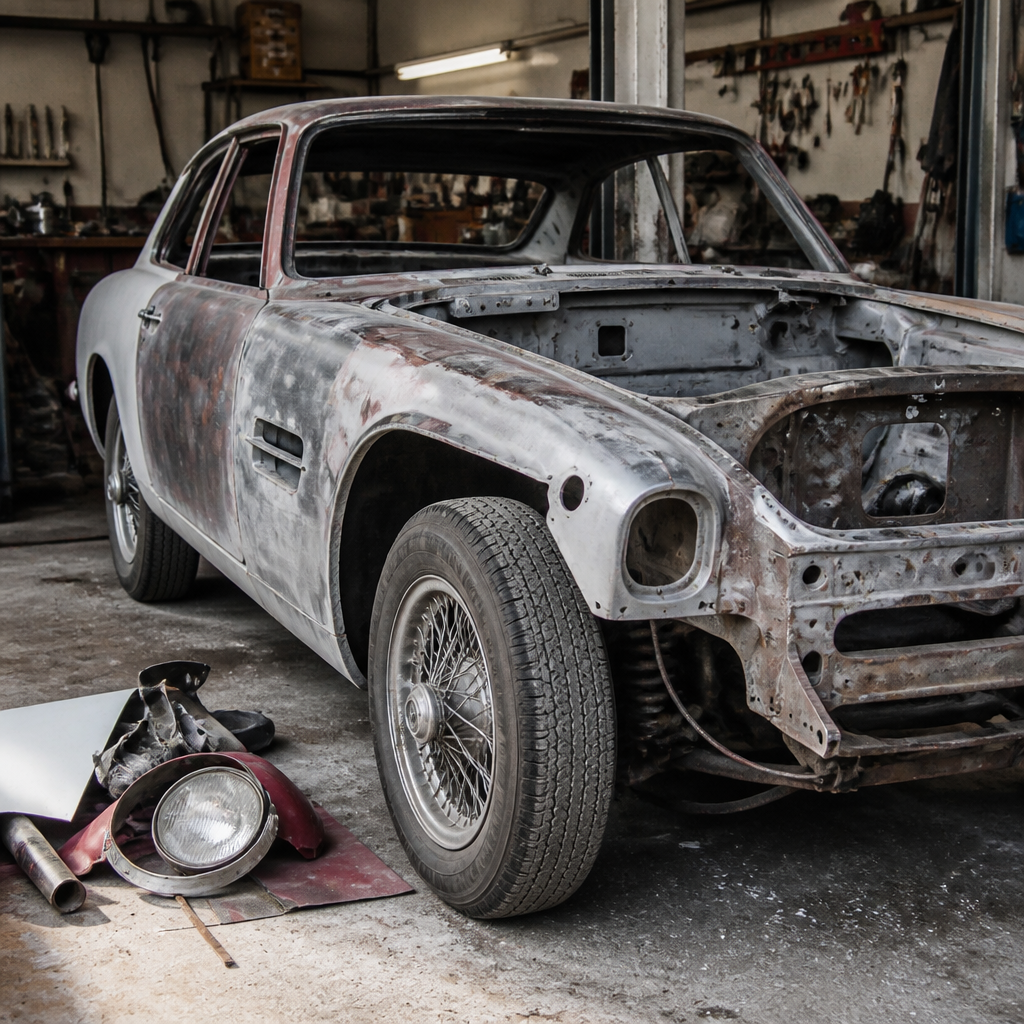
Rust repair is the largest wildcard. Surface corrosion is manageable; structural rust is expensive because it requires diagnosis, cutting, fabrication, panel fitting, corrosion protection, and repeated test assembly. I have seen a vehicle with attractive paint turn into a six-figure project once blasting exposed patchwork in the floor braces and frame kickups. Rust in attachment points matters more than rust in visible outer skin because structural repairs affect alignment, safety, and labor sequence.
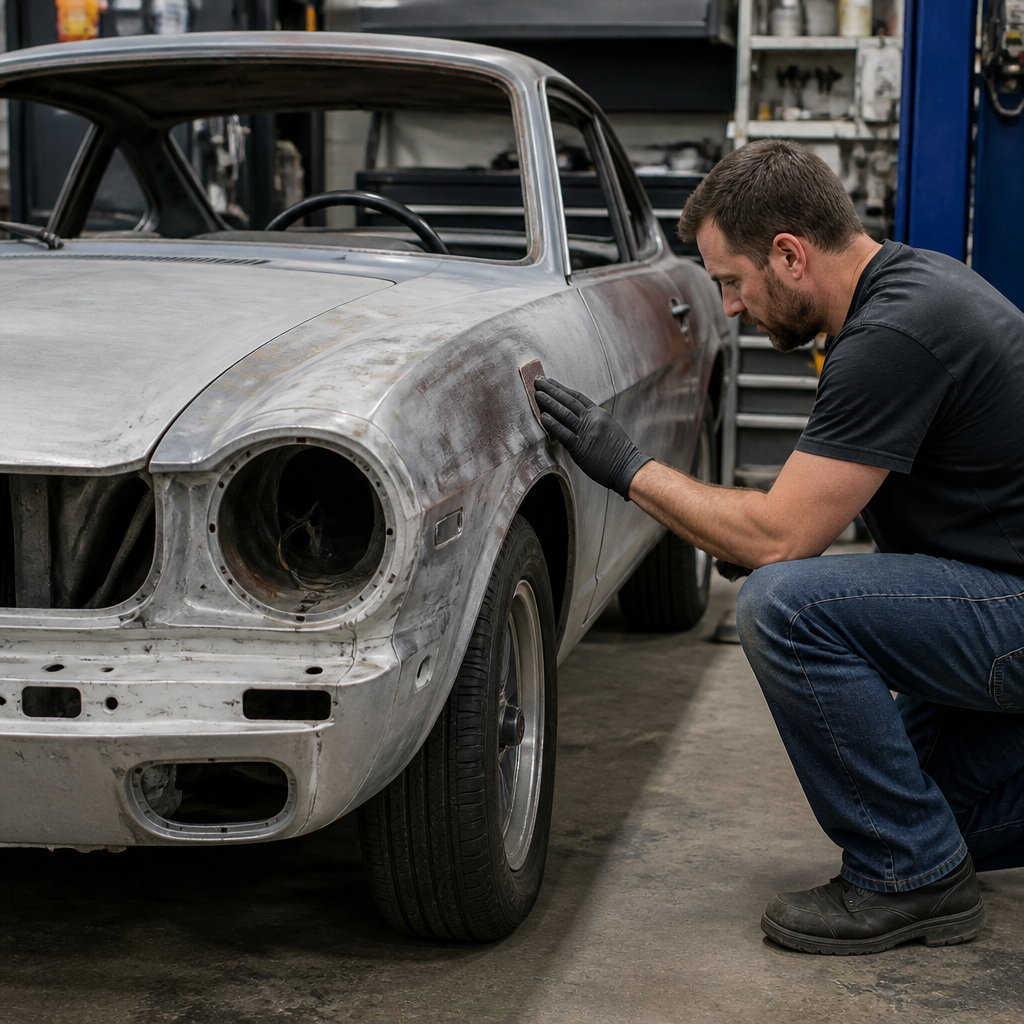
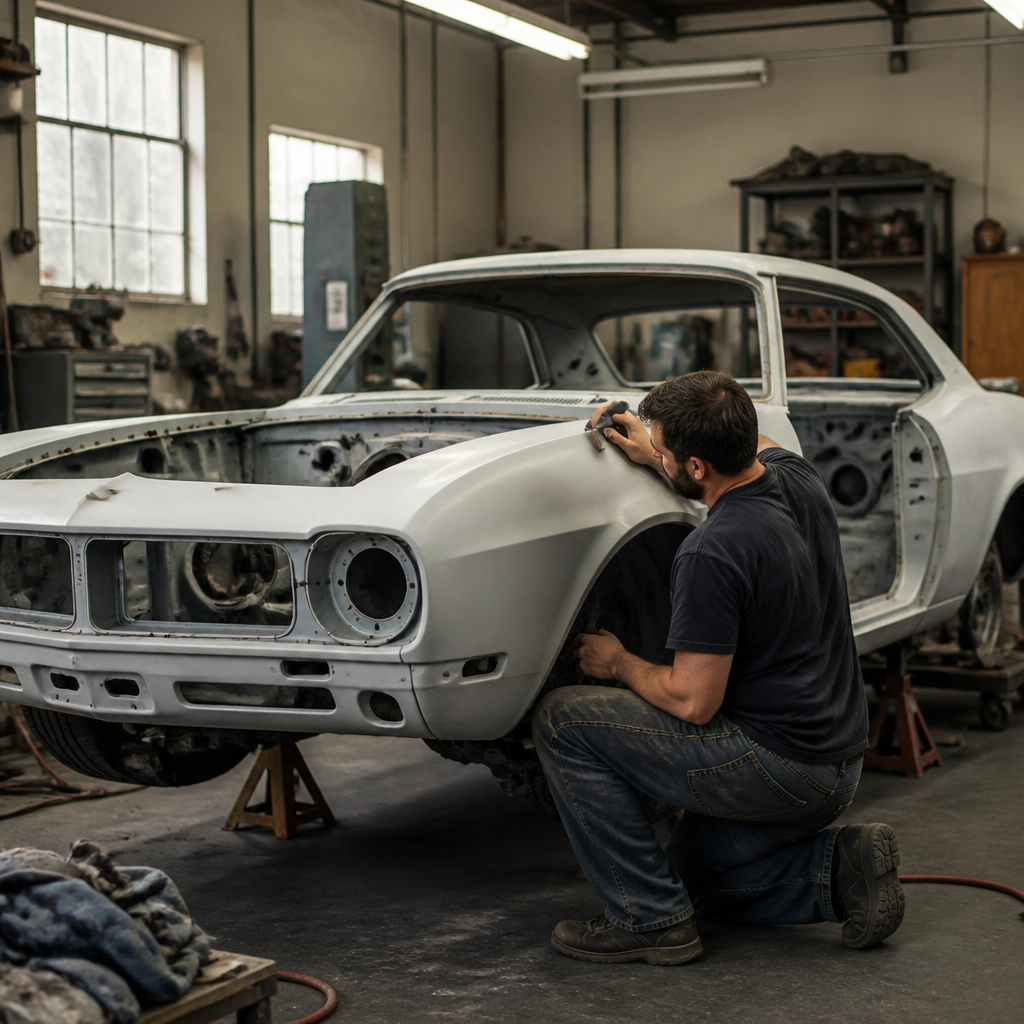
Paint and bodywork also consume more money than many owners expect. Materials alone are expensive. Quality epoxy primers, polyester fillers, seam sealers, basecoat, clearcoat, masking materials, abrasives, and booth time add up quickly. Achieving straight panels on a long-body truck or fiberglass Corvette takes patience and repeat blocking. If panel gaps, hood fit, and door alignment must be excellent, labor rises further.
Parts availability is another critical factor. Reproduction support is strong for Mustangs, Camaros, Tri-Five Chevrolets, and C10 pickups. It is much weaker for obscure trim levels, low-production imports, and commercial vehicles. Hard-to-find stainless trim, date-coded glass, factory carburetors, or original-style fabrics can add thousands. Rechroming bumpers and pot-metal trim is especially costly due to prep, copper build, polishing, and plating regulations that have narrowed the number of qualified vendors.
Finally, previous poor work creates hidden expense. Old collision repairs, excessive body filler, hacked wiring, missing brackets, and mixed hardware slow everything down. Shops lose time undoing bad shortcuts before proper restoration can begin. A complete, unmodified car usually costs less to restore than a partially disassembled basket case, even if the basket case looked cheaper to buy.
How shops build estimates and why final invoices change
Most reputable shops do not promise a fixed total for a true frame-off restoration at intake, because unknowns are built into the process. Instead, they create a phased estimate. Phase one may include inspection, teardown, cataloging, blasting, and structural assessment. After that, the shop can produce a more accurate plan for metalwork, paint, chassis assembly, drivetrain rebuilding, trim, and final sorting. This approach protects both owner and shop from pretending uncertainty does not exist.
There are several common pricing models. Time-and-materials billing is standard for complex restorations because it reflects actual labor and allows scope changes as hidden issues emerge. Some shops use not-to-exceed caps for specific tasks such as engine assembly or upholstery installation, but not for the entire project. Others break the build into milestones with deposits due at disassembly, metal completion, paint stage, drivetrain installation, and final delivery.
Ask every shop the same practical questions. What is the hourly rate? How are outside vendor charges handled? Will you receive photo documentation? How often are invoices issued? What storage policies apply if the project stalls? How are owner-supplied parts treated if they fail to fit or arrive damaged? Clear answers on process matter as much as headline price. A cheaper estimate with vague administration often becomes the expensive choice.
Documentation is part of restoration basics because it directly affects cost control. Good shops use digital work orders, hundreds of teardown photos, labeled bins, and written approvals for changes in scope. That level of organization reduces duplication, lost parts, and disputes over what was authorized. It also supports future resale by proving the quality of work performed.
Budget planning for chassis, body, drivetrain, and interior
Owners can make budgeting more realistic by thinking in systems. Chassis work often includes frame blasting, straightening, coating, suspension rebuilding, steering components, wheel bearings, brake hydraulics, lines, fuel delivery parts, and hardware finishing. Depending on vehicle size and condition, that portion alone may run from $8,000 to $30,000. Add powder coating, upgraded disc brakes, or a new rear axle ratio, and the figure climbs.
Body and paint generally take the largest share. Metal repair, panel replacement, bodywork, primer surfacing, paint materials, booth labor, wet sanding, polishing, underbody finish, and reassembly easily account for $15,000 to $60,000 or much more. The upper end increases sharply when cars require quarter panels, roof skin repair, cab corners, floor structures, or complex stripe and decal work. Dark colors and high-gloss finishes are less forgiving and often demand additional prep.
Drivetrain costs vary by originality requirements. A stock small-block V8 refresh may cost a few thousand dollars in machine work and assembly if major hard parts are reusable. A numbers-matching big-block rebuild, manual transmission overhaul, correct carburetor restoration, and date-appropriate ancillary components can multiply that amount. Cooling systems, exhaust, driveshaft balancing, differential setup, and electrical charging components are often overlooked in early budgets.
Interior restoration ranges from modest seat upholstery and carpet replacement to complete cabin reconstruction with springs, foam, door panels, dash pad, headliner, gauges, steering wheel restoration, and sound deadening. Weatherstripping, window regulators, vent assemblies, and restored heater controls add hidden labor. For many cars, a proper interior lands between $5,000 and $20,000, while rare materials or custom work can exceed that significantly.
Restoration basics: deciding what level is right for your vehicle
The smartest way to control frame-off restoration cost is to match the build to the vehicle’s purpose and market reality. If the car will be driven regularly, a reliable driver-quality restoration with sensible upgrades often provides the best value. Electronic ignition hidden inside a stock distributor, modern radial tires, stainless brake lines, and improved cooling can make an old vehicle more usable without changing its character. I generally advise owners to spend on structural integrity, braking, wiring, and cooling before cosmetic perfection.
If the vehicle is historically important, numbers-matching, or destined for high-level judging, originality becomes more valuable. In that case, details such as chalk marks, inspection stamps, correct fastener finishes, hose clamp styles, and period-correct overspray patterns may matter. Those details require research and specialized labor, so cost rises for reasons that are invisible to casual observers but significant to collectors.
There is also the hard truth of market value. Restoring a common model far beyond its resale ceiling can still make sense if sentimental value drives the project, but owners should enter with open eyes. Spending $120,000 to restore a vehicle worth $60,000 on the open market is common. Restoration is not always an investment strategy; often it is a preservation decision, a personal passion, or a way to keep a family car alive. Understanding that distinction prevents disappointment later.
How to keep costs under control without cutting corners
Successful owners manage scope rigorously. Before work begins, define the mission in writing: weekend cruiser, local show car, judged restoration, or restomod. Then prioritize must-have items versus nice-to-have additions. Scope creep is one of the fastest ways to blow a budget. A project that starts as a stock rebuild can become much more expensive when custom air conditioning, fuel injection, aftermarket suspension, bigger wheels, and upgraded audio are added midstream.
Buy the best starting vehicle you can afford. Paying more upfront for a complete, rust-light car usually saves money compared with rescuing a cheaper wreck. Conduct a pre-restoration inspection with a magnet, borescope, compression test, frame measurements when appropriate, and close review of trim completeness. Missing trim and specialty parts can be more expensive than rust repair on some models.
Choose a shop with documented experience on your type of vehicle. Ask to see finished projects, not just cars in primer. Speak with previous customers. Confirm whether fabrication, paint, mechanical assembly, and wiring are handled in-house or outsourced. The right shop will explain tradeoffs plainly, show evidence, and tell you when a cheaper route is reasonable. If you are planning your own project, use this page as the starting point for deeper articles on rust repair, paint prep, drivetrain rebuilding, trim restoration, and maintenance planning. That broader understanding will help you ask better questions, approve smarter work, and keep your restoration aligned with your goals.
A frame-off restoration cost is high because it is comprehensive by definition: complete disassembly, structural correction, cosmetic refinishing, mechanical renewal, and careful reassembly. The final number depends on the vehicle’s condition, the desired finish level, labor rates, parts availability, and how well the project is scoped and documented. Driver-quality builds may start around $40,000, strong show-and-drive restorations often reach six figures, and concours or rare vehicles can go far beyond that. None of those figures are abstract once you understand the labor hours and specialist processes involved.
The main lesson from restoration basics is simple: clarity saves money. Define the goal early, inspect the vehicle honestly, work with a shop that documents everything, and reserve contingency funds for hidden issues. Spend first on structure, safety, cooling, braking, wiring, and fitment, then on appearance details that match the vehicle’s purpose. A disciplined plan will not make restoration cheap, but it will make the outcome better and the experience far less stressful. If you are mapping a project under the Restoration & Maintenance umbrella, use this hub as your baseline and move next into the specific guides for rust, paint, mechanical systems, interior work, and long-term care before committing your budget.
Frequently Asked Questions
What is included in a true frame-off restoration?
A true frame-off restoration is one of the most comprehensive types of vehicle rebuilding work you can commission. In a restoration shop, the term has a specific meaning: the body is separated from the chassis so each major structure and system can be restored individually. That usually starts with complete disassembly down to the bare frame, followed by cleaning, inspection, repair, refinishing, and reassembly of the chassis, suspension, steering, brakes, fuel system, wiring, drivetrain, exhaust, cooling system, and underbody components. The body itself is repaired separately, with any necessary rust repair, panel alignment, bodywork, primer, paint, and trim restoration handled before everything is reassembled.
A proper frame-off job often also includes restoring or replacing weatherstripping, glass channels, hardware, fasteners, interior components, gauges, electrical accessories, chrome, stainless trim, and engine bay details. In many cases, the engine, transmission, rear axle, and ancillary systems are rebuilt or refurbished at the same time. Because the vehicle is taken apart so completely, hidden issues such as frame corrosion, previous accident damage, poor old repairs, and worn mounting points are often uncovered along the way. That is one reason the cost can increase quickly. When a shop quotes a frame-off restoration, the final scope depends on the starting condition of the vehicle, the originality goals, the quality level expected, and whether the owner wants a driver-quality rebuild, a highly detailed show car, or a concours-correct restoration.
Why does a frame-off restoration cost anywhere from $40,000 to more than $300,000?
The wide price range comes down to labor, parts, rarity, and finish level. A basic frame-off restoration on a relatively simple domestic classic with good parts availability and minimal rust may begin around $40,000, especially if the owner supplies a solid vehicle and does not require factory-correct detailing. On the other end of the market, a rare muscle car, vintage truck, or investment-grade collectible can exceed $300,000 when the job involves extensive metal reconstruction, date-code-correct components, specialized trim work, concours paint, custom fabrication, or highly skilled drivetrain rebuilding. Labor is the biggest factor in most restorations, because disassembly, documenting, cleaning, repairing, refinishing, and reassembly can consume hundreds or even thousands of hours.
Another reason costs vary so dramatically is that no two starting vehicles are truly alike. One car may look complete but hide severe structural rust, while another may be dry, straight, and largely original. Parts availability matters as well. If reproduction components are easy to source, costs stay more predictable. If original parts must be hunted down, restored, or fabricated, the budget rises fast. Paint and bodywork also have a huge impact; achieving excellent panel fit, high-end finishes, and correct trim alignment takes time and expertise. In addition, many projects expand once they are apart. Owners may decide to rebuild everything while access is easy, adding systems that were not part of the original estimate. That is why reputable shops usually present frame-off restoration pricing as a range rather than a fixed number.
What factors have the biggest impact on frame-off restoration cost?
The condition of the vehicle is usually the single biggest cost driver. A complete, rust-free, structurally sound car is far less expensive to restore than a neglected vehicle with rotten floors, weak frame sections, missing trim, seized mechanicals, and poor old body repairs. Rust repair alone can add a substantial amount to the project because it often requires cutting, fabricating, welding, test-fitting, sealing, and refinishing multiple panels and structural areas. If the frame needs straightening, reinforcement, or replacement sections, the labor increases even further. Missing or damaged original parts can also push costs up, especially on low-production models where trim, glass, interior pieces, or drivetrain components are difficult to find.
The restoration standard is another major factor. A car built to be a dependable weekend driver typically costs less than one restored to factory-correct show standards. Concours-level work demands a much higher level of accuracy, finish quality, and documentation. That can include correct hardware finishes, factory markings, original material types, proper plating, exact paint formulations, and date-appropriate components. Shop rates, geographic location, and the shop’s reputation also influence total price. Specialty restoration shops with deep expertise in certain marques or eras may charge more, but they may also be better equipped to deliver accurate, high-value results. Finally, owner decisions during the build matter a great deal. Upgrades such as modern brakes, air conditioning, fuel injection, custom interiors, or performance drivetrains can either simplify certain systems or significantly expand the scope, depending on what is being built.
How long does a frame-off restoration usually take?
A frame-off restoration usually takes much longer than first-time owners expect. Even a relatively straightforward project can take many months, while more involved restorations often last a year or longer. High-end or heavily damaged vehicles may remain in process for multiple years, particularly if the shop is balancing several projects, waiting on specialty parts, outsourcing chrome or upholstery work, or uncovering additional repairs after teardown. The timeline is not just about wrenching time. A proper restoration includes disassembly documentation, parts cataloging, vendor coordination, machine work, paint curing, test fitting, final assembly, tuning, and road testing. Every one of those stages can create delays.
The vehicle’s complexity and the owner’s goals affect timing just as much as the vehicle’s condition. A restomod with modern systems integration may require engineering and fabrication time. A factory-correct restoration may involve long searches for proper castings, trim details, or hard-to-find original components. Shops that do high-quality work also tend to move carefully rather than quickly, because rushing leads to mistakes, damaged finishes, misaligned panels, and costly rework. The best approach is to treat the schedule as fluid and ask for milestone-based updates instead of assuming a hard completion date. A realistic timeline, backed by written progress checkpoints and budget reviews, is usually a sign that the shop understands the complexity of a true frame-off restoration.
Is a frame-off restoration worth the cost?
Whether a frame-off restoration is worth the cost depends on the vehicle, the owner’s goals, and the expected return, both financial and personal. For some owners, the value is emotional: preserving a family car, reviving a dream vehicle, or building a showpiece to enjoy for years. In those cases, the worth of the project goes beyond resale value. From a financial standpoint, however, a frame-off restoration does not automatically make sense for every vehicle. If the model has modest market demand or limited collector appeal, the finished car may be worth less than the restoration bill. That is common in the collector car world, especially when labor-intensive work is performed on vehicles with low ceiling values.
On the other hand, a frame-off restoration can be worthwhile for rare, historically significant, or highly desirable models that benefit from correct, professional workmanship. It can also be the right choice when safety, reliability, and completeness matter more than short-term investment return. Since the process addresses the frame, body, suspension, braking, electrical, and drivetrain systems in a comprehensive way, it can produce a vehicle that is dramatically better than a cosmetic refresh. The key is to go in with clear expectations. Owners should compare the projected restoration cost with the vehicle’s likely finished value, define whether originality or drivability is the main objective, and choose a shop that documents scope, change orders, and progress carefully. When done for the right reasons and with a realistic budget, a frame-off restoration can absolutely be worth it.