How long does a classic car restoration take? The honest answer is anywhere from six months to several years, depending on the vehicle’s condition, parts availability, the restoration goal, and how consistently the work moves forward. I have worked on projects that looked like “quick driver refreshes” and turned into two-year rebuilds once hidden rust, poor prior repairs, and missing trim came to light. That gap between expectation and reality is why restoration basics matter. If you understand the scope before the first bolt comes off, you can set a timeline that reflects the actual work, budget, and decision points involved.
A classic car restoration is the process of returning an older vehicle to a defined condition. That condition might be concours correct, factory stock, period-modified, or simply safe and reliable for regular driving. A restoration is not the same as routine maintenance, and it is not always the same as a restomod. Maintenance keeps a running vehicle healthy through oil changes, brake service, fluid replacement, and inspection. Restoration addresses age, wear, corrosion, cosmetic deterioration, mechanical failure, and authenticity issues at a much deeper level. Restomod work combines restoration with modern upgrades such as fuel injection, overdrive transmissions, disc brakes, improved wiring, and air conditioning.
This topic matters because time is the resource owners underestimate most. People usually focus on purchase price and paint cost, but schedule risk is what strains enthusiasm and budgets. Extended timelines increase storage costs, make labor rates more expensive over time, and create project fatigue. Delays also affect quality. Shops under pressure may rush bodywork or reassembly. Owners working at home can lose labeling discipline, misplace hardware, or postpone crucial rust repair. A realistic restoration timeline helps you choose the right starting car, hire the right shop, and sequence work properly from disassembly through road testing.
At a high level, restoration timing depends on four variables: starting condition, project scope, parts pipeline, and labor capacity. A solid, complete car needing mechanical freshening and cosmetic correction will move far faster than a disassembled basket case with structural rust. A preservation-minded refurbishment may take months, while a body-off, numbers-matching, date-code-correct restoration can take years. Some models have excellent reproduction support, while others require used parts hunting, fabrication, or specialist rebuilding. Finally, a dedicated in-house shop team works on a very different schedule than a hobbyist limited to evenings and weekends.
What determines classic car restoration time?
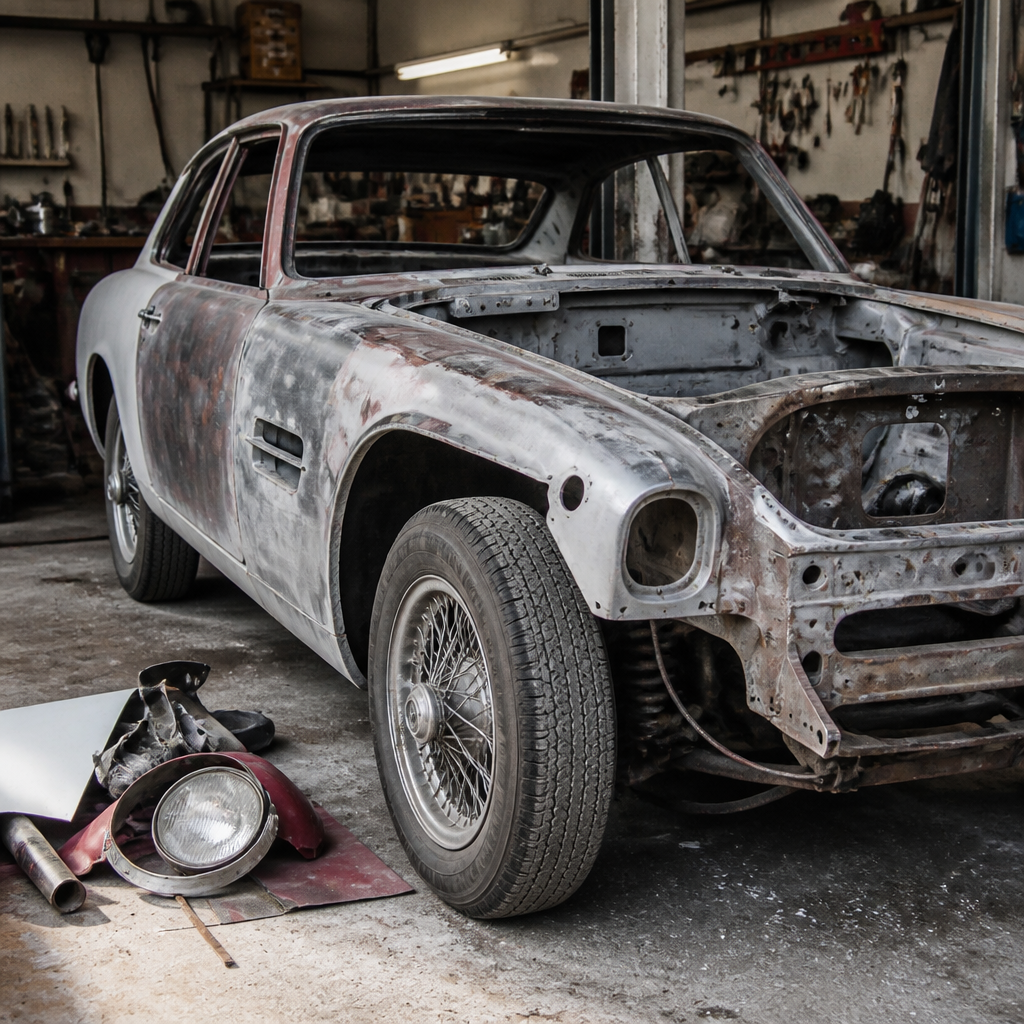
The biggest factor is the condition of the car at intake. Rust is the schedule killer. Surface rust on bolt-on panels is manageable, but rust in floor pans, trunk drop-offs, rockers, frame rails, cowl sections, or suspension mounting points adds metal fabrication, panel fitting, welding, seam sealing, corrosion protection, and repeated test-fitting. Accident damage creates a second layer of complexity. Even when body filler hides it well, twisted structure and poor panel alignment require measuring, pulling, section replacement, and patient mock-up work before paint can begin.
Completeness matters almost as much as condition. A complete car gives you patterns, fasteners, trim references, and original components that can often be rebuilt. Incomplete projects take longer because sourcing begins before assembly can even be planned. I have seen restorations stall for months over model-specific grille pieces, quarter trim, date-coded glass, or an unobtainable interior switch. Documentation also changes timing. Factory manuals, assembly references, broadcast sheets, and photographs taken during disassembly reduce rework later.
The target finish level shapes every decision. A driver-quality restoration emphasizes safe systems, respectable cosmetics, and practical reliability. A show-quality restoration demands tighter panel gaps, superior substrate preparation, correct finishes on underbody and hardware, and more painstaking detailing. Those details add hundreds of hours. Even small choices matter. Replating original hardware, rebuilding factory gauges, restoring correct phosphate and zinc finishes, or duplicating factory overspray patterns all take time that a simple refurbishment would skip.
Typical timelines by restoration type
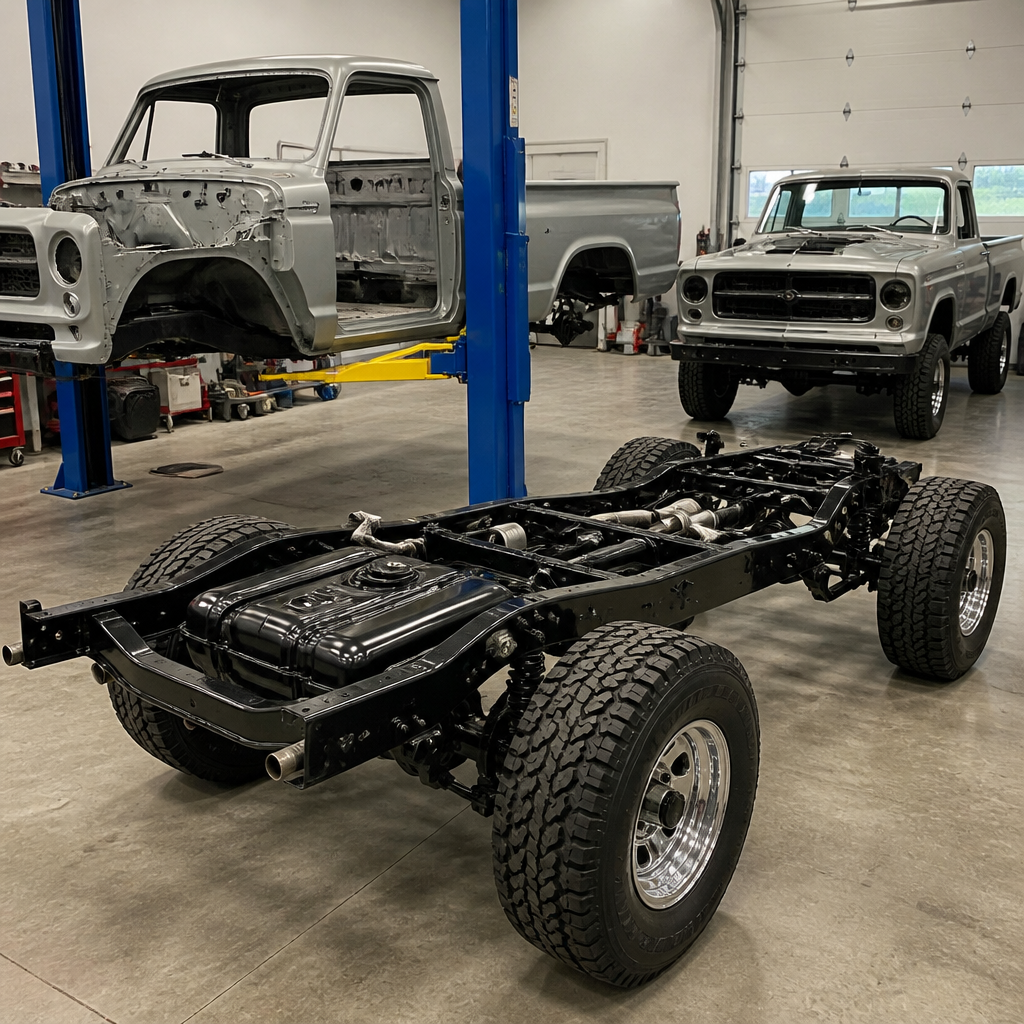
For planning purposes, most projects fit into a few broad categories. A running classic needing mechanical sorting, brake work, suspension refresh, tires, fluids, and minor cosmetic cleanup may take three to nine months. A partial restoration with paintwork, interior renewal, engine bay detailing, and selected driveline rebuilding commonly runs nine to eighteen months. A full rotisserie or body-off restoration usually lands in the eighteen-month to four-year range. Rare cars, heavily rusted cars, and authenticity-focused builds can exceed that, especially when specialist subcontractors are involved.
Home restorations almost always take longer than shop-led projects, even when workmanship is excellent. Life interrupts momentum. Parts ordering waits for pay cycles. Outsourced machine work sits in queue. Garage space is shared with family cars, weather matters, and some tasks require tools that must be borrowed, bought, or learned. A professional shop has workflow, jigs, paint facilities, vendor relationships, and staff specialization. That does not guarantee speed, but it usually produces a more predictable sequence.
| Restoration type | Typical timeline | Common work included | Main delay risks |
|---|---|---|---|
| Mechanical recommission | 3–9 months | Fuel system, brakes, cooling, ignition, tires, fluids, safety inspection | Seized fasteners, tank contamination, parts backorders |
| Driver-quality restoration | 9–18 months | Paint correction or repaint, suspension, interior, engine reseal, trim repair | Hidden rust, upholstery lead times, chrome plating queues |
| Full frame-off or rotisserie | 18 months–4 years | Complete disassembly, structural metal repair, full paint, drivetrain rebuilds, detailed reassembly | Fabrication, subcontractor delays, missing parts, budget resets |
| Concours-level factory-correct | 2–5+ years | Date-code research, original finishes, rare parts sourcing, extensive judging prep | Authenticity research, NOS part scarcity, repeated refinishing |
The restoration phases and where time really goes
Most owners imagine the bulk of time goes into engine rebuilding or paint spraying. In practice, the schedule is usually consumed by disassembly, assessment, body and metal work, parts cleaning, subcontractor waiting, and reassembly troubleshooting. The process starts with inspection and planning. Compression testing, leak-down testing, borescope inspection, frame measurement, rust mapping, and documenting casting numbers establish what the car actually needs. Skipping this stage leads to false budgets and chaotic sequencing.
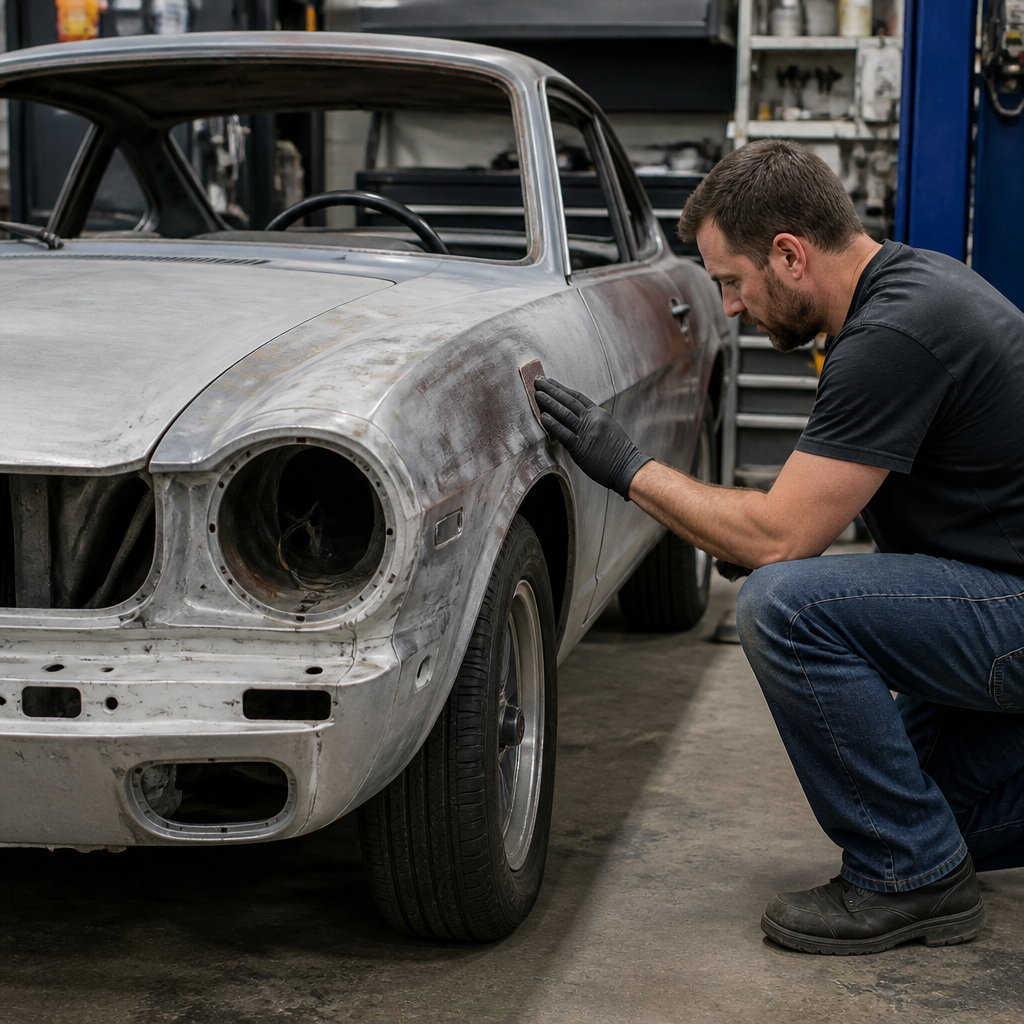
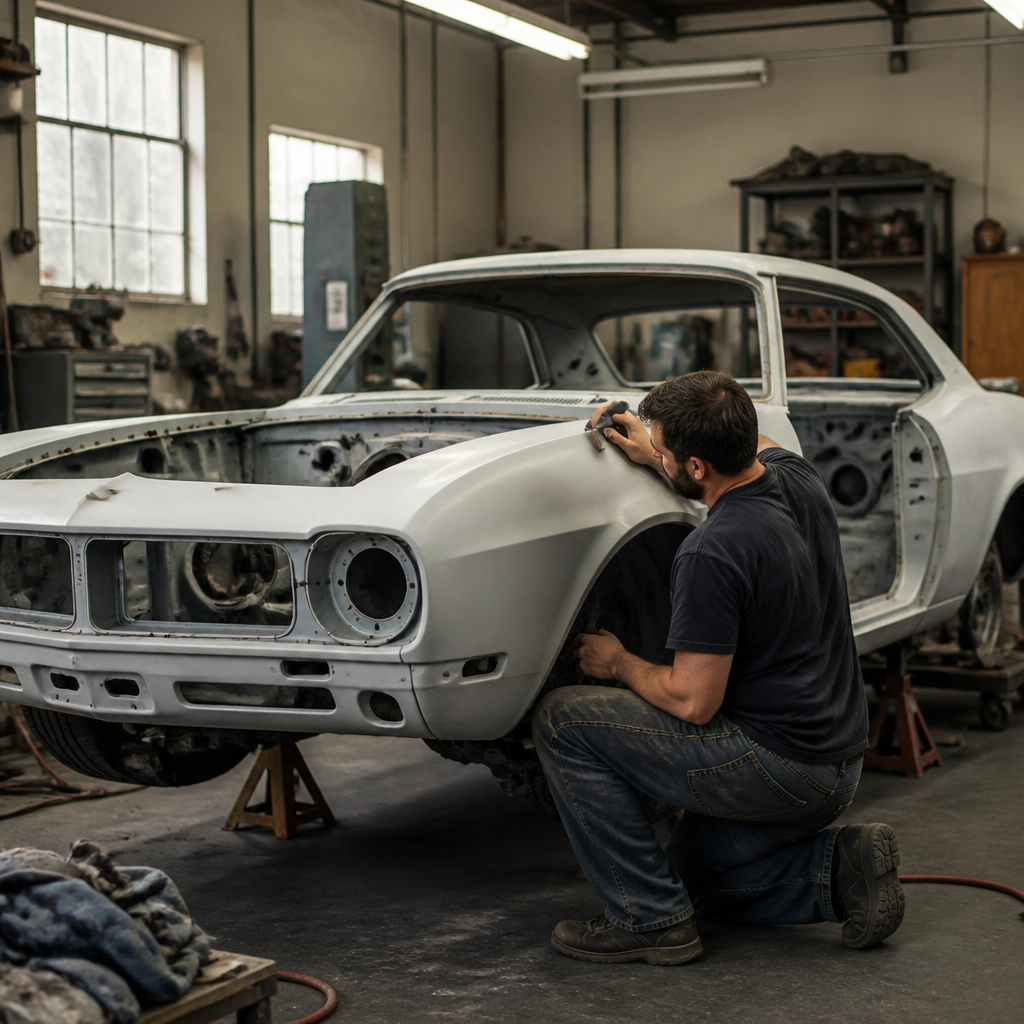
Disassembly comes next, and it is slower than newcomers expect. Every part must be labeled, photographed, bagged, and logged. Wiring routes, shim locations, clip styles, and body gap references matter later. Then comes media blasting or chemical stripping, where hidden history is exposed. Filler, brazed repairs, collision patches, and corrosion usually appear only after coatings come off. Metal repair and panel fitting follow. This is one of the longest phases because good bodywork is iterative. Panels are repaired, test-fit, removed, adjusted, primed, and tested again before final surfacing.
Paint and refinishing can move quickly in the booth, but preparation takes far longer than spraying. After paint cures, mechanical rebuilding and chassis assembly begin, often overlapping with interior work and trim restoration. Engines, transmissions, carburetors, distributors, steering boxes, and gauges are frequently outsourced to specialists. Final assembly is where many timelines slip. Reproduction parts may fit poorly. Weatherstrips can alter panel alignment. Wiring issues emerge only when systems are powered. Then the car still needs fluid filling, initial startup, break-in, alignment, brake bedding, carburetor tuning, and road testing to resolve leaks, vibrations, overheating, or charging faults.
Parts availability, labor, and shop workflow
Parts support can either compress a timeline dramatically or stretch it beyond the original estimate. Popular American muscle cars, Tri-Five Chevrolets, first-generation Mustangs, and classic trucks benefit from deep aftermarket catalogs from suppliers such as Classic Industries, YearOne, NPD, LMC Truck, and Ames Performance. By contrast, low-production imports, orphan brands, and certain luxury cars may require swap meets, owner forums, marque specialists, and custom fabrication. Even for well-supported models, quality varies. I often compare reproduction trim, seals, and sheet metal from multiple vendors because poor fitment can waste days.
Labor availability is just as important. Restoration shops do not work like collision centers focused on insurance throughput. Skilled metal technicians, body specialists, trimmers, machinists, painters, and electrical troubleshooters each operate on separate queues. Chrome plating is a major bottleneck in many markets because environmental regulations and consolidation have reduced vendor capacity. Engine machine shops can also add months during busy seasons. If a shop outsources upholstery, glass, differential setup, and instrument restoration, your car depends on every subcontractor meeting schedule.
Workflow discipline separates efficient projects from endless ones. The best shops create written scopes, milestone billing, parts staging shelves, and approval gates for discoveries. They do not reassemble a painted car until trim, seals, and hardware have been test-fit. They inventory every incoming part, chase backorders early, and reserve specialist time before the shell returns from paint. Owners should ask for photo documentation, projected milestone dates, and a change-order process. If a shop cannot explain where your car sits in the queue, the timeline is already at risk.
How to shorten a restoration without sacrificing quality
The fastest way to finish sooner is to start with the best, most complete car you can afford. Paying more for solid floors, present trim, and a running drivetrain is usually cheaper than resurrecting a bargain shell. Define the mission clearly before work begins. A weekend cruiser, local show car, and judged concours build are different projects with different schedules. Scope creep is the enemy. Adding fuel injection, air conditioning, custom wheels, upgraded brakes, sound deadening, and a transmission swap midstream may improve the car, but every addition affects fabrication, wiring, parts compatibility, and testing time.
Preparation saves months. Create a parts list early, buy manuals, confirm vendor lead times, and decide what will be restored versus replaced. If originality matters, identify date-sensitive parts before disassembly. If drivability matters more, prioritize systems in this order: brakes, fuel, cooling, steering, wiring, tires, and lighting. Keep a restoration log with part numbers, torque specs, subcontractor contacts, and photographs. Digital organization helps, but physical labeling is still critical. I use zip bags, printed tags, and shelf zones by vehicle area because memory is unreliable after a long project.
Finally, match the build to the available time and skill. There is no shame in a phased restoration. Many owners do better by first recommissioning a car into a safe driver, then upgrading cosmetics and correctness over several winters. That approach keeps enthusiasm high and exposes mechanical issues under real road use. It also prevents a complete teardown from becoming an abandoned project. Restoration basics are about sequencing, discipline, and honest assessment, not romantic promises about “having it done by summer.”
A classic car restoration takes as long as the condition, scope, and parts situation demand, but most delays are predictable when the project is planned properly. Solid, complete cars restore faster than rusty or incomplete ones. Driver-level projects often take months, while full body-off or concours builds frequently take years. The time is rarely spent only on dramatic tasks like paint and engine work; it disappears into inspection, metal repair, sourcing, subcontractor queues, and careful reassembly. That is why restoration basics matter so much within restoration and maintenance: they turn an emotional purchase into a manageable process.
If you want the best outcome, begin with a realistic goal, a detailed inspection, and a written scope. Buy the most complete car your budget allows, verify parts support before teardown, and choose a shop with visible workflow discipline if you are not doing the work yourself. When possible, phase the project so safety and drivability come first. That strategy shortens downtime, protects budget, and keeps momentum alive. Use this hub as your starting point for every restoration decision, then map your project step by step before the first wrench turns.
Frequently Asked Questions
How long does a classic car restoration usually take?
A classic car restoration can take anywhere from about six months to several years. That wide range is not an exaggeration. A solid car getting a light mechanical and cosmetic refresh may move quickly, especially if the owner wants a dependable weekend driver rather than a show-level result. On the other hand, a full teardown restoration on a rare or heavily deteriorated vehicle can stretch well beyond two years once bodywork, fabrication, paint, drivetrain rebuilding, interior work, and final assembly are all factored in.
The biggest reason timelines vary so much is that no two starting points are the same. One car may appear complete and rust-free, while another may hide structural corrosion, poor-quality old repairs, or missing parts that are expensive and difficult to source. Even organized, experienced restorers often discover new issues after the car is disassembled. That is why realistic planning matters. If you go into a project expecting surprises, budget time for parts delays, and understand the difference between a refresh and a true restoration, the timeline becomes much easier to manage.
What factors have the biggest impact on restoration time?
The four biggest factors are the car’s condition, the restoration goal, parts availability, and how consistently the work progresses. Condition comes first because hidden rust, collision damage, seized mechanical systems, and hacked previous repairs can add months before the visible restoration even begins. A car that has been stored poorly for decades may need extensive metal fabrication, wiring replacement, suspension rebuilding, and drivetrain work that was not obvious at the time of purchase.
Your end goal matters just as much. If you want a safe, presentable driver, the project can move faster because the focus is on reliability and usability. If you want a factory-correct restoration or concours-level finish, the timeline gets longer due to research, sourcing date-correct parts, meticulous body prep, exact trim selection, and more detailed assembly. Parts availability is another major variable. Common domestic models often have strong aftermarket support, while obscure imports, low-production classics, and one-year-only trim pieces can stall a build for months. Finally, consistency is critical. A restoration that gets regular shop time or steady weekend labor will move far faster than one that sits idle between funding gaps, schedule conflicts, or competing priorities.
Why do so many classic car restorations take longer than expected?
Most restorations run long because the initial assessment is rarely the whole story. What looks like a straightforward project on the outside often changes once the car is stripped down. Paint can hide filler, undercoating can hide rust, and incomplete cars can reveal missing brackets, hardware, trim, or interior components that are harder to replace than major mechanical parts. It is very common for an owner to start with a “quick refresh” in mind and then discover the car needs floor pans, trunk repair, brake system replacement, a wiring overhaul, and engine work before it is truly roadworthy.
Another reason projects drag out is that restoration work is highly sequential. You cannot rush body and paint if the metalwork is unfinished. You should not install a finished interior before dealing with leaks, wiring, or glass fitment. Final assembly often uncovers issues that require rework, such as panel alignment problems, electrical faults, fluid leaks, or incorrect reproduction parts. Even well-run projects lose time waiting on machine shops, upholstery work, chrome plating, specialty glass, or backordered components. In short, classic car restoration takes longer than people expect because once you start doing the job correctly, the car dictates the pace more than the original estimate does.
Is it faster to do a driver-quality restoration instead of a show-quality restoration?
Yes, in most cases a driver-quality restoration is significantly faster than a show-quality build. A driver restoration focuses on safety, mechanical reliability, decent cosmetics, and practical enjoyment. That often means repairing what is necessary, refinishing what is visible, and making sensible upgrades when original parts are too expensive or difficult to find. The goal is to get the car back on the road in a condition that looks good, runs well, and can be enjoyed without worrying about every factory marking, finish, and date code.
A show-quality restoration takes far longer because the standards are much higher in every area. Bodywork has to be straighter, paint prep has to be more exact, panel gaps must be more carefully dialed in, and components often need to be restored or sourced to exact original specifications. Research alone can add a great deal of time. Owners pursuing authenticity may spend months locating correct trim, hardware finishes, decals, upholstery patterns, and hard-to-find production details. That level of precision is rewarding, but it is slower, more expensive, and far less forgiving than building a solid driver. If speed is a priority, defining the project honestly from the beginning is one of the smartest decisions you can make.
How can I keep a classic car restoration from dragging on for years?
The best way to keep a restoration moving is to set a realistic scope before major work begins. Decide whether the car is becoming a weekend driver, a high-end restored street car, or a near-factory-correct show piece. That single decision influences nearly every timeline-related choice that follows. It is also important to inspect the car thoroughly at the start, including hidden rust-prone areas, structural sections, wiring condition, drivetrain health, and overall completeness. The more honest the evaluation, the less likely you are to be blindsided midway through the project.
From there, organization and consistency make a huge difference. Create a phased plan, budget for surprises, source hard-to-find parts early, and document disassembly carefully. If a professional shop is involved, ask for a clear process, regular updates, and realistic milestone estimates rather than optimistic promises. If you are doing the work yourself, commit to steady progress instead of waiting for the “perfect time.” Restoration momentum matters. Cars that sit untouched for long periods tend to become more expensive and more emotionally draining to finish. The projects that get completed are usually not the ones with the fewest problems, but the ones with the clearest goals, the best planning, and the most consistent follow-through.