
Choosing between full vs partial restoration is one of the most important decisions owners make when planning restoration basics for a home, vehicle, historic building, or valuable object. The choice affects cost, timeline, risk, usability, and long-term value. In simple terms, full restoration means returning an asset as completely as practical to a target condition, often close to original or fully renewed. Partial restoration means repairing, conserving, or upgrading selected areas while leaving sound components intact. Both approaches can be correct. After years working with restoration and maintenance projects, I have seen owners save money and preserve more authenticity by choosing partial work, and I have also seen delayed, piecemeal repairs turn into larger losses that a full restoration would have prevented.
Restoration basics start with understanding scope. Scope defines what will be repaired, replaced, cleaned, stabilized, refinished, documented, and tested. It also defines what will remain untouched. That sounds administrative, but scope is where budgets succeed or fail. A full restoration typically involves comprehensive inspection, structural or mechanical correction, cosmetic refinishing, and code or safety review. A partial restoration focuses on priority defects such as water damage, failing paint, worn upholstery, cracked masonry, corroded metal, or one malfunctioning system. The right choice depends on current condition, intended use, historical significance, available budget, and whether hidden deterioration is likely.
This matters because restoration is not simply about making something look better. It is about managing deterioration, preserving function, and making informed tradeoffs. A homeowner deciding whether to restore one damaged room or undertake a whole-house water damage rebuild faces different risks than a collector deciding whether to preserve patina on a classic car. Standards also matter. In building work, teams often refer to guidance from the Secretary of the Interior’s Standards, IICRC procedures for cleanup categories, and manufacturer specifications for coatings, adhesives, and finishes. In every category, the best results come from diagnosis before demolition and documentation before spending. That is the foundation of restoration basics and the reason the full versus partial decision should never be rushed.
What Full Restoration Means in Practice
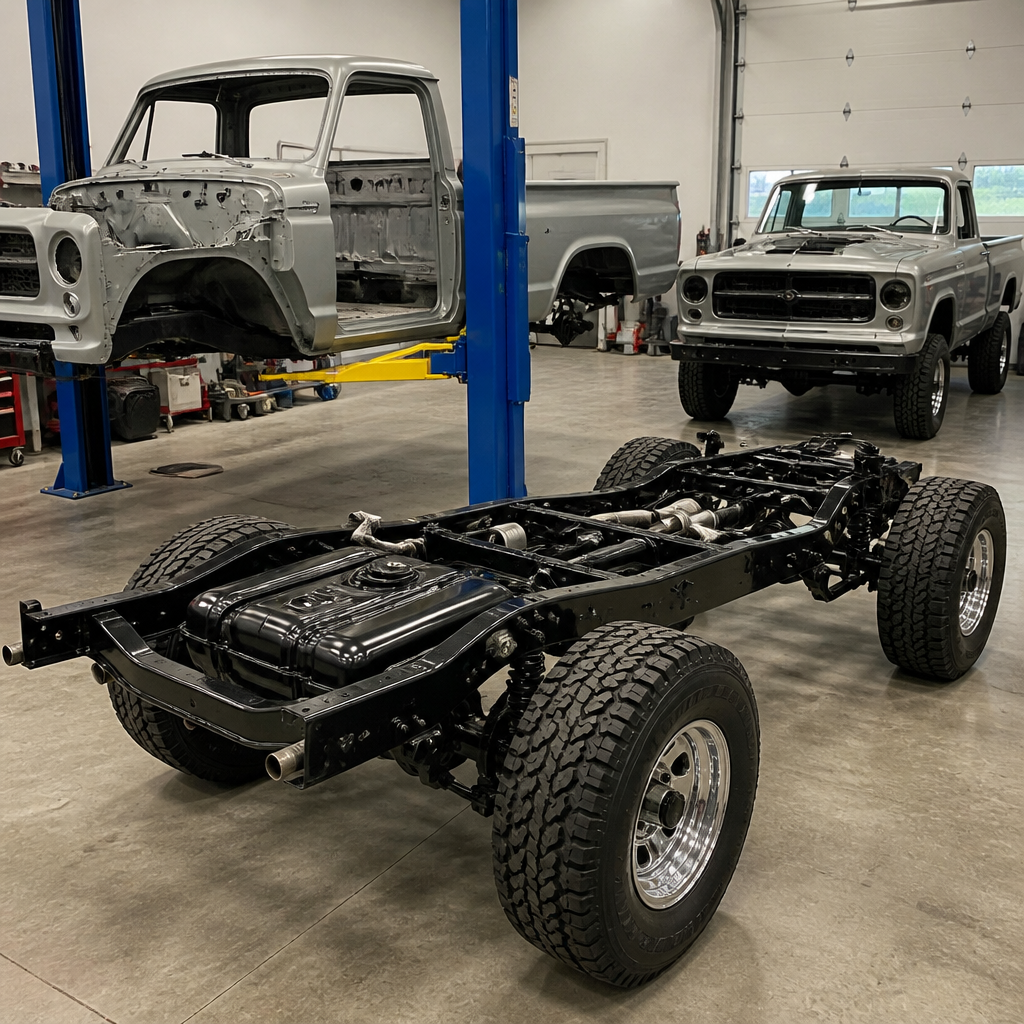
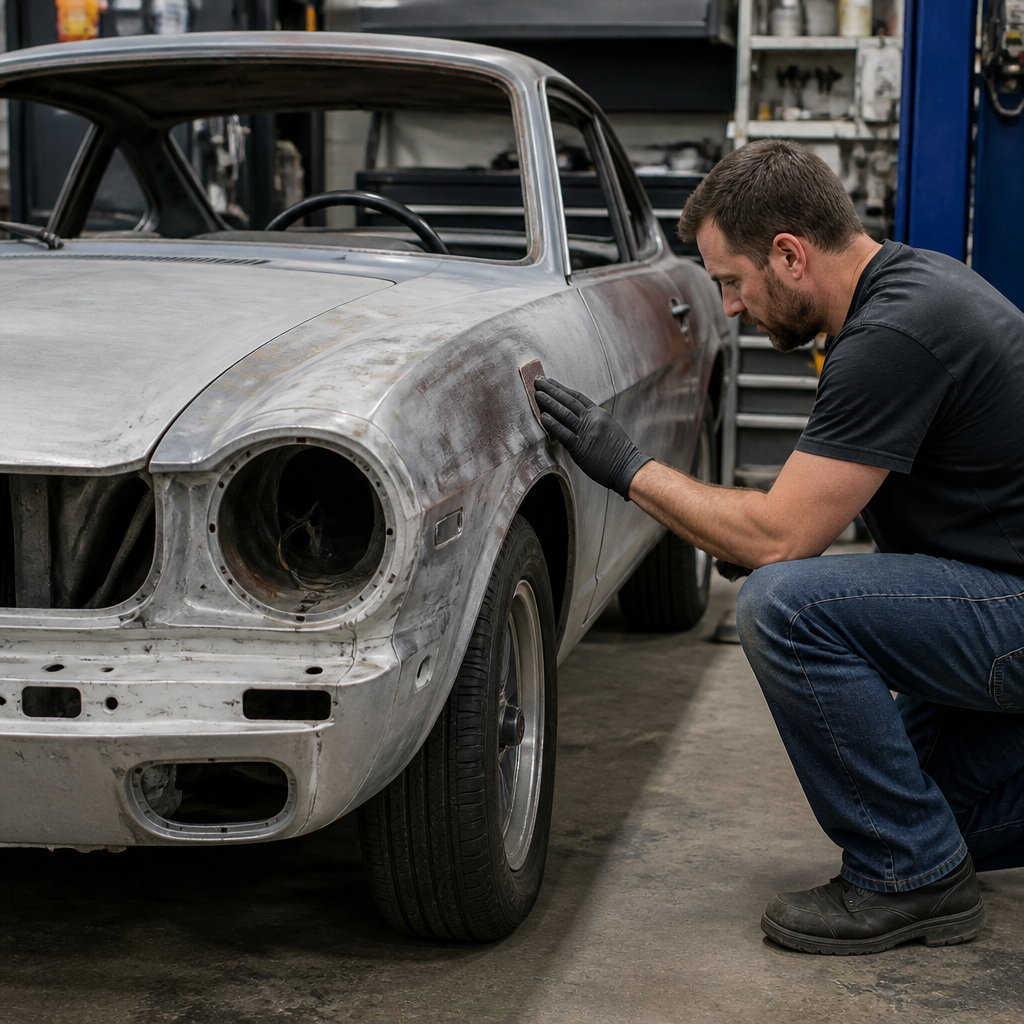
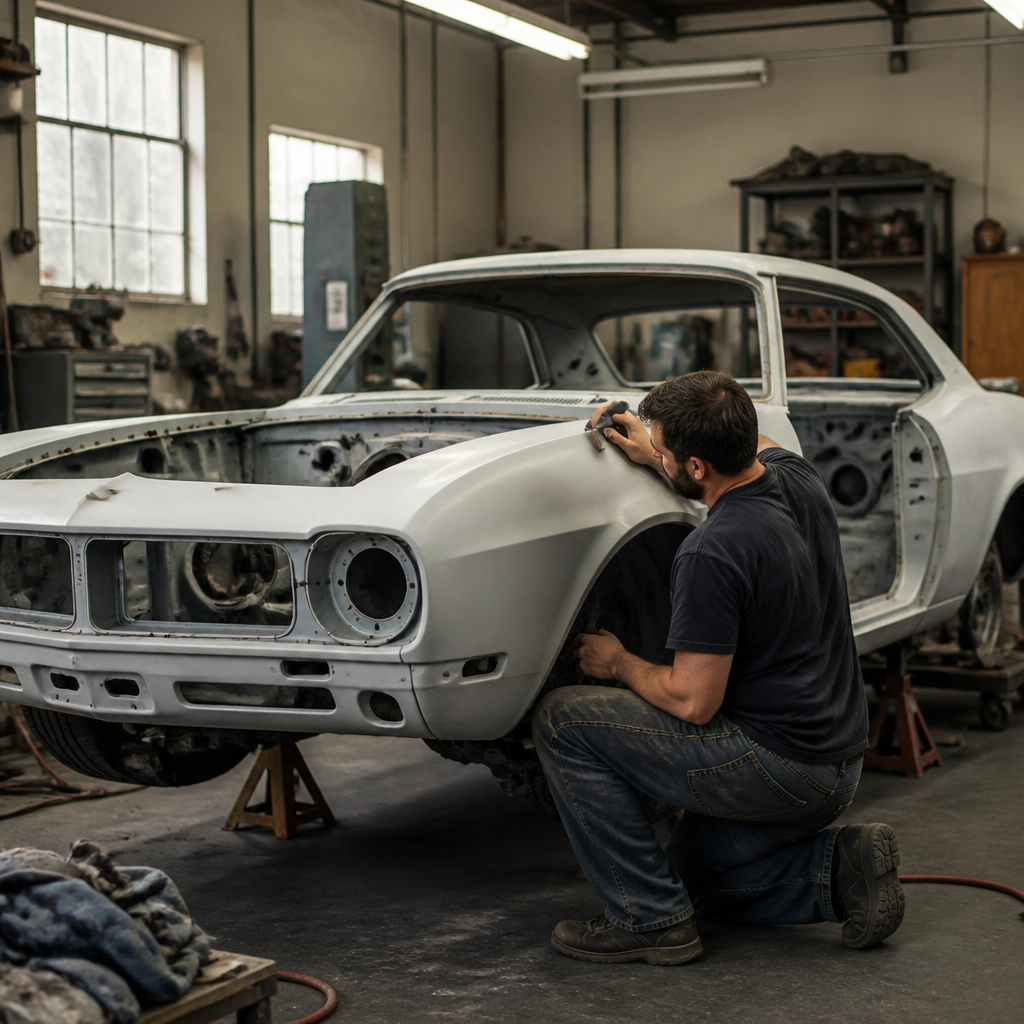
Full restoration is a comprehensive intervention designed to bring an asset to a defined benchmark condition. That benchmark may be original appearance, historically accurate condition, fully renewed function, or market-ready presentation. In practice, full restoration usually starts with a detailed assessment: moisture readings, structural inspection, corrosion evaluation, finish testing, mechanical diagnostics, photographic documentation, and cost modeling. On a house, this could include roofing, framing repairs, electrical updates, drywall replacement, flooring, trim, cabinetry, and repainting. On a car, it may involve bodywork, drivetrain rebuild, suspension, interior, seals, wiring, and paint correction. On furniture, it can mean joint repair, veneer stabilization, finish removal, stain matching, and hardware refurbishment.
The main advantage of full restoration is control. When I manage a fully scoped project, I can coordinate sequencing so that hidden damage is addressed before finishes go back on. That reduces the chance of trapping moisture, painting over unstable surfaces, or preserving a mechanical part that soon fails and forces rework. Full restoration is often the better choice when deterioration is systemic rather than isolated. Examples include widespread rot from chronic leaks, rust throughout structural panels, repeated smoke contamination, termite damage across multiple framing members, or lead-based paint failure in several rooms. In those cases, spot repairs may look cheaper initially but can create fragmented results and repeat labor costs.
Full restoration also makes sense when consistency matters. Historic properties open to the public, high-value classic cars judged at shows, and residences being prepared for sale often benefit from complete, coherent work. Buyers and inspectors notice mismatched finishes, uneven repairs, and deferred defects. A full approach allows materials, colors, profiles, and installation methods to be aligned across the entire project. It also simplifies warranty administration because one contractor or coordinated team can document the complete baseline condition and final deliverables.
What Partial Restoration Means and When It Works Best
Partial restoration targets specific damaged, unsafe, or heavily worn areas without rebuilding everything around them. This is not the same as cutting corners. Done properly, partial restoration is a disciplined method of preserving sound material, controlling budget, and limiting disruption. Common examples include refinishing only the front elevation of a weathered building, replacing localized subfloor damaged by a dishwasher leak, rebuilding one carburetor and fuel line system instead of overhauling an entire vehicle, or conserving a wood table’s loose joints while keeping its aged finish intact. The key is that the remaining components must be stable enough to justify leaving them in place.
Partial work is often the stronger option when authenticity matters. In conservation-minded projects, original material has value that cannot be recreated once removed. I have advised owners of old brick buildings not to sandblast entire walls when only a few mortar joints had failed, because aggressive cleaning would permanently damage fired faces and accelerate moisture absorption. Likewise, on antique furniture, stripping every surface can erase tool marks, color depth, and patina that collectors prize. In these cases, restoration basics point toward minimum necessary intervention: stabilize what is failing, clean with compatible methods, and replace only what cannot be saved.
Budget and operational needs also favor partial restoration in many real situations. A family living in a house may not be able to vacate for a whole-home restoration, but they can phase bathroom, roof, and window work over time. A restaurant can restore smoke-damaged dining areas first and defer office finishes. A fleet owner may rebuild one critical machine component to keep operations running. Partial restoration is most successful when priorities are ranked clearly: safety first, water intrusion second, structural integrity third, functional systems fourth, cosmetics last. Without that order, owners often spend on visible surfaces while hidden causes continue to worsen.
How to Compare Full and Partial Restoration
The fastest way to choose between full vs partial restoration is to evaluate condition, risk, budget, and purpose together rather than separately. If hidden damage is probable, if systems interact, or if repeated access will destroy finished work, full restoration usually wins. If damage is localized, original material is valuable, and interruption must be limited, partial restoration is usually more efficient. The table below summarizes the practical differences I review with clients before finalizing scope.
| Factor | Full Restoration | Partial Restoration |
|---|---|---|
| Scope | Entire asset or system addressed | Only selected areas or components addressed |
| Upfront cost | Higher initial investment | Lower initial investment |
| Hidden damage control | Best opportunity to uncover and correct | May leave concealed issues untouched |
| Historical material retention | Can reduce originality if overdone | Usually preserves more original fabric |
| Project duration | Longer, often more disruptive | Shorter, easier to phase |
| Finish consistency | High visual and functional consistency | Possible mismatch between old and new areas |
| Lifecycle cost | Lower if systemic defects are present | Lower if defects are truly isolated |
| Best use case | Widespread deterioration or major repositioning | Localized damage or conservation-focused work |
Condition assessment drives this comparison. On building projects, I rely on moisture mapping, borescope checks, level surveys, and selective opening of suspect assemblies. On vehicles, compression testing, rust probing, fluid analysis, and parts availability are decisive. On objects and finishes, adhesion testing, microscopy, or solvent sensitivity testing may be necessary. Good restoration basics always start with evidence, not assumptions. Owners who skip this step tend to compare options based only on visible damage, which is rarely the full story.
Cost, Value, and Timeline Tradeoffs
Cost is usually the first question, but it should not be the only one. Full restoration costs more at the beginning because it involves broader labor, more materials, and often specialized trades. However, partial restoration can cost more over the asset’s life if crews must repeatedly mobilize, finished areas must be reopened, or unresolved root causes spread. I have seen a modest ceiling stain turn into a five-figure repair because the owner repainted three times instead of tracing the leak path, opening the assembly, and correcting insulation, flashing, and microbial growth together. Cheap work is not the same as economical work.
Value depends on the type of asset. For a personal residence, value may mean safety, comfort, energy performance, and reduced surprise repairs more than resale alone. For a classic vehicle, value may hinge on provenance, numbers-matching components, and documentation. For a landmark structure, value includes cultural significance and regulatory compliance. Full restoration may increase marketability where buyers want a turnkey result. Partial restoration may preserve collector value where originality commands a premium. The correct calculation is not just “what will this cost” but “what value am I trying to protect or create.”
Timeline should be judged in calendar days and operational impact. A shorter partial project may still be disruptive if it affects occupied spaces repeatedly over several months. A single larger project can sometimes finish faster overall because trades are coordinated once, permits are issued once, and materials are ordered in one sequence. On the other hand, full restoration can expose owners to supply chain delays, change orders, and financing pressure. Restoration basics therefore require a phased schedule, contingency allowance, and decision deadlines for finishes and substitutions before work begins.
Preservation, Safety, and Compliance Considerations
One of the most overlooked issues in full vs partial restoration is the balance between preservation and safety. Preserving original fabric is admirable, but unsafe wiring, unstable plaster, active mold, or failing brakes should never remain simply because they are old. The right approach is selective retention: keep what is sound and significant, replace what is hazardous or beyond repair, and document all interventions. This principle is standard across good restoration practice. It respects history without romanticizing deterioration.
Compliance can influence scope more than owners expect. Building permits may trigger requirements for electrical upgrades, egress corrections, tempered glass, handrail geometry, or accessibility improvements depending on jurisdiction and extent of work. Environmental hazards matter too. Lead paint, asbestos-containing materials, sewage contamination, and Category 3 water losses require controlled handling, proper personal protective equipment, and disposal procedures. In those cases, a partial approach may still be possible, but only if containment boundaries are realistic and unaffected areas can be protected effectively. When contamination has spread through HVAC systems, porous materials, or concealed cavities, full restoration often becomes the safer path.
Documentation is essential whichever route you choose. Before-and-after photos, moisture logs, invoices, finish schedules, product data sheets, and maintenance recommendations protect owners and future buyers. I always tell clients that undocumented restoration loses value twice: first because quality is harder to verify, and second because future decision-making becomes guesswork. Restoration basics are not glamorous, but records, inspections, and test results are what separate professional outcomes from cosmetic patchwork.
How to Make the Right Decision for Your Project
If you are choosing between full and partial restoration, start with five questions. What is the real extent of damage? What is causing it? What original material is worth preserving? What level of performance do you need when the project is complete? And what budget can you sustain including a contingency of at least 10 to 20 percent? These questions turn an emotional decision into a structured one. They also help contractors provide comparable bids instead of wildly different proposals that appear inconsistent because the scopes are not aligned.
Next, get an assessment from the right specialist. A general contractor may be appropriate for broad building repairs, but a preservation architect, structural engineer, indoor environmental professional, automotive marque expert, or furniture conservator may be the better first call depending on the asset. Ask for a written scope with assumptions, exclusions, salvage strategy, testing recommendations, and unit prices for likely alternates. That is the best way to compare full vs partial restoration honestly. If a proposal does not explain what remains unaddressed, it is incomplete.
In most projects, the winning strategy is not ideological. It is a hybrid. Full restoration may be necessary for the roof assembly, electrical panel, or corroded chassis, while partial restoration is smarter for original millwork, sound hardwood floors, or stable interior finishes. Restoration basics are about matching intervention to actual condition. Choose full restoration when damage is systemic, safety is compromised, or consistency is critical. Choose partial restoration when defects are isolated, authenticity matters, and preserved materials remain serviceable. If you are planning work now, document existing conditions, define priorities, and bring in qualified experts before opening walls or ordering finishes. That single step will save money, protect value, and lead to a restoration you will not have to redo later.
Frequently Asked Questions
What is the main difference between a full restoration and a partial restoration?
A full restoration involves bringing the entire asset back to a clearly defined target condition, whether that means near-original appearance, full structural and mechanical renewal, or a complete top-to-bottom refurbishment. In practical terms, this approach addresses all major systems, surfaces, and components rather than focusing on only the most visible or urgent problems. For a home, that may include roofing, electrical, plumbing, finishes, windows, insulation, and layout corrections. For a vehicle, it can mean bodywork, paint, drivetrain, interior, suspension, and trim. For a historic building or collectible object, it often includes careful research, material matching, and detailed conservation work to recover authenticity and function.
A partial restoration, by contrast, targets specific issues while leaving sound or less critical areas untouched. This may include stabilizing damage, repairing worn sections, improving usability, or updating selected systems without committing to a full rebuild. Owners often choose this path when budget, time, occupancy needs, or preservation goals make a complete restoration unnecessary or impractical. The biggest distinction is scope: full restoration is comprehensive and transformational, while partial restoration is selective and strategic. Neither is automatically better. The right choice depends on the asset’s condition, your goals, your tolerance for disruption, and whether you are trying to maximize originality, function, value, or efficiency.
How do I know whether full or partial restoration is the better choice for my project?
The best choice starts with an honest assessment of condition, purpose, and budget. If the asset has widespread deterioration, outdated systems, hidden damage, repeated failures, or safety issues across multiple areas, a full restoration may be the smarter long-term investment. This is especially true when separate repairs would overlap, when opening one area is likely to reveal additional problems, or when the final goal requires consistency throughout the property or object. A full approach is also often the better fit when historical accuracy, complete renewal, resale positioning, or reliable long-term performance matters more than minimizing upfront costs.
Partial restoration usually makes more sense when the asset is fundamentally sound and the problems are limited, localized, or cosmetic. It can also be the better path if you need to preserve original materials, keep the asset in active use during the work, phase spending over time, or address only the most important priorities first. For example, you might repair water-damaged portions of a home while leaving intact original woodwork alone, or rebuild only the drivetrain and brakes on a classic vehicle while postponing paint and interior work. A professional inspection is essential here, because many owners underestimate hidden issues. The strongest decision usually comes from comparing three things side by side: the current condition, the total cost of phased partial work over time, and the cost and benefit of doing everything comprehensively now.
Is a full restoration always more expensive, or can it save money in the long run?
A full restoration almost always carries a higher initial price because it covers more labor, materials, planning, and downtime. However, higher upfront cost does not automatically mean higher lifetime cost. In many situations, a comprehensive restoration can reduce repeat labor, prevent cascading failures, and eliminate the inefficiency of reopening the same areas multiple times. For instance, restoring a building’s structure, wiring, plumbing, insulation, and finishes in one coordinated project is often more cost-effective than repairing each issue separately over several years. The same principle applies to vehicles and other assets, where partial fixes may improve one system only for another neglected system to fail later.
That said, full restoration only saves money in the long run when the scope is well planned and aligned with the asset’s real value and intended use. Over-restoring a low-value asset can make little financial sense. Partial restoration can be more economical when the item has limited damage, when only key functions need improvement, or when preserving untouched original elements is preferable to replacing them. The most accurate way to judge cost is not to ask which option is cheaper today, but which option delivers the best return for your purpose over five, ten, or twenty years. A detailed scope of work, condition report, and contingency allowance will help you compare true total cost rather than just the starting estimate.
What risks should I consider before choosing partial restoration instead of full restoration?
The biggest risk of partial restoration is that it can leave underlying or connected problems unresolved. Assets rarely wear out in perfectly isolated ways. A repaired surface may conceal deeper structural weakness, a refreshed interior may sit on outdated mechanical systems, or a restored exterior may protect materials that are still deteriorating internally. In other words, partial restoration can sometimes improve appearance or short-term function without fully addressing root causes. This can lead to recurring repairs, uneven performance, aesthetic inconsistency, and surprise costs later. There is also a planning risk: if future work will require undoing today’s repairs, the project may become less efficient overall.
Another important concern is balance. In homes and historic properties, for example, updating one area without addressing adjacent components can shift loads, moisture patterns, or energy performance in unintended ways. In vehicles, improving power without addressing brakes or suspension can create safety and drivability problems. In collectible or historic objects, partial work done without proper conservation standards can reduce authenticity or long-term integrity. None of this means partial restoration is a bad idea. It simply means it should be approached strategically. The safest partial restoration plans begin with a whole-asset evaluation, prioritize stabilization and safety first, and map out future phases so current work supports rather than complicates later improvements.
How does restoration choice affect usability, resale value, and historical integrity?
Your choice has a direct impact on how the asset performs day to day, how buyers or appraisers perceive it, and how much original character is retained. A full restoration often produces the most uniform usability because systems, finishes, and structural elements are renewed together. This can improve comfort, reliability, safety, and visual consistency. It may also support stronger resale appeal in markets where buyers want turn-key condition and fewer immediate maintenance concerns. For certain high-value homes, collector vehicles, and landmark properties, a professionally documented full restoration can be a major selling advantage, particularly when workmanship and materials align with recognized standards.
Partial restoration can also protect value, especially when buyers or stakeholders appreciate originality and thoughtful preservation. In some historic contexts, retaining as much original material as possible is more important than making everything look brand new. A selective approach can preserve patina, craftsmanship, and period details that would be lost in a more aggressive restoration. It can also keep the asset usable during the process and avoid unnecessary intervention. The key is matching the restoration strategy to the asset’s identity and market. If usability and broad buyer appeal matter most, full restoration may be the stronger option. If authenticity, material conservation, and targeted improvement are the priority, partial restoration may better support long-term value. The best outcomes come from defining your end goal early: daily use, collection quality, historical stewardship, investment return, or a balanced combination of all four.