Choosing the right car for restoration determines whether your project becomes a rewarding long-term build or an expensive, half-finished burden. In restoration basics, the vehicle you buy matters more than the paint color you prefer or the engine swap you dream about, because every later decision follows from the condition, rarity, parts support, and intended use of that car. I have seen first-time restorers buy with their emotions, then discover severe rust, missing trim, impossible-to-find glass, or paperwork issues that turn a hopeful purchase into years of frustration. A smart start avoids that trap.
A car restoration usually means returning a vehicle to reliable, correct, or improved condition through mechanical repair, bodywork, paint, interior refurbishment, and careful parts sourcing. Not every project aims for factory originality. Some owners want concours accuracy, others want a dependable weekend cruiser, restomod, rally replica, or family heirloom preserved for another generation. Choosing the right car for restoration means matching the project to your budget, skills, workspace, timeline, and end goal. That is why this decision sits at the center of restoration basics.
This topic matters because restoration costs rise faster than most beginners expect. A seemingly cheap project can require welding, metal fabrication, drivetrain rebuilding, electrical troubleshooting, upholstery work, and specialist finishing. According to valuation patterns tracked by Hagerty and auction results from Bring a Trailer, finished values often vary dramatically even within the same model, depending on trim, originality, and documentation. The wrong starting point can leave you financially upside down before the car ever reaches primer. The right starting point gives you available parts, a realistic path, and a car worth driving when the work is done.
As a hub within Restoration & Maintenance, this guide covers the restoration basics that support every later article: setting a goal, choosing the right type of project, inspecting condition, estimating total cost, checking paperwork, understanding parts supply, and deciding when to walk away. If you answer those questions honestly before you buy, you will narrow the market quickly and choose a project that fits your life rather than just your imagination.
Start With the End Goal Before You Shop
The best way to choose the right car for restoration is to define the finished car first. Ask one direct question: what will the car do when the restoration is complete? A show car, weekend cruiser, period-correct restoration, track toy, overland build, or family keepsake each requires a different starting vehicle. If your goal is a reliable driver, completeness and structural health matter more than matching-number purity. If your goal is originality, factory options, date-coded components, and trim correctness become much more important.
I advise buyers to write a one-page project brief before viewing any car. Include intended use, budget ceiling, preferred era, nonnegotiable features, and whether you care about resale value. This prevents impulse buying. For example, an air-cooled Porsche 911 project may satisfy the dream-car instinct, but if your real goal is to learn restoration basics with strong parts support, a first-generation Ford Mustang or MGB is often a better fit. The market offers more reproduction parts, more repair panels, and a deeper knowledge base.
Your goal also determines how much modification makes sense. A rare muscle car with original drivetrain components may deserve a conservative restoration because originality drives value. A common pickup with no special pedigree can be a smart platform for upgrades such as disc brakes, electronic ignition, and modern cooling. The key is alignment. Restoration projects fail when the buyer wants a simple driver but purchases a rare, incomplete shell that demands specialist work.
Match the Project to Your Budget, Skills, and Time
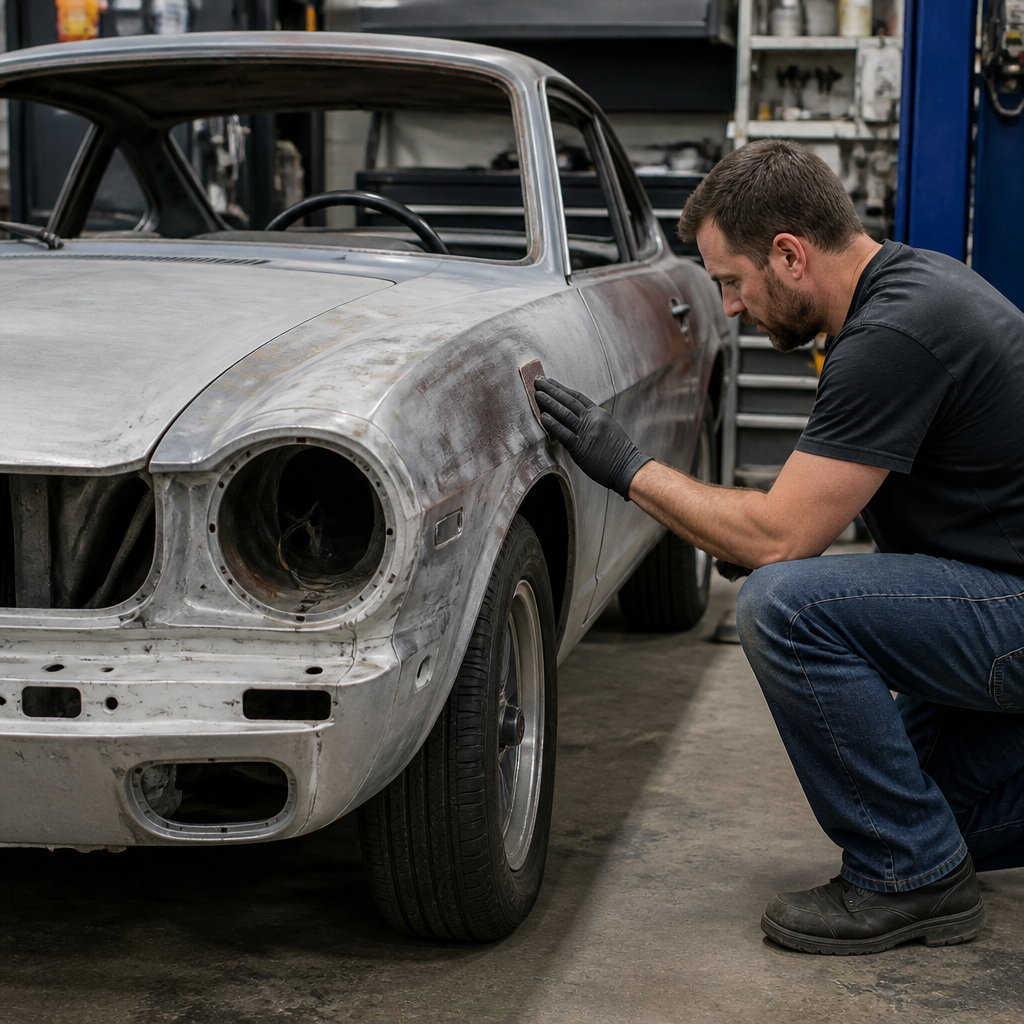
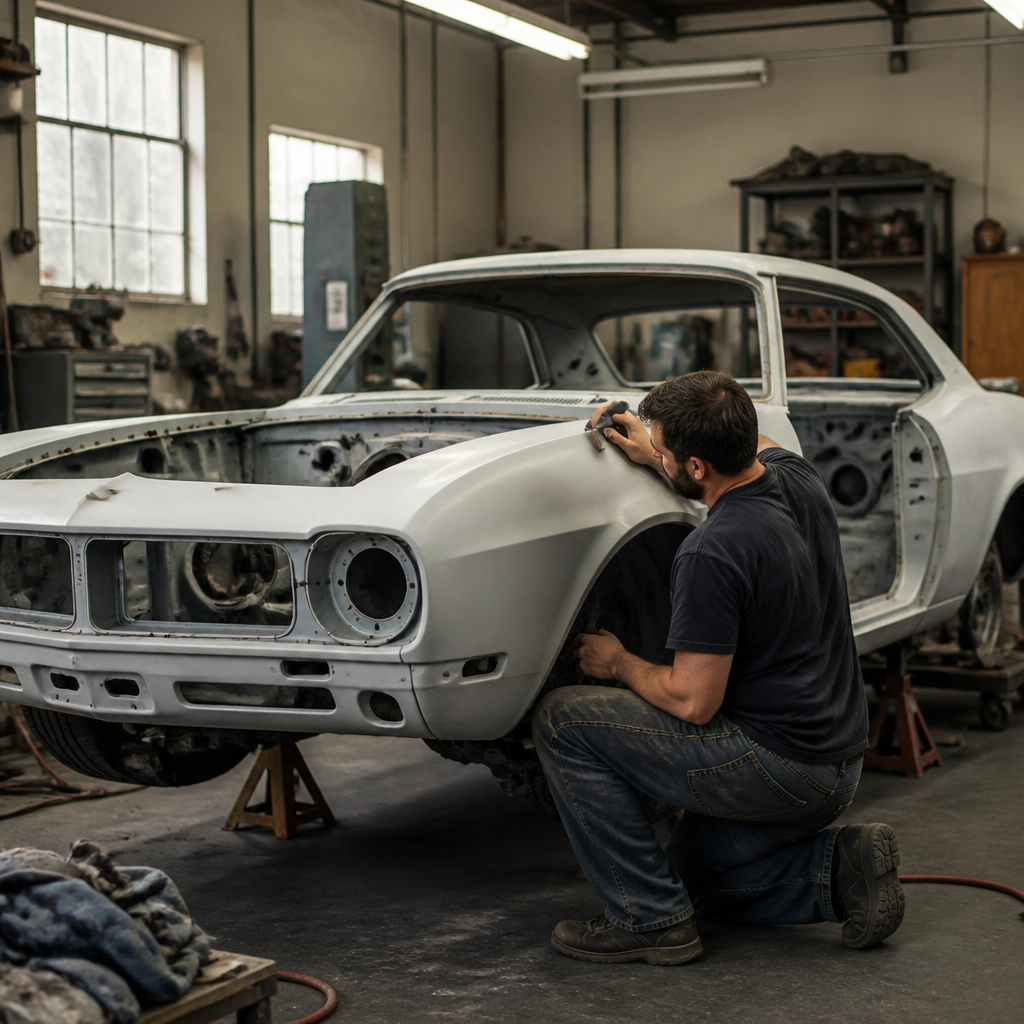
Most restoration budgets fail because owners price the purchase only, not the full build. A solid project car with a higher purchase price is usually cheaper than a bargain shell needing floors, quarters, trunk pans, suspension, drivetrain, chrome, and interior. Body and paint alone can consume five figures at a reputable shop because metalwork is labor-intensive and skilled labor is expensive. Engine machining, upholstery, plating, weatherstripping, and glass replacement quickly add more.
Be realistic about what you can do yourself. If you can handle disassembly, cataloging, suspension work, brake service, and basic wiring, you can save meaningful money. If you cannot weld or paint, structural rust and cosmetic refinishing become outsourced costs. Time matters too. A one-year rolling restoration is very different from a full teardown that occupies your garage for five years. I have watched owners lose momentum simply because the project blocked daily life and consumed every weekend.
| Project Type | Best For | Main Risks | Typical Cost Pattern |
|---|---|---|---|
| Running driver needing cosmetics | Beginners, limited space, usable classic | Hidden rust, deferred maintenance | Higher purchase price, lower restoration spend |
| Complete non-running car | Intermediate restorers | Unknown engine, fuel, brake, electrical issues | Moderate purchase price, variable repair costs |
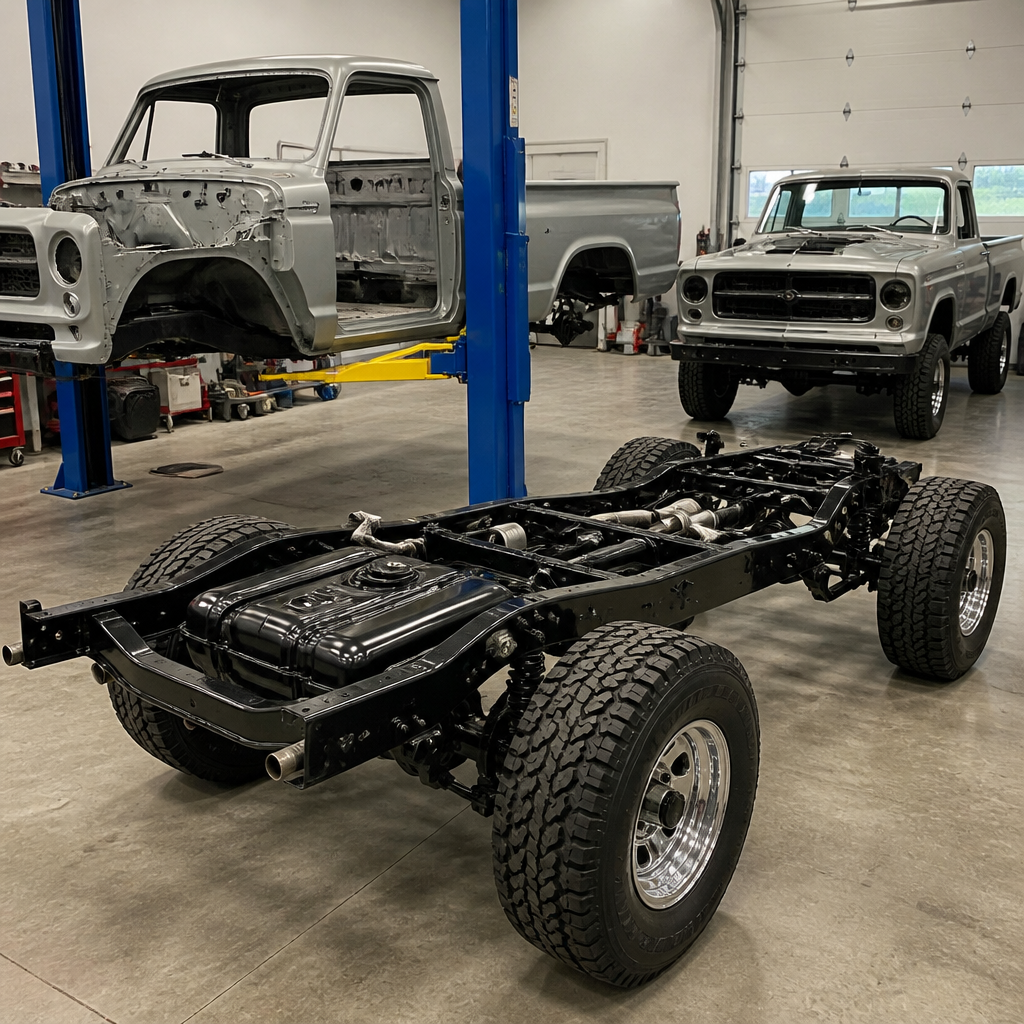
| Disassembled project in boxes | Experienced restorers only | Missing parts, assembly errors, no baseline | Cheap entry, expensive and slow completion |
| Bare shell with drivetrain missing | Fabricators or custom builders | Major structural work, sourcing complexity | Low purchase price, highest total build cost |
This comparison is why restoration basics always begin with an honest capacity check. If this is your first project, buy the most complete, rust-free, running example you can afford. That advice is not glamorous, but it is consistently correct.
Inspect Condition Ruthlessly, Especially Rust and Structural Integrity
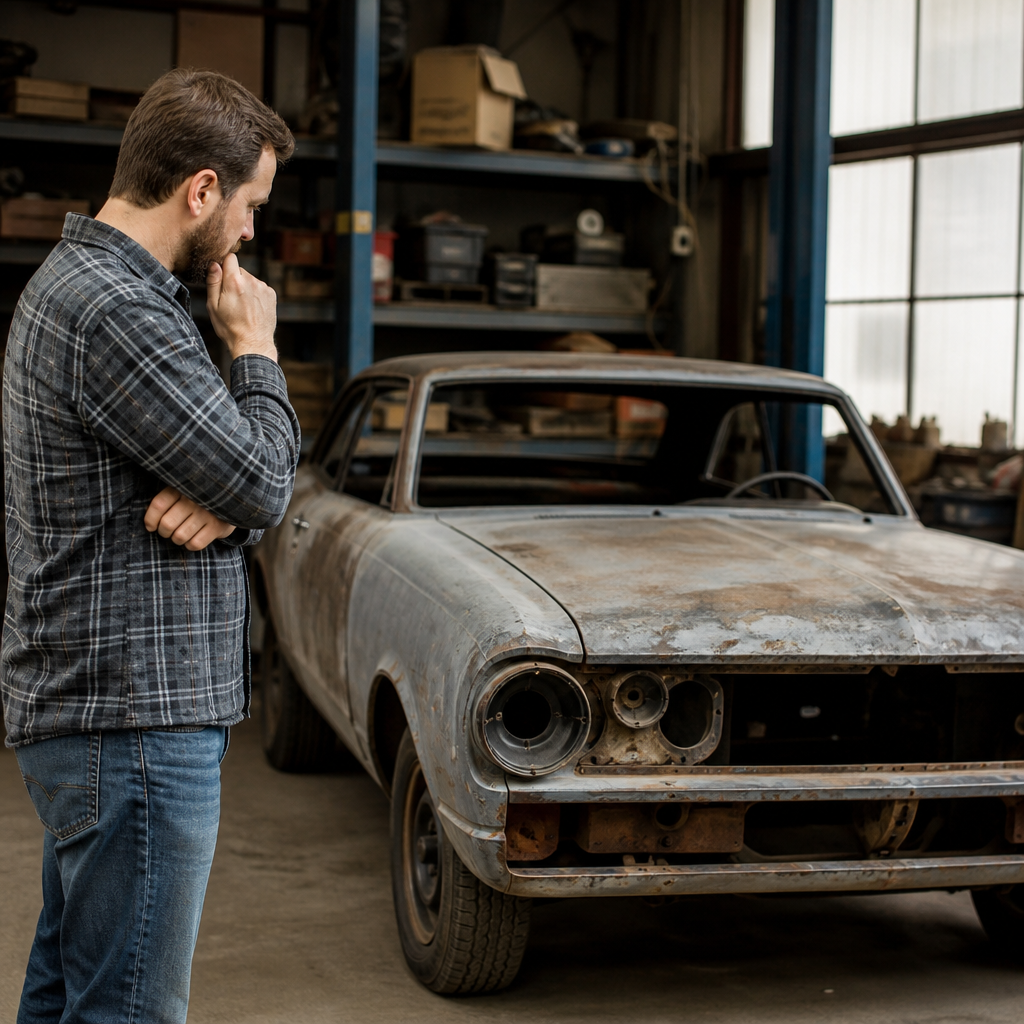
When choosing the right car for restoration, condition outranks almost every other factor. Rust is usually the costliest issue because it affects structure, fitment, safety, and paint quality. Surface rust on a battery tray is manageable. Rust-through in frame rails, rocker panels, shock towers, cowl sections, floor braces, windshield channels, or torsion bar mounts is a different category entirely. Hidden corrosion spreads behind seam sealer, under vinyl tops, beneath undercoating, and inside boxed sections.
Bring a flashlight, magnet, inspection mirror, borescope if possible, and clothes you do not mind getting dirty. Look for waviness in lower body lines, overspray on seals, inconsistent panel gaps, fresh undercoating hiding repairs, and patch panels riveted rather than welded. Tap suspect metal lightly. Probe drain areas. Inspect trunk floors from above and below. Check jacking points and suspension pickup points. Evidence of collision damage, poor alignment, or twisted structure can be harder to fix than a tired engine.
Mechanical condition matters, but mechanical systems are usually easier to replace than rusted structure. Engines, transmissions, brake hydraulics, radiators, fuel tanks, and wiring harnesses can all be rebuilt or sourced. Unibody corrosion, on the other hand, affects everything from door closure to windshield fit. I would rather buy a complete car with a worn-out engine and solid floors than a freshly painted car hiding rotten sills. If you need guidance beyond this hub, continue with our inspections, rust repair, and bodywork resources within Restoration & Maintenance.
Choose Models With Strong Parts Supply and Community Support
Parts availability determines restoration speed, cost, and quality. Before buying any candidate, research whether reproduction sheet metal, weatherstripping, glass, trim clips, bushings, wiring harnesses, and interior kits exist. Models with mature aftermarket support are dramatically easier to restore. Early Mustangs, Camaros, Beetles, Chevy C10s, MGBs, and classic Broncos benefit from broad catalogs from suppliers such as National Parts Depot, Moss Motors, CIP1, and Dennis Carpenter. That support lowers downtime and reduces fabrication work.
Community knowledge matters almost as much as parts. Active owners’ clubs, model-specific forums, factory service manuals, and restoration guides can save hundreds of hours. For many British, German, American, and Japanese classics, common faults are already documented in detail, including wiring color codes, carburetor settings, torque specs, and interchange charts. A first-time restorer should value a large enthusiast base because answers come faster and mistakes become less expensive.
Beware of obscure variants, one-year-only trim, and low-production luxury or coachbuilt models. They can be fascinating, but missing trim or glass may require expensive used parts hunts or custom fabrication. Even common models can have difficult sub-variants; a base coupe may be straightforward, while a top-trim convertible with unique moldings and interior pieces can be far more costly. When in doubt, choose the version with the best supply chain rather than the rarest badge.
Verify Paperwork, Originality, and Legal Practicality
A restoration project should come with clean, transferable paperwork. Title problems can stop a build cold, especially in states with strict registration rules. Verify the VIN on the chassis, dash, title, and any factory tags. Check whether the engine and transmission numbers matter for the model’s value. On some collector cars, matching-number originality significantly affects resale. On others, drivability and workmanship matter more than casting dates.
Documentation adds confidence and value. Look for service records, previous restoration photos, ownership history, factory build sheets, protect-o-plates, dealer invoices, and heritage certificates where applicable. These records help you confirm what the car was originally and whether key components belong with it. They also guide correct color, trim, and option choices if you plan a factory-style restoration.
Legal practicality extends beyond title status. Ask whether emissions exemptions apply in your region, whether imported vehicles meet local requirements, and whether modified cars can be insured at agreed value. Hagerty, Grundy, and similar insurers often have usage and storage requirements. If your dream project cannot be easily registered, insured, or legally driven where you live, it may not be the right car for restoration no matter how appealing it looks in photos.
Know When Value Supports the Work, and When It Does Not
Not every restoration should be judged by resale value, but every buyer should understand the economics. Some projects make sense because of sentimental importance. Others need a realistic value ceiling so costs do not spiral far beyond market worth. Review comparable sales by condition, trim, drivetrain, and originality. Auction archives, insurer valuation tools, marque clubs, and classified trends reveal whether a finished example supports a full restoration or only selective refurbishment.
This is where restoration basics become practical. A common sedan with low collector demand may still be a great family project if you keep the scope sensible: make it safe, reliable, and presentable rather than concours-perfect. By contrast, a high-value sports car with documented provenance may justify expensive metalwork because the finished result has meaningful market support. The mistake is applying concours budgets to cars that will never recover those costs.
Emotion still has a place. The right car for restoration can absolutely be the one your parent owned, the truck from your business history, or the model you promised yourself years ago. Just pair that emotion with a disciplined plan. Buy the best foundation you can, confirm parts and paperwork, and build a budget with contingency. Start your search with those filters, then use the rest of our Restoration & Maintenance hub to move from selection to inspection, repair planning, and long-term care.
Choosing the right car for restoration is less about finding the cheapest project and more about finding the best foundation for your goals. A complete, structurally sound car with strong parts support will almost always beat a rare bargain with severe rust, missing components, and unclear paperwork. If you remember only one principle from restoration basics, make it this: buy condition and completeness first, then worry about cosmetics and upgrades.
The strongest restoration decisions come from discipline. Define the finished use, set a real budget, measure your skills honestly, inspect for rust and accident damage, research the aftermarket, and verify title and identification numbers before money changes hands. Those steps prevent most beginner mistakes. They also help experienced builders avoid projects that consume time without delivering satisfaction, safety, or value.
As the hub page for Restoration Basics, this guide should help you evaluate any candidate, from a domestic muscle car to a vintage roadster or classic truck. Use it as your framework before every viewing and every negotiation. Then continue into the related articles in our Restoration & Maintenance section for deeper guidance on inspections, rust repair, parts sourcing, budgeting, and maintenance planning. The right restoration starts before the first wrench turns, so choose carefully and start with a car that gives you a real chance to finish strong.
Frequently Asked Questions
1. What is the most important factor when choosing a car for restoration?
The most important factor is the car’s overall condition, especially the condition of its body and frame. Many first-time buyers focus on appearance, rarity, or dream modifications, but the real make-or-break issue is structural health. Rust, collision damage, poorly repaired metal, missing major components, and hacked wiring can turn an exciting project into a financial drain very quickly. In most cases, mechanical parts can be rebuilt or replaced more easily than extensive body and structural issues can be corrected.
When evaluating a candidate, look closely at common rust areas such as floor pans, rocker panels, trunk floors, frame rails, suspension mounting points, lower fenders, wheel arches, and windshield or rear window channels. If the structure is compromised, repair costs can exceed the value of the finished car. A complete but tired vehicle is usually a better choice than a flashy one with hidden corrosion or a disassembled one missing hard-to-find parts. The best restoration starting point is often the most solid, complete, and honest car you can afford, even if it is less glamorous than what you first imagined.
2. Should I choose a rare car or a model with strong parts availability?
For most restorers, especially beginners, a model with strong parts availability is the smarter choice. A rare car may sound appealing because of its uniqueness or potential long-term value, but rarity often creates major practical problems. Trim pieces, glass, interior components, weatherstripping, wiring harnesses, body panels, and model-specific hardware can be difficult or impossible to source. Even if parts exist, they may be expensive, require long wait times, or only be available through specialty collectors and salvage networks.
Cars with strong aftermarket and enthusiast support are usually easier, faster, and less costly to restore. Popular classics often have reproduction panels, interior kits, seals, emblems, suspension rebuild components, and even complete body shells available. That support also means more technical documentation, more forum knowledge, more local shop familiarity, and more used parts circulating in the market. Unless you already have deep experience, extensive contacts, and a realistic budget, choosing a car with broad parts support dramatically reduces risk. A restoration is far more enjoyable when you can actually buy what you need instead of spending months hunting for one missing grille, piece of glass, or interior trim item.
3. How do I know if a restoration project fits my budget and skill level?
The best way to judge fit is to evaluate the car in phases: purchase cost, structural repair, mechanical rebuilding, cosmetic work, and finishing details. Many projects seem affordable at the purchase stage but become overwhelming once rust repair, paintwork, upholstery, chrome restoration, and missing parts are added up. A low-priced project car can easily cost more in the long run than a more expensive but complete and solid example. Budgeting realistically means assuming that the project will cost more and take longer than your first estimate.
You should also match the vehicle to the work you can actually do yourself. If you have tools, space, and confidence with brakes, suspension, engines, and interior work, you can save significant money. If you will need to outsource welding, fabrication, paint, upholstery, and electrical repairs, choose a simpler, more complete car that needs less intensive correction. Be honest about your timeline as well. A full teardown restoration requires commitment, storage, labeling discipline, and patience. For many people, the right first project is not the most desirable car on paper, but the one that allows visible progress without exhausting their money, skills, or motivation.
4. Is it better to buy a complete car or a disassembled project?
In nearly every case, it is better to buy the most complete car possible. Disassembled projects are often advertised as “almost ready” or “comes with many parts,” but they carry serious hidden risks. Parts may be missing, mislabeled, damaged, incorrect for the model year, or impossible to verify without a full inventory. Hardware disappears, brackets get mixed together, trim gets bent, and previous owners may have abandoned the project after discovering expensive problems they did not disclose. Reassembling a car from boxes can be far harder than taking apart and restoring a complete running or rolling vehicle yourself.
A complete car gives you a reference for fitment, routing, mounting, wiring, and trim placement. Even if the engine does not run or the paint is poor, having all the pieces present saves enormous time and frustration. You can inspect how everything goes together before disassembly, photograph details, and make a restoration plan based on what is actually there. Unless the disassembled project is exceptionally well documented and comes from a trusted source, completeness should be a top priority. Missing trim, glass, and one-year-only components can become some of the most expensive and time-consuming problems in an entire build.
5. How should I decide what kind of restored car I actually want in the end?
You should start by defining the car’s intended use before you buy anything. That decision affects which model makes sense, how original it needs to be, what condition is acceptable, and where you should spend your budget. If you want a weekend cruiser, comfort, reliability, and parts availability may matter more than factory-correct originality. If you want a show car, body straightness, trim quality, correct finishes, and matching details become much more important. If you want a performance-oriented build, then chassis condition, engine bay space, brake upgrades, and drivetrain compatibility should be evaluated early.
This is where many restorers make expensive mistakes. They buy based on emotion, then change direction halfway through the project. A car intended for concours-style restoration should be chosen differently than one meant for regular driving or restomod use. The right project car is the one that aligns with your vision from the beginning. Think through how often you will drive it, whether originality matters to you, what your local climate and roads are like, and how much maintenance you are comfortable with after the restoration is finished. A clear end goal helps you avoid overspending in the wrong areas and makes every restoration decision more consistent, efficient, and satisfying.