The DeLorean from Back to the Future is more than a movie prop. It is one of the rare screen vehicles that reshaped the public image of a real car, influenced collector demand, and became a permanent symbol of 1980s pop culture. As the central icon in the Movies & Media corner of classic car culture, it connects film design, automotive engineering, celebrity marketing, fandom, restoration, licensing, and nostalgia in one stainless-steel silhouette. Few classic cars have traveled so completely from showroom disappointment to cinematic immortality.
When people ask about the story behind the DeLorean from Back to the Future, they usually mean two stories at once. The first is the story of the DeLorean DMC-12 itself: a sports car created by John Z. DeLorean, built in Northern Ireland, and launched with ambitious promises before the company collapsed in 1982. The second is the story of how director Robert Zemeckis, writer-producer Bob Gale, and their production team turned that troubled car into a believable time machine for the 1985 film. The overlap between those stories is what makes the subject so enduring.
In practical terms, the car worked because it looked futuristic without requiring audiences to learn a new visual language. The brushed stainless body, gullwing doors, black trim, and low profile already felt unusual on American roads. Production designer Lawrence G. Paull and special photographic effects supervisor Kevin Pike could add vents, tubing, reactors, and wiring to the body and instantly create a machine that looked experimental. Gale has often explained that a refrigerator was considered early on as a time machine, but the car idea won because mobility improved the story and gave teenagers a thrilling visual centerpiece.
This matters far beyond one successful film. In the classic car world, movie exposure can rescue a model from obscurity, distort its market value, or lock it into a single cultural identity. The DeLorean is a textbook case. Before the film, the DMC-12 was often discussed in terms of missed engineering potential, quality-control issues, and the dramatic downfall of its founder. After the film, it became shorthand for imagination, adventure, and technological optimism. I have seen this shift firsthand at auctions, museum events, and owner gatherings where younger fans approach the DeLorean first as a time machine and only later discover the real automotive history behind it.
As a hub for Movies & Media within classic car culture, this article covers the car’s origin, why filmmakers chose it, how the movie version was built, how the sequels changed it, what happened to the original hero cars, and why the DeLorean’s screen legacy still drives restorations, replicas, and fan communities today. If you want to understand how film can transform a flawed production car into a permanent classic, this is the essential starting point.
The Real DeLorean DMC-12 Before Hollywood
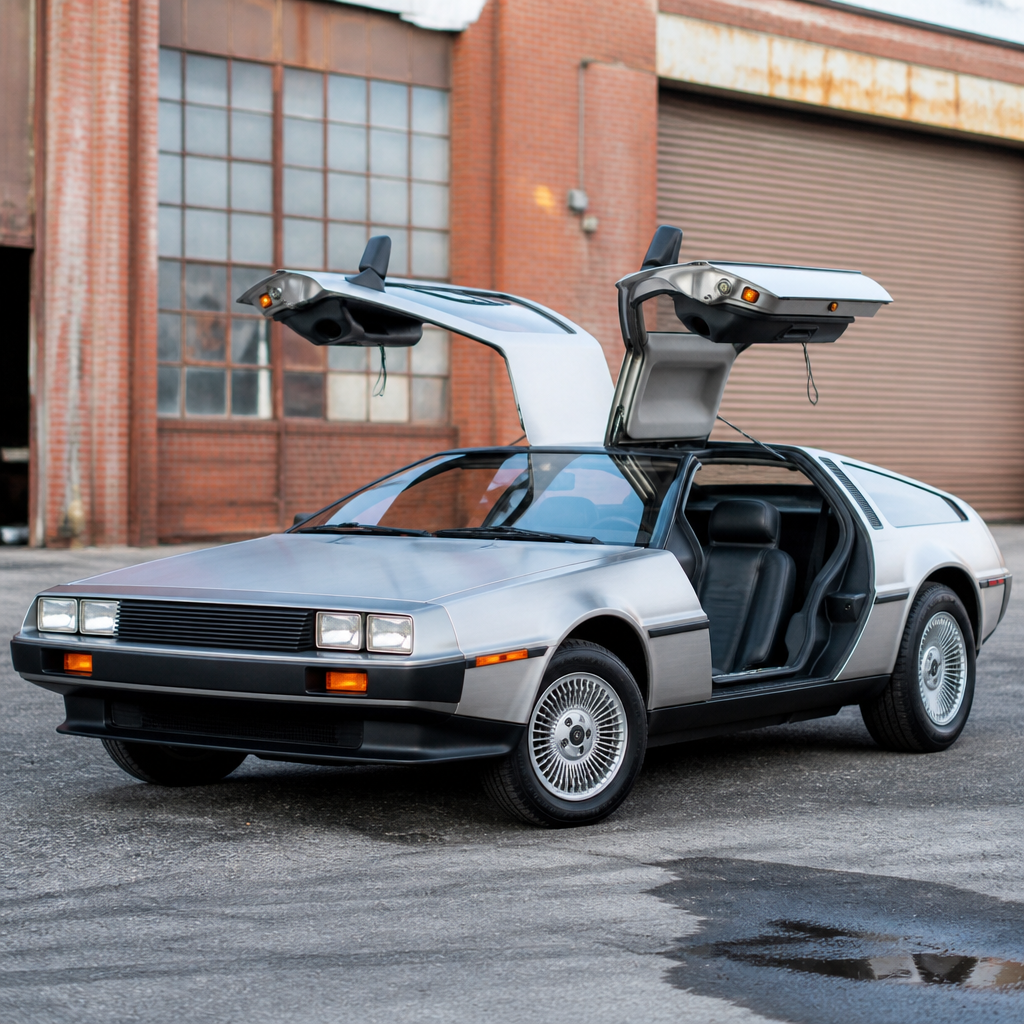
The production car behind the movie machine was the DeLorean DMC-12, introduced for the 1981 model year. John Z. DeLorean, a former General Motors executive known for helping shape cars such as the Pontiac GTO, founded the DeLorean Motor Company with the goal of building a distinctive sports car that broke from Detroit convention. The final car featured body panels in brushed stainless steel over a fiberglass underbody and backbone chassis. Giorgetto Giugiaro of Italdesign handled the crisp wedge styling, and the gullwing doors became the feature everyone remembered.
Under the skin, however, the DMC-12 was less exotic than its appearance suggested. Power came from the PRV V6, a 2.85-liter engine developed jointly by Peugeot, Renault, and Volvo. In U.S. specification it produced around 130 horsepower, paired with either a five-speed manual or a three-speed automatic. Contemporary testers generally agreed that the car looked faster than it was. Period road tests from magazines including Road & Track and Car and Driver noted respectable touring manners but disappointing acceleration for the price. Build quality also varied, especially on early cars.
The company assembled the DMC-12 at Dunmurry, near Belfast, in Northern Ireland. That location reflected a complex mix of industrial strategy and government support, not simply a branding decision. The British government backed the factory in hopes of creating jobs during political and economic instability. About 9,000 DeLoreans were produced before the company failed. John DeLorean’s 1982 arrest in an FBI drug sting, though he was later acquitted, devastated public confidence. By the time Back to the Future entered production, the car was already an orphaned model with a dramatic backstory.
Why Back to the Future Chose a DeLorean
The choice of the DeLorean was creative and strategic. Bob Gale has said the filmmakers wanted a time machine that would be instantly memorable and plausible as a one-off scientific invention. The car had to signal danger, novelty, and unconventional thinking. A familiar sedan would not do that. A fully fictional vehicle would have required more exposition and effects work. The DeLorean solved both problems because audiences could recognize it as a real car while accepting that Doc Brown had modified it beyond reason.
Its gullwing doors were especially important. On screen, they made every arrival and departure feel theatrical. They opened upward like the wings of a craft from another era, which supported the film’s tone without heavy dialogue. The stainless finish also photographed well under practical lighting, reflections, and smoke effects. Even parked, the car looked active. In my experience studying movie cars, that is a crucial trait. The most durable hero vehicles tell part of the story before anyone speaks, and the DeLorean did that naturally.
There was also a narrative benefit. The joke that Doc Brown built a time machine out of a DeLorean works because the car was uncommon but real. In one of the film’s most quoted lines, Doc says that if you are going to build a time machine into a car, why not do it with some style. That line did not create the style; it validated what audiences already saw. The movie transformed the DeLorean’s existing design language into a story asset.
How the Movie Time Machine Was Designed and Built
Turning the DMC-12 into a convincing time machine required coordinated work across art direction, special effects, mechanical fabrication, and stunt preparation. The production acquired multiple DeLoreans and assigned them to different jobs, including close-up hero shots, stunt use, and effects work. Kevin Pike’s team added exterior tubing, vents, aircraft-style hardware, cables, and what appeared to be a rear-mounted nuclear reactor. The design pulled from aerospace imagery, industrial electronics, and laboratory improvisation rather than from any single science-fiction template.
The Flux Capacitor became the core fictional mechanism, mounted behind the seats where it could be seen clearly. That placement mattered. Audiences needed one visual component to understand and remember as the machine’s heart. Other additions, such as the time circuits display and plutonium chamber, gave the car operating logic. They answered a question every successful movie prop must solve: if this machine were real, what parts would the operator interact with? The answer appeared every time Marty entered a destination date or Doc explained the 1.21 gigawatts requirement.
Despite its cinematic credibility, the car was never a high-performance platform. Stunt and effects planning had to work around the DeLorean’s limits. Low power, modest braking by modern standards, and fragile specialty parts meant crews needed careful control of camera angles, editing, and road speed to sell urgency. Fire trails, lighting effects, and sound design did the rest. This is one reason the final result deserves respect from both film historians and car enthusiasts. The illusion of technical sophistication came from intelligent design choices, not from brute mechanical capability.
| Version | Purpose in Production | Notable Features |
|---|---|---|
| Hero car | Close-ups and dialogue scenes | Detailed interior, finished exterior props, visible time circuits |
| Stunt car | Driving, impact, and repeated action work | Modified for durability, simplified details where cameras would not linger |
| Effects car | Flying or transformation shots in sequels | Special rigging points, lightweight sections, removable components |
The Sequels Expanded the Myth
If the first film made the DeLorean famous, Back to the Future Part II and Part III made it legendary. The sequels treated the car as an evolving machine rather than a static prop. In Part II, the hover conversion added another layer of fantasy with folding wheels, underbody lighting, and the famous flight mode. The modifications reinforced a key idea: the DeLorean was not just a time machine but a platform for imaginative upgrades. That concept would later inspire replica builders, toy lines, and convention displays around the world.
Part III deepened the relationship between the car and American history. Stranded in 1885, the DeLorean became a vulnerable artifact from the future, hidden in a mine and then revived under primitive conditions. The climax with the steam locomotive is especially important within movie-car history because it contrasts industrial eras directly. You watch nineteenth-century rail power pushing a failed early-1980s sports car so it can jump through time. Few franchises have staged a more effective visual argument that transportation technology carries emotional meaning across generations.
The sequels also broadened the car’s iconography. Mr. Fusion replaced plutonium as a more comic, domestic-looking power source. The circuitry became denser, the body busier, and the machine more familiar to viewers. By the end of the trilogy, the DeLorean had accumulated enough distinctive components that even partial replicas became recognizable. That is the threshold where a movie vehicle stops being a prop and becomes a symbol.
What Happened to the Original Movie Cars
Several DeLoreans were used across the trilogy, and their later histories have been carefully tracked by fans, collectors, and museums. One of the best-known surviving hero cars was restored and placed on display at the Petersen Automotive Museum in Los Angeles after a long conservation effort involving original crew input and archival research. That restoration mattered because screen-used cars often drift from their filmed appearance through repairs, tours, and storage damage. Returning the car to a verified configuration preserved film history as well as automotive history.
Other production cars suffered harder fates. Some were stripped for parts, some deteriorated, and at least one stunt shell survived only in compromised form after heavy use. This pattern is normal in film production. Studios rarely treat working vehicles as future museum artifacts during principal photography. They are tools expected to solve immediate problems. The DeLorean’s later preservation reflects its cultural afterlife, not how it was valued on set in 1984 and 1985.
For collectors, authenticity now depends on documentation, not appearance alone. A replica can look perfect, but a screen-used car needs chain-of-custody records, production stills, and physical details tied to specific scenes. Auction houses such as Profiles in History and major museums have helped formalize that standard. In the DeLorean world, provenance is everything.
How the Film Changed DeLorean Values and Fan Culture
Back to the Future did not merely preserve interest in the DMC-12; it redefined the market. Values for standard DeLoreans have fluctuated with broader collector trends, condition, originality, and mileage, but the film created a permanently larger buyer base than the car would otherwise have had. Buyers who grew up with the trilogy often enter the hobby wanting one car that combines recognizable design with media history. The DeLorean offers both. It attracts traditional collectors, film memorabilia fans, and younger enthusiasts who might not respond to a carbureted muscle car or prewar tourer.
The owner community is unusually hybrid. Some owners maintain factory-correct cars down to original wheels, interior grain, and PRV engine details. Others build tribute time machines with screen-accurate cables, displays, and reactors. Companies linked to the DeLorean aftermarket have supported both paths by supplying mechanical parts, stainless body expertise, and replica accessories. DeLorean Motor Company in Texas, while separate from the original factory-era company, has played a major role in keeping the cars on the road through parts support and specialist knowledge.
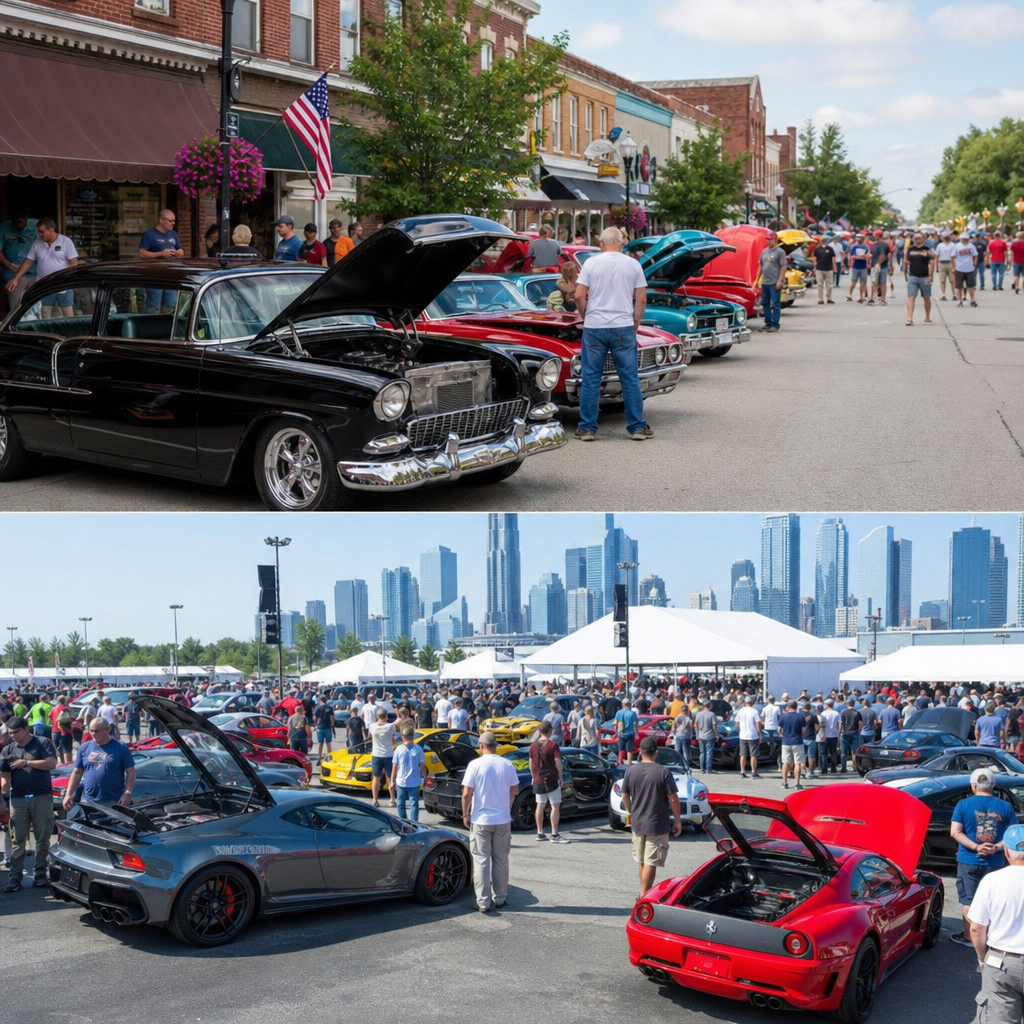
This is where Movies & Media becomes essential to classic car culture. Screen exposure does not just raise prices; it shapes how owners use and present their cars. At shows, a stock DeLorean may invite technical discussion, but a time-machine replica creates instant public engagement. Children understand it immediately. Adults quote lines, take photos, and ask about the flux capacitor. The car becomes a social bridge into the hobby.
Why the DeLorean Remains the Hub of Movie Car Conversation
Many famous movie cars are beloved because they were already great cars, including the Aston Martin DB5 and the Ford Mustang from Bullitt. The DeLorean is different. Its cultural rank comes primarily from storytelling. That makes it one of the most instructive vehicles in all automotive media. It proves that design charisma, narrative function, and repeat exposure can outweigh original sales performance. It also shows why film and television deserve serious attention within classic car scholarship. Media does not merely reflect enthusiast tastes; it actively creates them.
For anyone exploring classic car culture through Movies & Media, the DeLorean is the ideal hub because it opens every major subtopic: screen-used prop design, celebrity founders, 1980s consumer aspiration, replica ethics, museum restoration, licensing, and fan conventions. It also leads naturally into related subjects, from television heroes like KITT to cinematic chase legends and documentary coverage of automotive myths. Start with the DeLorean, and the broader map of media-driven car culture becomes easier to read.
The story behind the DeLorean from Back to the Future is ultimately a story about reinvention. A flawed but striking production car found a second life through brilliant filmmaking, and that second life proved more durable than its original commercial one. The movie did not erase the real DMC-12’s limitations, but it gave those limitations context within a richer, more human narrative about invention, risk, style, and memory.
That is why the DeLorean still matters to collectors, restorers, and fans. It reminds us that classic cars live not only in garages and auction catalogs, but also in the stories people attach to them. If you are building your knowledge of Movies & Media in classic car culture, use the DeLorean as your anchor point, then keep exploring the vehicles that film and television turned into legends.
Frequently Asked Questions
Why did the DeLorean become the perfect car for Back to the Future?
The DeLorean was an unusually smart choice because it already looked like it had arrived from another time. With its brushed stainless-steel body, dramatic gullwing doors, low wedge-shaped profile, and unconventional engineering, the DMC-12 had a visual identity unlike almost anything else on American roads in the early 1980s. For a film built around the idea of time travel, that mattered enormously. The car needed to feel believable as a machine transformed by scientific genius, yet strange enough that audiences would instantly accept it as something special. The DeLorean delivered that effect before any fictional time-travel hardware was even added.
It also worked beautifully from a filmmaking standpoint. The stainless-steel finish reflected light in a way that made the car stand out on screen, especially at night or under special effects lighting. The gullwing doors made every entrance and exit feel theatrical, turning the DeLorean into a stage prop, a spaceship, and a character all at once. In practical terms, it gave the filmmakers a car that looked futuristic without needing to invent a vehicle from scratch. That saved the production from relying entirely on fantasy design and helped ground the movie in the real world.
Most importantly, the DeLorean fit the tone of the story. Back to the Future is playful, imaginative, and rooted in recognizable Americana, yet it constantly bends expectations. The DMC-12 represented exactly that combination. It was a real production car with a very public backstory, but it also carried an air of mystery and unrealized potential. Once the film connected that potential to time travel, the DeLorean stopped being just a failed sports car and became one of the most memorable screen vehicles ever created.
Was the DeLorean already famous before the movie, or did Back to the Future create its legend?
The DeLorean was known before the movie, but mostly for reasons very different from the ones that define it today. John DeLorean was a celebrity executive in the auto industry, and his company attracted huge media attention in the late 1970s and early 1980s. The DMC-12 launched with enormous hype, promising style, innovation, and a bold break from Detroit convention. Yet the car’s commercial life was short and troubled. Production issues, financial instability, and the collapse of the DeLorean Motor Company gave the car a reputation tied more to corporate drama than to enduring automotive success.
Back to the Future completely changed that trajectory. The film did not merely feature a DeLorean as a prop; it rewrote the car’s cultural meaning. Instead of being remembered mainly as a symbol of business failure and missed expectations, the DMC-12 became associated with imagination, adventure, and the excitement of 1980s blockbuster cinema. That is a rare transformation. Many cars appear in movies, but very few have their public identity permanently rewritten by one role. The DeLorean is one of the clearest examples of a film rescuing an automobile from historical obscurity and giving it a new life more powerful than its original market story.
That new identity proved lasting because it spread far beyond movie theaters. The time machine DeLorean became a staple of toys, posters, conventions, video games, replica builds, licensing campaigns, and collector events. For younger generations, the movie often became the first and strongest point of contact with the car. In that sense, the legend was not simply amplified by Back to the Future; it was effectively rebuilt. The car’s real-world history still matters, but its global fame today is inseparable from the film trilogy and the emotional connection audiences formed with it.
How accurate is the movie version of the DeLorean compared to the real DMC-12?
At its core, the movie car is still recognizably a DeLorean DMC-12, but the film transformed it extensively for storytelling purposes. The basic production car came with the famous stainless-steel body panels, rear-mounted engine layout, and gullwing doors that made it visually distinctive. Those features are authentic to the road car. What the film added was an imaginative layer of pseudo-scientific equipment: external wiring, vents, reactors, conduits, gauges, and the now-iconic time-circuit hardware. The genius of the design was that the fictional modifications looked as though they had been improvised by Doc Brown from real industrial and electronic components, which made the machine feel mechanically plausible even when the concept itself was fantastical.
In terms of performance, however, the movie’s DeLorean is very much a cinematic invention. The real DMC-12 was never a high-performance supercar, despite its exotic looks. It used a PRV V6 engine and was generally considered more stylish than fast. That contrast actually adds to the charm of the screen version. On paper, the real car was somewhat underwhelming compared to the promise suggested by its appearance; on screen, it became a vehicle capable of spectacular bursts to 88 miles per hour, temporal jumps, and later even flight. The film essentially gave the DeLorean the heroic performance image that the production model never fully achieved in showroom form.
Even so, the movie did not erase the underlying car. Enthusiasts still appreciate the engineering quirks, build history, and restoration realities of actual DMC-12s. Owners know the difference between a stock road-going DeLorean and a screen-accurate time-machine conversion, and both have dedicated followings. That distinction is part of what makes the car so fascinating in classic car culture. It exists simultaneously as a real, collectible 1980s automobile and as one of the most recognizable pieces of movie design ever built.
How did Back to the Future affect DeLorean values, collectors, and restoration culture?
The film had an enormous long-term effect on collector interest because it created demand that went beyond traditional car enthusiasm. Normally, classic car values are shaped by performance credentials, racing success, rarity, engineering significance, and historical reputation. The DeLorean’s case is different. Its collector market is powered just as much by media identity and emotional recognition as by automotive criteria. People seek out DeLoreans not only because they are unusual cars, but because they represent a shared cultural memory. That means the buying audience includes movie fans, pop-culture collectors, nostalgia-driven enthusiasts, and serious classic car owners alike.
This broadened audience helped sustain values and visibility over decades. While market conditions vary, the DeLorean has enjoyed a level of interest far out of proportion to its original commercial success. Screen-accurate replicas and tribute builds often attract intense attention at shows, and original-style cars also benefit from the association. The movie made the DeLorean instantly recognizable, which is a powerful advantage in the collector world. Recognition drives demand, demand encourages preservation, and preservation keeps a vehicle relevant long after many contemporaries have faded from public view.
Restoration culture around the DeLorean is especially strong because owners are not just preserving a car; they are preserving a story. Specialists, parts suppliers, fan communities, and dedicated workshops have helped maintain the model’s survival in ways that mirror more established collector segments. Some restorations aim for factory-correct authenticity, emphasizing original specifications and period details. Others focus on recreating one of the film versions with obsessive accuracy, down to prop placement and hardware styling. That dual restoration culture is unusual and speaks to the DeLorean’s unique place where automotive history and entertainment history overlap.
Why is the DeLorean still such a powerful symbol of 1980s pop culture today?
The DeLorean endures because it symbolizes more than a single car or even a single movie. It represents a whole cluster of 1980s themes: technological optimism, quirky futurism, blockbuster storytelling, toyetic design, celebrity-driven marketing, and the belief that machines could still feel magical. Its shape is instantly legible, even to people who know very little about cars. That kind of visual shorthand is rare. A silhouette alone can trigger memories of Marty McFly, Doc Brown, glowing time circuits, and the countdown to 88 miles per hour. Few vehicles have ever achieved that level of cultural compression.
It also remains relevant because the story behind it is layered. The DeLorean connects real industrial ambition with fictional reinvention. It carries the legacy of John DeLorean’s bold vision, the rise and fall of an unconventional car company, and the afterlife created by cinema. That combination gives the car unusual depth. It is not just nostalgic; it is narratively rich. Fans can approach it as a design object, a film prop, a collector car, a restoration challenge, or a symbol of an era when pop culture and product identity merged in especially memorable ways.
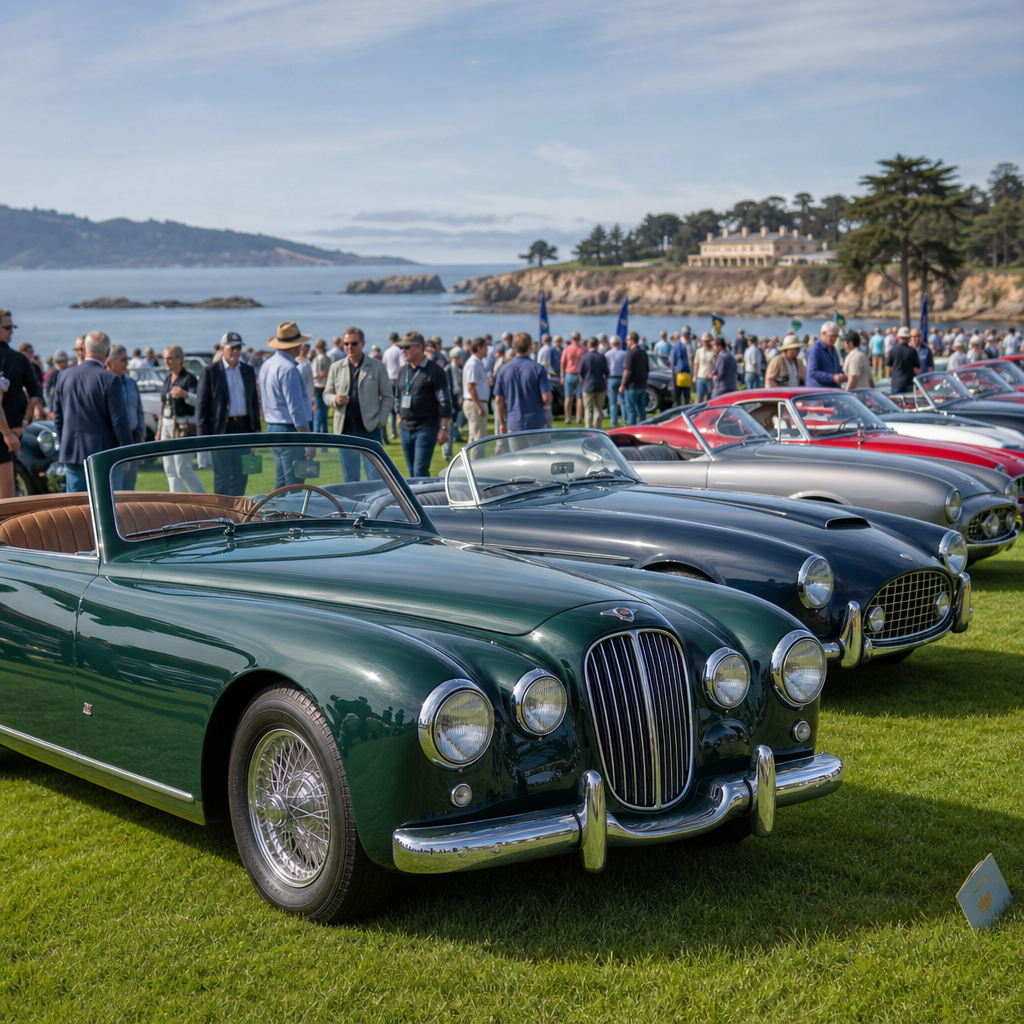
Finally, the DeLorean survives because communities continue to keep it alive. Owners display them at concours events, comic conventions, museums, and fan gatherings. Licensed merchandise and media references introduce it to new generations. Restoration shops, replica builders, and enthusiasts continue to debate details, share knowledge, and celebrate the car’s place in both automotive and entertainment history. That ongoing participation matters. The DeLorean is not frozen in the past; it