Movie cars sit at the crossroads of engineering, storytelling, branding, and collector culture, which is why the most expensive movie cars ever built matter far beyond the screen. In classic car culture, a movie car is not simply a vehicle that appeared in a film. It is a purpose-built or production-modified machine created to perform a cinematic role, survive stunt work, communicate character, and often sell an entire fantasy to audiences worldwide. Some were hand-fabricated from scratch. Others began as already valuable road cars, then became vastly more expensive through customization, effects integration, and filming logistics. I have worked around restoration shops, auction previews, and studio-built replicas long enough to see the same pattern repeatedly: once a car must satisfy both mechanical reality and cinematic illusion, costs rise fast.
Understanding expense in this niche requires separating several ideas. Build cost is what studios, fabricators, and mechanics spent to design and create the car for filming. Replacement cost is what it would take to recreate that machine today with equivalent materials, labor, and legal compliance. Market value is what collectors later pay at auction because of provenance, rarity, and cultural impact. Those numbers can be dramatically different. The Aston Martin DB5 used in James Bond films, for example, was never the most mechanically complex car ever placed on camera, yet its documented film connection helped push later auction results into the millions. By contrast, several Batmobiles cost fortunes to fabricate but do not always command the same resale premium unless their screen history is ironclad.
This matters because movie cars anchor the entire Movies & Media side of classic car culture. They inspire replicas, shape restoration trends, drive museum attendance, influence concours classes, and pull younger enthusiasts into the hobby. A child who first loves the DeLorean time machine, the Ecto-1, or the Mustang from Bullitt often grows into the adult buying parts catalogs, visiting film-car exhibits, and reading deeply about coachbuilding, stunt preparation, and special-effects fabrication. As a hub topic, expensive movie cars also connect naturally to broader subjects such as hero cars versus stunt cars, provenance documentation, film licensing, replica ethics, memorabilia auctions, and the difference between screen-used originality and post-production restoration. To understand why certain cars became legends, it helps to examine how studios actually spent the money, what those expenditures bought on screen, and why collectors still care decades later.
What Makes a Movie Car Expensive to Build?
The most expensive movie cars ever built usually combine four cost drivers: a valuable base vehicle, custom fabrication, special-effects hardware, and redundancy. Studios rarely rely on one car. They commission multiple versions for close-ups, stunt sequences, interior shots, and promotional appearances. That multiplies every expense. On major productions, I have seen costs climb not because one feature was extravagant, but because the same engineering problem had to be solved several times across a fleet. If a vehicle needs hidden cameras, reinforced suspension, removable body panels, pyrotechnic shielding, and fast-reset repairability, labor hours balloon.
Base vehicle choice matters immediately. Starting with a Ferrari, Aston Martin, or rare muscle car raises the floor because acquisition alone may cost six or seven figures today. Then comes fabrication. Bodywork for fantasy cars often involves buck building, composite layup, CNC-cut molds, metal finishing, and repeated fitment testing. Add electronics such as lighting systems, pneumatic gadgets, smoke effects, weapon simulations, or dashboard props, and the budget grows again. Insurance and safety engineering can be just as costly. Modern productions must satisfy union rules, stunt coordination standards, and transport regulations, particularly when a drivable hero car operates near actors. Even in earlier decades, expensive overruns often came from breakage, rushed repairs, and the need to keep continuity identical between takes.
There is also the less obvious cost of visual credibility. A great movie car must look convincing from every angle and under harsh lighting. Cheap fabrication reads instantly on camera. The best builders invest in panel alignment, paint depth, period-correct trim, and functional detailing because audiences notice authenticity even if they cannot describe it. That is why the top tier of movie cars often resembles coachbuilt automotive art more than ordinary prop making.
Iconic Examples That Defined the High-End Movie Car Market
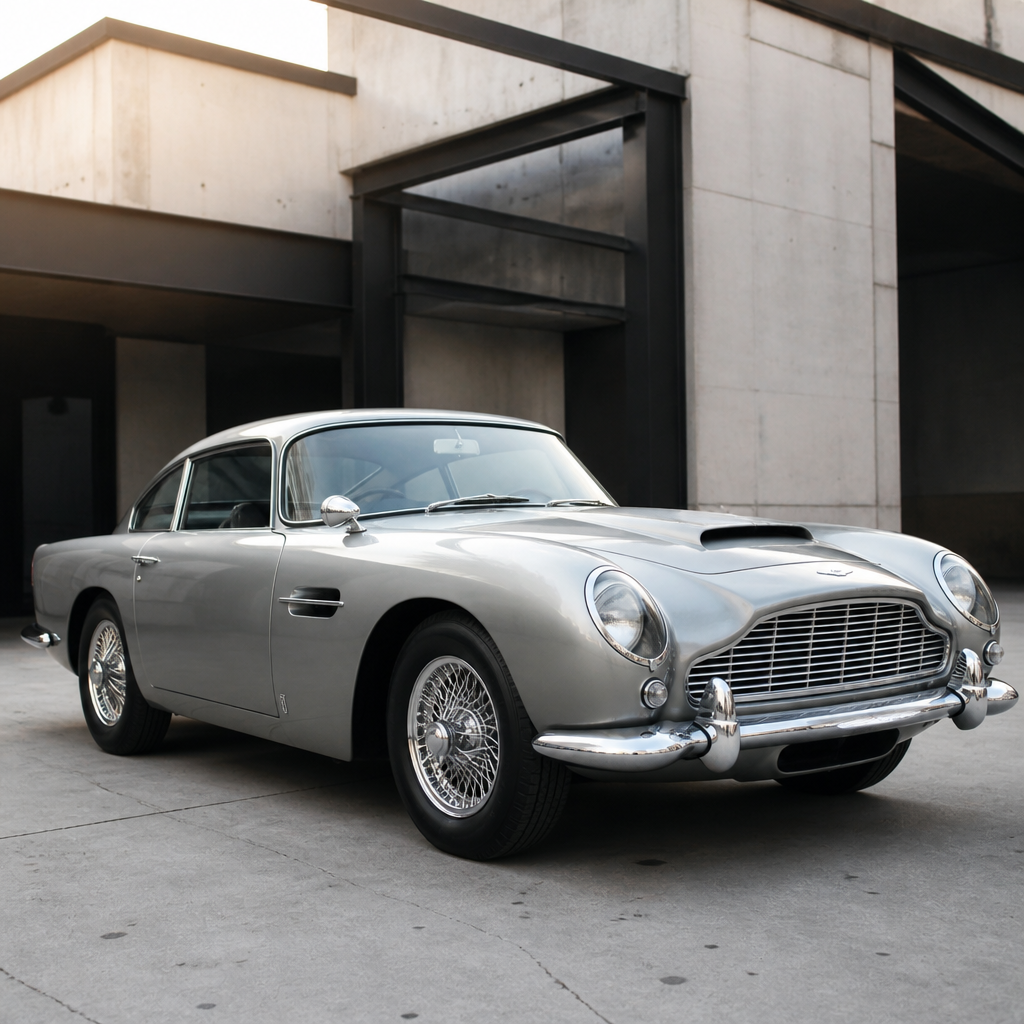
The Aston Martin DB5 from Goldfinger and Thunderball remains one of the clearest examples of a movie car whose on-screen modifications and later provenance created extraordinary value. Built by Aston Martin as a luxury grand tourer, the DB5 became something more when equipped with gadgetry by effects specialist John Stears. Revolving number plates, simulated machine guns, an ejector-seat effect, and tracking devices transformed an already premium car into cinema history. One authenticated Bond DB5 sold for $4.6 million at RM Sotheby’s in 2019, and another realized $6.4 million in 2022. Those figures reflect cultural importance, but they also remind enthusiasts that high-end movie cars often begin with high-end road cars.
The Batmobiles deserve equal attention because they represent the opposite path: fabrication-first icons. Tim Burton’s 1989 Batmobile was a long, low custom machine built around a Chevrolet Impala chassis with a body reported at roughly 20 feet in length. Creating that silhouette required extensive hand-built structure, functioning cockpit components, and durable effects-ready construction. Modern attempts to recreate screen-accurate Burton Batmobiles routinely run into six figures before paint, licensing complications, or display hardware. Christopher Nolan’s Tumbler pushed costs further by blending military concept styling, oversized tires, custom suspension, and practical stunt capability. Several Tumblers were built, and one original sold through Heritage Auctions in 2023 for more than $1.5 million.
Back to the Future’s DeLorean time machine demonstrates how a commercially troubled production car can become an expensive cinematic artifact. The stainless-steel DMC-12 was not an elite supercar, but the film conversion was highly specific: rear reactor assembly, exposed tubing, avionics-style interior dressing, lighting arrays, and props engineered to survive repeated filming. Original surviving cars are treated almost like industrial design masterworks today. Their market value comes less from the donor car and more from exact film configuration, documentation, and whether components date to principal photography, promotional use, or restoration.
When Multiple Cars, Stunts, and Damage Budgets Drive Costs Higher
Many readers ask a direct question: what is the single most expensive movie car ever built? There is no universally accepted answer because studios seldom publish complete line-item budgets, and fleet-based productions spread costs across hero cars and stunt cars. Still, the most expensive programs typically come from action franchises where many nearly identical vehicles are constructed, damaged, rebuilt, and modified throughout production. The Fast & Furious series is a leading example. Although some hero cars began as obtainable imports or muscle cars, the cumulative cost of sourcing multiple chassis, reinforcing drivetrains, preparing camera rigs, and replacing wrecked vehicles can exceed the budget attached to one famous exotic from an older film.
Mad Max: Fury Road is another case where expense came from the fleet as much as any single machine. The War Rig, the Gigahorse, and dozens of wasteland builds required intensive fabrication on practical vehicles capable of operating in brutal desert conditions. These were not static props. They had to move convincingly, survive abuse, and support stunt choreography at speed. The result was a large-scale rolling sculpture program, with costs distributed across engineering, welding, driveline adaptation, suspension travel, cooling, and constant field repair. Anyone who has maintained even one heavily modified classic knows how punishing this is; multiply it by a full production schedule and the spending becomes obvious.
| Movie car | Why it was expensive | Known market benchmark |
|---|---|---|
| Aston Martin DB5 | Luxury base car, working gadgets, Bond provenance | $4.6M to $6.4M auction results |
| 1989 Batmobile | Custom fabrication, oversized body, effects integration | Replicas often exceed six figures; originals vary by provenance |
| Tumbler Batmobile | Purpose-built chassis, stunt engineering, multiple builds | One original sold for over $1.5M |
| DeLorean time machine | Complex conversion, franchise significance, scarcity | Values depend heavily on screen use and restoration history |
This is why comparisons between build cost and later selling price can be misleading. A film may destroy millions of dollars’ worth of custom cars during production, while the surviving hero example later sells for less than the total fabrication program cost. For enthusiasts, that distinction matters when evaluating whether a car was expensive because it was rare, because it was lavishly engineered, or because the studio simply needed many versions to complete the film.
Hero Cars, Stunt Cars, and the Provenance Premium
Not all screen-used cars are equal, and this is where the collector market becomes highly technical. A hero car is the primary vehicle used for close-ups, beauty shots, and actor interaction. These usually receive the highest-quality finish and most complete detailing. A stunt car is built to withstand jumps, crashes, slides, or rigging demands. Some are stripped, reinforced, or cosmetically simplified because they are never meant to hold up under static scrutiny. When a title says a certain vehicle is one of the most expensive movie cars ever built, serious buyers immediately ask which version survived.
Provenance is the deciding factor. The strongest documentation includes studio inventory records, call sheets, transportation logs, continuity photos, builder invoices, period publicity stills, and chain-of-title paperwork from official disposals. Auction houses like RM Sotheby’s, Bonhams, Mecum, and Barrett-Jackson have helped standardize how this evidence is presented, but the burden still falls on the seller. I have seen superficially convincing replicas lose value quickly once experts inspected weld patterns, prop placement, VIN history, or restoration-era substitutions. In movie-car collecting, originality includes non-automotive details. The right switches, labels, mounts, and even intentional cosmetic imperfections can matter.
This helps explain why some expensive builds never become expensive collectibles. If a vehicle was heavily rebuilt after filming, merged from parts of several cars, or converted into a touring display piece with modern components, its historical integrity may be diluted. That does not erase fan appeal, but it changes the valuation model. The premium goes to documented screen presence, not merely visual resemblance.
Why Movie Cars Matter Within Classic Car Culture and Media History
Expensive movie cars are not a novelty side show. They are a gateway into the broader history of design, motorsport aesthetics, branding, and preservation. Bullitt elevated the 1968 Ford Mustang GT fastback into a cultural object associated with realism, performance driving, and San Francisco chase-scene cinematography. Gone in 60 Seconds did something similar for Eleanor-style Mustangs, creating decades of replica demand and legal debates over intellectual property. Ghostbusters turned a 1959 Cadillac ambulance conversion into one of the most recognized specialty vehicles in entertainment. Each example influenced what people restore, collect, photograph, and discuss at shows.
For a Movies & Media hub inside classic car culture, that influence is the key point. Film and television do not just reflect enthusiast taste; they actively manufacture it. Studios can rescue obscure models from historical footnotes or permanently redefine mainstream perceptions of a car. The Lotus Esprit submarine car from The Spy Who Loved Me linked Bond fantasy with wedge-era design so effectively that one surviving example sold for $997,000 in 2013. Knight Rider made the third-generation Pontiac Firebird Trans Am part of pop mythology. The Dukes of Hazzard consumed so many 1969 Dodge Chargers during stunt production that surviving cars later became even more treasured among Mopar enthusiasts.
If you are building out coverage in this subtopic, the natural next steps include dedicated features on the most famous chase cars, the rarest surviving screen-used vehicles, replica-versus-original buying guides, TV cars that became auction stars, and deep dives into the craftspeople who fabricated cinematic icons. Movie cars endure because they make mechanical objects carry emotional memory, and that combination is powerful enough to move both markets and generations. Explore the related stories, follow the provenance, and you will understand classic car culture at its most visible and compelling.
Frequently Asked Questions
What makes a movie car so expensive compared with an ordinary classic or collector car?
The price of a movie car usually comes from a rare combination of factors that almost never exist together in a normal collector vehicle. First, there is the car itself: some are based on already valuable platforms, while others are hand-built machines created specifically for the camera. That means custom fabrication, specialist bodywork, one-off engineering, stunt reinforcement, and often multiple versions made for different filming needs. A hero car used for close-up shots may feature a much higher level of finish and detail than a stunt or background car, and that distinction alone can dramatically affect value.
Second, movie cars carry cultural value that extends well beyond automotive circles. A famous screen-used vehicle is part prop, part design object, part entertainment history, and part branding icon. It may be instantly recognizable even to people who know nothing about engines, coachbuilding, or restoration. That broad recognition expands the pool of buyers from traditional car collectors to film memorabilia investors, museums, luxury brands, and high-net-worth fans who want a centerpiece with global name recognition.
Third, provenance matters enormously. If a vehicle can be directly tied to a specific film, scene, actor, studio archive, or production history, its value rises because authenticity becomes part of the story being sold. Documentation such as studio records, call sheets, build invoices, continuity photos, auction history, and chain of ownership can elevate a car from interesting replica to major collector-grade artifact. In the most expensive cases, buyers are not just purchasing steel, fiberglass, and horsepower. They are acquiring a verified piece of cinematic mythology.
Are the most expensive movie cars usually real production cars, or were many of them built specifically for film?
It can be either, and that is part of what makes this category so fascinating. Some of the most valuable movie cars began life as legitimate production automobiles that were later modified for a role. In those cases, the base vehicle may already be desirable because of its manufacturer, rarity, or historical significance. When a production car is connected to a legendary film appearance, its value can jump far beyond what the standard version would command on the open market.
Other movie cars were built from the ground up to serve a cinematic purpose. These purpose-built machines often exist because the script demanded something that the real automotive world could not provide. Designers and fabricators may create futuristic silhouettes, hidden mechanisms, special effects integration, oversized cockpits for cameras, reinforced chassis for stunts, or bodies shaped more for visual impact than road practicality. That custom construction can make them incredibly expensive to build in the first place, and if the film becomes iconic, the finished car can become one of the most sought-after pieces of movie memorabilia ever made.
In many famous productions, there were also several versions of the same car. A hero car might be carefully detailed for beauty shots, while other copies were made for jumps, crashes, interior scenes, or effects work. This is why two cars from the same film can have very different values. The market tends to reward the version with the strongest screen connection, best documentation, highest originality, and most distinctive role in the movie’s visual identity.
Why does screen time and scene importance have such a big impact on a movie car’s value?
Screen time matters because visibility creates memory, and memory creates demand. A car that appears clearly in major scenes becomes part of the audience’s emotional experience of the film. Viewers associate it with a character, a chase, a reveal, or a defining cinematic moment. That emotional connection is often far more powerful than technical specifications alone. A car that appears in a brief background shot may still be authentic, but it usually will not command the same premium as one used in a famous chase, a signature entrance, or a climactic sequence.
Importance within the story matters just as much as time on screen. Some vehicles effectively function as supporting characters. They symbolize power, rebellion, wealth, danger, futurism, or identity. When a car helps define the tone of the film or the image of the lead character, its status rises from transportation to storytelling device. That elevates both collector demand and cultural prestige.
Auction houses and serious buyers look closely at exactly how a car was used. Was it driven by the lead actor? Was it featured in promotional material? Did it appear in posters, trailers, or memorable stills? Was it the close-up hero version or one of several stunt units? These details can radically change final sale prices. In the upper tier of the market, collectors are paying for narrative significance as much as physical rarity, and the strongest values usually belong to cars that audiences can identify instantly from a defining scene.
How do collectors verify that a movie car is authentic and not just a replica or tribute build?
Authentication is one of the most important parts of valuing a movie car, because replicas can look convincing while having a fraction of the historical worth. Serious verification typically begins with provenance. Buyers want a documented ownership trail connecting the vehicle to the production company, studio, fabricator, or recognized previous owners. Supporting paperwork can include studio letters, certificates of authenticity, vehicle build records, transportation logs, restoration documents, and period photographs taken on set.
Physical evidence also matters. Experts may inspect chassis numbers, body construction methods, weld patterns, paint layers, mounting points for special effects equipment, interior modifications, and signs of production-specific use. In some cases, a movie car has unusual craftsmanship or non-road-legal design features that line up precisely with known behind-the-scenes images. Those details can help distinguish a genuine screen-used vehicle from a later copy built to resemble it.
Collectors also rely on specialist knowledge from marque historians, prop experts, restorers, and major auction houses with experience handling entertainment memorabilia. A well-documented movie car often carries more confidence in the market, which translates directly into price. Without strong authentication, even a spectacular vehicle may face skepticism. In this niche, the story must be provable, not just plausible. The best examples combine airtight documentation, consistent physical evidence, and a clear production history that can withstand expert scrutiny.
Do expensive movie cars keep increasing in value, or is the market driven by trends and nostalgia?
The market is driven by both long-term value and shifting cultural trends. Truly exceptional movie cars often appreciate because they occupy several collectible categories at once: they are film artifacts, design objects, automotive curiosities, and status symbols. If the vehicle is tied to a beloved franchise, a historically important film, or a major star, it can remain desirable for decades. Scarcity also plays a major role. When only one verified hero car survives, or when very few authentic screen-used examples are available, demand can remain strong even during softer market cycles.
That said, nostalgia absolutely influences pricing. As generations of viewers reach peak earning years, they often begin competing for the icons that shaped their imagination. A car from a cult classic can surge in value once that fan base matures into serious buyers. Anniversary releases, franchise reboots, documentaries, museum exhibitions, and renewed media attention can all push prices upward by bringing a car back into public conversation.
Still, not every movie car rises forever. Values can vary depending on condition, restoration quality, documentation, legal road use, originality, and whether the film remains culturally relevant. The strongest performers tend to be vehicles with iconic design, indisputable provenance, and a central role in a movie that still resonates globally. In other words, the market is not just about age or rarity. It rewards cars that continue to live in the public imagination long after the credits roll.